Volcanoes have a way of making everything else seem small. At Lava Centre, you get a fun, science-forward look at how Iceland’s fiery forces shape the land. The setting helps too: you learn about volcano systems while looking out toward the likes of Eyjafjallajökull, Katla, and Hekla.
I especially like the hands-on learning style, with interactive displays that explain magma, lava, and tephra without turning into a textbook. I also like the fact you’re not stuck indoors all day; the exhibition connects to what you can see from the observation area, plus there’s a cinema showing recent eruptions. A fair consideration: this is an exhibition-heavy visit, so if you’re hoping for hours of outdoor trekking, you may feel shorted.
In This Review
- Key things I’d mark as the best parts
- Entering Lava Centre’s volcano world (and why it works)
- Exhibition stations: interactive displays that actually explain the basics
- The cinema: watching recent eruptions from the Iceland you’re planning to see
- Trembling Earth: live earthquake map and the simulated quake
- Fiery Heart of Iceland: magma up-flow, plate boundaries, and the “hot spot” idea
- Magma Learning Center: volcanic structures and how tephra spreads
- Local Volcano viewing: panoramic views of active but dormant giants
- Observing the science outside: why the viewpoint matters for value
- Price and timing: is $42 worth it?
- Who should book Lava Centre, and who might skip
- Practical notes that help you plan a smoother visit
- Should you book Lava Centre Volcano Exhibition and Cinema?
- FAQ
- How long is the Lava Centre Volcano Exhibition and Cinema visit?
- How much does it cost?
- What’s included with the ticket?
- Is food or drinks included?
- Is it wheelchair accessible?
- What languages are available?
- Is there a cinema component?
- Is there anything related to earthquakes?
- Is free cancellation available?
Key things I’d mark as the best parts
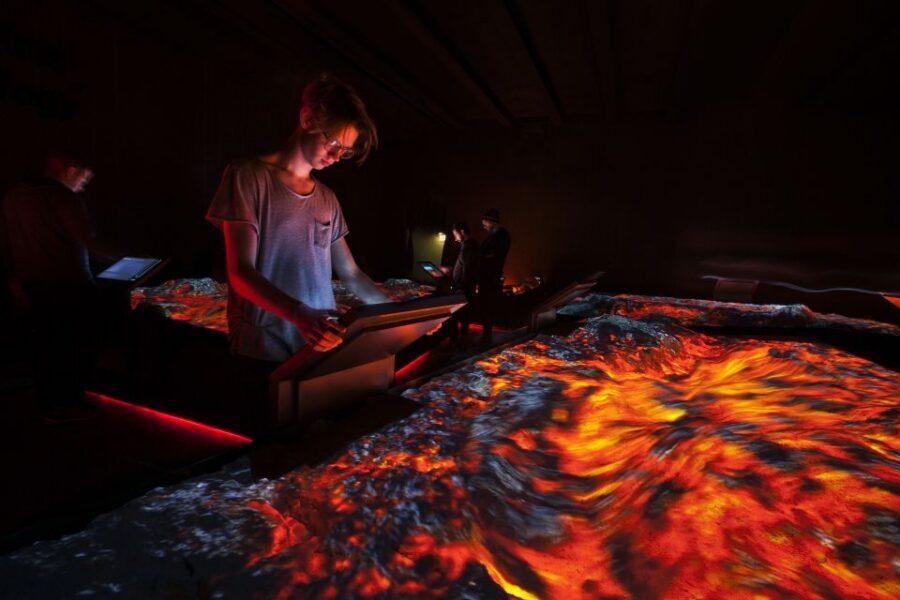
- Interactive stations that make geology feel usable, not just impressive
- Cinema footage of the latest eruptions, including Grindavík and the Blue Lagoon area
- A live earthquake map plus a simulated quake in the Trembling Earth section
- Clear explanations of how magma and tephra form, including how ice and water affect eruptions
- Panoramic viewing from the observation deck, with multiple active volcano types in sight
Entering Lava Centre’s volcano world (and why it works)
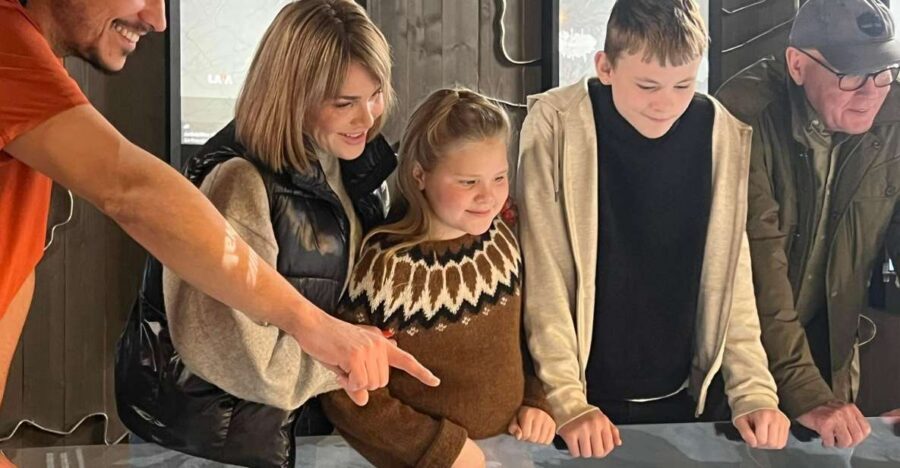
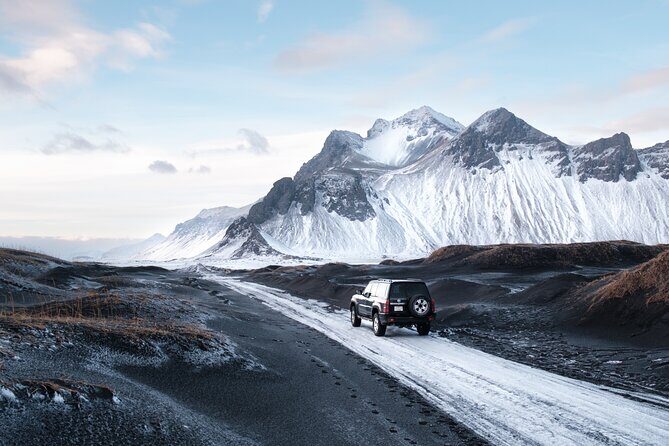
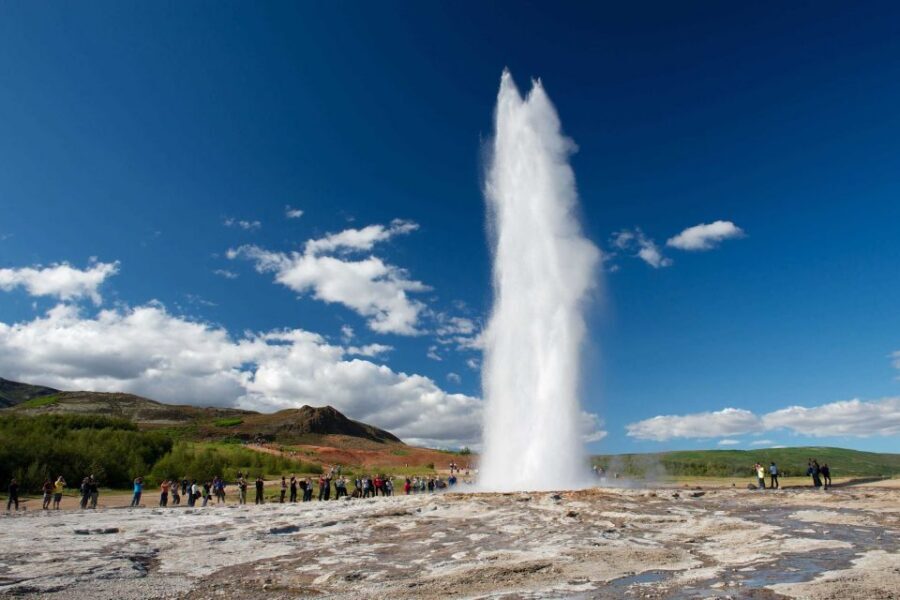
Lava Centre is built around one simple idea: you learn faster when you can push buttons, watch visuals, and connect the science to what’s happening outside. The exhibition focuses on Iceland’s most active volcanoes and the volcanic systems that keep reshaping the country. You’ll also see why Iceland is known for things like black sands, geysers, and color-rich mountains—because the same underground energy shows up on the surface in different ways.
The visit is designed so you can move at your own pace. That matters because volcano learning can be intense if it’s rushed. Here, the flow is more “station by station,” so you can spend extra time where something clicks for you.
You can also read our reviews of more tours and experiences in Selfoss.
Exhibition stations: interactive displays that actually explain the basics
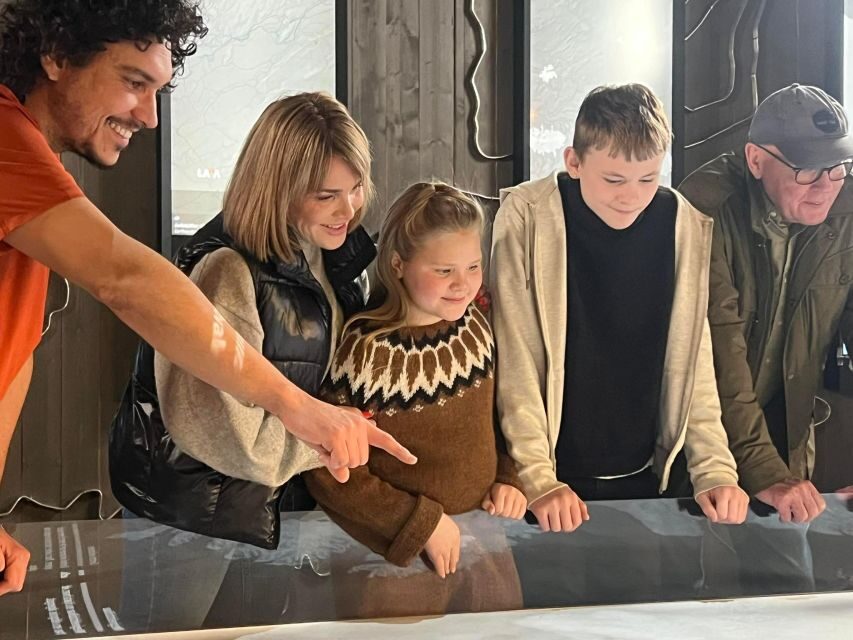
If you learn best by doing, you’ll like the way the exhibition is staged. The Magma Learning Center is the heart of the education, with displays focused on volcanic structures and how they function. It’s the kind of setup where you’re not just reading labels—you’re building the mental model of what’s under Iceland.
You’ll also get straightforward definitions that help everything else make sense:
- magma is molten rock inside the Earth
- lava is what you call it when it reaches the surface during an eruption
- tephra is airborne material, including smaller particles thrown into the sky
This is useful because so much volcanic talk online skips the “what’s the difference” part. Getting that terminology right makes later details about eruption behavior much easier to follow.
And for families, Lava Centre includes ear muffs, flashlights, and support teddy bears for younger visitors. That’s not a gimmick. It’s a smart way to handle noise and lighting expectations so kids can stay comfortable through the more dramatic sections.
The cinema: watching recent eruptions from the Iceland you’re planning to see
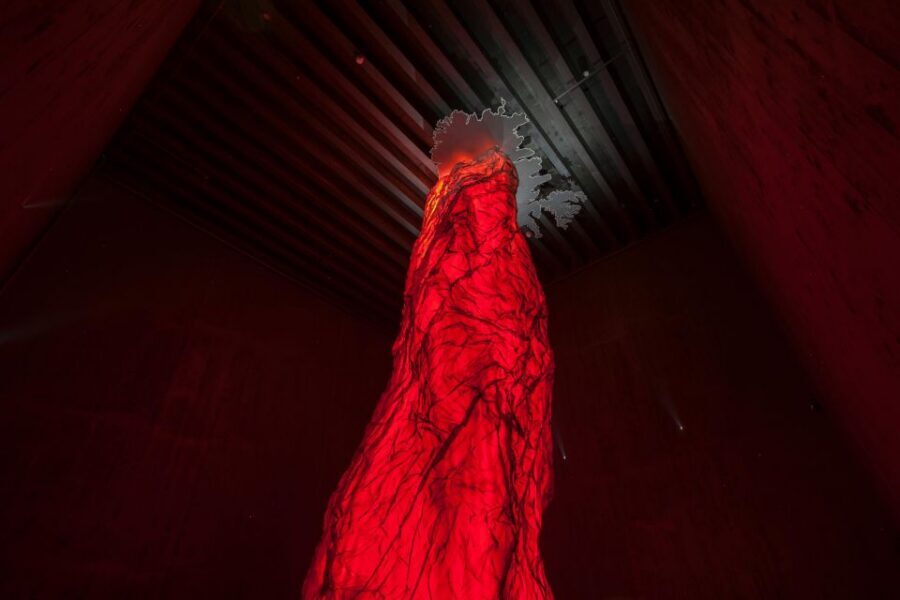
The cinema is where the learning gets emotional. Instead of only diagrams, you watch the latest eruption footage. The center specifically includes the newest eruption context around Grindavík and the Blue Lagoon.
For planning your trip, this is more than entertainment. Seeing real eruption footage helps you understand why Iceland’s volcanic activity affects travel, safety discussions, and the way people interpret the landscape. You’re not just admiring volcanoes—you’re seeing how quickly conditions can shift and how scientists communicate about it.
I’d also note that the cinema experience fits well into a one-day visit. You don’t need a full day outdoors to feel like you got your money’s worth of Iceland’s volcanic reality.
Trembling Earth: live earthquake map and the simulated quake
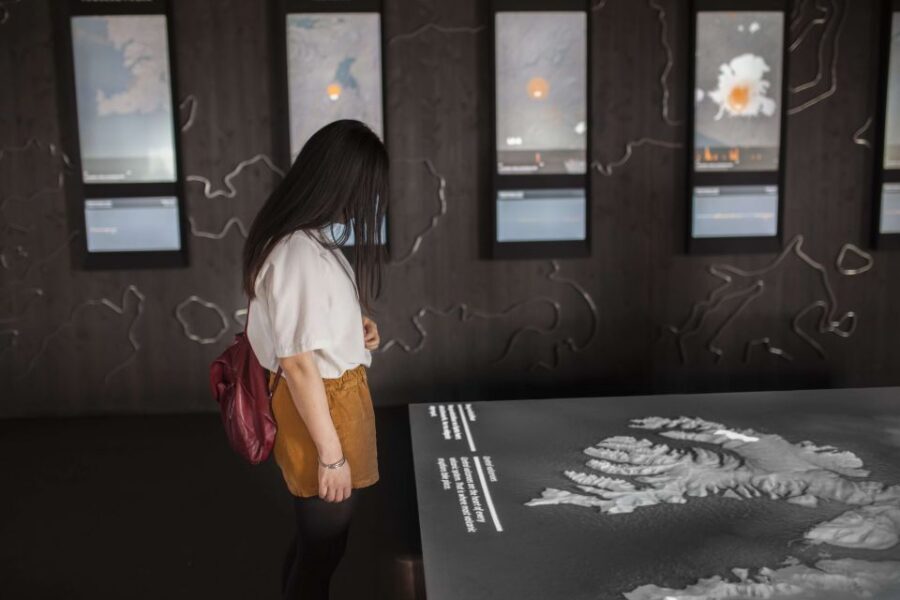
Earthquakes are a huge part of Iceland’s story, and the Trembling Earth section handles that clearly. You’ll learn how diverging tectonic plate movements and rising magma connect to frequent earthquakes. The goal is to show you the cause-and-effect chain, not just the fact that shaking happens.
Two features here are especially memorable:
- Live earthquakes on a map, so you can see that activity isn’t only a historic topic.
- A simulated earthquake, where the drama is controlled but still feels real enough to stick in your memory.
That simulator is one of those experiences that makes the science land. Even if you’re not a geology nerd, you start thinking about energy transfer, fault movement, and why ongoing tectonic motion matters for Iceland’s volcanic regions.
Fiery Heart of Iceland: magma up-flow, plate boundaries, and the “hot spot” idea
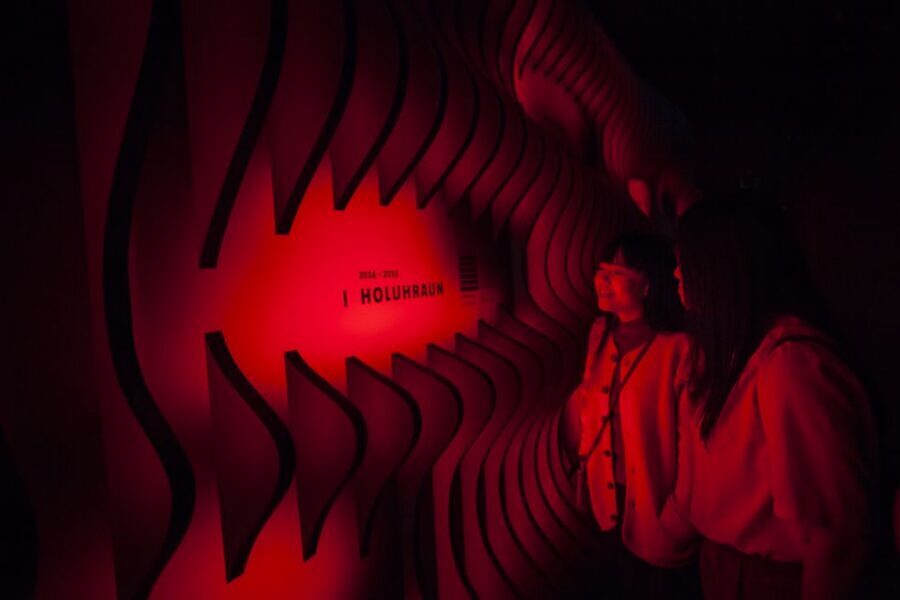
This display is for people who want the bigger mechanics. The Fiery Heart of Iceland section explains normal up-flow of magma at diverging plate boundaries—then adds the additional ingredient beneath Iceland: a mantle plume, also described as a hot spot. The center pinpoints this concept in the central highlands.
That’s a key reason the Lava Centre is worth visiting even if you’ve read a bit about Iceland already. It connects multiple explanations into a single “here’s how it all fits” picture. You’ll also get the chance to understand why volcanic systems aren’t random dots on a map; they’re tied to structure and pressure deep underground.
It’s the kind of explanation that helps you later when you’re driving through the south and noticing how geothermal and volcanic features show up in unexpected places.
Magma Learning Center: volcanic structures and how tephra spreads
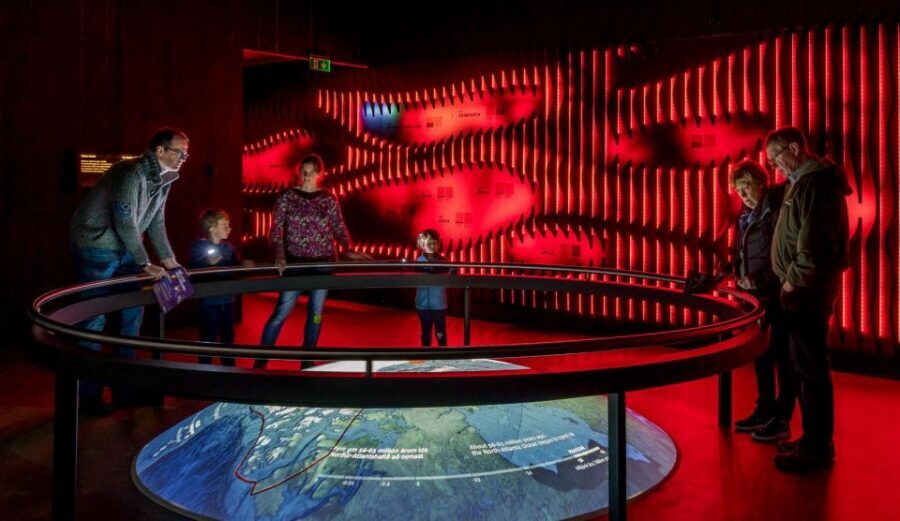
The Magma Learning Center focuses on volcanic structures, and that’s where you start seeing volcanoes as systems rather than single mountains with smoke. Iceland’s activity comes from a web of volcanic systems—30 volcanic systems, each contributing to different types of volcanoes and different impacts on the land.
Then you get into tephra, which is one of the most practically important concepts in volcanic behavior. Tephra forms when magma encounters water or ice, or when gaseous molten rock is very viscous. The result is magma splintering into pieces of different sizes that can spread over large areas.
This section is valuable because it gives you a real-world reason to pay attention during volcanic events. When you understand how tephra forms and disperses, the news coverage about ash clouds and the effects on air travel makes more sense. You’re learning the “why,” not just the “what.”
Local Volcano viewing: panoramic views of active but dormant giants
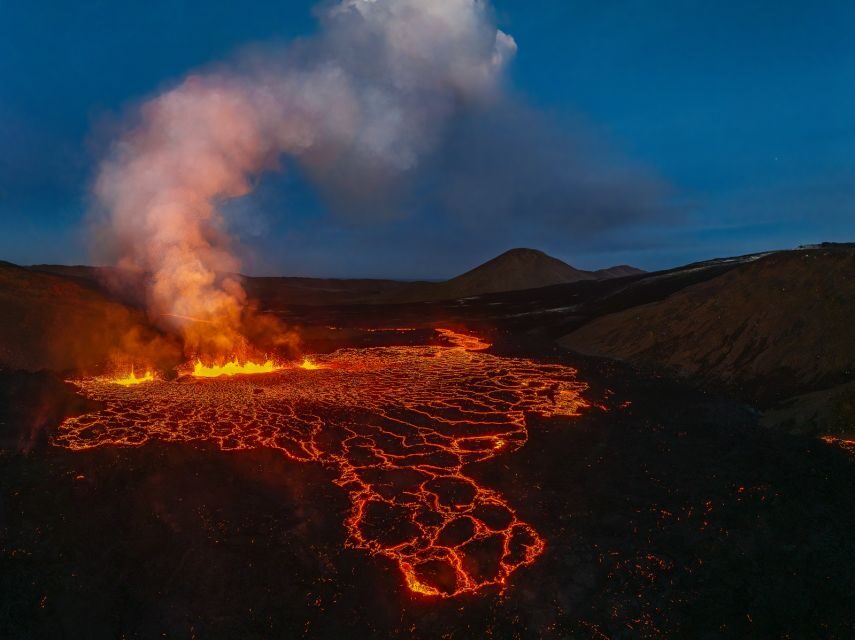
One of the best surprises here is that the exhibition doesn’t stay inside. From the observation deck and the Local Volcano section, you get a panoramic view of four large, active but dormant volcanoes and a group of volcanic islands. The display emphasizes that all of them are different in type and nature, and that two are among Iceland’s most active and productive volcanoes.
You might not memorize every detail the first time through, and that’s fine. What matters is that the view gives you a visual anchor for what you learned inside. You’re not just learning definitions; you’re linking them to specific volcanic characters you can see in the distance.
Also, the center’s focus on Eyjafjallajökull, Katla, and Hekla helps you keep names straight in your head while you look outward. If you’re the kind of traveler who likes to point and say, “Oh, that’s the one we studied,” this part will feel satisfying.
Observing the science outside: why the viewpoint matters for value
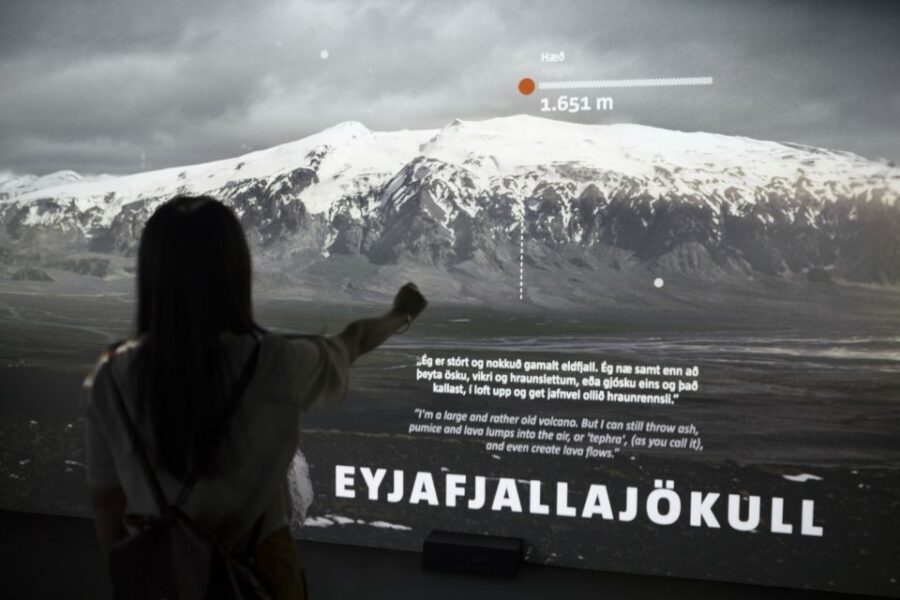
The value of this experience isn’t only the exhibition content. It’s the way the experience toggles between indoor learning and outdoor sightlines. That loop helps you remember what you were taught because you can attach it to a place.
In practical terms, this matters for how you’ll pace your day. A one-day visit works best if you treat it like a focused stop rather than a full-day “everything in Iceland” mission. You can plan to spend about an hour moving through the exhibition and then add time for the cinema and observation deck at a comfortable pace.
And if you’re traveling with kids, the setup helps you keep everyone engaged without constant bargaining. The learning is interactive, and the viewpoint gives a quick payoff.
Price and timing: is $42 worth it?
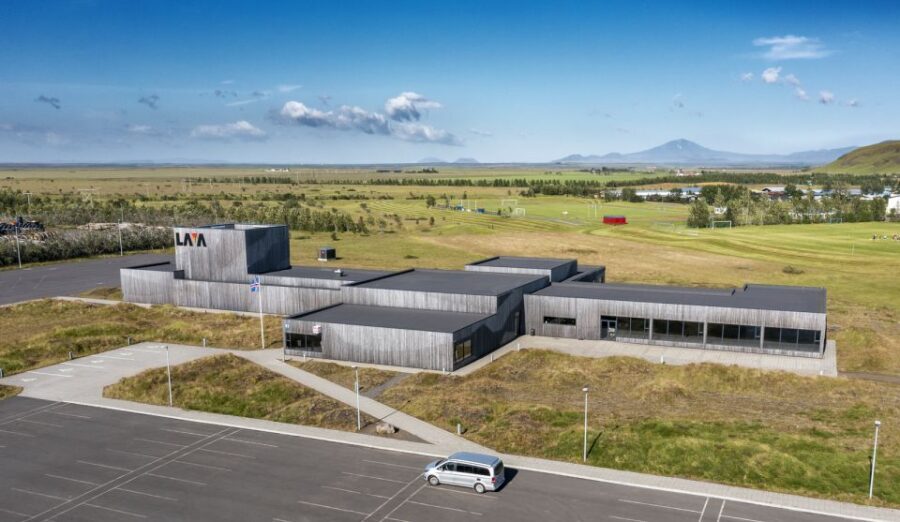
At $42 per person for a full one-day ticket, Lava Centre sits in that sweet spot between “worth it” and “don’t overthink it.” You’re paying for multiple experiences bundled together: exhibition stations, cinema programming, and access to the observation deck.
Here’s why that price tends to make sense:
- You’re not buying one attraction. You’re getting several linked components.
- The content covers multiple big ideas—volcano systems, magma behavior, tephra formation, and earthquakes.
- The cinema and observation deck prevent the visit from feeling like only indoor schooling.
The main reason someone might feel it’s not worth it is if you expect a long outdoor excursion or dramatic hiking views. This is more “show + viewpoint” than “epic trek.” If that matches your style, you’ll likely feel like it’s money well spent.
Who should book Lava Centre, and who might skip
You should book if you want a smart, approachable way to understand Iceland’s volcanoes in a short amount of time. It’s also a strong fit for travelers who like interactive science and clear explanations, and for anyone planning to spend time in the south and wants context before watching the real-world volcanic activity unfolding.
It’s less ideal if you’re only interested in walking far outdoors or if you’re expecting a guided tour that replaces independent exploration. The center works best when you’re willing to spend time at the stations and read the explanations.
And if you’re traveling with a group with mixed interests, Lava Centre is good at meeting different needs: some people can focus on the earthquakes and magma mechanics, while others enjoy the cinema and the observation deck views.
Practical notes that help you plan a smoother visit
Food and drinks aren’t included, so plan for a snack plan elsewhere before or after. The basics are handled on-site: ticket covers the exhibition, cinema, and observation deck.
You’ll also have language support in English and Icelandic. That’s helpful if your party includes someone who prefers Icelandic, or if you want clarity without searching for translations.
Finally, the center is wheelchair accessible and includes wheelchairs support, so you can treat accessibility as part of the planning rather than an afterthought.
Should you book Lava Centre Volcano Exhibition and Cinema?
I’d book Lava Centre if your goal is to understand Iceland’s volcanic engine without spending an entire day on the road. It’s an efficient use of time, and the mix of interactive stations, earthquake visuals, cinema eruption content, and a real viewpoint keeps it from feeling like homework.
If you enjoy learning by doing and you like the idea of watching real eruption footage (including the Grindavík and Blue Lagoon area context) while also seeing major volcano names like Eyjafjallajökull, Katla, and Hekla linked to what you’re studying, you’ll get a strong payoff.
FAQ
How long is the Lava Centre Volcano Exhibition and Cinema visit?
It’s valid for 1 day.
How much does it cost?
The price is listed as $42 per person.
What’s included with the ticket?
Entrance includes the exhibition, cinema, and observation deck. Ear muffs, flashlights, and support teddy bears are included for younger visitors, and wheelchairs are available.
Is food or drinks included?
No. Food and drinks are not included.
Is it wheelchair accessible?
Yes. The venue notes wheelchair accessibility.
What languages are available?
English and Icelandic.
Is there a cinema component?
Yes. The experience includes a cinema showing the latest eruptions.
Is there anything related to earthquakes?
Yes. You can see live earthquakes on a map and experience a simulated earthquake in the Trembling Earth section.
Is free cancellation available?
Yes. You can cancel up to 24 hours in advance for a full refund.