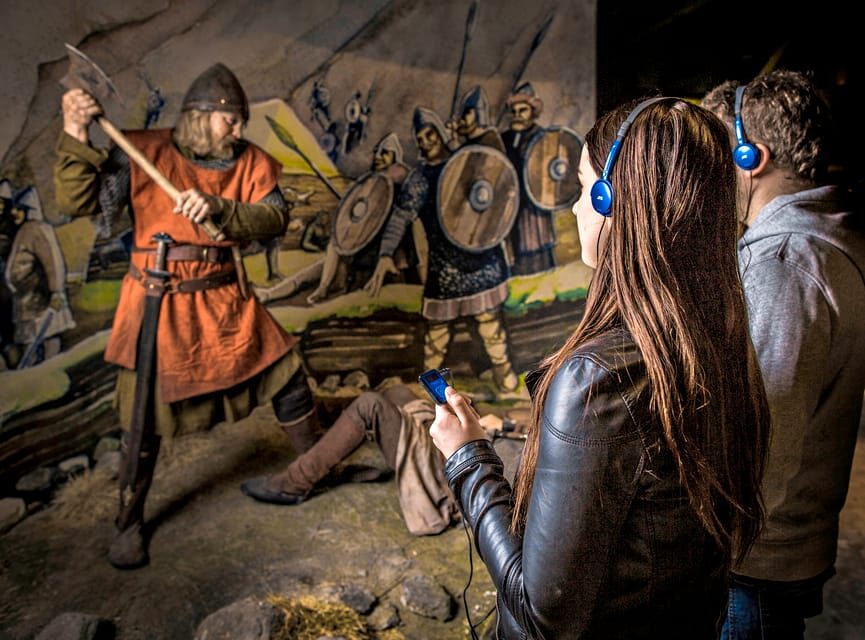
Vikings, but make it touchable history. At Saga Museum near Reykjavik’s harbor, you walk through life-like wax scenes that trace Iceland’s story from the earliest settlers to the Reformation. I especially like how the tour is built around a clear timeline, and how the figures help complicated centuries feel simple and human. One drawback: the route can involve some waiting between sections, so it’s not always a nonstop “see everything right now” experience.
Two things I like a lot: you get a structured audio-guided tour with headsets, and you end with hands-on fun in the costume area. You’ll also appreciate the museum’s practical setup, including lockers and parking on-site. The main consideration is that the museum may not be ideal for sensitive children, and it’s listed as not suitable for kids under 4.
If you want Viking history in a format that works even on a rainy day, this is a strong pick.
In This Review
- Key Highlights You’ll Actually Notice
- Where the Sagas Begin in Reykjavik’s Grandagarður
- The 35-Minute Audio Tour: From Papar to the Last Bishop
- A small heads-up on pacing
- 20 Exhibits That Turn Big Eras Into Human Scenes
- What you’ll likely like most
- Viking Dress-Up: Fun, Yes. Still Part of the Experience
- Languages and Headsets: Choose Your Comfort Level
- Price and Value: Is $33 Worth It?
- Timing Your Visit in Reykjavik: Rain-Proof and Easy to Slot
- Practical Stuff You’ll Want to Know Before You Go
- My advice for comfort and expectation
- Who This Saga Museum Ticket Fits Best
- FAQ
- How long is the audio-guided tour?
- How many exhibits are included with the ticket?
- What language options are included for the audio guide?
- Are there any text guides available?
- Is there a dress-up area?
- What is included in the ticket price?
- What is not included?
- Where is the museum entrance located?
- Is the museum wheelchair accessible?
- Is the museum suitable for young children?
- Should You Book Saga Museum Entry?
Key Highlights You’ll Actually Notice
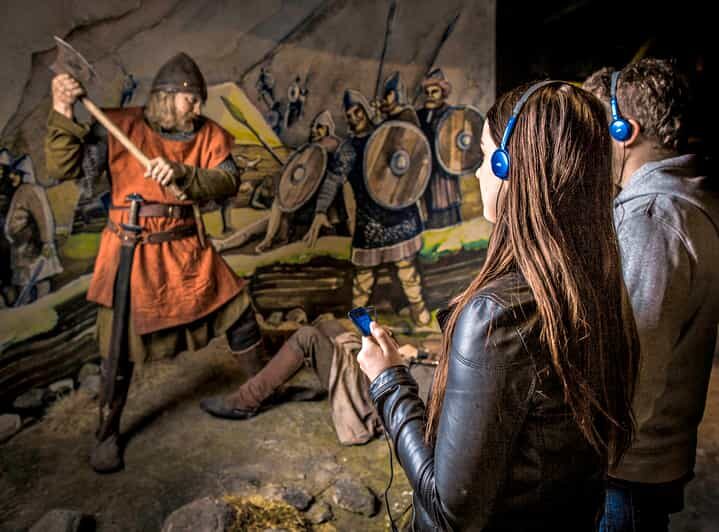
- 35-minute audio tour that follows Iceland’s saga timeline, from early settlers to the Reformation
- 20 wax exhibits designed as clear “story stops,” not scattered decorations
- Multi-language headsets (including English and several European languages) plus text guides in Polish and Italian
- Dress-up area where you can put on authentic-style Viking clothing and gear
- Practical visit basics like lockers and parking, so you’re not scrambling with bags
Where the Sagas Begin in Reykjavik’s Grandagarður
Saga Museum is in a very easy-to-find spot: Grandagarður 2, in a white building with a Viking statue on horseback right outside. The entrance shares the same door as the restaurant Matur og Drykkur, so you won’t miss it if you keep an eye on that statue.
This location matters because Reykjavik sightseeing can feel like a game of “get across town fast.” Here, you can treat the museum like a smart, central pause between outdoor plans. It’s also the kind of stop that works whether you’re arriving in the morning or looking for something indoor that still feels distinctly Icelandic.
And yes, it looks like a wax museum from the outside. Inside, it’s more about story. The exhibits are arranged to carry you through major eras of Icelandic history in a way that’s easier to follow than trying to read everything in a guidebook later.
You can also read our reviews of more tours and experiences in Reykjavik


The 35-Minute Audio Tour: From Papar to the Last Bishop
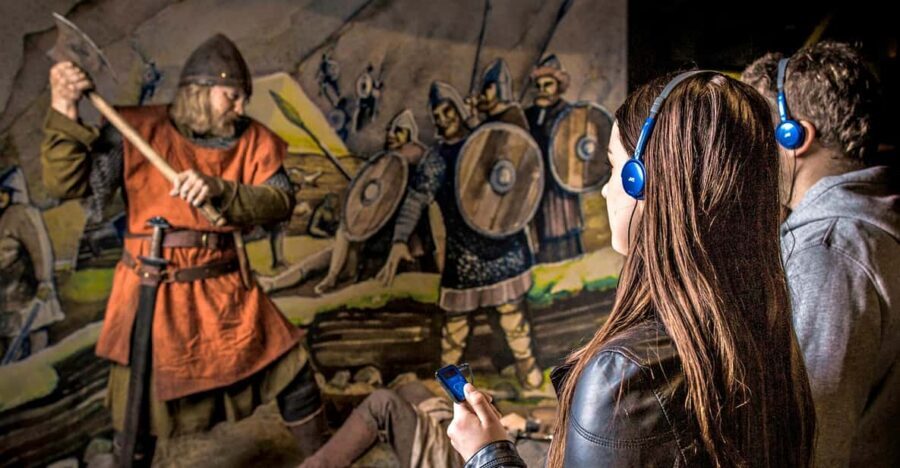
The core of your ticket is a 35-minute audio-guided tour with headsets. That timing is a sweet spot: long enough to get context and follow the thread, but short enough that you won’t feel trapped if you’re tired from walking around Reykjavik.
You’ll also want to listen with intention. This tour isn’t just background sound. It’s paced to take you from one era to the next, and it keeps pointing you to what matters in each scene.
Here’s the storyline arc you’ll move through:
- The earliest settlers, the Papar, and the first Vikings who settled Iceland, including the people tied to the naming of Reykjavik
- Leif the Lucky and the discovery story connected to America
- The founding of the Parliament, which is one of the headline “this is how society organized” moments
- The Saga age, when key stories were written down
- The civil war in Iceland, adding conflict and political reality to the mythic tone
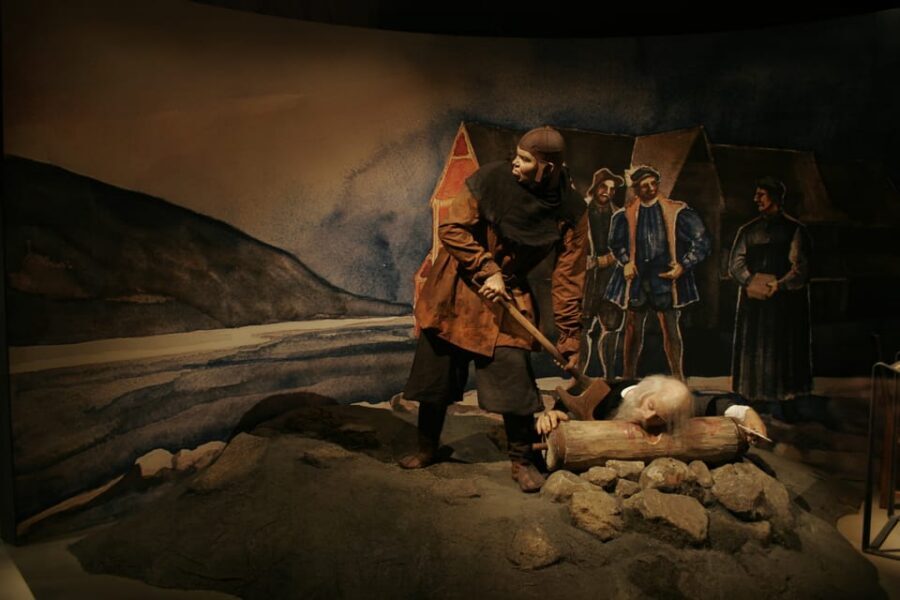
- The Reformation, ending with the last Catholic bishop in Iceland
If you usually struggle with historical tours because they feel like lists, this structure is what makes the museum work. You’re not expected to remember dates. You’re expected to recognize the sequence of ideas: settlement, voyages, governance, writing, conflict, and religious transformation.
A small heads-up on pacing
One practical thing to keep in mind: some visitors notice they may need to wait for the next step. That usually happens when groups are moving room to room and the museum controls access to the audio cue points. If you’re the type who hates pauses, go in expecting a few “stand here for a moment” moments rather than a perfectly continuous flow.
20 Exhibits That Turn Big Eras Into Human Scenes
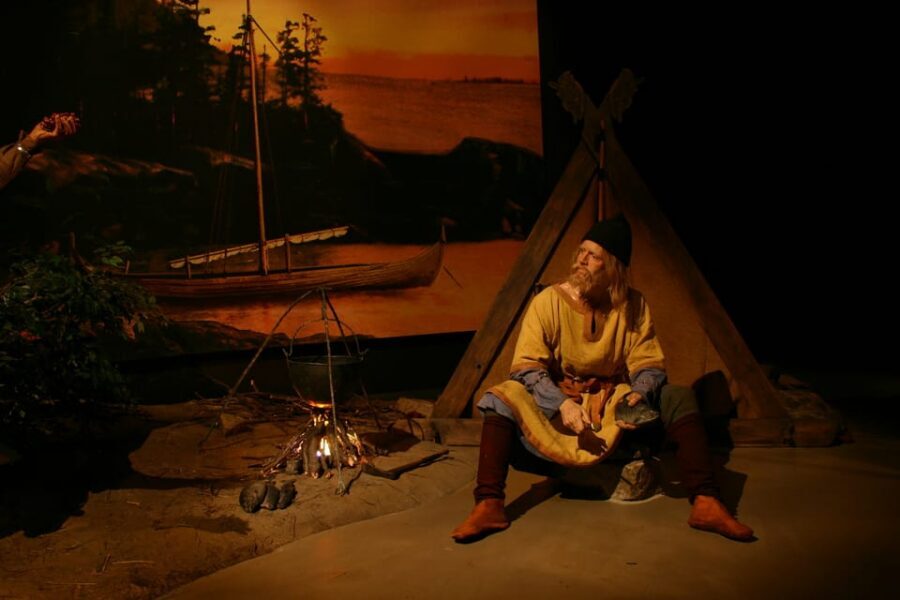
The ticket includes access to 20 exhibits, each built around a key highlight from the Icelandic saga tradition and Icelandic history. The “value” here isn’t just the number. It’s that each exhibit acts like a chapter break.
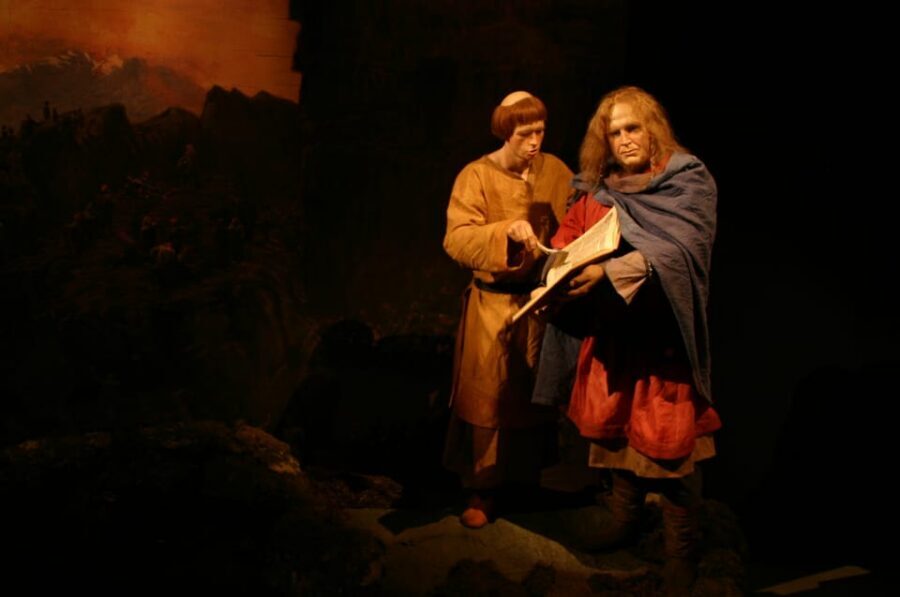
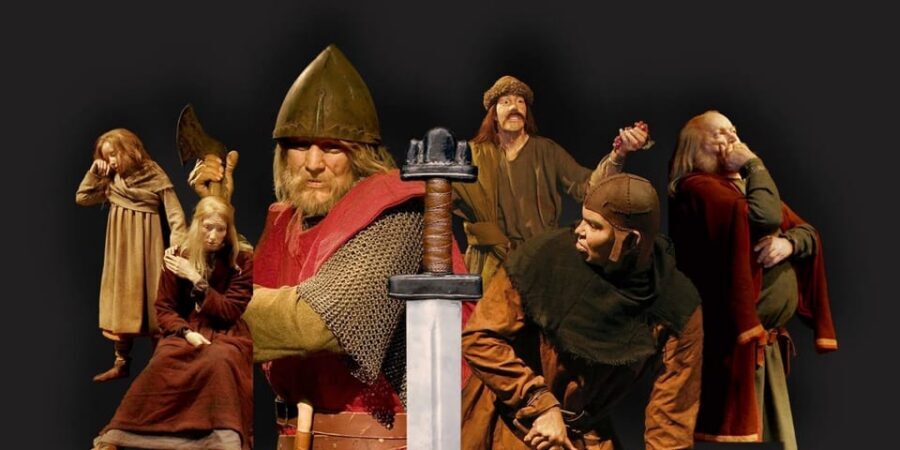
Wax museums can sometimes feel like static photo-op stops. This one leans harder into explanation and story. You’ll see scenes that aim to look life-like, and that realism helps you read the past in a tangible way. When figures are detailed, you naturally look closer, and closer looking is how the history actually sticks.
Here’s why those exhibits matter for your understanding:
- Settlement scenes give context for how an isolated island community took shape
- Voyage and discovery stories help you connect Iceland to wider medieval movement, not just a faraway corner of Europe
- Governance and Parliament turns the saga mindset from “adventure” into “systems”
- Civil war injects tension, so the timeline doesn’t feel like a gentle progression
- Reformation and religious change ends with an era shift that feels decisive rather than vague
You’ll also get the benefit of audio guidance for your attention. Even if you only catch part of what’s said, the exhibits give you visual hooks so the spoken explanation lands.
What you’ll likely like most
The highest praise you’ll see for this museum tends to cluster around three themes: friendly staff, realistic scenes, and the fact that the museum is genuinely informative. The wax figures don’t look like cheap mannequins. They’re meant to look like people caught mid-story, and that effect does help.
You can also read our reviews of more museum experiences in Reykjavik




Viking Dress-Up: Fun, Yes. Still Part of the Experience
After the learning, the museum sends you into the fully equipped costume area. This is where you move from listening and observing to doing.
What’s special is that the gear is described as authentic-style Viking clothes and authentic weapons. That matters because it turns the dress-up from a generic novelty into an actual “step into the era” moment.
Practical tips if you want this to be smooth:
- Plan to spend a little extra time here, because costumes take time to put on and adjust
- If you’re traveling light, lockers are included, so you can likely stash your day bag and focus on the outfit
- If you’re taking photos, give yourself a few attempts for the right angles. The costume area is where you can really make a picture look like it belongs in the saga era
This part is why many people rate the museum higher than you’d expect for a small attraction. It gives you a memorable output, not just memories and photos.
Languages and Headsets: Choose Your Comfort Level
Saga Museum offers audio guides with headsets in multiple languages. The included languages are listed as:
- English
- French
- German
- Icelandic
- Russian
- Spanish
- Swedish
There are also text guides available in Polish and Italian.
Why this matters: if you’ve ever done tours where only one language is crisp, you know how annoying it is to miss key details. Here, the main tour narration is offered in several major languages, so you can choose the one you’ll understand fully without straining.
Also, audio-guided touring is ideal when you want control. You can focus on the scene in front of you instead of trying to read every sign while walking.
Price and Value: Is $33 Worth It?
The ticket price is $33 per person, valid for 1 day from first activation. On paper, that’s not cheap, especially if you’re trying to optimize spending while in Iceland.
So is it worth it? For me, the value case depends on how you like to learn and how you travel.
It’s a good value if:
- You want a short, guided history experience rather than a long self-guided crawl
- You enjoy realistic exhibits and want them explained with an audio storyline
- You’ll actually use the Viking dress-up time at the end
- You like guided structure that follows a timeline, including governance, conflict, and religious change
It may feel pricey if:
- You want a large museum with hours of wandering
- You prefer to learn through text panels rather than audio
- You don’t care about wax figures or the costume area
One thing to be honest about: the museum is not described as large. Some visitors may find it small and not terribly interesting if their expectations are for a bigger collection. If your priority is depth across many centuries with lots of room to roam, adjust expectations.
The best way to think of it: pay for a compact story experience, not for a full-day museum marathon.
Timing Your Visit in Reykjavik: Rain-Proof and Easy to Slot
This museum is designed as a one-day attraction, and it’s well-suited to middle-of-the-day timing. Reykjavik weather can flip fast, and an indoor stop like this helps you keep your day on track.
You also don’t need complicated planning. You can:
- Pair it with nearby harbor-area walks
- Use it as a calm indoor break between other activities
- Treat it as a “culture stop” that still feels Iceland-specific and not generic
A bonus: since lockers are included, you can bring a normal city day bag and not worry about where to put it.
Practical Stuff You’ll Want to Know Before You Go
Here’s the visit setup in plain terms:
Included with your ticket
- Entrance fee
- Audio guides with headsets in multiple languages
- Text guide options in Polish and Italian
- Parking
- Lockers
Not included
- Food and drinks
- Pickup and drop-off
Accessibility
- Wheelchair accessible
Age suitability
- Not suitable for children under 4
- The museum may not be suitable for sensitive children
My advice for comfort and expectation
If you’re visiting with kids, decide based on temperament, not just age. The museum warns about sensitivity, which suggests some scenes may feel intense even though it’s a wax exhibit setting.
For adults, this warning usually reads like a “know your audience” note. The museum tells real historical stories that include conflict and religious transition. That can come through more strongly than you expect, depending on your child’s sensitivity.
Who This Saga Museum Ticket Fits Best
This experience is a strong match for:
- People who want guided storytelling rather than independent reading
- Visitors who enjoy Viking themes, especially when they come with context
- Travelers who like short activities that still feel culturally specific
- Anyone who wants to try the Viking dress-up part without building a whole separate attraction
It’s less of a match if:
- You’re chasing a huge museum with hours of discovery
- You dislike guided audio tours
- You hate any waiting between exhibit segments
If you’re on a tight schedule in Reykjavik, it’s also a practical use of time. Thirty-five minutes for the tour, plus costume time if you choose to do it, is easy to plan.
FAQ
How long is the audio-guided tour?
The audio-guided tour is 35 minutes.
How many exhibits are included with the ticket?
The experience includes 20 exhibits.
What language options are included for the audio guide?
Audio guides are available in English, French, German, Icelandic, Russian, Spanish, and Swedish.
Are there any text guides available?
Yes. Text guides are available in Polish and Italian.
Is there a dress-up area?
Yes. After the learning part, you can dress up as a Viking in authentic-style clothing and with authentic weapons.
What is included in the ticket price?
Included are the entrance fee, audio guides with headsets, text guide options, parking, and lockers.
What is not included?
Food and drinks are not included.
Where is the museum entrance located?
Saga Museum is at Grandagarður 2. The white building shares the same door as the restaurant Matur og Drykkur, and there is a Viking statue on a horse right in front.
Is the museum wheelchair accessible?
Yes, the museum is wheelchair accessible.
Is the museum suitable for young children?
It is not suitable for children under 4. The museum may also not be suitable for sensitive children.
Should You Book Saga Museum Entry?
Book it if you want a compact, story-led introduction to Iceland’s saga world with realistic wax exhibits and a satisfying hands-on finale in the costume area. At $33, it’s fair if you’ll listen carefully to the audio guide and actually use the dress-up time. Skip it or lower expectations if you’re hunting for a large museum you can wander for hours, or if you strongly prefer text-only learning.