Winter Iceland is easier with a plan. This 3-day Golden Circle and South Coast route is built to hit the big geology hits fast: Þingvellir, geysers, waterfalls, black-sand beaches, glaciers—and a Blue Ice Cave that changes every season. I also like that the tour keeps things practical for cold-weather travel, with pickup in Reykjavik and the right safety gear handled for you.
Two things I really like: first, the small group size (up to 19) helps the guide keep you moving and makes the timing at each stop feel calmer. Second, the value is real because your 2 nights of private rooms with breakfast are included, plus you get entrance to hot tubs at the hotel on Night 1. In other words, you’re not burning your budget just to stay warm and fed between stops.
One drawback to think about: this is not a pack-heavy tour. You’ll be asked to bring only small carry-on luggage, and bus storage can be tight—so you’ll want to travel light.
In This Review
- Key highlights worth your attention
- Is this $959 tour good value for 3 days?
- How the small-group setup works from Reykjavik
- Day 1: Þingvellir, Geysir, Gullfoss, and Kerið Crater
- Þingvellir National Park: history meets tectonics
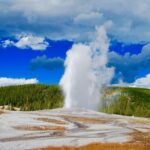
- Geysir area: Strokkur’s repeat show
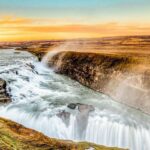
- Gullfoss: the Golden Waterfall’s power
- Kerið crater: the volcanic punctuation mark
- Day 2: Secret waterfalls, Skógafoss, glacier edges, and Reynisfjara
- Seljalandsfoss and Gljúfrabúi: water at eye level
- Írafoss: short, private-feeling access
- Skógafoss: the viewpoint climb and the famous rainbow conditions
- Sólheimajökull glacier: close-up without committing to a long trek
- Reynisfjara black sand beach: basalt columns and sea stacks
- Day 3: Vík, lava at Eldhraun, Jökulsárlón, Diamond Beach, then the Blue Ice Cave
- Vík: quick views before the long ice day
- Eldhraun and Hofskirkja: slower stops for texture
- Glacier Lagoon: Jokulsárlón and the moving ice
- Fellsfjara / Diamond Beach: sparkles on black sand
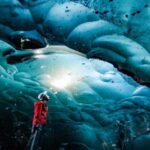
- Vatnajökull area and the Blue Ice Cave: the big finale
- Why the guides and timing are a big part of why this works
- Packing, pace, and comfort: buses, rooms, and cold-weather reality
- Luggage and the “small carry-on” rule
- Hotels and breakfasts
- Night 1 hot tubs
- On the minibus
- Should you book this Golden Circle, South Coast, and Ice Cave tour?
Key highlights worth your attention
- Golden Circle essentials, neatly sequenced: Þingvellir, Geysir/Strokkur, Gullfoss, and Kerið all in Day 1
- South Coast waterfall time gets the best picks: Seljalandsfoss, Gljúfrabúi, Írafoss, and the Skógafoss viewpoints
- Black-sand and glacier stops back-to-back: Reynisfjara + Sólheimajökull feel like two different worlds
- Blue Ice Cave is the main event: a superjeep ride plus a long visit (and the safety gear is included)
- Guides matter here: many departures are led by guides such as Addi, David, Dominica, Bear, and others, and they set the pace
- Included comfort for winter: two breakfast mornings and access to hotel geothermal hot tubs on Night 1
Is this $959 tour good value for 3 days?
At $959 per person, this isn’t a “bargain bus tour.” You’re paying for four big things that matter in winter: a guide, transportation across long distances, lodging for 2 nights, and the big-ticket logistics of reaching the Ice Cave safely.
The included parts are the reason it can feel like good value. You get pickup and drop-off within Reykjavik, hotel rooms for two nights with breakfast, transfers by minibus (with free Wi‑Fi), and safety equipment for the Ice Cave. You also get night 1 hot-tub entrance at the hotel, which is a small comfort win you’d otherwise pay for after a cold day outdoors.
What you do not get is lunch and dinner. Iceland food costs add up, so it’s smart to plan for meals purchased on the route. If you’ve been thinking you’ll “just eat out wherever,” this can work out well—but if you prefer a fully bundled meal plan, you’ll want to budget for that.
You can also read our reviews of more tours and experiences in Reykjavik
How the small-group setup works from Reykjavik
This runs with a start time of 9:00am, and pickup happens roughly between 8:30 and 9:00. Nicetravel offers pickup from hotels inside Reykjavik, but if your hotel is in areas where buses can’t drive right up to the door, you’ll be directed to a nearby designated bus stop.
The group size is capped at 19 travelers, which is a big deal on a route with timed access (especially the Ice Cave). Fewer people also means the guide can actually herd the group without constantly playing catch-up.
Two practical notes from how this kind of minibus day usually feels:
- You’ll want to pack with small bags in mind. The tour’s rules allow only small carry-on luggage, and storage can be limited.
- The minibus setup can feel tight for taller legs. Some travelers have noted close seating and minimal legroom, though the same seats are equipped with USB ports and Wi‑Fi.
If you’re the type who likes to move at your own pace, you should know this tour still keeps you on a schedule. The good news: the stops are chosen for quick, high-impact sightseeing.
Day 1: Þingvellir, Geysir, Gullfoss, and Kerið Crater
Day 1 is your “big signature” Iceland crash course. It’s not random. It’s geology plus history, then raw power, then a volcanic crater to close the loop.
Þingvellir National Park: history meets tectonics
You start at Þingvellir National Park (free admission). This is one of those places where the scenery and the human story overlap. Þingvellir was the venue for the Icelandic parliament from 930 till 1798, and it’s also recognized as a UNESCO World Heritage Site for the combo of cultural history and natural features.
Then you get the tectonic plate moment: the American and Eurasian plates meet here. Even if you’re not a geology person, it’s the kind of landscape you can understand without a lecture—because you’re literally standing in the area where the Earth is doing the slow-motion version of ripping things apart.
Time on this stop is set at about 45 minutes. That’s enough for viewpoints, photos, and a short walk, but it’s not a long hike day.
Geysir area: Strokkur’s repeat show
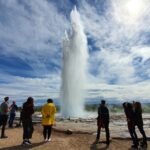
Next comes the geyser area (free admission). The star is Strokkur, which erupts every few minutes and can reach around 30 meters. The paths around the steaming springs make it easy to find a spot without feeling like you’re sprinting.
You’ll also have time for a bite—there’s usually an opportunity to buy snacks or lunch around here—so plan to top off energy because Day 1 stays active.
Gullfoss: the Golden Waterfall’s power
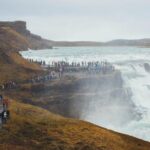
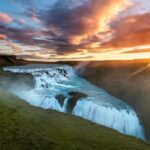
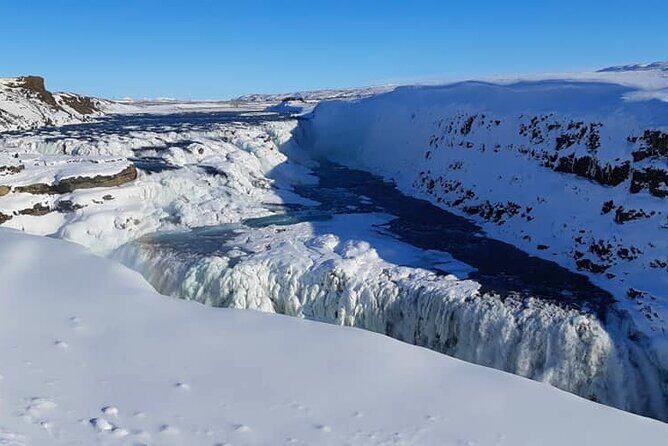
Gullfoss is where the day goes from “interesting” to “wow.” It’s about 32 meters down into a rugged canyon. In cold weather, you also tend to feel the mist more, and it can make photos dramatic.
This stop is shorter—about 40 minutes—which is fine. Gullfoss is one of those sites where you get the main views quickly, then you decide how much time you want for more angles.
Kerið crater: the volcanic punctuation mark
To wrap up, the tour visits Kerið Volcanic Crater (admission included). This crater is roughly 3,000 years old and about 55 meters deep. It’s a great change of pace after waterfalls and steaming ground, and it helps make the whole Golden Circle circuit feel complete.
My advice for Day 1: bring a warm layer and gloves even if the air doesn’t feel extreme at 9am. By afternoon, wind and mist can make “standing around for photos” feel longer than you expect.
Day 2: Secret waterfalls, Skógafoss, glacier edges, and Reynisfjara
Day 2 shifts from classic Golden Circle to South Coast hits that are famous for a reason—but with a couple stops many people miss.
Seljalandsfoss and Gljúfrabúi: water at eye level
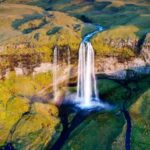
Seljalandsfoss is the “walk-behind” waterfall (free admission), dropping from about 60 meters. The magic here is perspective. You’re not just watching water fall—you’re moving near it and seeing how spray changes the lighting and sound.
Then the tour goes to Gljúfrabúi, described as a hidden waterfall that many visitors miss. That’s a smart choice because it breaks up the crowds and gives you a quieter stop with a similar payoff. You get about 30 minutes here.
Írafoss: short, private-feeling access
Then comes Írafoss, another waterfall with access that not everyone gets. The time is short—about 10 minutes—but it’s the kind of stop that can feel like a bonus because it’s small and quick to enjoy.
Skógafoss: the viewpoint climb and the famous rainbow conditions
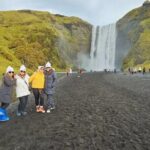
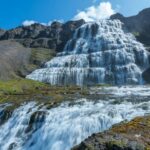
Skógafoss is one of the Iceland poster waterfalls. It drops about 60 meters and is famously associated with Game of Thrones. Because it’s south-facing, you can often get rainbow spray when conditions are right.
You also have time to climb to a top viewpoint. That’s a big deal if you like a “look down” moment. This stop is about 30 minutes—enough to see the falls at ground level and then decide if you want higher views.
Sólheimajökull glacier: close-up without committing to a long trek
Next is Sólheimajökull, part of the Myrdalsjökull system. You get about 30 minutes, with time to get close to the glacier cap. This is more about raw scale than a full glacier hike, which makes it realistic within a multi-stop day.
Reynisfjara black sand beach: basalt columns and sea stacks
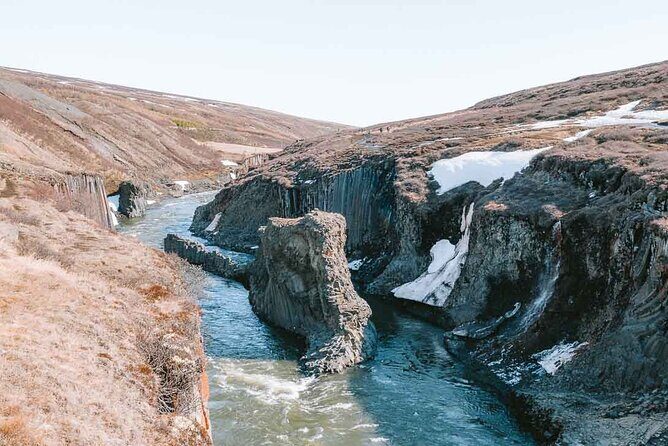
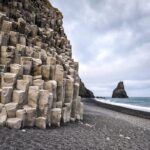
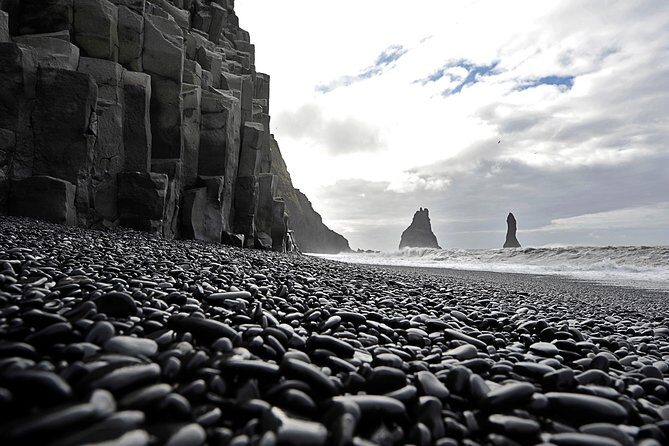
Finally, Reynisfjara brings the dramatic South Coast look: black sand, basalt columns hugging the cliffs, and the Reynisdrangar sea stacks offshore. It’s a 30-minute stop and a perfect capstone for Day 2 because it’s visually different from waterfalls and glaciers.
One safety note to keep in mind: coastal conditions in Iceland can be unpredictable. Stick to the viewpoints and follow your guide’s instructions around waves and cliff edges.
Day 3: Vík, lava at Eldhraun, Jökulsárlón, Diamond Beach, then the Blue Ice Cave
Day 3 is the “ice and aftermath” day. You start with a small village stop, pass through a lava story, then you hit two famous glacier-water-and-ice stops before the main Blue Ice Cave trip.
Vík: quick views before the long ice day
You start with a short stop in Vík Village for views over Black Sand Beach and the hills surrounding the settlement. It’s only about 20 minutes, so this is a photo-and-stretch moment rather than a full exploration.
Eldhraun and Hofskirkja: slower stops for texture
Next is Eldhraun, described as a barren, desolate lava wasteland with moss-covered lava formations. Then you visit Hofskirkja, a church from the 19th century with a turf roof and surrounding moss-covered burial mounds.
These stops might not feel like “headline attractions,” but they help the day feel real. Iceland isn’t only waterfalls and ice. It’s also quiet corners with moss, stone, and wind.
Glacier Lagoon: Jokulsárlón and the moving ice
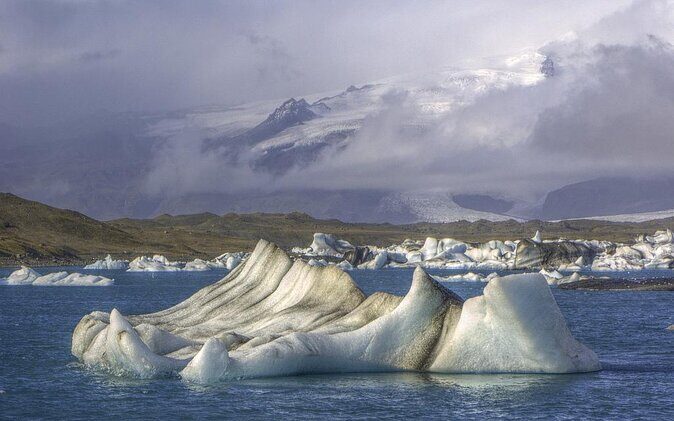
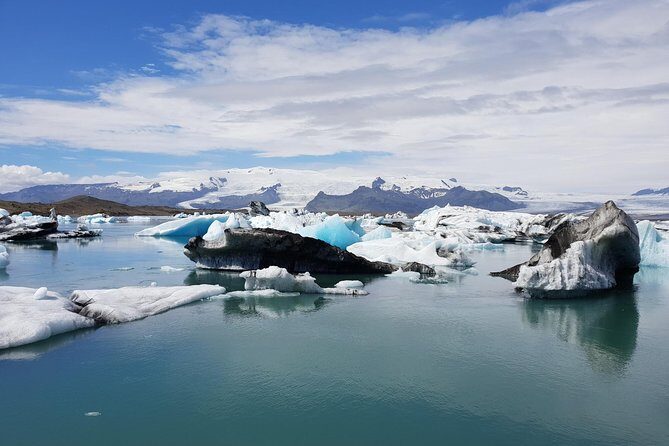
Then you reach Jokulsárlón Glacier Lagoon (about 40 minutes). It’s often linked to films, but on the ground it’s more peaceful than movie scenes. Icebergs drift with wind and tides, and you may spot seals in the area.
It’s a bucket-list stop because the color and motion are hard to fake. Even in cold weather, it’s one of those places where you’ll keep looking up and over and realizing the ice is constantly changing.
Fellsfjara / Diamond Beach: sparkles on black sand
A few hundred yards away is Diamond Beach (about 20 minutes)—ice fragments washed onto a black sand Atlantic beach. This stop works well after the lagoon because it gives you the same ice but in a totally different setting.
Vatnajökull area and the Blue Ice Cave: the big finale
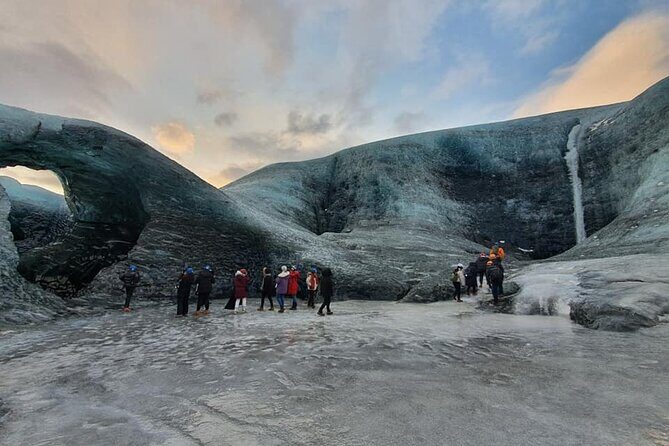
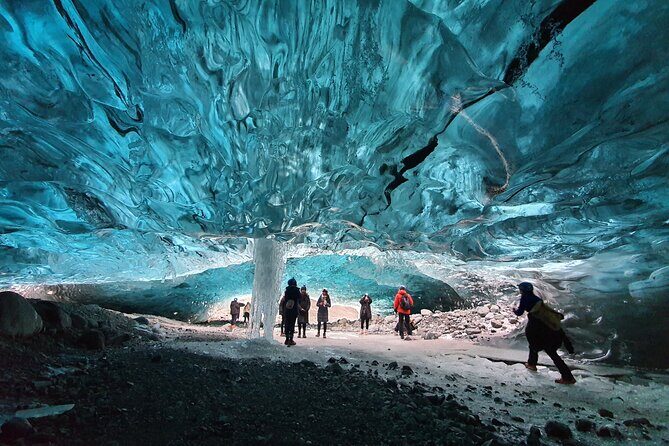
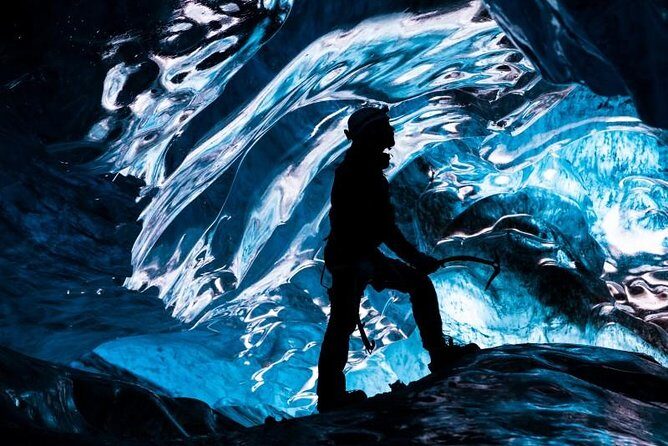
The real highlight is the Blue Ice Cave expedition. It includes a superjeep ride toward the natural ice cave, then time with local guides in the caves.
This is one of those experiences where the tour’s safety planning matters. You’re provided safety equipment, and the tour duration is around 3 hours. The explanation you’ll hear makes sense: caves form naturally in glaciers when fresh water freezes, and conditions change as glaciers freeze, melt, and refreeze. The guide’s job is to bring you to the most beautiful blue ice cave available at the time.
Because conditions drive access, weather can cancel the ice cave portion. If that happens, you’ll get alternatives and a refund of the price difference (that’s stated in the tour information).
My advice for Day 3: prioritize warm socks and waterproof outer layers. The ice cave itself is exciting, but you’re also outside with wind, and Iceland winter loves to test your comfort level.
Why the guides and timing are a big part of why this works
This route is packed. That’s the whole point. But packing works only if someone handles pacing and safety well.
The tour is led by English-speaking guides, and across different departures you’ll see names like Addi, Dominica, David, Bear, Mika, Vlad, and others. What stands out from the way the tour is described is that guides focus on getting you from point A to point B without wasting the day. Some guides also adjust when weather changes the plan, aiming to keep you seeing everything possible.
Two things that make the experience feel smoother:
- You’re not navigating icy roads alone. You’re watching scenery, not making decisions at every turn.
- Stop times are built in. You’ll still have enough moments to enjoy each site, but you’re not drifting for hours.
There’s also a people-safety reality here. One review noted that guides prioritize road safety, especially when weather gets rough. That can mean less chatting on the worst drive moments, but it keeps things safer for everyone.
Packing, pace, and comfort: buses, rooms, and cold-weather reality
Your comfort will depend on how seriously you take cold-weather clothing and how lightly you pack.
Luggage and the “small carry-on” rule
The tour specifies that only small carry-on luggage is possible. If you travel with bigger suitcases, plan to store them using your hotel or luggage lockers in central Reykjavik.
This matters more than you’d think. If you bring a large bag, you’ll spend energy managing it instead of enjoying the stops.
Hotels and breakfasts
The tour includes 2 nights in private rooms with breakfast. It’s also described as having ensuite bathrooms, but one stay has been described as having bathrooms down the hall. Translation: confirm details with your provider after booking if having a bathroom in-room is critical for you.
Breakfast is included both mornings. That’s valuable on a short trip because it reduces decision fatigue, and it helps you start early when Day 3 feels like it arrives fast.
Night 1 hot tubs
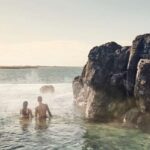
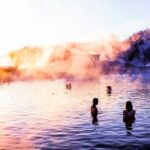
You also get entrance to geothermal hot tubs at the hotel on Night 1. This is the kind of included perk that makes winter touring feel humane. It’s a recovery tool.
On the minibus
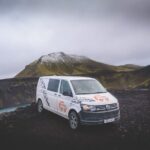
The minibus includes free Wi‑Fi. Some travelers have also noted USB ports on board. Seat space can be tight, and that’s the trade for traveling in a smaller, easier-to-drive vehicle on Icelandic roads.
What I’d do if I were planning: pack a warm base layer, a windproof waterproof outer shell, and a small day bag for hats, gloves, and camera batteries (cold can drain phones fast).
Should you book this Golden Circle, South Coast, and Ice Cave tour?
Book it if:
- You have limited time and want the classic Iceland highlights plus ice-cave payoff in just 3 days.
- You want lodging and breakfast handled, not pieced together day by day.
- You like guided pacing—where you can focus on photos, viewpoints, and short walks instead of logistics.
Skip it (or consider alternatives) if:
- You hate strict schedules and prefer slow, independent wandering.
- You’re not comfortable with a packed bus day and the small carry-on requirement.
- You need lunch and dinner fully included, because meals are not included on the tour.
For most first-timers, this works well because it turns winter driving into a guided service and saves you from planning the route yourself—while still giving you real time at the best stops. And if the Blue Ice Cave is your must-do, this is built around it with the right safety gear and the right access method.