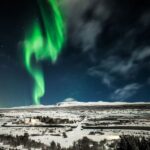
Three days, two worlds of ice. This Iceland tour strings together the Golden Circle classics and the South Coast’s frozen spectacles, with time for both a natural ice cave and a glacier-hiking day. You’re also sleeping in the Skaftafell area, which matters if Northern Lights are on your radar.
What I like most is how the format keeps you from wrestling with logistics. It’s a guided mini-bus with pickup in Reykjavik and onboard free Wi-Fi, so you can focus on the view and the stories instead of the map. The other big win is the pace: it’s small (limited to 18), which helps you actually hear your guide and take your time at key stops.
One consideration: ice caves in Iceland are an ever-changing natural phenomenon, so the exact cave you visit depends on conditions and safety checks. Weather can also shift the order of stops, and winter days can feel long.
In This Review
- Key things to know before you go
- The real draw: Golden Circle icons plus true glacier country
- Day 1 on the Golden Circle: Thingvellir, Geysir, Gullfoss, then waterfalls
- South Coast Day 2: Reynisfjara black sand, Vik, Jokulsarlon, Diamond Beach, then an ice cave
- Day 3 glacier hiking: a certified guide, moving ice, and the formations you came for
- The small-group mini-bus style: why it feels calmer (and how to get the most out of it)
- Accommodation and comfort: shared rooms with private bathrooms (and why that’s usually fine)
- Price and value: what you’re paying for (and what it can be worth)
- What to bring (so you’re comfortable in ice and wind)
- Weather reality: why the ice cave and order can change
- Should you book this Iceland 3-day Golden Circle, glacier lagoon, and ice cave tour?
- FAQ
- What’s included in the tour price?
- How large is the group?
- Are meals included?
- What about the ice cave—will I see a specific one?
- Where will we sleep on the tour?
- What should I bring for the glacier hike and ice cave?
Key things to know before you go
- Small-group touring (18 max): easier conversations and less waiting at photo stops.
- A full Golden Circle day plus South Coast driving: you get major icons and then real glacier country.
- Jokulsarlon icebergs and nearby Diamond Beach: both are on the agenda for that full “ice + black sand” contrast.
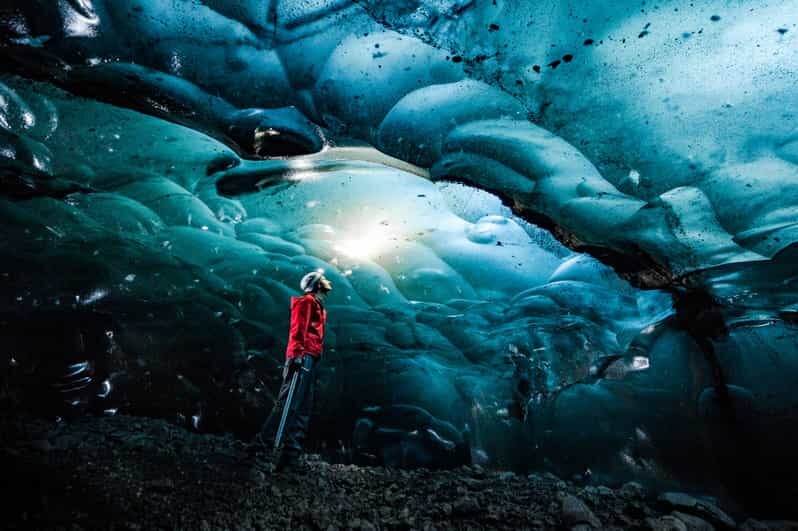
- Natural ice cave visit is conditions-based: the itinerary adapts for safety.
- Certified glacier guide on Day 3: you’ll learn how glaciers move and form crevasses and ice falls.
- Skaftafell area overnight: good base for Northern Lights hunting in winter months.
The real draw: Golden Circle icons plus true glacier country
This is the kind of trip where you don’t just check boxes—you see Iceland’s main “types” of wonder back-to-back. You start in the Golden Circle region with tectonics, boiling water, and waterfalls. Then you push south into Vatnajökull territory, where the scenery changes from rocks and mist to glaciers and ice.
That mix is valuable because it helps you understand how the island works. Thingvellir shows the plates pulling apart, Geysir shows heat from below, and then the South Coast shows what that same planet-heat system has built over time: glaciers, icebergs, and caves you can walk inside. Even the black-sand shoreline at Reynisfjara is part of that bigger picture—basalt columns and ocean-driven geology, all in one view.
With a guided mini-bus, you’re also buying time. The driving between stops is part of the experience here, but having someone else handle the route (and keep the group moving) lets you spend your energy on the viewpoints, not the steering wheel.
You can also read our reviews of more tours and experiences in Reykjavik
Day 1 on the Golden Circle: Thingvellir, Geysir, Gullfoss, then waterfalls
Day one is classic Iceland in the best sense: UNESCO tectonics first, then hot springs, then a big waterfall moment. Your day starts with Reykjavik pickup and then a drive into Thingvellir National Park.
Thingvellir (UNESCO): this is where two tectonic plates move apart. You also get the human side of the site—Althingi, described as the world’s oldest continuously operating parliament. In practice, it means your guide can point out more than scenery. You’re seeing geology that you can connect directly to long-running history.
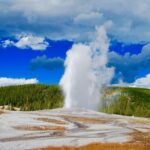
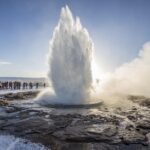
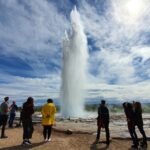
Geysir Hot Spring area: the star here is Strokkur, which can spout water up to 25 meters. Expect multiple eruptions across the visit window, and use that time to notice the rhythm. If you want a photo, don’t wait until it shoots—get your framing ready, then keep your camera steady.
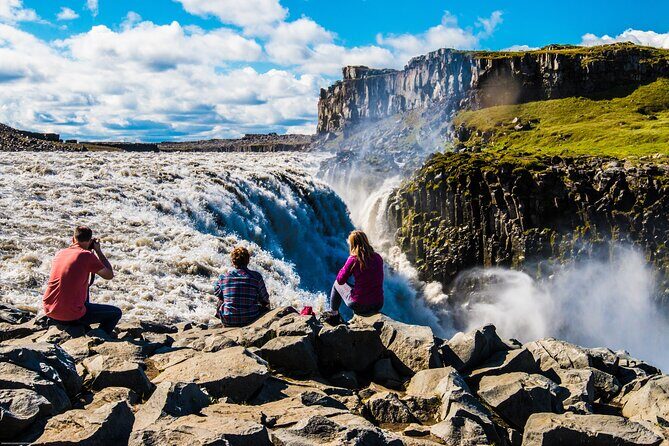
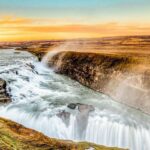
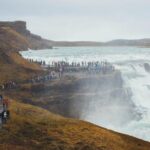
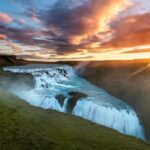
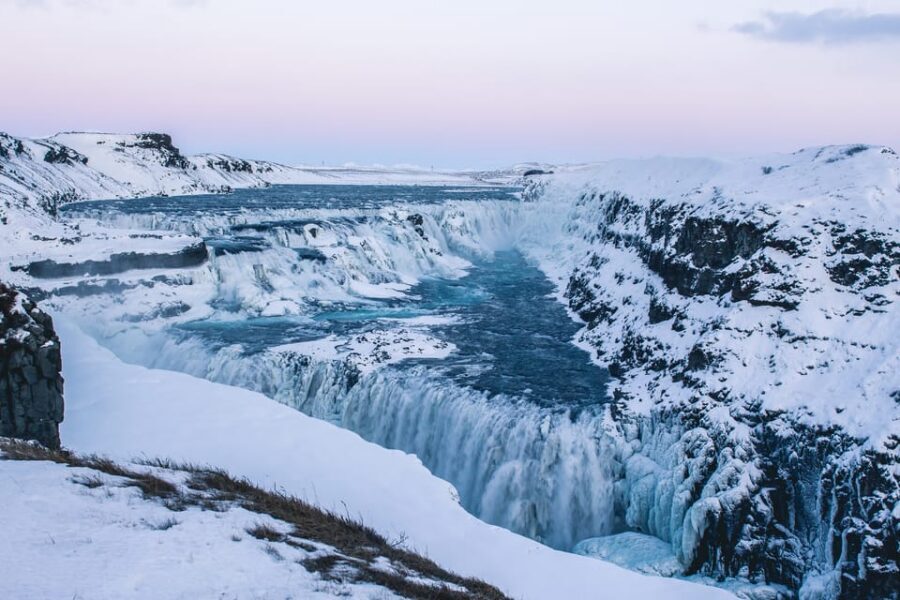
Gullfoss (Golden Falls): this waterfall hits hard, roaring through a rugged canyon and dropping around 32 meters. It’s one of those places where the sound gets louder before you even feel like you’ve fully arrived. If the weather is moody, the spray can make the canyon look even more dramatic.
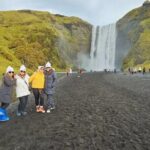
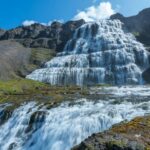
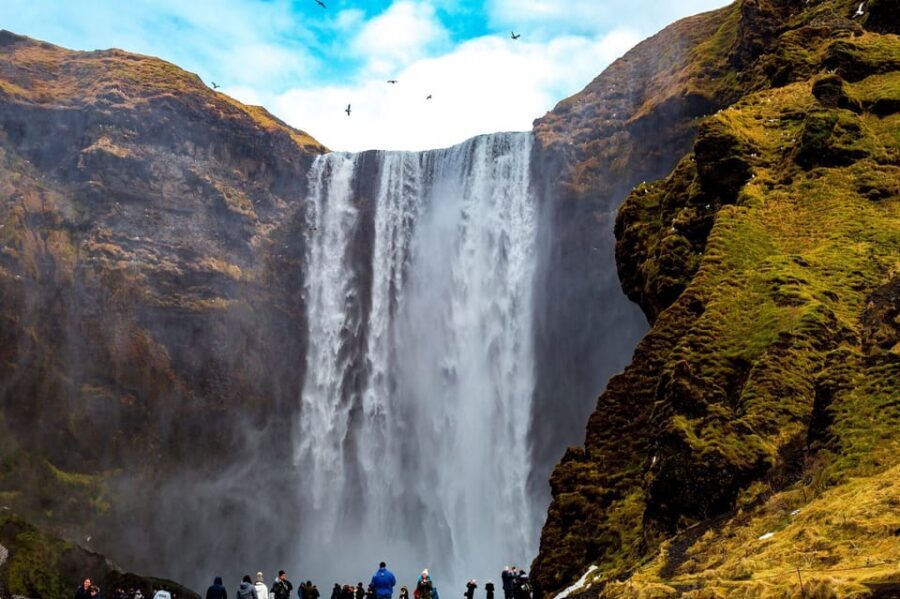
After the Golden Circle proper, you head south with quick stops at Skogafoss and Seljalandsfoss. Those add variety: Skógafoss is all power and width; Seljalandsfoss gives you the option to see the waterfall from an unusual angle, depending on conditions on the day.
Practical thought: day one is packed, but it’s also the kind of day where you can learn what to prioritize. If you’re chasing photos, aim to arrive ready—hand warmer, gloves on, camera accessible—because Iceland doesn’t wait for you to get your gear sorted.
South Coast Day 2: Reynisfjara black sand, Vik, Jokulsarlon, Diamond Beach, then an ice cave
Day two is where the trip’s mood shifts. You go from geothermal and waterfall country into the jagged, ocean-driven geology near Reynisfjara, and then you transition toward the ice mass of Vatnajökull.
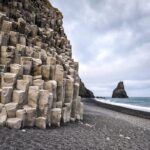
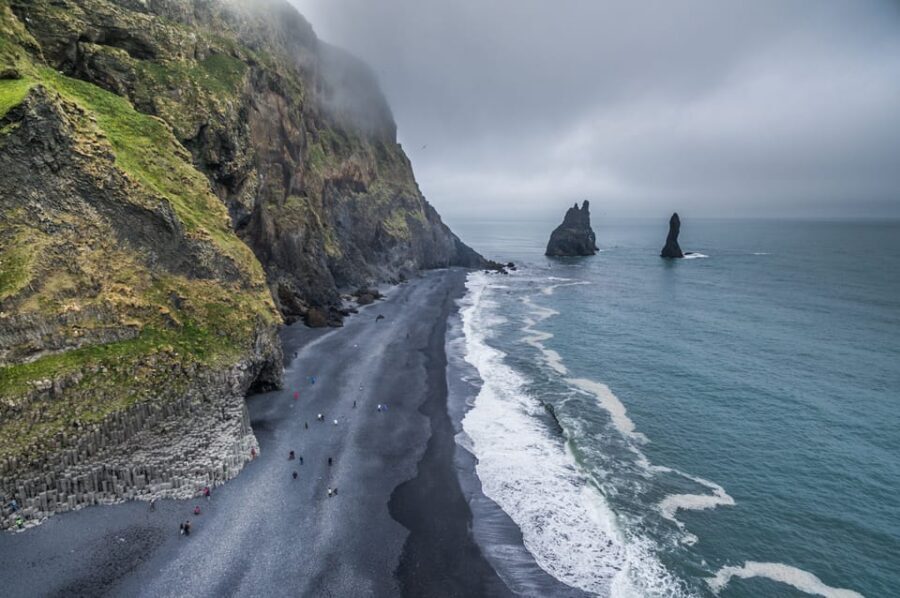
At Reynisfjara, look for the black sand beach and the basalt structures. You’ll also hear about a basalt column cave, plus Reynisdrangar rising from the sea as black basalt pillars. This is a place where the visuals are strong, but the ocean conditions matter too—stick close to your guide’s instructions and don’t treat it like an ordinary shoreline.
Then you pass through Vik, a small village stop that helps you break up the long driving stretch. It’s not the main attraction of the day, but it’s useful for resetting your head—coffee, a bathroom break, and a quick view of how people live in this part of the island.
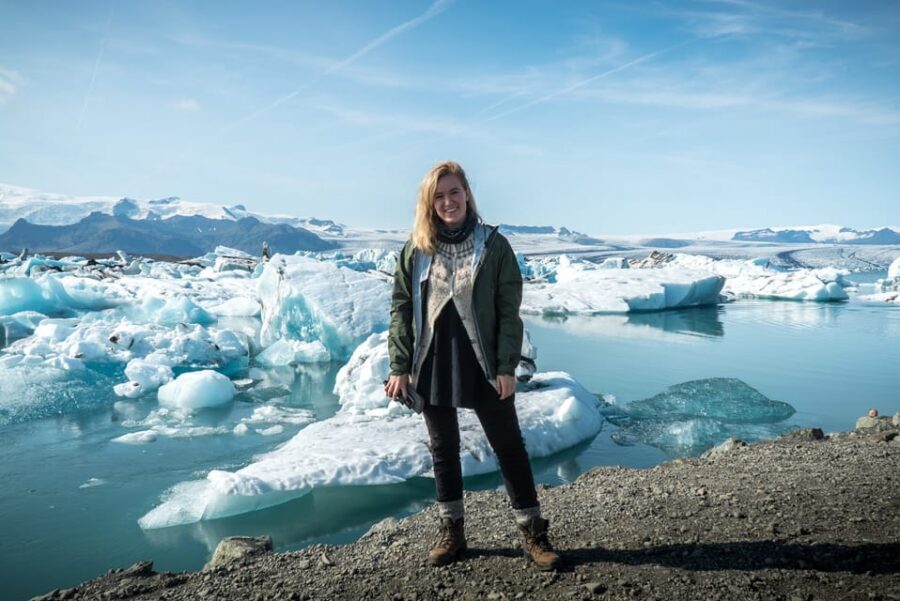
From there, you move into Vatnajökull National Park and reach Jokulsarlon Glacier Lagoon. This lagoon is filled with icebergs floating in slow motion, and it can feel almost unreal when the light hits the ice. The best part is the variety: ice doesn’t look the same twice in the lagoon, and the shapes shift as they drift.
Right after, you visit the nearby Diamond Beach, which is basically Iceland’s version of contrast marketing: ice on dark sand. If you like photography, this is the day to keep your lens ready and your hands warm.
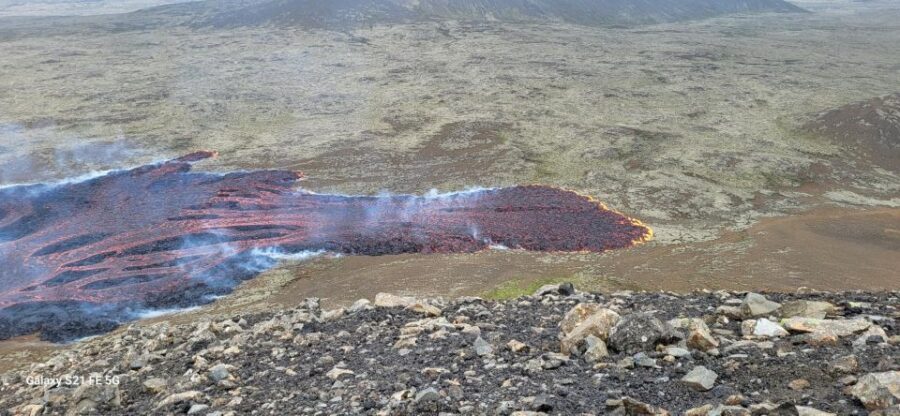
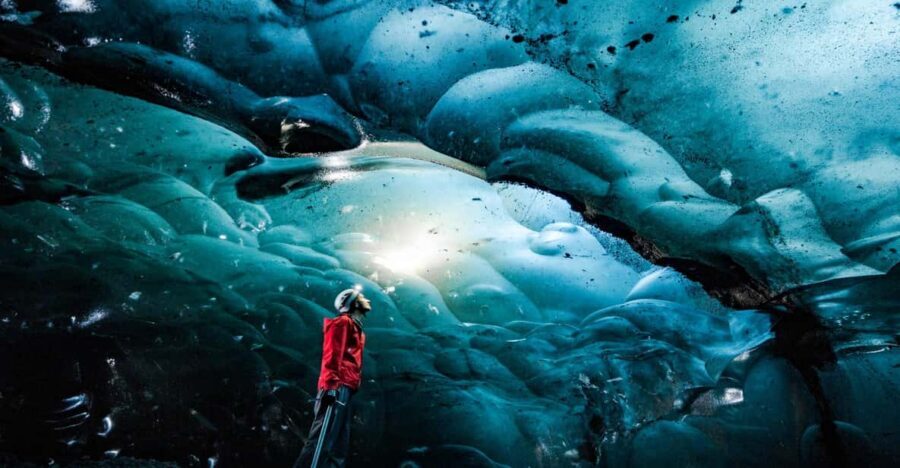
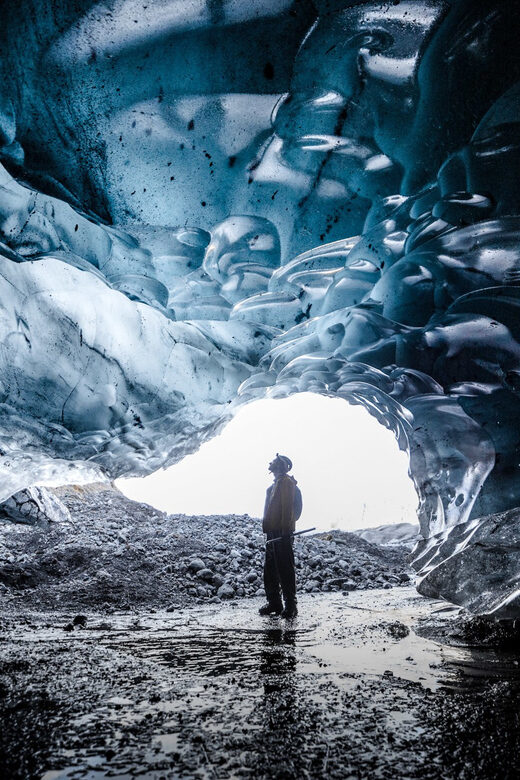
Then comes the headline: a natural ice cave exploration. The key detail is that the ice cave is ever-changing and unpredictable, so which cave you visit depends on current conditions and a safety assessment. In other words, Iceland is not running a script. It’s offering an opportunity, and you’re going in when conditions are good and safe.
If you’re lucky with the weather, this can be the most memorable hour of the whole trip. One guest noted seeing an ice cave during the glacier hike, and another pointed out how guides found extra scenic moments outside the planned highlights. That matches the reality here: when visibility is good, Iceland rewards you.
Day 3 glacier hiking: a certified guide, moving ice, and the formations you came for
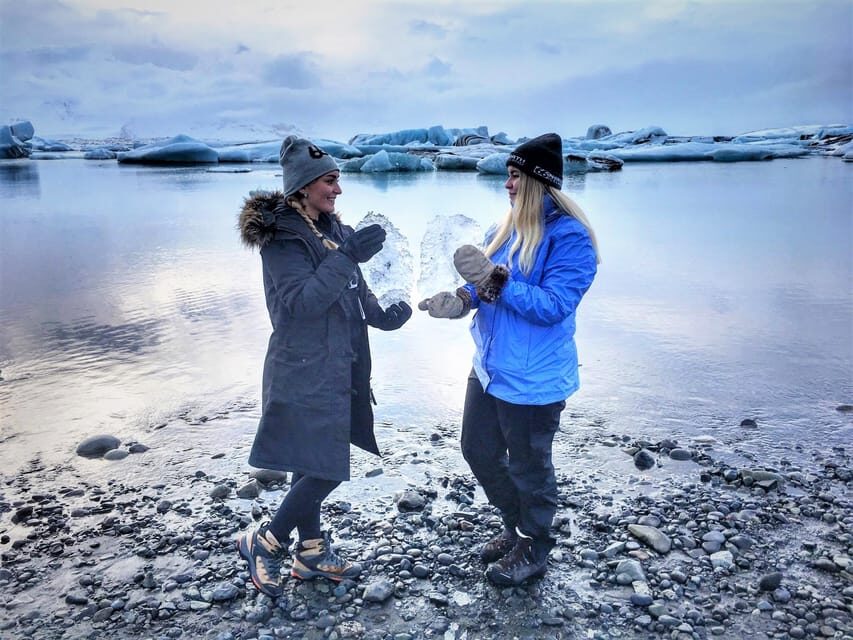
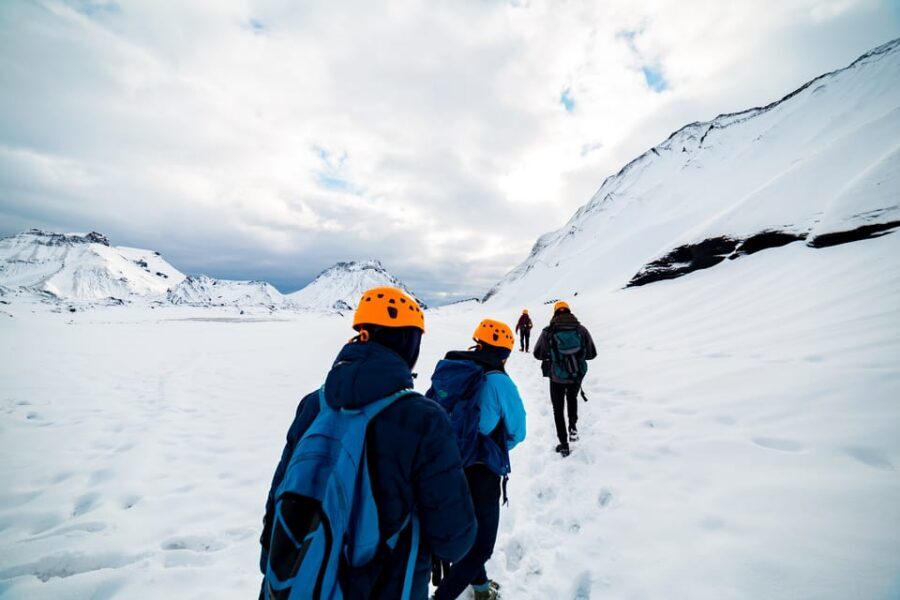
Day three turns the sightseeing into something physical. You’ll go on a glacier hiking tour with a certified glacier guide, exploring one of Vatnajökull’s outlet glaciers.
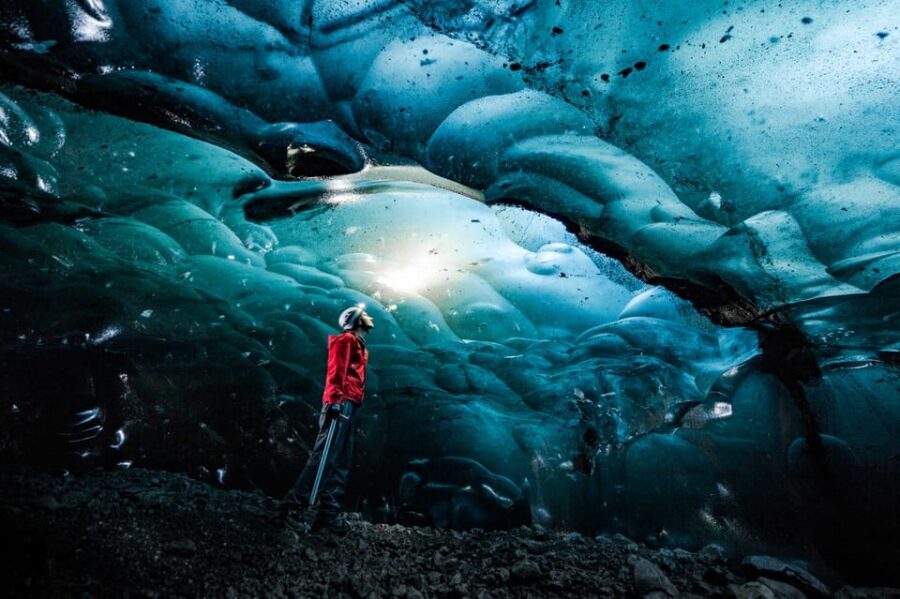
Glacier hiking is valuable because it changes how you perceive ice. It’s not just something pretty in the distance. Glaciers are always moving and changing, creating ice formations like crevasses and ice falls. A good guide can make those terms real by showing where they come from and how the surface works.
This day is also built for learning-by-doing. You’re not simply walking around a viewpoint—you’re experiencing how cold and texture feel on the ground. Even if you’re not a big hiker, this kind of guided trek tends to be manageable when the guide sets the pace and keeps the group together.
As the tour returns to Reykjavik, you can expect to be back between 16:00 and 19:00. That wide window makes sense in Iceland. Roads, conditions, and timing around stops can shift, especially in winter.
The small-group mini-bus style: why it feels calmer (and how to get the most out of it)
With a max group size of 18, the mini-bus format is a sweet spot in Iceland. Big buses can feel like you’re fighting for visibility. Here, the guide can manage attention—telling you what matters, checking timing, and keeping you safe at each stop.
Also, this isn’t just “ride and stare.” Reviews highlight guides who explain more than the postcard facts. One guest described Soli as funny and deeply connected to film knowledge, not just tourist trivia. Another described Didi with detailed storytelling, plus history and local beliefs. A different guest credited Kacper (Gasper) for warmth, clear itinerary explanation, and a group vibe that stayed relaxed thanks to spontaneous humor.
That matters because Iceland’s details are easy to miss if you’re rushing. If you want to learn while you travel, this is the kind of tour where your guide can turn the drive itself into part of the experience—what you see outside the window, why you’re seeing it, and what to watch for at your next stop.
One more practical note: the tour includes free Wi-Fi on board. That’s a comfort tool, not a substitute for offline planning. Still, it helps you keep your photos organized, check maps between stops, and share your progress without hunting for signal.
Accommodation and comfort: shared rooms with private bathrooms (and why that’s usually fine)
This tour includes two nights of accommodation in a shared double or twin room with a private bathroom and breakfast. That’s a meaningful inclusion because many Iceland tours leave you to figure lodging on your own while also charging you for the guide.
If you’re traveling solo, there’s an option to upgrade so you don’t share a room. That’s worth considering if you hate sharing space, even just for sleep time.
One review described rooms as large, clean, and with a view of mountains—making it easier to stargaze. While every room won’t match that description, the point stands: Iceland trips often revolve around light, sky, and timing, so a comfortable room helps you recover without losing night-sky opportunities.
Don’t expect luxury branding here. Expect warmth, breakfast, and a practical base in the Skaftafell area.
Price and value: what you’re paying for (and what it can be worth)
The price listed for this 3-day tour is $991 per person. The quick way to judge value is to look at what’s packaged:
- Reykjavik pickup and drop-off
- Two nights with breakfast
- Guided mini-bus touring with onboard Wi-Fi
- A glacier hiking tour with a certified glacier guide
- Ice cave visit (conditions-based)
You’re not just paying for transportation. You’re paying for guided time in several high-effort regions and for glacier-level expertise. A glacier hike typically requires specialized guiding and safety protocols, and that’s rarely something you can replicate with casual planning.
Would a rental car sometimes be cheaper? Maybe. But then you’d be doing your own driving between remote areas, arranging tours separately, and managing winter conditions on your schedule. For many people, the value isn’t only money—it’s stress reduction. This trip is built for people who want big Iceland moments without turning the whole vacation into logistics.
What to bring (so you’re comfortable in ice and wind)
Bring layers and traction. The tour asks for:
- Warm clothing and thermal layers
- Gloves
- Head covering or kippah
- Hiking shoes
- A day bag
- Luggage up to 20 kg (44 pounds) total per person
It’s a small list, but in Iceland it decides whether your day feels pleasant or miserable. If your hands are cold, you stop enjoying the viewpoints. If your footwear is wrong, walking on uneven ground becomes exhausting fast.
Also plan for the fact that the ice cave is unpredictable by nature. You won’t control the exact cave, and you won’t control the conditions inside it. Your best move is being properly dressed so you can focus on the ice instead of your comfort.
Weather reality: why the ice cave and order can change
Two things are genuinely different about Iceland: ice changes, and weather changes.
The ice cave you visit depends on conditions and a safety assessment. That’s not a trick—it’s how you get a cave that’s safe to enter. If conditions are rough, the trip adapts. The order of itinerary stops can also shift due to weather and related factors.
So what should you do? Go in with flexibility. If you’re the type who needs rigid timing and guaranteed exact sights, this can feel frustrating. If you’re okay with Iceland doing what Iceland does—offering the experience when it’s safe—this tour can feel like a high-quality deal.
Should you book this Iceland 3-day Golden Circle, glacier lagoon, and ice cave tour?
I’d book this if you want a high-impact itinerary with a small-group feel, and you’re excited to see more than just waterfalls. The combo of Golden Circle icons (Thingvellir, Geysir, Gullfoss) plus Jokulsarlon icebergs and a glacier hiking day is a strong match for people who like variety and real learning.
Skip it (or at least think twice) if you need a guaranteed, specific ice cave location regardless of conditions. Iceland’s ice is alive and changeable, and this trip respects that by choosing based on safety.
If your priority is big scenes, clear guiding, and not handling the driving stress yourself, this one makes a lot of sense.
FAQ
What’s included in the tour price?
Pickup and drop-off in Reykjavik, two nights of accommodation with a private bathroom and breakfast, a guided mini-bus tour along the Golden Circle and South Coast (with free Wi-Fi onboard), and a guided glacier hiking tour.
How large is the group?
The tour is a small group limited to 18 participants.
Are meals included?
Lunch and dinner are not included. Breakfast is included with your accommodation.
What about the ice cave—will I see a specific one?
The ice cave is an ever-changing natural phenomenon. The specific ice cave you visit depends on conditions and a safety assessment.
Where will we sleep on the tour?
You’ll stay for two nights in the Skaftafell area.
What should I bring for the glacier hike and ice cave?
Bring warm clothing, thermal clothing, gloves, hiking shoes, and a head covering or kippah. You can also bring a day bag, and your luggage per person should be up to 20 kg (44 pounds).