Belugas and puffins in one short stop. In Vik, Iceland, this SEA LIFE Trust visitor centre packs a surprising amount of animal care knowledge into an easy visit. It is designed around close viewing of belugas, plus a look at the puffins that need extra help during harsher weather.
I especially love the way the centre explains why the belugas are here, and what protection looks like outside the summer months. I also like the mix of entertainment and purpose: you are watching belugas while learning about the day-to-day work behind the puffin hospital and the native species aquarium.
One thing to consider: the visit is about 40 minutes, so it is not a long, linger-all-afternoon animal marathon. Also, it depends on good weather, so build in a bit of flexibility if you can.
In This Review
- Key highlights in this Vik sanctuary visit
- How this 40-minute sanctuary visit fits into a day in Vik
- Entering the SEA LIFE Trust Beluga Whale Sanctuary visitor centre
- Beluga whale sanctuary viewing: what you’ll notice first
- Native species aquarium: variety without losing the theme
- Puffin hospital and puffin care: the purpose behind the cuteness
- What the short tour experience feels like on the ground
- Timing and weather: the one planning factor you can’t ignore
- Ticket type and on-site pace
- Service and access: practical notes
- Value: why this sanctuary stop is worth your time
- Who should book this experience in Vik
- Should you book the Beluga and Puffin Sanctuary Visitor Centre in Vik?
- FAQ
- How long is the Beluga and Puffin Sanctuary Visitor Centre with Aquarium?
- Where does the experience take place?
- Is it a mobile ticket?
- What are the opening hours?
- Does the experience run year-round?
- Is free cancellation available?
- What if the experience is canceled due to poor weather?
- Are service animals allowed?
- Is this suitable for most travelers?
- What can I see during the visit?
Key highlights in this Vik sanctuary visit
- World’s first beluga whale sanctuary experience focused on protection and observation
- Beluga viewing where you can watch them react and even mirror your movements from the windows
- Puffin hospital work that explains how care supports survival in changing seasons
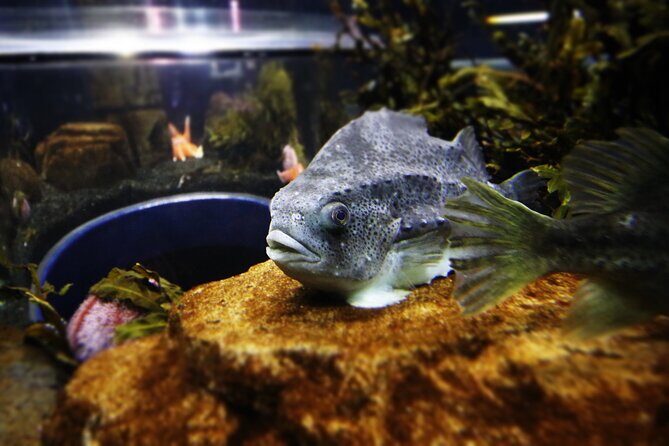
- Native species aquarium that adds variety beyond just marine mammals
- Friendly visitor-centre staff who are there to answer questions as you move through
How this 40-minute sanctuary visit fits into a day in Vik
This is a short stop with a clear purpose: see belugas, meet puffin care in action, and learn why the centre exists. With an approximate 40 minutes on site, it works well as a break between drives, viewpoints, and ferry-related plans in the region.
I like that it is simple to plan around. You do not need to line up a big schedule or commit to half a day of travel time, and the experience runs daily within set hours.
If you are traveling with a tight itinerary, this is the kind of stop you can actually use. The centre is open Monday to Sunday, 10:00 AM to 4:00 PM, which makes it easier to slot into almost any plan you have for Vik.
You can also read our reviews of more tours and experiences in Vik.



Entering the SEA LIFE Trust Beluga Whale Sanctuary visitor centre
When you arrive, the vibe is practical and calm. You are not just dropped into a viewing area. Instead, you get taken through the visitor centre with the story of the sanctuary built into what you see.
The centre is built for understanding, not just looking. You start learning about the belugas and why they are in this setting, then the visit flows into related areas you can connect to the same conservation goals.
There is also a reassuring focus on living animals. The idea is that you come away with a better sense of why protection matters, not just a quick photo moment.
Beluga whale sanctuary viewing: what you’ll notice first
The star of the show is the beluga whale sanctuary itself. You see belugas through observation areas, and the viewing experience is steady and close enough that you really start noticing behavior.
One of the most memorable things I would watch for is how quickly the animals seem aware of you. In the viewing area, you may notice the belugas reacting to movement, turning and even vocalizing as you watch. It is the kind of moment that makes you forget you came for a scheduled stop and just start paying attention.
A useful detail to understand before you go: the centre brings belugas in for greater protection during colder periods. From what you can learn on site, they spend the summer in a protected bay, then are moved for winter care and safety.
That seasonal rhythm matters because it turns your visit into more than a simple aquarium stop. You are seeing animals in a setting that is designed around their needs across the year.
Native species aquarium: variety without losing the theme
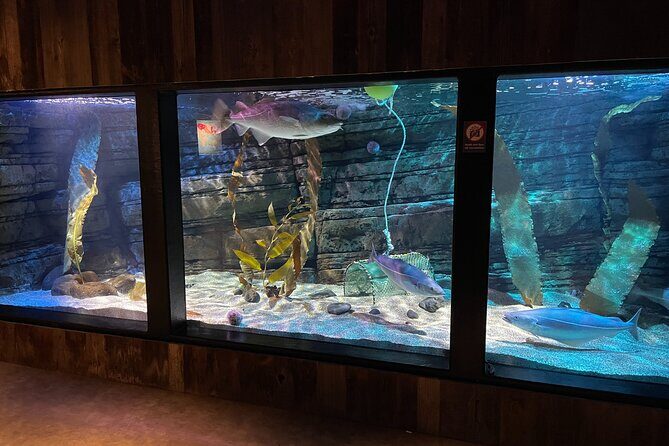
After the belugas, the visit continues into the native species aquarium. This is a good choice for anyone who gets bored with one-note viewing. You keep the focus on Icelandic island life and the waters around it, while still staying within the same conservation and care message.
I like that it is not presented as a separate attraction with no connection. It feels like part of the same story about local ecosystems and why protection work matters where you are standing.
If you want variety but still prefer a quick visit, this section helps break up the time. You are moving through spaces rather than repeating the same viewing window again and again.
Puffin hospital and puffin care: the purpose behind the cuteness
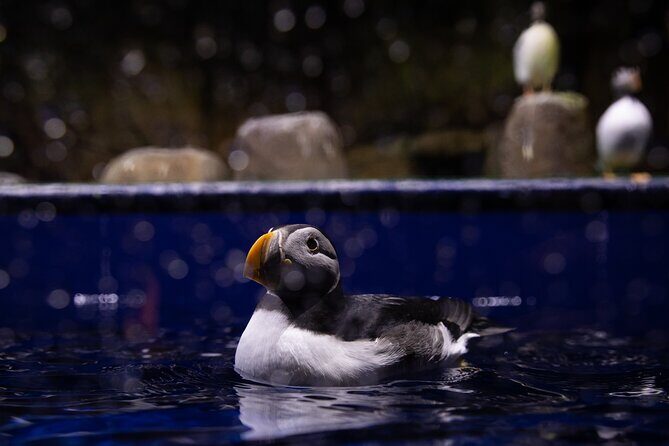
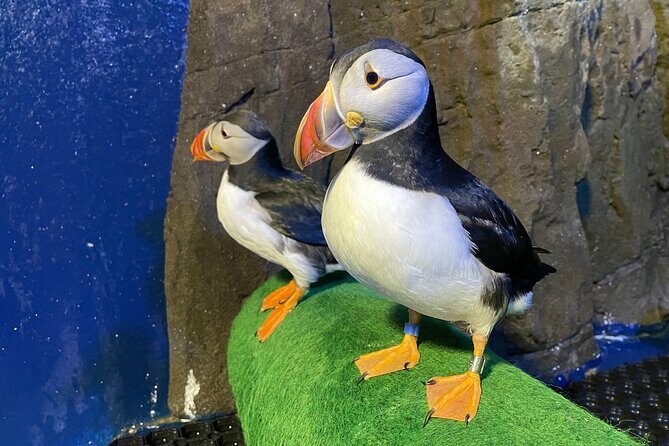
Puffins are the other big emotional payoff. The centre shows puffins in a hospital context, with the message clear that this is active care, not just a display.
The best way I can describe it is this: you get cute, fast-moving puffins, and you also get the real reason they are being cared for during tougher periods. In other words, you are not only entertained—you learn what support looks like.
One practical thing to pay attention to is timing. The puffins can be active, and when they are, it is easy to see why people leave smiling. It is also one of those animal sections where you can catch feeding-related moments during your visit time.
Even if you are not a bird person, the puffin hospital component gives you a stronger connection to conservation. It answers the question you might have while traveling: what happens to wildlife when weather or conditions get rough?





What the short tour experience feels like on the ground
This experience is built around a visitor-centre route. Expect you will spend most of your time moving between a few focused areas rather than wandering freely.
That is good news for your planning. If you are the type who hates getting lost or spending energy figuring out where to go, this setup helps. You can show up, follow the flow, and not waste time.
It also helps with attention. When the route is short, you tend to absorb more because you are not mentally packing up and coming back later. In a place like Vik, where weather can change quickly, staying efficient is a real advantage.
If you are the type who loves long animal viewing sessions, you may find the pace a little quick. But you can solve that by planning to arrive without rushing your other stops. Give yourself time to look, then look again when a behavior catches your eye.
Timing and weather: the one planning factor you can’t ignore
This experience requires good weather. That matters in Iceland, because even a small change can affect operations, especially for anything connected to boats or coastal movement.
I recommend you treat this as a flexible stop when you can. If your day has only one fixed activity, you will feel less pressure. If you have other timing-sensitive plans tied to ferry schedules, keep your sanctuary visit on the list of things you could adjust.
If the experience is canceled due to poor weather, you are offered a different date or a full refund. That is exactly what you want to hear when you are traveling in a place where wind can change everything quickly.
Ticket type and on-site pace
The ticket format is simple: a mobile ticket. That usually means less paperwork and easier check-in, which is a win when you are bouncing between stops.
The duration is approximate and short. Think of it as a focused visit that delivers the highlights without draining the day.
Because it is about 40 minutes, it suits families, couples, and solo travelers who want an animal encounter with context. It is also a nice fit if you are traveling in shoulder seasons and want something indoors that still feels hands-on.
Service and access: practical notes
Service animals are allowed. If you need that support, you should feel comfortable planning around this experience.
It is also described as near public transportation. That matters because getting around Vik can be easier when you are not relying solely on private vehicles.
The experience notes that most travelers can participate. That is a helpful sign if you are wondering whether the route will feel too intense or complicated.
Value: why this sanctuary stop is worth your time
I look at value in two ways: what you see and what you learn. This experience gives you both in a compact package.
You are not paying for a generic viewing room. You are paying for a visitor-centre experience that explains protection and care, then backs it up with live viewing of belugas and puffins plus a native species aquarium.
The seasonal information about belugas being brought in for colder protection is a great example of how the visit adds meaning. It turns the animals into part of a real-world story, not just a spectacle.
Also, the staff focus on answering questions. That matters more than you might expect. When you get real explanations, the animals look different in your mind, and you remember the visit longer.
Who should book this experience in Vik
You will likely enjoy this most if you want animal viewing with a conservation angle. If you like learning what conservation work actually looks like on the ground, this sanctuary and puffin hospital setup is built for you.
It also fits well if you are traveling with kids or anyone who gets restless with long museum-style visits. The viewing moments are frequent, and the route stays short.
If you are the kind of traveler who wants hours of uninterrupted animal time, you might still like it, but I would treat it as a highlight stop, not the whole day. Pair it with outdoor viewpoints and nearby activities so you get both structure and breathing room.
Should you book the Beluga and Puffin Sanctuary Visitor Centre in Vik?
I’d book it if you want an efficient, meaningful wildlife stop in Vik. The combination of beluga sanctuary viewing, puffin hospital care, and a native species aquarium is exactly the kind of short experience that makes a trip feel fuller without stealing your entire day.
Just be sure you can work around Iceland weather. If conditions are rough, you may need to shift dates or accept a cancellation. If you do that part right, this is one of those visits where you leave with both photos and something real you learned about how animals are protected.
FAQ
How long is the Beluga and Puffin Sanctuary Visitor Centre with Aquarium?
The experience lasts about 40 minutes.
Where does the experience take place?
It takes place in Vik, Iceland.
Is it a mobile ticket?
Yes. The tour uses a mobile ticket.
What are the opening hours?
The visitor centre is open Monday to Sunday from 10:00 AM to 4:00 PM.
Does the experience run year-round?
Bookings are listed under the range 05/01/2023 to 03/22/2027, with daily hours during that period.
Is free cancellation available?
Yes. Free cancellation is available up to 24 hours in advance for a full refund.
What if the experience is canceled due to poor weather?
If it is canceled due to poor weather, you will be offered a different date or a full refund.
Are service animals allowed?
Yes, service animals are allowed.
Is this suitable for most travelers?
Yes. Most travelers can participate.
What can I see during the visit?
You will see belugas at the sanctuary, learn about their protection, visit the native species aquarium, and visit the puffin hospital area focused on puffin care.