Ice caves and black sand in two days.
This tour is a practical way to get beyond Reykjavik and into the dramatic Iceland South Coast with an overnight base and breakfast. I especially love the Skaftafell glacier hike and the winter blue ice cave, because you’re properly kitted out and guided on-foot in a real, changing natural site. I also like that the route stacks huge visual hits with minimal guesswork, then you don’t spend the night teleporting back to the city. One drawback to know up front: weather and road conditions can shift timing, and the ice cave itself depends on winter conditions.
The trip runs in a small group (up to 18) with round-trip transport by comfortable minibus and pickup from your hotel or a nearby bus stop. Start time is 8:00am, and pickup can take around 30 minutes, so you want to be ready. Guides vary by departure, but names like Alex, Max, Kuba, Sitka, Johan, and Oscar have shown up in past groups, and the common thread is clear pacing plus strong safety focus—especially on the glacier day.
In This Review
- Key moments worth knowing before you go
- Why this 2-day South Coast plan works when time is tight
- Day 1: Troll.is, Seljalandsfoss, Skógafoss, then Skaftafell’s glacier hike
- The ice cave is the headline—here’s what that really means
- Day 1 glacier hike tips that make a big difference
- Day 2: Jökulsárlón, Fellsfjara, and Reynisfjara—icebergs meet the ocean
- Price and logistics: what you’re really paying for
- Gear reality check: boots, rain, and the stuff you’ll regret skipping
- Timing, weather, and the Northern Lights question
- Who this is best for (and who should rethink it)
- Should you book this 2-day Ice Cave and South Coast tour?
- FAQ
- What time does the tour start?
- Is pickup included from Reykjavik?
- How big is the group?
- What’s included in the glacier experience?
- Are meals included besides breakfast?
- Do I need to rent hiking boots or waterproof gear?
- Is the ice cave guaranteed to be available?
Key moments worth knowing before you go
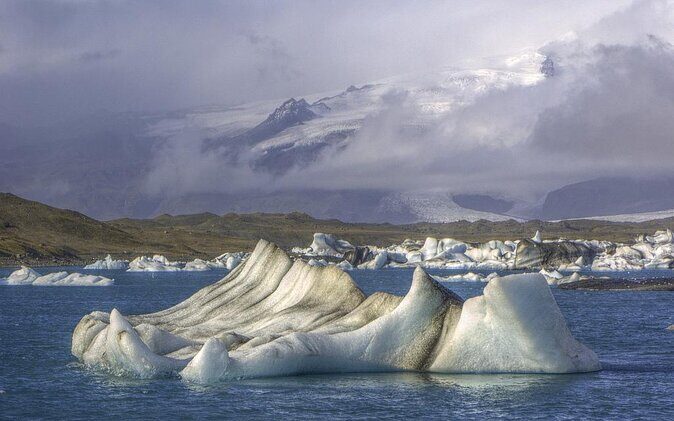
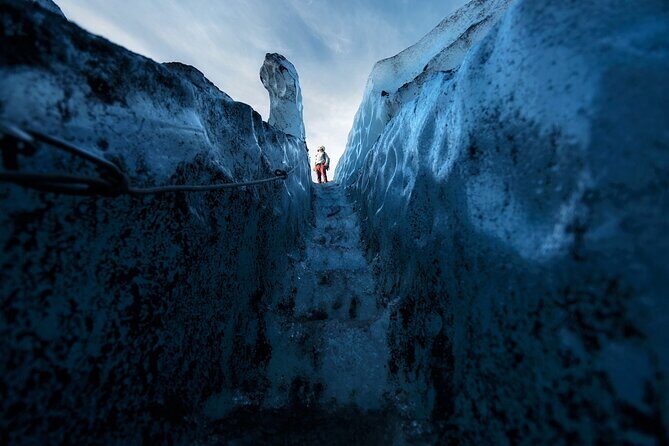
- Skaftafell ice on day one: you’ll hike an outlet glacier for at least two hours, then move into a winter ice cave with safety equipment.
- Day two is all icebergs: you spend real time at Jökulsárlón glacier lagoon before walking to black-sand beaches where ice meets the ocean.
- Overnight setup is part of the value: breakfast is included, and you sleep in the area that makes the next day’s coast sights easier.
- Small-group pacing: maximum 18 travelers helps keep the glacier portion organized and less chaotic than mega-bus tours.
- You’re buying flexibility: the itinerary can adapt due to weather and road closures, so build in patience rather than a rigid expectation.
Why this 2-day South Coast plan works when time is tight
Two days doesn’t sound like much until you’re staring at the distances on Iceland’s South Coast. This is the kind of trip that gives you structure without feeling like a conveyor belt. You get round-trip transport from Reykjavik, you sleep overnight, and you’re not trying to solve logistics on your own while buses and weather are acting unpredictable.
The best part is that the “wow” moments are spaced in a way that makes sense. Day one lands you in waterfall country and then swings you into serious glacial terrain at Skaftafell. Day two then moves to the lagoon-and-beach zone—Jökulsárlón, Fellsfjara, and Reynisfjara—so the ice theme continues instead of repeating itself.
Value-wise, you’re paying for more than a list of stops. You’re paying for guided glacier time, safety gear, and an overnight stay with breakfast. That’s where a lot of DIY plans lose money once you factor in gear, entry/transport time, and the cost of getting to the right areas.
You can also read our reviews of more hiking tours in Reykjavik
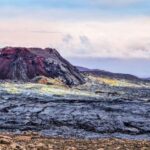
Day 1: Troll.is, Seljalandsfoss, Skógafoss, then Skaftafell’s glacier hike
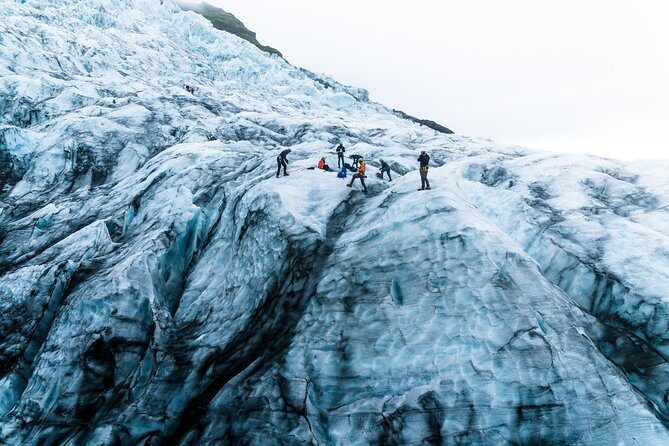
Day one starts with pickup from Reykjavik at 8:00am. Pickup might take about 30 minutes, and you’ll either be picked up at your hotel or at a designated bus stop, depending on where buses can access. Once you’re rolling, the first stops are classic South Coast waterfall hits, built to get you into the landscape rhythm fast.
Troll.is is your warm-up. It’s a short stop (about 30 minutes) and doesn’t eat the day. Think of it as a quick reset point before the larger scenic stretches.
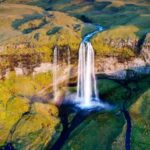
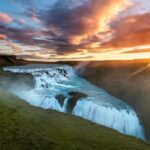
Then you head to Seljalandsfoss. This waterfall is known for the option to walk behind it—doable if you bring a raincoat. The stop is brief (around 30 minutes), so don’t plan on lingering for long photo marathons. The upside is you’ll still have energy for the glacier work later.
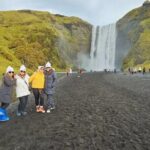
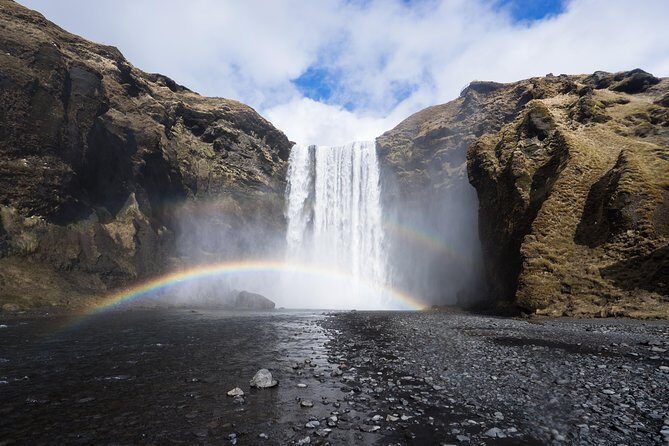
Next is Skógafoss, also about 30 minutes. The key here is the cliffside staircase that leads to a shelf above the waterfall for broad views. It’s one of those “short stop, big payoff” moments. If you’re the kind of traveler who loves a viewpoint, don’t skip the stairs.
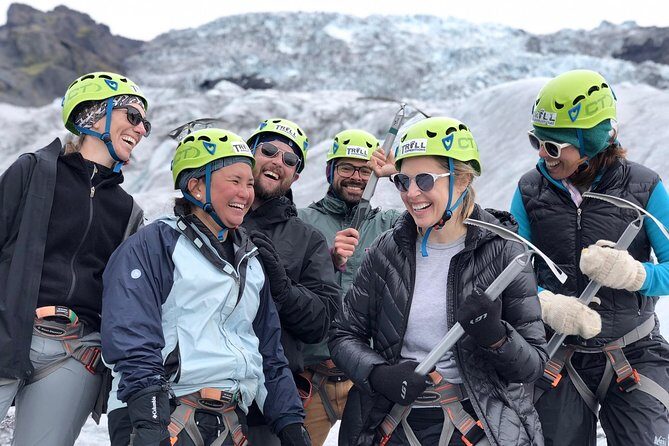
Finally, you land at Skaftafell National Park for the main action. Here’s where the day stops being just sightseeing. You meet trained glacier guides, strap on safety equipment, and hike on an outlet glacier. The hike is at least two hours, with the guiding team explaining the glacier and the ice cave phenomenon as you go.
The ice cave is the headline—here’s what that really means
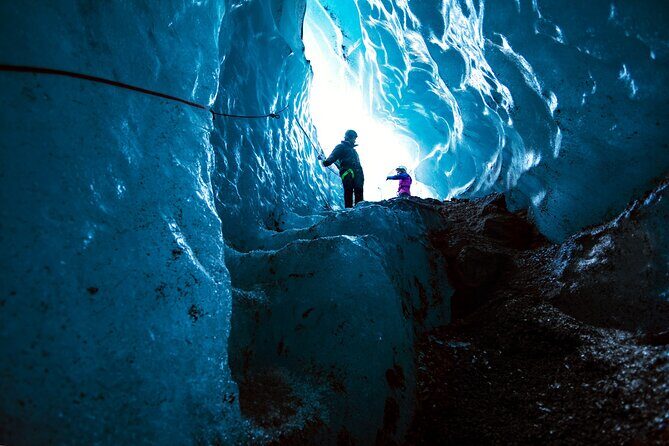
The ice cave tour is included, and it’s not a casual walk-through. Ice caves are described as dynamic natural phenomena that only exist in winter when temperatures drop. Each year, new caves form in different areas, and even within a season, formations can shift. So yes, the “blue ice” photos you see are real, but your exact cave shapes may not match last season’s images.
That matters for two reasons:
- Expect variation. Your cave might be smaller or different than you pictured, even if conditions are good.
- Safety and timing matter more than speed. You’ll be there in winter conditions, and the guide’s job is to keep the group moving with the right traction and spacing.
One practical thing: ice caves require winter access. If you book in a non-winter window, you should expect that the ice cave plan may not be the same (the tour info is explicit that access is wintertime-based). For this tour, you’re specifically signing up for a season where the caves exist.
Day 1 glacier hike tips that make a big difference
This part of the itinerary is the heart of the tour, and it’s also where preparation affects your comfort the most.
You’ll be given glacier equipment for the hike and the ice cave. Still, bring or rent footwear and clothing that works on wet, icy surfaces. The tour notes that in winter you should bring hiking boots with slip-resistant soles, but boots are also available at booking.
If you’re unsure about your gear comfort, it’s worth paying attention to the rental list. Waterproof jackets, waterproof pants, and a hat/gloves combo have specific rental prices, and a waterproof outer layer can make the difference between enjoying the experience and rushing through it.
Also: plan for a longer “active” day than a normal sightseeing day. You’re hiking on ice for at least two hours and then doing the cave visit. That’s a good fit for travelers who like guided adventure but can follow instructions quickly.
Day 2: Jökulsárlón, Fellsfjara, and Reynisfjara—icebergs meet the ocean
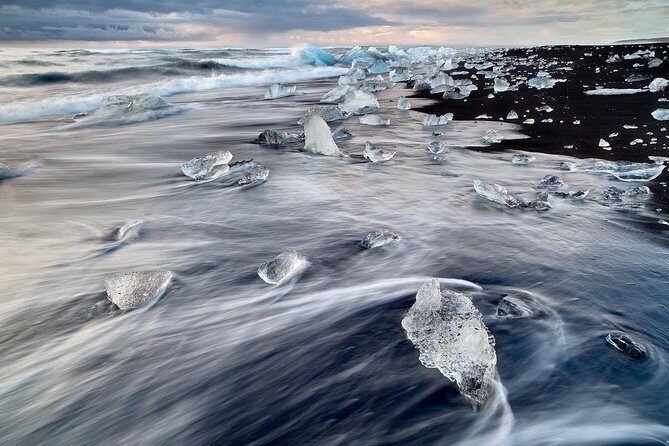
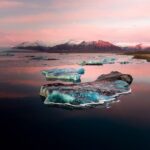
Day two starts with the most famous ice-portfolio on Iceland’s South Coast: Jökulsárlón glacier lagoon. You’ll spend about 45 minutes here.
A key detail is depth and source. The lagoon is fed by Breiðarmerkurjökull, an outlet glacier of Europe’s largest glacier, and it’s described as around 200 meters deep. Icebergs break off year-round and the lagoon is usually filled with ice floating south. In other words, you’re not just looking at ice—it’s moving and actively calving, depending on the season and conditions.
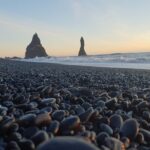
After that, you cross to Fellsfjara, about 30 minutes. This is the black sand beach opposite the lagoon’s ice exit. Icebergs and ice rocks get pushed toward shore by tides and winds, so you’ll often see different shapes scattered across the sand. It’s one of those places where your eyes keep finding new patterns.
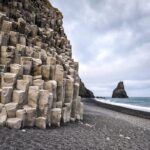
Then you finish with Reynisfjara Beach, about 40 minutes. This beach is famous for huge ocean waves striking basalt columns in the cliffs above the black sand. You may also spot Dýrhóley in the distance, and the tour notes this area is a bird-nesting spot in summer (puffins and other species from June to August).
This day is a good match if you want a mix of walking and watching. You’re outdoors the whole time, but the tour keeps each stop short enough that you can stay engaged rather than exhausted.
You can also read our reviews of more tours and experiences in Reykjavik
Price and logistics: what you’re really paying for
The price is $671.46 per person for approximately two days. That can sound steep if you compare it to a single-day “big bus” tour. But you’re paying for:
- a guided glacier hike (included safety equipment)
- an ice cave tour (included safety equipment)
- overnight accommodation and breakfast
- round-trip minibus transport from Reykjavik
- a small-group cap (max 18)
- WiFi on board and a mobile ticket
Where this becomes especially good value is when you factor in what would be annoying to DIY. Getting to Skaftafell and organizing glacier logistics is not just about distance—it’s about timing and gear. Here, the trip handles it for you, and you’re not improvising safety gear at the last moment.
What can feel less “deal-like” is the extra clothing costs. Waterproof jacket and pants rentals are available, and there’s also a boot rental option. If you already own winter traction boots and waterproof shells, you’ll spend less. If not, budget for rentals or buy the right gear.
Finally, the tour is offered in English with group discounts. That’s not a small detail in Iceland, where group dynamics can swing the cost a lot.
Gear reality check: boots, rain, and the stuff you’ll regret skipping
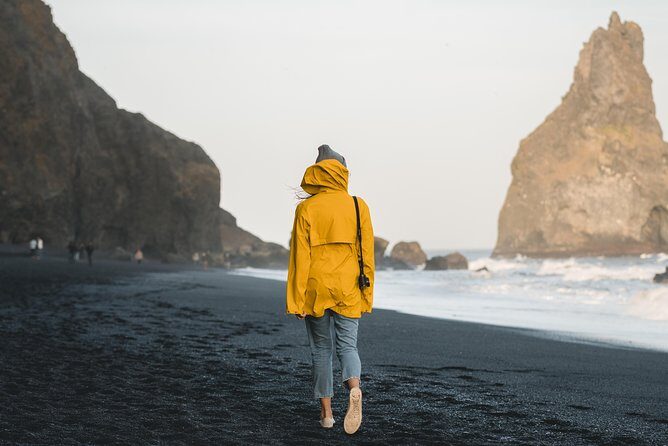
The experience is outdoors in cold, wet conditions. Even on a good weather day, you’ll want dry layers so you can focus on the ice cave and glacier hike rather than shivering through them.
Here’s what the tour lists as not included, but available:
- Hiking boots rental (3,000 ISK)
- Waterproof jacket rental (1,750 ISK)
- Waterproof pants rental (1,750 ISK)
- Hat and gloves combo with logo (3,000 ISK)
- Neck warmer with logo (500 ISK)
- Summer cap with logo (1,500 ISK)
- Luggage storage (1,750 ISK)
Two practical takeaways:
- In winter, the tour specifically recommends slip-resistant hiking boots. If you don’t have them, use the rental options and plan to do it early.
- If you rely on rentals, I’d rather you confirm what you’re booking ahead of time, because gear availability can be a moving target in any busy season.
If you can, pack a small dry bag for gloves and anything you’ll need to keep warm. Iceland’s weather is dramatic, and you’ll feel it immediately on a glacier.
Timing, weather, and the Northern Lights question
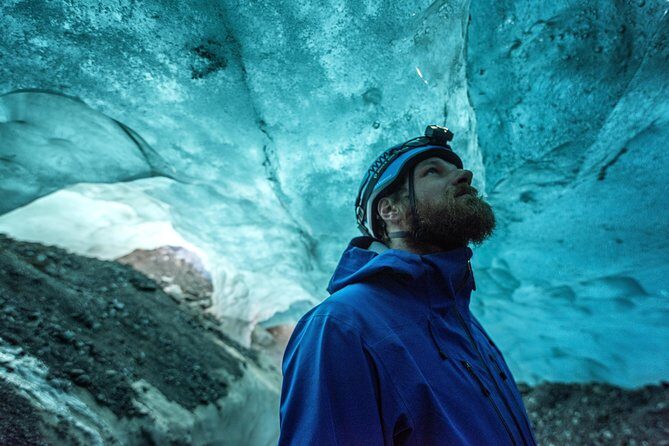
Start time is 8:00am, and pickup can take up to about 30 minutes. The days are long, and Iceland’s daylight changes fast. If you’re traveling in winter, you’ll want to remember it gets dark quickly.
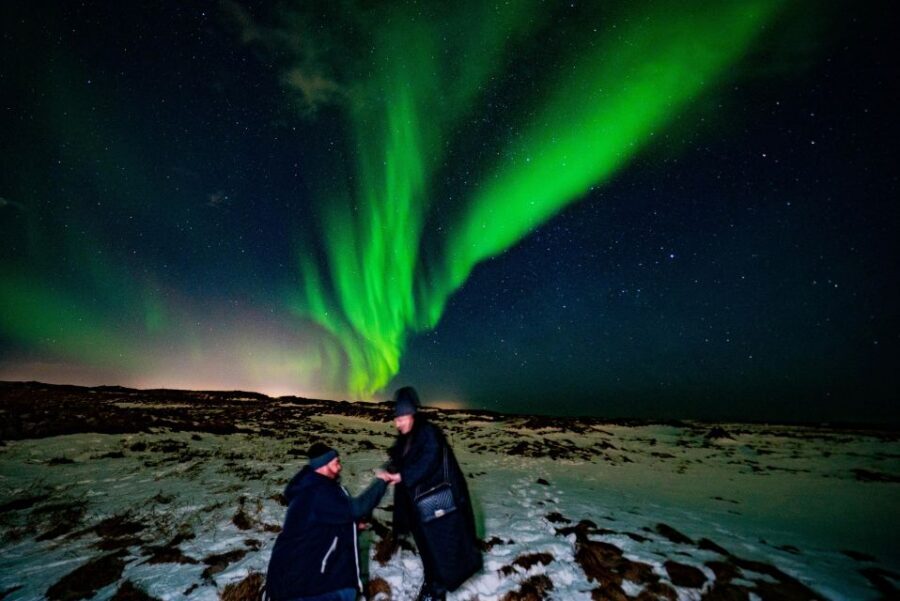
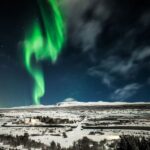
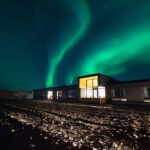
The tour also notes that Northern Lights are a natural phenomenon and cannot be guaranteed. That said, hotels are positioned to maximize chances. So I treat the aurora as a bonus, not a promise. If you get them, it’ll feel like a gift. If you don’t, you’ll still have the itinerary’s big-ticket scenery.
Weather and road conditions are also real variables. The tour info is clear that the order or availability of attractions may change if roads or weather don’t cooperate. That’s why I recommend staying flexible and having a calm mindset about “plan A vs plan B.”
Who this is best for (and who should rethink it)
This tour suits you if:
- you want a guided glacier hike + ice cave experience and not just a bus-window photo stop
- you like a tight itinerary with short stops that still covers major South Coast icons
- you’re okay walking in winter conditions and following guide instructions
- you value an overnight base so day two doesn’t feel rushed
It may not fit as well if:
- you need total schedule certainty (roads and weather can reorder the day)
- you’re very sensitive to late returns or last-minute changes
- you hate cold, wet walking and won’t use rain gear
On a positive note, the group cap (max 18) means the glacier portion tends to be organized, and it’s easier for guides to support people through tricky footing.
Should you book this 2-day Ice Cave and South Coast tour?
If your priority is Skaftafell glacier hiking and a winter ice cave, I’d book. That’s the part that’s hardest to DIY safely, and it’s the centerpiece of the whole trip. Add in Jökulsárlón lagoon and the black sand beaches, and you get two full days of ice-and-coast variety without spending your vacation solving transport problems.
My advice: book it if you can handle weather changes with a good attitude and you’ll bring (or rent) the right cold-weather gear. Skip it if you only want calm, predictable sightseeing and you’re not comfortable hiking and standing outdoors in winter conditions.
If you tell me your travel month and your comfort level on icy footing, I can help you decide whether this is the right match—or whether a different glacier plan might suit you better.
FAQ
What time does the tour start?
The start time is 8:00am. Pickup begins at 8:00 and may take about 30 minutes, so be ready at your selected hotel or bus stop.
Is pickup included from Reykjavik?
Yes. Round-trip transportation is included, and pickup is offered either from your hotel or from your closest designated bus stop.
How big is the group?
The tour has a maximum of 18 travelers.
What’s included in the glacier experience?
Glacier equipment is included, along with the glacier hike and the ice cave tour with safety equipment.
Are meals included besides breakfast?
Breakfast is included. Lunch and dinner are not included.
Do I need to rent hiking boots or waterproof gear?
Hiking boots and waterproof gear rentals are available, but they are not included in the price. The tour recommends slip-resistant hiking boots if you’re traveling in winter, and boots are available to rent.
Is the ice cave guaranteed to be available?
Ice caves are only accessible during wintertime when temperatures drop. The tour visits a naturally formed ice cave, and the exact cave can change due to the dynamic nature of ice formations.