A real lava tube feels different than a photo spot. Arnarker Cave is a 500 m stretch of mostly natural tunnel, done in a tiny group with a professional geological guide explaining Iceland’s volcanism as you go.
I love the hands-on style here: you get real time in the cave, plus stops to make the geology click. I also like that the operator provides helmets, headlamps, and gloves, so you can focus on moving safely. One key consideration: there is no man-made path, so you need balance and comfort climbing over boulders.
The tour runs about 5 hours total, starting with a Reykjavik pickup at Bus Stop #8 (parking lot of Hallgrimskirkja). Inside the cave, the temperature stays close to 4°C or colder, even in summer. If you’re short on fitness, hate tight spaces, or deal with back/heart issues, this one may not be the right fit.
In This Review
- Key things that make Arnarker Cave worth your time
- Why Arnarker Cave feels more real than the usual lava-tube stop
- Reykjavik pickup and how the ride sets the tone
- Gear, safety, and what “no man-made path” really means
- A geologist guide turns dark stone into a clear story
- Inside the tunnel: what the 500 m route feels like
- Winter ice, year-round weather, and how to dress for 4°C rock
- Price and value: what you’re really paying for at $214
- Who should book, and who should skip this lava-tunnel day
- Should you book the Arnarker Cave Lava Tunnel Adventure?
- FAQ
- Where is the meeting point in Reykjavik?
- How long is the Arnarker Cave tour?
- What group size is this caving adventure?
- Is equipment included for the cave?
- What should I wear or bring?
- How cold is the cave?
- Does bad weather cancel the tour?
- What are the age limits or restrictions?
- What’s the price and what’s not included?
Key things that make Arnarker Cave worth your time
- A more natural, more adventurous lava tunnel than the usual tourist-style stops
- Small group size (up to 6), which makes it easier to move slowly and learn
- Geologist/volcanologist-led explanations tied to what you’re actually seeing
- All cave gear provided: helmets, headlamps, and gloves
- Year-round operation, including winter ice formations along the tunnel features
Why Arnarker Cave feels more real than the usual lava-tube stop
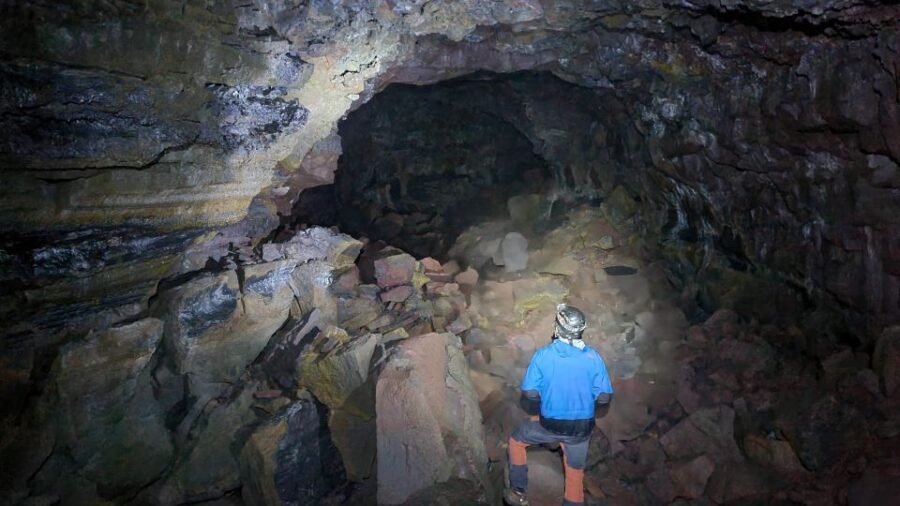
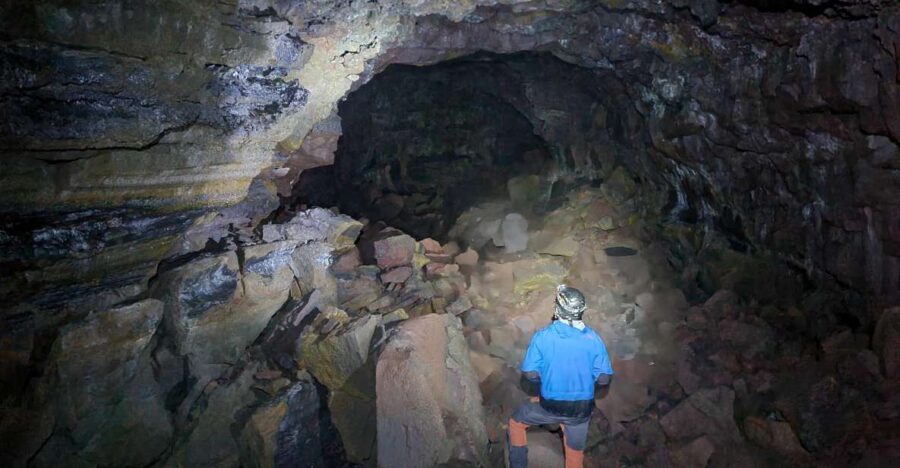
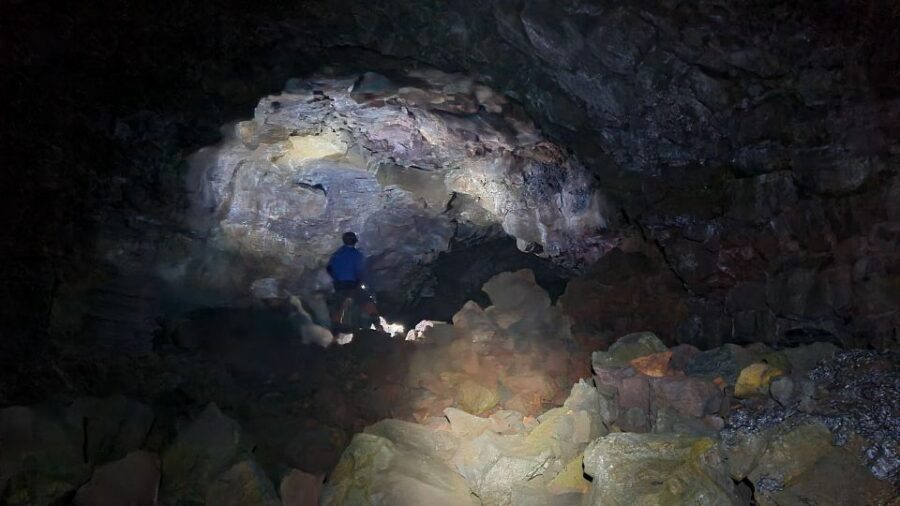
Arnarker Cave is built for people who want an actual caving experience, not just a guided walk. The tunnel is about 500 meters long, and the character of it is more rugged and less managed. You’re not following a smooth, planted route. Instead, you’re working your way through uneven ground, boulders, and sections that ask you to pay attention with every step.
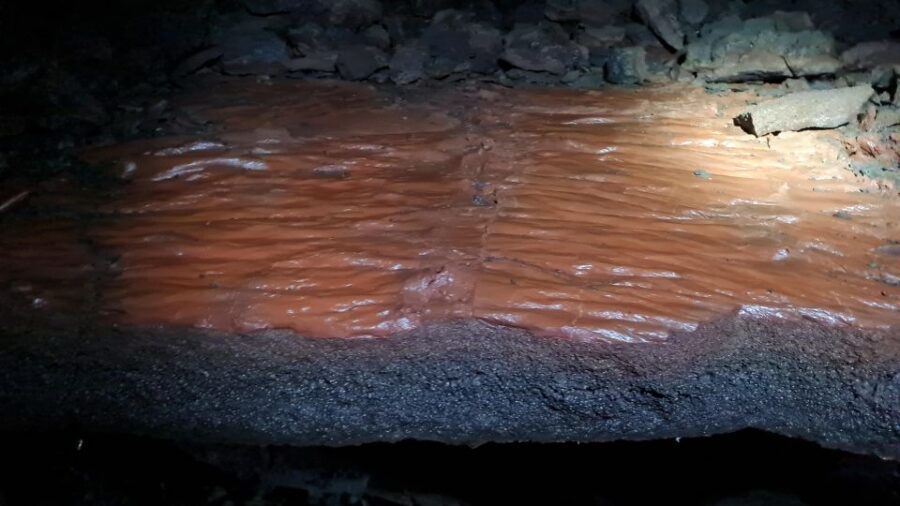
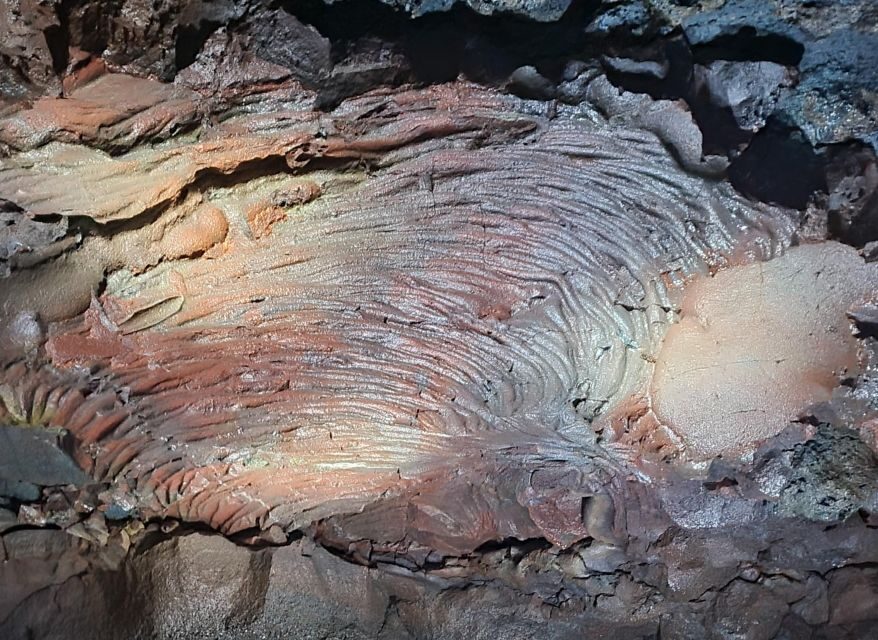
That’s exactly why it’s satisfying. This isn’t geology as a lecture behind glass. You watch lava structures form in your mind as your guide points out what they mean. Then you get close enough to really notice the texture and shapes yourself. A lava tube is one of Iceland’s clearest windows into how volcanic systems behave, and Arnarker Cave gives you the physical context: low ceilings, dark stone, and the sense of moving through something the landscape made on a deadline.
The small-group setup also matters. With up to 6 participants, you’re less likely to get swept along. You can take your time, ask questions, and get photo stops without feeling rushed through the best parts.
You can also read our reviews of more tours and experiences in Reykjavik.
Reykjavik pickup and how the ride sets the tone
This tour starts in Reykjavik at Bus Stop #8, in the parking lot of Hallgrimskirkja. You’ll pick up your group there, then head out toward the cave in a shared vehicle with your guide.
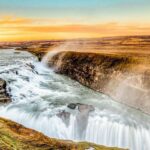
The total duration is 5 hours, which includes transport, briefing, and the time you spend in the tunnel. Plan on roughly an hour of drive time from Reykjavik, though you might take a more scenic route along the way. One nice detail: the drive route can include views tied to recent lava activity, so you start connecting Iceland’s present landscape to the volcanic story you’ll learn in the cave.
If you’re coming from the city center, this is a straightforward day trip. The pickup is clear, and the round-trip drop-off means you don’t have to rent a car or coordinate anything complicated.
Gear, safety, and what “no man-made path” really means
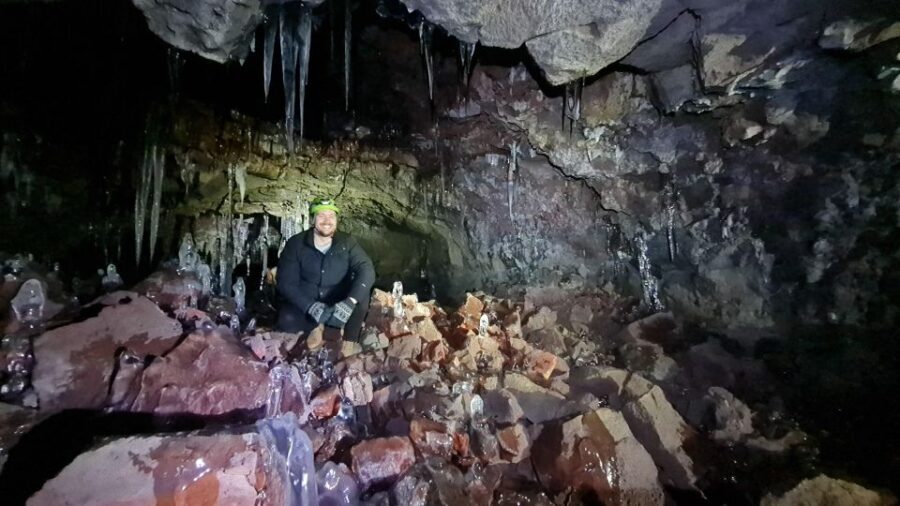
You get most of what you need for the cave right at the start: a helmet, headlamp, and gloves. That’s a big practical win. Headlamps matter here, because you’re not walking through a lit show cave. Gloves matter because you’ll use your hands for balance and for moving over uneven rock.
But you still have to show up prepared. Hiking boots with ankle support are necessary. The cave can have small drips from the ceiling, so a waterproof jacket is strongly recommended. And you should dress warm. The temperature in the cave rarely exceeds 4°C, even in summer, so your body will feel cold fast once you slow down to look, listen, and stop for photos.
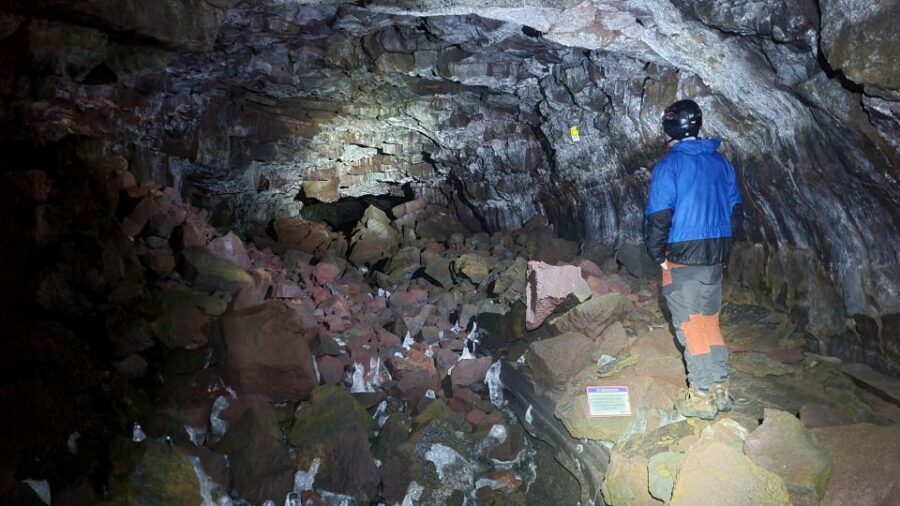
The other safety reality is the terrain. The route inside the cave has no man-made path, which means you’re climbing and scrambling. Boulders show up in most parts. You’ll need decent physical shape and good balance. If you’re unsure about your footing after a long day walking on uneven ground, this is the part to take seriously before you book.
A geologist guide turns dark stone into a clear story
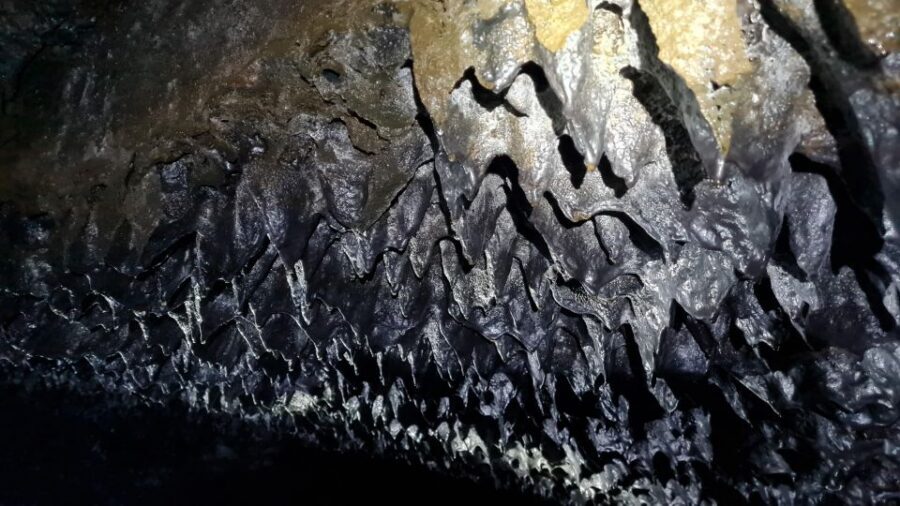
What I like most about this experience is the guide format. You’re not just wearing gear and following a headlamp line. You’re learning from a professional geological guide about how lava caves form and what Iceland’s volcanism looks like on the ground.
As you go through Arnarker, your guide connects the shapes you see with the processes that created them. That’s the difference between seeing rock and understanding rock. Lava tubes form when a lava flow’s surface cools and solidifies while the hotter interior keeps moving. Later, what remains is a hollow channel like a natural conduit. In a cave like this, you can literally feel the scale and structure, which helps the geology make sense instead of staying abstract.
The tour also includes photo stops. Those stops are not just for convenience. They give you a pause point to compare what your eyes see with what your guide is explaining. One bonus theme from past experiences: the guides tend to be generous with clear, understandable explanations, and they make time for questions.
Inside the tunnel: what the 500 m route feels like
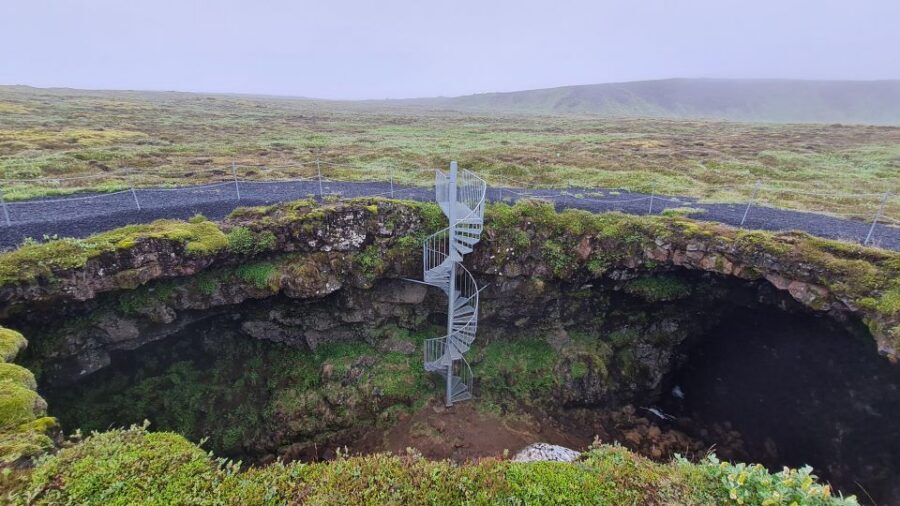
Arnarker Cave is about 500 meters long, and it’s paced as a real caving route rather than a quick walk-through. Expect the first section to take time as you get your balance and rhythm. One experience described the early phase as about 100 meters and roughly an hour to work through it.
Then comes the longer section, around 400 meters, which can take about 1.5 hours depending on group pacing and how much time you take at geological features. The total effort adds up because of the climbing and scrambling, not because it’s a marathon hike.
What makes the cave stand out is that it feels more natural. You’re not walking on a path someone built for you. You’ll step onto uneven rock, shift your weight frequently, and sometimes use your hands for stability. That’s why the headlamp and gloves matter, and why your boots need to grip well.
If you want a cave that feels off the usual track, this is it. People often say the difference is that you see a real lava tube and not a managed viewpoint. When the group is small, it also feels less crowded in the dark, which changes the whole experience.
Winter ice, year-round weather, and how to dress for 4°C rock
One of the best things about this tour is that bad weather conditions do not impact the tour, and it runs all year around. Iceland’s weather is unpredictable, but your day isn’t built around perfect skies.
In winter, conditions inside the cave can include stunning ice formations along geological features. Those ice bits can make the tunnel look even more sculptural, turning lava shapes into something almost crystalline. Even if you don’t time it for winter, the cave atmosphere stays consistent: cool air, damp rock, and a steady chill.
So dress for the cave, not the Reykjavik weather. Warm layers, a waterproof outer layer, and gloves-friendly clothing are your friends. If you tend to feel cold quickly, plan as if you’re dressing for a long time outside at winter temperatures, then add the fact that the cave rarely goes above 4°C.
Price and value: what you’re really paying for at $214
At $214 per person for a 5-hour guided adventure, this isn’t a budget activity. But the value equation is pretty clear.
You’re paying for three main things:
- A professional geological guide who leads the experience and explains Iceland’s volcanism in context with what you see
- Provided safety gear (helmets, headlamps, gloves), so you don’t need to buy or rent cave equipment
- Transportation in Reykjavik via pickup and drop-off at Bus Stop #8, plus a guided day structure
What’s not included is also spelled out. Food and drinks are not included, and hiking boots are not included. That means you’ll want to plan snacks or a meal before or after, and make sure your footwear is up to the job.
Is it worth it? If you want a hands-on lava tunnel experience with real terrain and real teaching, you’ll likely feel good about the cost. If you’re hoping for a relaxed, low-movement walk, you may find the effort doesn’t match your expectations.
Who should book, and who should skip this lava-tunnel day
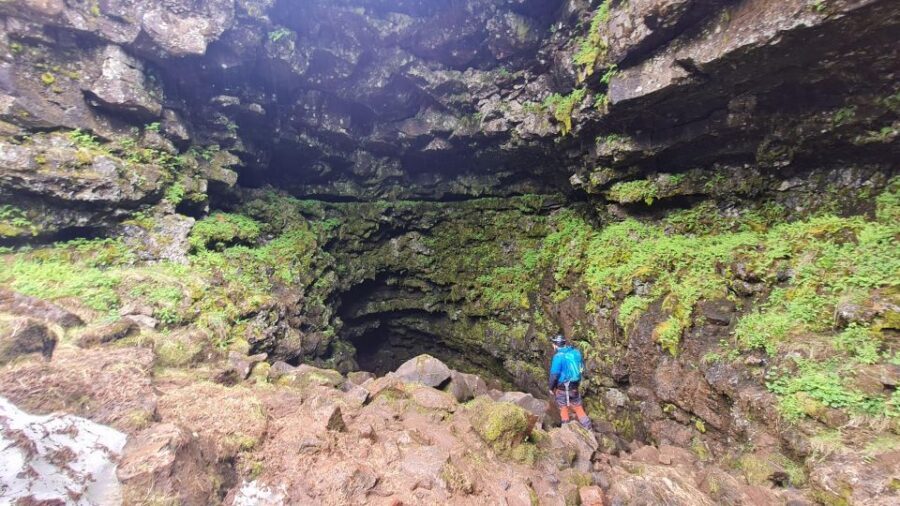
This tour targets people with real comfort in uneven ground and some scrambling ability. You should be in good physical shape with good balance. The cave has sections where you climb over boulders, and there isn’t a man-made path to rely on.
It’s also not for everyone. The tour is not suitable for:
- children under 15
- pregnant women
- people with back problems
- mobility impairments, wheelchair users, or people who need mobility support
- claustrophobia
- people with heart problems
- people over 6 ft 6 in (200 cm)
- people over 65
- people over 275 lbs (125 kg)
- people with recent surgeries
- people with low level of fitness
So my advice is simple: if you’re on the edge with balance, fitness, or tight-space comfort, don’t guess. Choose a different Iceland experience that matches your needs.
If you fit the requirements, though, Arnarker Cave is one of those trips that gives you a story you’ll remember because you physically worked for it.
Should you book the Arnarker Cave Lava Tunnel Adventure?
Book it if you want a small-group Iceland geology experience that stays practical and real. The highlight isn’t just that it’s a lava cave. It’s that you get to experience a more unknown, natural tunnel with hands-on movement, while a geological guide helps you understand what you’re seeing. Add in the provided helmets and headlamps and the round-trip pickup from Reykjavik, and it’s a clean, well-supported day.
Skip it if your comfort depends on smooth surfaces, easy footing, or avoiding confined spaces. In other words, don’t book this one hoping for a gentle walk. Arnarker is for people who enjoy the outdoors, can handle uneven terrain, and like learning while moving.
If you’re that person, this is exactly the kind of Iceland adventure that feels authentic without needing hype.
FAQ
Where is the meeting point in Reykjavik?
You’ll meet at Bus Stop #8, in the parking lot of Hallgrimskirkja.
How long is the Arnarker Cave tour?
The duration is 5 hours in total.
What group size is this caving adventure?
It’s a small group, limited to up to 6 participants.
Is equipment included for the cave?
Yes. You’ll be provided with helmets, headlamps, and gloves.
What should I wear or bring?
You need hiking boots with ankle support. You should also dress warm because the cave rarely exceeds 4°C, and a waterproof jacket is recommended since water can drop from the ceiling. Food and drinks are not included, and hiking boots are not included (so bring or arrange them yourself).
How cold is the cave?
The temperature in the cave rarely exceeds 4°C, even in summer.
Does bad weather cancel the tour?
No. Bad weather conditions do not impact the tour, and it runs all year around.
What are the age limits or restrictions?
The age limit is 15 to 65. It’s not suitable for children under 15, and it’s also not suitable for several health and mobility situations listed by the operator.
What’s the price and what’s not included?
The price is $214 per person. Food and drinks are not included.