
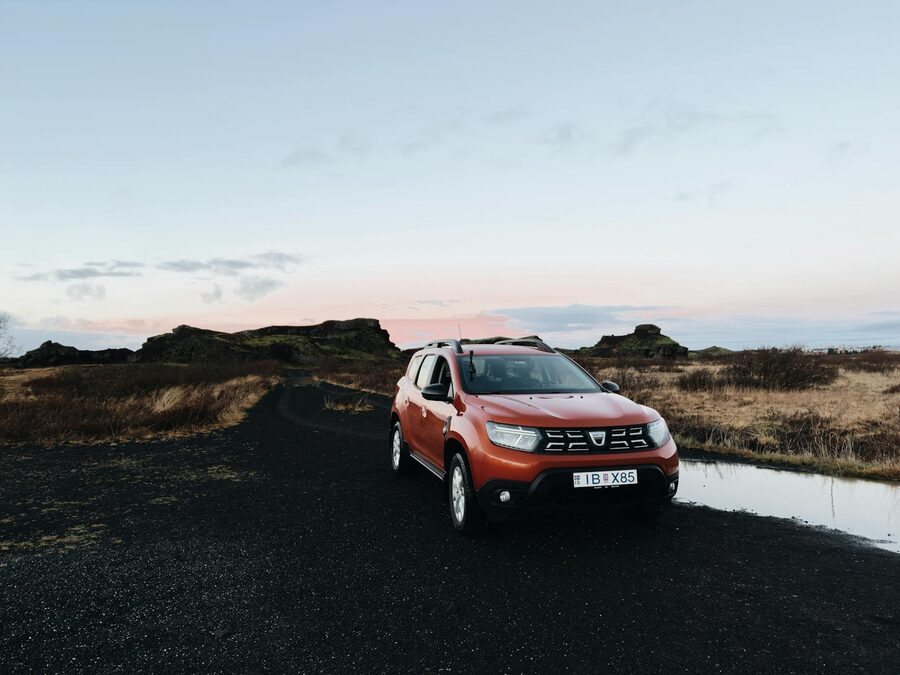
You can land at Keflavík at half past six in the morning, sign for the keys by eight, and have your hands on the wheel of a Dacia Duster pointed east on Route 41 by quarter to nine. Two and a half hours later you’re at Seljalandsfoss with the spray on your face. That is the case for renting a car in Iceland in three sentences. The country is small, the headline sights are spread thin around the ring of the coast, and a rental car is the difference between seeing Iceland on someone else’s timetable and seeing it on your own.
The rest is where people get caught. Renting here is a minefield of insurance acronyms, weather rules nobody reads in the contract, gravel that will chip your windscreen on day two, wind that has, and I am not exaggerating, ripped car doors clean off their hinges in the south. The price you see on the search bar is not the price you’ll pay. The cheapest brand on the comparison site is sometimes the one you’ll be writing reviews about for the wrong reasons.
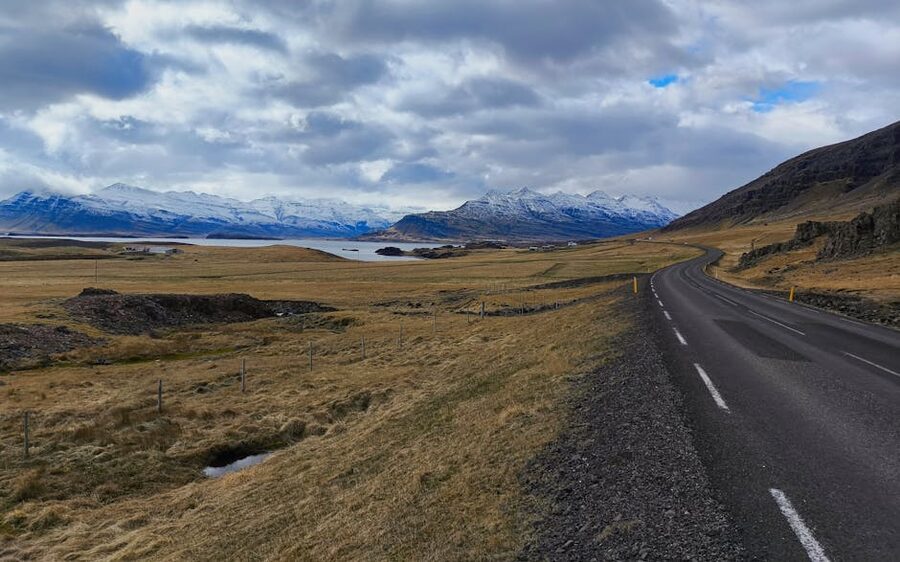
What I want to do here is walk you through it like a friend would. Which companies are worth your money, which insurance lines are useful and which are upsells, what the seasons demand, what the F-roads are and why driving on them in a 2WD voids everything. The handful of things that catch people out: the wind, the gravel, the sheep, the sand. I’ll tell you the prices in ISK, name the operators by name, and if I think a thing is overpriced I’ll say so. Þetta reddast, as we say. It’ll work out. You just need to know what you’re walking into.
In This Article
- Should you actually rent a car
- The comparison engine you should start with
- The companies worth your money
- The cars, plain English
- Manual vs automatic, and the upsell trap
- Insurance, the conversation that actually matters
- The seasons, and what they actually demand
- F-roads, and the rule that costs people thousands
- The actual pickup, what to do
- Photograph the car. Every panel.
- The rules of the road, the parts that catch visitors
- Fuel, the network, and the card trick
- Parking, tolls, and the small fines that add up
- The driving itself, what you’ll actually feel
- Studded tyres, the 1 November rule
- Returning the car, the unsexy bit
- What this actually costs, a worked example
- Things I wish someone had told me
- If after all that you don’t want to drive
- A small parting note
Should you actually rent a car
Not everyone needs to. If you’re in Iceland for three days, sleeping in Reykjavik, doing the Blue Lagoon and the Golden Circle and a whale-watch out of the old harbour, you can do all of that on bus tours and the Flybus from Keflavík. It’s cheaper. You don’t pay parking. You don’t worry about the weather. Our guide to day tours from Reykjavik goes through who runs what and what to pay.
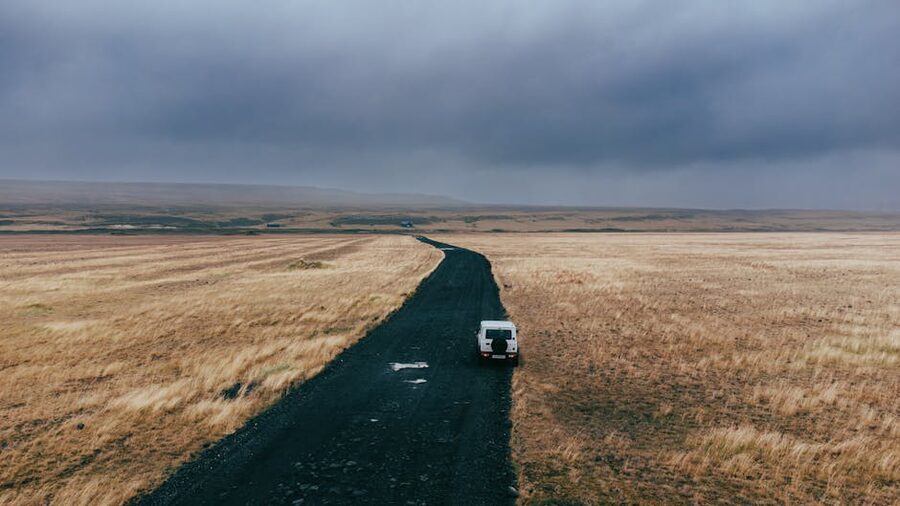
If you’re here for five days or more and you want to do anything north of the south coast, a car starts to make sense quickly. Seven days in summer doing a ring road, you have to have a car or a campervan, full stop. The bus network does loop the country on Route 1 in summer with the Strætó 57 from Reykjavik to Akureyri, but it goes once a day, takes six and a half hours, and it doesn’t stop for you to photograph anything. You don’t see Iceland from a Strætó seat. You see it from a layby with the engine off and the heater on.
The economics matter too. A coach Golden Circle tour with Reykjavik Excursions is around 11,990 ISK per person. Two of you, that’s nearly 24,000 ISK. A small Toyota Yaris from Blue Car Rental on a quiet October Wednesday is around 7,500 to 9,000 ISK for the day plus 2,000 ISK of fuel. Half the price of the bus, you stop where you want, and you can go to Friðheimar tomato farm for lunch instead of the Geysir cafeteria.
The flip case: if you’re solo and going somewhere remote in winter, a guided tour is the better choice. Driving the South Coast in February in a 4×4 alone, with a horizontal blizzard at three in the afternoon and the daylight already gone, is not a thing I would tell my own sister to do. Pay a guide to drive the Golden Circle and glaciers in winter and put yourself in the back of the bus with a coffee. There’s no honour in white-knuckling Route 1 in the dark.
The comparison engine you should start with
Before I name companies, name this one site: northbound.is. It is, as best I can tell, the only car-rental comparison engine actually built in Iceland by people who rent cars in Iceland. It pulls live availability and pricing from the local rental fleets, including Blue, Lava, Lotus, Geysir, Reykjavík Cars, Go Iceland, and a dozen smaller outfits, plus the international names. You put in your dates and pickup point and it shows you the comparable rates side by side.
I tell every visitor who asks me to start there. It does for car rentals what Skyscanner does for flights, and you can usually find a 5 to 15 percent saving on the price the same operator quotes on their own home page.
Two caveats. First, the price you see on Northbound is for the base tier of insurance only, which means CDW and theft cover with a high deductible. It does not include the gravel-and-sand bundle most of you should buy. Add roughly 6,000 to 9,000 ISK per day for that. Second, Northbound takes a small commission and you book through their checkout, not the operator’s. If something goes wrong the rental company is still your contract, but Northbound’s customer service has been very fair in my experience.
If you want to skip the comparison and go straight to a known-good operator, the three I’d put a friend on are Blue Car Rental, Lava Car Rental, and (for the international option) Hertz Iceland. I’ll come to all three.
The companies worth your money
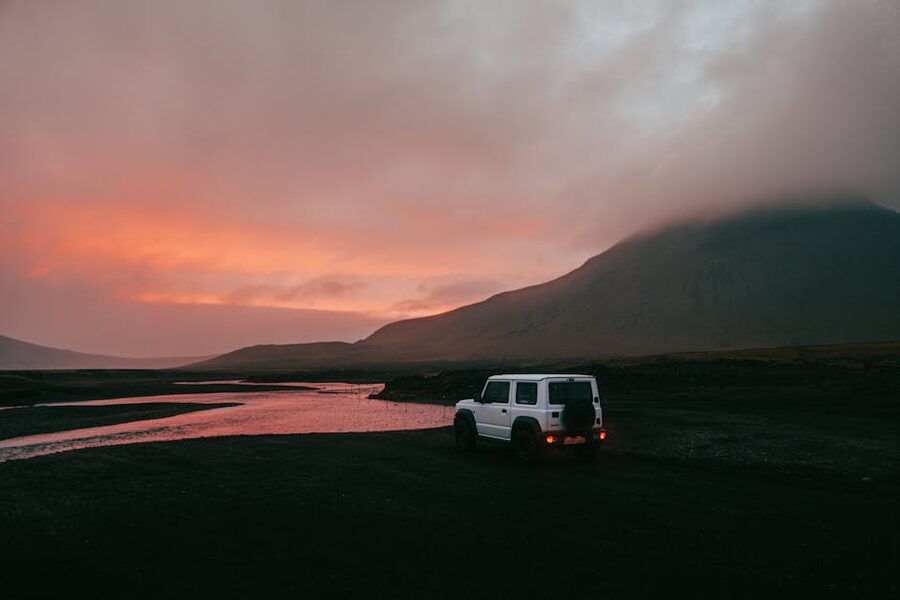
The Iceland market splits into two camps and the locals win the value war about nine times out of ten.
The international names you know, Hertz, Avis, Budget, Europcar, Sixt, Enterprise, Thrifty, all operate at Keflavík with desks inside the terminal. The convenience is real. You walk off the plane, past the baggage carousel, and collect keys from a counter in the same hall. No shuttle. That’s worth real money to people on a tight stopover or arriving on a red-eye with kids. If that’s you, Hertz Iceland is the one I rate. They’ve raised their game in the last few years, they offer a “Max coverage” insurance package that genuinely covers the things that go wrong, and the Reykjavik people I know who’ve had small bumps with Hertz say the returns are quick and unbothered. Expect to pay 20 to 40 percent more than the local equivalent for the same car.
The local names are where the value lives. Blue Car Rental is, by some distance, the most-recommended company on the Iceland subreddit and on TripAdvisor. They’re a home-grown operation based at a yard about seven minutes’ walk from the Keflavík terminal, they have a transparent insurance bundle, the pickup process includes a self-service key locker for late arrivals, and they have a sister brand called Zero Car Rental that wraps a “no questions asked” insurance on top. I’ve heard a dozen versions of “we scraped a wall, returned the car, paid nothing” with Blue.
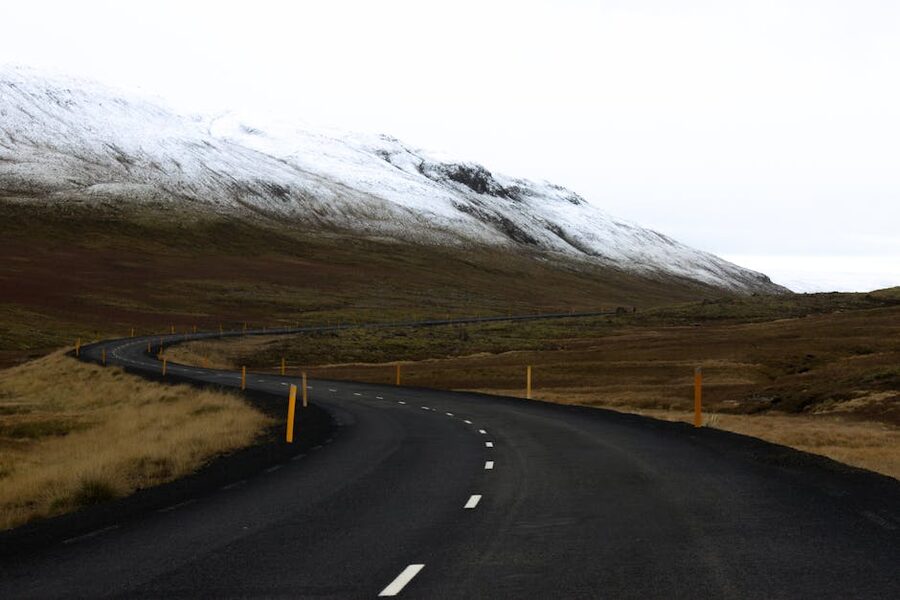
Lava Car Rental is the other local I’ll happily put my name to. Slightly smaller fleet, equally clean process, and they tend to be cheaper than Blue in the high season because they don’t have Blue’s reputation premium. The shuttle from Keflavík to their yard is about fifteen minutes. Pickup and dropoff are both quick.
Lotus Car Rental is the third name you’ll see recommended. Consistently good Reddit reports and often the cheapest mid-size 4×4 inventory in shoulder season. Reykjavík Cars and Go Iceland sit a tier below the top three, competent, sometimes 10 to 20 percent under Blue or Lava on the same car. SADcars is the budget end: older fleet, prices sometimes half of Blue’s, fine for three paved-road days but don’t book them for a long ring road in winter.
The names I’d avoid are the airport “kiosk only” budget brands you’ve never heard of. Iceland’s market has a recurring problem with operators that show up under a new name every couple of years, undercut everyone, then disappear when the complaints pile up. If a brand isn’t on Northbound and doesn’t have a real Reykjavik office, there’s a reason.
The cars, plain English
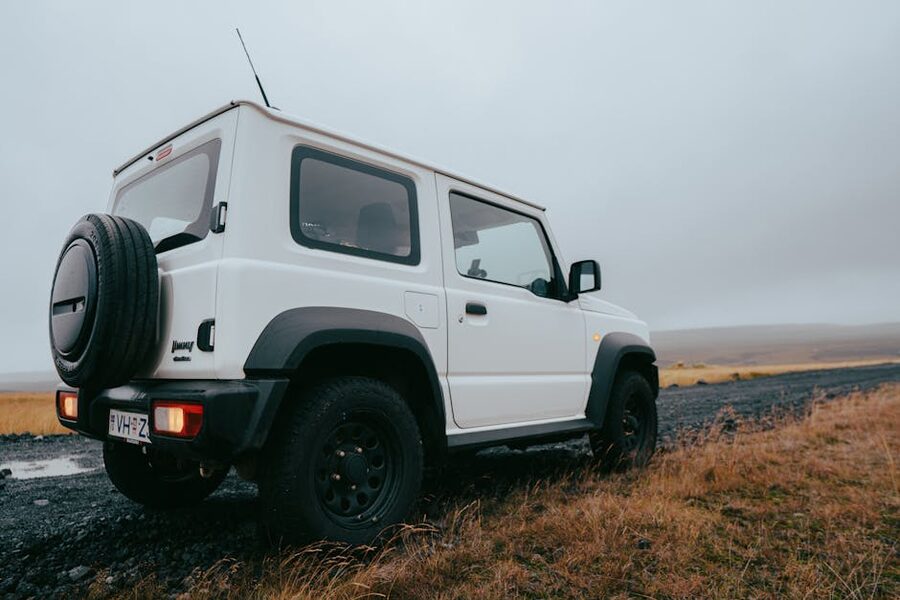
You’ll see four broad categories on every comparison engine. Five if you count the campervan, which is its own conversation.
The economy 2WD is your Toyota Yaris, Hyundai i10, Kia Picanto, VW Polo. Tiny city cars, perfectly fine on Iceland’s paved roads in summer. The Ring Road is paved end to end. The Golden Circle, the South Coast as far as Vík and beyond, the Snæfellsnes peninsula, all paved. If your week is summer-only, paved-only, two of you with one suitcase each, an economy 2WD will do everything you need at maybe 6,000 to 9,000 ISK a day in summer, half that in October. You’ll fit your luggage if you pack like an adult.
The compact AWD is the category I send most week-long visitors to. Suzuki Vitara, Suzuki Jimny, Dacia Duster, Toyota Yaris Cross, Hyundai Kona. Small SUVs with all-wheel drive, year-round capability, and enough ground clearance to handle gravel side roads. Summer: 12,000 to 18,000 ISK a day. In winter, the Vitara and Duster are the workhorses you’ll see all over the south coast on studded tyres. The Jimny is a cult favourite but the boot is small. If you have two large suitcases, take a Vitara or Duster instead.
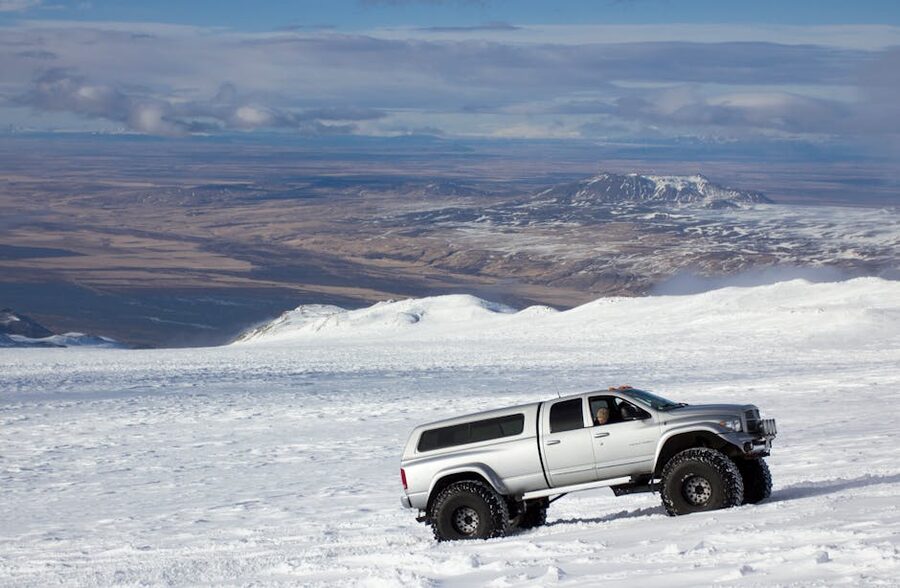
The mid-size 4WD is the proper winter car and the proper F-road car. Toyota Land Cruiser Prado, Toyota RAV4, Mitsubishi Outlander, Hyundai Tucson. Real low-range gearing, more clearance, more engine, and they shrug off the kind of weather that has small SUVs sliding sideways. 22,000 to 35,000 ISK a day in summer, often more in winter. If you’re driving the ring road in November or doing F35 to Landmannalaugar, this is your category.
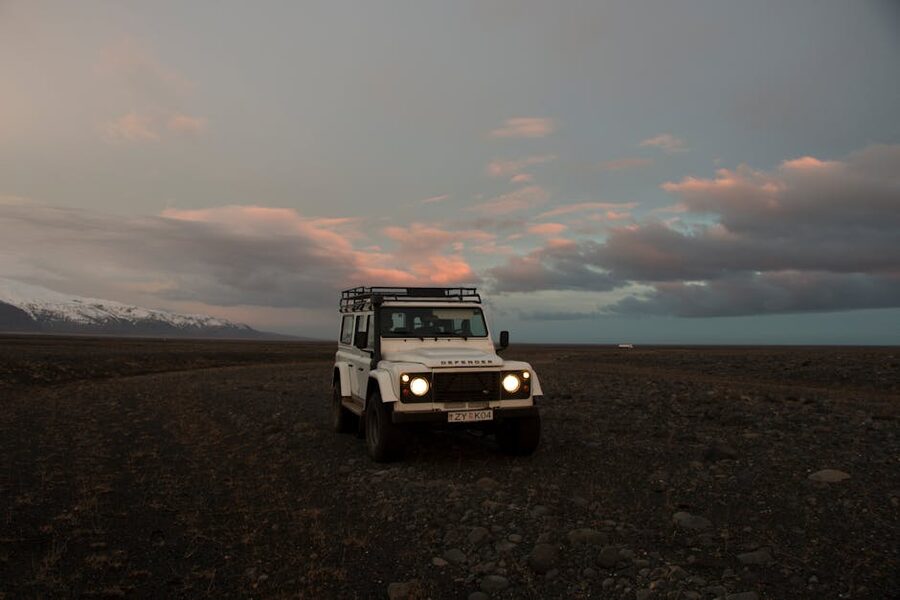
The super-jeep is a heavily modified Land Cruiser with 38- to 44-inch tyres, a snorkel, and locking differentials. Not a normal rental category. You’d hire one with a guide for a glacier or highland tour. Expect 50,000 to 80,000 ISK a day.
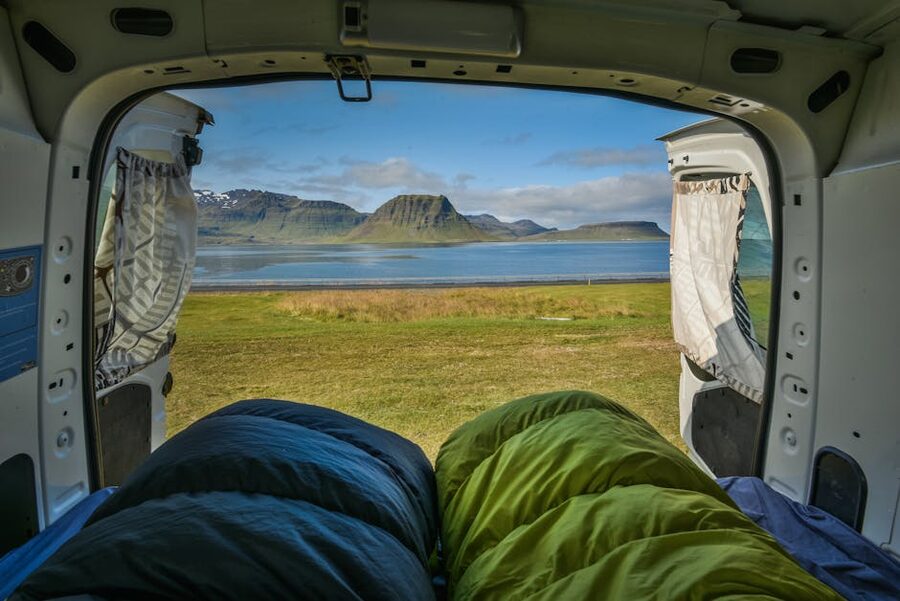
The campervan is its own decision. Short version: it consolidates rental and accommodation into one cost, you can sleep in legal campsites for around 2,000 ISK per person per night, and you wake up where you stopped. Downside: slower, thirstier, harder to park in Reykjavik. If a campervan appeals, look at Happy Campers or Kúkú Campers first.
Manual vs automatic, and the upsell trap
If you can drive a manual, book a manual. They’re cheaper by 2,000 to 4,000 ISK a day, more available in the small categories, and Iceland’s roads aren’t doing anything tricky enough to need an auto. If you can’t drive a manual, book the automatic and don’t beat yourself up. The price gap is real but it’s not catastrophic.
The trap to avoid at the desk: every operator will offer you to upgrade to “the next category up” for a “small daily fee” when you collect the keys. That fee is rarely small. Often 4,000 to 7,000 ISK a day, which over a week is 30,000 ISK on a car you booked for 100,000 ISK. Don’t do it unless the upgrade is actually a different car category. A “free upgrade from a Yaris to a Yaris Cross” is genuinely useful for a winter trip. Paying to go from a Vitara to a Land Cruiser when you’re on the ring road in July is a waste.
The other airport upsell to refuse politely is the WiFi hotspot rental. They will offer it for around 1,500 ISK a day. Your phone has 4G coverage on basically all of Route 1 and most of the side roads. Buy an Icelandic SIM at the N1 in arrivals if you’re outside EU roaming, or use your normal data plan. The Síminn or Vodafone Iceland prepaid 30-day SIM is around 2,000 to 3,000 ISK total for the whole trip. Skip the hotspot.
Insurance, the conversation that actually matters

This is the section that matters. The car will probably be fine. If you’re unlucky, you’ll have to use the insurance, and the difference between a 0 ISK invoice on dropoff and a 250,000 ISK invoice for a chipped windscreen is whether you bought the right cover up front. Read this twice.
Every rental comes with CDW (Collision Damage Waiver) included. This caps your liability for crash damage at the deductible, typically 250,000 to 350,000 ISK depending on the car category. Theft Protection (TP) is similarly almost always included. Iceland has very low car theft.
The four insurance lines you can add, and which ones matter:
SCDW (Super Collision Damage Waiver) reduces the deductible. Buy it. The deductible drops from around 300,000 ISK to around 50,000 ISK for around 3,000 ISK a day. Over a 7-day rental that’s 21,000 ISK to insure 250,000 ISK of liability. Worth it.
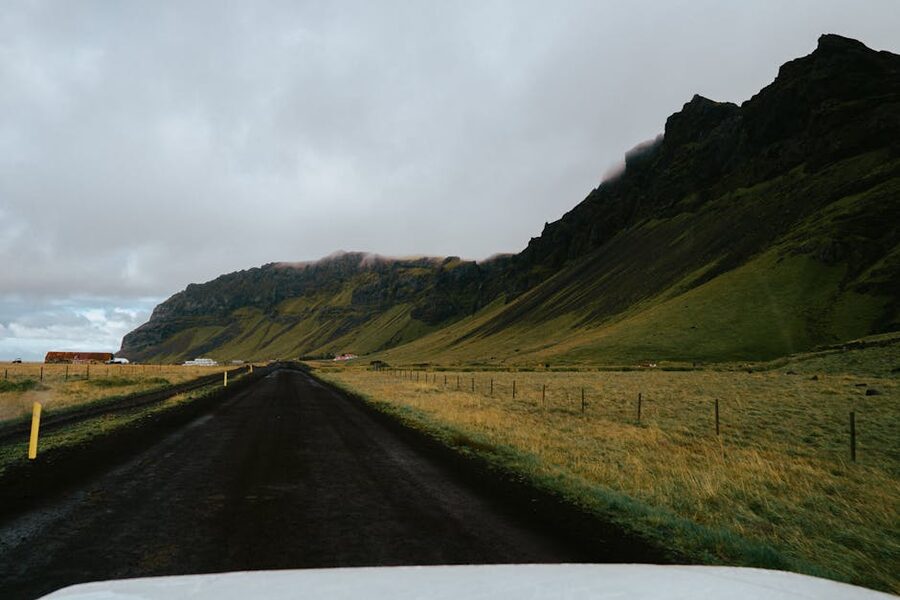
GP (Gravel Protection) is the Iceland-specific one and the one most visitors don’t know exists. It covers the windscreen, headlights, and paintwork from the gravel that flies up off oncoming cars on unpaved roads, and there are unpaved roads in places you wouldn’t expect them. The Snæfellsnes peninsula has gravel sections. The road to Glymur has gravel sections. If you’re going off the ring road at all, you will hit gravel. Around 1,500 to 2,000 ISK a day. The classic Iceland horror story is the dropped-off rental with a 350,000 ISK windscreen-replacement bill on it. Buy GP.
SADW (Sand and Ash Damage Waiver) covers the unique-to-Iceland phenomenon of windstorms in the south sandblasting your paint. This sounds like a joke until you’ve seen the cars after a March storm in Vík. The volcanic black sand on the south coast picks up in 25-metres-per-second winds and strips the paintwork off cars parked in exposed lots. Damage bills run into the millions of ISK. SADW is around 1,500 to 2,500 ISK a day. Buy it if you’re driving in March, April, May, October, or November, or any time you’re going further than Selfoss in winter. In high summer, with no big storms forecast, you can probably skip it. Probably.
WUW (Water Under-vehicle Waiver) is the one for F-roads with river crossings. Most rentals in Iceland exclude all water damage by default, including the engine flooding, which can total a car. If you’re crossing rivers on F26 or F210 or anywhere similar, you need WUW or you’re driving on your own dime. Around 3,000 ISK a day on operators who offer it. Many operators don’t offer it at all on smaller vehicles, which is the company’s polite way of saying don’t take this car onto an F-road.
The “premium” bundle most operators sell wraps SCDW, GP, and SADW into one daily price, usually 7,000 to 10,000 ISK a day. For a typical week-long ring road in shoulder season I’d buy this bundle and not think twice. It inflates the headline by maybe 50 percent. You’ll probably never use it. The one time you do, the saving is the difference between paying out of pocket and walking away from the desk with a smile.
One thing nobody at the desk will tell you: many premium credit cards (Amex Platinum and certain Chase cards in the US) include rental cover that covers Iceland. The cover is real, but the operator may not honour it as primary, which means you front the cost and chase your card company afterwards. Some Icelandic operators (Hertz Iceland is one) don’t accept credit-card insurance in lieu of their own. Check both before you bet on it. For most of you, paying for the SCDW + GP bundle is less hassle than fighting an insurance claim from a hotel in Akureyri.
The seasons, and what they actually demand
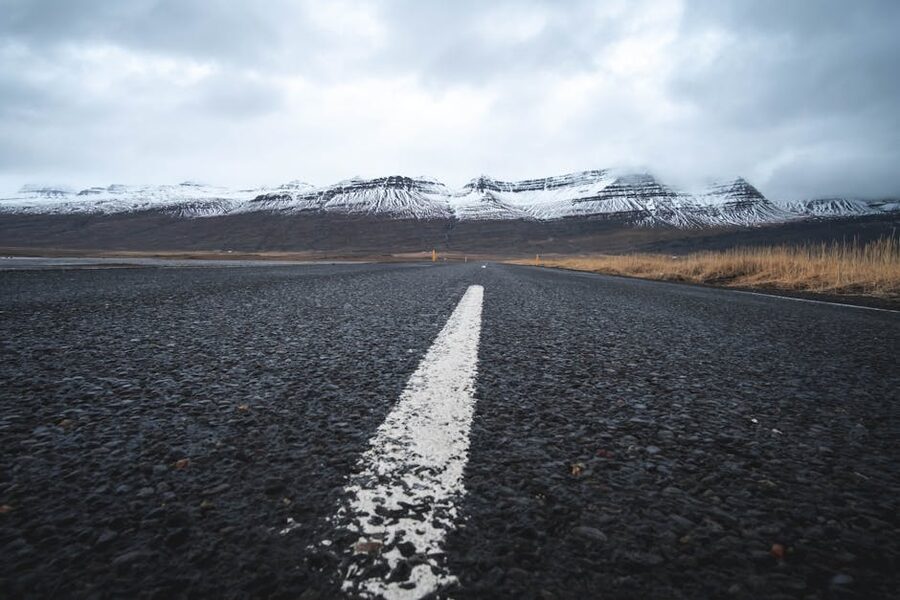
Summer (June to early September) is the gentlest season. The Ring Road is fully open. The F-roads to the highlands open in mid-June, give or take a fortnight. Daylight is essentially unlimited from late May to early August. A 2WD economy car will get you through if you stay on paved roads. A compact AWD will get you to most of the places worth going. Prices are at their peak. Book early. By the time you’re inside two months from a July arrival, the cheap categories are gone.
Autumn shoulder (mid-September to late October) is my own favourite for driving. Traffic thins out by the second week of September. The leaves go yellow. The aurora season starts. F-roads are still open until early September, sometimes late September. Prices drop noticeably from October. Weather gets dicier and the first snows come to the north in late October most years. A 4WD becomes the safer choice from mid-October. Daylight shrinks fast: a half-past-eight sunset on 1 September is a half-past-five sunset on 1 November.
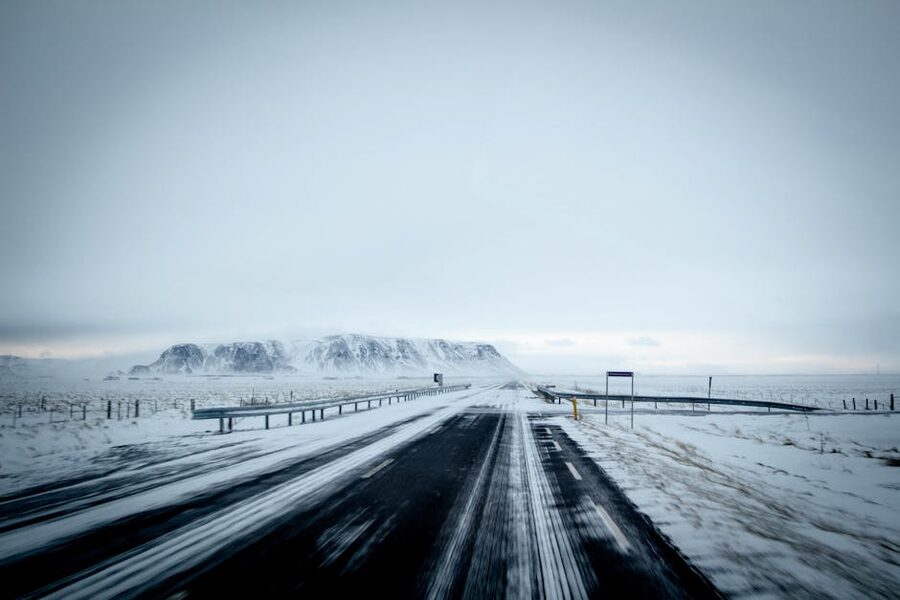
Winter (November through March) is the hardest season and the most rewarding. The aurora is strong, the ice caves under Vatnajökull are open, the south coast in snow is something else, and you have the country largely to yourself. But you need a 4WD, you need studded tyres (standard on winter fleets from 1 November, no extra charge with most operators), and you need to check road conditions every morning at road.is. Budget extra hours into every drive: sunrise in late December is around 11:20, sunset around 15:30. Four hours of usable light. Plan accordingly, or do it in February when you have nine.
Winter wind is its own conversation. The Met Office, vedur.is, issues colour-coded warnings (green, yellow, orange, red). Yellow is “be careful.” Orange is “stay off the roads if you can.” Red is “do not drive, the insurance won’t cover damage caused by ignoring this warning.” Take them seriously. The wind east of Vík has shoved cars sideways across both lanes. People die in these conditions every winter, and most of them are tourists who didn’t read the colour code that morning.
Spring shoulder (April to mid-June) is the sneakily good season. The roads start clearing, the F-roads slowly open through May and June, prices haven’t yet jumped to summer levels, and the daylight is back to seventeen-plus hours by late May. The downside is the weather is at its most unpredictable. April and early May can throw blizzards out of nowhere. Sand and Ash insurance is genuinely useful in May because the ash from south coast eruption sites is light and dry and gets picked up by every spring gale.
F-roads, and the rule that costs people thousands
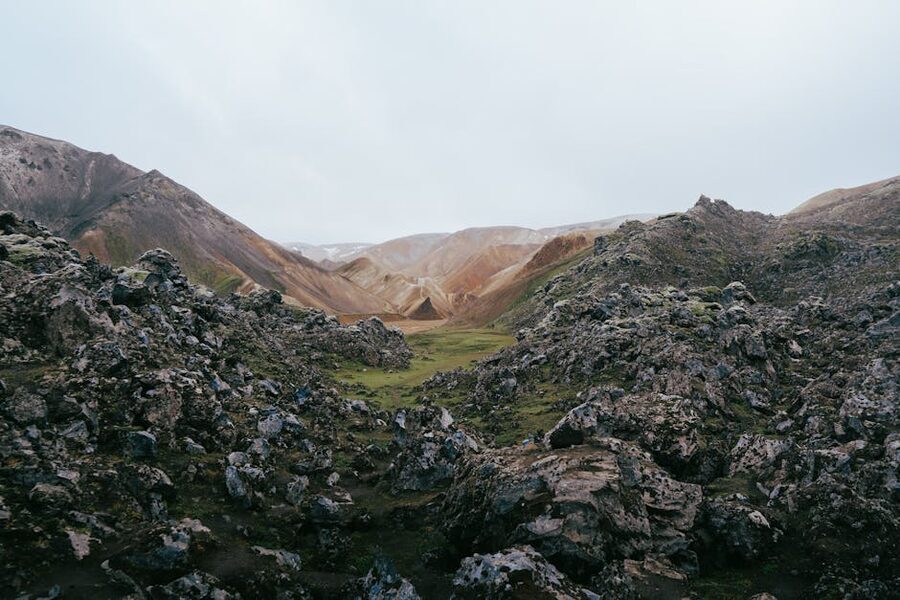
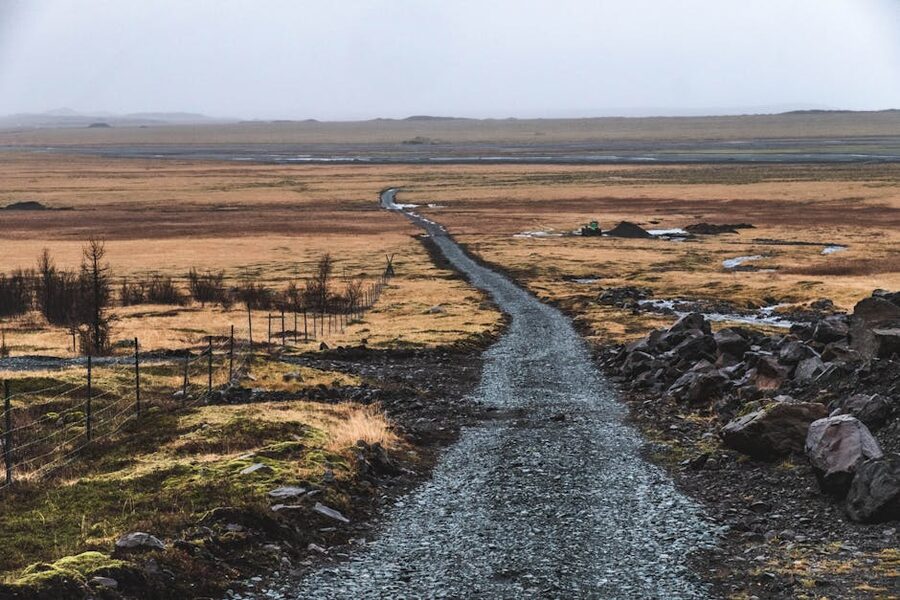
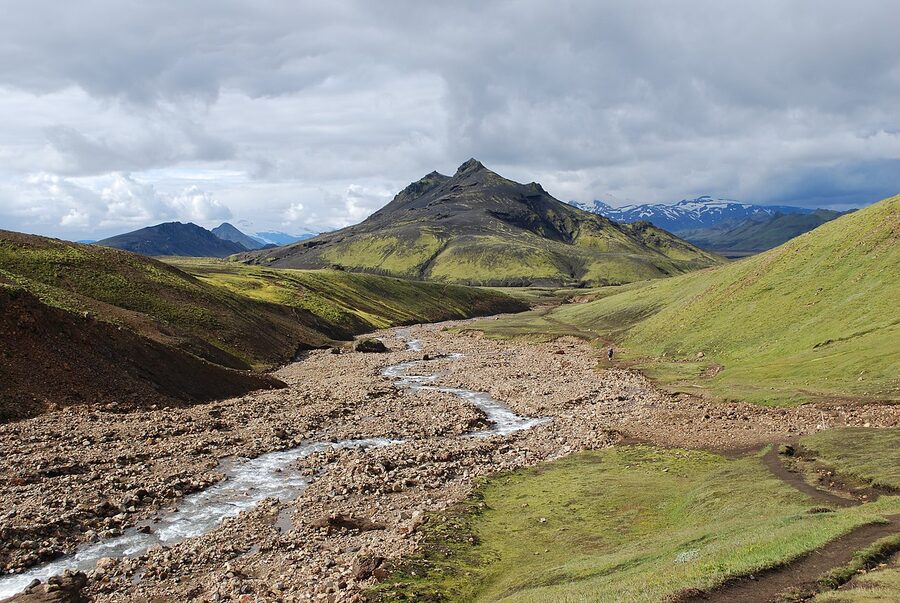
The F-roads are the gravel tracks into the highlands. The “F” stands for fjall, mountain. F35 (Kjölur) goes north-south across the country and is the gentlest. F26 (Sprengisandur) is longer and more remote with more river crossings. F208 takes you to Landmannalaugar. F88 takes you to Askja. F206 to Þórsmörk has a river that loses cars every summer.
The rule that catches people: by Icelandic law, F-roads require a registered four-wheel-drive vehicle. Your rental contract will say so. Driving a 2WD on an F-road, even by accident, voids your insurance entirely and you become liable for any and all damage. People have rolled rental Yarises into ditches on F35 thinking it was just a gravel road. Don’t be that person. If the road number starts with F, you need a 4WD, period.
The river crossings are the second trap. Even on a 4WD with WUW insurance, river crossings are not “drive into the water and hope.” Walk it first. Look for the wide bit. Engage low range if your car has it. Cross diagonally upstream. Move slowly without stopping mid-stream. Never cross a river you can’t see the bottom of. If in doubt, don’t. There is no shame in turning around.
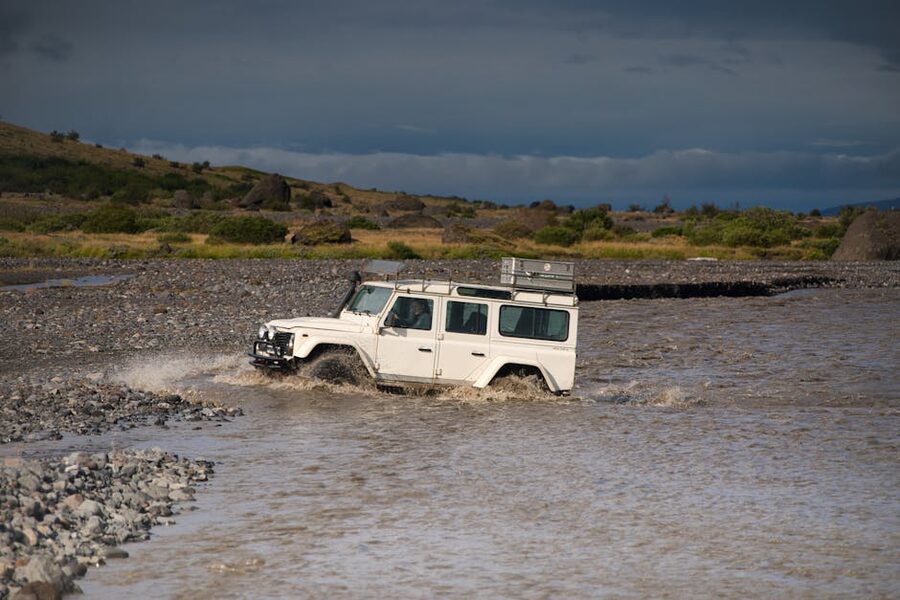
F-roads don’t have a published opening schedule. They open when the road authority decides they’re safe, depending on snowmelt and weather. Mid-June for F35, late June for F208 and F26, sometimes early July for F88 to Askja. F210 may not open at all in a wet year. Check road.is daily in the lead-up.
If you want the highlands but you don’t want to drive a 4WD yourself across rivers, take a guided super-jeep tour from Reykjavik or a one-day F-road bus from Mountaineers of Iceland or Troll Expeditions. Both will get you to Landmannalaugar or Þórsmörk for the day. A private guide-driver day can also do this and is a fine answer for two or three of you.
The actual pickup, what to do

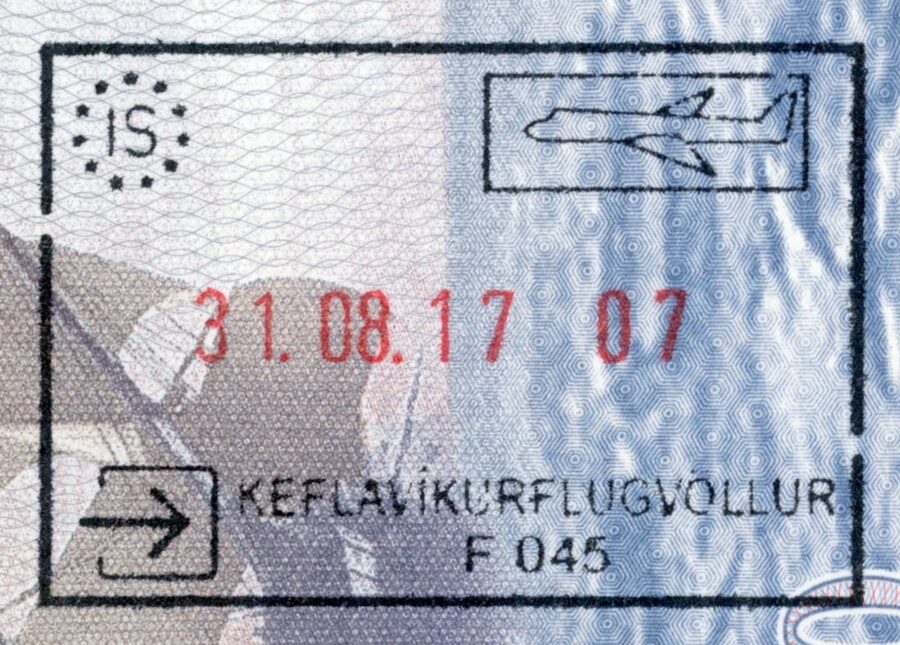
Keflavík is the international airport. Reykjavík airport (RKV) is the small domestic airport in the city. You will land at Keflavík unless you’re connecting from inside Iceland.
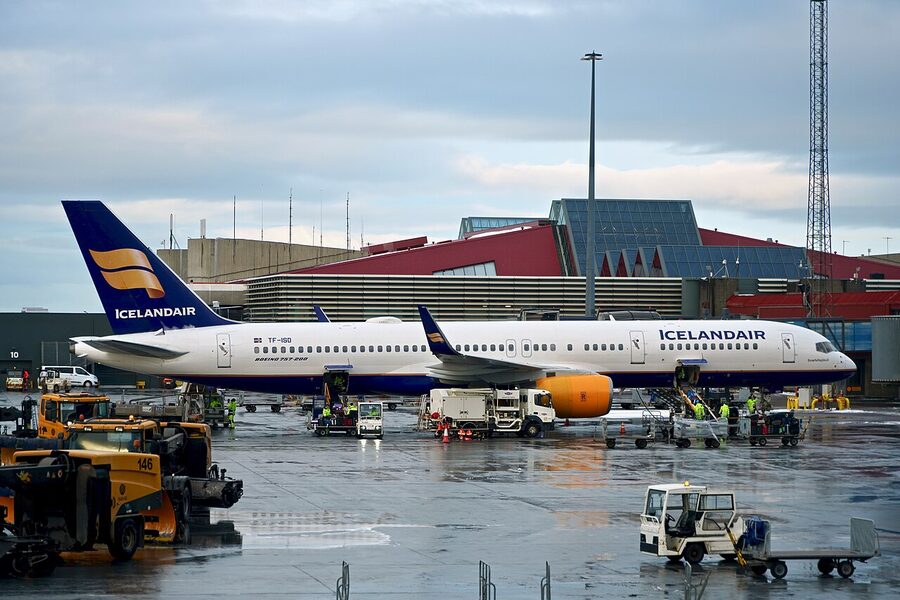
For the international rental brands (Hertz, Avis, Budget, Europcar, Sixt, Enterprise, Thrifty), the counters are in the baggage hall and you walk to the car in the close car park. Total time from plane to wheel: 30 to 45 minutes if your bag arrives quickly.
For the local operators (Blue, Lava, Lotus, Geysir, Reykjavík Cars, Go, SAD), it’s one extra step. You walk out of the terminal, find the rental shuttle desks, and either take their shuttle (5 to 15 minutes) or, in Blue’s case, walk about 7 minutes. At the yard you do the paperwork and drive away. Total: 60 to 90 minutes. Build that into your day.
Most local operators now offer self-service pickup for red-eye arrivals: complete check-in online the day before, keys in a numbered locker, collect at three in the morning if your flight lands then. Saves you waiting at a closed counter.
Photograph the car. Every panel.
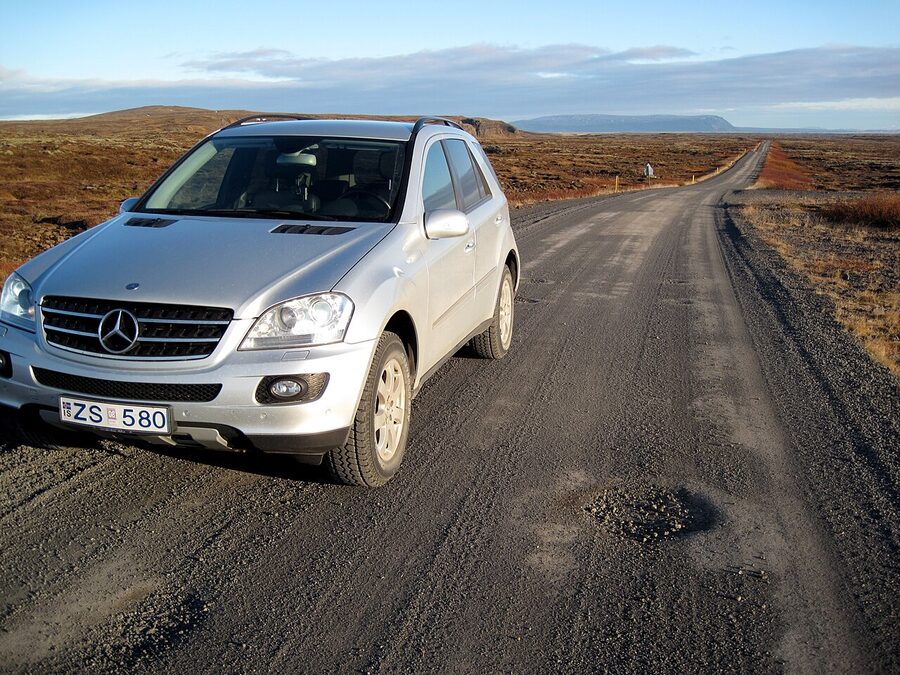
This is the single piece of advice that has saved more visitors more money than any other. Before you drive off the rental yard, walk around the car with your phone in video mode. Every panel, every wheel, the windscreen from both sides, all four bumpers, the roof, the wheel arches. Note any existing chips and make sure they’re on the rental form. Photograph the fuel gauge. Photograph the odometer.
Do the same when you return the car. Same angles, same shots, same gauges. If the agent later claims you damaged something, you have evidence both ways.
Most operators are good. Most agents play fair. But the system protects the company and not you, and the price of a phone-in-hand walkaround is two minutes of your time. Do it.
The rules of the road, the parts that catch visitors
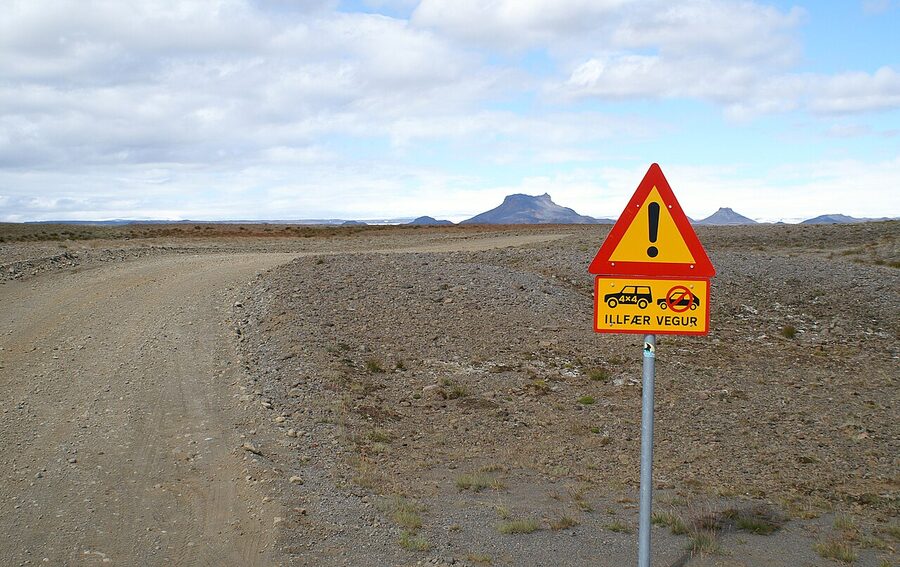
Speed limits are in km/h: 50 in built-up areas, 80 on gravel outside towns, 90 on paved outside towns. Speed cameras are fixed in known spots, including Route 1 at Hvalfjörður and along the south coast near Hella, and they work. Fines start at around 25,000 ISK for going 10 km/h over and rise sharply. They will charge it to your rental card. Don’t speed.
The drink-driving limit is 0.05% blood alcohol. Essentially one beer. Don’t even try. Iceland breathalyses casually and the fines are punishing. Your rental insurance is void if you’re over the limit.
Headlights must be on at all times, day and night, year-round. Most rental cars do this automatically. The single-lane bridges, marked “einbreið brú” on yellow signs, are the visitor catch in the south and the east. Whoever reaches the bridge first has priority. Don’t race for it. Stop and wave the other car through.
Sheep are everywhere from May to September. They lie in the road. Slow down when you see them in the verges because the lambs run unpredictably. If you hit one you must stop and report it: the sheep belongs to a farmer and you’ll pay for it, around 30,000 to 50,000 ISK.
Off-road driving is illegal everywhere in Iceland and the fines are severe. Half a million ISK is a normal fine. The damage to Iceland’s tundra from one set of tyre tracks lasts decades. Stay on marked roads.
Fuel, the network, and the card trick
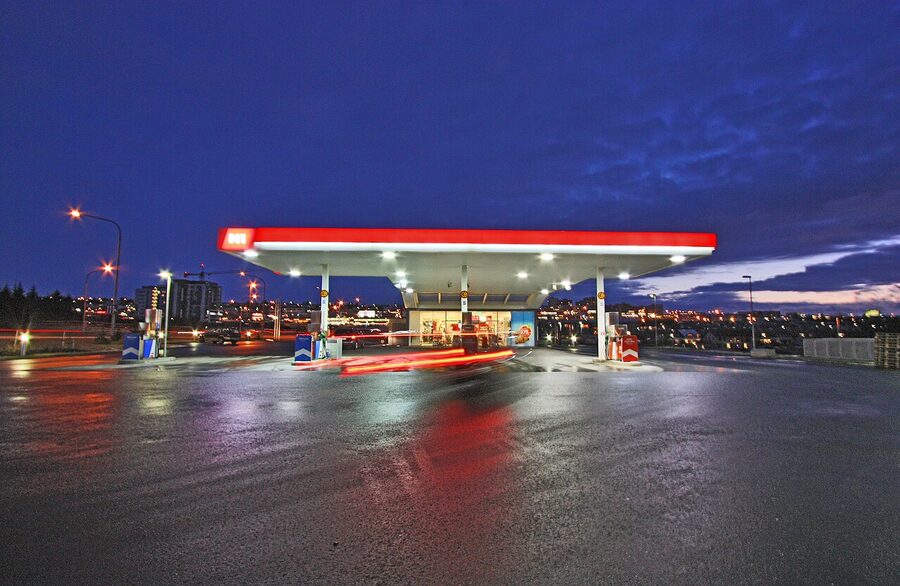
Iceland has four main fuel networks. N1 is the largest, with green-and-yellow stations on every meaningful route. Olís is the second. ÓB is Olís’s no-frills budget brand and is usually 5 to 10 ISK per litre cheaper. Costco in Reykjavik is the cheapest if you have membership. In 2026 expect roughly 320 to 360 ISK per litre. Diesel runs 10 to 15 ISK cheaper than petrol.
Almost all stations are self-serve and most are unstaffed at night. You pump first, pay second, on a credit card with a chip and PIN. Some smaller stations are pre-pay only: you authorise a deposit on your card (often 20,000 ISK), fill up, and the unused balance releases within a few days.
The trap: many US-issued credit cards without a PIN don’t work at unstaffed pumps. Bring a card with a PIN. Or buy an N1 prepaid fuel card at any staffed N1 forecourt for 5,000, 10,000, or 20,000 ISK, and use that at the pump. The prepaid card is the most reliable solution and works everywhere on the N1 network.
Distances between stations rarely cause problems. Around the south and the populated west you’ll never go more than 30 km without a forecourt. The east is sparser. The north between Akureyri and Egilsstaðir has long stretches with limited options, particularly Möðrudalur on Route 1. The rule I follow: never drop below half a tank in winter. Ever.

EVs are an option. Iceland’s charge network has grown a lot, with Ísorka and ON Power running fast chargers in most major towns and on the Ring Road. The Tesla Supercharger network is real but limited. Renting an EV in summer is fine. Renting an EV in winter is brave: cold-soaked range loss is severe, and a Tesla Model Y that does a stated 500 km in summer will do 280 km on a January day. If you’re going far in winter, take petrol or diesel.
Parking, tolls, and the small fines that add up
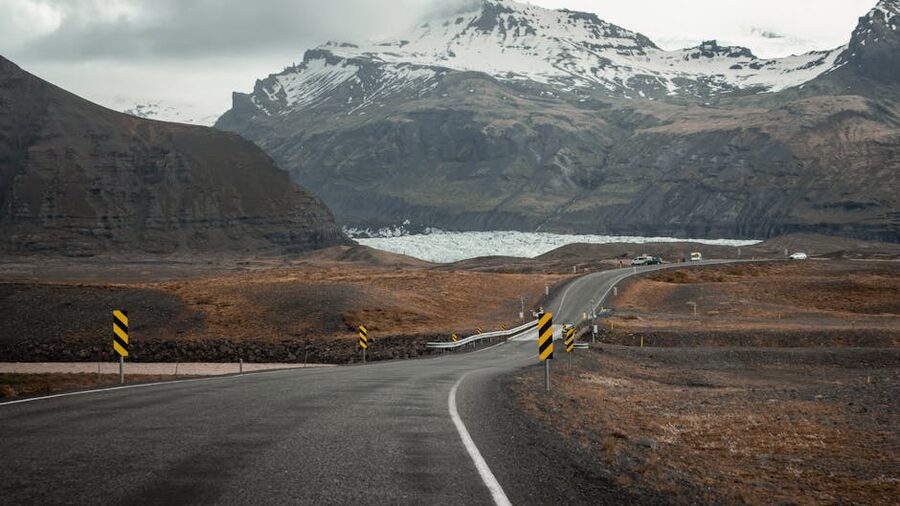
Reykjavik has paid parking zones P1 (red, most central, around 600 ISK an hour), P2 (blue, 350 ISK an hour), P3 (green, 200 ISK an hour), and P4 (180 ISK an hour). Pay at the kerbside meters with card or use the EasyPark or Parka apps. Most meters take cards. Free parking is allowed on Saturday afternoons after one and on Sundays in most zones, but check the sign. Tickets are around 5,000 ISK and they will find you.
Outside Reykjavik most parking is free. Some major sights have introduced parking fees in the last few years: Þingvellir charges around 1,000 ISK at the main car parks; Skaftafell is around 1,000 ISK; the Seljalandsfoss car park is around 800 ISK; Reynisfjara at the basalt columns has a 1,000 ISK fee since 2024. These are paid at machines on entry or via the Parka app. Worth a moment of your time, and you’ll be ticketed if you skip them.
Iceland has one road toll: the Vaðlaheiðargöng tunnel near Akureyri, which charges around 2,000 ISK for a car. You pay it online at tunnel.is within three hours of driving through. If you don’t, the rental company will pay it on your behalf and bill you, plus a roughly 5,000 ISK admin fee. Set a reminder. The Hvalfjarðargöng tunnel, the other big one near Reykjavik, has been free since 2018.
The driving itself, what you’ll actually feel
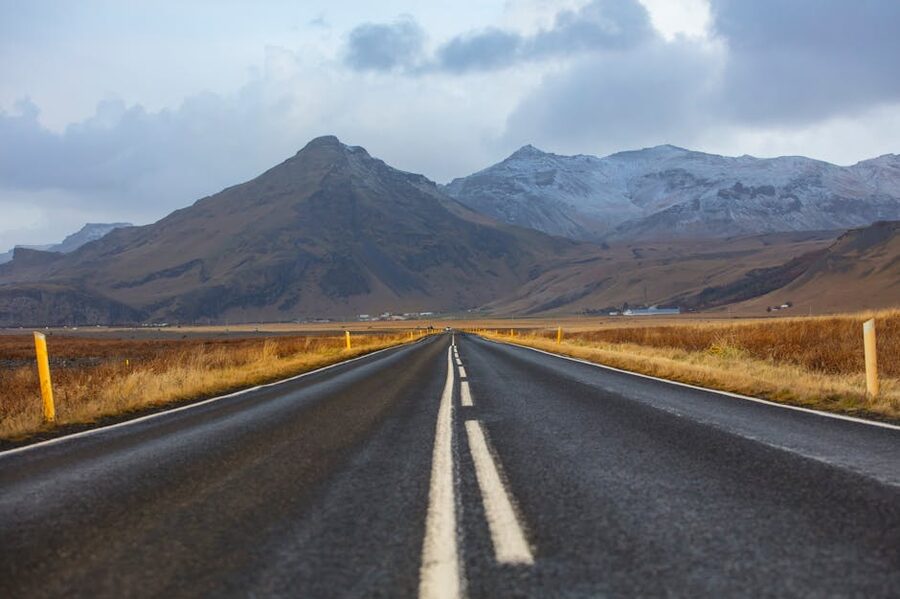
Once you’re past the airport and out on Route 1, Iceland’s roads are very pleasant to drive. Light traffic. Good surface on Route 1. Long sightlines on most of it. The 90 km/h limit is realistic, you don’t feel rushed, and you don’t get the white-knuckle motorway energy you might from driving in Italy or France. The challenge is weather, not traffic.
The wind catches everyone. Iceland is one of the windiest countries in Europe. Crosswinds on exposed sections of Route 1, particularly east of Vík, can push a car a metre sideways. A high-sided campervan in a 25-metre-per-second gust can be undriveable. Check vedur.is every morning. If it’s orange or red, change your plans.
The car-door wind problem is specifically Icelandic. When you open a door in a strong gust, the wind catches it, levers it past its hinge stops, and the door is ruined. Bills run into hundreds of thousands of ISK. Most rental insurance does not cover wind damage to opened doors. Park nose into the wind. Hold the door tightly when opening. Get all your bags out before you close. Don’t open it again in a gust just because you forgot something.
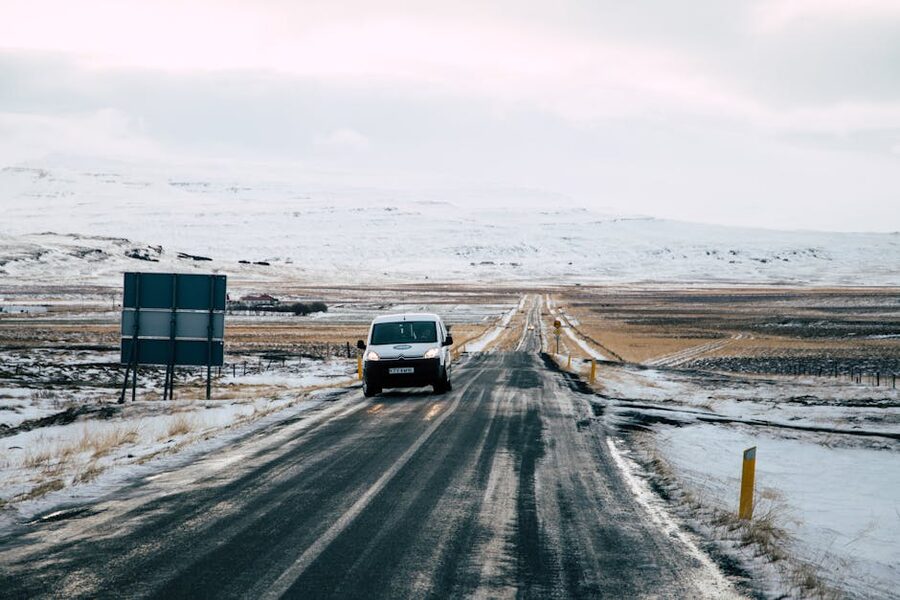
Snow is its own thing. On a clear winter day with the road clear and a 4WD on studded tyres, it feels manageable. On a snowing day with drifting and reduced visibility, the speed comes down to 50 km/h, then 30, then you stop. If the road is white and smooth, that’s compacted snow and the studs grip it well. If it’s white and shiny, that’s ice and you slow down hard.
The Met Office advice: don’t drive in a yellow weather warning unless you have to, don’t drive in an orange warning at all, and absolutely do not drive in a red warning. The rental contracts back this up with explicit clauses voiding cover. People learn this the hard way every winter.
Studded tyres, the 1 November rule
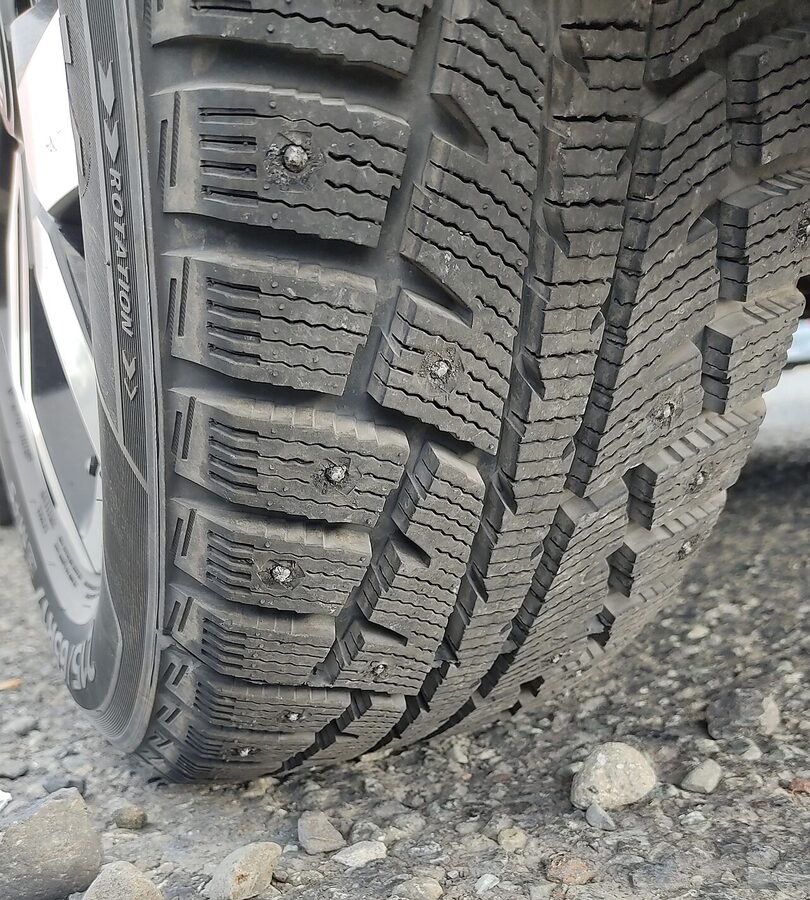
From 1 November to 14 April it is legal to use studded tyres in Iceland. Outside that window it is illegal because they damage the road surface. From late October to mid-April basically every rental car you’ll get is on studs by default. You don’t pay extra. You don’t need to ask.
Studded tyres make a real difference on ice. They’re not magic on snow (a soft compound winter tyre is also good there), but on glare ice they add grip you cannot get from anything else. They make a fair amount of noise on dry tarmac. That’s normal.
If you’re driving in late October or early November, before the studded fleet swap, ask the rental company specifically what tyres are on the car. Some operators are slow to swap. A summer tyre on a snowy 30 October is dangerous. If they offer you the same car with summer tyres at a discount, decline politely.
Returning the car, the unsexy bit
Drop-off is the part where money gets lost. Three things to do, in order.
First, fill the tank to full at the same station every time. The N1 in Keflavík immediately after the airport turn-off is the standard one. Get the receipt. Returning a car on empty when you booked it full is a flat 10,000 to 15,000 ISK refuel fee plus a per-litre markup that’s punitive.
Second, do the same walk-around video you did at pickup. Same panels. Same gauges. Same odometer. If you scratched something during the trip, this is the point where you should own up to it. The agent will do their walk-around with you. Gravel chips on the windscreen and bonnet that came up during the trip are exactly what your GP insurance covers, so don’t try to hide them.
Third, ask for a written confirmation that the car is closed out and you have no outstanding charges. Most companies email you a “rental closed” confirmation within 48 hours. If you don’t get it, follow up. Don’t assume silence is good news. Some operators try to add a charge weeks after dropoff (cleaning, missed toll, whatever) and you want a paper trail.
What this actually costs, a worked example
Here’s a real week as a sanity check. Two adults, summer ring road in late July, 7 days, picking up at Keflavík, dropping back at Keflavík.
Mid-size 4WD (Toyota RAV4 or similar) base rental at around 22,000 ISK a day comes to 154,000 ISK for the week. The premium insurance bundle (SCDW + GP + SADW) at around 9,000 ISK a day adds 63,000 ISK. So rental and insurance together: about 217,000 ISK. Round to 220,000 to be safe.
Fuel for roughly 1,400 km over the week, at 9 litres per 100 km on a RAV4, comes to about 126 litres. At 340 ISK per litre, that’s about 43,000 ISK. Parking and tolls might add another 5,000 ISK across the week (Þingvellir, Skaftafell, Seljalandsfoss, the tunnel near Akureyri).
Total wheels-on-the-road cost for the week: around 270,000 ISK for the two of you. That’s roughly 19,000 ISK per person per day. For comparison, doing the equivalent itinerary on coach tours and the bus would cost 35,000 to 50,000 ISK per person per day and you wouldn’t see half of what you’d see in a car.
Same trip in winter, same car, same insurance, drops to maybe 18,000 ISK a day base (around 149,000 for the week with insurance). Fewer kilometres because of the daylight, so fuel of around 25,000 ISK. Total around 175,000 ISK for the week, or 12,500 ISK per person per day. Winter is genuinely cheaper.
An economy 2WD in summer on paved roads only comes in cheaper still. Rental of around 7,500 ISK a day, insurance of around 7,000 ISK a day, so around 102,000 ISK total. Plus fuel of around 28,000 ISK because the small car is more efficient. Total around 130,000 ISK for the wheels for two people for the week.
The numbers move around with the season and the booking lead time, but the shape holds. A car in Iceland for a week of real exploring is in the range of 150,000 to 300,000 ISK including fuel. Get the cheap categories early. Get the right insurance. Don’t pay airport upgrade fees on the day.
Things I wish someone had told me
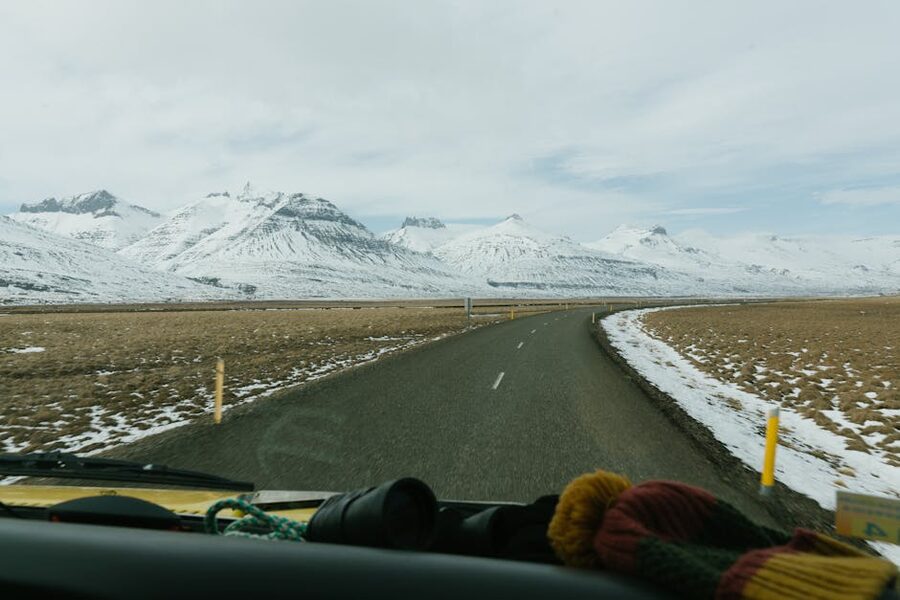
A few small things that matter and which most guides don’t mention.
The car you collect will probably already have small chips and scratches. Don’t panic. The agent will know about most of them. Document the rest.
The rural N1 forecourts have decent hot dogs (pylsur) and surprisingly good fish soup. The classic Icelandic road snack is a pylsa with everything (mustard, ketchup, remoulade, raw and crispy onions) and a Coke. Around 800 ISK. It’s a touchstone.
The roundabouts in Reykjavik have an unusual rule: at two-lane roundabouts, the inside lane has priority on exit. That is, the car on the inside lane can cross your outside lane to leave. It catches visitors. Look left and over your shoulder before you exit a roundabout from the outside lane.
If you’re stopping for a photo, pull fully off the road. Halfway off counts as still on the road and is illegal. There are car parks and pull-outs at all the major sights and most of the minor ones. Use them. Stopping in the middle of Route 1 to photograph a horse is how people get rear-ended.
If your car has a rough engine note or a warning light on day one, take it back. Don’t drive a problem car for a week. The rental company will swap it without fuss if you flag it early.
And the obvious one: safetravel.is, the Icelandic Search and Rescue’s travel safety site, is the third website you should bookmark alongside road.is and vedur.is. Their advice is concise, current, and seasonally specific. They also offer a free location-sharing service for solo travellers in remote areas, which is genuinely worth using if you’re going somewhere quiet.
If after all that you don’t want to drive
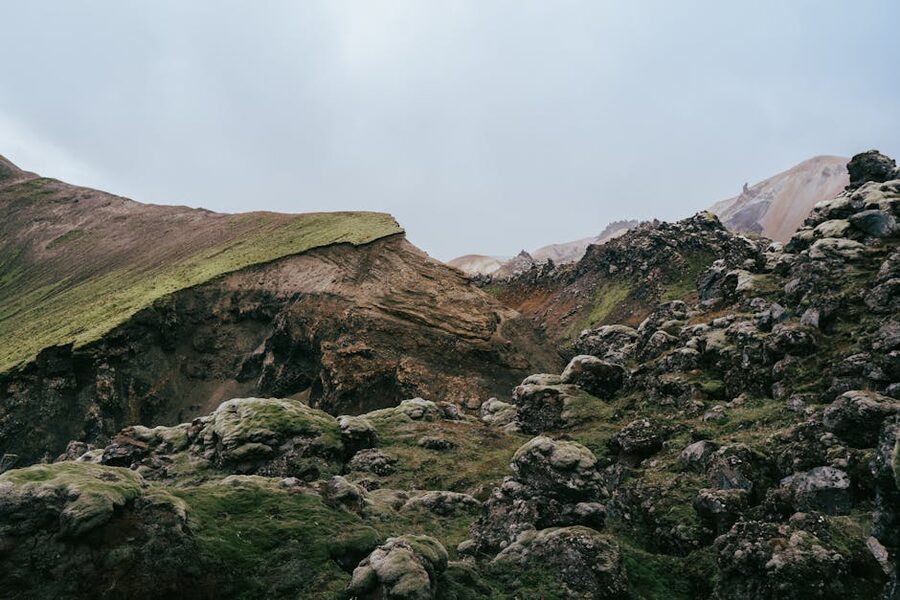
For some people, particularly first-timers in winter, solo travellers, anyone nervous behind the wheel, you don’t have to. Iceland is one of the easier countries to do without renting a car if you’re prepared to base yourself in Reykjavik. Day tours cover the Golden Circle, the South Coast as far as Vík and the glacier hikes, Snæfellsnes peninsula, the Westman Islands ferry, ice caves and aurora chasing, and just about everything else in winter. Our Reykjavik day tours guide is the one to read for that.
For a few specific bits that bus tours don’t reach, particularly the highlands in summer or a custom itinerary across multiple days, a private guide-driver is worth looking at. You get a 4WD and a local who knows the conditions, you don’t drive a thing, and you can build the route to whatever suits you. It costs more per day than self-driving (typically 80,000 to 150,000 ISK a day depending on the vehicle), but for some trips it’s the right call. Our Fire and Ice tour guide walks through the multi-day options that combine glacier hikes, volcano landscapes, and aurora chasing without you ever needing to put your hand on a steering wheel.
Or you go the campervan route, which gives you the drive-yourself flexibility without a hotel bill. None of these is wrong. Driving yourself is the cheapest and most flexible option in summer. Day tours are the safest and easiest in winter. A guide-driver is the right call for groups who want flexibility without driving. Pick what fits the trip.
A small parting note
Iceland is genuinely the best country in Europe to explore by car. The roads are quiet, the scenery is the road trip postcard everyone wants, and you can be on a glacier at lunchtime and a hot pot at four in the afternoon. The system around renting is more complicated than it needs to be, the insurance jargon is genuinely confusing, and the price of a small mistake can be eye-watering. Spend an hour reading the rental contract before you book. Buy the gravel insurance. Check road.is and vedur.is before every drive. Don’t open the door into the wind. Slow down on snow.
If you do those five things you will have a great trip and a 0 ISK invoice on dropoff. Þetta reddast. It really does work out.


.jpg)
