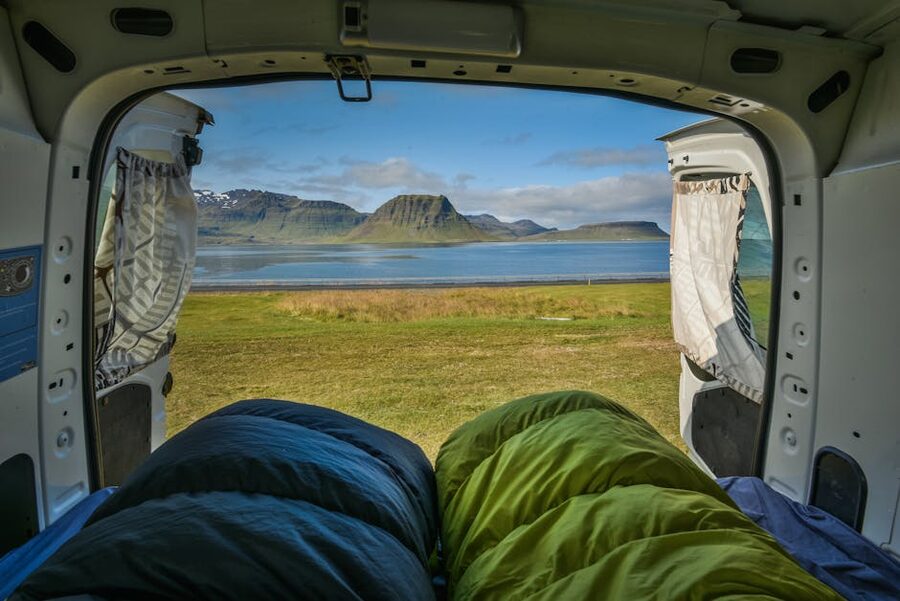
The cheapest way to do Iceland properly is to put a bed in your car. That’s the whole pitch. Your accommodation drives with you, you wake up at Jökulsárlón or Vík with the windscreen full of glacier or sea, and the dinner you cook on the gas burner costs a fifth of what the same plate costs at the hotel restaurant down the road. Done well, a couple saves something like 1,500 to 3,000 dollars over a 7 to 10 day trip versus the rental-car-plus-hotels version. Done badly, you’re cold, you’re sleeping in a parking lot you weren’t supposed to be in, and your travel insurance just got voided because you took a 2WD up an F-road.
This is the practical guide. Who the operators are, what the categories actually mean once you cut through the marketing, what insurance is non-negotiable, where you can legally park, and what the trip costs day by day. If you’ve already read the car rental piece, this is the same idea, just with a kitchen and a bed bolted in.
In This Article
- What a campervan is, in plain terms
- The major operators (all currently active)
- The categories, what they actually mean
- 2-person mini-camper
- 4-person standard van
- 4×4 camper
- Motorhome (Class B / C)
- Insurance, the part nobody reads carefully enough
- Where you can legally park overnight
- The major Ring Road campsites
- Camping Card Iceland
- What’s included in a typical rental, and what you buy
- Driving rules and the wind problem
- F-roads, what they are and who can drive them
- What it actually costs, day by day
- The trip type the campervan fits
- The 7-day Ring Road
- 10 to 14 days, Ring Road plus side trips
- The 5-day South Coast loop
- The shorter trips that don’t fit the campervan
- Season reality check
- Best: mid-June to early September
- Shoulder: May and late September
- Winter: October to April
- Pickup logistics
- Pros and cons
- What I’d skip
- What I’d actually pick
- The night-before checklist
- The closing thought
What a campervan is, in plain terms
A campervan in Iceland is a small van with a bed in the back, a small kitchen (a two-burner gas hob, a few pots, a cooler or fridge), and sometimes a heater. Some have a chemical toilet. Most don’t. You drive it during the day, you park it at a campsite at night, you sleep in it, you cook in it. That’s the whole thing. It is not a motorhome (those are bigger and rarer here, more on those below) and it is not a tent on a roof rack (those exist too and are a different proposition I’d skip).
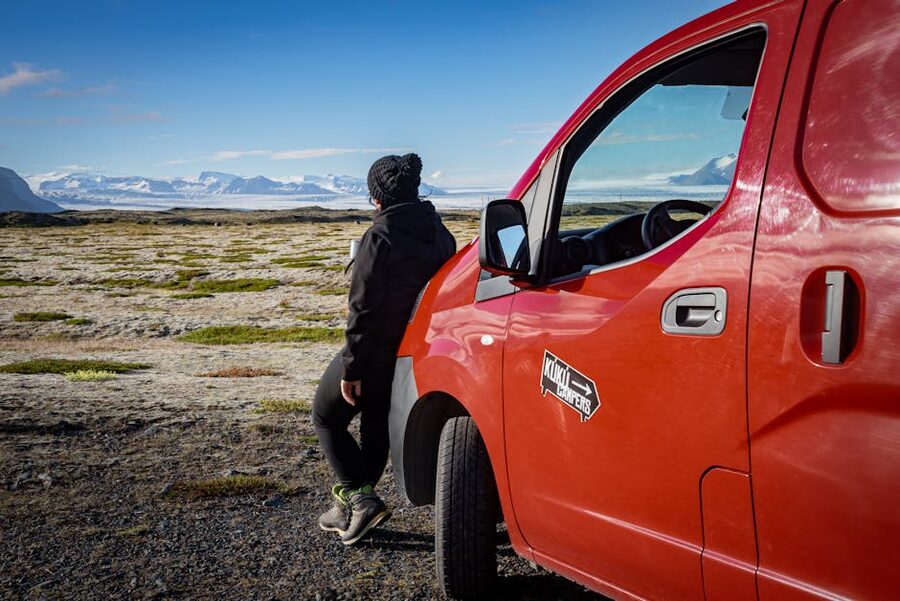
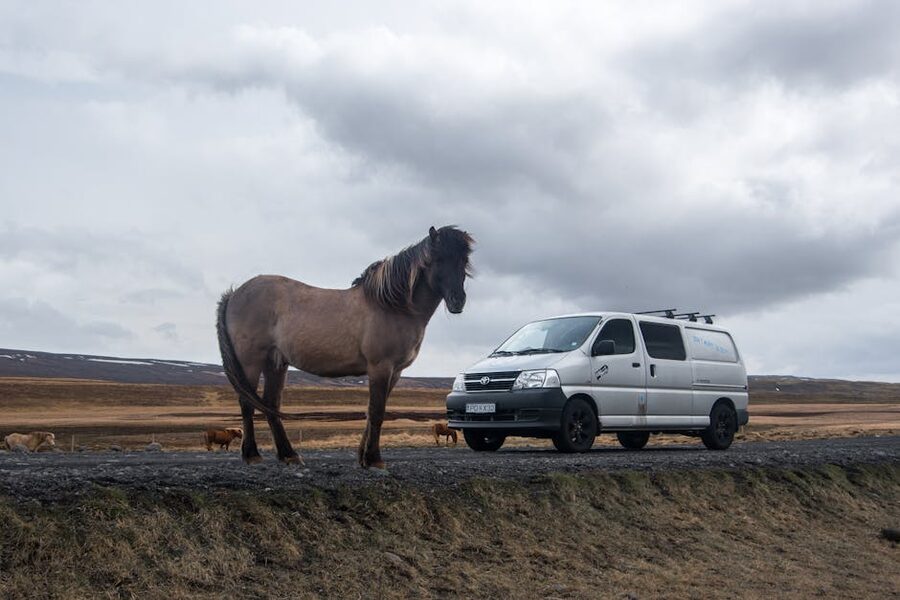
Sizes go from a converted hatchback that just barely fits two adults end-to-end (think Citroën Berlingo or VW Caddy with the back seats yanked out and a plywood box bed dropped in) up to a proper Class B motorhome that sleeps four with a fixed kitchen and a separate sleeping area. The sweet spot for most couples is the middle: a Renault Trafic, Mercedes Vito, or Peugeot Boxer-style van that’s tall enough to sit up in but small enough to drive without thinking too hard. You’ll see thousands of these on the Ring Road in summer.
The real reason campervanning works in Iceland and not as well in, say, France: hotel prices here are punishing. A mid-range double room in Vík in July is 30,000 to 45,000 ISK a night and the restaurants alongside it are 6,000 to 10,000 ISK per person per main. A campervan that sleeps you and has a kitchen in it kills both bills at once. The ferry, so to speak, pays for itself.
The major operators (all currently active)
Iceland’s campervan market is competitive and the names move around year to year. As of this season the operators worth looking at are:
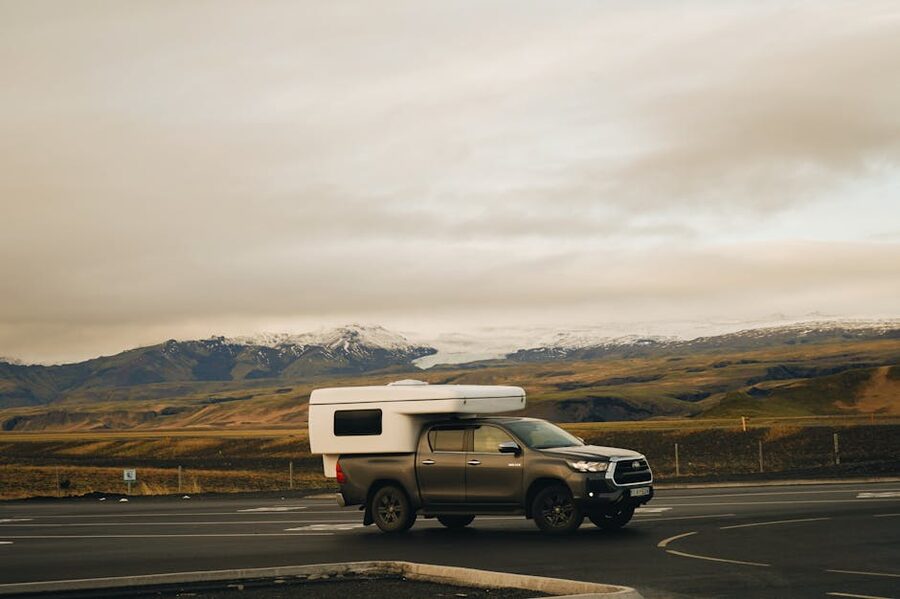
Happy Campers. The biggest name and the one most travellers will recognise. Family-run, in business since 2009, premium pricing reflects the brand. Fleet runs from a 2-person Dacia Dokker up to a 5-person Mercedes Sprinter. Strong on customer service, the heaters work, the vans are usually 2 to 4 years old. Expect to pay 25 to 45 percent more than the budget operators.
KuKu Campers. The big budget option, in business since 2012, the largest fleet in the country by van count. Their vans are graffitied with cartoon characters which you’ll either love or quietly tolerate. Cheaper per day than Happy Campers, fleet is older on average, the basics work but don’t expect a hotel-on-wheels finish. If price is the deciding factor and you’ve campervanned before, this is the obvious pick.
CampEasy. Local Icelandic operator with one of the best fleets going, 11 different camper types from Easy Small for couples up to the 4×4 Easy Viking with a snorkel for river crossings. They include a tablet with offline maps, weather, and direct messaging to the office, which sounds gimmicky until your phone signal dies in the East Fjords and you realise it’s actually useful. Pricing is mid-range, reviews are consistently strong.
Indie Campers. The international chain (Lisbon-based, present across Europe and now North America). They have a Reykjavík depot with around 20 vans. Strong if you’re combining Iceland with a campervan trip somewhere else and want one account, one app, one experience. Pricing competitive with KuKu and CampEasy, the booking system is the slickest of the bunch.
Go Campers. Smaller local operator, fleet of 2023-2026 model vans, depot 5 minutes from KEF and a second location in central Reykjavík (handy if you’re not flying in). Year-round operation, including winter rentals with proper Webasto heaters. Worth a quote if the bigger names are sold out.
Campervan Iceland. The site that ranks #1 on Google for the keyword. They’re cheap (often the cheapest), and reviews on Trustpilot are mixed. I’ve seen genuinely happy customers and I’ve seen complaints about insurance not covering things people thought were covered. If you go this route, read the small print on the policy and take photos of every existing scratch at pickup. They’re fine, just go in eyes-open.
Two other names you’ll see on comparison sites: Northbound is a comparison engine (not an operator itself, useful for shopping prices across multiple companies) and Motorhome Iceland who, as the name suggests, lean toward larger motorhomes and 4×4s. For a 4×4 you’ll also see specialists like Iceland Camping Cars in the listings.
The categories, what they actually mean
Booking sites split the fleet into a confusing pile of names. Here are the four shapes that matter.
2-person mini-camper
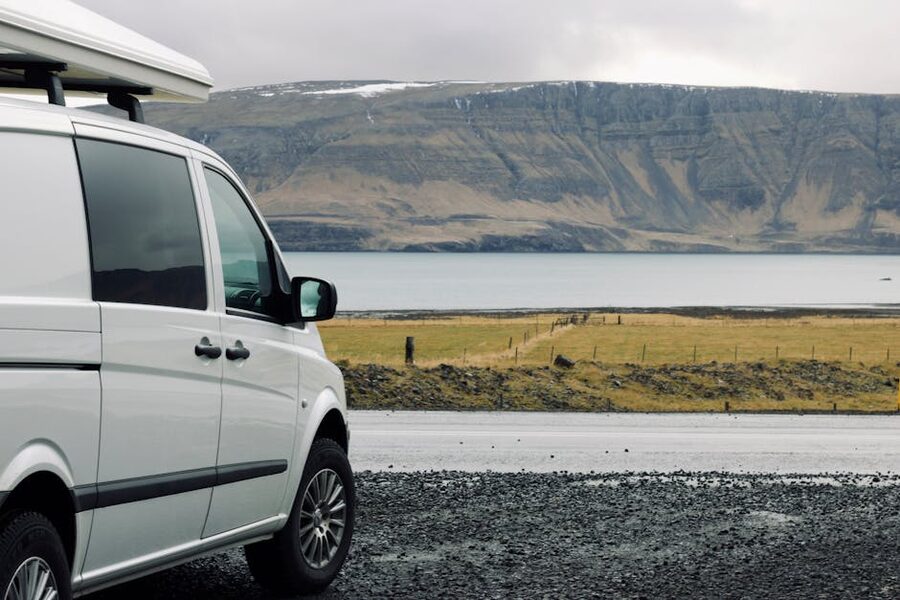
Converted Berlingo, Caddy, Dokker, Doblo. Bed in the back, a tiny kitchen kit you usually have to set up outside, no standing room, no separate seating. Around 12,000 to 18,000 ISK per day in summer, less in shoulder season. They’re 2WD only, paved roads only, summer only really. The math works if you’re a solo traveller or a couple who don’t mind close quarters and you want to save every króna.
What you give up: any sense of being indoors when it rains. Cooking happens with the back doors open and the wind has opinions. There’s no realistic way to sit down inside other than on the bed. One blogger I read described not being able to adjust the driver’s seat back far enough for her 6-foot-5 husband and him driving 1,500 km hunched. That’s the mini-camper experience in plain summary.
4-person standard van
Renault Trafic, Mercedes Vito, Ford Transit Custom, Peugeot Expert. Tall enough to sit up in (some are tall enough to stand in if you’re under about 1.75 m), proper bed across the back, kitchen pull-out at the rear or built into the side. Sleeps two comfortably or four if you’re a family with smaller kids who don’t mind sharing. Most have a Webasto diesel heater which runs without the engine, which is the big upgrade over the mini-camper. Around 18,000 to 28,000 ISK per day.
This is what most people end up with and for good reason. Big enough that you don’t hate each other on day five. Small enough to drive on any road in the country. Insurance doesn’t cover F-roads in 2WD form, but you can take it on every paved road, every Ring Road, every standard gravel road including the Snæfellsnes loop and the Westfjords main routes.
4×4 camper
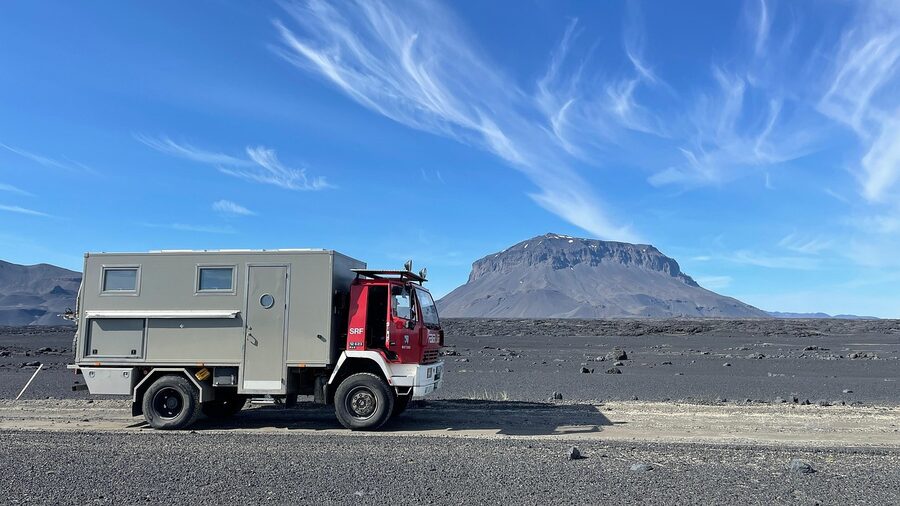
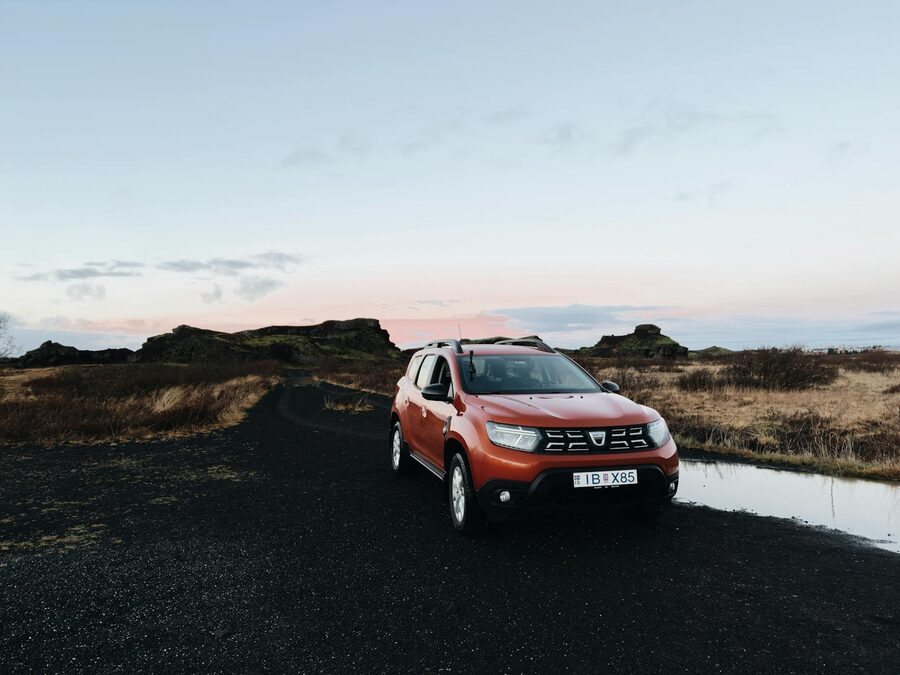
Land Cruiser-based conversions, Ford Transit 4×4, Mercedes Sprinter 4×4, Dacia Duster with roof box. These are the only campers Icelandic insurance will cover on F-roads, and even then only with the right add-ons. Around 30,000 to 50,000 ISK per day. If you want to drive into Landmannalaugar, Þórsmörk, or Askja and sleep there, this is the only legal way to do it in a camper.
The catch: the F-road season is short (late June through early September, sometimes shorter depending on snowmelt), most rivers crossed on F-roads need actual experience to read, and even with full insurance, water damage to the engine is almost always excluded. If you’ve never crossed a glacial river before, take a guided 4×4 day tour first and watch how it’s done.
Motorhome (Class B / C)
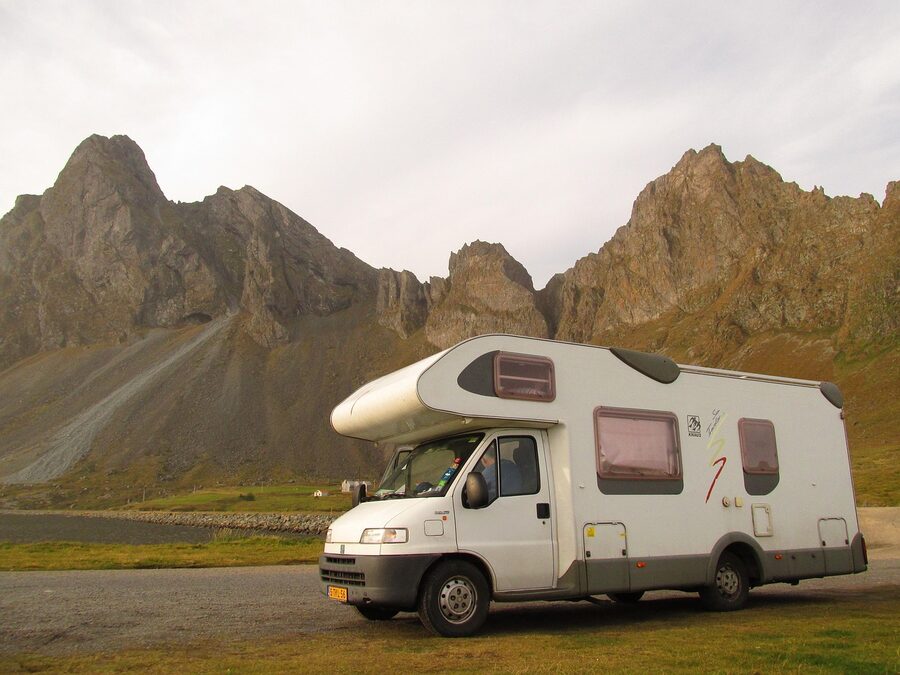
The proper motorhome, fixed bathroom, fridge instead of cooler, gas hob with three rings, fold-out table you can sit at without contorting. Sleeps four to six. Around 35,000 to 60,000 ISK per day. Heavier and slower on the road than a campervan, more affected by wind, harder to park in towns. But meaningfully more comfortable in bad weather, and the only realistic option for a family of four-plus on a longer trip.
One thing to know about motorhomes in Iceland: their tall side profile catches Iceland’s wind like a sail. Check vedur.is every morning and don’t drive on days when wind warnings are issued for your route. People have lost the doors of their motorhomes by opening them in 25 m/s gusts (the door tears off the hinges). It’s a known thing.
Insurance, the part nobody reads carefully enough
If you read one section of the rental contract, read this one. Iceland’s roads will damage your van in ways that don’t happen in other countries, and the standard insurance covers less than you think.
CDW (Collision Damage Waiver). Always included. Reduces but doesn’t eliminate your liability if you crash. Standard self-excess is around 350,000 to 400,000 ISK, meaning you’re on the hook for that much before the insurance kicks in.
SCDW (Super CDW). Reduces the self-excess down to about 50,000 to 100,000 ISK. Around 3,000 ISK per day extra. I’d take it. The cost over a 10-day trip is maybe 30,000 ISK against a potential liability of 300,000 ISK.
GP (Gravel Protection). Add this. Around 1,500 ISK per day. Covers the windscreen and paintwork against flying gravel, which is the single most common claim in Iceland. Every gravel road throws stones, every passing truck is a roulette wheel, and a cracked windscreen on pickup-day return will cost you the better part of 100,000 ISK without GP.
SADW (Sand and Ash Damage Waiver). Also add this. Around 1,500 ISK per day. Iceland gets sand storms that strip paint off cars in the south, and ash fall from active volcanoes does similar. SADW covers it. Skip it on a short summer trip if you’re staying north and west; take it for any trip touching the south coast or the Vík to Höfn stretch.
Theft Protection. Usually included. Doesn’t cover what’s inside the van, only the van itself.
Tyre and Windscreen Protection. Sometimes separate, sometimes bundled. Bundle it if offered.
WUW (Water Underbody Waiver). F-road only. Covers water damage from river crossings. Without it you’ll be charged for the engine if you stall in a river. Even with it, intentional water damage (i.e., crossing a river that was clearly too deep) is typically not covered.
Most operators bundle these into a “Premium” or “Gold” insurance package costing 8,000 to 12,000 ISK per day on top of the base rental. On a 10-day trip that’s another 80,000 to 120,000 ISK. It’s a lot. But the alternative is finding out, on day six in the East Fjords, that the gravel chip in your windscreen is going to cost you 90,000 ISK at return because you didn’t take the 1,500-ISK-per-day GP.
Where you can legally park overnight
Read this twice. Wild camping with a campervan or motorhome is illegal in Iceland. The law was tightened in 2015 after years of campers parking overnight wherever they liked, leaving rubbish, and using farmers’ fields as toilets. Now: campervan and motorhome overnight stays must happen at designated campsites or, if you’ve explicitly asked, on private land with the owner’s written permission.
“Wild camping” in this context includes: pulling off Route 1 to sleep in a lay-by, parking overnight at a waterfall car park, sleeping at the trailhead of a hike, parking at a fuel station overnight (some N1s tolerate it for short stops, none for full overnights), parking on a beach, sleeping at a public picnic area. All of it. The fine if a ranger catches you is 50,000 ISK and they do check, especially around popular sights in the south.
What you do instead is use Iceland’s network of about 200 official campsites. The official map and booking guide is tjalda.is, bookmark it before you fly. Most campsites cost 1,500 to 2,500 ISK per van per night. That covers a pitch, access to drinking water, toilets, often a kitchen building you can use in the rain. Hot showers usually cost extra (200 to 500 ISK for a few minutes), as does electricity hookup if you need it.
The major Ring Road campsites
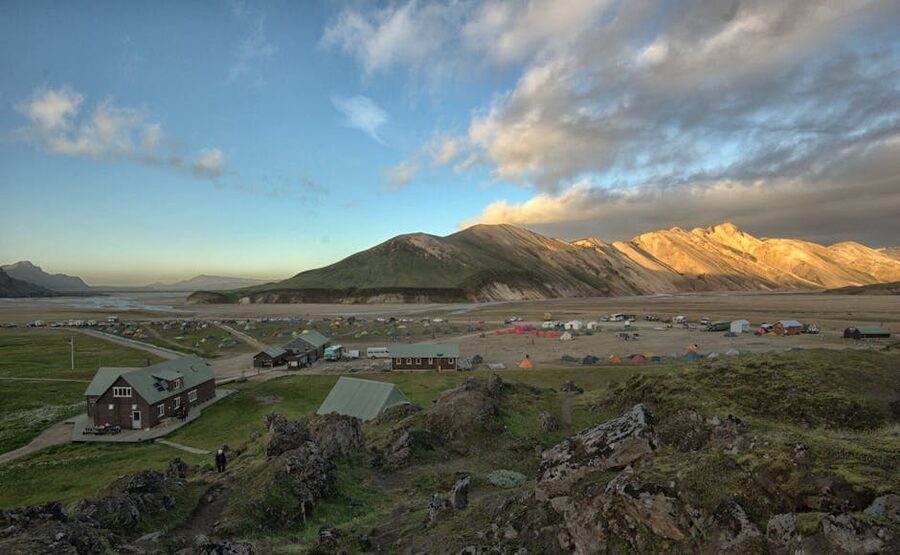
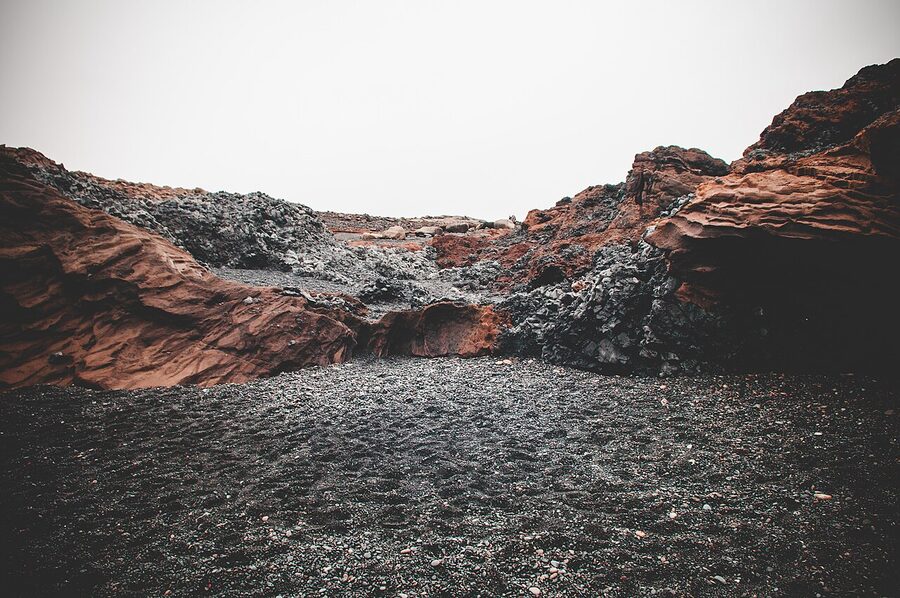
Reykjavík Campsite, in Laugardalur, is open year-round and is where most trips start and end. Big, organised, hot showers, kitchen building, walking distance to Laugardalslaug pool. About 2,500 ISK per van.
Skógar Campsite, on the South Coast directly under Skógafoss waterfall. Wake up to the sound of the falls. Open May through September.
Vík Campsite, the busiest in the south. Often full in July and August by 8pm, so arrive early. The town has a Krónan supermarket if you need to restock.
Skaftafell Campsite, inside Vatnajökull National Park, near the glacier hiking base. Stunning views of the Hvannadalshnúkur ridge if the weather plays.
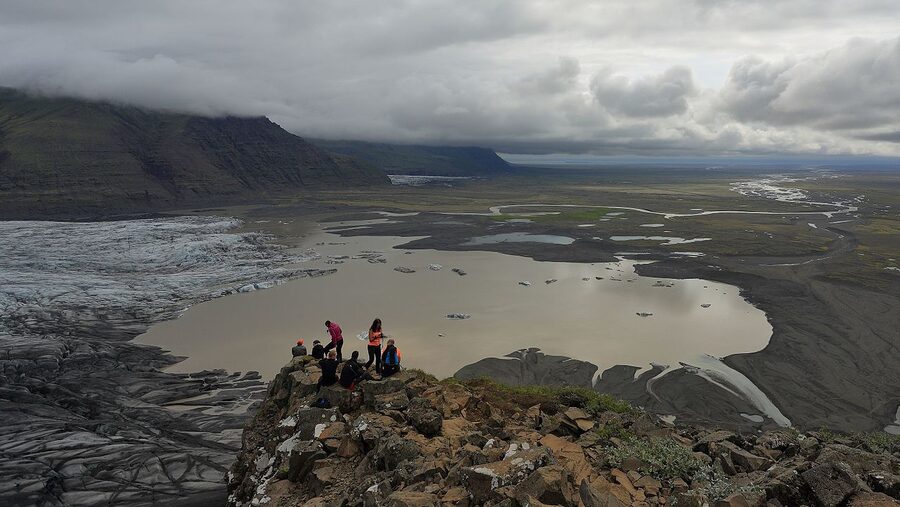
Höfn Campsite. Good for restocking before the long drive to the East Fjords. Höfn itself is the langoustine capital of Iceland.
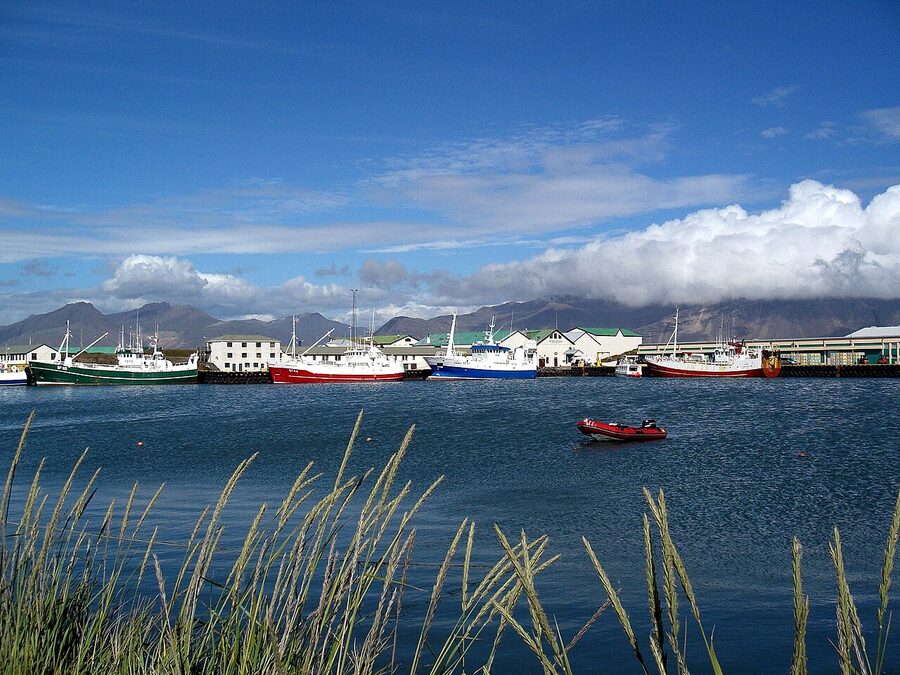
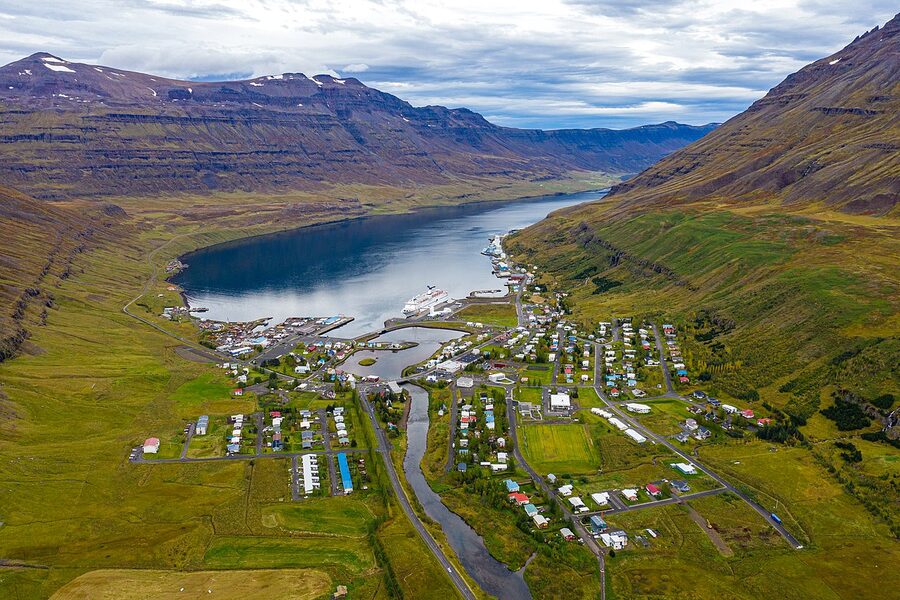
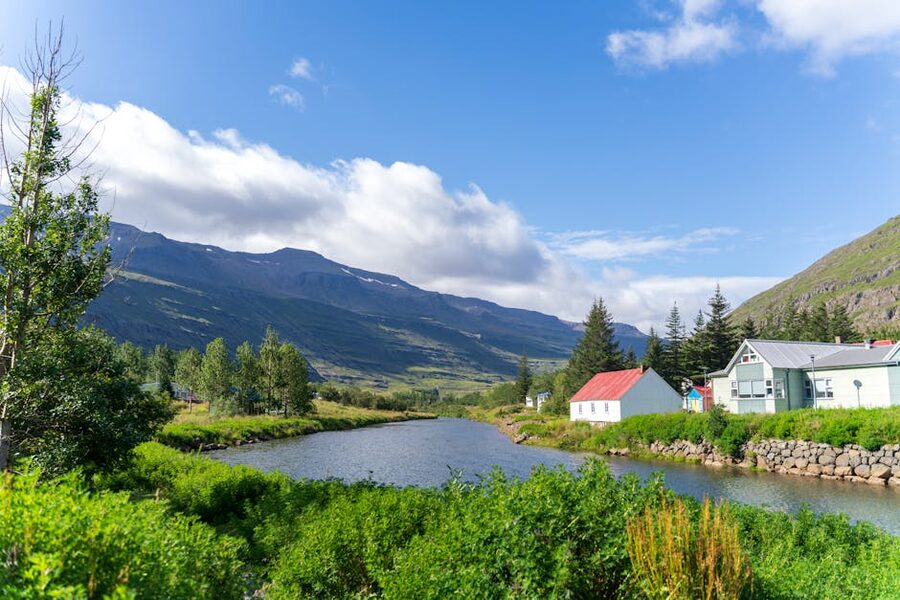
Seyðisfjörður Campsite, in the East Fjords. Seyðisfjörður itself is the postcard fjord with the rainbow path leading to the blue church. Worth a night for the village alone.
Egilsstaðir Campsite, the East’s main town. Useful supermarket stop and a sensible base for exploring nearby Lagarfljót.
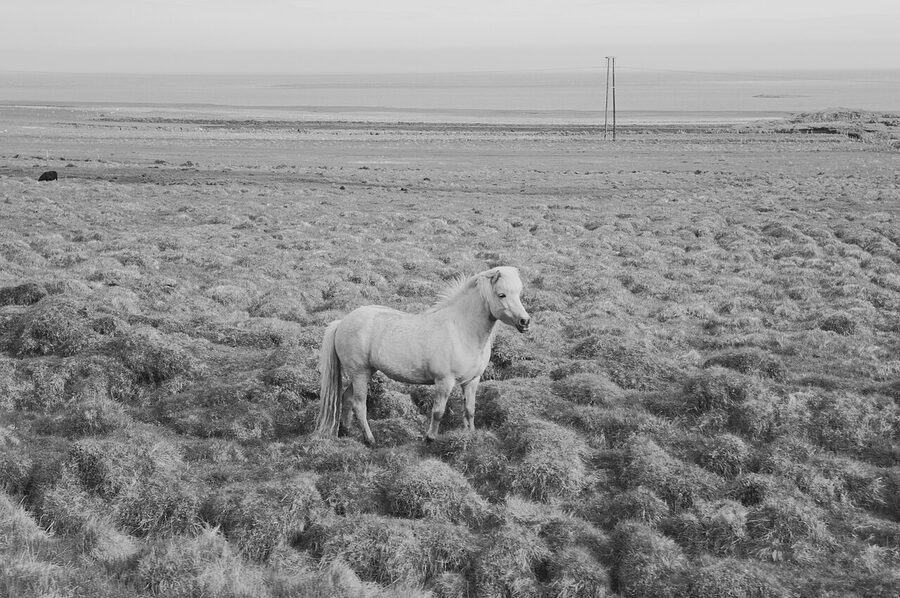
Mývatn Campsite (Bjarg), on the lake. Lava fields, geothermal area, the pseudo-craters at Skútustaðir, and the Mývatn Nature Baths a short drive away.
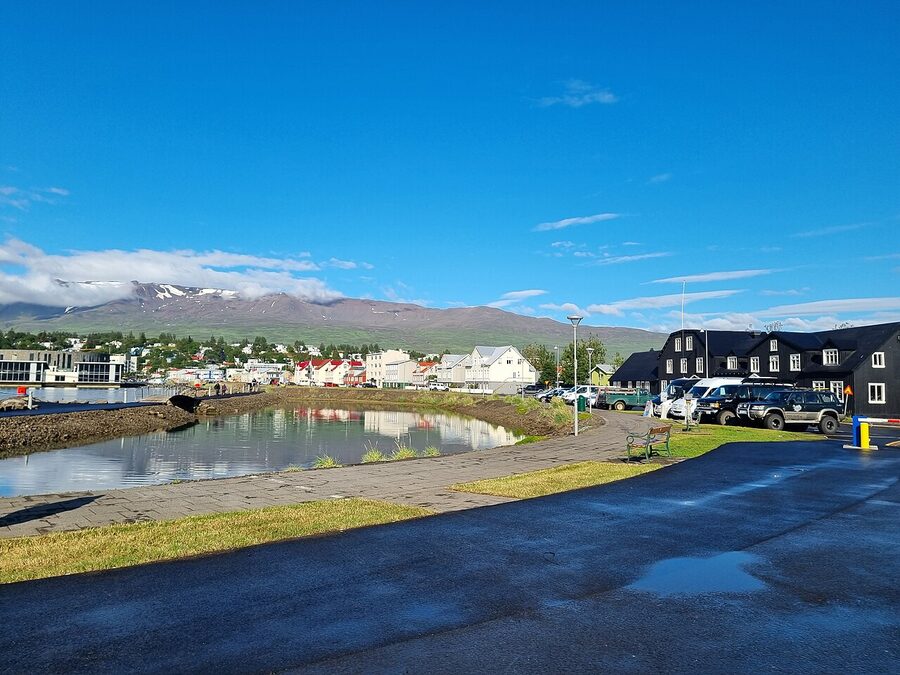
Akureyri Campsite (Hamrar). The capital of the north, big proper campsite with everything, walking distance to a town that actually has restaurants and a botanic garden.
Borgarnes Campsite. The natural last stop before Reykjavík on the home leg of a Ring Road trip. About 75 km from town.
The Westfjords and the Highlands have campsites too, but they’re sparser and many open later (June to August window). For a Westfjords trip, plan ahead, Patreksfjörður, Þingeyri, and Hólmavík are the main bases.
Camping Card Iceland
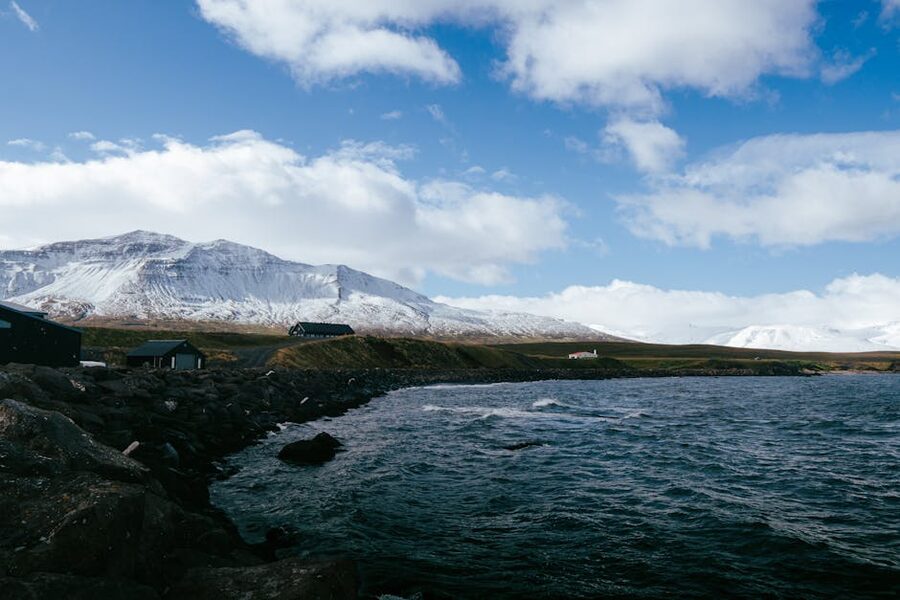
If you’re camping more than four or five nights and you’re a family or couple, the Camping Card is worth a look. Around 17,500 ISK for two adults plus up to four kids gets you nights at about 30 affiliated campsites. The math works if you’re staying at five-plus card-affiliated sites, beyond that it’s free nights. It doesn’t cover every campsite, so check your route against the card’s site list before buying.
What’s included in a typical rental, and what you buy
Every operator’s “standard kit” includes more or less the same stuff. Linens (duvet, sheets, pillows for however many people), towels, basic kitchen kit (two pots, a pan, plates, bowls, cutlery, a kettle), a two-burner gas hob with one full bottle of gas, a cooler or 12V fridge, basic cleaning supplies, an emergency phone holder. Most include unlimited mileage. Most include a paper road map and a tablet or guidebook with the rules.
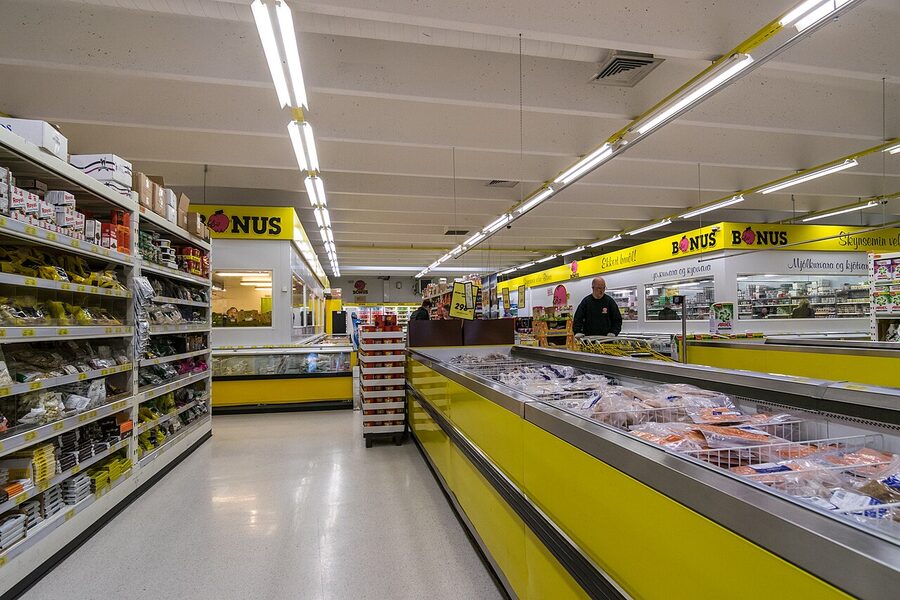
What you’ll buy on day one before leaving the Reykjavík area:
Food. Hit Bónus or Krónan, the two cheap supermarkets. Both have branches near KEF airport (Bónus in Keflavík, Krónan in Reykjanesbær). Stock for the whole trip, or at least for the first half, supermarkets thin out east of Vík. Pack the basics: bread, eggs, oats, pasta, rice, tinned fish, sausages or pre-cooked meat (the fridge isn’t great), tomatoes, onions, peppers, fruit, cheese, butter, coffee, tea bags, a couple of chocolate bars, snacks for driving days. Don’t buy fresh meat or fish unless you’ll eat it within two days.
Drinking water. Iceland’s tap water is the best in the developed world. You don’t need bottled water. Buy a couple of refillable 1L bottles at the supermarket and fill from any tap (the campsites all have potable water taps). Skip the 5,000 ISK/week mineral water bills.
Toiletries. Bring from home or buy at the supermarket. Toilet paper for emergencies (campsite bathrooms have it but you might need it on the road).
Booze. Buy at the duty-free shop on arrival in the airport arrivals hall. Iceland’s regular alcohol prices are punishing (a beer at a bar is 1,500 to 2,000 ISK; a bottle of wine in the Vínbúðin state monopoly is 3,000 to 5,000 ISK). Duty free is meaningfully cheaper. Per-person allowance: 1L spirits + 0.75L wine + 3L beer, or some equivalent combination.
Apps to download. Vedur.is for weather, Road.is for road conditions and closures, Safetravel.is for rescue check-ins (and for filing your travel plan if heading anywhere remote), Tjalda for finding campsites, Parka and EasyPark for paid parking in Reykjavík. Waze or Google Maps for everything else. There’s also a 112 Iceland app, install it.
Driving rules and the wind problem
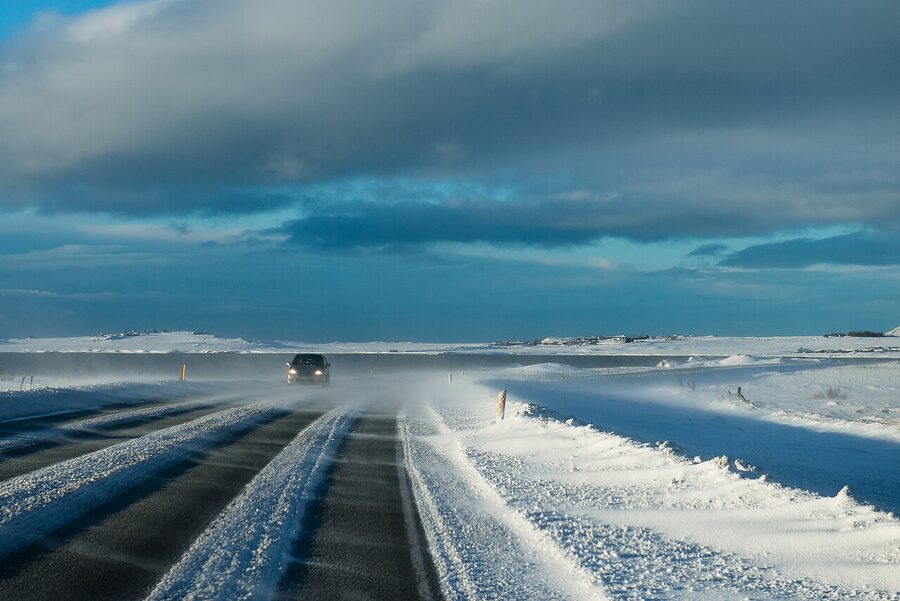
Same rules as the car rental piece. Speed limits: 90 km/h on paved highways, 80 km/h on gravel, 50 km/h in towns. Headlights on at all times. Zero alcohol tolerance for driving. Off-road driving is illegal and the fines are eye-watering. The road system is mostly Route 1 (the Ring Road) plus tributary roads numbered up to about 870, plus the F-roads (the unpaved highland tracks, restricted to 4×4).
The wind is the campervan-specific issue. A standard campervan has a tall side profile that catches wind like a sail. Sustained winds above 18 m/s make tall vans genuinely dangerous to drive, the van will get pushed around the lane, and gusts can move it sideways into the gravel verge. Vedur.is publishes wind forecasts in m/s. Anything above 15 m/s, slow down and watch the van. Above 18 m/s, find a campsite and stay put. Above 22 m/s, do not open the door (wind will rip it off the hinges). I’m not exaggerating; this is a known issue and operators charge for door damage from wind.
The other thing the wind does is ash and sand, especially in the south near the Vík to Skaftafell stretch. SADW insurance handles paint damage from this, but you can also just not drive on the worst days. Vedur publishes ash/sand storm warnings the same way.
F-roads, what they are and who can drive them
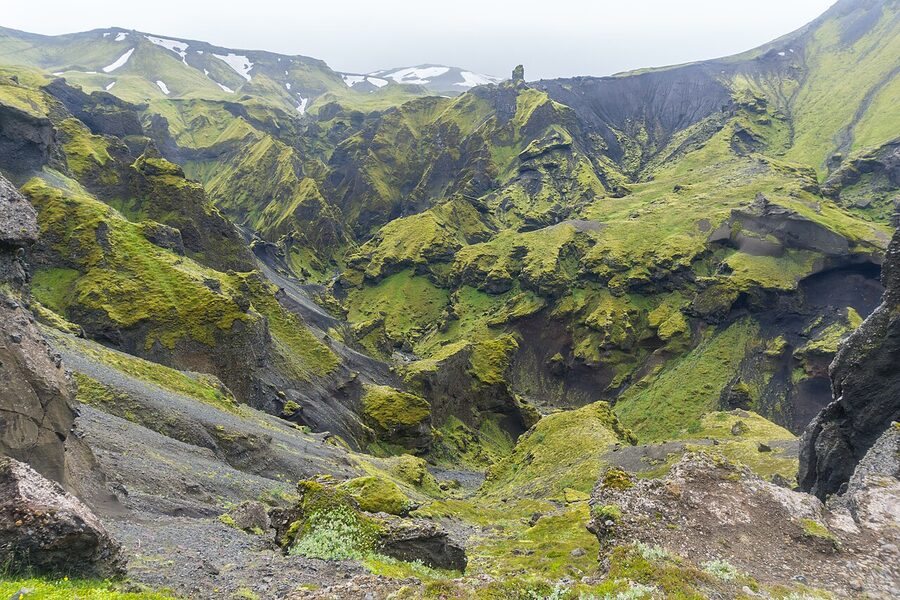
F-roads (the F prefix stands for “fjalla”, meaning mountain) are the unpaved highland tracks. They go to the interior, Landmannalaugar, Þórsmörk, Askja, Kerlingarfjöll. They’re spectacular, they’re open from late June to early September only, and Icelandic law requires a 4×4 vehicle to drive on them. Insurance on a 2WD camper is void the moment you cross an F-road sign, even if you don’t crash. If you crash, you pay for everything.
If your camper is 4×4 and your insurance covers F-roads, the rules are: drive slowly (40 km/h max), never cross a river you can’t see the bottom of, walk a river first if unsure, never cross alone (wait for another car), and accept that even with full insurance, river crossings carry real risk. The classic advice is “if it looks too deep, it is too deep”. A camper is taller and heavier than a car; if you stall in mid-river, recovery is on you.
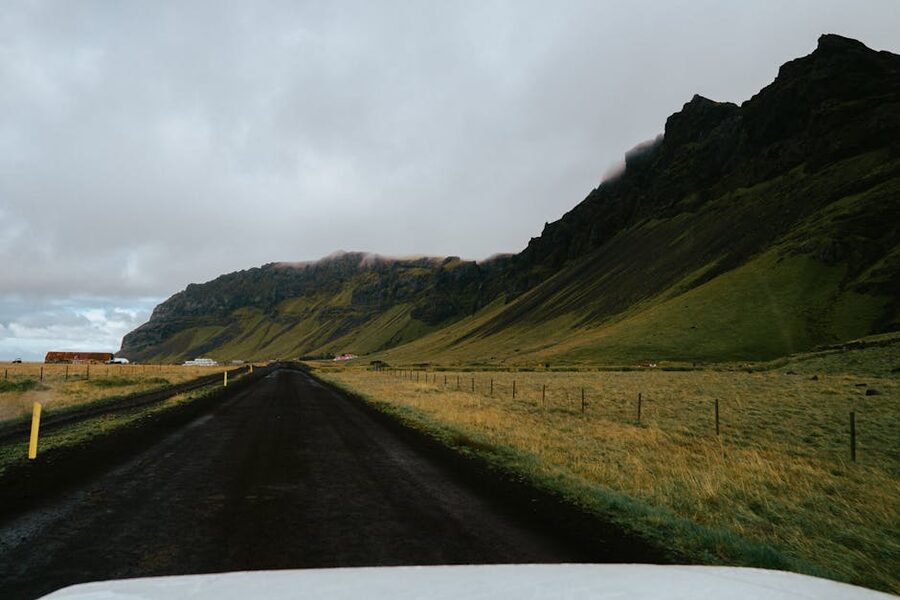
What it actually costs, day by day
Numbers in ISK, two adults, July, 7-day Ring Road, 4-person standard van with full insurance package.
- Van rental + insurance: 25,000 to 40,000 ISK per day → 175,000 to 280,000 ISK total
- Campsite fees: 1,500 to 2,500 ISK per night × 6 nights → 9,000 to 15,000 ISK
- Hot showers: 300 ISK × ~10 → 3,000 ISK
- Fuel: A 1,332 km Ring Road in a diesel camper at about 9 L/100km, diesel at around 320 ISK/L → about 38,000 ISK. Petrol vans burn more, around 50,000 ISK. Add highland detours, side trips, the day you drove out to Stokksnes and back, you’re closer to 60,000 to 70,000 ISK.
- Food (self-cater): 4,000 to 7,000 ISK per day for two people if you cook in the van and shop at Bónus. → 28,000 to 50,000 ISK total.
- One restaurant meal: average 12,000 to 18,000 ISK for two with drinks. Allow for two of these over the trip → 25,000 to 35,000 ISK.
- Activities and tours: variable. A glacier hike is 13,000 to 16,000 ISK each. A whale watching tour is 11,000 to 13,000 ISK each. A hot springs entry is 5,000 to 12,000 ISK each. Budget 30,000 to 80,000 ISK depending on what you do.
Total for a 7-day Ring Road, two adults: about 360,000 to 500,000 ISK (roughly $2,600 to $3,600 USD at recent exchange rates, though don’t take that as gospel, the króna moves).
Compare to the same trip with a 4×4 SUV plus mid-range hotels plus restaurant dinners: easily 600,000 to 900,000 ISK for two adults. The campervan saves a couple something like 240,000 to 400,000 ISK on a one-week trip. That’s a meaningful chunk of the airfare back from North America or Europe.
The trip type the campervan fits
The 7-day Ring Road
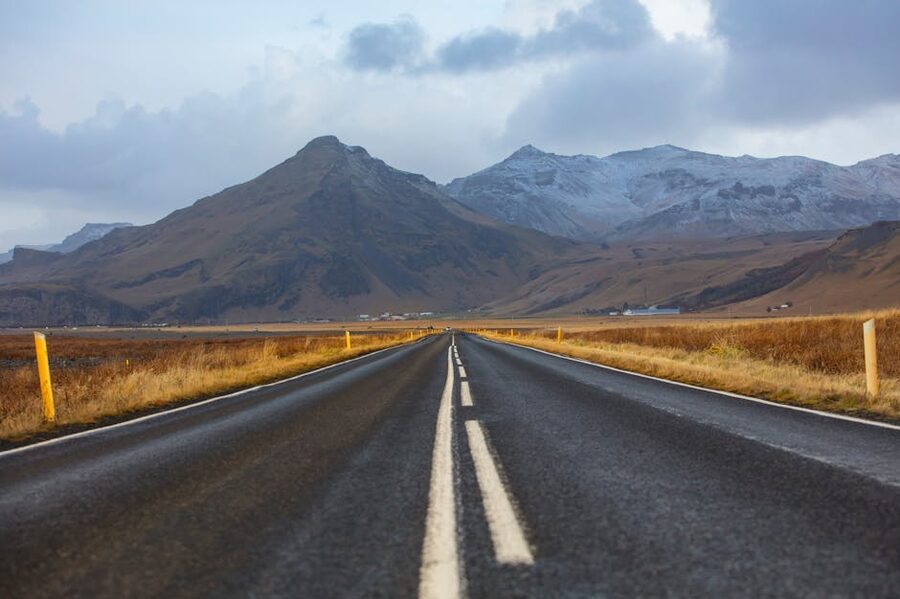
The classic. Pick up at KEF, head to Reykjavík to stock up, drive south then east anti-clockwise. Day 1 Vík via Seljalandsfoss and Skógafoss. Day 2 Skaftafell with the glacier hike. Day 3 Höfn and into the East Fjords overnight at Egilsstaðir or Seyðisfjörður. Day 4 across to Mývatn. Day 5 Akureyri and Goðafoss on the way. Day 6 across north to Borgarnes. Day 7 back to Reykjavík and out via KEF. Pace is roughly 200 km of driving per day. Detailed routing in the Ring Road piece.
10 to 14 days, Ring Road plus side trips
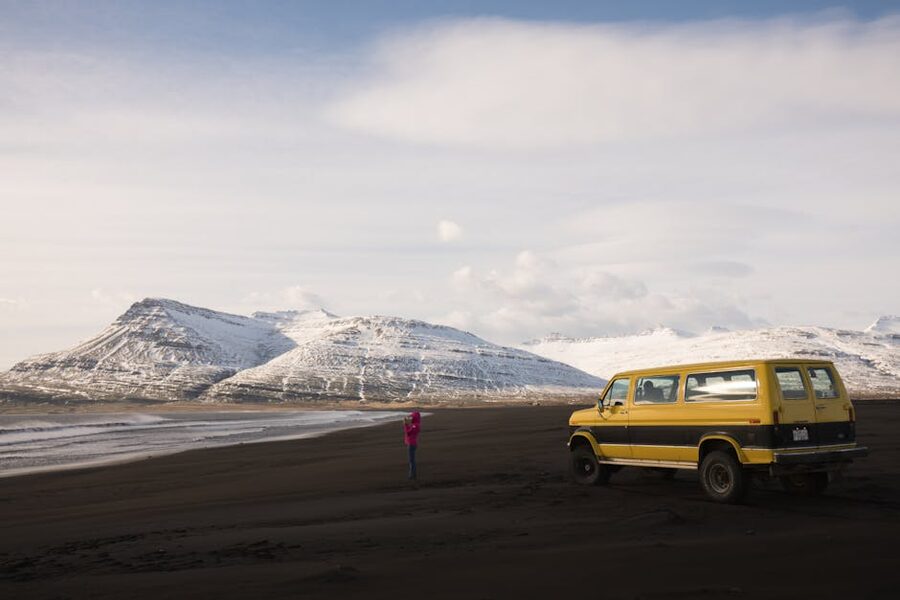
The same loop with extra time. Add the Snæfellsnes peninsula (a day or two on the West Coast, west of Borgarnes), the Westfjords (three to five days in their own right, slow roads), Húsavík for whale watching from the north, the Highlands (only if you have a 4×4), or the lava beach detour out to Stokksnes from Höfn. This is where the campervan really earns its keep, you can change plans mid-trip when the weather closes a region, and you don’t have to call a hotel to cancel.
The 5-day South Coast loop
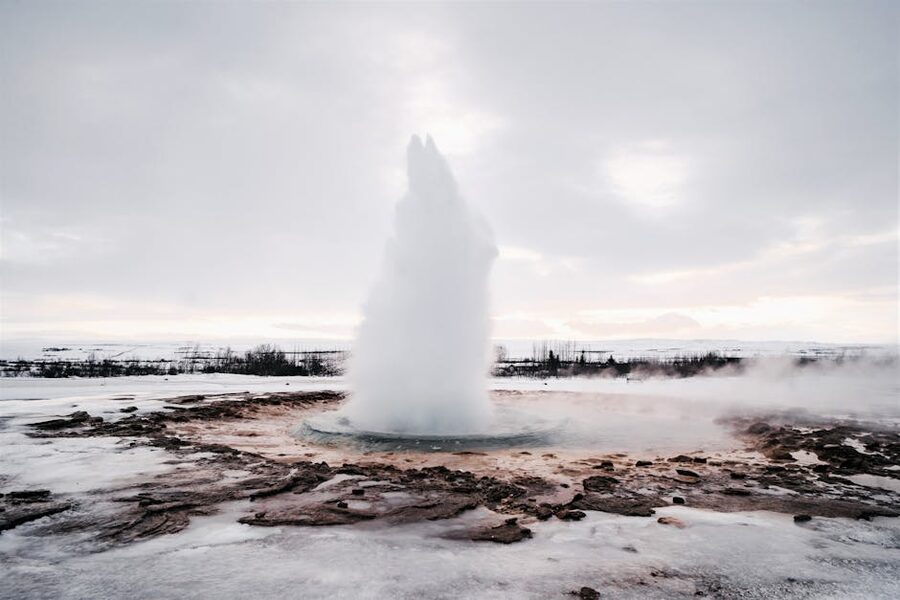
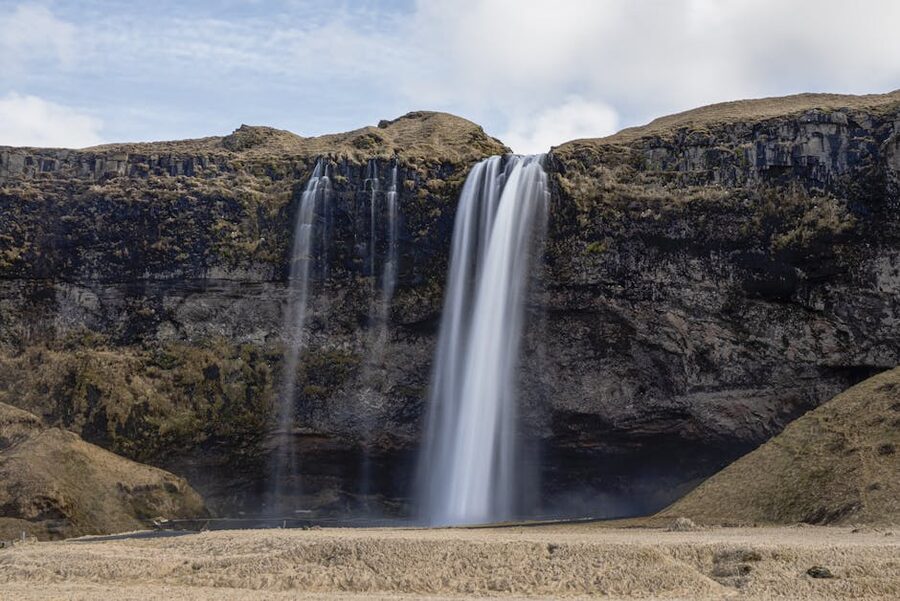
Reykjavík to the Golden Circle (Þingvellir, Geysir, Gullfoss), south to Seljalandsfoss and Skógafoss, on to Vík, push to Jökulsárlón on day three or four, sleep at Skaftafell, then back to Reykjavík via the same coast. Doable in five days at a comfortable pace. Doesn’t take in the East Fjords or the North, but covers most of what people come to see in their first Iceland trip.
The shorter trips that don’t fit the campervan
If you’ve got 3 days or fewer, skip the camper. The setup time alone (KEF shuttle, paperwork, walk-around, drive to Reykjavík for groceries) eats 4 to 5 hours. Stick with a regular rental car and book hotels or guesthouses, or do the airport-pickup day tours. The campervan only earns back the setup overhead from about day 4 onward.
Season reality check
Best: mid-June to early September
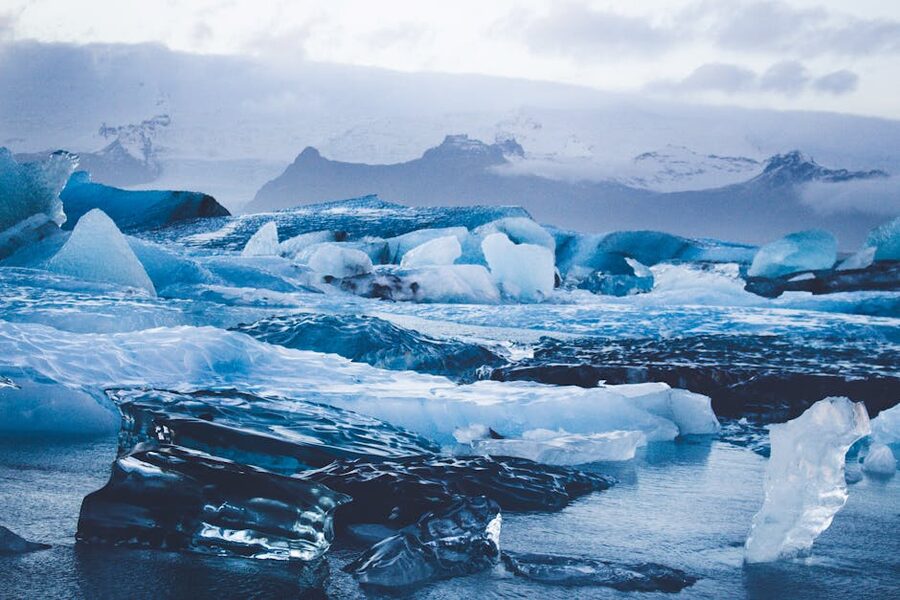
This is when campervanning Iceland really works. All campsites open, F-roads accessible, mild nights (5 to 12 °C usually), nearly continuous daylight in late June and early July if you go far enough north. The downsides: it’s also the most expensive time, the popular campsites fill up by 7pm at peak, and Reynisfjara and the Golden Circle are crowded.
For more on this season, see Iceland in summer.
Shoulder: May and late September
Doable but cold. Some campsites are still open, some are not (check tjalda.is for opening dates). Nights drop to 0 to 5 °C, you’ll need the heater on. F-roads usually closed (some don’t open until late June; in 2018 some didn’t open until mid-July). The upside: half the tourists, and prices that are 20 to 30 percent lower than peak.
Winter: October to April
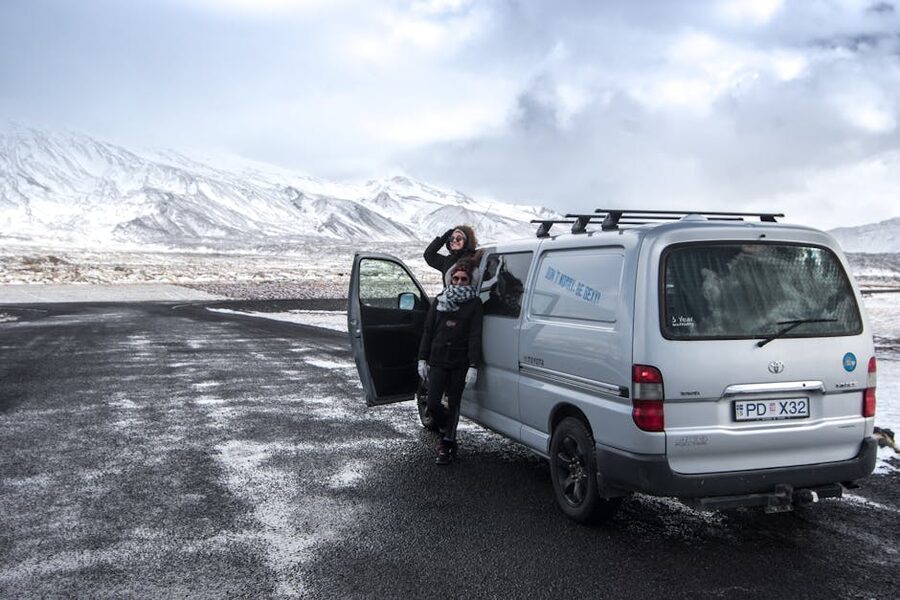
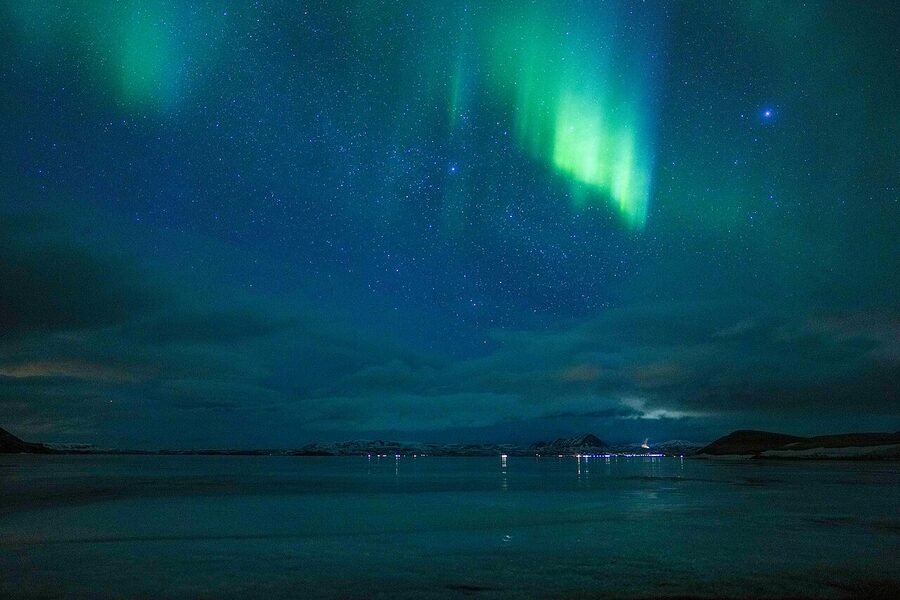
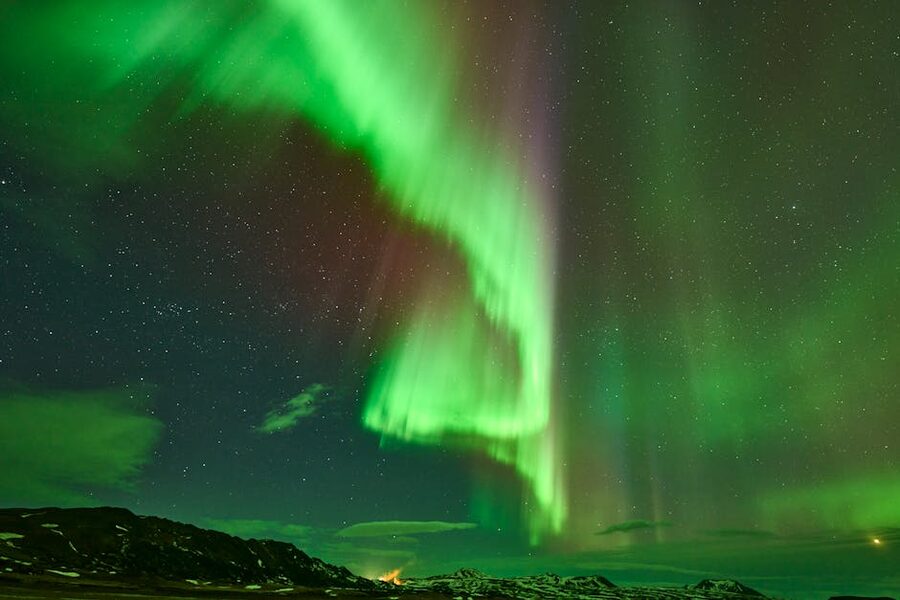
Don’t, unless you’ve campervanned in winter before. Most operators close their campervan fleets for winter and switch to 4×4 SUV rentals instead. Of those who do offer winter vans, the situation is: temperatures regularly below freezing inside the van overnight even with a heater running on diesel; many campsites closed (only Reykjavík and a handful of others stay open year-round); aurora viewing is wonderful but the cost is sleeping in a metal box at minus 5 °C.
If you want winter Iceland, book hotels and rent a 4×4 SUV. The savings from camping in winter are eaten by the discomfort and by the heating fuel cost. A genuine winter aurora trip is its own thing, see our aurora forecast guide, and not the same trip as a summer Ring Road in a campervan.
Pickup logistics
Most operators are based at the Keflavík (KEF) airport area, not Reykjavík. The drill is: you land, you collect your bags, you call (or text) the operator’s free shuttle which picks you up from the agreed meeting point at the airport, and they drive you 10 to 30 minutes to the depot. There the staff walk you through the van, kitchen, heater, bed setup, where the gas bottle valve is, how to dump grey water, how to use the campsite electric hookup.
The walk-around plus paperwork takes 30 to 45 minutes. Take photos of every existing scratch and every dent before signing. The van gets handed back when you return, and the smaller scratches you didn’t photograph at pickup will be on you. The whole sequence, landing to driving away, usually eats 1.5 to 2.5 hours.
Then you drive 50 minutes to Reykjavík (via the south route, not the north), stop at a Bónus or Krónan, fill the cooler, and head to your first night. Reykjavík Campsite is the obvious first night for most travellers: easy from the supermarket, walking distance to a swimming pool, sets you up to leave the city for good the next morning.
Pros and cons
Pros. Flexibility. Your accommodation moves with you, you wake up where you parked, and you can change the plan mid-trip when weather closes a region. Cost. Saves a couple something like a quarter to a third versus the hotel-and-restaurant version. Atmosphere. Cooking dinner in the van as the sun sets at 11pm somewhere in the East Fjords with no other humans visible is a specific kind of memory you don’t get from a hotel restaurant. Self-sufficiency. You eat what you like, when you like, with the radio on.
Cons. Small space. Even a 4-person van is genuinely tight for two adults living in it for 10 days. Showers. Iceland’s campsite shower situation is hit-or-miss, some have hot showers, some don’t, some charge per minute, some are communal. You’ll have at least one frustrated evening hunting for a working shower. Tiredness. Driving every day, cooking every meal, packing up every morning, planning every campsite, by day five or six, the romance of vanlife wears thin. The weather. Rain in a small van is genuinely depressing, and Iceland gets a lot of rain. Noise. Wind on a metal van roof at 2am sounds like the world is ending.
What I’d skip
The 2-person mini-camper unless you really love each other. Winter campervanning unless you’re doing it for a specific reason and have done it before. Wild camping (illegal, ruins the country for everyone, you will get caught). Driving F-roads in 2WD (illegal, voids insurance, dangerous). The cheapest possible insurance package, Iceland will damage your van and the difference between a 350,000 ISK self-excess and a 50,000 ISK one is a real number.
What I’d actually pick
Couple, 7 to 10 day Ring Road, summer: a 4-person 2WD van from Happy Campers, CampEasy, or Go Campers, with the full insurance package (CDW + SCDW + GP + SADW + theft + tyre/windscreen). All-in cost around 25,000 to 35,000 ISK per day. The 4-person rather than 2-person matters, the extra space is worth more than the price difference, and you can stretch out.
Family of four, 10+ days, summer: a small Class B motorhome from Indie Campers or Happy Campers. Around 40,000 to 55,000 ISK per day. The fixed bathroom and the actual fridge make it bearable for kids. Plan slower stages (200 km max per day) and overnights at the bigger campsites with kitchens.
Adventurer or photographer wanting the Highlands: a 4×4 camper from CampEasy (Easy Viking 4×4) or KuKu, with WUW insurance for river crossings. Around 35,000 to 50,000 ISK per day. Plan the highland sections for late July through August when F-roads are reliably open.
Solo traveller or couple on the tightest possible budget, summer: a 2-person mini-camper from KuKu or Campervan Iceland, with at minimum CDW + SCDW + GP. Around 14,000 to 22,000 ISK per day. Accept the trade-off.
The night-before checklist
Before you fly:
- Booking confirmation printed or saved offline
- Driving licence (your home country licence is fine, no IDP needed for most countries)
- Credit card with a PIN (some N1 self-service pumps need PINs, your contactless card may not work at the pump)
- Cash in ISK is unnecessary, Iceland is card-everywhere, but a 5,000 ISK note for emergencies doesn’t hurt
- Layered clothing for 5 to 12 °C nights (a fleece, a down or synthetic puff, a waterproof shell, a hat)
- Two power banks, fully charged. The van’s 12V outlet charges phones slowly and the campsite plug points are oversubscribed at peak
- A swim towel and swimsuit (Iceland is geothermal pool country)
- The 112 Iceland app, vedur.is, road.is, safetravel.is bookmarked or installed
- A loose plan you’re prepared to abandon when the weather makes you
The closing thought
The campervan is the right answer for a specific kind of trip. Seven days or more, late June through early September, two or more travellers, you don’t need a hotel mattress to be happy, and you’d rather wake up at Jökulsárlón than at the Hilton Canopy. Match the van to the trip and the season, take the insurance you’d skip in a country with softer roads, sleep where you’re supposed to sleep, and the maths and the experience both work in your favour.
If you’re earlier in the planning, still working out flights, still picking dates, see how to book flights to Iceland for getting there, the currency guide for what your money’s worth on the ground, and our day tours overview for what to add to a Reykjavík bookend. For more travel tips like this one, the Travel Tips category has the rest.