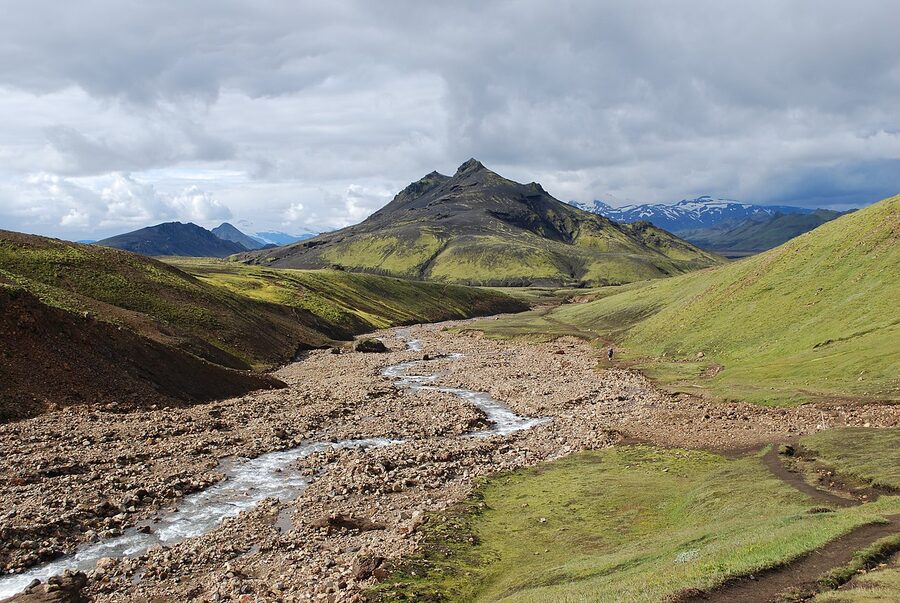
Iceland packing has a reputation for being either anxious overkill or naive underkill. People show up at Keflavik in either an arctic-grade parka in July or a single denim jacket in January, and both versions end up cold or sweating within an hour. The truth sits in the middle. The country isn’t as cold as it sounds on paper, but the wind is meaner than anywhere you’ve been, and the weather will give you four seasons in an afternoon. Pack with that in mind and you’ll be comfortable in any month I can throw at you.
I’m writing this from a kitchen table in Reykjavik on the 26th of April 2026, with a half-packed duffel by the door for a three-day trip up to Akureyri. Layers of merino, a Goretex shell, hiking boots, swimsuit, microspikes I keep meaning to take out of the bag and never do. The list below is what actually goes into my own bags for a week in Iceland, plus the variations for summer versus winter and the ten or twelve Iceland-specific items most travellers forget. No filler, no five-page list of things you already know to pack like a toothbrush.
If you want the broader trip-planning context first, the when-to-visit guide walks every month, and the climate piece sets up the temperature and wind patterns this packing list is built around. The seasonal companion pieces on Iceland in summer and Iceland in winter show what each end of the year actually looks like on the ground.
In This Article
- The Iceland packing principle in two words: layers and waterproof
- The outer shell, the one piece you can’t skip
- The mid layer: fleece or wool
- The base layer, where wool earns its money
- Trousers: hiking pants, waterproof shells, and when jeans are okay
- Footwear: hiking boots are not optional
- Microspikes for winter pavements (the most-skipped item)
- Hands and head: gloves, hat, buff, hand warmers
- Swim gear, because Iceland runs on hot water
- For wild hot springs: quick-dry towel and flip-flops
- Camera kit, especially for aurora
- The tripod is non-negotiable
- Tech: power bank, adapters, and the cigarette-lighter trick
- Health and first-aid: the short list of what actually matters
- Iceland-specific items most travellers forget
- Sleep mask (summer only)
- Quick-dry travel towel
- Reusable water bottle (the country has the best tap water in the world)
- Plastic bags or dry bags
- Snacks for the Ring Road
- For specific activities, the kit you actually need
- Glacier hike
- Ice cave
- Snowmobile or super-jeep
- Whale watching
- Hot pools and lagoons
- Camping
- What not to pack (and what to leave behind)
- Packing strategy: one main bag, one day pack
- Carry-on essentials, in case the hold bag goes missing
- Buying gear in Iceland: lopapeysa, 66°North, Bónus
- Sample packing lists by trip type
- Summer Reykjavik long weekend (3 to 4 days)
- Summer Ring Road (7 to 10 days)
- Winter Reykjavik long weekend (3 to 4 days)
- Winter Ring Road (7 to 10 days)
- Closing thoughts
The Iceland packing principle in two words: layers and waterproof
If you remember nothing else from this article, remember these two things. Iceland is rarely properly cold by Nordic standards. Reykjavik in January averages right around zero, which is milder than Helsinki, Stockholm, Boston, or Toronto at the same time of year. What makes the country feel cold is wind. Twenty-five knots of southerly with horizontal sleet at the same air temperature is a different proposition to a still day in your garden, and you will get that wind year-round, including in July.
The way you handle that is layers. Three of them, minimum: a base layer next to the skin, a mid layer for insulation, and an outer shell that blocks wind and water. The base layer keeps you dry from the inside, the mid layer keeps you warm, and the shell keeps you dry from the outside. You add or remove the mid layer depending on conditions, but the base and the shell stay on. This system works whether it’s plus 18 in July on the Snaefellsnes coast or minus 8 on a January glacier.
The fibre choice matters more than you’d think. Wool first, synthetic second, cotton dead last. A cotton T-shirt soaks up sweat and sea spray and stays wet for hours, which is genuinely dangerous in winter and just unpleasant in summer. Merino wool dries fast, doesn’t smell after multiple wears, and keeps insulating even when damp. If you’re investing in one piece of new kit before a trip here, make it a merino base layer, not a flashier outer jacket.
One more rule: pack more underwear and base layers than you think. Sweat from glacier hikes plus a daily soak in a hot pool plus actual rain means you’ll go through changes faster than at home. I do four base layer tops and seven pairs of merino socks for a seven-day trip. You can wash midway, but you usually don’t bother.
The outer shell, the one piece you can’t skip
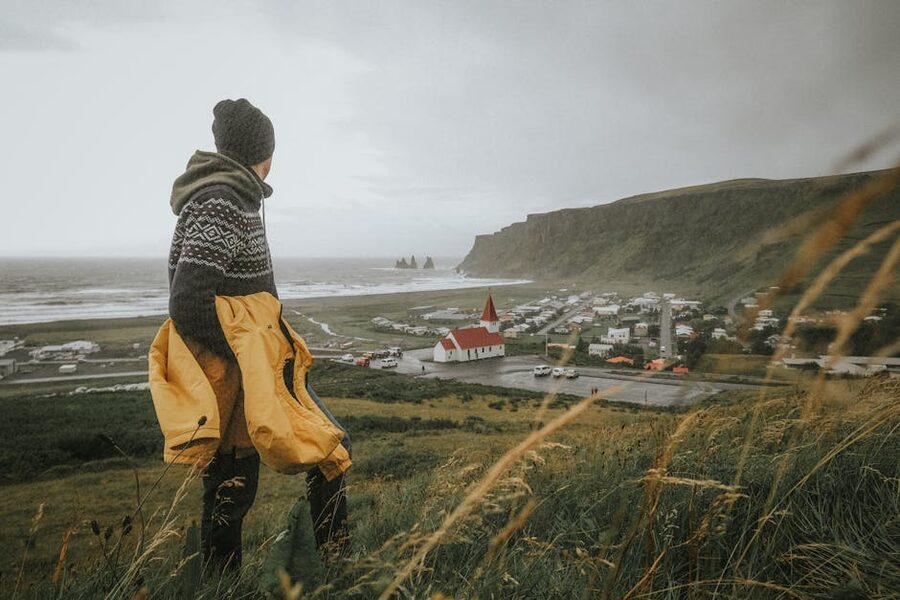
Buy this one before you fly. A waterproof and windproof hooded jacket is non-negotiable in any season, including July, and it’s the one piece of clothing where I’d skip the supermarket option. You want a real Goretex or equivalent membrane, taped seams, and a hood you can cinch around your face when the wind picks up. Hip length is the practical minimum; longer is better for warmth.
For brand context: Arc’teryx, Patagonia, Helly Hansen, Berghaus, and Rab all make versions that survive Icelandic weather year after year. Helly Hansen is what you’ll actually see locals wearing on the harbour. Patagonia tends to be the best value at the mid range. Any of them will do.
If you want to buy local on arrival, the two Icelandic brands that do this category seriously are 66°North and Cintamani. The 66°North flagship sits at Laugavegur 17-19 in central Reykjavik, with another store at Skólavörðustígur 12. Their gear is genuinely good and made for the actual weather here. Prices are roughly UK level, not Norwegian, and you can get the VAT back at Keflavik on the way out, see the currency and tax-free shopping guide for how that works in practice.
One word on umbrellas: don’t. I’ve watched a tourist’s umbrella invert and snap on Bankastraeti in less than a minute, and that’s a calm city street. Outside Reykjavik you might as well try to hold a sail. The hood on your jacket is the umbrella. Make sure it actually fits over a beanie and stays put when you turn your head into the wind.
Shell-only or insulated shell? I prefer shell-only with a separate insulating layer, because it’s more flexible. A 3-layer Goretex shell with a fleece underneath handles every condition I’ve met in Iceland, and you peel the fleece off when you’re hot.
The mid layer: fleece or wool
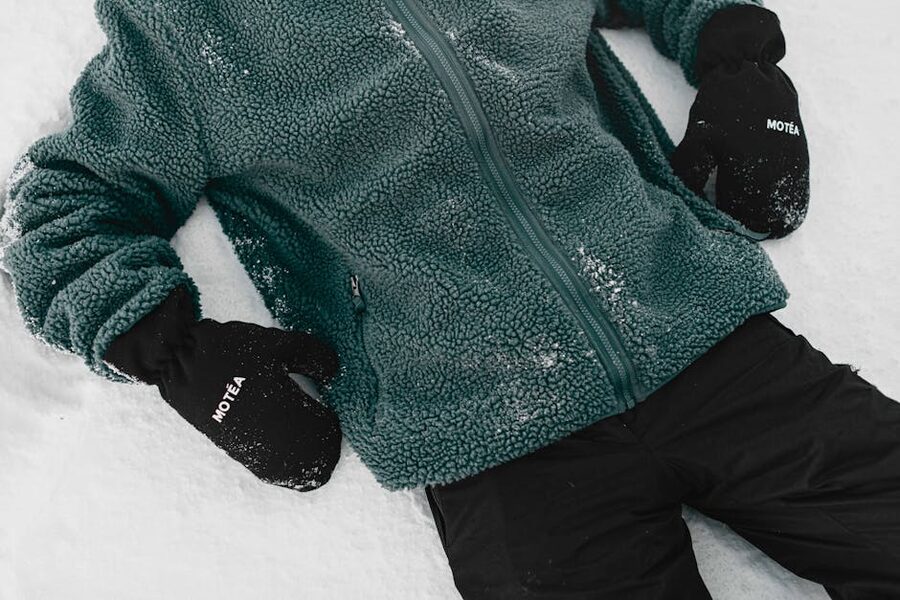
Mid layer is where you regulate. A fleece pullover or hoody in the 200 to 300 gram weight range is the standard answer. Patagonia’s R1, still in production after twenty years, is the long-time benchmark and you can find it at most outdoor shops globally for around 150 USD. Arc’teryx Atom is the synthetic-insulated alternative, popular with skiers and climbers, slightly warmer but a bit puffier. Either works. So does any decent grid fleece from REI’s house brand or similar.
For a winter trip I bring two mid layers: one fleece for most of the time, and a packable down vest for aurora-hunting nights and ice cave tours where you stand still. For a summer trip one is enough.
The Icelandic answer is the lopapeysa, the traditional handknit wool sweater with the round patterned yoke. They’re warmer than they look, breathe well, and they stay warm when damp. Real ones run 30,000 to 50,000 ISK at the Handknitting Association of Iceland shop at Skólavörðustígur 19. You can buy on day one, no need to fly with it.
The base layer, where wool earns its money
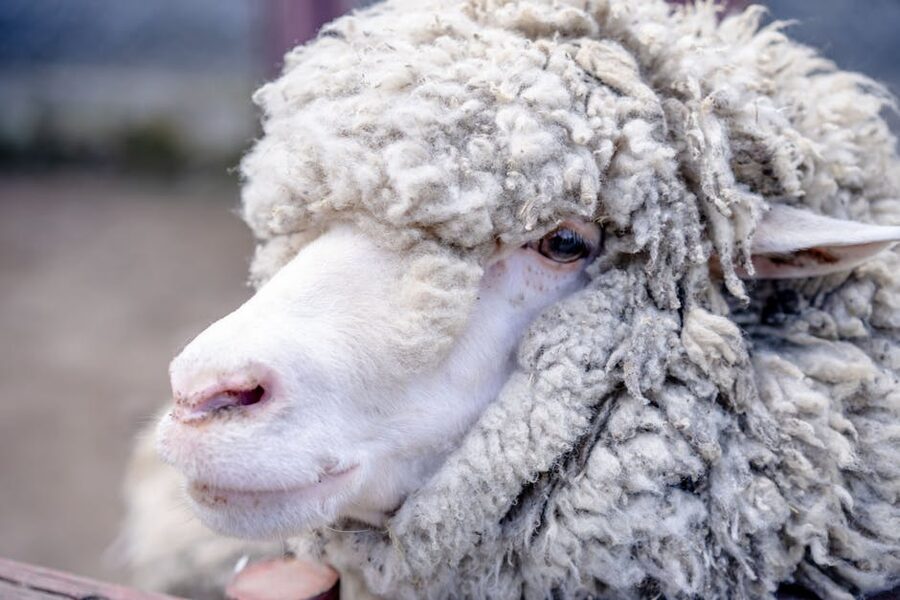
Merino wool top and bottom in the 150 to 200 gram weight range is the workhorse. Smartwool, Icebreaker, and Devold (Norwegian) are the big three. Woolpower is a Swedish niche brand that’s heavier and thicker, useful if you run cold or you’re skiing. Each makes both 150 (lighter, summer-weight) and 200 to 260 (warmer, winter-weight) versions.
For a week-long trip in summer, two or three sets of base layers is enough. For winter I bring three to four. They wash easily in any hotel or guesthouse sink and dry overnight on a radiator if you wring them out. One trick: pack one set in your carry-on. If your hold luggage gets diverted to Frankfurt for a day, you can survive Reykjavik in your travel clothes plus that one base layer plus your shell.
Cotton T-shirts have a place, they’re fine for a coffee on Laugavegur or dinner at the apartment, but skip them entirely for hiking, glacier work, or anything outside. Wet cotton is genuinely dangerous in cold weather and unpleasant in warm.
Trousers: hiking pants, waterproof shells, and when jeans are okay
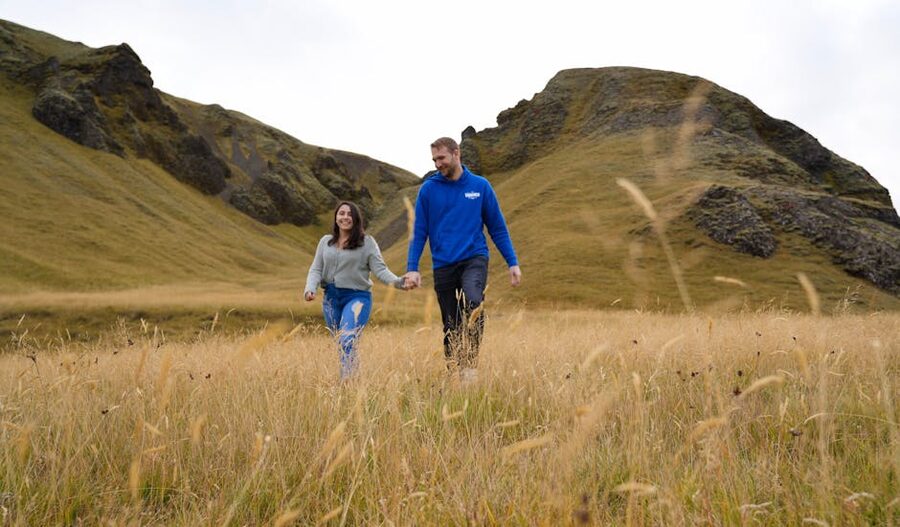
For day-to-day walking and any hiking, a pair of merino or technical-fabric hiking trousers will outwork jeans every time. They dry fast, stretch, and don’t get heavy when wet. For more serious hiking or anywhere with real rain I add a pair of waterproof outer pants on top, the kind that pull on over boots. They live in the day pack ninety percent of the time and come out the moment the rain starts.
Jeans are fine for Reykjavik town days and dinner. They are not fine for a Golden Circle drive that turns into a sleet-blown stop at Geysir. If you’re packing one pair of jeans, treat them as town wear and pack a second pair of hiking trousers for everything else.
For a winter trip I add wool leggings as a base under the hiking trousers on the coldest days, and I carry a packable waterproof rain pant in my day bag every day, summer or winter. The rain pant takes up basically no space and I use it twice a year, but those two times save the trip.
Footwear: hiking boots are not optional
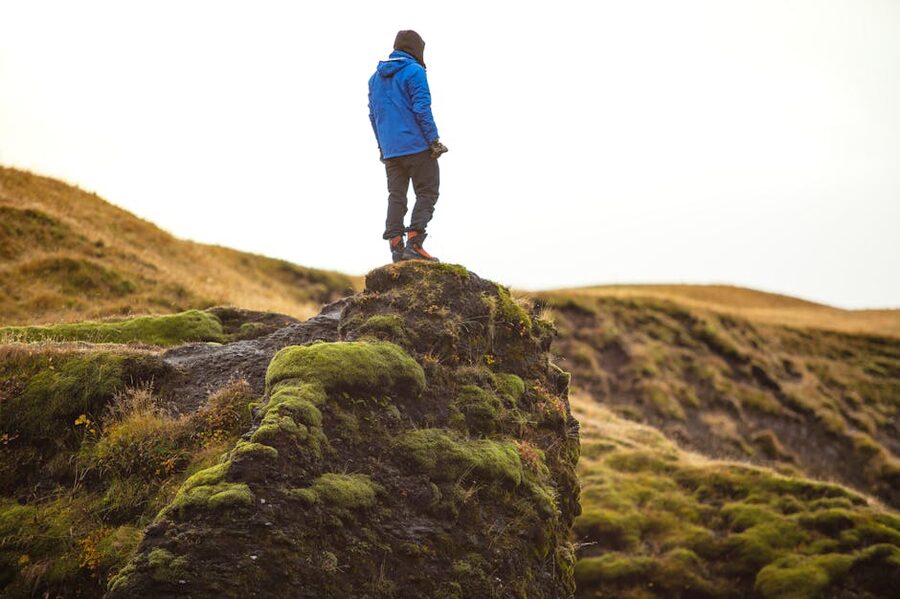
Waterproof, ankle-high hiking boots are the one piece of kit nobody regrets packing. Even if your trip is “just sightseeing”, you will end up on a wet basalt path at Skogafoss, a soggy field at Thingvellir, or a mud track at Reynisfjara, and trainers will be soaked within an hour. Salomon, Merrell, Lowa, and Keen all make boots that survive the lava grit. Vasque too. Brand matters less than fit; spend an afternoon in an outdoor shop walking on the ramp before you commit.
One ironclad rule: do not pack new boots. Break them in for at least a week of walking before you fly. New boots plus a wet hiking trail equals blisters by lunchtime, and there is no fixing that mid-trip. If you’re tight on time, even ten miles of walking around your home neighbourhood is better than zero.
You also want a second pair of shoes for town. Lightweight trainers or comfortable walking shoes for evenings, restaurants, and the morning walk to the bakery. Then a pair of cheap flip-flops or sliders for the hot pool changing rooms, where everyone uses them and the floors are slippery.
For winter, the boots question changes a bit. If you’re doing a glacier hike or an ice cave, the operator will provide crampons that strap to your existing hiking boots, so the same boots work. For long walks in deep snow up north or in the Highlands you’d want insulated winter boots, but for a standard winter Iceland trip your three-season hiking boots plus thick wool socks plus microspikes will handle everything.
Microspikes for winter pavements (the most-skipped item)
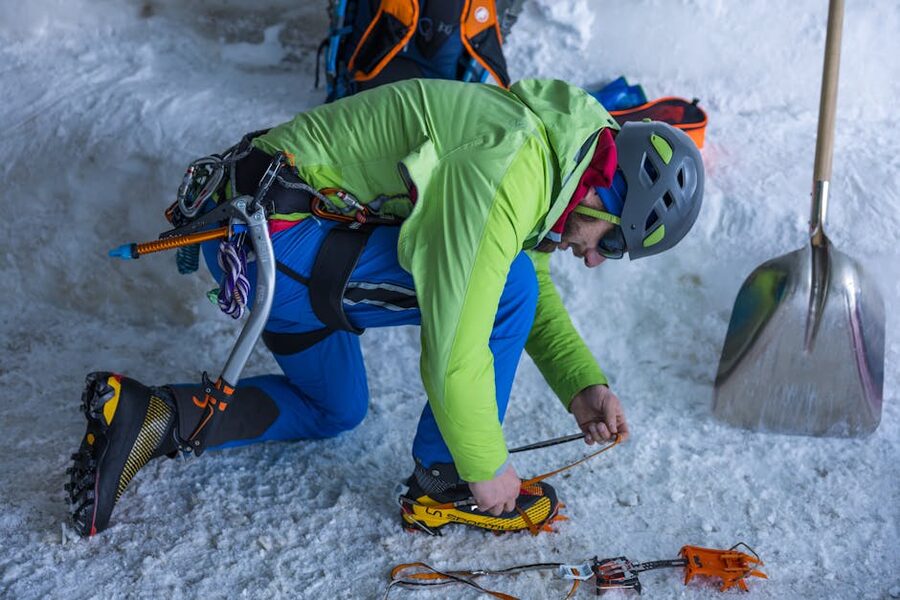
This is the single most-overlooked piece of winter kit. Reykjavik footpaths and parking lots can ice over solid in January and February, especially after a freeze-thaw cycle, and you’ll watch tourists in trainers go down hard within five minutes of leaving the hotel. Microspikes solve it.
The brand to know is Kahtoola MICROspikes. They cost around 70 USD, weigh nothing, fold flat into a small pouch, and pull over your hiking boot in twenty seconds. Twelve stainless-steel spikes per foot, real grip on glaze ice. Yaktrax (the steel-coil version) is the budget alternative, easier to find at a sporting goods store and adequate for sidewalks but not as good on actual ice. For one winter trip either works. For repeat visitors, get the Kahtoola.
For socks: pack five to seven pairs of merino wool socks. Smartwool and Darn Tough are the standards. Skip cotton socks entirely; they hold sweat, blister your feet, and never dry. One spare pair of socks lives in my day bag every day in Iceland because wet feet ruin an afternoon faster than anything.
Hands and head: gloves, hat, buff, hand warmers

The standard winter setup is a wool inner glove plus a waterproof shell mitten or glove on top. The inner is for dexterity (camera buttons, phone screen, locking the rental car), the outer for warmth and weather. Pack two pairs of inner gloves so a wet set can dry overnight. For summer, one pair of light gloves and a buff is enough, you’ll use them in early morning, on a glacier hike, or any windy ridge.
A warm hat or beanie that fits under a helmet (in case of glacier or ice cave tour) is the other essential. Merino or wool, no novelty pompoms that catch on harness straps. A buff or neck gaiter is the unsung hero, pulls up over your nose in horizontal sleet, lives around your neck the rest of the time, weighs nothing.
For deep winter, throw a packet of disposable hand warmers in the side pocket of your jacket. HotHands is the standard brand, eight to ten hours of warmth per pair, around 1 USD each. Two pairs in your gloves on an aurora night make the difference between staying out for the show and giving up after an hour.
Swim gear, because Iceland runs on hot water
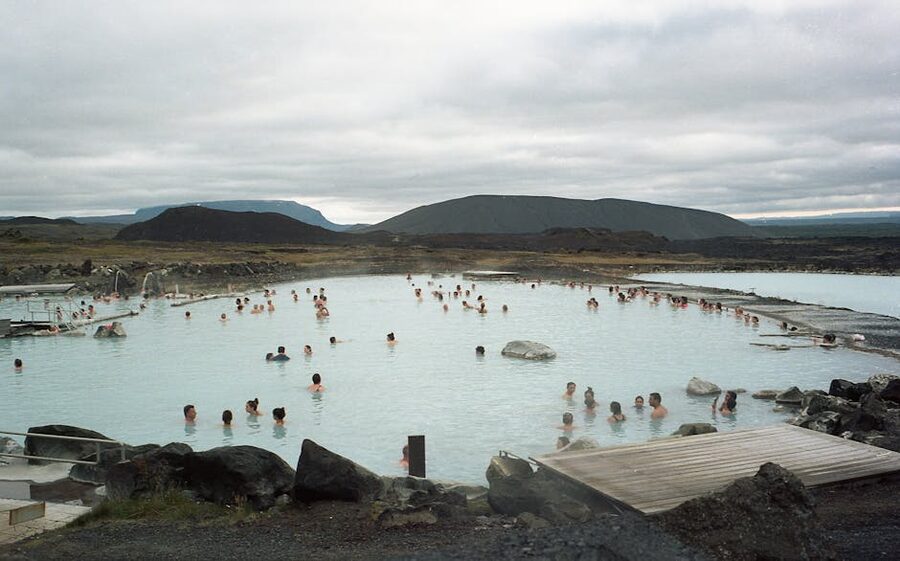
Pack a swimsuit. Then pack another one if you have one. Iceland runs on geothermal water and there is barely a town in the country without a heated public pool, plus the famous spa lagoons and the wild river soaks like Reykjadalur. The full options are in our hot springs guide, but every one of them expects you to bring your own swimsuit.
For Reykjavik public pools (Laugardalslaug, Vesturbaejarlaug, Sundholl), you don’t need anything fancy. Cheap swim trunks or a one-piece is fine. Cost is around 1,200 ISK entry, which is one of the best deals in the country. For the wild and rural soaks, Reykjadalur, Hrunalaug, Landmannalaugar, you need a quick-dry travel towel because there are no facility towels.
One Blue Lagoon-specific tip that’s saved a lot of hair: bring a deep conditioner and slather it through your hair before you get in. The silica is brutal on long hair and turns it into straw if you don’t. The Blue Lagoon and Sky Lagoon both provide basic conditioner in the showers; bring your own if you care.
For wild hot springs: quick-dry towel and flip-flops
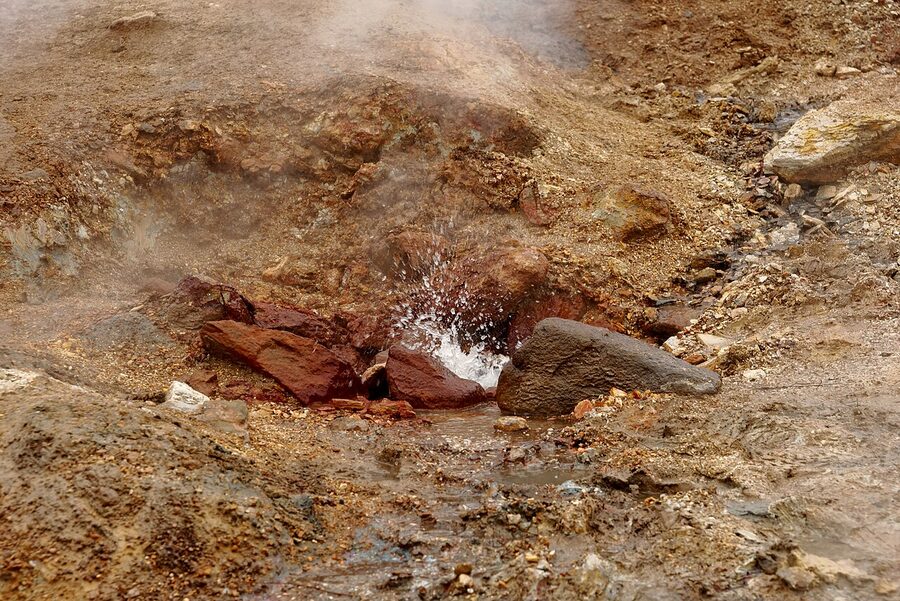
For Reykjadalur specifically, the hot river above Hveragerdi: you hike forty-five minutes uphill, change behind a wooden screen with no roof, soak in a river the temperature of a hot bath, then change back and walk down in whatever you came up in. The towel and flip-flops in your day pack are non-negotiable. Without them you’re putting wet feet back into hiking boots for a forty-five-minute walk down to the car park, and you’ll be cold the whole way.
Camera kit, especially for aurora
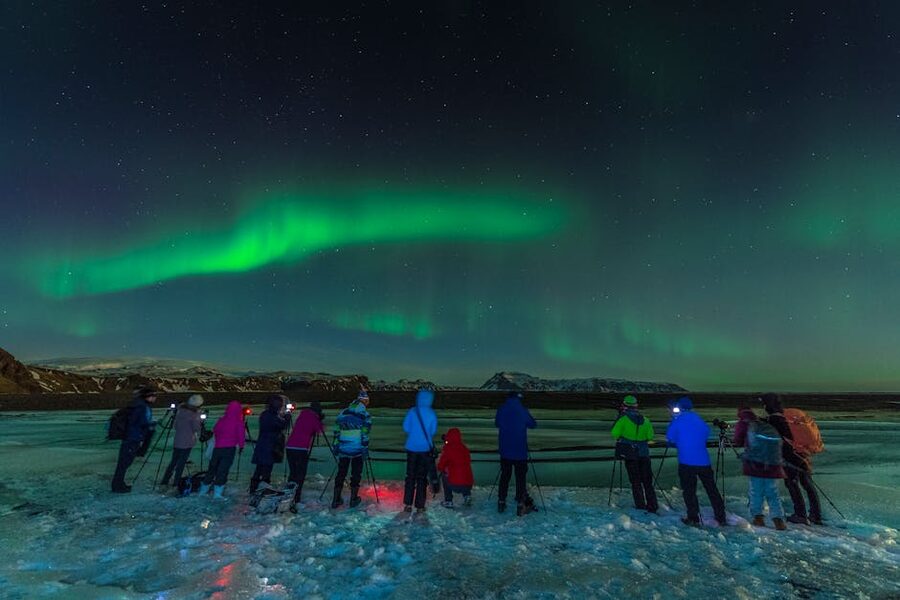
You don’t need a top-end camera for Iceland, but you do need one with manual mode if you’re chasing aurora. Any DSLR or mirrorless from the last decade with ISO 1600+, manual exposure, and a tripod mount handles the northern lights. A wide-angle lens (14-24mm or similar) is the right glass, wide enough to get the whole sky in the frame, fast enough (f/2.8 or wider) to gather light without grain.
The aurora forecast piece (how to read the forecast) and the northern lights guide walk through the actual hunt. The packing-list version is this: phone cameras are getting good but still aren’t there for aurora yet. The iPhone 15 Pro and Pixel 8 Pro can fake it in their night modes, but a proper camera with a 5 to 10 second exposure beats them every time.
The tripod is non-negotiable
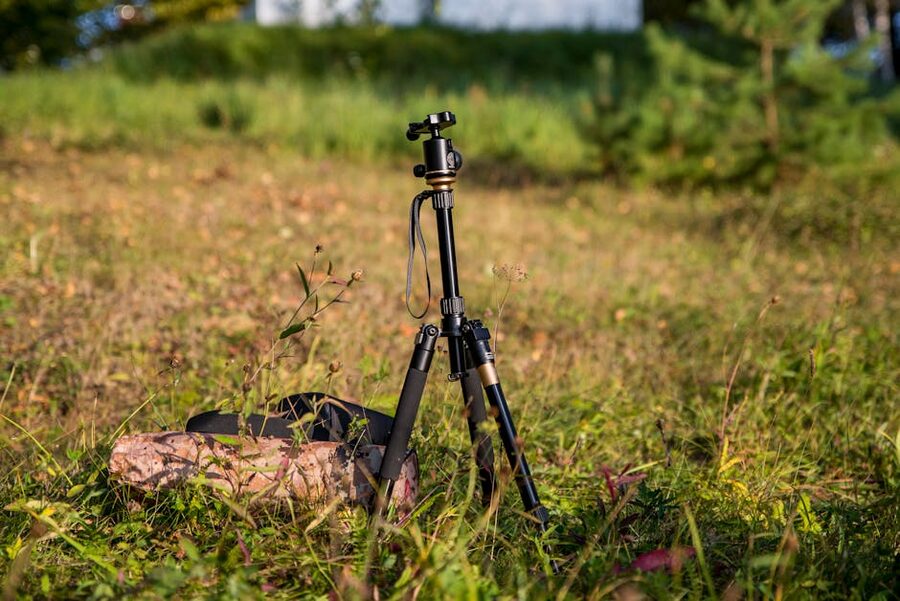
Carbon-fibre tripods like the Manfrotto Befree or a Peak Design Travel Tripod fold to about 40 cm and weigh under 1.5 kg. They cost more than the aluminium versions but they’re worth it on the hike to a viewpoint. If you’re flying with a tripod, check it in the hold, most airlines won’t let you carry one in the cabin.
Spare batteries: pack at least two. Lithium-ion cells lose capacity fast in the cold, and an aurora night that’s nominally minus three feels like minus eight on the camera. Keep spares in an inside jacket pocket, body-warm. Microfibre lens cloths for snow and salt spray. Memory cards twice what you think you need, because Iceland is the trip where you’ll come back with two thousand photos.
For the rest of the trip, a phone in a waterproof case (or just inside a Ziploc) handles most of it. The waterproof case matters at Skogafoss, Seljalandsfoss, Gullfoss, anywhere the spray reaches. Don’t ask me how I know.
Tech: power bank, adapters, and the cigarette-lighter trick
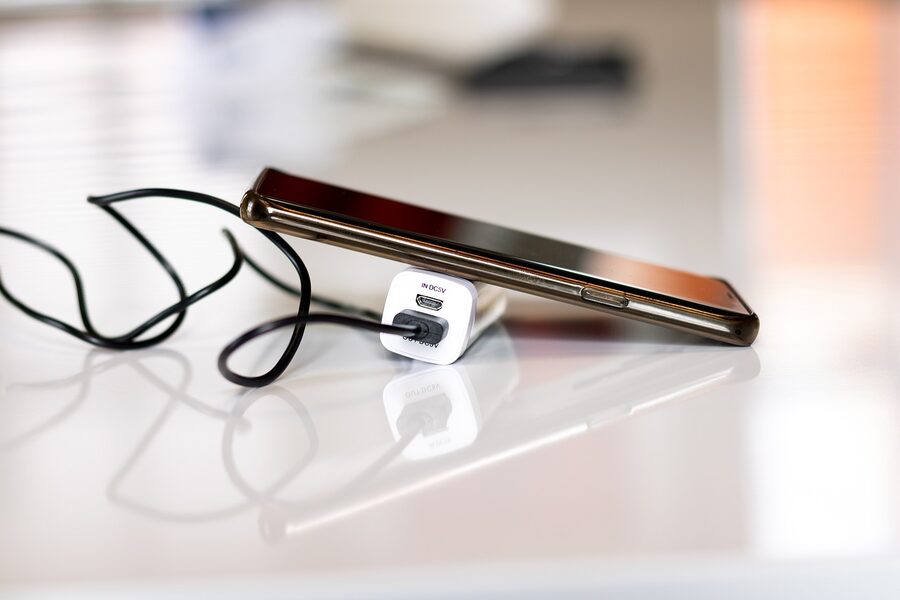
A 10,000 mAh power bank is the right size. Anker, RAVPower, or any reputable brand. Long Iceland days drain phones fast: GPS for the rental car, weather updates from vedur.is, the road.is conditions check, photos, video, and aurora alerts at 11pm. Without a power bank you’ll be down to ten percent by 5pm and rationing for the rest of the night.
Plug type: Iceland uses Type C and Type F (the two-round-pin European standard) at 230V. A universal travel adapter handles it. If you’re coming from the UK, US, or Australia you need an adapter. From mainland Europe you don’t.
The trick most travellers miss: a cigarette-lighter to USB adapter for the rental car. About 5 USD on Amazon, fits in your pocket, charges your phone and power bank during the long drives between stops. Some newer rentals already have USB ports built in but most don’t, and the older diesel campervans definitely don’t. This is the single best 5-dollar piece of kit you’ll bring.
Apple Pay and Google Pay work at every petrol station, restaurant, hotel, and tour operator in Iceland. You don’t need cash. The currency guide (króna, cards, and how to pay) has the full story; the short version is that contactless beats cash in the country that practically invented contactless payment.
Health and first-aid: the short list of what actually matters
Carry-on the medications, every time. Personal prescriptions and any controlled drug you need stays on your body, not in the suitcase you might never see again. Pack the prescription paperwork too if it’s anything stronger than over-the-counter.
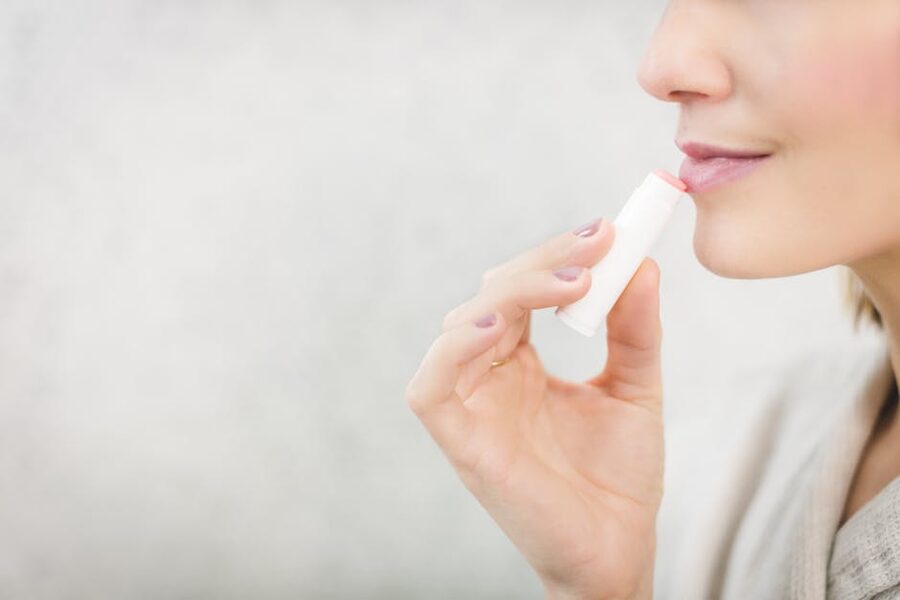
The Iceland-specific items: lip balm and a small moisturiser, because wind plus salt plus low humidity will wreck your face by day two. SPF 30+ sunscreen, even in winter, because UV reflects off snow and ice and you’ll burn faster than you’d guess. Sunglasses for the same reason, glacier glare in spring is genuinely painful and you can get snow blindness on a clear March day at altitude.
Plain pain relievers (paracetamol or ibuprofen) for the first hangover after a Reykjavik bar crawl, and Dramamine or another anti-motion drug if you’re going whale-watching, on a small boat to the Westman Islands, or driving the bumpier glacier roads. Earplugs if you’re staying in city-centre hostels or you camp; foam or silicone, your choice. The pharmacy chain is Lyfja, with branches in every town, but the prices are Icelandic prices, so bring what you can from home.
Iceland-specific items most travellers forget
This is the section to read twice. These are the items I see travellers wishing they’d packed, every single trip, and almost none of them appear on a generic packing list.
Sleep mask (summer only)
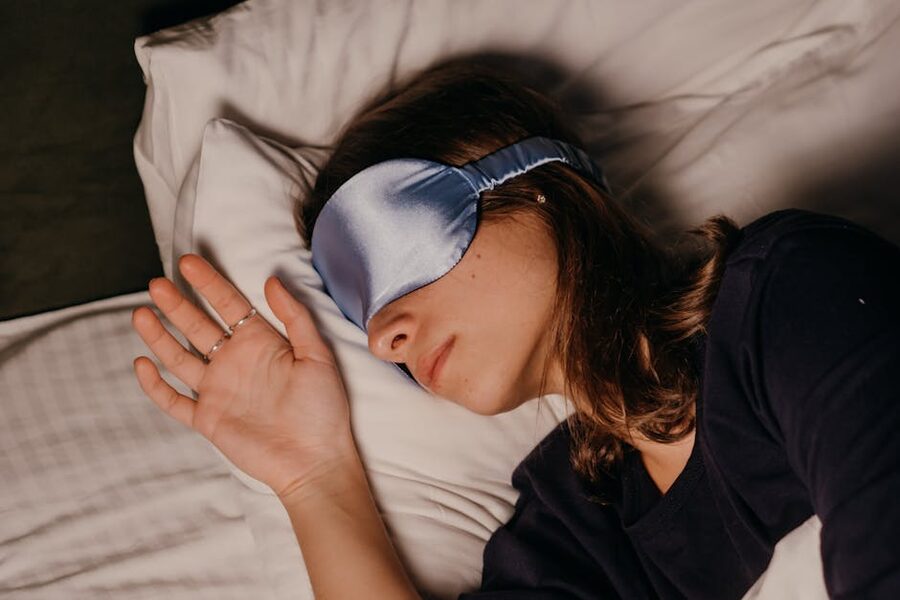
Iceland in June and early July has functionally no night. The sun dips toward the horizon around midnight and pops back up two hours later, and the sky in between is never truly dark. Hotel and guesthouse blackout curtains help but rarely make it pitch black. Without a sleep mask you’ll wake at 3am, look at the bright ceiling, and wonder if you slept at all. With one, you’ll sleep through. The full story is in the midnight sun guide.
Quick-dry travel towel
For the wild hot springs and any pool where you don’t want to pay 1,200 ISK to rent the facility one. Sea to Summit DryLite is the standard. Roll it small, dries in twenty minutes.
Reusable water bottle (the country has the best tap water in the world)
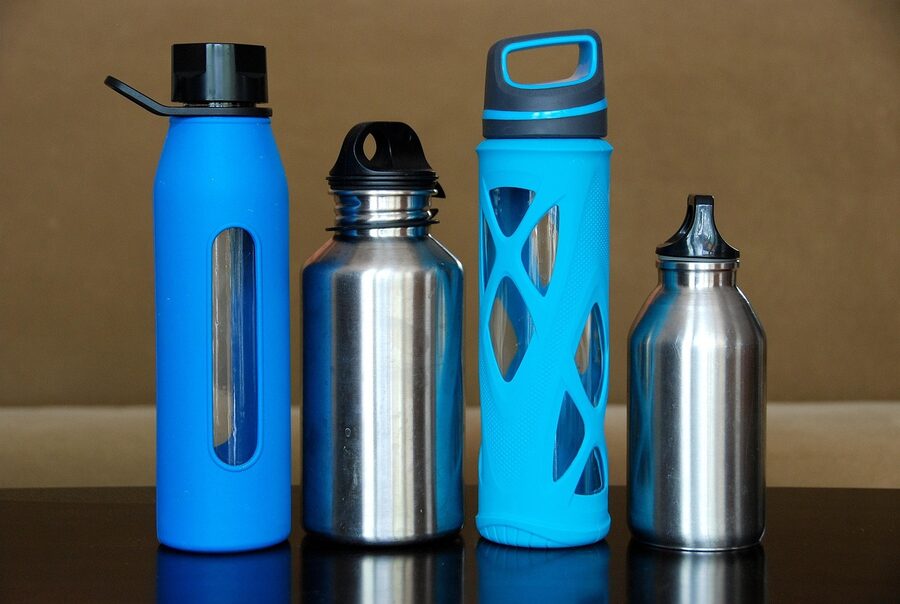
Buying bottled water in Iceland is a tax on tourists who don’t know any better. The tap water is glacier-fed, unchlorinated, and ranks among the best in the world by every blind test that’s been done. A 1-litre stainless or BPA-free plastic bottle in your day pack saves you 400-500 ISK a day and keeps a small pile of plastic out of the bins.
One quirk: hot tap water in Iceland often smells slightly sulphurous because most of it comes from geothermal sources. It’s harmless but noticeable. Use the cold tap for drinking and the hot for the dishes.
Plastic bags or dry bags
Three or four heavy-duty plastic bags or roll-top dry bags for wet gear, dirty boots after a glacier hike, swimsuits between the lagoon and the apartment. Old supermarket bags work fine. Dry bags are nicer but not required.
Snacks for the Ring Road
The petrol stations on Route 1 (N1, Olis, Orkan) sell the standard convenience-store fare, but they’re spaced out and prices are roughly double what you’d pay at Bónus. Buy a bag of crackers, fruit, cheese, and chocolate at any Bónus before a long drive day. The drive between Vík and Höfn alone is four hours with one petrol station in the middle.
For specific activities, the kit you actually need
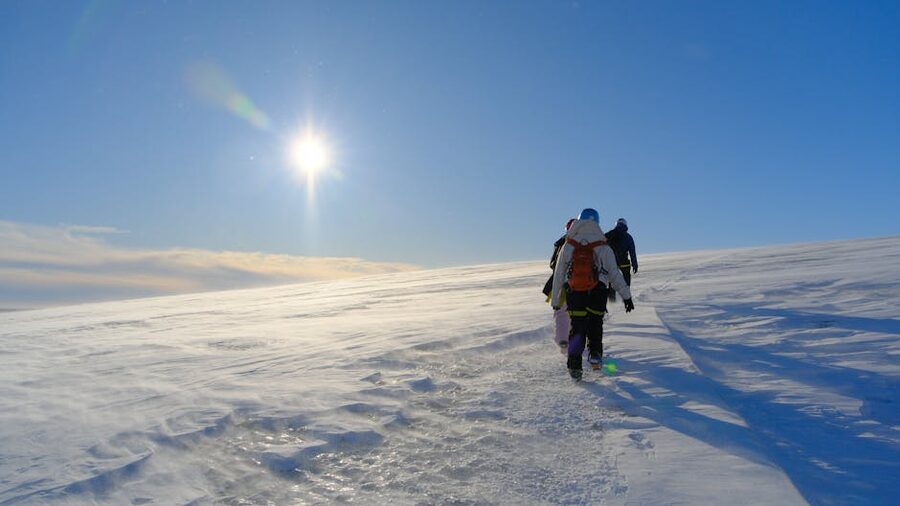
Iceland’s headline activities mostly run through tour operators, and the operator usually provides the specialist kit. What you need to bring is the layers underneath, plus a few specific extras.
Glacier hike
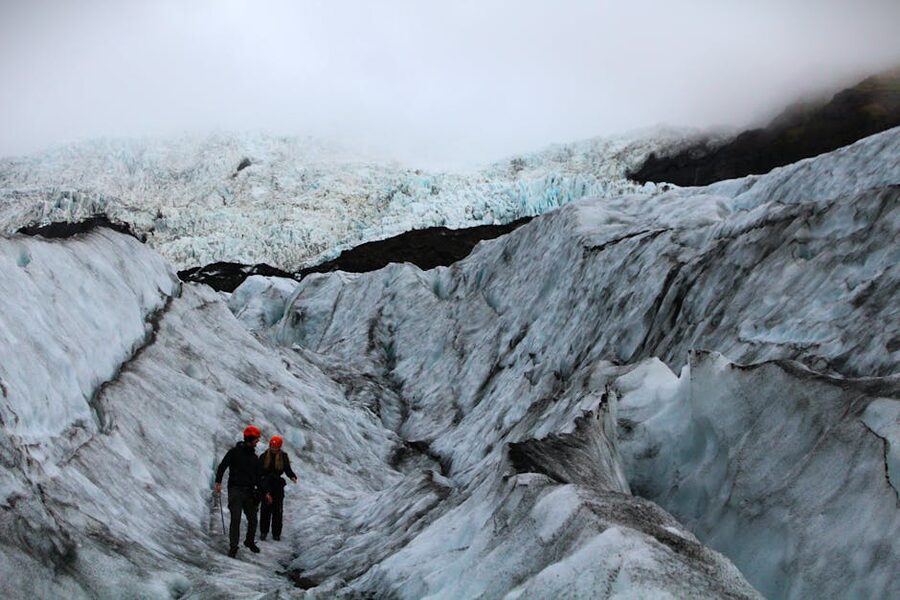
The full story is in the glacier hike guide. The packing version: hiking boots (operator supplies the crampons that strap on), merino base layers, fleece mid layer, waterproof shell, gloves, hat, sunglasses, water bottle, snack. Glacier glare can sunburn the underside of your nose where the sun reflects up, bring sunscreen even on a cloudy day. Operators include Mountain Guides (mountainguides.is), Glacier Adventure (glacieradventure.is), and Troll Expeditions (troll.is).
Ice cave
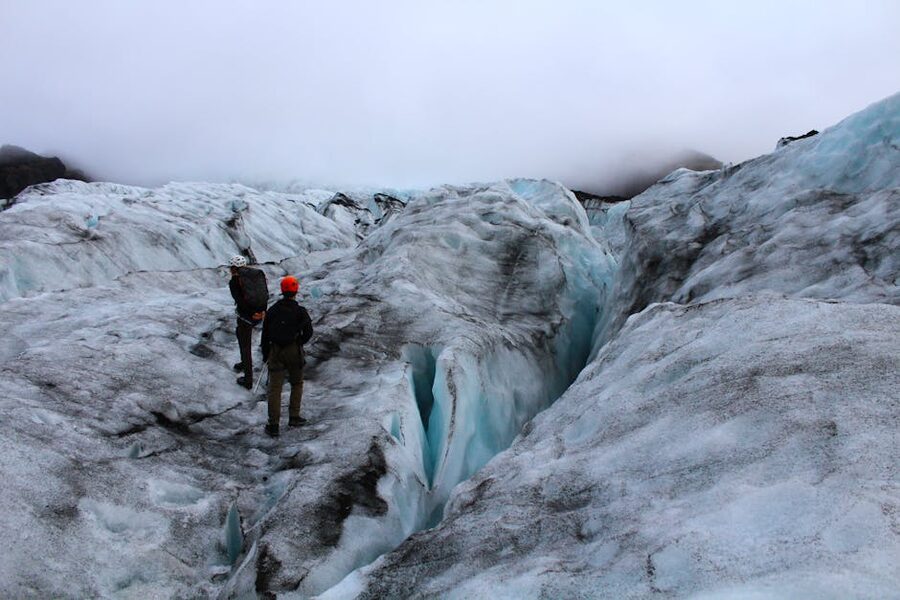
Same kit as a glacier hike but you stand still for photos a lot, so layer warmer underneath. Add a packable down jacket if you have one. Headlamp is sometimes provided, sometimes not, bring your own small one to be safe. The ice cave guide covers the season and operator picks.
Snowmobile or super-jeep
Operator provides the snowsuit, helmet, balaclava, and gloves. You wear your hiking boots underneath plus warm base layers. Bring sunglasses or ski goggles if you have them, the operator’s goggles are basic and fog easily.
Whale watching
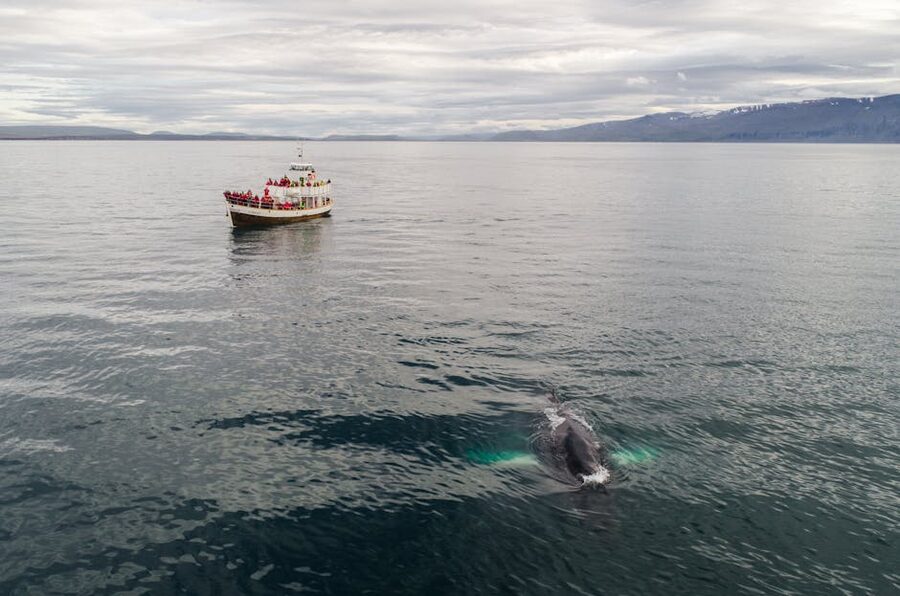
The boat operators (Elding in Reykjavik, North Sailing and Gentle Giants in Húsavík) hand out warm flotation suits at the dock. Wear your normal layers underneath, and bring Dramamine if you suffer at all from motion sickness. The full story is in the whale-watching guide. Camera with a long lens if you have one (200mm+); the whales surface for seconds at a time.
Hot pools and lagoons
Swimsuit, quick-dry towel, flip-flops or sliders, hair conditioner if you have long hair, and a Ziploc bag for the wet swimsuit on the way home. That’s the entire kit.
Camping
If you’re renting a campervan or tent, a sleeping bag rated to at least 0°C is the minimum for summer; 5°C if you’re sleeping in a heated van. The campervan guide (how to campervan Iceland) covers gear in detail. Most rental companies include sleeping bags and an inflatable mat in the package.
What not to pack (and what to leave behind)
A short list of items that take up suitcase space and never get used:
- A heavy bulky cotton sweater. Wet cotton in Icelandic wind is colder than no sweater at all. Use a fleece or a wool jumper.
- Stilettos, dress shoes, anything with a slim sole. You will not wear them. Even in Reykjavik nightlife, women wear boots and change into heels at the venue if they bother. The pavements are uneven and often icy or wet.
- A folding umbrella. Inverted on Bankastraeti in less than a minute. Use the hood on your jacket.
- Lots of cash. Iceland is a contactless-first country. Bring a card; cash is for emergencies. The currency guide has the full story.
- Bottled water. Tap is among the best in the world, see above.
- Brand-new hiking boots. Break them in for at least a week of walking before you fly.
- A second expensive camera body. You’re carrying enough already; a phone backs up perfectly well.
- A hairdryer. Every guesthouse and hotel has one.
- Hand luggage on a budget airline weighed down with boots and tripod. If you’re flying Play or a low-cost carrier, weigh the bag at home.
Packing strategy: one main bag, one day pack
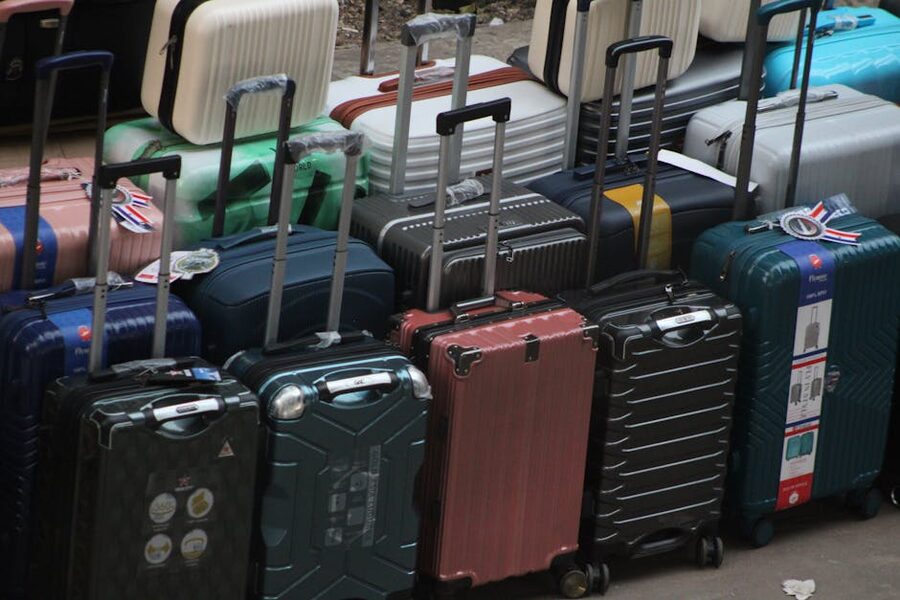
For a week on the Ring Road, a 60-litre wheeled duffel or a 60-litre travel backpack plus a 25-30 litre day pack is the right size. Not a 90-litre suitcase. You’re driving most days, in and out of small guesthouse car parks and tight elevators in Reykjavik apartments, and the bigger bag fights you the entire trip.
Pack heavy at the bottom (boots, books, charger pile), fragile in the middle wrapped in soft layers, day-of clothes on top so you don’t dig. Roll T-shirts and underwear, fold trousers and shells. Stuff socks into boots. The tripod goes diagonally across the case if you’re checking it; carry-on if it’s small enough.
The day pack lives with you every day. Inside it: water bottle, snack, spare base layer top, lightweight rain pant, gloves, hat, sunglasses, lip balm, phone charger, power bank, microfibre lens cloth. In winter, hand warmers and microspikes too. That bag is the difference between being prepared and being uncomfortable.
Carry-on essentials, in case the hold bag goes missing
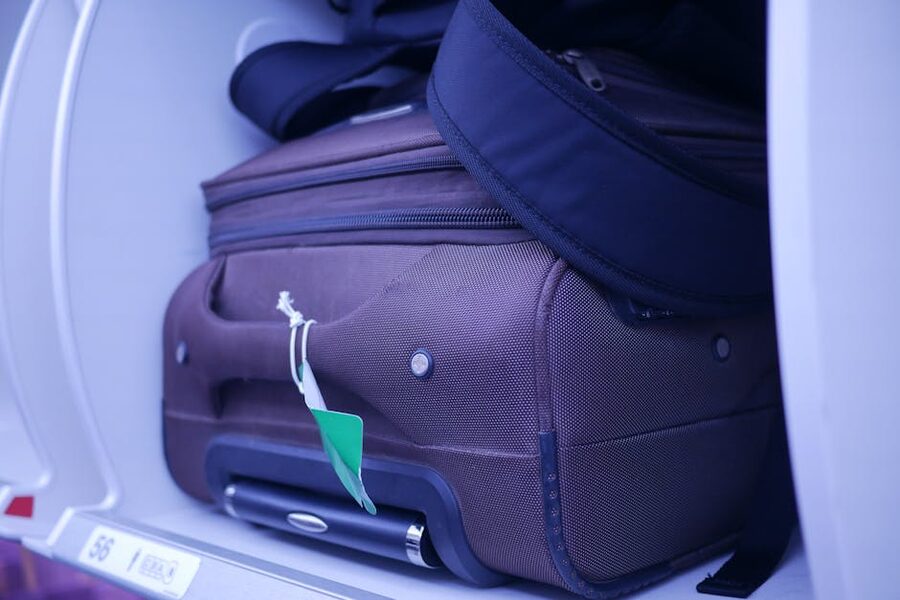
Hold luggage occasionally takes a detour, especially when you connect through Heathrow or Frankfurt. The carry-on insurance is straightforward:
- All medications, in their original packaging
- Camera body, lenses, memory cards, charger
- One full base layer set (top and bottoms)
- A pair of underwear and socks
- Your waterproof shell, wear it on the plane if it doesn’t fit in the bag
- Phone charger, power bank, travel adapter
- Your printed booking confirmations and a passport copy
- Anything irreplaceable
If your bag goes missing, you can survive twenty-four hours in Reykjavik on this kit. Most hold bags reappear within forty-eight hours; Icelandair and Play both have decent track records on baggage delivery to your hotel.
Buying gear in Iceland: lopapeysa, 66°North, Bónus
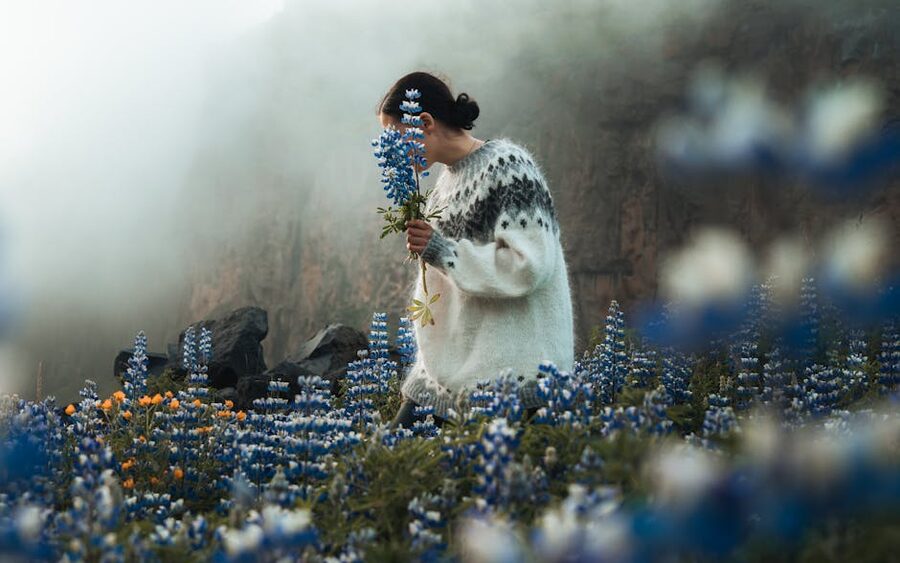
If you forgot something or you’d rather buy local, here’s what’s worth buying in Iceland and where.
Lopapeysa wool sweater. The classic souvenir. Genuine handknit ones at the Handknitting Association of Iceland, Skólavörðustígur 19, run 30,000 to 50,000 ISK. Each is signed by the knitter on the inside label. The Bónus supermarket chain stocks machine-knit versions for around 8,000 to 12,000 ISK if you want the look without the price. Either is a legitimate souvenir.
Outer shell or fleece. 66°North flagship at Laugavegur 17-19, with another shop at Skólavörðustígur 12. Cintamani down on Bankastraeti. Both are properly Icelandic, both make gear that survives the local weather, prices roughly UK level. Tax-free shopping refund knocks roughly 14 to 15 percent off the sticker price if you’re a non-EU resident, see the currency and tax-free guide for how the refund works at Keflavík.
Hiking gear, wool socks, technical layers. Útilíf is the local outdoor chain, with branches at Smáralind and Kringlan shopping centres just outside central Reykjavik. Prices are roughly EU level, selection is decent.
Snacks and basic toiletries. Bónus (yellow pig logo) is the cheap supermarket. Krónan is the second cheapest. Hagkaup is the upmarket version. The petrol stations stock basics but at double the price.
Flip-flops, swim goggles, basic stuff. Hagkaup or any of the larger Bónus branches. Don’t pay tourist-shop prices on Laugavegur for the basic stuff.
Sample packing lists by trip type
Four versions of the packing list, depending on what kind of trip you’re doing. Each is what I’d actually pack myself for that trip.
Summer Reykjavik long weekend (3 to 4 days)
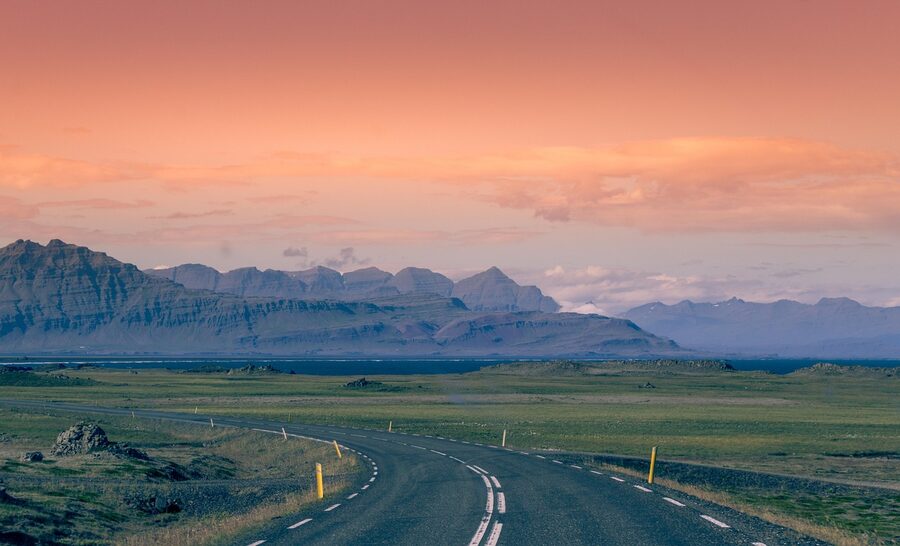
Three or four base-layer tops, two pairs of hiking trousers, one pair of jeans for evening, one fleece, one waterproof shell, one pair of light gloves, swimsuit, quick-dry towel, hiking boots and one pair of casual shoes, sleep mask, sunglasses, sunscreen, lip balm, camera, power bank, charger, adapter, water bottle. Whole thing fits in a 40-litre bag.
Summer Ring Road (7 to 10 days)
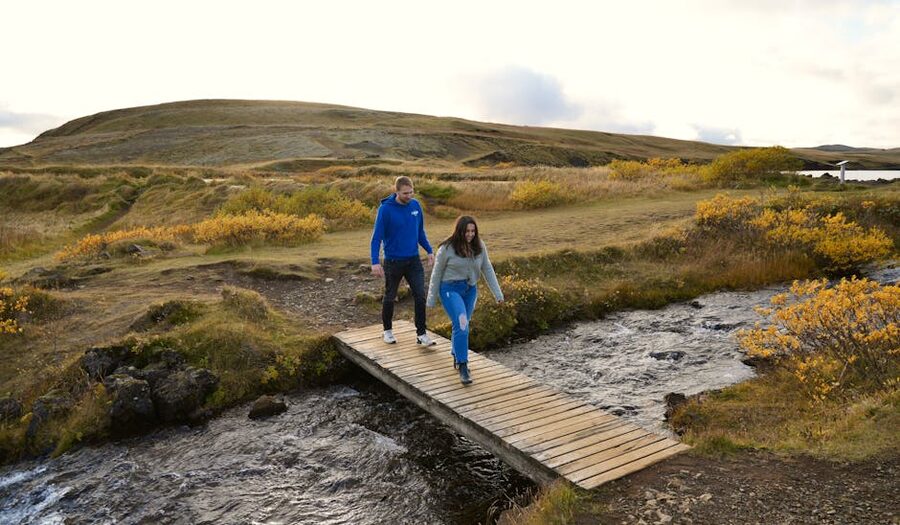
Five base-layer tops, two hiking trousers plus one jeans, two mid layers (one fleece, one wool jumper or down vest), one waterproof shell, waterproof rain pants, light gloves, beanie, swimsuit, quick-dry towel, flip-flops, hiking boots, town shoes, five to seven pairs of merino socks. Plus the full camera kit if you’re shooting (tripod, two batteries, two memory cards), sleep mask, earplugs, lip balm, sunscreen, Dramamine, snacks, plastic bags for wet gear. 60-litre bag plus 25-litre day pack.
Winter Reykjavik long weekend (3 to 4 days)
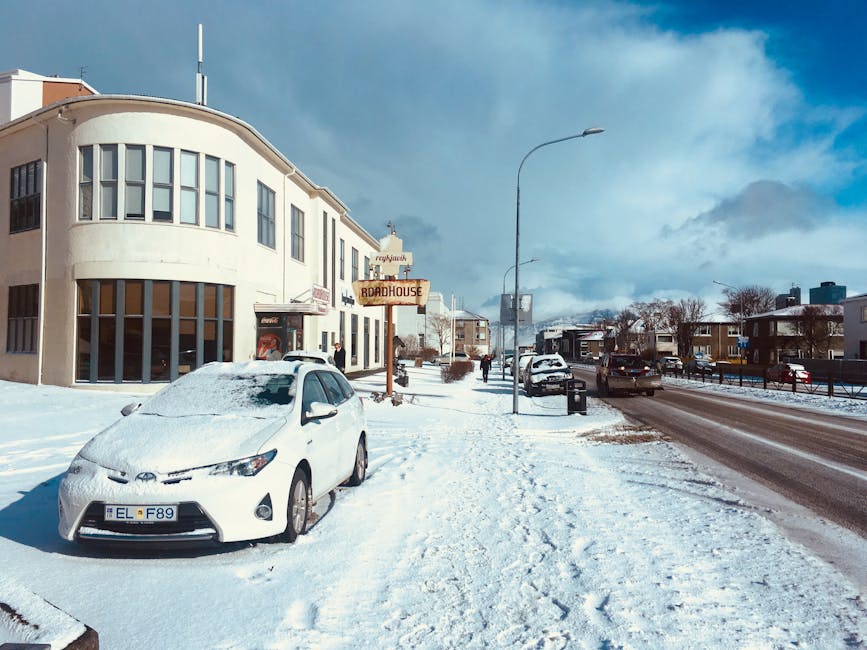
Three or four warm base layers (200gsm merino), one fleece, one packable down vest or insulated mid layer, waterproof shell, wool leggings under hiking trousers, hat, two pairs of gloves (inner + outer), buff, hiking boots with good tread, town boots that grip, swimsuit and towel for the public pool, microspikes, hand warmers, lip balm, sunscreen (yes, even in January), sunglasses, camera plus tripod if shooting aurora. 50-litre bag.
Winter Ring Road (7 to 10 days)
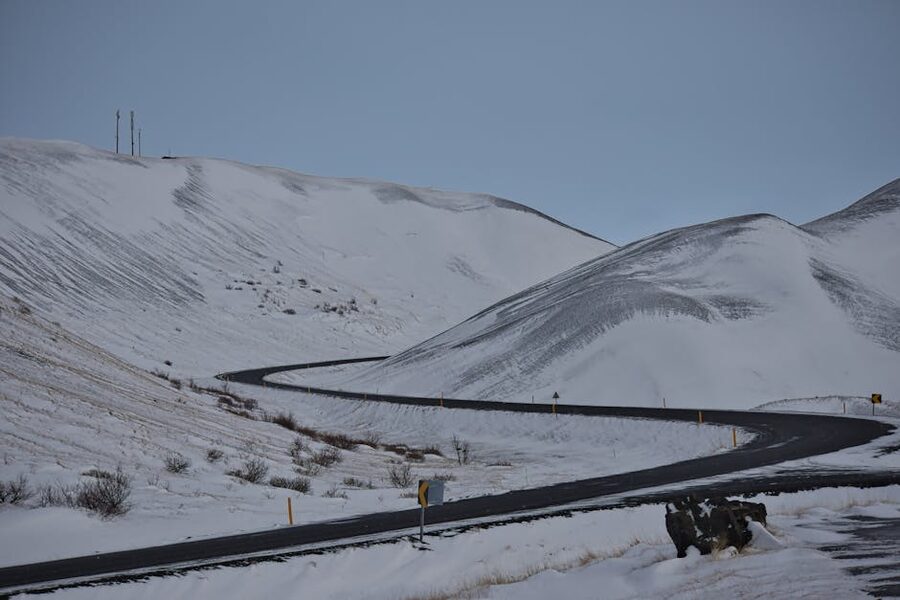
The full kit. Four to five 200gsm merino base layers, two fleeces or one fleece and one packable down jacket, waterproof and windproof shell, waterproof outer pants, wool leggings, two hiking trousers, beanie, two sets of gloves, buff, balaclava if you have one, properly waterproof winter hiking boots, town boots, microspikes, hand warmers (a dozen pairs), seven to ten pairs of merino socks, swimsuit and towel, full camera kit including tripod, two spare camera batteries, headlamp for early mornings and aurora hunts, snacks, water bottle, plastic bags for wet gear, plus all the standard toiletries and medications. 70 to 80 litres total.
Closing thoughts
Iceland packing isn’t about volume, it’s about choosing the right pieces. Wool not cotton. A real waterproof shell, not a fashion jacket. Hiking boots that already fit your feet. A swimsuit. Microspikes if you’re coming in winter, a sleep mask if you’re coming in summer. The basic camera kit if you’re chasing aurora. A power bank because the day is long. A reusable bottle because the tap water is the best in the world.
Þetta reddast, as we say. It works out. Pack with these bones in place and the country will feel a lot less unpredictable than the forums make out. Worst case, you missed something and you can buy it at Útilíf or 66°North on day one. The country won’t catch you cold if your kit is right.
For the trip-planning side of things, the when-to-visit guide, the seven-day itinerary, and the full travel tips collection all live one click away. And if you’re booking day tours from Reykjavik to keep the rental days down, the GetYourGuide Iceland page is a decent starting point for the standard South Coast and Golden Circle days. Safe travels.