
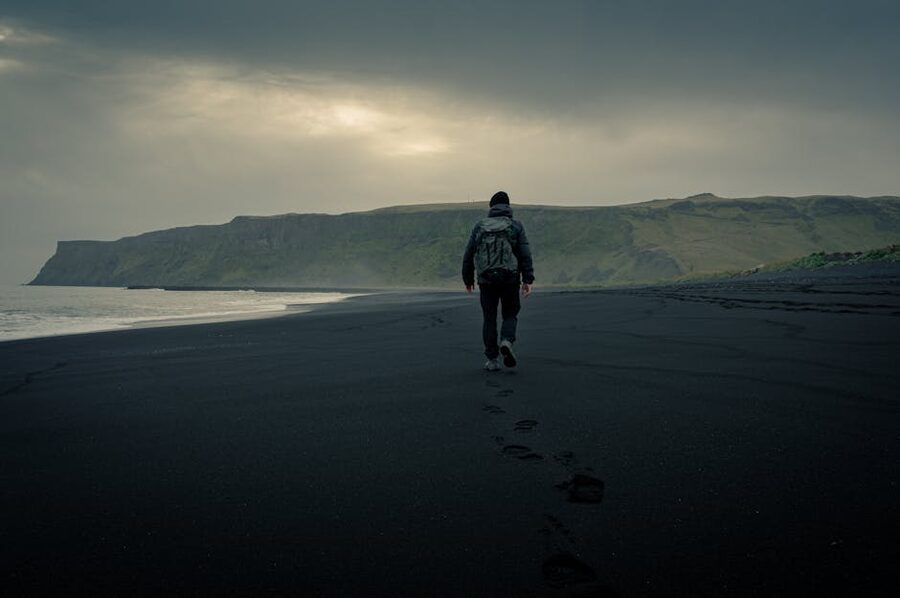
I tell every nervous first-time solo traveller the same thing. Pick Iceland. There is no easier place on earth to go alone. The crime rate is lower than the village I grew up in, the country has been #1 on the Global Peace Index every year since the index began in 2008, English fluency sits at around 98%, and the social glue of the place is a public swimming pool where strangers chat in 38°C water about football and the weather. You will be alone exactly as much as you choose to be.
Solo travel here doesn’t mean lonely. It means autonomy. You eat dinner at 18:00 because you want to, drive past the waterfall everyone stops at because the light is wrong, and double back the next morning when it’s right. Then you join eight other solo travellers on a Golden Circle bus and end up sharing a beer with two of them at Kaldi that evening. That’s the rhythm.
This guide is everything I’d tell a friend planning a first solo trip. Where to base, which hostels and hotels actually work for someone travelling alone, how to pick day tours that aren’t just for couples, what dinners cost when you’re paying for one, and the small stuff nobody mentions until you’re already here, like the fact that almost every conversation with a local starts in a swimming pool changing room. There’s a sample week-long itinerary at the end if you want one.
In This Article
- Why Iceland Just Works for Solo
- Where to Base Yourself
- Reykjavík (the obvious answer)
- Akureyri (the underrated alternative)
- Solo-Friendly Accommodation, By Type
- The classic hostels in 101 Reykjavík
- Single rooms and small hotels
- Out east and elsewhere
- Reykjavík Day Tours, Solo-Friendly Edition
- Big-coach bus tours (the cheapest option)
- Small-group minibus tours (the social sweet spot)
- Activity tours where you’ll meet people
- Hostel-organised group walks
- Eating Solo Without Burning Cash
- Cheap and beloved
- Hot dog stands, food halls, and supermarkets
- Tap water, alcohol, and the duty-free trick
- Reykjavík Nightlife, Going Out Alone
- The Pool Hot Pots Are the Real Social Hub
- Female Solo Travel in Iceland
- What It Costs (Real Numbers)
- Self-Drive Solo (Doable but Expensive)
- Solo Ring Road, the realistic version
- Solo and Aurora Hunting
- Solo Photography Trips
- Camping Solo
- What to Skip on a First Solo Trip
- The Practical Stuff
- SIM cards and connectivity
- Apps to install
- Power, plugs and a power bank
- Health and emergencies
- Tinder, dating and meeting locals
- A “What I’d Actually Do” 7-Day Solo Trip
- Other Things to Know Before You Go
- When to go
- What to pack
- Tipping
- Card vs cash
- The Things That Will Surprise You
- If You Only Read One Section, Read This
Why Iceland Just Works for Solo
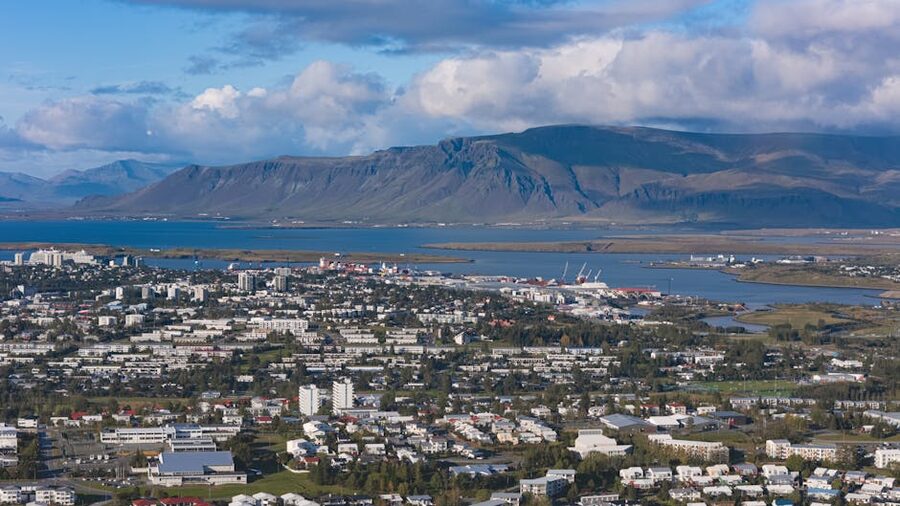
The numbers do most of the talking. Iceland has topped the Global Peace Index every year since 2008. The homicide rate is so low that single killings make national news for weeks. Police don’t carry guns. There is no army. The streets of central Reykjavík at 03:00 on a Saturday are the safest 03:00 streets I’ve walked in any capital, and I’ve spent time in a few.
Then there’s language. Around 98% of Icelanders speak English, and the under-40s speak it almost as a second native language. You will never hit a moment where you can’t ask for what you need. Menus are in English by default in Reykjavík, museum signage is bilingual, and when you call a guesthouse out east the owner answers in fluent English. This sounds boring until you’ve solo travelled somewhere that isn’t English-speaking and you remember how exhausting low-grade language friction is.
Iceland also ranks first on the World Economic Forum Global Gender Gap Report, and has done for 15 years running. In practice this means street harassment is essentially absent. I’ve asked plenty of solo women travellers about it. The consistent answer is that nobody catcalls, nobody follows you, and if a guy is being weird in a bar the staff move him along before you’ve finished thinking about whether to flag it. That’s not me romanticising the place. It’s just the social default.
The infrastructure is the third pillar. The country runs on tourism. The bus from KEF airport to Reykjavík is timed to flight arrivals, the hostels have shared kitchens and book-a-tour desks, and every guesthouse in the country knows how to send you on the day’s whale watching trip. The whole industry is built around independent travellers, which is exactly what solo means.
Where to Base Yourself
Reykjavík (the obvious answer)
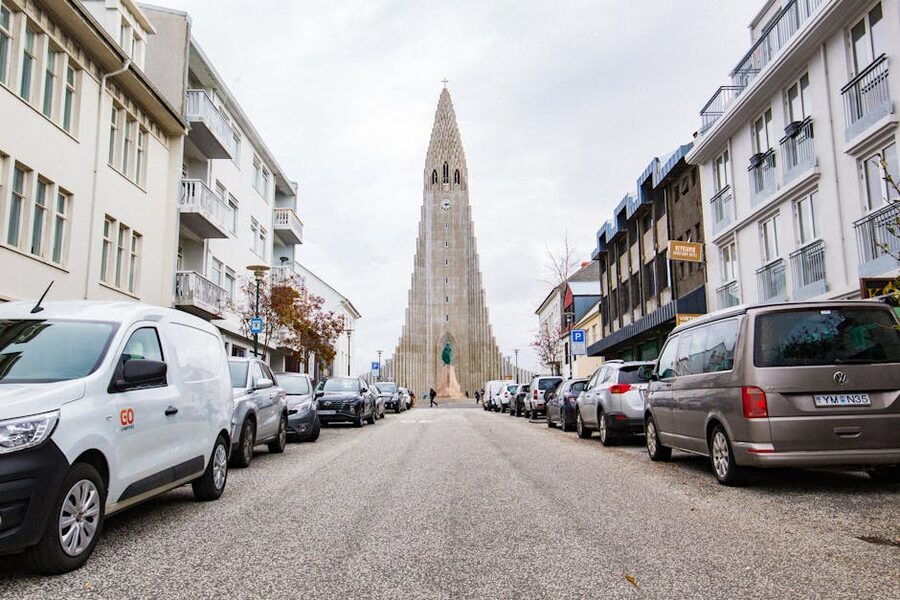
This is where 90% of solo trips start, and for good reason. The whole walkable centre is about 1.2 km across. From a bed in 101 Reykjavík you can be at Bæjarins Beztu hot dog stand in 10 minutes, the harbour in 12, Hallgrímskirkja in 15. Every major day tour picks up either at your accommodation or at a designated bus stop within a five-minute walk of central hostels.
The catch with Reykjavík hotels is single-occupancy pricing. Almost every hotel charges by the room, not the person, so a private room runs 25,000 to 45,000 ISK a night even if you’re alone in a double bed. This is where hostels and small guesthouses save serious money. More on specific picks in the next section.
Akureyri (the underrated alternative)
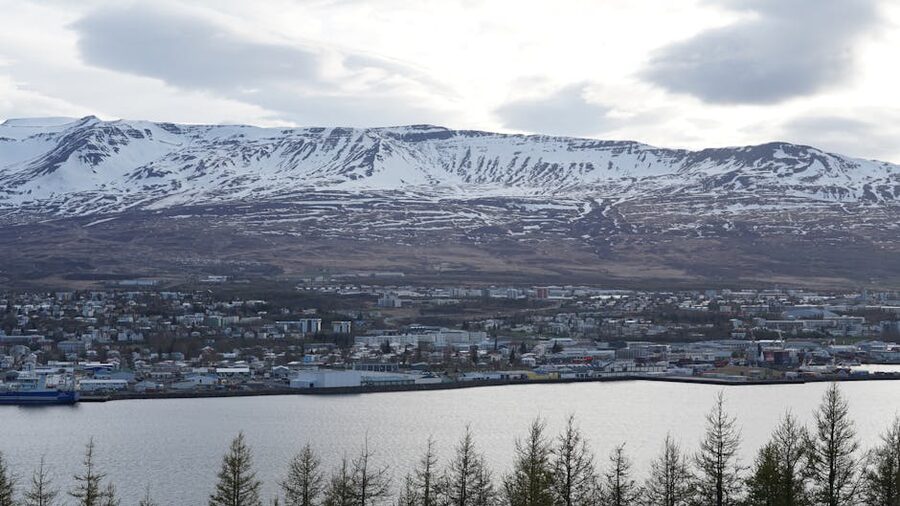
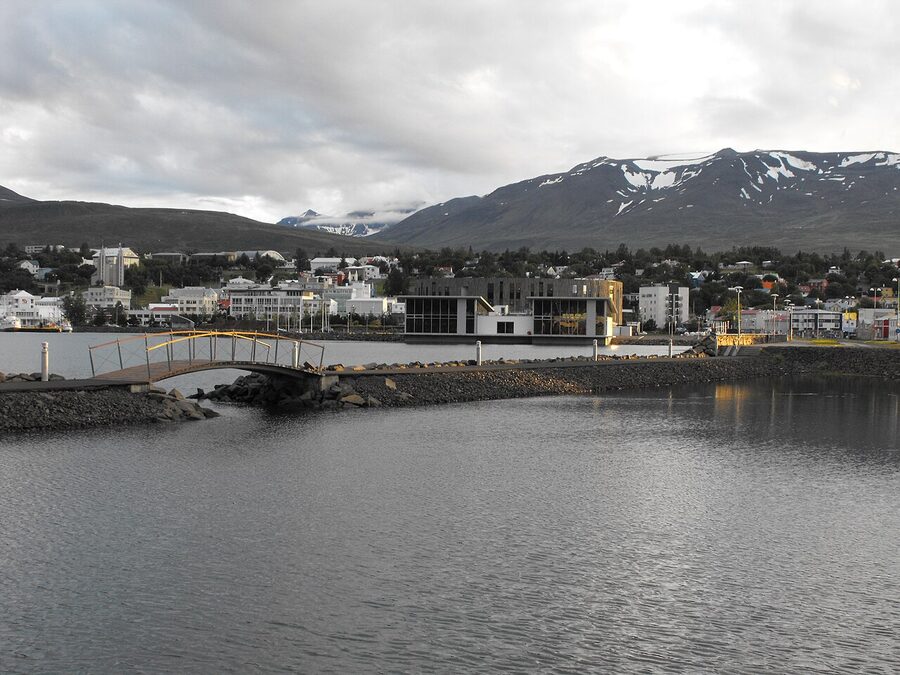
Iceland’s “second city” has a population of around 19,000, which gives you a sense of scale. It’s six hours by Strætó bus from Reykjavík, or 45 minutes by domestic flight from Reykjavík city airport (RKV, not Keflavík). Akureyri opens up the north, including Lake Mývatn, the Diamond Circle, Húsavík for whales, and the Tröllaskagi peninsula for skiing in winter.
For a first solo trip I wouldn’t necessarily base here, but as a second city for a 10-day trip it works beautifully. You can fly up, spend three or four days in the north, and either fly back or grab the bus down. The local hostel scene is small but social.
Solo-Friendly Accommodation, By Type
Solo travel economics in Iceland are brutal if you book hotels. A double room is typically the same price whether one or two people sleep in it, which means you’re paying full rate for half the bed. Hostels solve this. So do guesthouses with shared bathrooms, which often have small single rooms in the 12,000 to 18,000 ISK range that hotels simply don’t offer.
The classic hostels in 101 Reykjavík
I’ve stayed at all four of the picks below across different trips. They’re all currently operating as of spring 2026.
Kex Hostel sits on Skúlagata, a 12-minute walk east of the centre, in a converted biscuit factory (the name kex means biscuit). The communal bar and restaurant is open to the public and pulls in locals as well as guests, which makes it one of the easier places to actually meet people. Live music most weekends, free yoga some weeks, dorm beds typically 6,500 to 9,500 ISK depending on season. Direct booking on kexhostel.is or check rates on Booking.com.
Loft HI Hostel is the sister hostel to the HI network, on Bankastræti right at the top of the main shopping street. It won Best Hostel in Iceland at the Hoscars in 2026, which it deserves. The rooftop terrace and cafe are a magnet for solo travellers writing postcards and quietly recruiting bus-tour buddies. Around 7,000 to 10,000 ISK for a dorm bed. lofthihostel.is for direct booking, or via Booking.com.
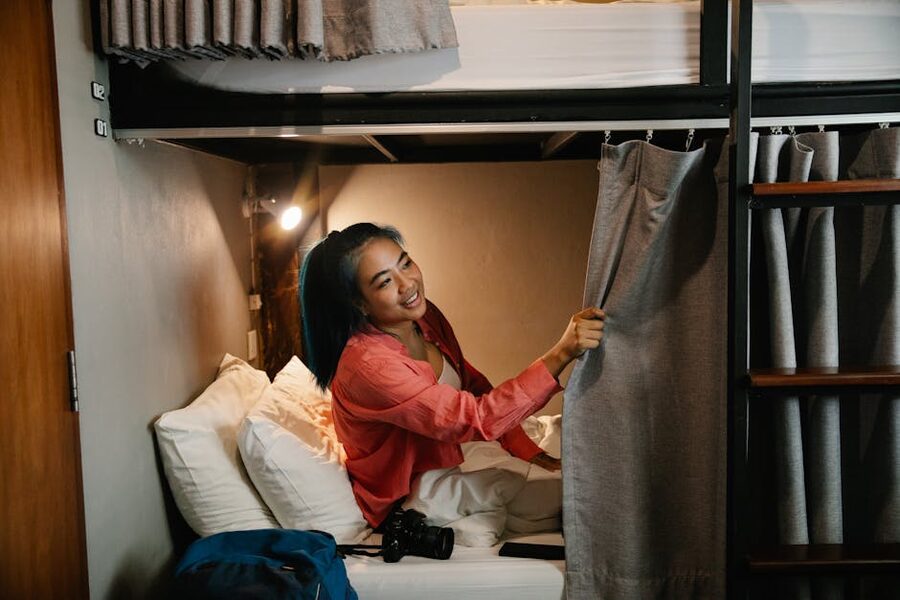
Galaxy Pod Hostel on Laugavegur went through a long renovation and reopened in 2024. Each “pod” is essentially a private capsule with a curtain, a light, a fan, USB power and a small mirror. You get the privacy of a hotel for the price of a hostel dorm, around 9,000 to 14,000 ISK. Booking direct via galaxypodhostel.is is usually best.
Bus Hostel Reykjavík is a slightly different vibe. Out by the BSÍ bus terminal, about a 12-minute walk southwest of central, but it’s where most long-distance buses leave from, so you save a transfer when you’re heading to Vík or Akureyri. The bar and pool table area is genuinely social. Dorms 6,000 to 8,500 ISK. bushostelreykjavik.com or on Booking.
Also worth knowing: Hostel B47 on Barónsstígur is small, calm, and gets repeat solo guests who specifically don’t want a party hostel.
Single rooms and small hotels
If dorms aren’t your thing, two solid mid-range picks I keep recommending. Hlemmur Square sits next to Hlemmur Mathöll food hall, has both budget single rooms and proper hotel rooms, and is two minutes from a Strætó bus stop that goes everywhere. Center Hotels Klöpp on Klapparstígur has small singles around 22,000 ISK in shoulder season and is ten metres off Laugavegur.
For something a bit more designed and out by the harbour, Icelandair Hotel Reykjavík Marina has small single rooms with quirky cabin-style decor and a great bar. Worth the extra spend on the last night of a trip.
Out east and elsewhere
Outside Reykjavík, solo accommodation gets thinner. Most South Coast guesthouses (Vík, Höfn, Kirkjubæjarklaustur) have a few small twin or single rooms. Book early in summer. The HI network has eight hostels around the country and they’re consistently solid for solo travellers. Don’t bother with Airbnb in Iceland for solo trips. The economics never work out, and the social dimension is missing.
Reykjavík Day Tours, Solo-Friendly Edition
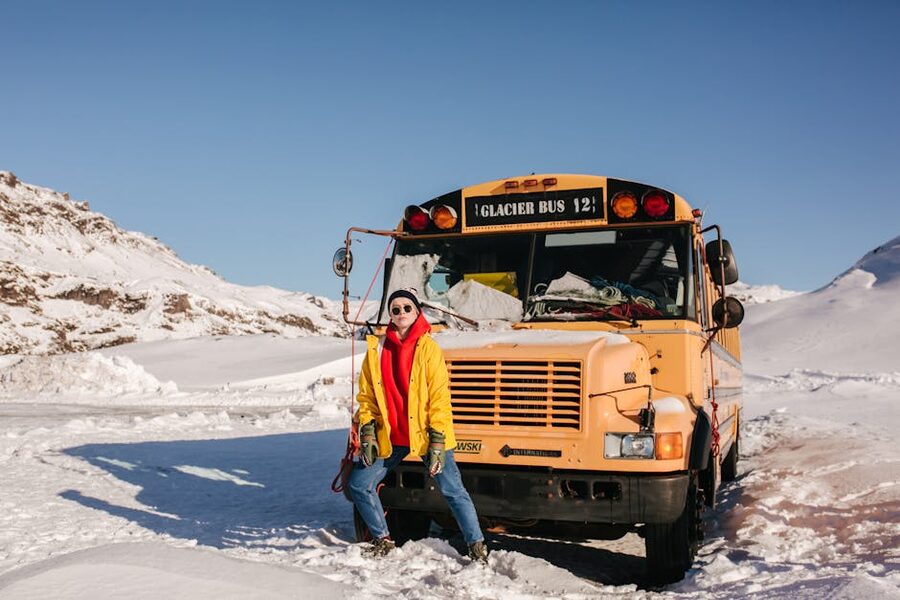
Day tours from Reykjavík are how solo travellers see most of Iceland’s headline sights without renting a car. They’re also the single best way to meet other solo travellers, because every bus has at least three or four of them. The trick is picking the right tour size for the right activity.
Big-coach bus tours (the cheapest option)
Operators like Reykjavík Excursions and Gray Line run 50-seat coaches to the Golden Circle, South Coast, Snæfellsnes and Northern Lights spotting. Around 9,000 to 16,000 ISK depending on length. You’ll see the sights, get a guide narrating in English, and have free time at each stop. The downside is you’re a small unit in a big group, so the meeting-people dimension is hit-or-miss.
Small-group minibus tours (the social sweet spot)
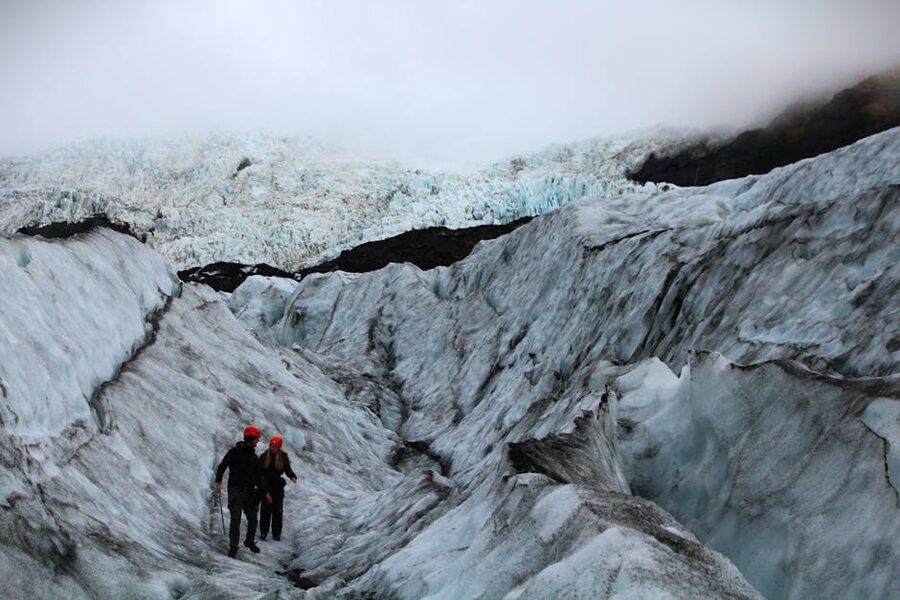
This is where solo really shines. Hidden Iceland, Bus Travel Iceland and the smaller operators run Sprinter-style minibuses with 8 to 18 people. The dynamic is much more conversational, you stop at less-trodden spots, and the guides actually have time to talk to you individually. Expect 16,000 to 28,000 ISK for a Golden Circle day, more for South Coast.
You can browse and book most of these via aggregators like GetYourGuide Iceland or Viator Iceland, which is what I usually recommend to first-timers because the cancellation policies are friendlier and you can read reviews from other solo travellers.
Activity tours where you’ll meet people
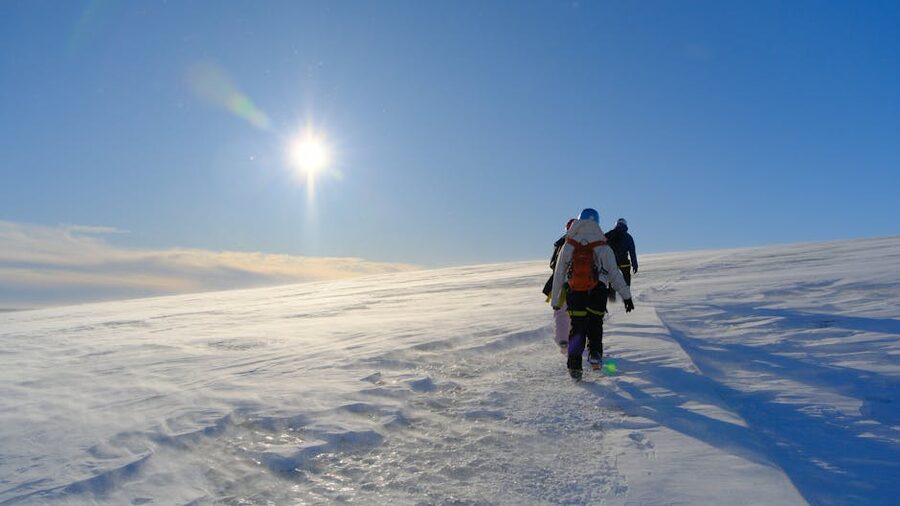
Glacier hikes on Sólheimajökull or Vatnajökull, snorkelling in Silfra, and Northern Lights minibus tours all run as small groups by safety design (max 12 to 15 people typically). Solo travellers always make up a chunk of the group because nobody really wants to do glacier hiking with a reluctant partner. Operators worth a look:
- Icelandic Mountain Guides (glacier, ice cave, multi-day hut treks)
- Dive.is (Silfra snorkelling and diving, see our Silfra snorkelling guide)
- Elding (whale watching from Reykjavík)
- North Sailing (whale watching from Húsavík)
Hostel-organised group walks
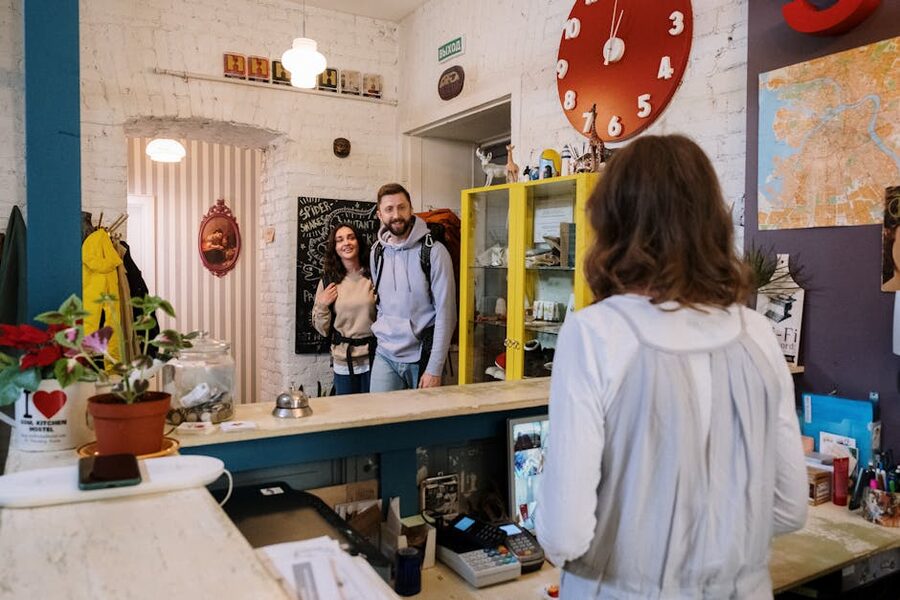
This one gets overlooked. Loft HI runs free walking tours and pub crawls a few times a week. Bus Hostel does board-game nights and pool tournaments. These are zero-pressure ways to meet other guests. Just check the lobby noticeboard the day you check in.
Eating Solo Without Burning Cash
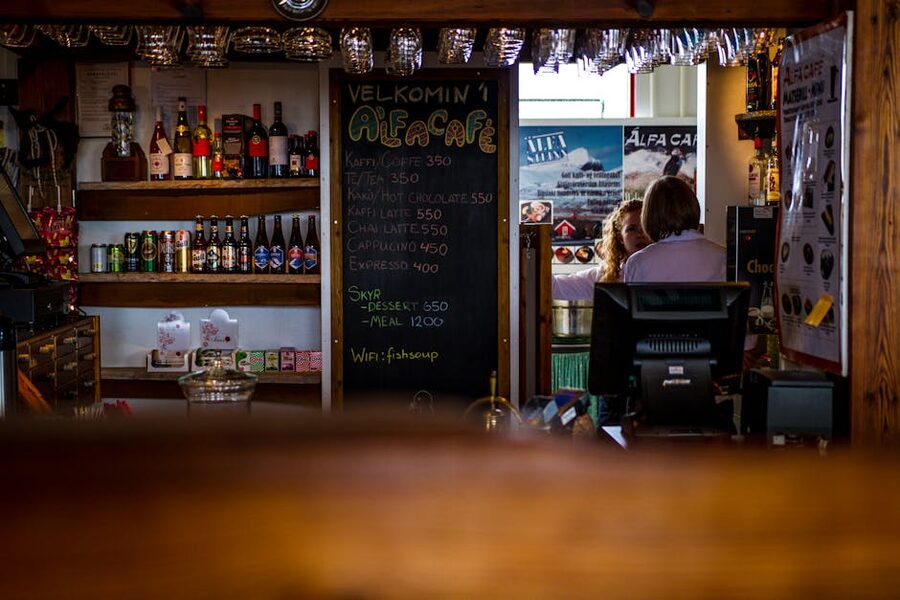
Eating in Iceland is expensive. A casual restaurant dinner is 4,500 to 7,500 ISK, a sit-down dinner is 7,500 to 12,000 ISK, and a glass of wine is 1,800 ISK at most places. Solo travellers, however, have an advantage. You can sit at the bar at any decent restaurant and eat at counter speed without the awkward two-top dinner-for-one feeling. You can also eat at any cafe, soup bar, or street stand without anyone blinking.
Cheap and beloved
Bæjarins Beztu Pylsur is the legendary hot dog stand by the harbour, open since 1937. Order “eina með öllu” (one with everything) and you’ll get a lamb-pork-beef hot dog with raw and crispy onions, ketchup, sweet brown mustard, and remoulade. Around 700 ISK. Bill Clinton ate here in 2004 (without the onions, which Icelanders mock him for). It’s not just nostalgia. It’s actually a great hot dog.
Sandholt on Laugavegur is a third-generation bakery with the best sourdough and pastries in the city. Breakfast bowls and open-faced sandwiches around 1,800 to 3,200 ISK. The window counter is built for solo eaters.
Café Loki opposite Hallgrímskirkja is the place to try traditional food without committing to a tasting menu. Lamb soup (kjötsúpa), rye bread ice cream, fermented shark for the brave. A meal here lands around 3,500 ISK and you’ll sit elbow-to-elbow with both locals and tourists.
Public swimming pool snack bars. This is a tip nobody puts in guidebooks. Most of Reykjavík’s pools (Laugardalslaug, Sundhöllin, Vesturbæjarlaug) have a small cafe attached selling proper hot meals for 1,500 to 2,500 ISK. You can swim for an hour, eat lunch, then carry on with your day for less than the price of a tourist sandwich.
Hot dog stands, food halls, and supermarkets
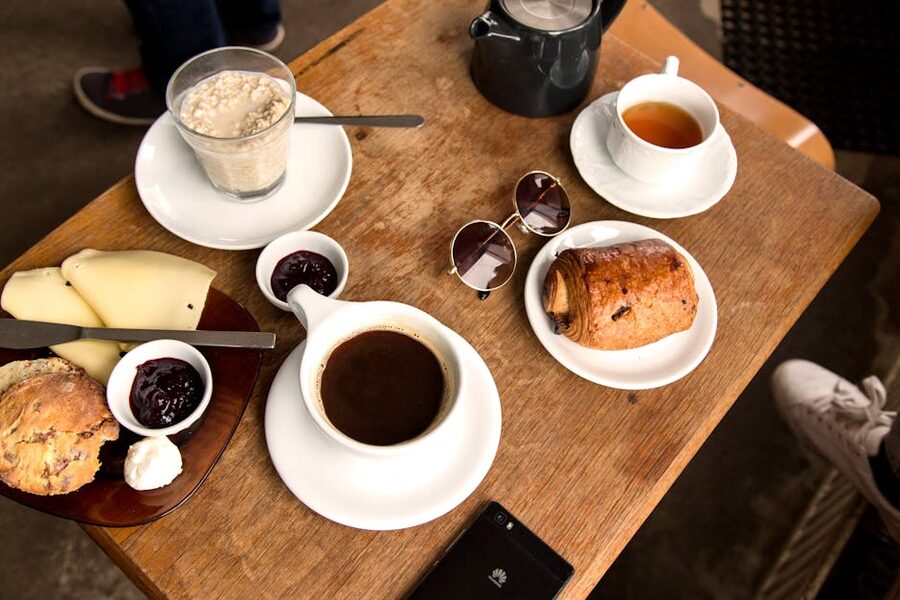
Hlemmur Mathöll and Pósthús food halls are both within the centre. Pick a stall, eat at a communal table. Costs run 2,500 to 5,000 ISK for a proper meal. The supermarkets that matter for self-catering are Bónus (the pink piggy logo, cheapest), Krónan (slightly nicer, longer hours) and Hagkaup (24/7, but expensive). A hostel dinner you cook yourself runs about 1,500 to 2,500 ISK in ingredients.
Tap water, alcohol, and the duty-free trick
Tap water in Iceland is genuinely some of the best in the world. Carry a refillable bottle and never buy bottled water. Alcohol is a different story. A pint of beer is 1,500 to 2,200 ISK at a bar. The standard solo move is to buy beer and spirits at the duty-free shop on the way out of Keflavík airport (it’s after passport control, so don’t miss the turn) and drink at your hostel before going out. You’ll save roughly half.
Reykjavík Nightlife, Going Out Alone
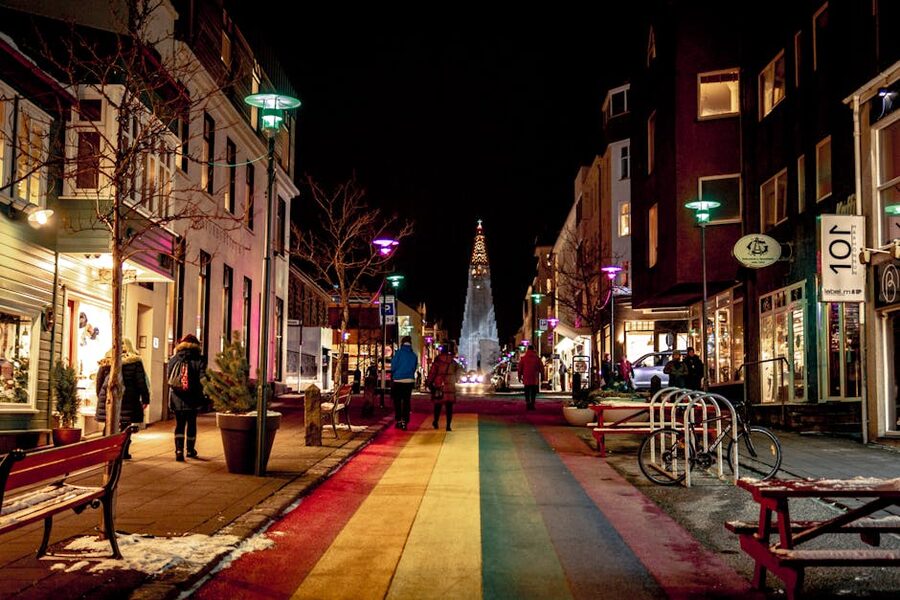
Going to a bar alone in Reykjavík is unremarkable. Local culture treats it as completely normal. You buy a drink, sit at the bar, talk to whoever talks to you, leave when you want. The traditional weekend pattern is the rúntur, a circuit of bars on Laugavegur and Austurstræti where everyone moves between venues from about 23:00 onwards.
Bars I’d point a solo traveller to:
- Kaldi Bar on Laugavegur, small, dark, brewery-owned, perfect for a quiet first drink and conversations with strangers
- Mikkeller & Friends upstairs above Hverfisgata, Danish craft beer chain with a dozen taps and a low-key crowd
- Lebowski Bar further down Laugavegur, themed after the film, runs a “Big Lebowski” White Russian special, gets busier later
- Bravó on Laugavegur, DJ bar, late, where the rúntur ends up
- Loft Hostel rooftop, open to non-guests, weekly free events, the lowest-pressure way to spend an evening
If you happen to be visiting in early November, Iceland Airwaves is the music festival that takes over the city for a long weekend. Solo travellers do well at it because you spend the day wandering venue to venue and end up in conversation queues. Tickets via icelandairwaves.is.
The Pool Hot Pots Are the Real Social Hub
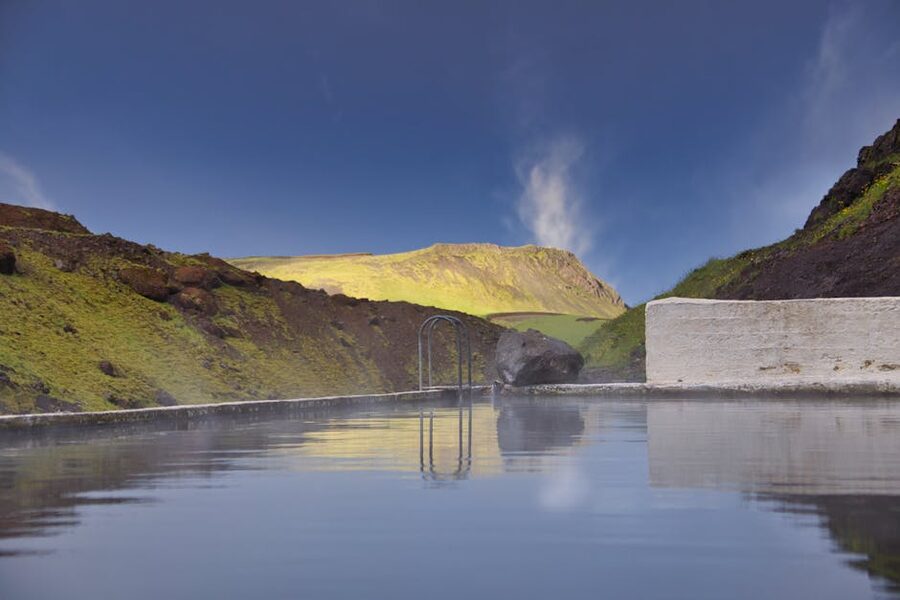
If I had to pick one piece of advice that genuinely changes a solo trip to Iceland, it’s this: spend an hour in a public swimming pool every other day. Not the Blue Lagoon. Not Sky Lagoon. The neighbourhood pools that locals actually use. They cost about 1,400 ISK for adults, are open from roughly 06:30 to 22:00, and the social etiquette is that strangers chat in the hot pots.
This is where Icelanders solve their problems, gossip, talk politics, ask after each other’s families. As a foreigner you slot in easily because the conversation usually starts with “where are you from?” and you’re off. The four central Reykjavík pools to know:
- Laugardalslaug, the biggest, with multiple hot pots, a slide, an outdoor 50m pool, and a steam room. East of centre, 15 mins on the bus.
- Sundhöllin, the most central, near Hallgrímskirkja, has both indoor and outdoor pools and rooftop hot pots with city views.
- Vesturbæjarlaug, west side, locals’ favourite, smaller and more relaxed, the closest you get to a “village” pool in a capital city.
- Árbæjarlaug, further out, family-friendly, has a steam cave.
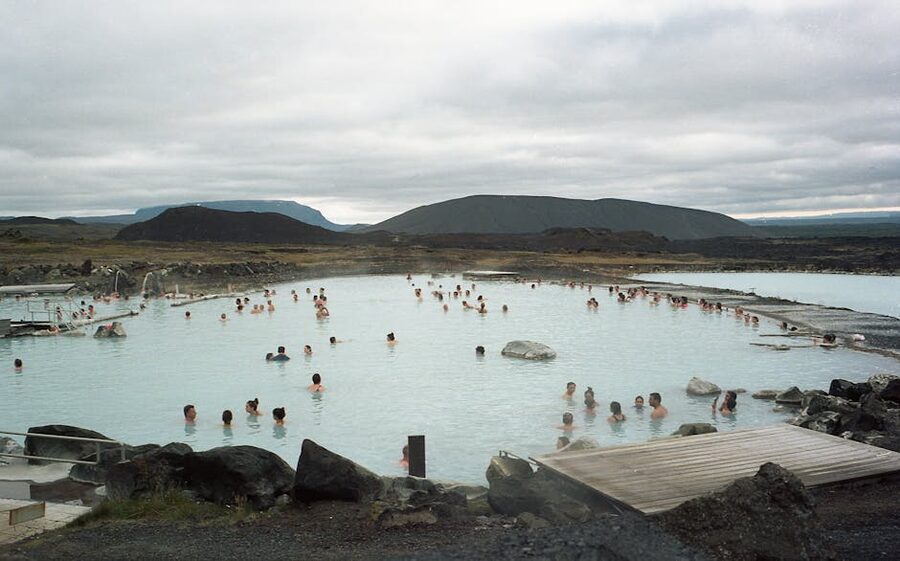
Etiquette: shower naked with soap before getting in. Yes, naked. Yes, the staff will check. This is non-negotiable for hygiene reasons because the pools use minimal chlorine. Bring flip-flops and a swimsuit. There’s no nudity in the pool itself. Once you’re past the shower, just relax and enjoy. The hot pot culture is one of the best things about being here.
Female Solo Travel in Iceland
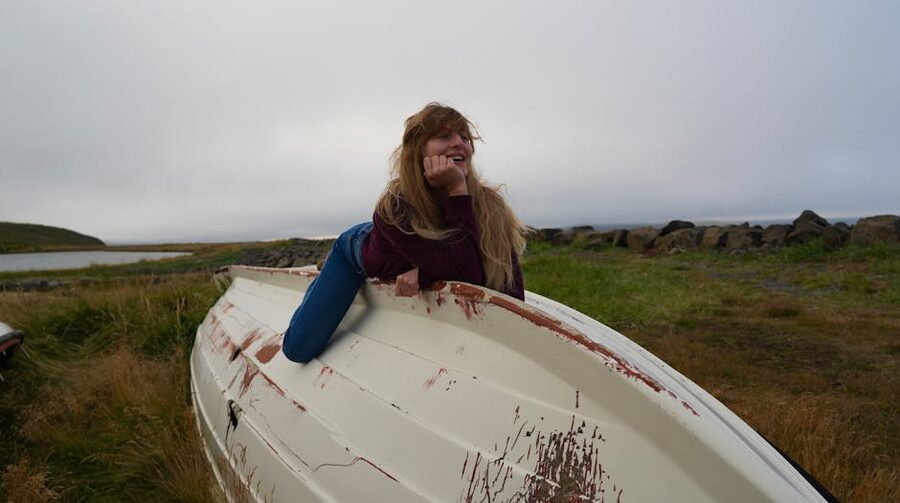
I’ve travelled Iceland with female solo friends and have asked dozens more about their experience. The verdict is consistent. It’s the safest country they’ve been alone in, and by a big margin. Walking back to the hostel at 02:00 across central Reykjavík is fine. Hitchhiking the Ring Road in summer is widely done by young women. Hot pots and pools are a non-issue. Bars don’t have the creep factor common in many other party cities.
That doesn’t mean nothing ever happens. The standard travel-smart rules still apply. Tell someone where you’re going if you’re hiking solo, register your route at safetravel.is, don’t drive in unfamiliar conditions you’re not comfortable with, and if a guy is being weird at a bar, the staff will move him along the moment you say something.
The harder challenge is loneliness, not safety. Plan one day-tour-with-other-people every 48 hours and you’ll be fine. Day three of a solo trip is usually when the wobble hits. Have a hot pot evening planned for that day.
What It Costs (Real Numbers)
Iceland is the third or fourth most expensive country in Europe depending on whose data you read. Solo travel makes that worse because you can’t split rooms or car rentals. Here’s what to actually budget per day for different styles:
Backpacker (15,000 to 25,000 ISK / day): Hostel dorm 7,500 ISK, cooking your own meals 2,500 ISK, one supermarket sandwich lunch 1,500 ISK, one hot pot visit 1,400 ISK, one cheap dinner out 4,500 ISK, plus the occasional bus ticket. Add a paid tour every 3-4 days at 12,000 ISK and you’re at the upper end of this range.
Comfortable (30,000 to 50,000 ISK / day): Single hotel or guesthouse room 22,000 to 30,000 ISK, one casual restaurant lunch 3,500 ISK, one mid-range dinner 7,500 ISK, an evening drink 2,000 ISK, and a paid tour every 2-3 days. This is what most North American and Northern European solo travellers spend.
Comfortable plus tours (60,000 to 90,000 ISK / day): The above, plus a daily activity. Glacier hike 22,000 ISK, whale watching 13,500 ISK, Silfra snorkel 23,000 ISK, Northern Lights minibus 14,000 ISK. Stack two activities in a day and you’ll spend more.
Splurge: Add Sky Lagoon at 13,000 ISK, Blue Lagoon Premium at 18,000 ISK, a fine-dining dinner at Dill or Brút at 22,000 ISK, helicopter tour at 80,000 ISK. The ceiling is high.
For more on the currency itself and how Icelanders pay (hint: nobody uses cash), see our króna and how to pay guide.
Self-Drive Solo (Doable but Expensive)
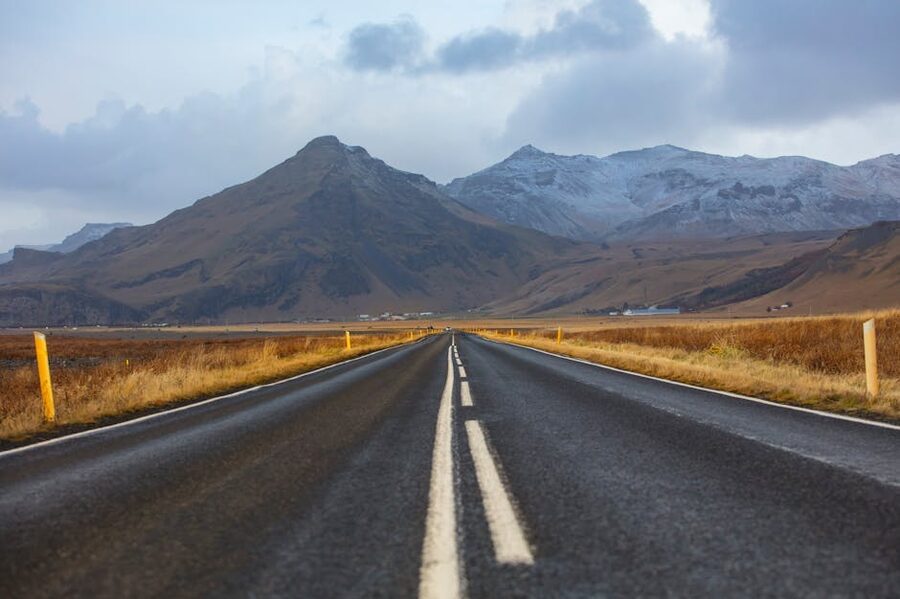
Self-drive gives you complete freedom and total cost responsibility. You’re paying for the rental, fuel, and insurance alone, with no one to split with. A small economy car runs about 8,000 to 15,000 ISK a day in summer including standard insurance. A 4×4 you actually want for highland or winter driving is 18,000 to 35,000 ISK a day. Petrol runs around 320 ISK per litre. A loop around the Ring Road uses roughly 100 to 130 litres.
For a first solo trip, I’d suggest one of two patterns:
- No car at all. Base in Reykjavík, take day tours and the Strætó bus. Saves hundreds of dollars and removes the stress of winter driving.
- 3-day rental in the middle. Stay car-free for the start and end of the trip, then rent for a 3-day Vík to Höfn and back loop. You see the South Coast at your own pace, then return the car and finish in Reykjavík.
If you do drive, our full car rental guide goes into insurance, gravel road rules, and which companies have the best solo-friendly cancellation policies. The aggregators worth using are Northbound (compares dozens of local companies), or directly with Blue Car Rental.
Solo Ring Road, the realistic version
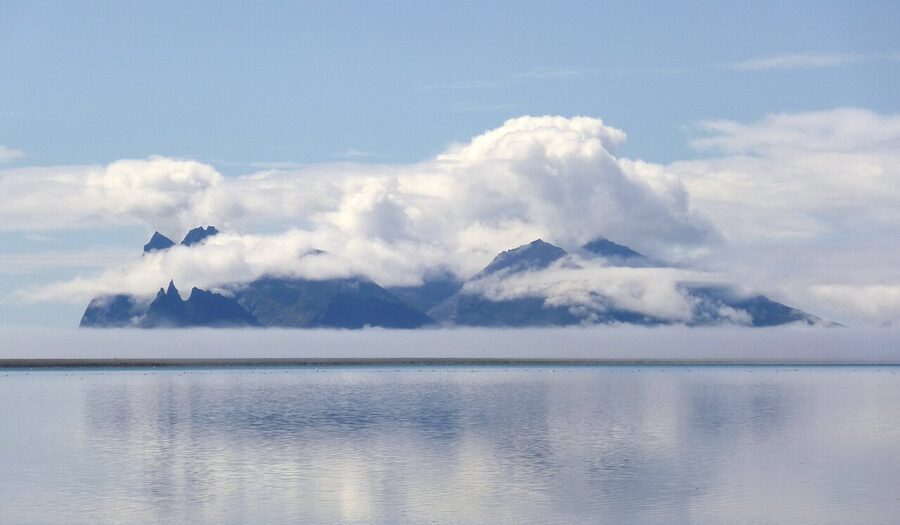
You can do the Ring Road solo, but it requires either 7 to 10 days and a lot of pre-booked accommodation, or 14 days and the flexibility to wing it. The reason is you’ll need a bed every night and rural guesthouses fill up months ahead in summer. Don’t try to “find somewhere when I get there” between June and August. You won’t.
The minimum solo Ring Road I’d recommend is 8 nights: Reykjavík, Vík, Höfn, Egilsstaðir or Seyðisfjörður, Mývatn, Akureyri, Borgarnes, Reykjavík. Anything less and you’re essentially driving every day, which is exhausting alone. If you’ve got a fortnight, you can spread out and add Snæfellsnes peninsula and a couple of rest days.
Solo and Aurora Hunting
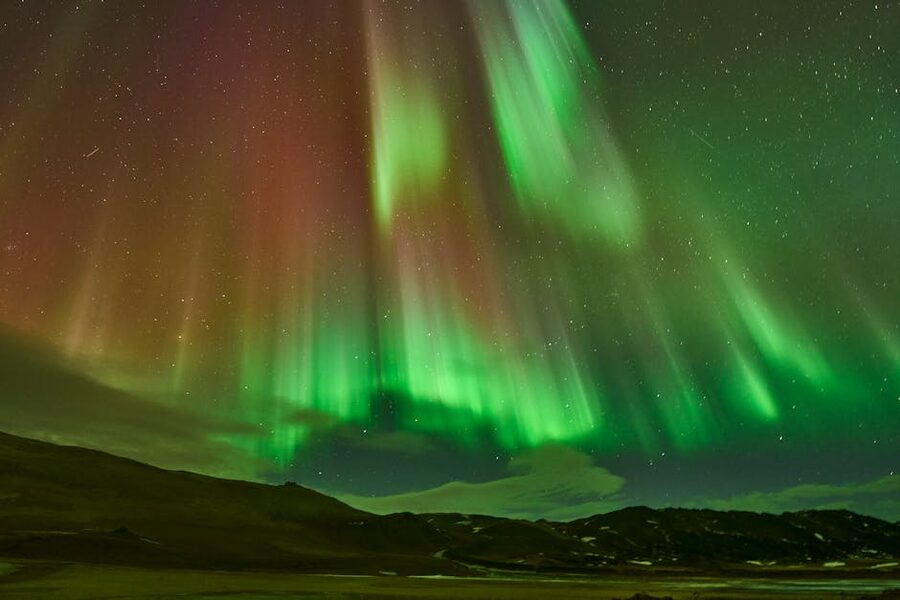
The aurora borealis is visible in Iceland from late August to mid-April, with the strongest displays roughly October through March. Two solo strategies:
Bus tour, no commitment. Operators like Reykjavík Excursions and Hidden Iceland run nightly aurora bus tours from September to April for around 13,000 to 18,000 ISK. They check the forecast at vedur.is and drive you to the best clear spot. Most have a free re-tour policy if you don’t see the lights, which means a 4-night Reykjavík trip in winter usually nets you at least one good viewing.
Self-drive aurora hunt. This works if you’re confident driving in the dark on snowy roads. Park up somewhere outside Reykjavík with a clear north horizon (Þingvellir car parks, Esja base, Grótta lighthouse for an in-city option) and watch. Check the cloud cover forecast at vedur.is and the KP index. You don’t need a strong KP to see something here. KP 3 with clear skies often beats KP 6 with clouds.
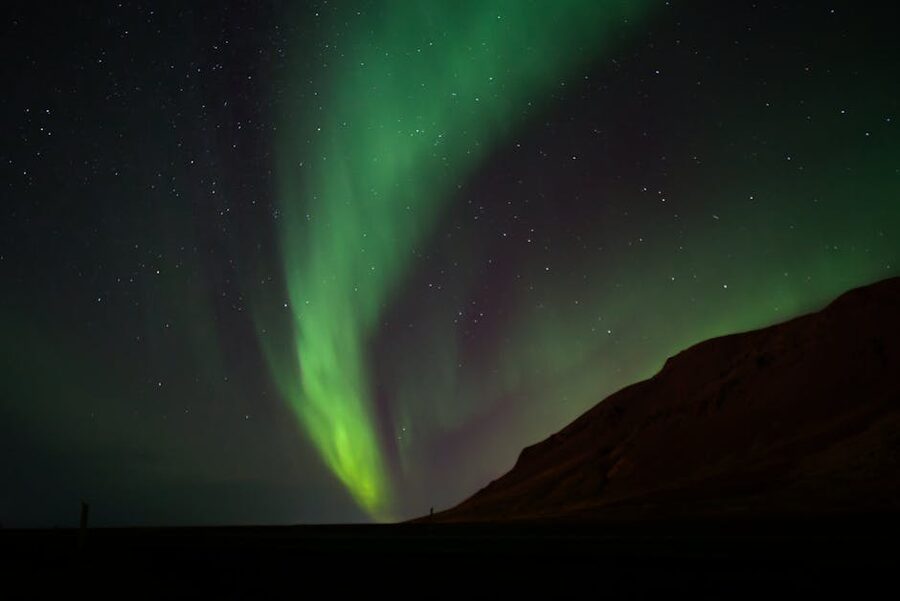
Our full aurora forecast guide walks through how to read the data sites without geeking out too hard.
Solo Photography Trips
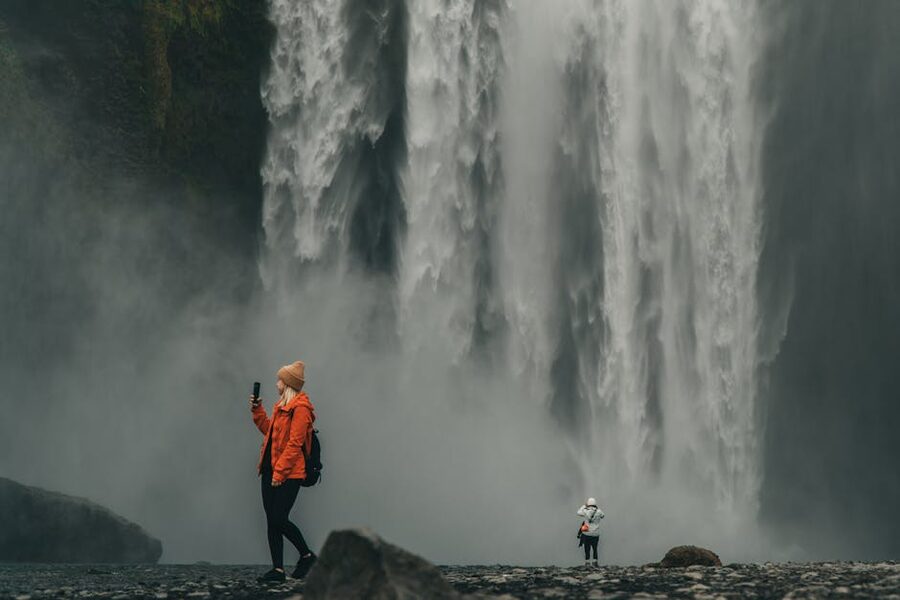
Iceland is one of the few destinations where photography workshops have a high proportion of solo travellers. Companies like Iceland Photo Tours and Arctic Shots run multi-day workshops where you’ll be one of 6 to 12 photographers staying together at guesthouses. The mix is usually mostly solo, partly couples. They handle vehicles, accommodation, and getting you to spots at the right light.
If you want to design your own photography trip rather than join a workshop, the South Coast (Vík, Reynisfjara, Jökulsárlón) is the densest single-region option for big-name shots. The Westfjords are the country’s least crowded, but they require commitment. Our photography tours guide has a full breakdown.
Camping Solo
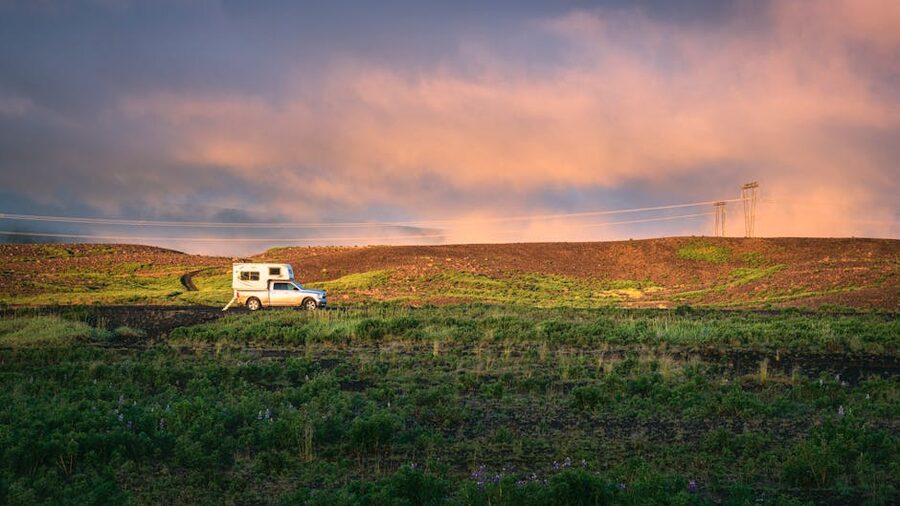
Iceland’s campsite network covers about 150 sites and they’re surprisingly social. You’ll meet other solo travellers around the kitchen sink area at any major site (Þórsmörk, Skaftafell, Húsavík). Cost is 1,500 to 2,500 ISK per person per night including hot showers.
Solo camping with a tent works in summer, with the obvious caveat that Iceland’s weather changes fast and a serious tent that handles wind is essential. A campervan is the more popular solo option. Companies like Happy Campers, Kúkú Campers and Indie Campers rent two-person campervans from around 18,000 ISK per day in summer. Solo van life saves on accommodation and gives you the cooking-equipment-included setup, but you’re still paying full rental and fuel alone. The break-even versus hostel + bus tours is around 7 days.
Wild camping is no longer freely allowed for tents (it was banned in 2015), and is forbidden for vehicles outside of designated campsites. Don’t park a van overnight in a random scenic pull-out. The fines are steep and rangers do enforce.
Our full campervan guide covers companies, vehicle sizes, and how to stay legal.
What to Skip on a First Solo Trip
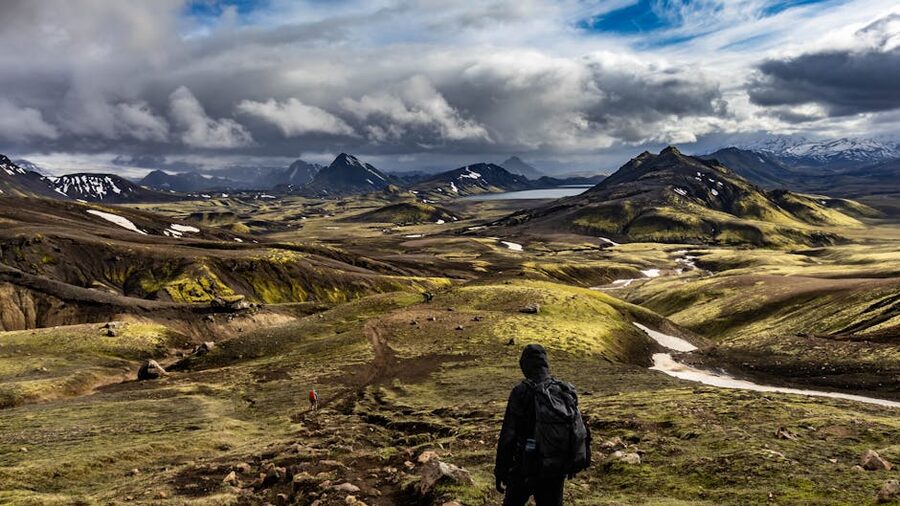
I’m a fan of “skip this” advice because it’s usually more useful than “do this”. For a first solo Iceland trip, give the following a miss:
The Highlands solo. Routes like Landmannalaugar via the F26 require a 4×4 with high clearance, the ability to ford rivers, and the judgement to know when not to. Brilliant in a small group with experienced people. A bad idea on a first solo. Take a guided tour or a Highland Bus instead.
The Westfjords solo in winter. The Westfjords are gorgeous and almost empty, but the roads close, the weather is unforgiving, and you can be 200km from the nearest mechanic. Save them for a second trip in summer. See our Westfjords guide if you want to start planning the second trip.
Winter camping. No. Just no. People who do this know what they’re doing and have specific gear. Stay in hostels.
Driving a 2WD off the main routes. The Ring Road is paved and signed. Anything off it can be gravel, which 2WD rentals technically can drive on but the gravel insurance won’t cover what your car will look like by the end. If you want flexibility, pay the extra for a 4×4.
Trying to do too many regions. A 7-day solo trip should cover Reykjavík plus the South Coast comfortably, and that’s it. Ten days adds Snæfellsnes or one north-coast region. Two weeks is the minimum for a proper Ring Road. Don’t try to “see everything” in a week.
The Practical Stuff
SIM cards and connectivity
Buy a local SIM at Keflavík airport on arrival. The two networks are Síminn and Nova, both have desks in arrivals before you exit. Around 3,500 to 5,000 ISK gets you 30 days with enough data for navigation, hotspot, and the odd video call. Coverage is excellent on the Ring Road and surprisingly good in remote areas. EU/UK roaming works fine on most plans, so check yours first before buying a SIM.
Apps to install
- map.is, Iceland’s offline-capable mapping app, much better than Google Maps for rural Iceland
- Veður (Iceland Met Office app), weather and aurora forecasts
- Vegagerðin / road.is, real-time road conditions, essential in winter
- SafeTravel.is, register your itinerary if you’re hiking or doing remote driving
- Strætó, bus app, both city and intercity buses
- Klappið, Reykjavík bus ticket app
Power, plugs and a power bank
Iceland uses Type F plugs (the European two-pin), 220V. Buy an adapter before you arrive (or at Keflavík, they’re 1,500 ISK in arrivals). A 10,000 mAh power bank is the single most useful thing in your bag, especially in winter. Cold drains phone batteries fast, and you’ll be using your camera all day.
Health and emergencies
Emergency number is 112, same as the rest of Europe. Pharmacies (Apótek) are everywhere in Reykjavík and most towns. There’s reciprocal healthcare for EU citizens with an EHIC card. Non-EU visitors should have travel insurance that covers Iceland; medical care is excellent but not cheap.
Tinder, dating and meeting locals
Tinder works well in Iceland and is widely used by locals (the joke is that everyone needs an app to make sure they’re not related to their date in a country of 380,000). If you’re solo and curious about meeting Icelanders, both Tinder and Bumble are normal. Keep your expectations realistic; Iceland is a small place and people meet through friend groups more than apps. The reliable way to meet locals is, again, the swimming pool. Or by being a regular at the same cafe for three days.
A “What I’d Actually Do” 7-Day Solo Trip
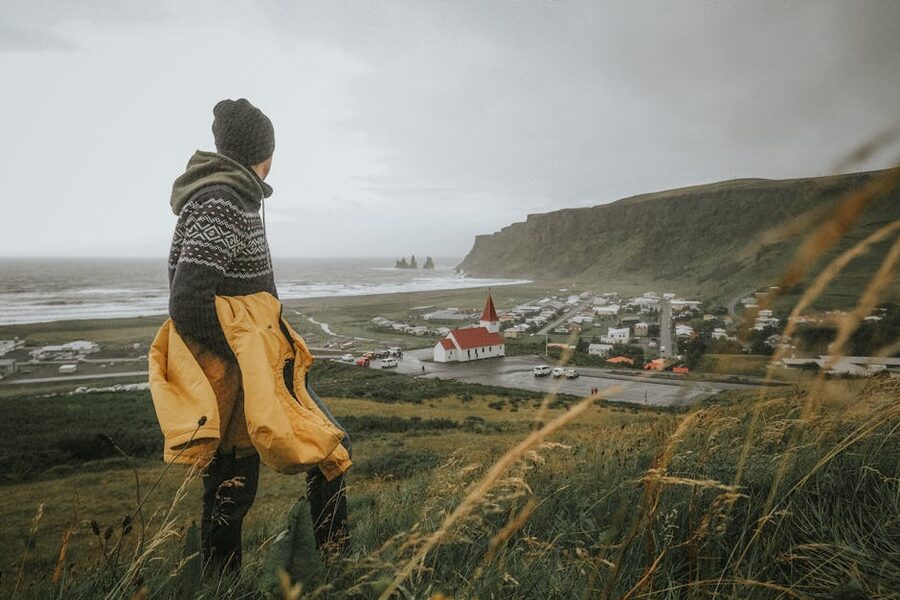
If you handed me a return ticket to Reykjavík and seven nights to spend, this is what I’d do. It’s Reykjavík-heavy with a 2-night Vík side trip in the middle. Built-in social via two day tours, a hot pot evening, and an aurora night.
Day 1, arrive. Flybus from KEF to Reykjavík (3,500 ISK). Check into Loft HI or Kex Hostel. Walk Laugavegur, eat a hot dog at Bæjarins Beztu, get lost for two hours. Eat dinner at the hostel bar.
Day 2, Reykjavík and a pool. Hallgrímskirkja in the morning (the lift up the tower is 1,400 ISK and worth it for the view). Walk down through the centre to the harbour, eat lunch at Sandholt or one of the food halls. Afternoon at Sundhöllin pool, two hours minimum, including the rooftop hot pots. Dinner at Café Loki opposite Hallgrímskirkja. Bar at Kaldi if you’ve got energy.
Day 3, Golden Circle bus tour. A small-group minibus to Þingvellir, Geysir, Gullfoss and either Kerið or the Secret Lagoon. Pick a 9 to 12-hour tour at 18,000 to 24,000 ISK. You’ll see Iceland’s geological showpiece and meet four or five other solo travellers who are very likely to end up at the same hostel bar that evening.
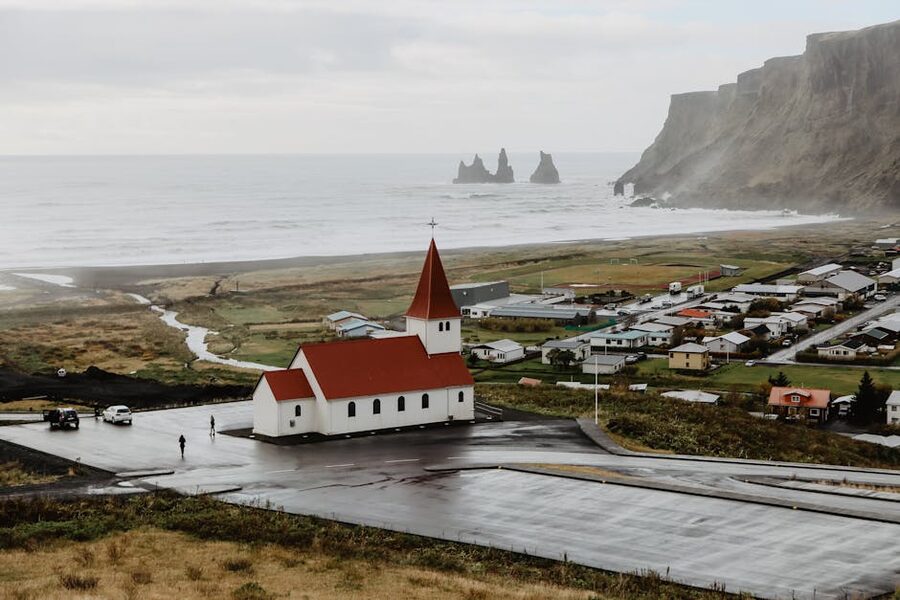
Day 4, bus to Vík. The Strætó 51 bus to Vík takes about 3.5 hours and costs around 7,500 ISK. Arrive lunchtime, check into a small guesthouse like Vík HI Hostel or Puffin Hotel Vík. Walk to Reynisfjara black sand beach (be careful of sneaker waves; they kill people every couple of years). Dinner at Súpa or Smiðjan brewery.
Day 5, Vík and Jökulsárlón. Either rent a car for the day in Vík (around 12,000 ISK) and drive yourself east to Jökulsárlón Glacier Lagoon and Diamond Beach (2 hours each way), or join a small-group tour from Vík for 28,000 ISK that includes a Zodiac boat ride on the lagoon. Either way, this is one of the most cinematic days you’ll have in Iceland. Sleep in Vík.
Day 6, bus back, glacier or whales. Morning bus back to Reykjavík. Afternoon: either a Sky Lagoon visit (13,000 ISK, take the shuttle from BSÍ) or an Elding whale watching trip from the harbour (13,500 ISK, 3 hours). Evening: rúntur on Laugavegur, Mikkeller and Lebowski, see what happens.
Day 7, last day buffer. Aurora bus tour the previous evening if you haven’t seen them yet (free re-tour policy is your friend). Last day for any museum you want (Whales of Iceland, Saga Museum), one more pool visit, Flybus to KEF.
Total damage at “comfortable” tier: about 280,000 to 350,000 ISK (roughly $2,000 to $2,500) including all accommodation, two big tours, food, and transport. Your flight is on top.
Other Things to Know Before You Go
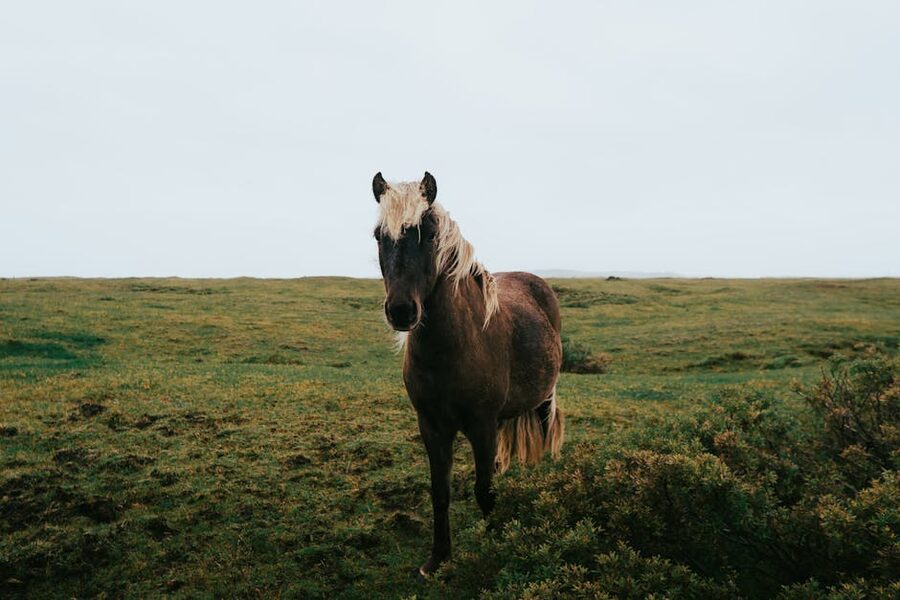
When to go
For a first solo trip, I’d lean June or September. June gives you the midnight sun and 24-hour daylight, which removes any “walking back to the hostel feels sketchy” concern entirely. September gives you the start of aurora season, much smaller crowds, and prices about 25% lower than peak summer. Both are easy weather. Avoid October to early November (rain, dark, wind, no aurora consistency yet) and February-March if you don’t like cold-and-dark in equal measure (though it’s also when the aurora is most reliable).
Our when to visit Iceland guide is the long version of this argument. For flights, see our how to book flights to Iceland guide; Icelandair, easyJet and Wizz Air run the most useful routes from Europe and North America.
What to pack
Layers, layers, layers. A waterproof shell jacket and waterproof shell trousers, both windproof. A warm base layer. A wool mid-layer. Walking boots that handle wet ground (your sneakers will be drenched on day one if it rains). A swimsuit (for the pools). A reusable water bottle. A power bank. That’s the core of it. You can buy anything you’ve forgotten at 66°North or Cintamani in Reykjavík, but you’ll pay city-centre Iceland prices.
Tipping
Not expected anywhere. Service is included. If you genuinely loved a meal or a tour, rounding up is appreciated but no one will be confused if you don’t.
Card vs cash
Cards everywhere, all the time. Even hot dog stands take contactless. I’ve spent two-week trips here and used zero cash. Don’t bother getting króna in advance.
The Things That Will Surprise You
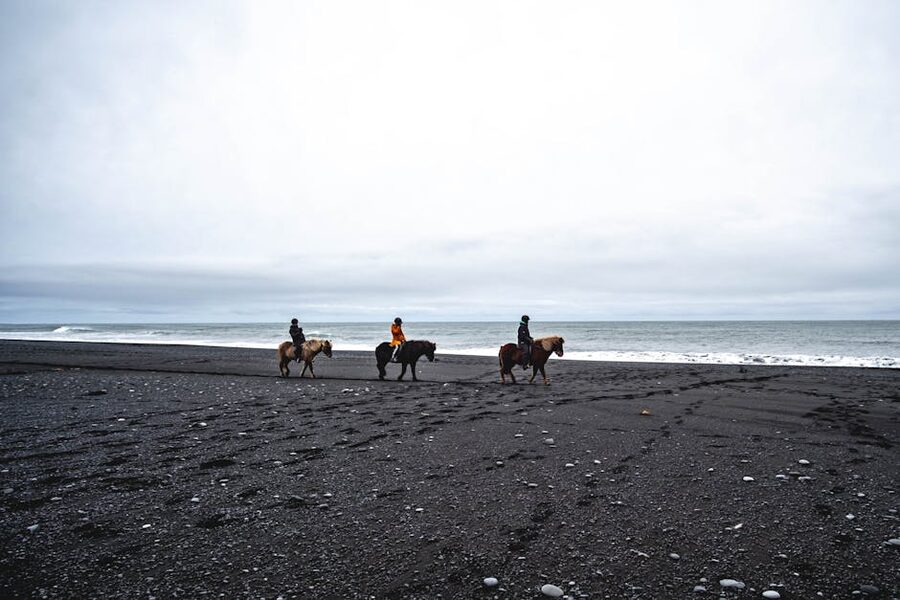
A few things first-time solo travellers tell me they didn’t expect. The wind. It’s relentless, even on apparently calm days, and it’s what makes 8°C feel like 1°C. Pack accordingly. The light. Whether it’s the midnight sun in June or the noon-twilight of December, the light here is unlike anywhere else in Europe and it changes what photography looks like every two hours. The smell of sulphur. From geothermal water. You’ll smell it in the shower at any guesthouse outside the southwest. It’s harmless but unexpected.
The pace of life. Icelanders don’t hurry. Restaurants don’t rush you. Tour guides don’t push the schedule. After a few days you’ll fall into the rhythm and find your shoulders dropping. Then there’s the moment, and almost every solo traveller has it, when you realise you’ve gone four hours without saying a word to anyone, and instead of feeling lonely you feel completely at peace. That’s why people keep coming back.
If You Only Read One Section, Read This
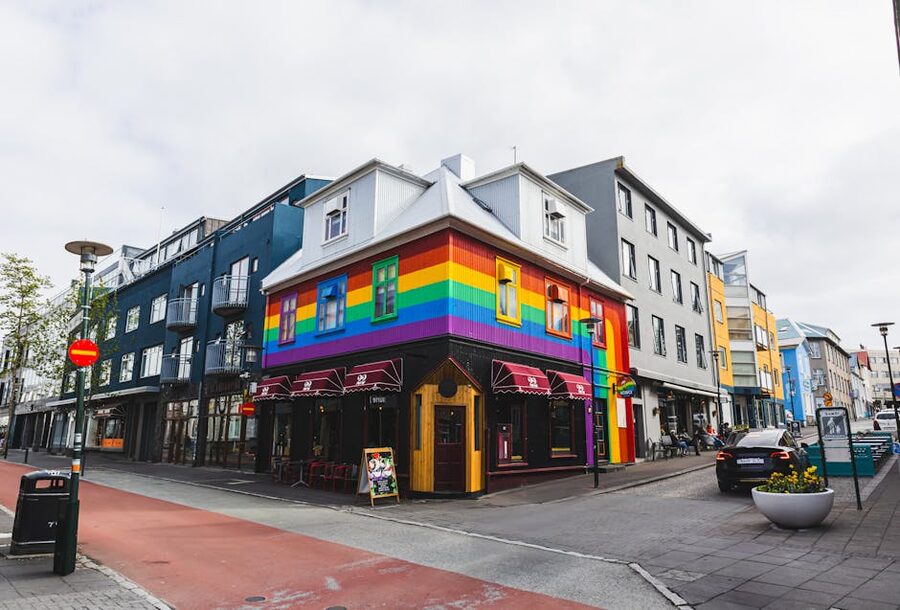
Iceland is the easiest country in the world to do a first solo trip in. You don’t need to have travelled solo before. You don’t need to be a hiker or a photographer or a tough person. You just need to book a flight, book the first three nights at a hostel like Loft HI or Kex, take the Flybus from KEF, and start there. Everything else falls into place once you’re walking down Laugavegur with a hot dog in your hand.
Look up the Strætó timetable, register at safetravel.is if you’ll do anything off-pavement, install map.is and Veður on your phone, learn the word “takk” (thanks), and you’re set. The country does the rest of the work for you.
For more on what’s around once you’re here, our Iceland travel guide covers regions and itineraries in depth, the Reykjavík guide goes deeper on the city, the day tours guide is the long version of the tours section above, and our travel tips category has the practical stuff for the rest of the trip. Our tours hub is also worth a browse if you’d rather book a packaged solo-friendly trip.
Vertu velkomin/n til Íslands. Welcome to Iceland. Have a good trip.
.jpg)
