I get the same email three times a week, usually from Texas or Mumbai or Manila, and the question is always some version of: do I need a visa to come to Iceland? The answer depends entirely on the cover of your passport. For most readers of this site, no. For some, yes, and the rules are stricter than you would guess from how friendly the country looks in photos. This guide walks through every category, what changes when ETIAS arrives later in 2026, and the practical traps that catch even seasoned travellers.
I am writing this from Reykjavik on 26 April 2026, after spending a morning on the phone with the Útlendingastofnun, the Directorate of Immigration, double-checking the income threshold for the long-term remote-worker visa. Rules move. ETIAS has slipped twice already. So treat this as the current state of play and double-check the official sources before you travel.

In This Article
- Iceland is in Schengen, and that is the whole story
- Who does NOT need a visa for Iceland
- Who DOES need a Schengen Type C visa
- How to apply for a Schengen visa to Iceland
- Where to apply if your country has no Icelandic embassy
- ETIAS: the new authorisation arriving in late 2026
- Working in Iceland
- Studying in Iceland
- Long-term visa for remote work (the digital nomad visa)
- The 90/180 rule, properly explained
- Travel insurance, a real requirement
- Children, partners, and pets
- Russian, Belarusian, and other restricted travellers
- Cruise ship visitors
- Common visa traps and how to avoid them
- Practical pre-trip checklist
- The short summary
Iceland is in Schengen, and that is the whole story
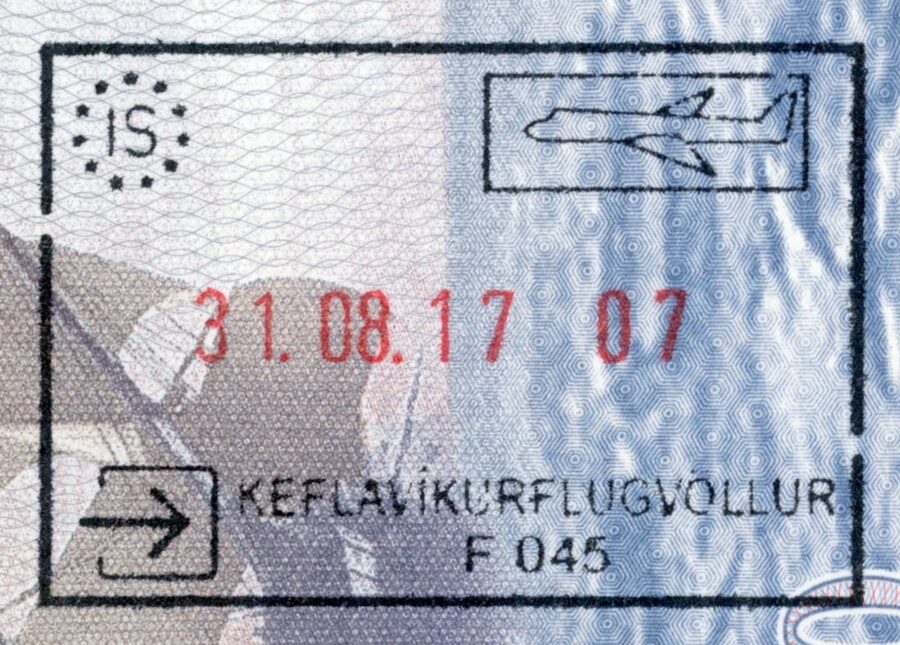
Iceland joined the Schengen Area on 25 March 2001, alongside Norway. Schengen is the agreement that abolishes passport checks between 29 European countries. So when you fly into Keflavik from Frankfurt or Paris or Copenhagen, nobody stamps your passport at the gate. You are already inside Schengen the moment you land in mainland Europe.
That matters because the visa rules for Iceland are not Iceland’s rules. They are the Schengen rules. Iceland has no independent visa policy of its own. Whatever paperwork the Schengen Area requires for your nationality is the same paperwork that gets you into Reykjavik.
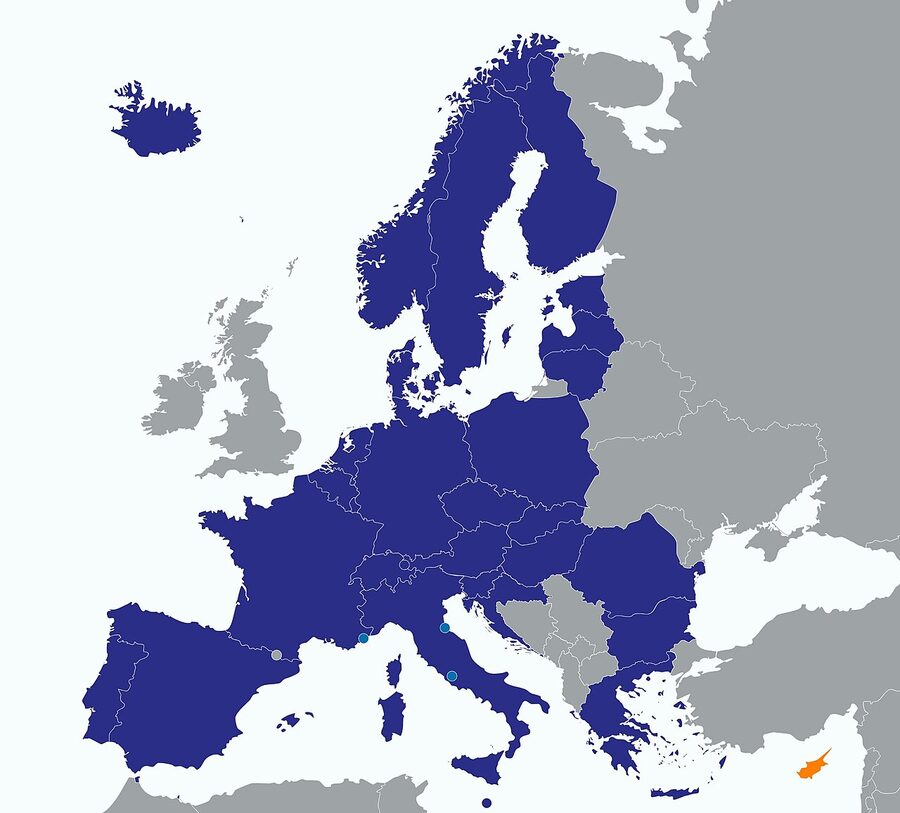
The 29 Schengen members today are: Austria, Belgium, Bulgaria, Croatia, Czech Republic, Denmark, Estonia, Finland, France, Germany, Greece, Hungary, Iceland, Italy, Latvia, Liechtenstein, Lithuania, Luxembourg, Malta, Netherlands, Norway, Poland, Portugal, Romania, Slovakia, Slovenia, Spain, Sweden, and Switzerland. Ireland and Cyprus are EU members but not in Schengen. The UK has not been in Schengen since the agreement existed.
Who does NOT need a visa for Iceland

If you hold a passport from one of the following countries, you can enter Iceland for up to 90 days in any 180-day period for tourism, business, or family visits, with no advance visa. You just turn up at Keflavik with a valid passport. The list is set by the EU Visa Liberalisation Regulation and applies to all of Schengen, not just Iceland.
Visa-exempt for short stays:
- All EU and EEA citizens (Norway, Liechtenstein, Iceland itself), plus Switzerland, these travel under freedom of movement, not the visa exemption
- United States, Canada, United Kingdom, Australia, New Zealand
- Japan, South Korea, Singapore, Hong Kong SAR, Macau SAR, Taiwan, Brunei, Malaysia
- Israel, United Arab Emirates, Qatar, Bahrain, Kuwait, Oman, Saudi Arabia
- Argentina, Brazil, Chile, Colombia, Costa Rica, El Salvador, Guatemala, Honduras, Mexico, Nicaragua, Panama, Paraguay, Peru, Uruguay, Venezuela
- Antigua and Barbuda, Bahamas, Barbados, Dominica, Grenada, Saint Kitts and Nevis, Saint Lucia, Saint Vincent and the Grenadines, Trinidad and Tobago
- Albania, Bosnia and Herzegovina, Georgia, Moldova, Montenegro, North Macedonia, Serbia, Ukraine (biometric passports), Kosovo
- Mauritius, Seychelles
- Marshall Islands, Micronesia, Palau, Samoa, Solomon Islands, Tonga, Tuvalu, Vanuatu, Kiribati
- East Timor
That covers the bulk of the people who actually visit Iceland. If you are American, British, Canadian, Australian, German, French, Dutch, or hold any other Western or Western-aligned passport, you do not need a visa.
What the visa exemption gives you: 90 days in any rolling 180-day window. That is a hard limit across all 29 Schengen countries combined. So if you spend 60 days in France in January and February, you only have 30 left for Iceland in the same 180-day period. The clock does not reset at the Icelandic border.
What it does not give you: the right to work for an Icelandic employer, the right to study formally, or the right to stay longer than 90 days in any 180. We will get to all three further down.
Who DOES need a Schengen Type C visa
The Type C, or short-stay Schengen visa, is the standard tourist visa. It is issued by an embassy or consulate of a Schengen country and is valid for short stays in any of the 29 Schengen members. If your passport is on the visa-required list, this is what you apply for.
Visa-required nationalities (most common):
- India, Pakistan, Bangladesh, Sri Lanka, Nepal, Bhutan, Afghanistan
- China (mainland), Vietnam, Cambodia, Laos, Myanmar, Mongolia, Philippines, Indonesia, Thailand
- Most African nations, including Nigeria, Kenya, Ghana, Egypt, Morocco, South Africa, Ethiopia, Tanzania
- Iran, Iraq, Syria, Jordan, Lebanon, Yemen
- Russia, Belarus, Armenia, Azerbaijan, Kazakhstan, Kyrgyzstan, Tajikistan, Turkmenistan, Uzbekistan
- Cuba, Bolivia, Dominican Republic, Ecuador, Haiti, Jamaica, Suriname
- Türkiye
If your country is not on the visa-exempt list above, assume you need a Type C. The full reference is on the Government of Iceland’s Visa to Iceland page, and the official wizard at island.is/en/do-you-need-a-visa walks you through your specific case in three clicks.
How to apply for a Schengen visa to Iceland

Iceland processes Schengen short-stay visa applications at its embassies in five cities: Beijing, New Delhi, Tokyo, London, and Washington D.C. Application intake is outsourced to VFS Global, which has visa application centres in roughly 100 countries. You go to the VFS centre, hand in your documents, give biometrics, pay the fee. They forward everything to the relevant Icelandic embassy for the actual decision.
The fee is EUR 90 for adults, EUR 45 for children aged 6 to 12, and free for children under 6. Add a VFS service fee of roughly EUR 30 to EUR 40 depending on country. The visa fee is non-refundable, even if you are refused.
What you submit:
- Completed Schengen short-stay application form, signed
- Passport valid for at least 3 months past your intended date of departure from Schengen, with at least 2 blank pages, issued in the last 10 years
- Two recent biometric passport photos, 35 by 45 mm
- Round-trip flight reservation (you do not need to have paid for it at this stage, a hold is fine)
- Hotel bookings or an invitation letter from a host in Iceland for the entire stay
- Travel insurance covering the whole Schengen Area, minimum EUR 30,000 medical and repatriation cover
- Bank statements from the last three months showing roughly EUR 100 per day of your trip in available funds
- Employment letter or proof of self-employment, plus tax records
- The visa fee, paid at the VFS centre
The Icelandic Ministry of Foreign Affairs sets a reference figure of ISK 8,000 per day for means of subsistence (or ISK 4,000 if you are staying with family or friends who provide food and lodging). At today’s exchange rate that is roughly USD 60 a day, which is laughable in actual Icelandic prices. Bring statements that show real funds, not the bare minimum.
Processing times: 15 calendar days from when the embassy receives your application is the standard quote. In peak season (May to August) and during the run-up to Christmas, expect 30 to 45 days. Apply at least 6 weeks before you fly, even though the system technically allows you to apply up to 6 months in advance and as late as 15 days before departure.
Where to apply if your country has no Icelandic embassy
This is one of the most common questions I get. Iceland is a small country and only operates embassies in a handful of cities. For everywhere else, it has signed representation agreements with nine other Schengen states, who handle Schengen visa applications on Iceland’s behalf.
In practice this means if you are in, say, Lagos or Manila or Cairo, you walk into the Danish or Norwegian embassy (or sometimes the German, French, or Dutch one) and apply for an “Iceland Schengen visa” there. The decision is made by the representing country, not Iceland, but the visa it issues is valid for entry to Iceland.
The official Government of Iceland site lists the active representation agreements. The big takeaway: if you cannot find an Icelandic embassy in your country, search “Schengen visa” plus your nearest Danish or Norwegian embassy. They almost certainly handle it.

ETIAS: the new authorisation arriving in late 2026
Now the big change. ETIAS (European Travel Information and Authorisation System) is the EU’s answer to the US ESTA. It is a pre-travel authorisation, not a visa, and it applies to people from the visa-exempt countries listed above. So Americans, Brits, Canadians, Australians, Japanese travellers, etc, yes, this means you.
Confirmed timeline as of April 2026:
- Q4 2026 (October to December), ETIAS goes live. The exact launch date will be announced several months in advance.
- First six months after launch, transitional period. Travellers without an ETIAS will not be turned away at the border, but the system is operational and you should apply.
- Six-month grace period after that, first-time visitors to Schengen can still enter without ETIAS if they meet entry rules at border discretion. Repeat visitors must have one.
- Roughly October 2027, fully mandatory. No ETIAS, no entry, no exceptions for the visa-exempt nationalities.

Cost: EUR 20 (raised from the originally proposed EUR 7 in early 2025). Free for under-18s and over-70s. Free for family members of EU citizens.
Validity: 3 years, or until your passport expires, whichever comes first. Multiple entries during that period.
Application: Online via the official portal at travel-europe.europa.eu/etias. You fill in passport details, basic biographic info, security questions, and pay by card. Most approvals come back within minutes. Cases that need extra checks can take up to 30 days, so do not leave it to the night before.
One thing that catches people: your ETIAS is tied to a specific passport. Renew the passport, you renew the ETIAS. If you have dual citizenship, the ETIAS only covers the passport you applied with.
The ETIAS is not the same as the EES (Entry/Exit System), which launched in October 2025 and is now in full deployment. EES replaces the manual passport stamp with a digital record at the border using fingerprints and a face scan. You will go through this every time you enter and leave Schengen as a non-EU visitor, regardless of whether you need ETIAS or a visa. Allow an extra 15 to 30 minutes at Keflavik on your first entry while the kiosks register your biometrics.
Working in Iceland
A tourist visa or Schengen visa-exempt entry does not let you work for an Icelandic employer. Period. Even one week of paid contract work without the right permit can get you fined and deported, with a re-entry ban that follows you across all of Schengen.
If you want to work in Iceland, the process depends on your passport.
EU/EEA/Swiss citizens have full freedom of movement. You can rock up, find a job, sign a lease, and register with the National Registry within three months. No work permit, no visa. The only paperwork is the kennitala (national ID number) you get from Þjóðskrá when you register your address.
Non-EU citizens need a work permit before they apply for a residence permit. The work permit is the employer’s responsibility, they apply on your behalf to the Directorate of Labour (Vinnumálastofnun). The categories include: qualified professional (matching specific shortage occupations), specialist (high-skill roles where Icelandic candidates aren’t available), athlete or coach, family member of an existing permit holder, and a handful of others.
Once the work permit is issued, you apply for a residence permit through Útlendingastofnun. Processing takes 90 days as the official quote, often longer in practice. Bring patience.
Working holiday visas exist with a small number of countries: Canada, Japan, South Korea, Taiwan, Hong Kong, Argentina, and Chile. Aged 18 to 26 (or 30 in some cases), you can come for up to 12 months and work casually. Quotas are tiny, usually 100 to 200 people per country per year, and they fill fast. Apply months in advance.
Studying in Iceland
Studying is a separate visa track. EU/EEA students enrol directly through the university’s admissions process and arrive on freedom of movement. No paperwork beyond the university registration.
Non-EU students need a residence permit for the purpose of study, which requires:
- Acceptance letter from a recognised Icelandic university (the big four are University of Iceland, Reykjavík University, University of Akureyri, and Bifröst University)
- Proof of funds: ISK 248,000 per month for the duration of your studies (roughly EUR 1,650), via bank statements or a sponsor
- Health insurance valid in Iceland for the first six months (after that you join the national health system as a student resident)
- Clean criminal record certificate from your country of citizenship and any country you’ve lived in for the last five years
- Application fee of ISK 18,000 to ISK 22,000 depending on category
Apply through Útlendingastofnun at island.is. Processing takes 90 days. Don’t book your flight until the permit is approved, yes, even though you have an acceptance letter, the residence permit is what gets you across the border.
Long-term visa for remote work (the digital nomad visa)

Iceland launched a long-term visa for remote workers in October 2020. It is a real bureaucratic visa, not just a long tourist stay, and it has tighter requirements than the Estonian or Portuguese versions get talked about online.
Who qualifies: Citizens of countries that do not need a Schengen visa for short stays. So Americans, Canadians, Australians, Brits, Japanese, etc. If your passport already needs a Type C to enter Iceland, you cannot apply for this, you would apply for a residence permit through other categories.
Income threshold: ISK 1,000,000 per month for a single applicant. If you bring a spouse or partner, it rises to ISK 1,300,000 combined. At April 2026 exchange rates this works out to roughly EUR 6,900 per month for a single, EUR 9,000 for a couple. Verified through pay stubs, contracts, or business bank statements.
Work conditions: Your work must be entirely remote, for an employer or clients located outside Iceland. You cannot take any work from an Icelandic employer or participate in the Icelandic labour market in any way. Freelancing for a New York agency from a Reykjavik apartment is fine. Picking up shifts at the local café is not.
Stay length: 90 to 180 days. This is shorter than many other countries’ nomad visas and it is non-renewable. After 180 days you must leave for at least 90 before you can apply again, and the second application gets more scrutiny.
Application fee: ISK 12,200, paid online. Application is via Útlendingastofnun’s portal. Processing: 3 to 4 weeks once they have a complete file.
What you submit: passport copy, employment contract or proof of self-employment, recent payslips, bank statements showing the income threshold met, health insurance covering all of Iceland for the full stay, criminal record certificate, and a passport-size photo. Detailed checklist on the official Work in Iceland portal.
My take: this visa works best for high-earning remote professionals doing a one-off six-month stretch. The income bar is steep on purpose, Iceland is not trying to recruit budget nomads. If you make EUR 4,000 a month and want to wing it for a season, this is not your visa. Try Spain’s nomad visa, Estonia’s, or Portugal’s instead.
The 90/180 rule, properly explained
This rule trips up more travellers than any visa application. The 90 days within 180 days is a rolling window, not a calendar year and not a per-trip limit.
On any given day you arrive at a Schengen border, the officer can count back 180 days and check how many of those days you spent inside Schengen. If it adds up to more than 90, you are denied entry. That can happen even if your last visit was months ago, if you stayed long enough on previous trips.
The official Short-Stay Visa Calculator on the EU portal does the maths for you. Plug in your previous Schengen stay dates and the calculator tells you how many days you have left and the earliest you can re-enter.
The 90/180 rule applies to the entire Schengen Area combined. Sixty days in France in March followed by thirty days in Iceland in April uses up all 90 of your allowance. The fact that you crossed an internal border between France and Iceland doesn’t reset anything.
Common ways to overshoot:
- Booking a 3-month Iceland trip without realising your previous Italian holiday in January counts toward the same window
- Assuming you “reset” by leaving for the UK or another non-Schengen country for a weekend (you don’t)
- Counting only nights, not days, partial days at entry and exit each count as a full day
- Trusting the EES system to email you when you’re at 80 days (it doesn’t, it just refuses entry on day 91)
Travel insurance, a real requirement
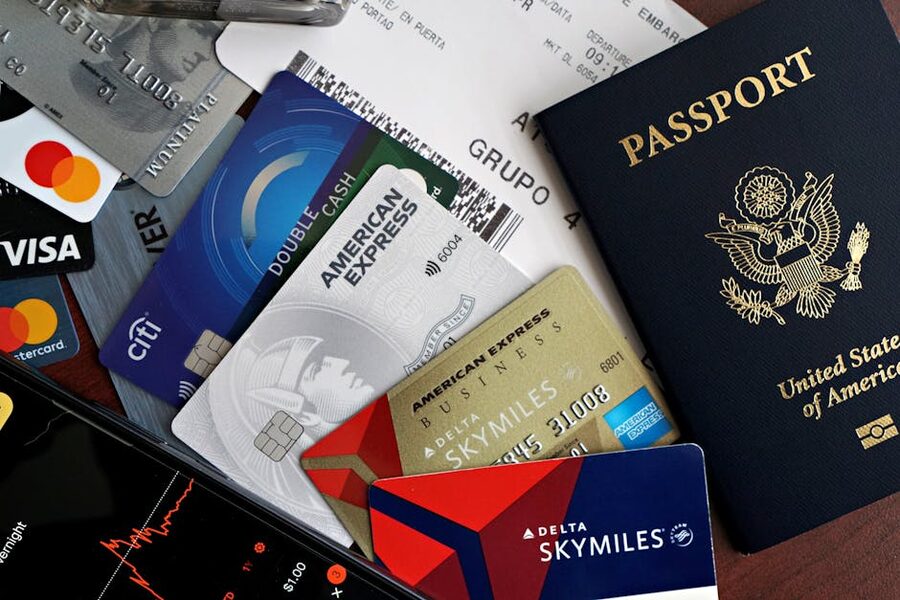
For Schengen visa applicants, travel insurance is mandatory and the minimum spec is non-negotiable: EUR 30,000 of medical and repatriation cover, valid in all Schengen countries for the full duration of your visa. The certificate must list the policy holder, the issuer, the validity dates, and the coverage amount.
For visa-exempt travellers, insurance is technically not required to enter, but Iceland’s medical system is private at the point of use for foreigners. A helicopter rescue from Vatnajökull or a stitch-up after a Reykjavik bicycle crash will run into thousands. Get insurance anyway. Most travel cards include basic cover, but read the small print on adventure activities and pre-existing conditions.
For ETIAS once it launches, insurance is not part of the application. But the same practical advice applies, visit Iceland uninsured and you are gambling with your savings.
Children, partners, and pets
Travelling with non-citizen family members complicates things and the answer changes by relationship.
Children: Each child needs their own valid passport. If they hold a visa-exempt passport, they enter visa-free like any adult. If a single parent travels with a child whose other parent stays home, bring a notarised consent letter from the absent parent, Icelandic immigration officers are professional but they will ask, especially at peak season.
Non-EU partners of EU citizens: If you are an EU citizen travelling with a non-EU spouse or registered partner, your partner is covered by the EU Free Movement Directive. This means a faster, free Schengen visa application (no fee, simplified documents), or in some cases visa-free entry on production of the marriage certificate plus the EU citizen’s passport. The catch: you must travel together or the EU partner must already be in Iceland. Solo arrival of the non-EU partner without the EU citizen does not trigger free movement.
Pets: Iceland has the strictest pet import rules in Europe. Dogs and cats need a 4-week pre-import isolation period at the Hrísey or Reykjanes quarantine facility, plus blood tests, microchip, rabies vaccination, and a heap of paperwork starting 6 months before travel. The cost runs to several thousand euros. Most pet owners simply leave the animal at home with a sitter. The official process is on the Icelandic Food and Veterinary Authority (MAST) website.
Russian, Belarusian, and other restricted travellers

Since the 2022 invasion of Ukraine, Iceland (along with all EU and EEA states) has heavily restricted Schengen visa issuance to Russian and Belarusian citizens. Tourist visas are technically still possible but applications are scrutinised, processing takes far longer, and refusal rates are above 50% for first-time tourist applicants.
Russian citizens cannot apply for visa simplification, the EU-Russia visa facilitation agreement was suspended in September 2022. Visa fees doubled to EUR 80 (now EUR 90 since 2024), processing time guidance is “no fixed timeline,” and many embassies require additional documentation including detailed itineraries and proof of funds well beyond the standard.
If you hold a Russian or Belarusian passport and want to come to Iceland, expect the process to take 3 to 6 months, expect a high refusal probability for purely tourist applications, and be ready to provide far more documentation than the standard checklist suggests. Family visits, business with strong ties, and study or work permits are still being processed but with extra scrutiny.
Sanctioned individuals on the EU restrictive measures list cannot enter Iceland regardless of visa status.

Cruise ship visitors
Cruise ships visiting Reykjavik, Akureyri, Ísafjörður, and other Icelandic ports operate under a different rule. Passengers on a properly documented cruise generally do not need an individual visa for the day they spend ashore, even if their passport would normally require one for an independent visit.
The cruise line handles the paperwork via a “ship’s manifest” submitted to Icelandic authorities. You step off with your cabin card, see the town, take the optional excursion, and re-board the same day. The window is usually 8 to 10 hours, no overnight stay.
The exception: if you plan to leave the ship and travel independently in Iceland for any extended period, or to step off at one Icelandic port and reboard at another, you need normal Schengen documentation. Check with the cruise line at booking, they will tell you what category your itinerary falls into.
Common visa traps and how to avoid them
A handful of mistakes account for most visa refusals and border problems. Here is what to actually avoid.
Cancelling hotel bookings after the visa is issued. If you booked a hotel for the visa application and then cancelled it after approval, and the embassy finds out later (they sometimes do, especially on repeat applications), you will struggle to get future visas. Don’t book and cancel, book real accommodation you intend to use, or use a refundable rate that you actually keep.
Applying through the wrong country. The “main destination” rule says you must apply at the embassy of the country where you’ll spend the most days. If your trip is 3 days Iceland, 7 days France, you apply for a French Schengen visa, not an Icelandic one. People who apply at the wrong embassy get refused on procedural grounds without the application even being assessed.
Travel insurance that doesn’t cover Schengen-wide. Many cheap travel policies cover one country only. The Schengen visa requires Schengen-wide cover. Read the certificate carefully and confirm it lists “all Schengen states” or the equivalent.
Passport validity counted from the wrong date. The 3-month validity rule is calculated from the day you depart Schengen, not the day you enter. If your trip is 1 to 15 May and your passport expires 30 July, you fail (only 76 days past departure, not 90). Renew well in advance.
Assuming the UK counts as a “Schengen reset.” It doesn’t. A weekend in London does not restart your 90-day clock. Neither does Ireland, Cyprus, or any non-Schengen destination.
Missing the second-trip ETIAS rule. Once ETIAS is in effect, a first-time visitor without one might get waved through during the grace period. A repeat visitor without one will be turned away from the gate before boarding. Don’t fly assuming you can sort it on landing.
Practical pre-trip checklist
Whatever your visa status, run this checklist 4 weeks before flying.
- Passport check, valid for 6 months past your intended date of departure (most airlines won’t board you with less, even though Schengen technically requires only 3)
- Visa or ETIAS, applied for, approved, copied (digital copy on your phone, paper copy in the bag)
- Travel insurance, Schengen-wide, EUR 30,000 minimum cover, certificate printed
- Proof of return, printed flight itinerary in the carry-on, even if it’s already in your phone email
- First night accommodation, printed booking confirmation, address, host name if it’s an Airbnb
- Funds proof, recent bank statement (the last month is enough), credit card with reasonable limit
- Contact info for your destination in Iceland, hotel phone number, host phone, anyone who can confirm you
- Email yourself the photos of every key document. If your bag is stolen and you have no phone, you can still walk into a consulate and prove who you are.
For practical help once you’re on the ground, our Iceland Guide covers what to do in your first 48 hours, the Iceland Flights guide walks through getting here on points or a budget, and our car rental guide covers the real costs of driving the Ring Road. The Iceland currency guide explains the krona and why nobody actually carries cash, and the best time to visit Iceland guide helps you pick a season that suits the trip you actually want. Browse all our travel tips for the rest.
The short summary
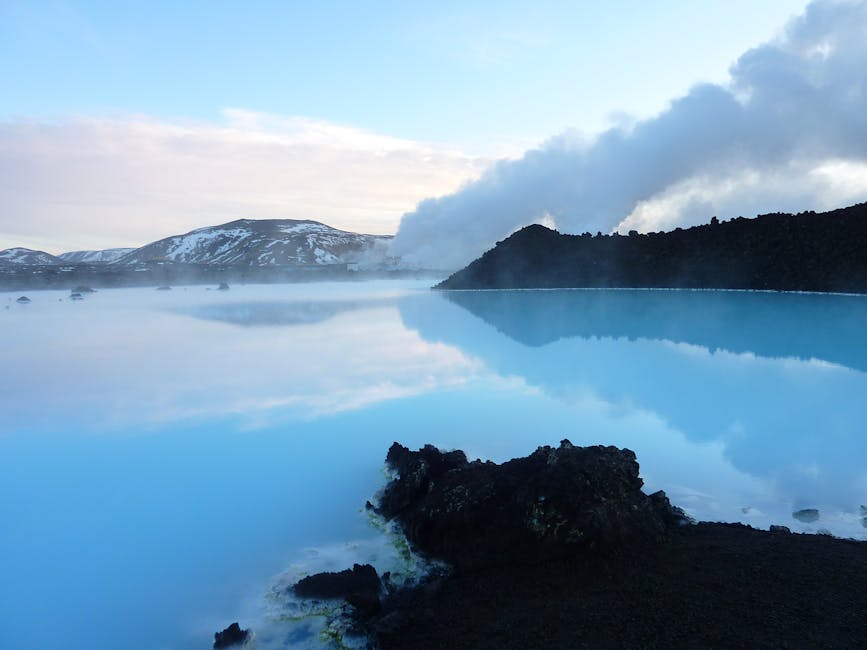
For most readers of this site, the visa story is one sentence: your passport is fine, no advance paperwork needed today, but ETIAS will become mandatory in 2027 and you should apply once it launches in late 2026.
If you do need a Schengen Type C, the process is bureaucratic but not mysterious. The official Government of Iceland page and VFS Global between them will tell you exactly what to bring. Apply at least 6 weeks early. Get the insurance. Bring the bookings.
For long-term plans, work, study, the remote-worker visa, start much earlier. Iceland’s Útlendingastofnun is methodical and slow. Three months of processing time is normal, sometimes longer.
And one last thing: Icelandic immigration officers are courteous and direct. The Keflavik queue is usually short. If you have your paperwork in order, you will be drinking coffee in 101 Reykjavik within 90 minutes of touching down. The visa is the easy part. Picking which 14 of the 800 things to do in Iceland actually fit your trip, that’s the hard one.
Last verified 26 April 2026 against the Government of Iceland’s official visa page, the Útlendingastofnun (island.is) wizard, the EU’s ETIAS portal, and VFS Global for application processing details. ETIAS launch confirmed for Q4 2026 with phased mandatory enforcement through October 2027. Always cross-check official sources before travelling, visa rules change.