Reykjanes is the kind of place you can’t fake. This short helicopter tour turns Reykjavík’s setting into a front-row seat for Iceland’s living geology, with a flight that includes the volcano zone and aerial views of the capital. I like that you’re not stuck looking at a frozen postcard; you get real-scale context for how this part of Iceland is changing day to day.
What I especially like is the pilot’s role in the experience. You’ll get geology explanations during the flight, and multiple people in the supplied accounts mention pilots such as Aleksander, Laura, Oliver, and Robert describing what you’re seeing and how recent eruptions fit into the bigger story.
One thing to plan around: the whole outing hinges on weather. High winds and cloud can mean a delay, a reschedule, or even a full cancellation with a refund, and timing can also affect whether you see the active action shown in photos.
In This Review
- Key Things You’ll Actually Notice
- Reykjanes From the Air: Why This 35–45 Minutes Feels Worth It
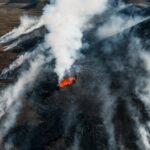
- Reykjanes Peninsula Stop: Fresh Lava, Craters, and Fault-Line Reality
- Reykjavík From Above and Faxaflói Bay: The City-Air Contrast That Hits
- The Real-World Flight Experience: Seating, Timing, and What 35–45 Minutes Means
- When You Land on Lava: The Moment That Makes People Say Must-Do
- Pilot Talk That Turns Views Into Understanding
- Meeting Point at Glacier HeliACE: Get There Early, Keep It Simple
- Price and Value: Is $592.82 Worth Your Time and Money?
- Who Should Book This Tour (and Who Might Skip It)
- Should You Book This Volcanic Helicopter Tour?
- FAQ
- How long is the Iceland Volcanic Eruption Area Helicopter Tour from Reykjavík?
- Where does the tour start and end?
- What is included in the price?
- What is not included?
- Is this tour offered in English?
- How many people are in the helicopter?
- Is there a weight limit?
- Do I need a paper ticket?
- What happens if the weather is bad?
- Can I cancel for a refund?
Key Things You’ll Actually Notice
- Small group feel: this is limited to a maximum of 5 travelers, with reports of very tight seating (around 5–6 seats).
- Reykjanes Peninsula distance: you’re flying to a geologically active area only about 30 km from Reykjavík.
- Two big views in one: volcano terrain first, then a pass over Reykjavík and Faxaflói Bay.
- Pilot commentary in plain language: accounts highlight pilots explaining eruptions, craters, and timelines.
- Sometimes you land on lava: when conditions allow, you may step onto solidified lava and walk briefly near eruption impacts.
Reykjanes From the Air: Why This 35–45 Minutes Feels Worth It
This is not a long tour. It’s more like a high-impact window into Iceland’s real-time drama. In 35 to 45 minutes, you trade hours of driving for direct overhead views and close perspectives you just can’t get from the ground.
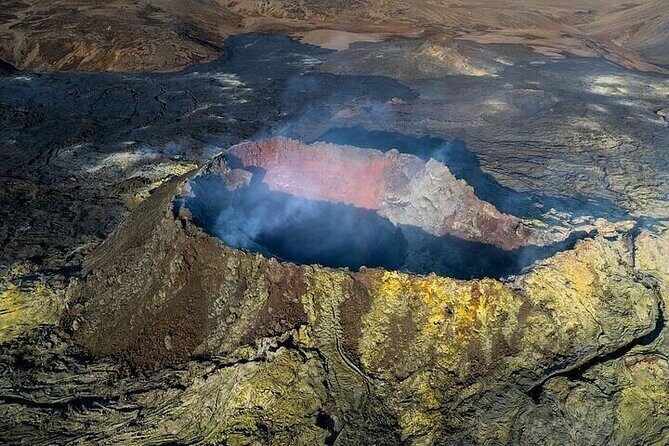
The value comes from the match between location and format. Reykjanes is one of Iceland’s most active zones, and a helicopter gives you angles that make the terrain’s patterns obvious—fissures, crater shapes, and lava flows show up fast when you’re above them. If you’re a photographer, this also means you can chase light and composition without waiting in a bus for hours.
The other reason this works is the pilot. You’re not just getting transport. You’re getting an on-the-spot explanation of what you’re seeing—exactly what makes a quick flight feel like a real experience, not a checklist.
You can also read our reviews of more tours and experiences in Reykjavik
Reykjanes Peninsula Stop: Fresh Lava, Craters, and Fault-Line Reality
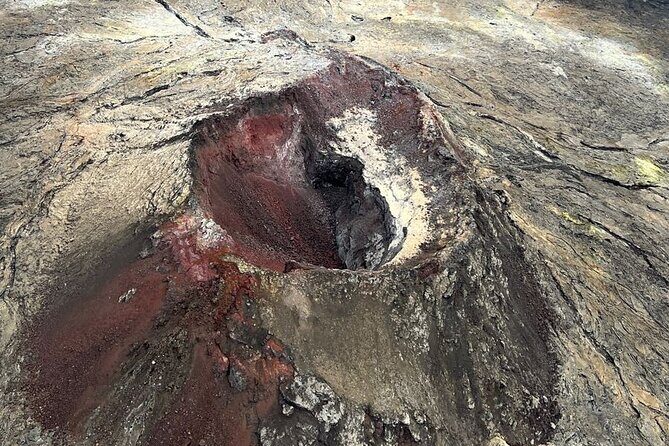
This tour’s volcano-area focus is the Reykjanes Peninsula, where volcanic and tectonic activity is front and center. The peninsula is roughly 30 km (about 19 miles) from Reykjavík, which helps keep the flight short while still getting you into the right region.
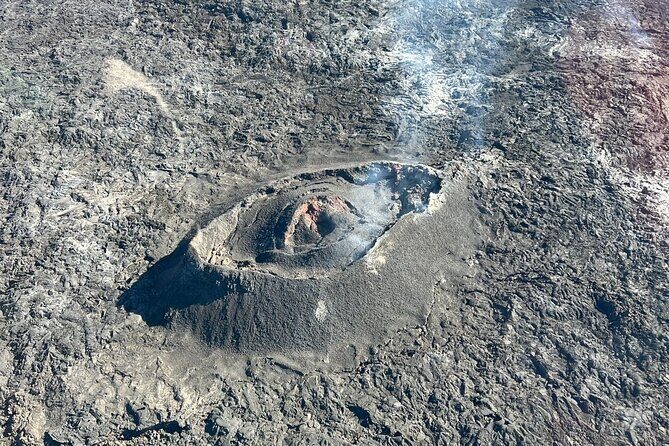
You’re going into an area tied to eruptions since 2021 and a seismic history with huge numbers of earthquakes in recent years. That matters because it sets expectations: even when lava is quiet at the moment, the ground often still looks freshly modified by recent activity. Think craters, lava fields, and signs of ongoing change rather than a single dramatic moment frozen in time.
The time on the volcano area is about 20 minutes. That’s short, yes. But from the accounts, pilots often adjust the flight pattern so everyone has a good look—tight turns around the volcano so seats still get their angles, plus repeated passes on the most interesting sections.
One detail I’d pay attention to: the tour is weather-dependent, and timing can shift what you see. Some people describe not seeing active lava flowing during their visit, while others report seeing red lava fields and even lava rising or ejecting. Either way, you should still expect strong views of eruption impacts, crater terrain, and how lava reshaped the area.
Reykjavík From Above and Faxaflói Bay: The City-Air Contrast That Hits
After the volcanic portion, you get the aerial view of Reykjavík. From the air, the city’s colorful rooflines meet the darker Arctic colors of the bay, and that contrast is the whole point.
This part is short but memorable because it flips the usual Iceland story. From the ground, Reykjavík can feel separate from the wild nature outside it. From a helicopter, you see how quickly urban life gives way to coastline, open water, and the raw edges of the northern Atlantic.
You’ll also get perspective on where you’re standing. When you know you just flew over a live volcanic zone, the city suddenly feels like a staging base rather than the destination. That change in viewpoint is why people love doing this early or near the start of their trip—it resets your mental map of Iceland.
The Real-World Flight Experience: Seating, Timing, and What 35–45 Minutes Means
Helicopters work in fast bursts. That’s good here because you’re not trying to absorb everything slowly. In 35 to 45 minutes, you’re really getting three things: lift-off views, volcano views, and city views, all with pilot commentary during the flight.
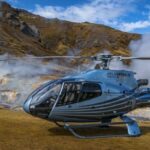
Group size is small—maximum of 5 travelers. That tends to make the experience feel personal, and it also affects how pilots can manage seating to give people good sightlines. In the accounts you provided, there are mentions of people trading seats to improve who gets the best crater-side views, including cases where a landing made swapping positions possible.
Now for the timing reality check. The tour has multiple departure times, which helps you pick a slot that matches your day. But Iceland weather can still push departures later or earlier than you expect, and winds can trigger cancellations. One negative account cites rescheduling calls and organization frustrations, so it’s worth staying reachable and checking your messages.
Also, yes, the flight is short. If you’re expecting a long narrative tour with lots of time standing around, you might feel it’s “just” a flight. The people who love it tend to treat it like a concentrated experience—then the photography and any landing time (if it happens) do the heavy lifting.
When You Land on Lava: The Moment That Makes People Say Must-Do
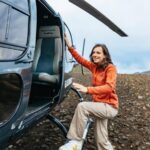
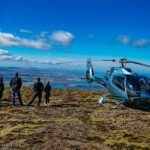
A big reason this tour earns strong praise is that some flights include landing near eruption sites and walking on lava fields. In the accounts you shared, multiple people describe landing and then stepping onto solidified lava, with pilots guiding them toward crater viewpoints and the impact areas.
This is the part that turns a helicopter ride into a true once-in-a-lifetime memory. Looking down at lava is one thing. Being near it, standing on it, and smelling the sulfuric presence you can sometimes notice is another.
One review detail that’s useful for your expectations: solidified lava can still feel unusual underfoot, and there can be venting gases in some areas. That doesn’t mean it’s unsafe for the group activity as run by the operator, but it does mean you should wear comfortable footwear and trust the pilot or crew on where you can go.
Because weather controls whether you can land, treat this as a possible bonus rather than a guarantee. Even without landing, the overhead view of craters, lava flows, and the shape of eruption impacts can still be spectacular.

Pilot Talk That Turns Views Into Understanding
The helicopter experience isn’t just about seeing volcanoes. It’s about understanding what you’re looking at while you’re looking at it.
Several names show up in the accounts—Aleksander, Laura, Oliver, and Robert—along with consistent feedback that pilots explain eruption types, timelines, and how features relate to what happened in the last years. That’s especially helpful because Iceland’s volcanic events aren’t random. They follow patterns tied to fissures and tectonic activity.
A practical takeaway: if you care about photography, pay attention to the pilot’s cues. You’ll often want to be ready for repeated passes over the most photogenic areas, including angles that reduce glare and improve detail in lava textures.
If you’re traveling with teens or first-time helicopter riders, pilot knowledge also helps with nerves. Calm explanations and confident flying matter. One account even mentions a first helicopter ride with nerves but a smooth, controlled feeling in the air.
Meeting Point at Glacier HeliACE: Get There Early, Keep It Simple
Your meeting point is Glacier HeliACE FBO Reykjavík, Nauthólsvegur 101, 105 Reykjavík, Iceland. The tour ends back at this same meeting point, which makes the rest of your day easier to plan.
The good part: it’s near public transportation, so you don’t have to lock into a private transfer just to catch the flight. The not-so-fun part: no hotel pickup or drop-off is included, so you’ll need to handle your own way in and out.
Also, this is a small operation, so timing matters. With helicopter tours, you’re not the only person competing for weather windows. If the operator calls to adjust timing due to conditions, answer quickly and be ready to move with the plan.
Price and Value: Is $592.82 Worth Your Time and Money?
At $592.82 per person, this is not a “nice-to-have” add-on. It’s a premium experience, and you should judge it based on what you gain: rare aerial access to a live volcanic zone plus expert talk in a small helicopter.
Here’s the value logic I’d use:
- You’re paying for speed and access. Reykjanes is geologically active, but getting the right view without a helicopter is hard.
- You’re paying for guidance. The pilot commentary turns photos into understanding, and that’s hard to replicate on your own.
- You’re paying for possible landing time. When you land on lava, the experience changes from view-only to physically present.
On the downside, you’re also paying for a fixed short duration. If you dislike tight time windows or you’re the type who wants long time on the ground, you may feel it’s pricey for what seems brief.
My advice: treat this like one high-impact activity rather than a generic sightseeing flight. If you’re a photographer, a geology fan, or you want a “wow” moment early in your trip, the price starts making sense quickly.
Who Should Book This Tour (and Who Might Skip It)
This tour fits best if you:
- want volcano views without committing to a full day of driving
- care about geology explanations while you’re in the air
- bring photographers who need angles and scale
- want a memorable family activity, including teens (several accounts say younger travelers loved it)
You might consider skipping if:
- you get stressed about weather-driven schedule changes
- you need long on-site time walking and exploring
- you want the exact active lava look from social media photos, every time (timing affects what you see)
If you’re nervous about helicopters, don’t assume it’s automatically terrifying. Some people in the accounts mention first-time helicopter nerves, but also describe pilots as calm, confident, and focused on safety and everyone’s views.
Should You Book This Volcanic Helicopter Tour?
I think you should book if your priority is a concentrated, high-value look at Iceland’s volcanic present and you’re okay with weather as the boss. The small group size, the pilot explanations, and the chance of landing on a lava field are strong reasons to plan this early.
If you’re on the fence because of cost, decide based on your travel style. If you’d pay for a front-row seat, this delivers. If you prefer long, flexible time on foot, you may feel the 35–45 minute format is too short.
My final nudge is simple: if your schedule can handle a reschedule, you’ll likely get the payoff. Iceland weather can be dramatic, but when the day cooperates, this is the kind of experience that changes how you see the country.
FAQ
How long is the Iceland Volcanic Eruption Area Helicopter Tour from Reykjavík?
The flight time is listed as about 35 to 45 minutes.
Where does the tour start and end?
It starts at Glacier HeliACE FBO Reykjavik, Nauthólsvegur 101, 105 Reykjavík, Iceland, and it ends back at the same meeting point.
What is included in the price?
The tour includes the helicopter tour of the new volcanic area and a fuel surcharge.
What is not included?
Food and drinks are not included, and hotel pickup and drop-off are not included.
Is this tour offered in English?
Yes, it is offered in English.
How many people are in the helicopter?
The maximum number of travelers is 5.
Is there a weight limit?
Yes. The total weight per passenger is listed as 243 lbs.
Do I need a paper ticket?
No. A mobile ticket is provided.
What happens if the weather is bad?
The experience requires good weather. If it’s canceled due to poor weather, you’ll be offered a different date or a full refund.
Can I cancel for a refund?
Yes. Free cancellation is available up to 24 hours in advance for a full refund.