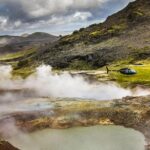
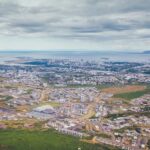
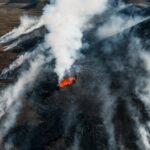
Reykjavik’s skyline turns into a volcano road trip. This helicopter tour takes you from the capital straight toward the Reykjanes Peninsula’s newest volcanic zone, where recent eruptions have reshaped the ground. I like that the flight is small-group and built around serious views: you get time above lava fields, smoldering volcanic terrain, and key landmarks like Mount Esja and Faxafloi Bay.
Two things I really like here. First, the tour uses experienced pilots and a modern aircraft, and multiple pilots in feedback (including Laura, Tamas, Tashi, and Juha) kept the vibe calm and photo-friendly, with loops so everyone can see. Second, the Reykjanes area is close enough that you can actually connect what you see from above with what Iceland is doing right now, including places such as Litli Hrutur, Geldingadalir, and Fagradalsfjall.
One drawback to plan around: you might not see active lava every time. Eruptions are unpredictable, and the flight is weather-dependent, so some days end up being more about crater shapes and terrain than glowing flows.
In This Review
- Key things I’d circle before booking
- Why this Reykjanes helicopter tour feels different from a standard sightseeing flight
- Ace FBO Reykjavík: the quiet start before the loud views
- Over the capital region: seeing Reykjavik’s scale against volcanic terrain
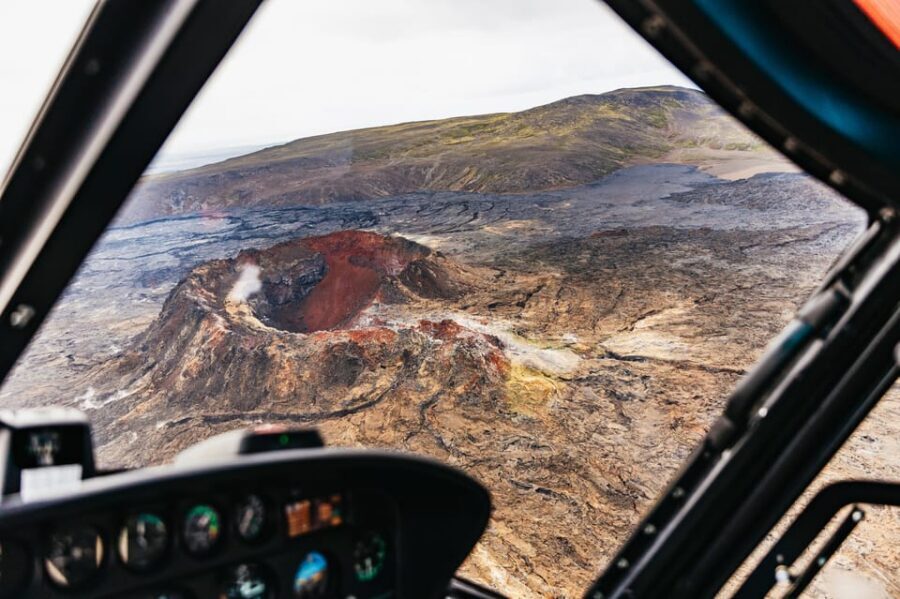
- Litli Hrutur Volcano: the crater-and-fissure view that makes the trip worth it
- Geldingadalir and Fagradalsfjall: the newest eruption fields in one sweep
- Grindavík and the coast: where lava country meets the sea
- Back toward Reykjavík: how the air turns into a gallery
- What you’ll actually see from the air: lava, craters, and the real limits
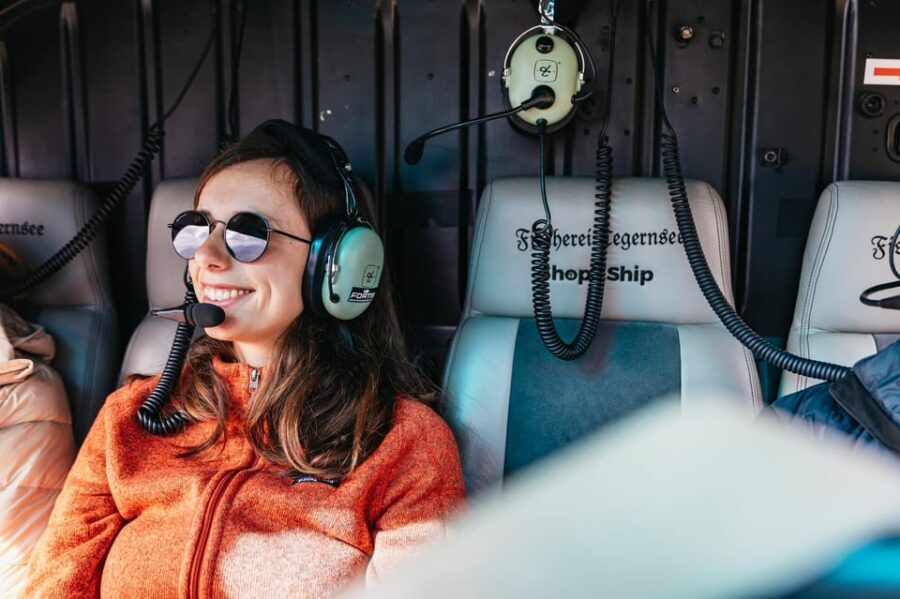
- Photo and seating tips that matter in a helicopter
- Safety and how pilots manage the flight day
- Price and value: what you’re paying for at $577 per person
- Weather reality check: why you should book early
- Who this tour suits best (and who might want a different Iceland plan)
- Should you book this Reykjavik helicopter tour over the Reykjanes Peninsula?
Key things I’d circle before booking
- Small group, short flight, big payoff: Limited to 6 participants, with about 30–40 minutes in the air.
- Recent eruption country, close to Reykjavik: A new volcano area roughly 19 miles (30 km) from the city.
- Stops tied to real eruption sites: Litli Hrutur, Geldingadalir, Fagradalsfjall, plus the coast near Grindavík.
- Photo-friendly flying: Pilots often bank and loop so both sides get views.
- Land-and-walk moments can happen: Some flights include landing briefly near lava and a short walk close to the ground.
- No lava guarantee: You’ll see volcano terrain, but visible lava depends on conditions that day.
Why this Reykjanes helicopter tour feels different from a standard sightseeing flight
A lot of Iceland sightseeing is about scale. This one is about detail. From the air, the Reykjanes Peninsula looks like a living diagram of Iceland’s power: fissures cut across the land, lava fields spread like cooled rivers, and crater rims show the story in layers.
I also like how close this is to Reykjavik. You’re not committing a full day to far-away volcano logistics. Instead, you get a focused hop of volcanic viewing that fits neatly into a Reykjavík stop, with a route built around the new volcanic areas that have seen multiple eruptions in the last four years.
And if you’re a photo person, the aerial angles do the heavy lifting. Lava fields and crater edges read way better from above than from a distant viewpoint. You also tend to notice patterns you wouldn’t guess at on the ground: where heat-fed flows channeled, where the ground broke into separate paths, and how the coastline reshapes the lava’s reach.
You can also read our reviews of more tours and experiences in Reykjavik
Ace FBO Reykjavík: the quiet start before the loud views
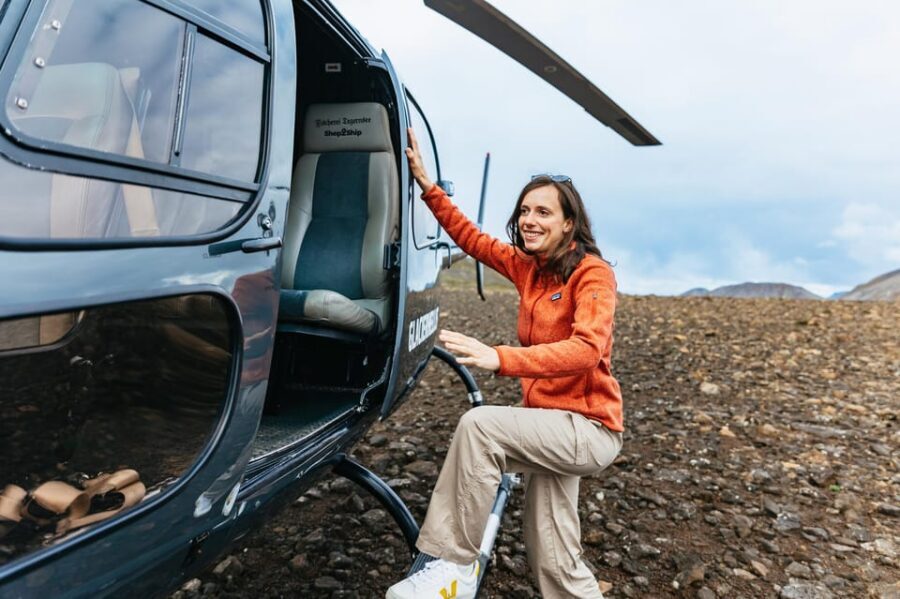
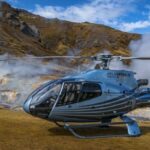
Your tour starts at Ace FBO Reykjavík, in the ACE FBO building behind Reykjavík Hotel Natura. This matters more than you might think, because a helicopter day runs on a tighter schedule than bus tours. You’ll want to arrive with time to check in and settle so you’re not rushed.
From there, you lift off quickly. The flight is short, which is good and bad. It’s good because you’re not trapped in transportation and waiting. It’s bad because every minute counts, so if you’re easily distracted, you’ll want to stay present from the moment you take off.
If you like a low-stress start, you’ll probably appreciate the tone in feedback that mentions staff being welcoming and the whole process running smoothly. One traveler even noted free coffee, tea, and water before take-off, which is the kind of small detail that makes a cold Iceland morning feel manageable.
Over the capital region: seeing Reykjavik’s scale against volcanic terrain
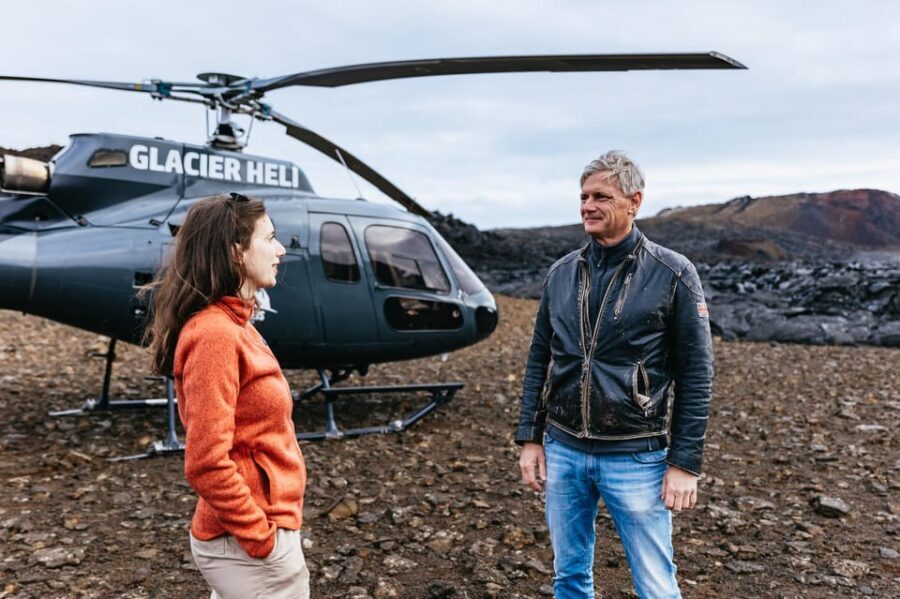
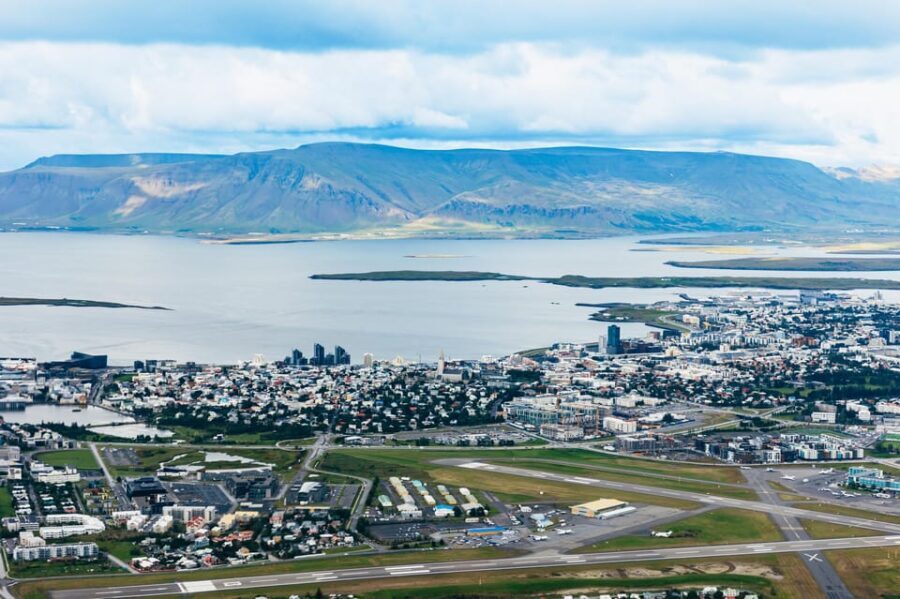
Before you reach the eruption zone, you’ll fly over the capital area. This segment is brief, but it’s the mental warm-up. From above, you see how the city sits near the coast, and you get a sense of how quickly Iceland can go from neighborhoods to raw terrain.
You’ll also be able to orient yourself. Even if you’ve spent time walking Reykjavík’s streets, the aerial view is a fast way to understand where things are in relation to the sea and the surrounding hills. It helps later when you’re spotting landmarks such as Mount Esja and Faxafloi Bay.
This is also a good time to get your camera ready. Don’t wait for the volcano to start photographing. Helicopter windows and glare can be tricky, so it’s smart to test your settings early when the aircraft is just settling into flight rhythm.
Litli Hrutur Volcano: the crater-and-fissure view that makes the trip worth it
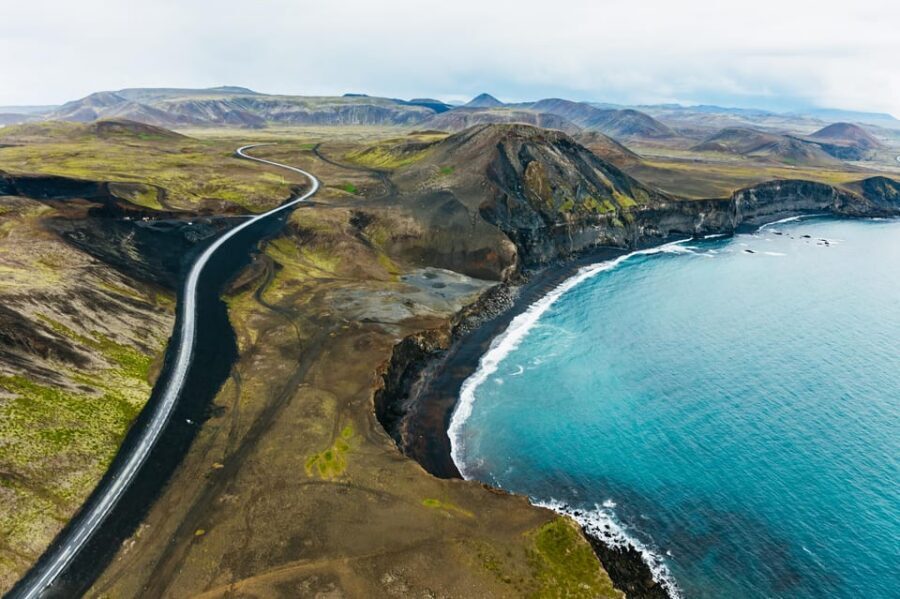
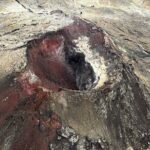
Litli Hrutur is one of the key volcanic targets on this flight. Even though the time overhead is short, it’s designed to give you the “how it actually looks” moment. From a helicopter, you can usually separate the terrain into readable sections: crater shapes, darker older lava, and the newer ground texture that comes from the latest activity.
What you’ll likely notice most is how volcanoes look less like one mountain and more like a set of connected features. Craters and fissures are not isolated. They sit in a broader system that channels where lava travels and where it stops.
Also, if you’re the type who likes to understand what you’re seeing, you’ll probably get a kick out of the commentary. Multiple pilots (including Laura and Peter in feedback) were described as professional and friendly while guiding attention to the features below. That means you’re not just collecting images, you’re learning what those images represent.
Geldingadalir and Fagradalsfjall: the newest eruption fields in one sweep
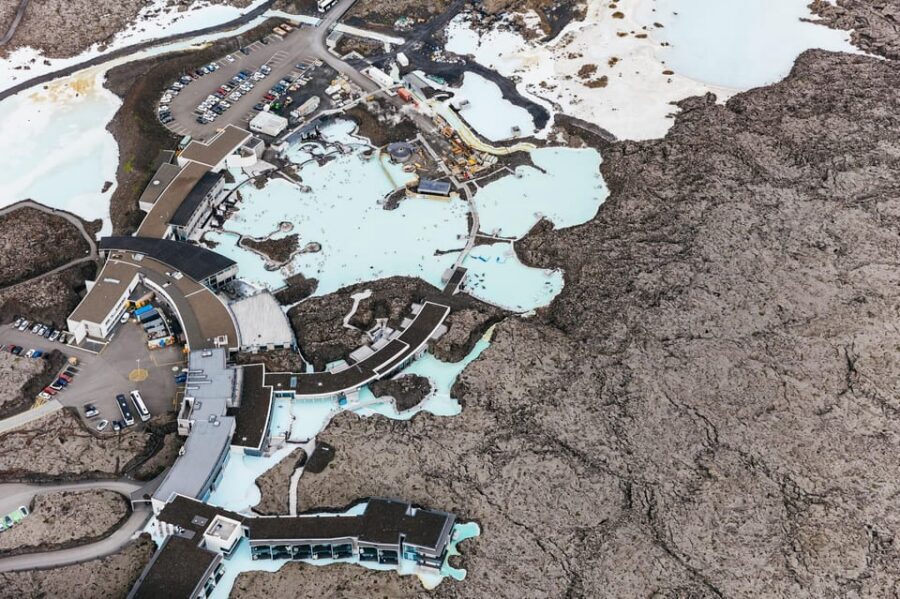
The route then heads toward Geldingadalir and Fagradalsfjall. These are the kinds of names that sound like geography homework until you’re above them and realize they’re basically a map of recent Iceland history made visible on the ground.
A key part of this experience is variety. You’re not looking at one identical lava field from one angle. You’re getting multiple looks at volcanic areas with different visual signatures: crater rims that read one way, lava channels that show another, and areas with ground that looks freshly broken compared with older flows.
Time matters here. The flight is only about 30–40 minutes in the air total, and each volcanic segment is short. That means your best chance to get photos without rushing is to follow the pilot’s cues. Pilots in feedback often circled and adjusted paths so people on both sides of the helicopter got views, including passengers sitting in front for more panoramic angles.
If you’re sensitive to motion, the shortness is a plus. Several accounts mention the ride feeling smooth, even when the subject matter is dramatic. That combination helps: you’re getting high-impact sights without the long, exhausting flight day feeling.
Grindavík and the coast: where lava country meets the sea
Grindavík is on the route, and that’s not just a random town stop. The Reykjanes Peninsula’s volcanic story includes how eruption zones relate to the coastline. From above, you can sometimes see how far volcanic activity has spread and how the terrain breaks toward the ocean.
This is one of those segments where a helicopter gives you an unfair advantage. On the ground, you might only get partial views through ridgelines, weather, or distance. From the air, you can keep the whole geometry in frame: landforms, lava fields, and the coastal layout.
There’s also an emotional element to the view. Some feedback notes the sadness for residents affected by evacuations, and it underlines how serious volcanic activity can be. Even if your goal is photography, it helps to keep that context in mind while you’re looking down. These are real places that have been changing.
Back toward Reykjavík: how the air turns into a gallery
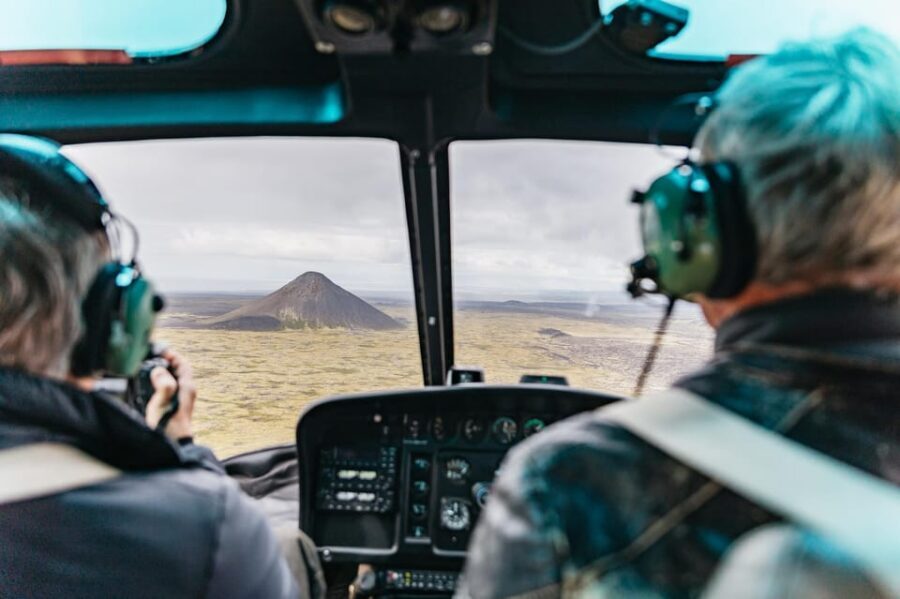
On the return leg, you’re still in a viewing mode. You’ll catch Reykjavik again from above, and suddenly the trip feels like a full loop: city to eruption zone and back to city.
This is when you get a clean comparison. Reykjavík looks engineered and controlled. The volcanic terrain looks cracked, layered, and in motion through time. Watching the contrast from the air helps the whole experience click.
It’s also the last chance for video if you want it. Helicopter filming works best when you’re not scrambling to find something interesting. If you’ve been paying attention and anticipating the next view, the return leg often turns into an easier, more relaxed camera moment.
What you’ll actually see from the air: lava, craters, and the real limits
Here’s the honest expectation-setting part. This tour is built to show you a new volcanic area and the active volcanic landscape near Iceland’s capital. But it’s still weather-dependent, and there’s no guarantee of visible lava during your flight.
So what can you count on? You can count on seeing volcanic terrain that includes lava fields and crater areas. When visibility and conditions line up, you might also see a simmering crater and lava streams. When conditions don’t line up, you’ll still likely come away with the most important thing: a clear view of how the volcanic systems sit in the land.
If you’re lucky, you might see enough activity that it feels almost surreal. One account describes heat, smoke, and colors from an active volcanic fissure. Another mentions disappointment when a lava flow wasn’t happening at the moment, but the pilot still delivered by guiding the group to older lava remains and eruption sites from the past.
That’s why the pilot role is so important here. A good pilot doesn’t just fly a route, they manage visibility, timing, and angles so the experience still lands even if the volcano is quieter on the day you visit.
Photo and seating tips that matter in a helicopter
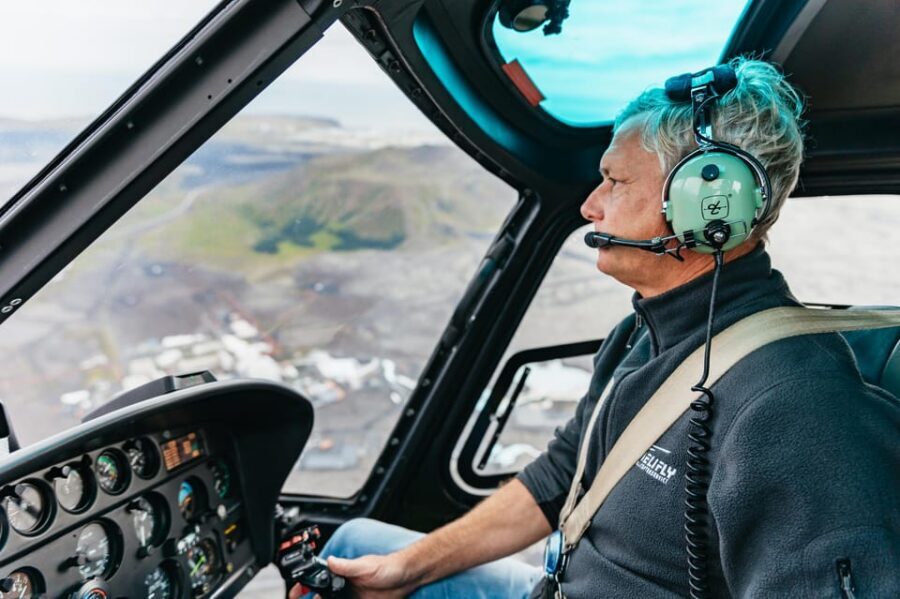
With a small aircraft and short airtime, you need a plan. Here’s what I’d do.
- Aim for clean window angles early, and then shoot as the pilot takes you into view corridors. Glare happens, so adjust your camera position rather than fighting the light.
- If you have a choice, consider front seating. One feedback mention praised front seats for more panoramic views, and it’s easy to understand why when you’re trying to capture whole crater systems instead of just edges.
- Don’t only shoot straight down. The best shots often include the horizon line or coastline so you can show scale. Iceland volcano photos that show context tend to feel more dramatic.
- If the pilot does loops or banks, don’t treat it like extra flying. It’s often for fairness: so passengers on different sides get meaningful views.
Also, if your priority is images of craters and fissures, treat the first real volcanic segment as your peak photography time. After that, you’ll still get great scenery, but the most intense subject tends to happen when you’re closest to the eruption features.
Safety and how pilots manage the flight day
This tour emphasizes safe flying and experienced staff. In the feedback, the consistency is striking: multiple travelers highlight calm, confident pilots and smooth handling.
That matters because helicopter flying can feel intense even when it’s safe. When pilots explain what you’re looking at and keep the cabin experience comfortable, you stop focusing on the mechanics and start paying attention to the planet doing its thing.
One traveler even credited pilots with being especially watchful about safety and communication. Another said the flight was smooth compared with other helicopter rides they’d tried. Those are the kind of details that help you relax when your day includes quick changes in angle, speed, and viewing direction.
Price and value: what you’re paying for at $577 per person
At about $577 per person for roughly 40 minutes total (with 30–40 minutes of helicopter time), this is not a budget activity. You’re paying for three things: access, time, and perspective.
Access is the first. You’re flying above eruption zones near the capital where ground access can be limited or time-consuming. Time is the second. The tour compresses a huge amount of volcanic viewing into a short session, which can be a big deal if your Reykjavík trip is packed.
Perspective is the third, and it’s the strongest value argument. From a helicopter, lava fields and crater edges become readable, and you see the systems in a way that normal viewpoints can’t match. Several accounts directly called this a once-in-a-lifetime view, and that lines up with the basic physics of the experience: above is the only place where you can understand the full shape of the terrain that took Iceland decades or weeks to build.
If you’re price-sensitive, you can also think of this as a premium upgrade to your Reykjavík itinerary. It’s one activity that can replace multiple long drives, viewpoint hikes, and re-checking bus schedules.
Weather reality check: why you should book early
This flight depends on weather and follows civil protection and emergency rules. That means you might need to reschedule if visibility or conditions aren’t safe.
My practical advice: book earlier in your Iceland trip window. If you have a second day available, you increase your chances of actually getting the kind of clear, crater-focused flight you’re imagining. One feedback comment specifically recommended booking early so a reschedule doesn’t steal time from your schedule.
Also, remember the volcano might be quiet on your specific flight. That doesn’t mean the tour fails. It means you’re buying the right to see volcanic terrain up close and understand what’s happening in the area, not a guaranteed show of glowing lava at the exact moment your calendar says it should.
Who this tour suits best (and who might want a different Iceland plan)
This tour is perfect if you want a big-picture-to-close-up look at Iceland’s volcanic activity without spending a full day on the road. It’s also great if you like photography and want aerial angles that you simply can’t get from the ground.
It’s a strong choice for first-time helicopter riders too, based on feedback that described the ride as smooth and the pilots as friendly and professional. If you’re flying with someone nervous about helicopters, it can help to know the cabin experience has been described as reassuring.
On the other hand, if your idea of value requires guaranteed visible lava, this might not be the best fit. The tour is designed to show you a new volcanic area and related features, but nature runs the schedule, not your itinerary.
If you’re over 120 kg, plan for the possibility of needing an additional seat. That’s a straightforward rule, and it’s worth checking before you fall in love with the idea.
Should you book this Reykjavik helicopter tour over the Reykjanes Peninsula?
I’d book it if you meet two conditions. First, you want volcanic viewing with a real aerial advantage, not just photos from a distance. Second, you can handle the weather-driven uncertainty that comes with flying.
If you’re chasing a once-in-a-lifetime view of craters, lava fields, and volcanic systems near the capital, this is one of the most efficient ways to get it. The small group size, pilots like Laura and Tamas described as ensuring everyone gets a chance to see, and the chance of landing close to lava on some flights all point to an experience designed for quality, not just motion.
If you’re still unsure, use this rule: if you can spare the money and you can spare a contingency day, this tour is the kind of Iceland experience that will stick with you long after the flight is over.