Want to see Iceland underground?
This short trip into the Raufarhólshellir lava tube is one of the most visual ways to understand how Iceland was built. I also love that you’re set up right from the start with all the caving safety gear, including a helmet and head torch, plus crampons when the ground is icy.
One thing to think about: the tour is marketed as a maximum of 15 people, but I’ve seen at least one departure run larger (one report mentioned 36). If group size matters to you, it’s worth confirming before you go.
In This Review
- Key highlights you’ll care about
- Raufarhólshellir lava tube: what makes this cave special
- The 1-hour itinerary: what happens during your underground walk
- Meeting point at Raufarhólshellir 816: getting set before you go
- Safety gear that actually matters: helmet, head torch, crampons
- Your guide’s job: turning rock shapes into Iceland facts
- What you’ll see inside: colors, textures, and winter ice effects
- Small-group tour vs real-world group size
- Price and value: is $66 worth 1 hour underground?
- What to wear and bring for a smooth cave walk
- When this tour is a smart choice (and when it isn’t)
- Book it or skip it: my decision guide
- FAQ
- How long is the Lava Caving Experience?
- Where is the meeting point?
- What does the tour cost?
- Is transportation from Reykjavik included?
- Is the tour in English?
- What equipment is provided?
- Do I need admission tickets separately?
- Is this tour suitable for first-timers?
- What if the weather is bad?
- Should You Book? (Quick verdict)
Key highlights you’ll care about
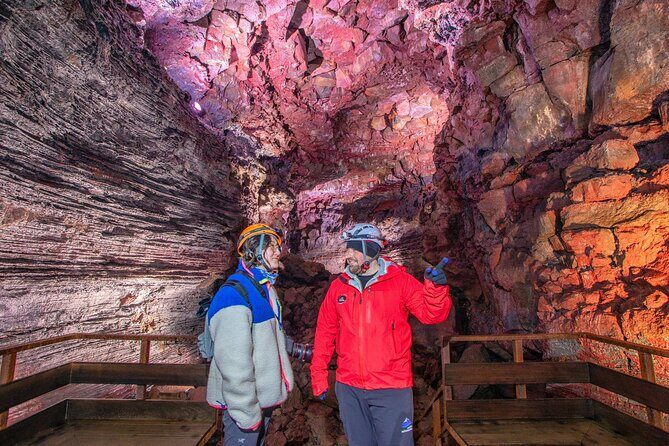
- Raufarhólshellir lava tube with dramatic colors, textures, and skylight-like openings
- Certified caving guide running the walk and explaining how volcanoes shaped Iceland
- Helmet and head torch included so you’re not renting gear in a hurry
- Crampons in winter for safer steps when conditions are icy
- Short, friendly 1-hour format that still feels like a real underground adventure
Raufarhólshellir lava tube: what makes this cave special
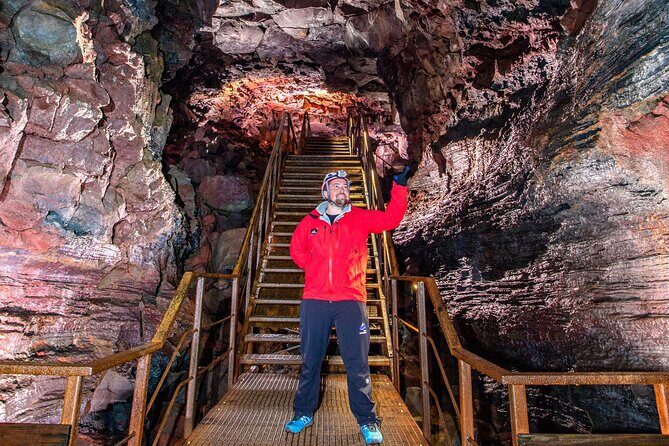
Iceland’s lava caves are weird in the best way. You step out of the cold North Atlantic world and into a place where rock has been carved into waves, walls, and shapes that look almost designed. At Raufarhólshellir, you’re not just walking through a tunnel. You’re seeing how heat, pressure, and time can turn molten rock into a long, sturdy underground space.
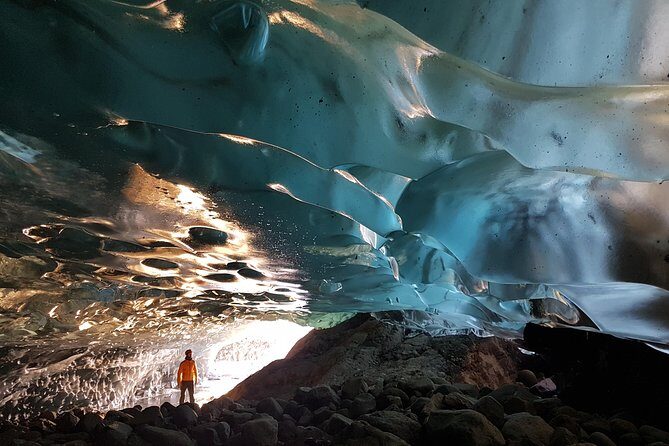
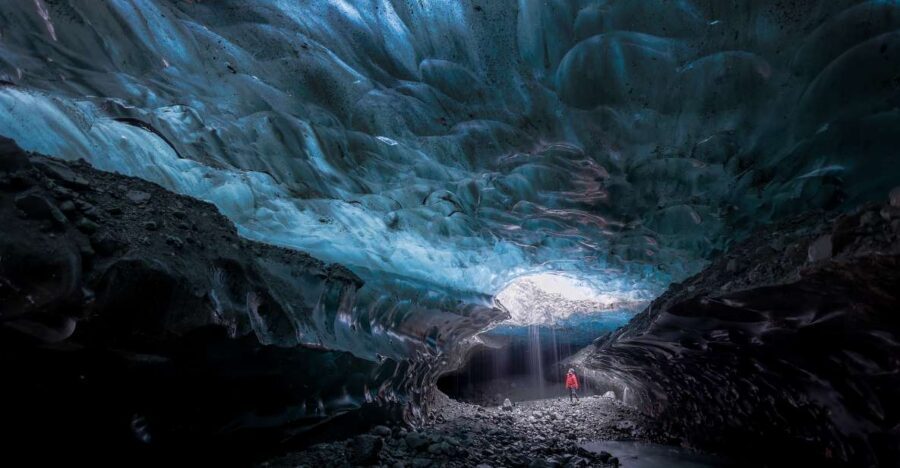
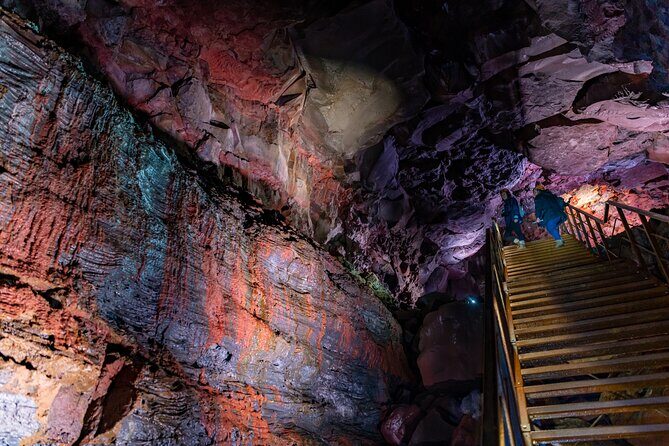
Inside, the views can be genuinely cinematic. People talk about the colors and textures—the way the cave walls look different depending on where the light hits. And ice formations can add another layer of magic in winter, including icy stalagmite-like shapes and frozen drips that catch the guide’s lights.
What makes this cave visit feel worth it is that it’s guided. Lava tunnels can be mesmerizing, but they can also be easy to misread. A good guide helps you connect what you’re seeing to the bigger Iceland story—volcanoes, shifting landscapes, and why this island keeps putting on geological shows.
You can also read our reviews of more tours and experiences in Reykjavik.

The 1-hour itinerary: what happens during your underground walk
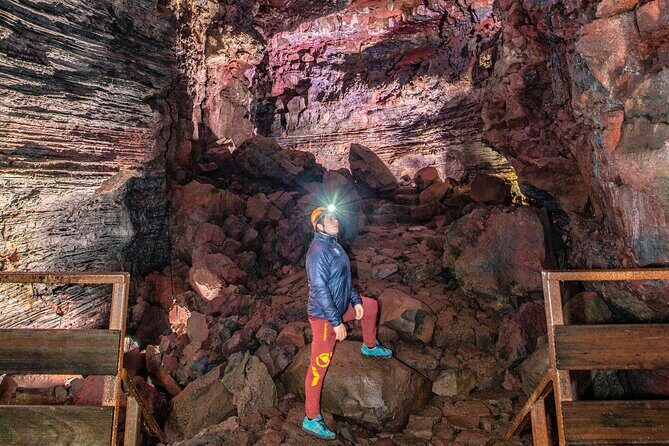
This tour is built around one main stop: Raufarhólshellir. After you meet up, you’ll head out to explore the lava tube with your group, led by the caving guide. Total time in the cave area is about 1 hour, so it’s a good choice if you want something “big” without tying up your whole day.
Here’s the flow you should expect:
- You start with a quick meet-up and gear check.
- You move into the lava tube with your helmet and head torch set properly.
- The guide pauses as needed to point out features and explain what formed them.
- You finish back at the same meeting point area.
There’s a nice practical side to the format. Because it’s short, you’re not spending half the day in gear and queues. It’s also easier to pair with other Reykjavik activities the same day, since the tour ends where it starts.
One possible drawback with any caving trip is that your exact timing can shift a bit with cave conditions. The good news is the experience is designed around staying safe and moving at a pace that fits first-timers.
Meeting point at Raufarhólshellir 816: getting set before you go
You meet at Raufarhólshellir 816, Iceland, and the tour ends back at the meeting point. That means you’ll want to plan your own ride from Reykjavik. The tour does not include transport to or from the city, so build in buffer time and don’t count on last-minute fixes.
The upside of meeting right at the cave area is that you’re not burning energy crossing Iceland just to get suited up. You go from parking or drop-off to gear and instruction, then straight into the cave.
You’ll also want to bring yourself in “ready-to-walk” mode. Even though many people find the walk manageable, you’ll still be on uneven, rocky surfaces. A quick mindset shift helps: in caves, you’re not sightseeing at a relaxed city pace. You’re moving carefully, listening, and watching where your feet land.
Safety gear that actually matters: helmet, head torch, crampons
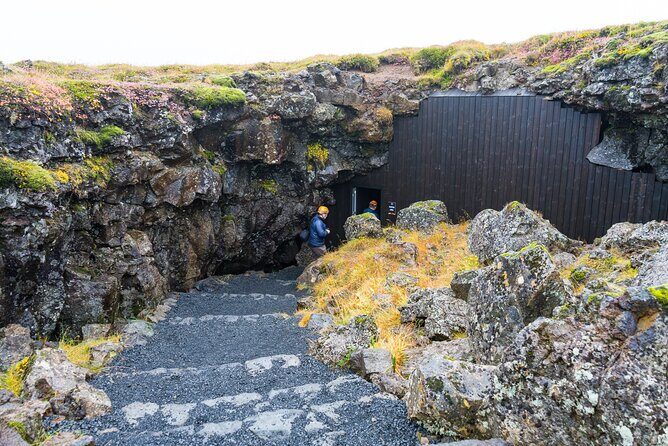
This is one of those tours where the safety part is not an afterthought. You get all necessary safety equipment, including a helmet and head torch. In winter, you’ll also have crampons, which is exactly what you want if icy patches show up on steps or paths.
You’re not just handed gear and left alone. The guide leads you through how to use it so you can focus on the cave rather than figuring out your equipment. That makes a big difference for first-timers.
A few useful practical notes from what you can expect in the experience:
- Bring a jacket. Cave air can feel colder than you expect, especially with winter ice.
- Wear hiking boots you trust on uneven ground.
- Pay attention early to how the guide handles the lighting. Good head torch positioning makes the cave’s colors and textures pop.
Some departures may also provide extra support like a walking stick. If you’re offered one, take it. It’s a small comfort that can make footwork feel easier in a place where traction matters.
Your guide’s job: turning rock shapes into Iceland facts
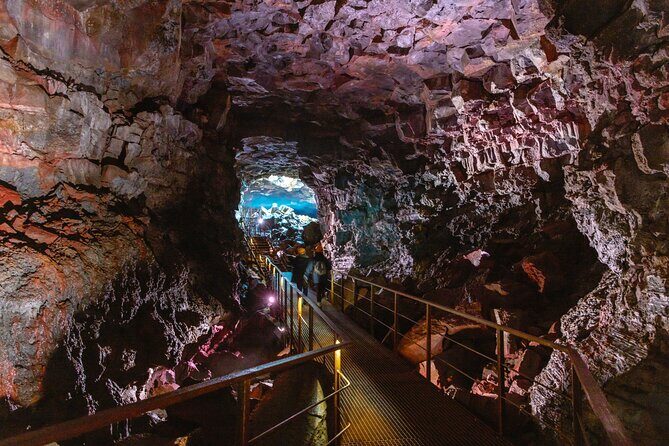
The best lava cave tours don’t just show you a tunnel. They teach you how to read it.
This tour is guided by a certified caving guide, and the explanations are part of why people rate it so highly. You’ll hear how volcanoes shaped Iceland and how lava tubes formed in the first place. It’s the kind of information that makes the cave feel less random and more logical.
The guide also keeps the experience lively. One named guide you might hear about is Dimitri, described as funny and enthusiastic—someone who can make geology feel human instead of textbook-heavy. Even if you’re traveling with a teen who usually zones out, the style can help. Lava caves are visual, and a good guide gives those visuals meaning.
If you’re the type who likes questions, this setup helps. You can ask about what you’re seeing as you go, rather than waiting until you’re back outside.



What you’ll see inside: colors, textures, and winter ice effects
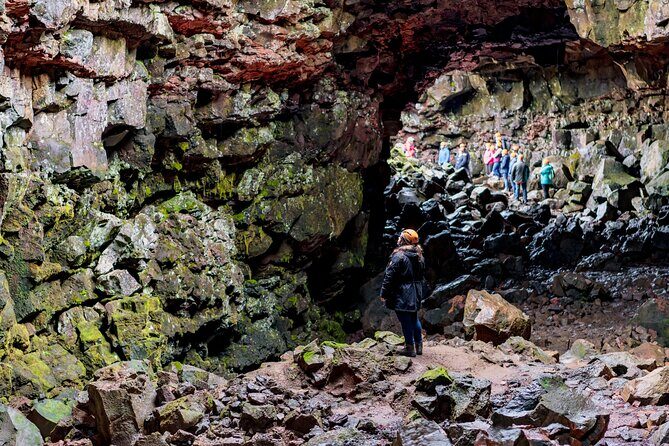
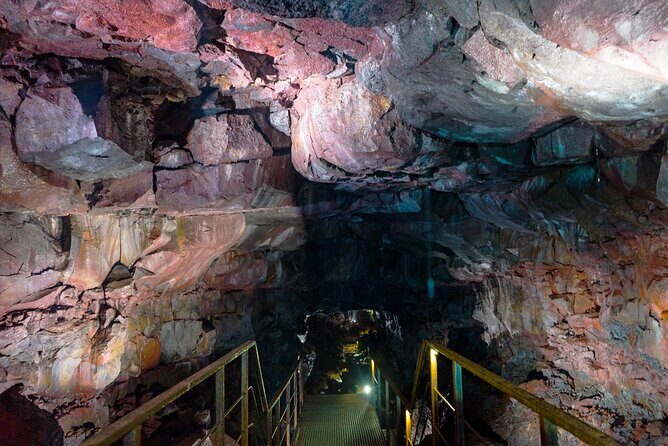
The inside of a lava tunnel can feel like a museum where the exhibits change the moment the light shifts. People often describe the cave colors as stunning, with wall textures that look like layered rock frosting. Head torches bring out details your eyes can miss in dim light.
Winter adds another highlight: frozen drips and ice shapes that form in ways that look almost delicate. Expect to see icy stalagmite-like formations and frozen droplets that sparkle when the lights shine through. In some cases, those frozen drips can stack into small piles, creating a candle-like effect—because the light passes through thin ice differently than it does through rock.
Even in non-winter conditions, the cave still has that otherworldly feel. You’re underground in a natural structure created by volcanic processes, so everything looks different from the outside world—smooth, curved, and shaped by flow rather than by erosion alone.
Small-group tour vs real-world group size
This experience is marketed as a small group, maximum 15 travelers. In real life, group size is one of the biggest factors that changes how a tour feels—quiet vs crowded, how fast you move, and how often you get direct attention.
One report mentioned a departure with 36 people, which matters because it can reduce the sense of intimacy. If you prefer a calmer pace and more personal questions, treat the “max 15” number as something to confirm for your exact date.
On the plus side, the tour is short. That helps limit the time you spend in any crowd. Also, when a cave is involved, safety and spacing are part of the flow—so the guide’s handling can still keep things comfortable even if the group is larger than planned.
Price and value: is $66 worth 1 hour underground?
At $66.01 per person, this isn’t a bargain that feels like a quick gimmick. You’re paying for a certified guide, the admission into the lava tunnel site, and the gear that makes caving possible: helmet, head torch, and seasonal traction help in winter.
That price makes sense if you think about what you’d spend to do a similar experience on your own:
- You’d still need equipment.
- You’d still need guidance for safe cave movement.
- You’d lose the geology explanations that turn the cave from scenery into understanding.
It’s also good value because the experience is timed right. You get about 1 hour in the cave, which is enough to feel like you did something special without carving a huge chunk out of your itinerary.
If you’re visiting Reykjavik and planning a packed week, this tour is a smart slot: it’s one of those “small time, big wow” experiences.
What to wear and bring for a smooth cave walk
For this kind of tour, your clothes matter as much as your curiosity. You’ll be dealing with cold air, rocky footing, and gear you need to wear comfortably.
I’d plan on:
- A warm jacket (caves can feel colder than the street)
- Hiking boots with decent grip
- Long pants if you get bothered by rubbing against rock
- A mindset of slow and steady, not fast and fancy
The tour provides the core safety gear, so you’re not showing up with your own helmet. Still, bringing the right clothing helps you move easily and stay comfortable through the full hour.
When this tour is a smart choice (and when it isn’t)
This lava cave tour is great for:
- First-timers who want real guidance (not “wander at your own risk”)
- Travelers who like science explanations but prefer them delivered in plain language
- People short on time who still want a genuinely Iceland-only experience
- Families and mixed groups, since the route is designed for most travelers and stays focused on safety
It might be less ideal if:
- You strongly dislike group settings and want guaranteed small numbers (ask about group size for your departure)
- You need a tour with included transport from Reykjavik (transport is not included)
- Weather is a big deal for you, since the experience requires good conditions
The weather point is important. If conditions are poor, the operator will offer a different date or a refund.
Book it or skip it: my decision guide
If you want a high-impact Iceland experience without spending all day in transit, I think you should book this. The combination of a real lava tunnel, a guided explanation, and provided gear makes it feel efficient and well set up for first-timers.
The main “pause” I’d have is crowding risk. Since the tour lists a max of 15, but at least one departure was reported as much larger, you’ll want to weigh how much that matters to you. If your schedule is flexible and you’re okay with the possibility of a larger group, this is still a strong pick.
One more tip: since bookings are often made well ahead (average advance booking is 54 days), don’t wait too long if your trip dates are fixed. Good caving slots can disappear when winter conditions line up.
FAQ
How long is the Lava Caving Experience?
The tour lasts about 1 hour (approx.).
Where is the meeting point?
You meet at Raufarhólshellir 816, Iceland, and the activity ends back at the same meeting point.
What does the tour cost?
It’s priced at $66.01 per person.
Is transportation from Reykjavik included?
No. Transport to and from Reykjavík is not included.
Is the tour in English?
Yes. The tour is offered in English.
What equipment is provided?
You get all necessary safety equipment, including a helmet and head torch. Crampons are provided in winter.
Do I need admission tickets separately?
No. Admission ticket is included for the cave visit.
Is this tour suitable for first-timers?
Most travelers can participate, and all caving safety equipment is provided for a safe first-timer experience.
What if the weather is bad?
The experience requires good weather. If it’s canceled due to poor weather, you’ll be offered a different date or a full refund.
Should You Book? (Quick verdict)
If you want an Iceland story you can stand inside—lava tube rock, ice effects in winter, and a guide who connects the geology to what you’re seeing—this is a very solid choice. Just double-check group size expectations for your date, and wear the right boots and layers.