Iceland’s geothermal energy comes fast on this route. This Golden Circle shore excursion is built for cruise timing and moves you through the sights that define Iceland’s planet-sized geology: the Hveragerði earthquake fissure, the Strokkur geyser area, and Þingvellir’s rift-valley views. I especially like the small-group setup (usually up to 8, with a maximum of 19) and the English-speaking local guide, and I love the fact that the bus plan is cruise-friendly if your ship runs late. The one drawback to plan for is the schedule: most of the day is riding, so this is not the tour for people who want long, slow hangs at each stop.
If you’re hoping for a day that feels personal rather than assembly-line, this route helps. Guides have names like Sven and Jónína, and they focus on safety while keeping the pacing realistic for an 8-hour shore visit (sometimes running a bit longer than listed depending on the day). You’ll also appreciate the mobile ticket format and the quick downtown Reykjavik detour on the way back.
In This Review
- Key Points at a Glance
- Why This Golden Circle Shore Trip Fits Cruise Schedules
- Small-Group Comfort: Minibus, Driver-Guide, and English
- The Morning Start: Where You Catch the Tour and What to Expect
- Stop 1: Hveragerði Earthquake Fissure in a Geothermal Town
- Stop 2: Kerið Crater Walk and Included Admission
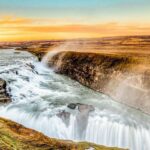
- Stop 3: Gullfoss Waterfall’s Two-Stage Drop
- Stop 4: Haukadalur Geysers and Strokkur’s Reliable Timing
- Stop 5: Efsti Salur Farm Ice Cream Stop (Not Included)
- Stop 6: Laugarvatn Hot Springs and Geothermal Bread-Baking
- Stop 7: Þingvellir National Park and the Alþing Setting
- The Reykjavik Detour: A Small Taste on the Way Back
- Price and Value: What $156.17 Buys You in Real Terms
- Weather, Timing, and the One Thing That Can Change Your Day
- Should You Book This Golden Circle Tour?
- FAQ
- FAQ
- What time does the Golden Circle shore excursion depart?
- How long is the tour?
- Where do I meet the tour in Reykjavik?
- How many people are in the group?
- Is the guide English-speaking?
- What transportation is used?
- What’s included in the tour price?
- What is not included?
- Is admission included for Kerið crater?
- If my cruise ship is late, will the tour wait?
Key Points at a Glance
- Small-group pacing: max 19 travelers, often closer to 8
- Cruise-timed logistics: designed for Reykjavik port days; bus waits if the ship is late
- Real geothermal stops: Hveragerði fissure, Haukadalur hot springs, and Þingvellir tectonics
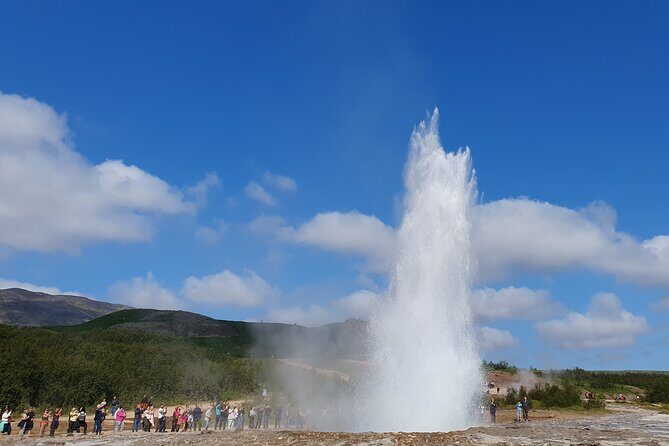
- Strokkur eruption rhythm: up to 25 meters, about every 5 to 10 minutes
- Handy value mix: several stops are free, and Kerið admission is included
- No food included: lunch and ice cream cost extra, but you can buy along the way
Why This Golden Circle Shore Trip Fits Cruise Schedules
This is one of those days that’s engineered for time pressure. Departure is set for 8:00 am from the Skarfabakki 312 Cruise Terminal, and the itinerary is built to cover the Golden Circle highlights without pretending you’ll have an endless afternoon. If your ship arrives an hour late, the bus will wait—exactly the kind of detail that makes or breaks a shore excursion day.
I like that it keeps the promise of the Golden Circle without turning it into a marathon of random stops. You’re heading between Reykjavik and the major geothermal and rift-valley sites, with enough time at each place to see the key things and still get back in time. And because the group is small, the guide can adapt pacing if weather or timing gets weird.
You can also read our reviews of more tours and experiences in Reykjavik
Small-Group Comfort: Minibus, Driver-Guide, and English
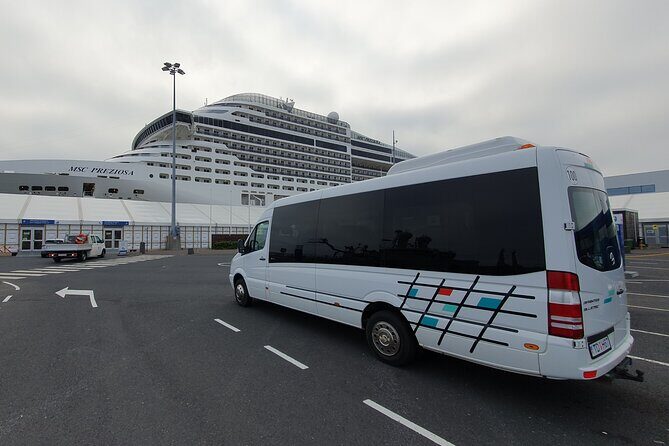
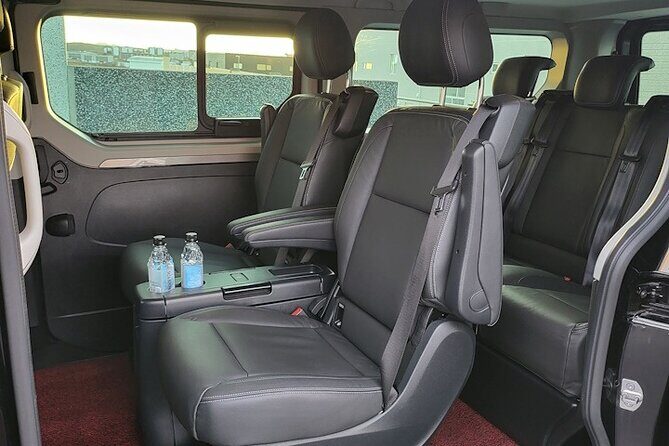
The experience runs with an air-conditioned vehicle and an English-speaking local guide. Group size is capped at 19, and it’s typically much smaller—often up to 8. That matters more than people expect, because cramped seating and crowded vans are what turn a “great itinerary” into a tiring day.
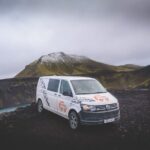
On days with fewer passengers, you may travel in a smaller minivan instead of a larger Sprinter-style vehicle. In practice, that can make the ride feel more like a road trip with a guide than a group tour with strangers. Also, one helpful detail from the way the tour can operate: the driver may also guide, which often means smoother transitions between photo stops and viewpoints.
The Morning Start: Where You Catch the Tour and What to Expect
Meeting point is Skarfabakki 312 Cruise Terminal (Skarfagarðar 8, 104 Reykjavík). The tour begins at 8:00 am, and it ends back at the meeting point. You’ll also use a mobile ticket.
My practical advice: don’t treat meeting time as “about.” Cruise days have clocks that don’t care about your optimism. Give yourself a buffer to find the correct sign and location, then be ready when the group is called. If weather is rough, the guide’s job gets harder—so arrive early and be ready to move.
Stop 1: Hveragerði Earthquake Fissure in a Geothermal Town
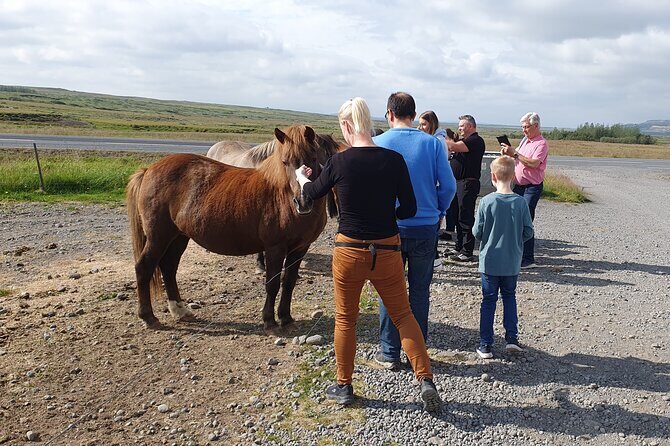
Hveragerði is a geothermal town known for heated greenhouses, and the tour uses that context to set the mood early. After crossing the Hellisheiðir plateau, you arrive for a short visit at a shopping center with an earthquake fissure. The stop is about 20 minutes, and the admission ticket there is free.
Why this stop works: it’s a quick, easy way to understand that Iceland’s geothermal story isn’t just about scenic steam. It’s about the ground shifting underneath people’s lives—then turning into practical energy use. It’s also a smart “first stop” because it doesn’t require a long walk or big exertion. You get a geology moment, stretch your legs, and reset before heading deeper into the Golden Circle.
Stop 2: Kerið Crater Walk and Included Admission
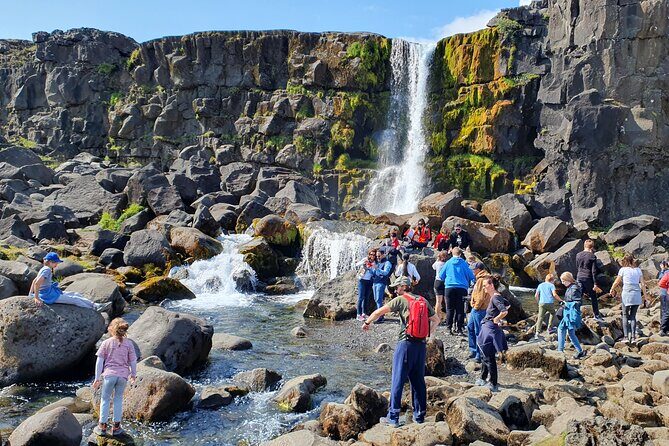
Kerið Crater is one of the most distinctive things you’ll see all day: a volcanic crater about 6,500 years old with a depth around 55 meters and a diameter roughly 270 x 170 meters. The water inside can vary in depth between about 7 and 14 meters.
You get a 20-minute stop, and admission is included. That matters for value and stress. You don’t want to spend your short day at a ticket desk while everyone else is already taking photos.
A note on expectations: this is not a long hike. It’s a chance to walk around enough to see the crater’s shape and color from multiple angles, then move on. If the weather is slick or windy, the short time helps keep this stop enjoyable rather than exhausting.
Stop 3: Gullfoss Waterfall’s Two-Stage Drop
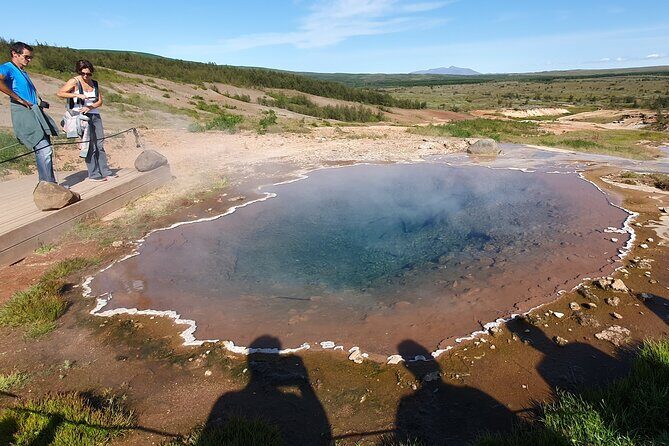
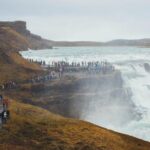
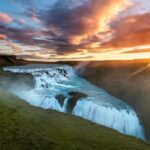
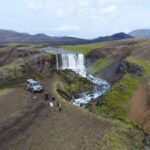
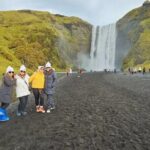
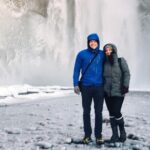
Then comes Gullfoss, one of Iceland’s headline waterfalls. The Hvitá River tumbles here in two stages into a narrow gorge. The stop is about 30 minutes, and admission is free.
What I like about this stop is the sheer “instant impact.” Even on a day when the sky isn’t doing you favors, the falls still deliver that heavy, physical roar and the sense that water is being forced into a tight space. You’ll get enough time to find a good viewing angle without feeling like you’re rushing.
The main thing to consider is weather and footwear. Gullfoss areas can be slippery. Plan to keep your steps careful, because the danger isn’t the idea of cliffs—it’s wet ground and wind.
Stop 4: Haukadalur Geysers and Strokkur’s Reliable Timing
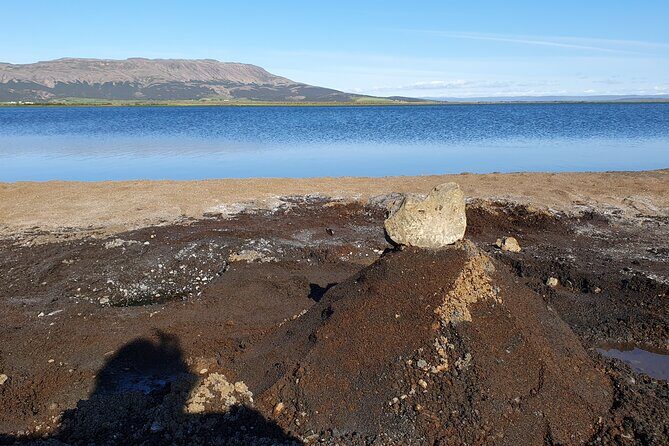
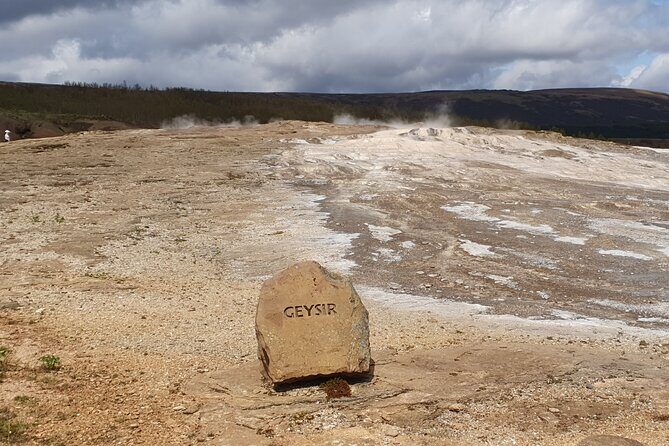
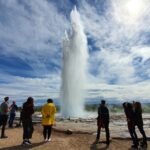
This is the big geothermal payoff: Haukadalur geothermal area, where the most famous action belongs to Strokkur. Even if the name-sake spring isn’t the star anymore, Strokkur still makes the show. It can erupt up to about 25 meters, roughly every 5 to 10 minutes.
You get around 45 minutes here, and the admission is free. That longer stay is the right choice. Geysers aren’t a “look once and done” attraction. With the eruption rhythm, you can usually see multiple cycles, plus take time to explore the hot springs area and watch steam vents around you.
This is also where the guide’s pacing helps. If the eruptions line up, you’ll catch them with fewer stress moments. If not, you still have a full window to enjoy the geothermal atmosphere without feeling like you missed everything.
Stop 5: Efsti Salur Farm Ice Cream Stop (Not Included)
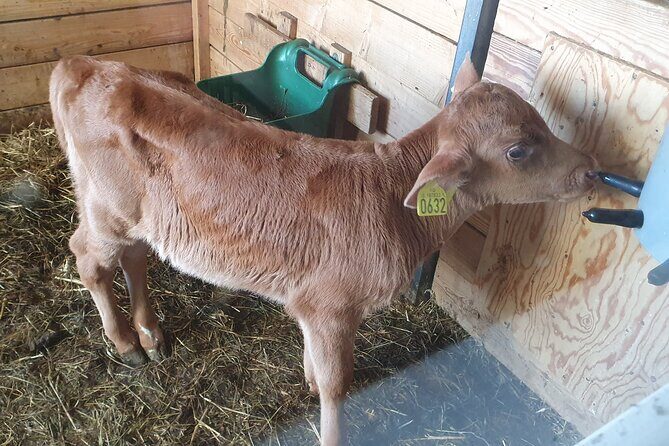
Next up is a short stop at Efsti-Dalur farm. The pitch here is simple: an ice cream factory using the farm’s own cows’ milk. The stop is about 20 minutes, and admission is free.
The key detail: ice cream is not included in the fare. That’s not a bad thing—it keeps the tour ticket price reasonable—but it does mean you should treat this as an optional add-on. If you want to try Icelandic ice cream, this is the moment to do it.
I actually like this stop because it’s a palate reset. After waterfalls and steam, a cold treat feels like a reward. Even if you skip it, you still get a quick taste of how local farms connect to everyday food.
Stop 6: Laugarvatn Hot Springs and Geothermal Bread-Baking
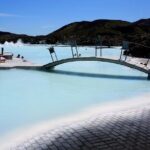
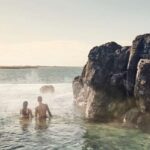
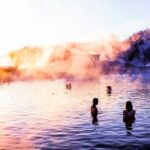
Laugarvatn sits by a warm lake, and the hot springs along the shore are used to bake bread using geothermal energy. This stop is about 10 minutes, with admission included in the tour structure as noted for the stop.
Even with only a brief stop, it’s a standout because it shows geothermal power in an ordinary human activity, not just a show for tourists. The idea is practical: heat from the earth used for something you can eat. That gives context to everything you’ve seen so far.
You’ll also be heading west across the Lyngdalsheiði plateau toward Þingvellir, with views of Lake Þingvallavatn and passing tectonic fissures along the way. Those road views aren’t just pretty—they’re your visual cue that you’re moving through a place where the Earth is actively changing.
Stop 7: Þingvellir National Park and the Alþing Setting
Þingvellir National Park is where the Golden Circle becomes personal and political at the same time. The Icelandic parliament Alþing was founded in 930. You’ll get about 45 minutes in the park, with admission listed as free for this part of the day.
Two experiences are called out in the route:
- A visit on foot to Öxarárfoss waterfall
- Exploring Almannagjá gorge, created by continental drift
Why it matters: continental drift isn’t an abstract textbook idea here. You’re walking in a rift valley environment. It’s the kind of place where you look around and feel that the ground has a story. And the Alþing detail adds weight because it connects geology to how humans organized themselves in Iceland.
As always, wear sensible shoes. Even on short walks, rift-valley footing can be uneven, and you’ll be outside for long enough to feel wind.
The Reykjavik Detour: A Small Taste on the Way Back
On the return, the tour includes a short detour through downtown Reykjavik before ending back at the cruise terminal. This is a nice touch if you want a few quick city moments without trying to shoehorn in extra sightseeing on limited port time.
Think of it as a way to bring your day full circle: you start at the port, spend the day out in Iceland’s geothermal and tectonic heart, then glance back at the city lights and streets before you’re on the ship.
Price and Value: What $156.17 Buys You in Real Terms
At $156.17 per person (with an 8-hour duration listed and mobile ticket), this isn’t a bargain-basement tour—but it’s also not priced like a private chauffeur day. The value comes from how much you get done efficiently with minimal hassle.
Here’s what you’re paying for that matters:
- English-speaking local guide who helps you connect the dots between stops
- Air-conditioned transport for a long road day
- A tight selection of major Golden Circle icons rather than a scattered route
- Included Kerið crater admission, while several other stops are free to enter
What’s not included is also part of the pricing equation: lunch, snacks, drinks, and ice cream are not included. You’ll have options to purchase food and drinks at stops along the way, so you can still eat, but you should expect extra spending if you like to graze during sightseeing.
If you’re traveling on a cruise, the timing and the fact the bus waits when ships are late can be the real value. Missed tours are expensive in the most frustrating way.
Weather, Timing, and the One Thing That Can Change Your Day
This experience requires good weather. That means you should expect that conditions can affect what you see and how smoothly things run. If weather cancels the tour, you’ll be offered a different date or a full refund.
Also, don’t assume the day will be exactly 8 hours to the minute. The schedule is designed for cruise timing, but some departures can run longer. That’s not necessarily bad—it can mean more time at stops or a more relaxed pace—but you should keep your cruise itinerary rules in mind.
Should You Book This Golden Circle Tour?
Book it if you want the Golden Circle highlights in a small-group setting, timed for cruise reality, with an English-speaking guide and minimal planning stress. This is a great choice when you want the big names—Hveragerði, Kerið, Gullfoss, Strokkur, Laugarvatn, and Þingvellir—without spending your day trying to work out buses, rental cars, and timing puzzles.
I’d skip it or look for an alternate style if you want a long, slow, self-directed exploration where you control how long you stay at each place. With this route, you’re trading freedom for efficiency.
FAQ
FAQ
What time does the Golden Circle shore excursion depart?
The tour starts at 8:00 am.
How long is the tour?
The duration is listed as about 8 hours.
Where do I meet the tour in Reykjavik?
You meet at Skarfabakki 312 Cruise Terminal, Skarfagarðar 8, 104 Reykjavík.
How many people are in the group?
The tour has a maximum of 19 travelers, and it is usually a maximum of 8.
Is the guide English-speaking?
Yes, the tour includes an English-speaking local tour guide.
What transportation is used?
You ride in an air-conditioned vehicle (a minibus is used for smaller groups).
What’s included in the tour price?
The included items are the air-conditioned vehicle and the English-speaking local tour guide.
What is not included?
Lunch, food, snacks, drinks, and ice cream are not included.
Is admission included for Kerið crater?
Yes, Kerið admission is included, while several other stops list admission as free.
If my cruise ship is late, will the tour wait?
Yes. The departure time and duration are suitable for cruise ships, and the bus will wait if your ship is delayed by about an hour.