Midnight sun and whales is a rare combo. This tour strings them together in one clean outing: you sail out of Reykjavik under the glowing sky, then work Faxaflói Bay for whales, dolphins, and porpoises. I like the Faxaflói Bay focus because it’s built around improving your odds, and I like the comfort setup, especially the thermal overalls and heated indoor seating. One thing to consider: sightings are never guaranteed, and visibility can be harder if the boat is busy or the sea is rough.
You’ll start at Geirsgata 11 in Reykjavík at 9:00 pm, head to the Old Harbour area to get on board, and then return back to the meeting point after about 2 hours 30 minutes. The best practical perk is the included “try again” ticket if you don’t see anything on your first night, so a slow outing doesn’t have to be money lost. You also get complimentary sea sickness tablets, free WiFi, and a Special Tours app in multiple languages to keep you informed as you scan the water.
In This Review
- Key things I’d highlight before you book
- Midnight Sun Whale Watching from Reykjavik: what makes it special
- Price and time: is $109.34 worth 2 hours 30 minutes?
- Getting started at Geirsgata 11 and the Old Harbour boarding moment
- On board comfort: thermal overalls, heated seating, and sea-sickness support
- Faxaflói Bay search: what you might spot and how the guide helps
- The two stops you’ll feel: Old Harbour atmosphere and the Special Tours handoff
- The sightings guarantee: how the free retake works in real life
- What to wear and pack for a midnight sun boat outing
- Group size and deck reality: seeing whales without going cross-eyed
- Who this tour is for, and who should reconsider
- A quick guide to the special touches that add up
- Should you book Midnight Sun Whale Watching from Reykjavik?
- FAQ
- What time does the tour start?
- How long is the Midnight Sun Whale Watching tour?
- What’s included for staying warm and comfortable?
- What if we don’t see whales or other animals?
- Where do we meet, and where does the tour end?
- Is food included on board?
Key things I’d highlight before you book
- Midnight sun at sea: you’re out at 9 pm with daylight in the sky, which can make spotting wildlife feel more natural than in full darkness.
- Faxaflói Bay route for better odds: the tour intentionally heads into the bay to hunt for marine mammal activity.
- Free retake if you see nothing: the policy is simple and worth real money if your timing is unlucky.
- Thermal overalls plus heated indoor seating: you can stay warm without turning the trip into a numb-fingers survival mission.
- Free WiFi and a multilingual app: helpful for staying oriented and learning what you’re actually looking at.
- Small-boat feel with a cap of 65: the group is limited, which generally makes it easier to see what’s going on.
Midnight Sun Whale Watching from Reykjavik: what makes it special
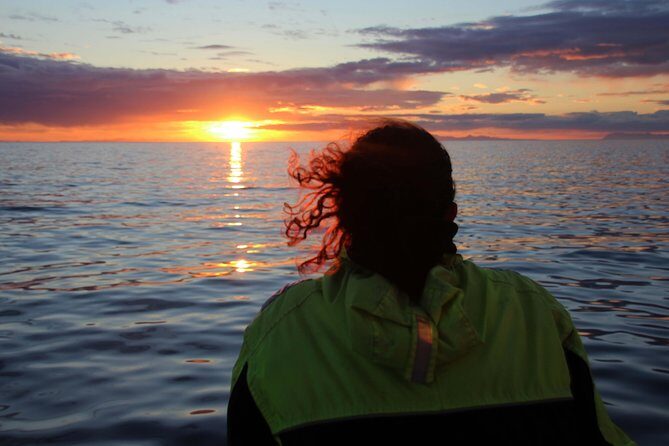
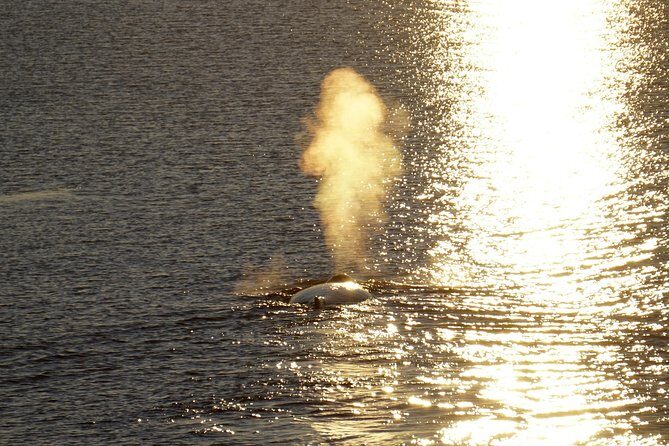
Reykjavík whale watching already sounds good, but this version adds a big twist: you’re doing it during the midnight sun hours. That changes the feel of the whole experience. Instead of squinting into a black sky and guessing where the horizon is, you’re watching the sea under a bright band of light. It can make spotting behavior easier because you have more visual time to catch a spout, a quick surfacing, or a body break at the surface.
The other reason this tour works is that it’s designed around search behavior. You’re not just doing a generic cruise. The plan is to push out toward Faxaflói Bay, where marine mammals can show up. That matters because whale watching is partly luck, and partly how hard you hunt in the right water.
You’ll also get real wildlife context from the guide on board. The best tours don’t just point at something when they find it. They help you understand what you’re seeing, why it might be happening right then, and what kinds of cues to watch for next.
You can also read our reviews of more whale watching tours in Reykjavik


Price and time: is $109.34 worth 2 hours 30 minutes?
At about $109.34 per person for roughly 2 hours 30 minutes, you’re paying for a mix of things: nighttime-to-late-evening departure logistics, a heated comfort setup, and the potential of a repeat outing if nothing happens the first night.
Here’s how I’d judge the value. If you’re the type who enjoys wildlife and can handle cold wind, you’re buying not only the chance to see whales, but also a guided education session on the behavior of marine mammals. That turns it from a quick sightseeing hop into an actual activity.
The retake ticket is a major part of the math. Whale watching is weather- and movement-dependent, and sometimes the animals simply aren’t where you need them to be. A no-sighting night can happen even with good operators. Having a free chance to try again helps you protect your money and your effort.
Time-wise, 9 pm is late, but it fits the midnight sun season vibe. You’ll be on the water in the hours when it’s still light enough to enjoy the sky and the sea. If you’ve already had a long day exploring Reykjavík, this tour can feel like a perfect capstone.
Getting started at Geirsgata 11 and the Old Harbour boarding moment
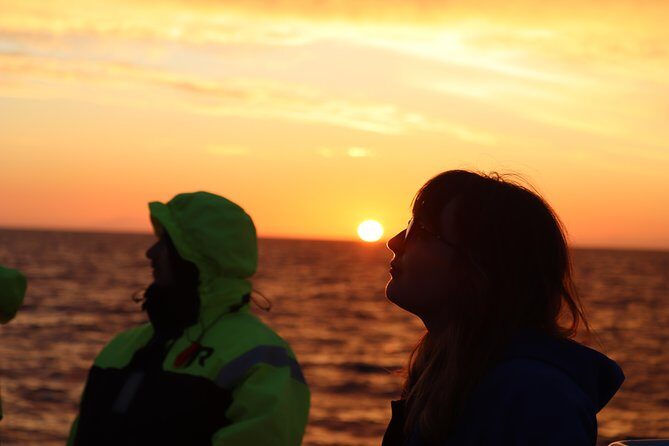
This is one of those tours where being on time matters, because you’re dealing with a boat schedule. The tour starts at Geirsgata 11, 101 Reykjavík, with a 9:00 pm departure. The experience ends back at the same meeting point, so you’re not stuck planning a separate return.
You’ll go through a first stop at the Old Harbour area for the boat segment, and there’s also a stop tied to Special Tours as part of the flow. Practically, that means you should arrive early enough to handle check-in calmly and not feel rushed.
A small tip that saves headaches: Reykjavík evenings can make it easy to lose track of time while you’re walking. Build in buffer time before 9 pm. Even a 5–10 minute delay can change how smoothly your group boards.
Also, hotel transfers aren’t included. That’s not a dealbreaker, but it does mean you should plan to get yourself to Geirsgata 11 using nearby public transport or a quick walk if you’re in central areas.
On board comfort: thermal overalls, heated seating, and sea-sickness support
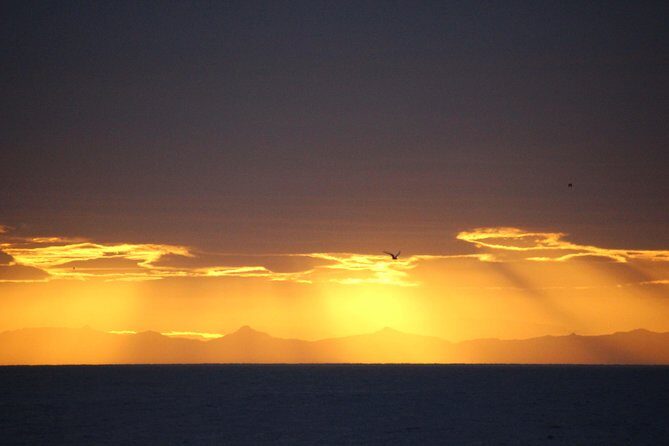
Cold is the enemy on a North Atlantic boat. This operator helps you beat it with practical gear, not just hope.
You get thermal overalls (including children’s sizes), plus heated indoor seating. That combination is a big quality-of-life factor. It lets you stay outside when you want the best whale-spotting angles, then duck in and warm up without ending the trip shivering.
They also provide complimentary sea sickness tablets, if you need them, and there’s free WiFi on board. WiFi won’t help you find whales, but it does help you keep in touch or look up what species features resemble in real time.
If you’re imagining a bare-bones “bundle up and pray” outing, this setup is the opposite. It’s built for comfort so you can focus on scanning the water.
One note from real-world experience: even with overalls included, conditions can still get messy. Choppy seas can splash you, and crowded decks can make sightlines feel tight. If that worries you, go ready to layer smartly and accept that being wet or windy is part of the deal on a boat.
Faxaflói Bay search: what you might spot and how the guide helps
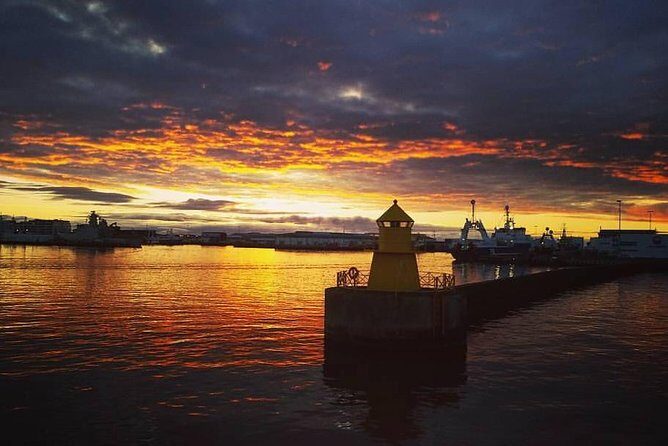
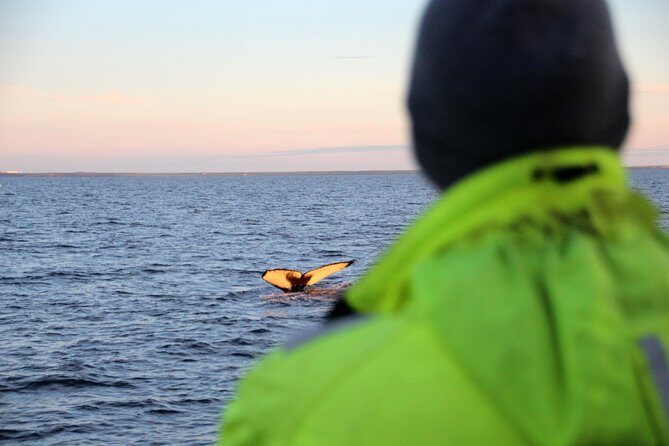
This is where the tour earns its name. After leaving Reykjavik, you head out and look for cetaceans in the water. The usual targets include whales, plus dolphins and porpoises.
What I like about the way this is run is that the crew isn’t treating sightings as a one-and-done event. You’re actively hunting, and the guide helps you understand behavior so you’re not just reacting randomly each time someone points.
Spotting tactics matter on the water:
- Watch for surfacing patterns, not just splashes.
- Look for birds first. Seabirds often show you where feeding activity might be.
- Pay attention to movement on the surface, not only vertical spouts.
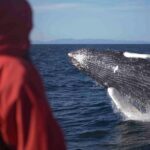
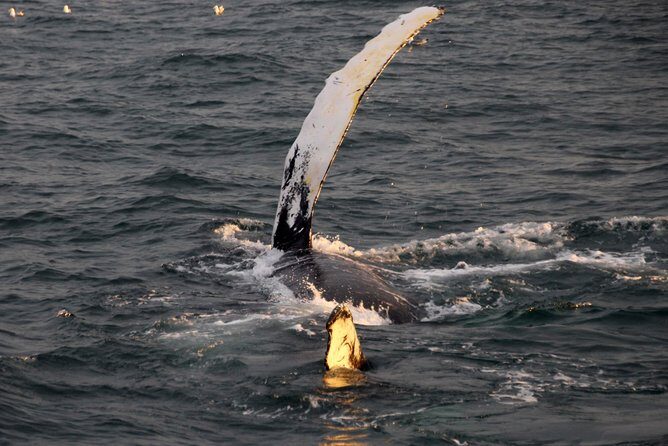
From the types of sightings reported, humpback whales are a standout possibility, and you may also see minke whales. You could even spot more than one species on the same trip, depending on conditions.
Guide styles can make a difference. On some departures, you might be guided by people like Daniel, Sophie, or Tom, and the common thread is clear: the guides aim to keep the group informed and engaged while the captains track animal activity.





The two stops you’ll feel: Old Harbour atmosphere and the Special Tours handoff
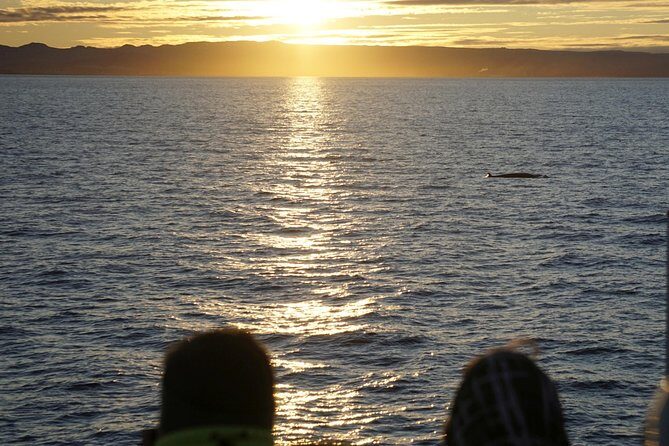
Even though the real action is out on the water, the early part sets the tone.
At the Old Harbour segment, you’re in the classic Reykjavik setting: boat energy, sea wind, and that feeling that the day is about to shift into something more “I’m actually outside” than museum time. This is where you’ll get settled and start transitioning into marine mode.
Then there’s the Special Tours stop as part of the overall flow. That’s typically the moment you can expect the organized handoff, gear distribution, and the quick briefing that keeps everyone moving as a group instead of milling around.
The drawback to both stops is the same one you get with any scheduled activity: if you’re late, you can miss the clean timing that makes boarding easy. Aim to arrive early, keep your gear simple, and treat the first 15–20 minutes as your priority window.
The sightings guarantee: how the free retake works in real life
This tour includes a free ticket to try again if you don’t see anything during your outing. That’s not a gimmick. It’s one of the best “value protectors” you can find in whale watching, because it compensates for the reality of wildlife behavior and weather.
How to use it smartly:
- If you have flexible days in Reykjavík, schedule this earlier so you’re not scrambling later.
- If you’re aiming to see whales on a specific night, accept that the sea decides the schedule. The guarantee helps you recover.
It also means you should consider booking this as a main experience, not a background option. If your first night is quiet, you’re not out of luck—you’re rerunning the hunt with the operator’s equipment and guidance again.
What to wear and pack for a midnight sun boat outing
Thermal overalls are provided, but you still need to think like a person spending hours on a wind-exposed deck.
Wear:
- Warm base layers you can breathe in.
- A hat or anything that covers ears.
- Gloves you can manage if you’ll stay on the upper deck.
Bring:
- Your normal water-resistant outer layer mindset.
- If you’re sensitive to motion, plan for that before you board.
If you get soaked, it’s not always from “poor luck.” Spray happens when the sea bumps the hull. Heated indoor seating helps you recover, but being prepared makes the trip feel far more enjoyable.
Also, if you end up on a faster, more motion-prone boat type, sit toward the back if you have knees or back issues. One experience shared that front seating felt like a rollercoaster, while the back was easier on the body. You can’t count on boat type changing every time, but it’s wise to remember that not all seating feels the same.
Group size and deck reality: seeing whales without going cross-eyed
This activity caps at 65 travelers, which is reassuring compared to the chaos you sometimes see on larger cruises. Still, on any whale watching boat, your best views depend on where you stand when animals surface.
Heated indoor seating is your safety valve. You can rotate between warm and cold zones. If you find the deck crowded during a stop, use indoor access briefly, then come back up when the guide directs attention.
Also, whale sightings can be fast. Dolphins and porpoises might show up in quick bursts, while larger whales can be slower and require patience. If you keep your eyes moving calmly and trust the guide’s callouts, you won’t waste time.
Who this tour is for, and who should reconsider
This tour fits best if you:
- Want something more active than a walking city tour.
- Enjoy wildlife education, not just a quick photo stop.
- Can commit to being outside for a few hours in chilly wind.
You might want to rethink it if:
- You get very motion-sensitive, and you can’t handle boat movement even with sea sickness support.
- You’re hoping for a guaranteed animal sighting regardless of weather. This is built for real conditions, and nature doesn’t sign contracts.
If you’re traveling with kids, the thermal overalls include children’s sizes, and the heated seating helps families manage the comfort side. If you’re a solo traveler, the guide-led scanning and app support can make it feel easy to join in without feeling lost.
A quick guide to the special touches that add up
A good whale watching operator does the boring things well. Here’s what’s working here:
- Free WiFi: useful for staying connected between scans.
- Special Tours app: available in multiple languages (English, German, French, Spanish, Chinese), which helps you track what’s happening even if you’re new to Iceland wildlife.
- Complimentary sea sickness tablets: you’re not stuck deciding mid-ride.
- Heated indoor seating: you can stay comfortable while still chasing the best views.
- Thermal overalls: it turns warmth into a solved problem for most people.
When these features exist, you spend less energy on comfort logistics and more energy on the main goal: seeing marine mammals.
Should you book Midnight Sun Whale Watching from Reykjavik?
If you’re choosing between “a nice boat ride” and “a whale-focused evening outing,” I’d lean whale-focused here. The route into Faxaflói Bay, the guide-led wildlife focus, and the practical comfort package make this a solid way to spend 2.5 hours.
Book it if:
- You have at least a couple of flexible nights in Reykjavík.
- You want a stronger chance at sightings through an intentional search route.
- You appreciate warm gear and a guided explanation while you’re scanning.
Skip it or wait for another option if:
- You can’t handle cold wind or boat motion.
- You need a strict schedule that doesn’t allow for weather-dependent changes. This kind of activity depends on good conditions, and the operator may offer a different date or refund if it’s canceled.
If you time it well and dress for the wind, this is one of the more memorable combinations Iceland offers: bright midnight sun skies above, and the real possibility of whales surfacing when you least expect it.
FAQ
What time does the tour start?
The tour starts at 9:00 pm.
How long is the Midnight Sun Whale Watching tour?
It runs for about 2 hours 30 minutes.
What’s included for staying warm and comfortable?
Thermal overalls are included, and there are heated indoor seating areas. Sea sickness tablets are also provided, and WiFi is available.
What if we don’t see whales or other animals?
If nothing is seen on your tour, you’re given a free ticket to try again.
Where do we meet, and where does the tour end?
You meet at Geirsgata 11, 101 Reykjavík, and the tour ends back at the same meeting point.
Is food included on board?
No. Food and drink can be purchased on board.