Reykjavik turns supernatural on foot. This guided folklore walk blends city sights with Iceland’s spooky-side sagas, from trolls and elves to river ghosts and old-school runes, with a dose of Icelandic magic that feels made for storytelling fans. I especially like the way you spot an Elfstone in the center of town while the guide keeps the plot moving street to street.
It’s not just cute fairy tales. Some scenes and characters can be scary for little kids, so plan for that if you’re traveling with children and want a gentler vibe, possibly with a private walk.
In This Review
- Key things you’ll remember
- Reykjavik’s folklore walking tour: what you’re actually buying
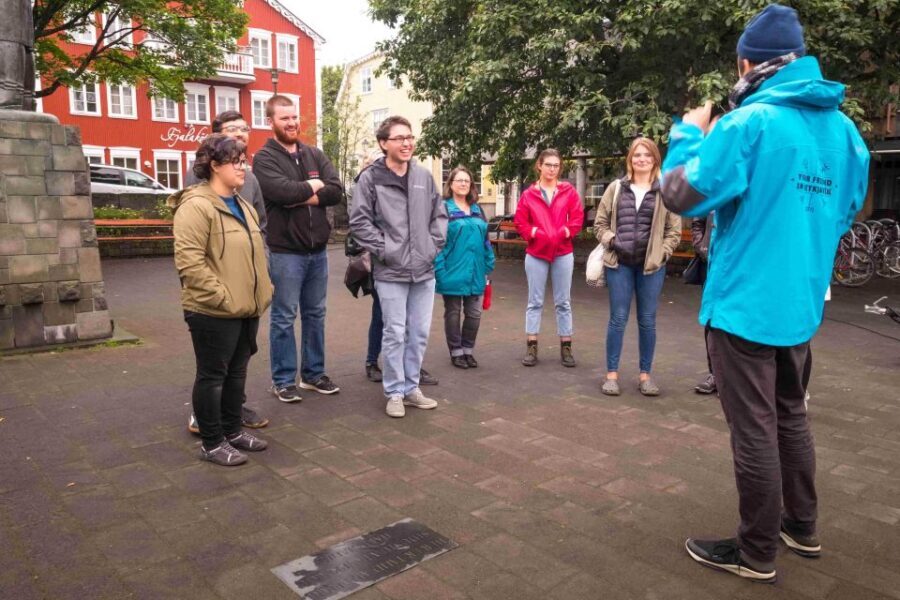
- Where the walk begins: Ingólfstorg Square in plain view
- Ingólfur Square and the Elfstone: folklore in the middle of the modern city
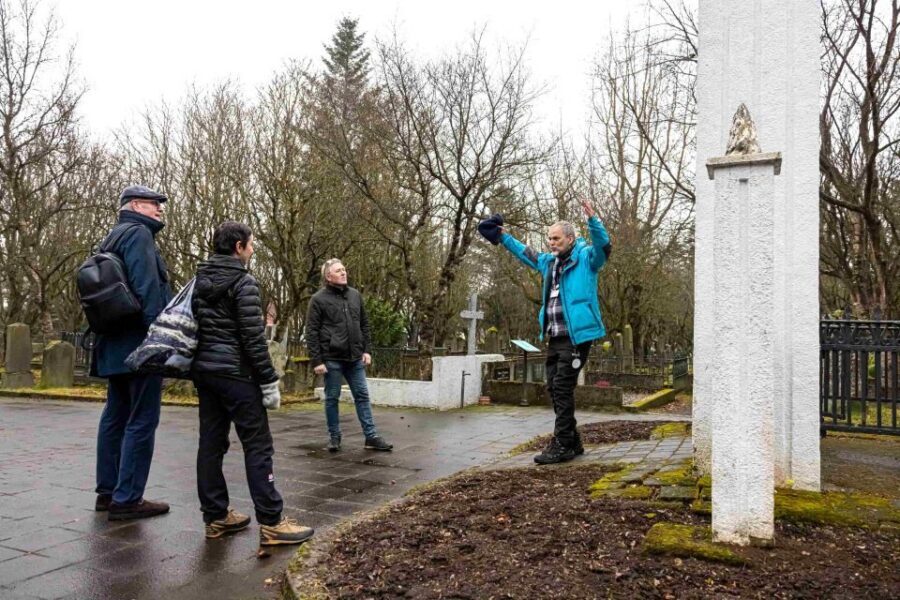
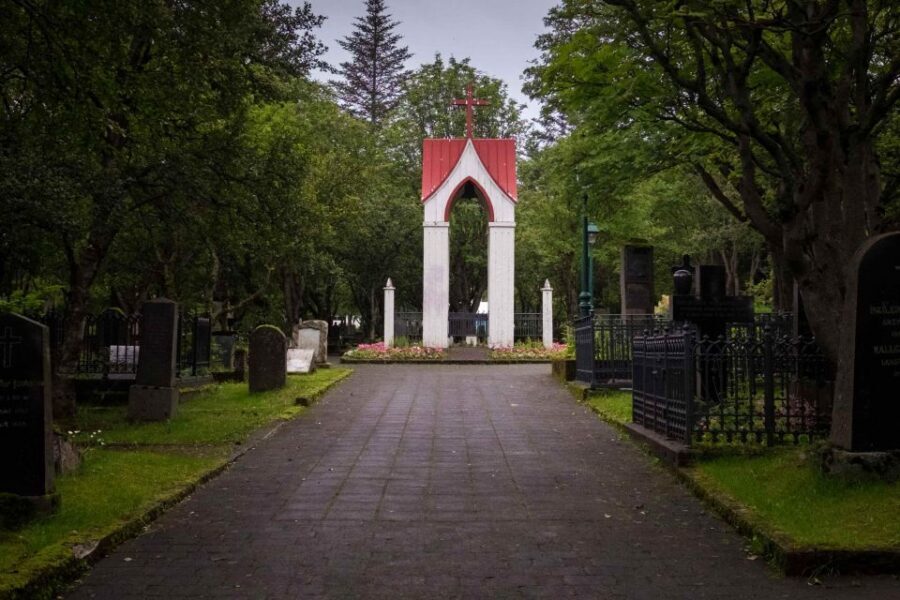
- Kirkjugarðurinn Suðurgötu graveyard stop: ghosts with a real setting
- The Cathedral of Christ the King: faith, then folklore beside it
- Lake Tjörnin and Austurvöllur squares: monsters, magic, and winter-night storytelling
- How the guide makes it work: acting, humor, and practical story cues
- Weather and timing: 1.5 hours that won’t steal your whole day
- Price value: $51 for story, sights, and a real sense of place
- Who this tour suits best (and who might want something else)
- Should you book this Reykjavik folklore walking tour?
- FAQ
- How long is the Reykjavik folklore walking tour?
- Where do we meet for the tour?
- What are the main stops during the walk?
- What languages is the guide available in?
- Is the tour wheelchair accessible?
- Is it suitable for young children?
- What should I bring?
Key things you’ll remember
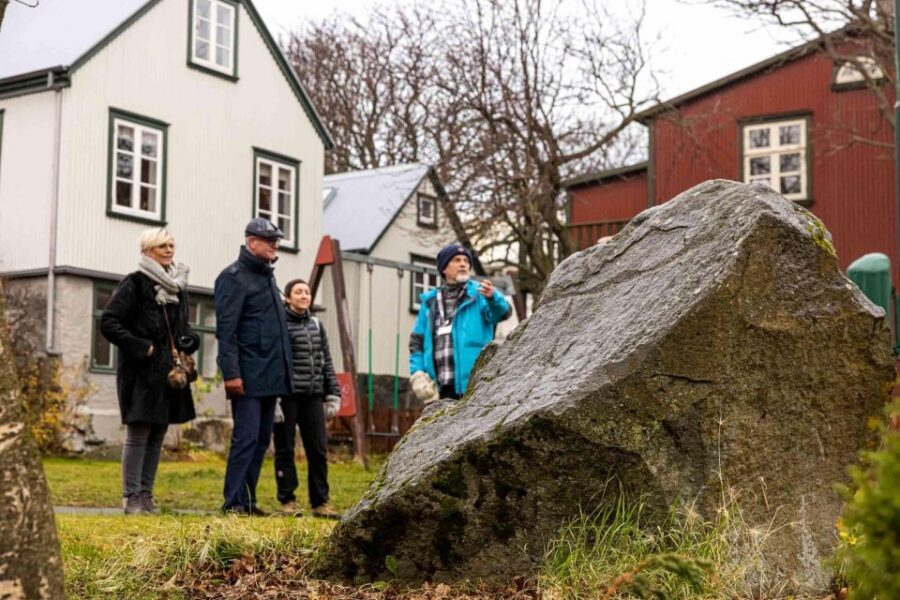
- Elfstone in the city center: a real Reykjavik marker tied into the hidden-people lore.
- Two old graveyard stops: where ghost stories fit the setting perfectly.
- Christ the King Cathedral: a religious landmark placed right next to folk beliefs.
- Lake Tjörnin and core downtown squares: folklore told against classic Reykjavík views.
- Magic, runes, and storytelling tricks: not lecturing, more like performance.
- A tight 1.5-hour loop: enough time to feel you learned something without burning your whole afternoon.
Reykjavik’s folklore walking tour: what you’re actually buying
For $51 per person, you’re buying something simple: a live guide who turns Reykjavik’s streets into a set for Icelandic legends. This is the kind of tour that works best when you accept the premise. Iceland’s folklore isn’t an add-on here. It’s the lens the walk uses to explain why places look the way they do—and why people still talk about hidden beings.
I love that the experience leans hard into story mechanics. Instead of reading facts from a sign, you get character-driven tales: elves and trolls, ghosts, and monsters that don’t behave like the Hollywood version. You’ll also hear about Icelandic magic and runes of old, which makes the folklore feel less like random campfire talk and more like a system of belief and symbolism.
The other thing I like is the pace. At 1.5 hours, you can fit it early in your stay without feeling trapped on your one day off. And since the route is in the city center, you get a meaningful chunk of Reykjavik geography in a compact time window.
You can also read our reviews of more walking tours in Reykjavik


Where the walk begins: Ingólfstorg Square in plain view
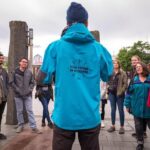
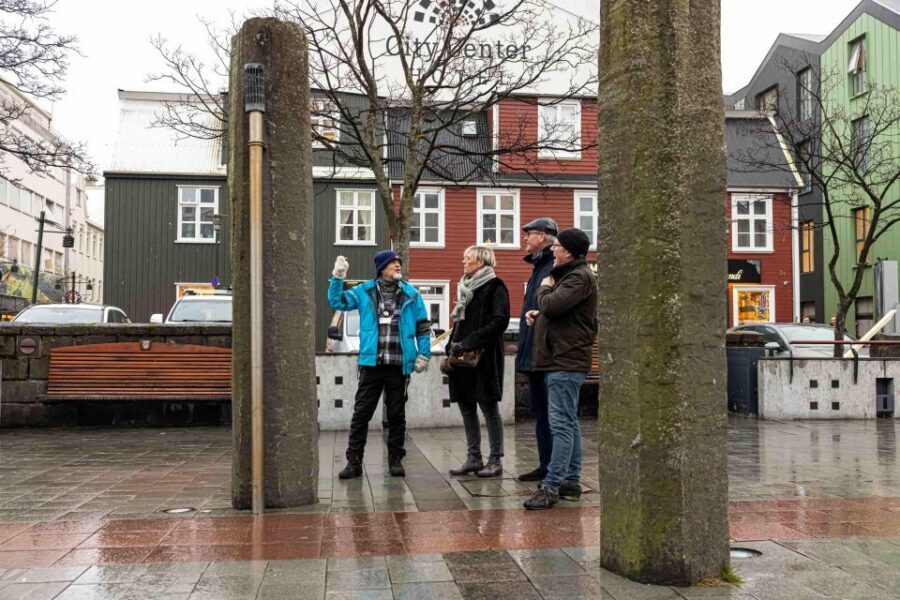
You start in Reykjavik’s downtown area at Ingólfstorg Square. The guide waits by the two stone high seat pillars, so you can find them without playing “guess the meeting point.” From there, the walk flows through the same central streets locals use every day—shops, squares, and landmark buildings.
This matters more than it sounds. If you’re jet-lagged, the last thing you want is a scavenger hunt before the fun begins. Here, the tour starts in a spot that’s easy to orient around. If you’re coming from Laugavegur (the main shopping street), you walk down until you reach the square area bordered by Aðalstræti, Hafnarstræti, Veltusund, and Vallarstræti.
Dress like you’re going outside in Iceland, because you are. Weather changes fast. Bring weather-appropriate clothing, and you’ll enjoy it more when the story keeps moving even if the sky doesn’t cooperate.
Ingólfur Square and the Elfstone: folklore in the middle of the modern city
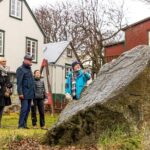
One of the first “wait, that’s real?” moments is Ingólfur Square. This is where the walk connects the modern streets to the hidden-people tradition, including a notable marker in the city center: an Elfstone.
That contrast is the whole point. Reykjavik looks like a small, clean Northern city—then the guide points you to a stone tied to elves and belief systems that survived alongside Christianity and modern life. You’re not just learning myth; you’re learning how myth shapes where people look, what they respect, and what they choose to remember.
You’ll also get a feel for the bigger storyline: Iceland is sometimes called the land of the sagas, and the tour uses those sagas as the backbone. The guide strings together characters like trolls, ghosts, and magical beings so each stop feels like part of the same narrative rather than a set of disconnected facts.
Kirkjugarðurinn Suðurgötu graveyard stop: ghosts with a real setting
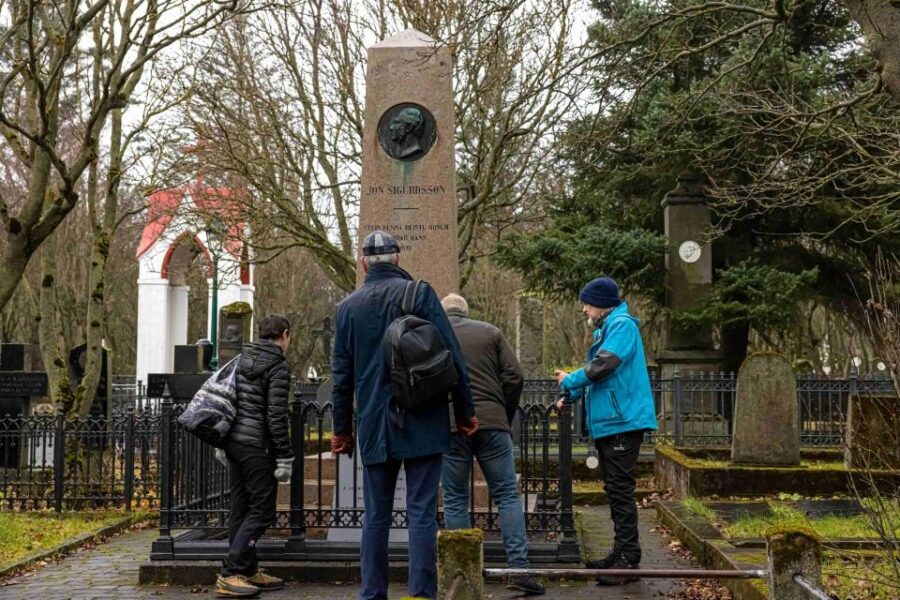
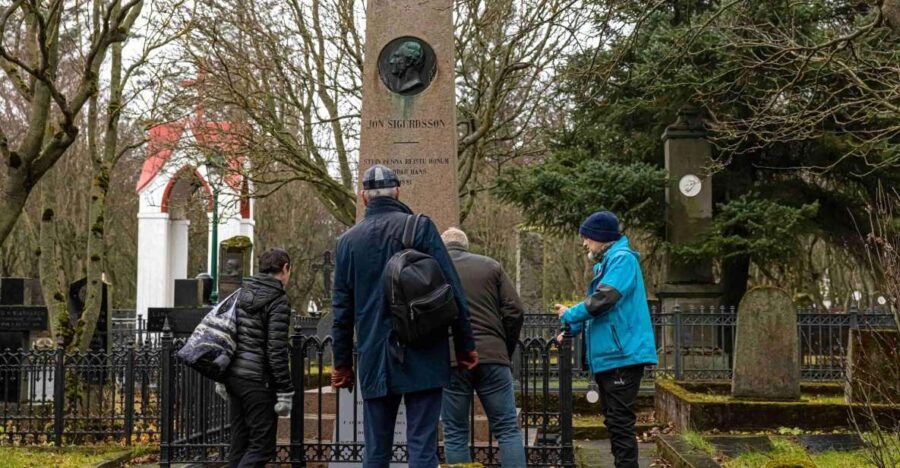
Next comes one of the emotional heavy hitters: Kirkjugarðurinn Suðurgötu, a cemetery stop built into the route. Graveyards are one of the best stages for folklore because the physical space does half the work. Stone, silence, history—your brain fills in the rest, and the guide steers that energy into story.
From what you’ll hear during the walk, expect more than mild “spooky.” You’ll get ghost stories and folklore tied to dark river themes (including the Deacon of the dark river) and the way Icelanders blended Christian life with older legends about what’s hidden beneath everyday reality.
If you’re nervous about scary content, it’s worth reading the room. This tour can be a little creepy in nature, especially around cemetery moments. The folklore portion may not feel like horror movie stuff, but some of the delivery can be intense—particularly when the guide acts out scenes.
The Cathedral of Christ the King: faith, then folklore beside it
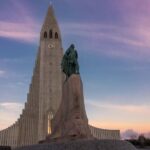
Then you’ll move into a landmark that makes an important point: Iceland’s belief world isn’t single-track. At the Cathedral of Christ the King, you get a chance to see a Catholic cathedral in Iceland and hear how Christianity and local storytelling traditions coexisted in everyday culture.
This stop works because it changes the temperature of the story. You shift from the graveyard’s silence and shadows to a prominent religious building. That contrast helps you understand why Icelandic folklore didn’t simply disappear. People lived with multiple layers of explanation—religious doctrine alongside stories about elves, trolls, hidden beings, and magic.
It also gives you a strong photo moment: city center architecture with room for you to look up, not just down at your shoes.
You can also read our reviews of more guided tours in Reykjavik






Lake Tjörnin and Austurvöllur squares: monsters, magic, and winter-night storytelling
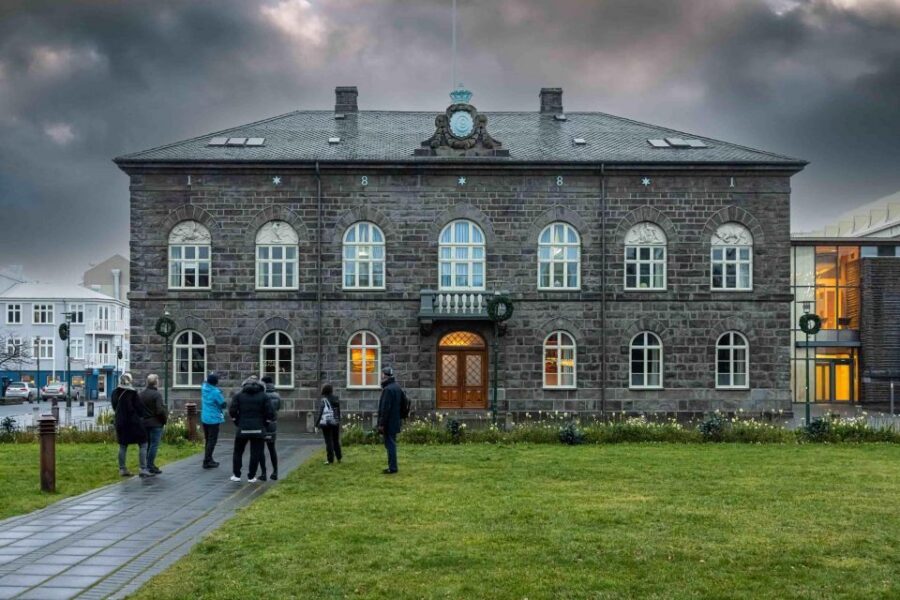
After the cathedral, the walk heads toward Lake Tjörnin and then the open central space at Austurvöllur. Lake Tjörnin is one of those spots that feels like the city’s living postcard: water, walkways, and the sense that Reykjavik is small enough for legends to feel close.
This is where the walk leans into the “Icelandic magic” side more directly. Expect discussion of runes, spells, and old symbolic thinking. You may also hear about aquatic monsters—creatures that don’t fit neatly into standard land-based folklore. The guide’s job is to make the myth logic feel coherent, and these quieter, reflective stops help.
A key detail here is the storytelling context. Long winter nights in Iceland made storytelling a primary entertainment, which is why Icelanders have always loved books and why literacy is high. The tour uses that reality to explain why oral tales remain culturally sticky. You’re not just hearing myths. You’re hearing why they got preserved.
And yes, you’ll also get Yule-season creatures in the mix: the 13 Santa-type characters (more than one Santa in Iceland, of course) and their mother figure, the child-eating troll called Grýla. Even if you don’t care about Christmas myths, these characters make Icelandic folklore feel seasonal and human—still tied to traditions, not just ancient fears.
How the guide makes it work: acting, humor, and practical story cues
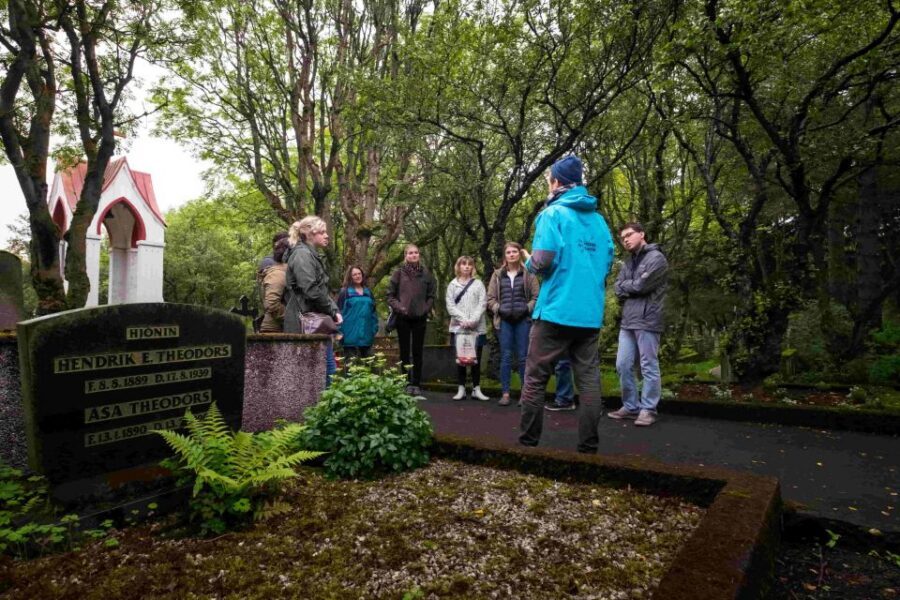
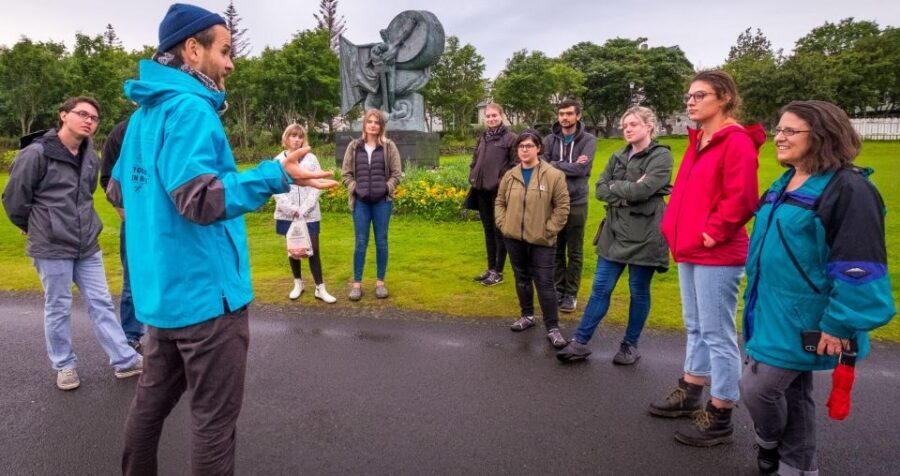
The biggest differentiator on this kind of tour is the guide. In the real-world versions people rave about, guides bring it to life with performance—sometimes acting out ghost scenes, sometimes using humor, and sometimes adding songs or lullabies as part of the storytelling texture.
You might encounter guides with styles like:
- Einar, often praised for bringing stories to life with acting and a strong sense of atmosphere.
- Beau, known for mixing folklore with a lesson feel, plus a bit of playful “answers to monster” content.
- Magnus, recognized for fun storytelling and a knack for making the route feel alive.
- Stephen or Stefan/Stefen, who lean into humor and keep the group engaged.
You don’t need to know any of that before you go, but it helps you pick the right attitude. If you want dry lectures, this isn’t that. If you want the sagas with teeth—and some laughs—this fits.
Also, the tour is offered in English, Spanish, and French, which matters if your group includes non-English speakers. And it’s wheelchair accessible, so you’re not locked out if mobility is an issue.
Weather and timing: 1.5 hours that won’t steal your whole day
The duration is about 1.5 hours, with starting times you’ll need to check based on availability. That short window is a real practical advantage in Iceland. You can do this early to orient yourself, then go back out to explore museums, food, or day trips without feeling like the tour already consumed your energy.
It also holds up in bad weather. Some guides run the walk through rain and snow because the route is outdoors but central and compact. So if you’re traveling in shoulder season or winter, you won’t be stuck waiting for perfect skies just to get folklore.
One more timing tip: plan this early in your stay if you can. Once you hear the myth logic and character names, you’ll notice folklore references around town afterward. Even simple streets and buildings start to feel like they have stories hiding behind them.
Price value: $51 for story, sights, and a real sense of place
Let’s talk value, because $51 isn’t “cheap,” but it can still be a good deal—if you know what you’re getting.
You’re paying for:
- A live storyteller who can handle multiple folklore threads in one walk
- Access to specific city sights (graveyard stop, cathedral, key squares)
- Short-but-sweet sequencing so you’re not wandering on your own
- Extra layers like runes and magic explanations, plus character-heavy tales (trolls, elves, ghosts, monsters)
In other words, it’s not just “a walk with facts.” It’s a guided narrative with a tight schedule, which is why 1.5 hours can feel like more.
If you already know all the Icelandic sagas and you only want major museum stops, you might skip it. But if you want something memorable and cultural that fits into a busy itinerary, this is solid value.
Who this tour suits best (and who might want something else)
This is ideal for you if:
- You love folklore, ghost stories, or Norse-flavored myths and want them in a city setting
- You want a guided route that shows you spots you might miss on your own
- You enjoy interactive storytelling and can laugh at creepy characters like trolls and monsters
- You like short tours that don’t require a whole afternoon commitment
It may be less ideal if:
- You’re traveling with very young children who get easily spooked. Some stories can be scary, especially around cemetery/ghost moments.
- You prefer quiet, low-key experiences with minimal acting.
Good news: there’s an option to arrange a private walk where you can dial the scariness down a notch, if you contact the provider ahead of time.
Should you book this Reykjavik folklore walking tour?
Book it if you want a Reykjavik experience that feels Iceland-specific, not generic sightseeing. The combination of central landmarks (including a real Elfstone moment), two old graveyard stops, and Icelandic magic/runes storytelling is exactly the kind of tour that makes a city come alive.
Skip it if you want a strictly historical, academic tour with no spooky edge—or if your group includes kids who can’t handle creepy stories. Otherwise, this is one of the best ways to spend a short chunk of your trip: you leave with names, symbols, and a better sense of why Reykjavik still treats folklore like something real enough to remember.
FAQ
How long is the Reykjavik folklore walking tour?
The tour runs for about 1.5 hours.
Where do we meet for the tour?
Meet on Ingólfstorg Square in Reykjavik city center, by the two stone high seat pillars.
What are the main stops during the walk?
You’ll pass through Ingólfur Square, Kirkjugarðurinn Suðurgötu (a cemetery), the Cathedral of Christ the King, Lake Tjörnin, and finish around Austurvöllur.
What languages is the guide available in?
The live guide offers tours in English, Spanish, and French.
Is the tour wheelchair accessible?
Yes, the activity is wheelchair accessible.
Is it suitable for young children?
Some of the stories may be scary for younger children. If you want less scary content, you can contact the provider about a private walk.
What should I bring?
Wear weather-appropriate clothing, since the tour is outdoors and you’ll be walking around Reykjavik’s city center.