Cold seas, big sightings.
This whale-watching tour in Reykjavik is interesting because you’re not just pointed at the ocean—you’re guided to the best viewing areas in Faxaflói Bay, with a captain and crew watching conditions in real time. You also get warm flotation overalls, heated indoor cabins, and seasickness help so you can focus on the wildlife instead of the weather.
Two things I really like here: the free rejoin ticket if you don’t spot whales, and the comfort setup (overalls, heated cabins, toilet facilities) that makes a long boat ride feel doable. One drawback to consider is that whales are wild animals. Even with a great guide, sightings can be brief or slow when conditions don’t cooperate.
In This Review
- Key highlights you’ll actually feel on the water
- Setting Sail from Old Harbour: easy start, real ocean air
- Your boat comfort kit: overalls, heat, Wi‑Fi, and seasickness support
- Picking your spot: two seating areas for your comfort style
- The captain’s game plan in Faxaflói Bay
- Stop by stop: what you’ll see and what to watch for
- Out past the city: skyline views before the whale search
- The whale-watching stretch: humpbacks, minkes, and dolphins in motion
- Harpa on the return: the glass concert hall in shifting light
- Mount Esja and the Snæfellsnes Peninsula: extra wow when visibility is good
- Wildlife luck vs. good odds: how to set expectations the right way
- Price and value: why $97 can make sense for Iceland
- Who this tour suits best (and who should plan differently)
- Practical tips to help you get more from your ride
- Should you book this Reykjavik whale watch?
- FAQ
- How long is the whale watching tour?
- How much does the tour cost?
- Where does the tour start?
- What’s included onboard?
- What if we don’t see whales?
- What language is the tour offered in?
- Does the tour require good weather?
Key highlights you’ll actually feel on the water
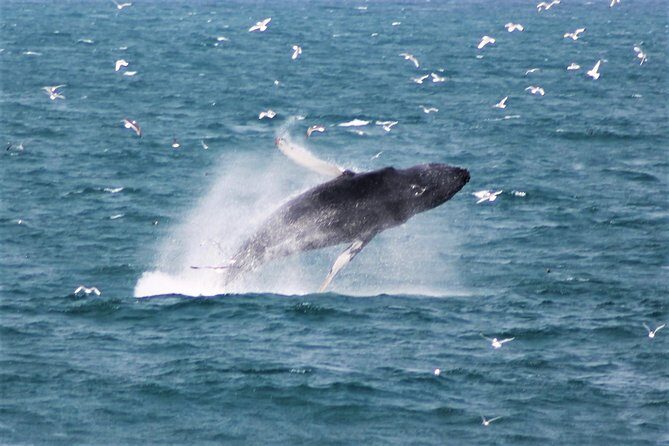
- Free return for no-sighting trips: if you don’t spot whales, you can join again for free
- Two seating areas: choose what fits your style—indoors for warmth or outdoors for viewing
- Local captain guidance: the crew looks for the best spots without disrespectful chasing
- Warm gear and hot drink: overalls plus a warm drink help you stay comfortable
- Real marine-life chances: humpbacks, minke whales, dolphins, and harbor porpoises (often)
- Iconic views between sightings: Harpa, Mount Esja, and sometimes the Snæfellsnes Peninsula on clear days
Setting Sail from Old Harbour: easy start, real ocean air
The tour starts at Geirsgata 11, Reykjavík’s Old Harbour area. From the start, you get that quick switch from city sightseeing to open water—panoramic views of the skyline and mountains as you head out into Faxaflói Bay.
Timing matters. Plan to be at the departure point at least 30 minutes early, so you can check in, find your seating area, and get layers sorted before the boat moves. The tour duration runs about 3 to 3.5 hours, which is long enough to feel like an outing, but not so long you lose your energy.
One practical benefit: the boat includes heated indoor cabins with toilet facilities. That’s a big deal in Iceland. It means you can step out for fresh air and photos, then warm back up without missing the action.
You can also read our reviews of more guided tours in Reykjavik


Your boat comfort kit: overalls, heat, Wi‑Fi, and seasickness support
If you’ve ever tried to “tough out” a cold North Atlantic boat ride, you already know why this part matters. The tour provides warm flotation overalls, plus a complimentary warm drink onboard. In rougher weather, this setup can turn a stressful ride into a manageable one.
They also offer complimentary seasickness tablets and free Wi‑Fi on board. The Wi‑Fi won’t replace the view, but it helps if you need a quick message upload, map check, or just a break from staring at waves.
Inside cabins stay heated, so you can rotate: out for whale watching, then in to reset. One review specifically called out that suits help when it’s cold, and that the boat ride can stay smooth even when the weather turns.
Picking your spot: two seating areas for your comfort style
This tour gives you a choice with two seating areas. That sounds simple, but it changes your whole experience.
If you get cold easily or want the easiest viewing comfort, pick the more sheltered indoor area. If you’re chasing that direct ocean view (and you’re dressed for it), choose an outdoor spot where you’ll feel more of the movement and see more of the horizon.
Either way, the key is to match your spot to your body. Cold makes people stop paying attention. Warm makes it easier to wait calmly for that first surface—and waiting is often where the magic happens.
The captain’s game plan in Faxaflói Bay
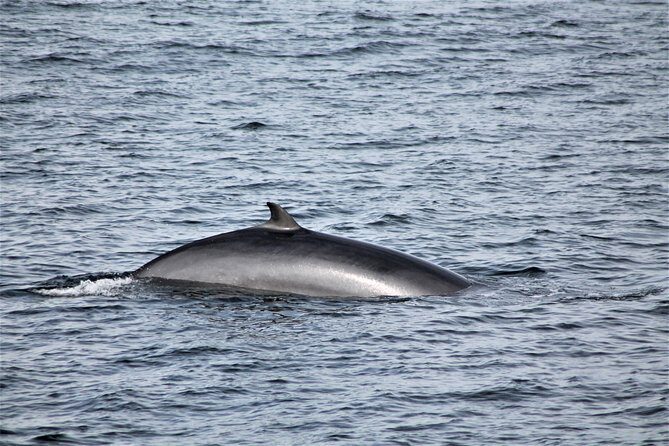
Once you’re out on the water, the tour focuses on Faxaflói Bay’s feeding grounds. This is where the chance of seeing whales and dolphins is strongest for the area. Rather than cruising slowly with no plan, the crew uses local knowledge to find better viewing spots as conditions shift.
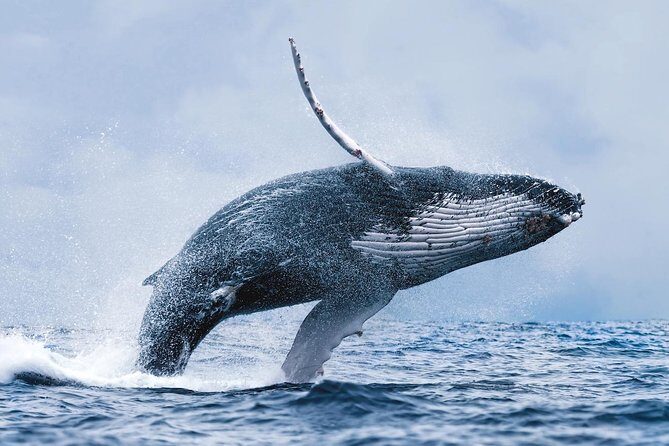
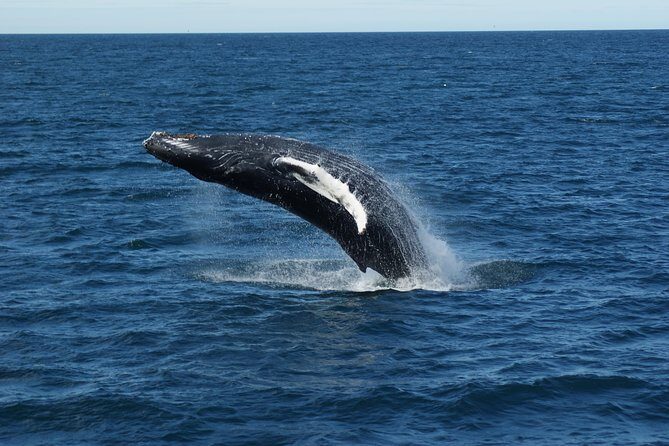
The species you can hope to see include humpback whales, minke whales, white-beaked dolphins, and harbor porpoises. In summer, you might even spot puffins, and seals can show up too.
Here’s the real value for you: you’re not just buying time on a boat. You’re buying guided positioning. That’s why the tour includes a professional crew and why so many people mention the guide’s calm, practical commentary during the wait.
Stop by stop: what you’ll see and what to watch for
You can also read our reviews of more whale watching tours in Reykjavik

Out past the city: skyline views before the whale search
At first, your attention is pulled by what you can see close up: Reykjavík’s city skyline and surrounding mountains as the boat heads out. This phase is more than filler. It’s a gentle “warm-up” for your senses before you focus on the open-water search.
It also helps you settle into the ride. If the seas feel rough, you can adjust layers early and decide how often you’ll rotate between indoor warmth and outdoor viewing.
The whale-watching stretch: humpbacks, minkes, and dolphins in motion
This is the main part: cruising through areas tied to feeding activity. When people have their best moments here, it often comes down to patience and timing—whales don’t announce themselves on schedule.
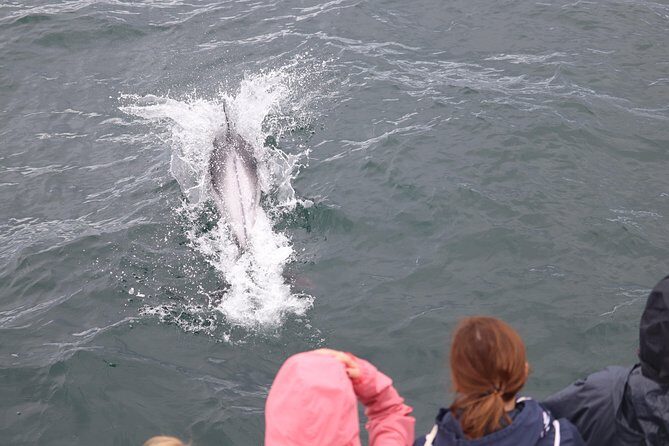
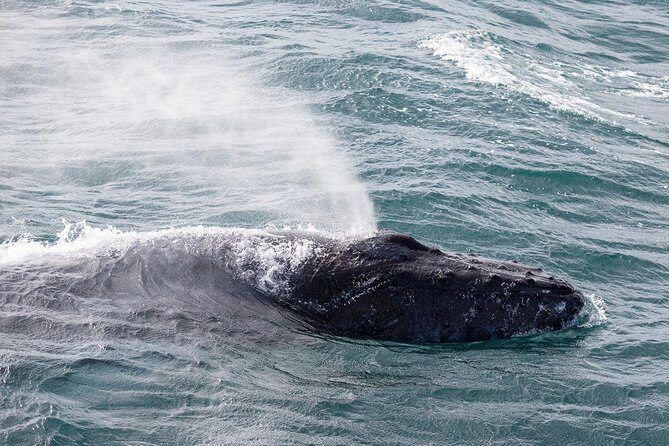
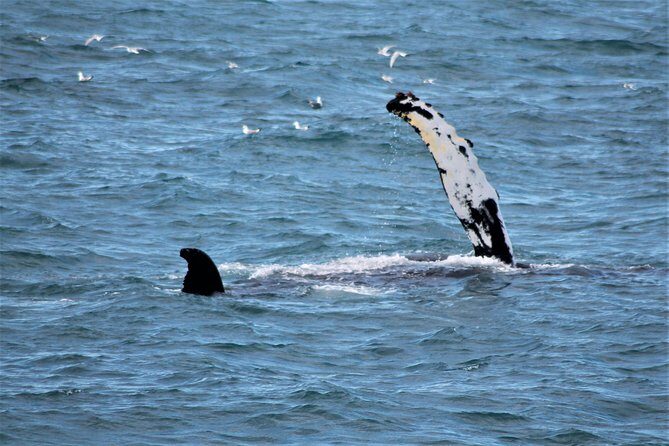
You may see humpbacks and minkes, sometimes for a long moment, sometimes just a quick surf. Dolphins and porpoises can appear in ways that are easy to miss if you’re not looking. Keep an eye on the water where the crew tells you to focus, then scan the horizon and the surface line.
One detail that stood out from guide feedback: guides and crew often help you connect what you’re seeing to what those species are doing. Several guides were praised by name in reviews—Patrick for humor and teaching, and Joe for being engaging and informative. That kind of narration helps you enjoy the trip even when sightings are delayed.
Harpa on the return: the glass concert hall in shifting light
On clear days, the tour’s return loop includes big-photo moments. You’ll pass sights like Harpa, Reykjavík’s iconic glass concert hall. Even if you’re focused on wildlife, Harpa’s shimmering façade can be a welcome break between whale scans.
This segment is also good for taking photos without rushing. If you’re at all worried about missing the view while staring at the sea, this is your chance to reset.
Mount Esja and the Snæfellsnes Peninsula: extra wow when visibility is good
On clear days, you can see Mount Esja rising behind Reykjavík. Farther out, the Snæfellsnes Peninsula can appear in the distance—often described as Iceland in miniature because of its range of terrain and volcanic peaks.
Not every day has the visibility. But when it’s there, this part makes the tour feel bigger than just whales. You get a sense of how Reykjavík sits in a much wider, dramatic landscape.
Wildlife luck vs. good odds: how to set expectations the right way
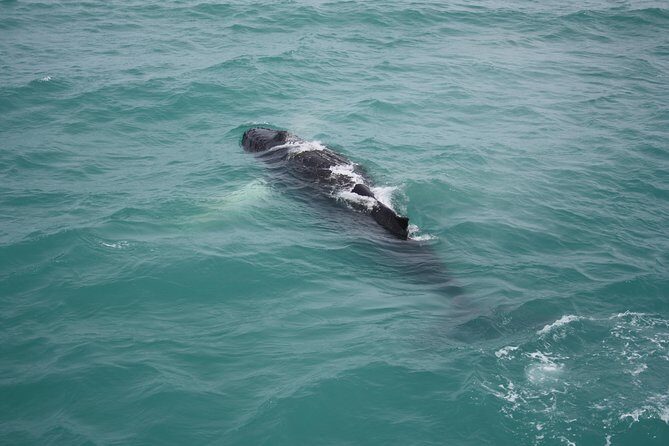
This is the hardest truth of whale watching in Iceland: whales are unpredictable. Even on a well-run tour, sometimes you get brief sightings or slower action.
That said, a lot of reviews praise this operator for the effort behind finding whales without doing the wrong kind of chasing. Many people also highlight “encounters” that feel close and exciting—humpbacks showing repeatedly, minkes popping up, and dolphins joining the water show.
Most importantly for your planning: the tour includes a free rejoin ticket if you don’t spot whales. That’s a smart value move. It doesn’t change nature, but it reduces the sting of an unlucky outing.
Still, it’s wise to treat this as two experiences: a comfortable boat ride with expert guidance, and a wildlife search with a real chance of payoff.
Price and value: why $97 can make sense for Iceland
At $97 per person, this isn’t a bargain ticket—but it’s not priced like a luxury private cruise either. You’re paying for a mix of things that usually cost extra elsewhere in Iceland: a trained crew, heated cabins with facilities, flotation overalls, seasickness support, and the whale-sighting focus.
The free return option is where value gets serious. If you’re booking only one day for whale watching, that rejoin ticket functions like insurance against a bad luck day. Reviews also suggest that guides often keep the commentary engaging, which adds value even when wildlife timing is off.
Add in the fact that the boat has a maximum of 198 travelers, so it’s built for a crowd, but it isn’t a tiny skiff either. For many visitors, that balance is exactly what they want: enough room to move around, with a real chance of seeing wildlife.
Who this tour suits best (and who should plan differently)
This tour works well for:
- Families with kids who need warm indoor space between sightings
- First-time Iceland visitors who want a “big nature” experience without deep planning
- Solo travelers who benefit from guide commentary and group energy
People also describe this as a good first-day activity because there’s downtime built into the boat rhythm—scan, warm up, listen, repeat.
Plan differently if:
- You have mobility concerns and stairs or ramps are tough for you. One negative experience mentioned a slippery ramp and a lack of immediate help after a fall. You should still be able to enjoy the tour, but it’s smart to consider how you’ll handle boarding and moving around in icy conditions.
- You hate waiting. This is not a “guaranteed animals in 10 minutes” outing. It’s a calm search with peaks of excitement.
Practical tips to help you get more from your ride
- Dress for cold water wind, not just cold air. The provided overalls help, but you still need warm layers.
- Bring your camera. Even quick whale surfaces can turn into memorable shots if you’re ready.
- If you take seasickness tablets, do it before you feel sick. The tour provides tablets, but timing is on you.
- Pick the seating area that matches your tolerance for cold and motion. Rotating between indoor warmth and outdoor viewing is usually the sweet spot.
- Manage expectations gently. You might see multiple species on some days, and on others you might get fewer chances. The tour still aims to keep the experience enjoyable through comfort and commentary.
Should you book this Reykjavik whale watch?
Book it if you want a well-run, comfort-first whale-watching outing with professional guidance, warm gear, and a real chance at humpbacks and minkes in Faxaflói Bay. The free rejoin ticket is the clincher if you’re only doing whale watching once.
Skip it or reconsider if you’re expecting a guaranteed whale guarantee. Even the most helpful crew can’t control nature. Also think twice if mobility or icy boarding surfaces are a serious issue for you.
If you’re flexible, patient, and dressed for the cold, you’ll likely come away feeling like your day in Reykjavík included something you can’t easily recreate anywhere else—open ocean, local guidance, and the sudden joy of a whale surf when you’re least trying to force it.
FAQ
How long is the whale watching tour?
It lasts about 3 to 3.5 hours.
How much does the tour cost?
The price is $97.00 per person.
Where does the tour start?
The meeting point is Geirsgata 11, 101 Reykjavík, Iceland.
What’s included onboard?
You get warm flotation overalls, heated indoor cabins with toilet facilities, free Wi‑Fi, and complimentary seasickness tablets. A hot drink is also provided.
What if we don’t see whales?
You can join again for free if you don’t spot any whales on your trip.
What language is the tour offered in?
The tour is offered in English.
Does the tour require good weather?
Yes. This experience requires good weather. If it’s canceled due to poor weather, you’ll be offered a different date or a full refund.