Nothing beats learning the sky.
Aurora Basecamp in Hafnarfjörður is a guided northern lights observatory experience that’s built for one thing: improving your odds of seeing the aurora borealis. You start indoors with a small exhibition, then move to a low-lit outdoor viewing area where conditions matter and the lights can actually show up. I especially liked the guide-led narration that helps you make sense of what you’re looking for, and the hands-on real-time plasma tubes that mirror aurora activity.
The best part is the comfort. You get hot chocolate and tea, plus benches around fire pits in the outdoor area, so you’re not just freezing and guessing. One drawback to plan for: the aurora is still weather- and geomagnetic-dependent, so seeing the lights is never guaranteed, and this experience does not include transportation from Reykjavik.
In This Review
- Key things to know before you go
- Aurora Basecamp in Hafnarfjörður: what this observatory experience is really for
- Inside first: the exhibition, phases of the aurora, and the plasma tubes
- Night viewing setup with fire pits: staying warm in low-lit conditions
- Your 1.5-hour game plan at Aurora Basecamp (and what to watch for)
- The guide factor: how narration and insider tips improve your odds
- Price and value: is $30 per person fair for Reykjavik aurora odds?
- Logistics that matter: transportation from Reykjavik is not included
- Who this Aurora Basecamp observatory experience suits best
- Should you book Aurora Basecamp guided northern lights viewing?
- FAQ
- How long is the Aurora Basecamp guided experience?
- Where does the experience take place?
- Is transportation included from Reykjavik?
- What’s included in the tour price?
- Are northern lights guaranteed?
- Do I need to bring a paper ticket?
- How big are the groups?
- What if I need to cancel?
- Is the experience accessible for most people?
Key things to know before you go
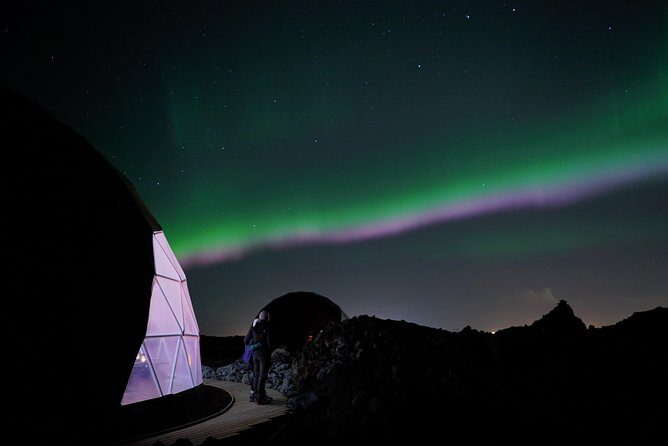
- Real-time aurora training: plasma tubes mirror aurora activity to help you recognize patterns fast.
- Warm viewing setup: benches plus fire pits in a low-lit outdoor area make waiting more bearable.
- Guided science, not just watching: you’ll walk through phases of the northern lights and what to expect.
- Small group feel: maximum group size is 50, so you’re not swallowed by a crowd.
- Short and focused: about 1 hour 30 minutes, with a mobile ticket for easy entry.
- Works even if clouds win: you can still get a lot out of the exhibition and the guide’s tips.
Aurora Basecamp in Hafnarfjörður: what this observatory experience is really for
If you’ve ever sat outside in Iceland hoping for the aurora, you already know the truth: the sky doesn’t care about your plans. Aurora Basecamp’s big idea is to give you something practical before you go outside—so when the aurora does appear, you’re not staring like it’s a magic trick.
You’ll meet at Aurora Basecamp in Hafnarfjörður (address listed at the site), and you’ll end right back there. The whole thing takes about 1 hour 30 minutes, which is ideal when you don’t want a half-day “maybe we see lights” gamble.
This is also not just a viewing spot with a gift shop attached. It’s an observatory complex with an exhibition component. That matters because aurora watching is partly timing and partly recognition. When you understand what you’re seeing, you spend less time questioning and more time actually enjoying the show.
You can also read our reviews of more guided tours in Reykjavik

Inside first: the exhibition, phases of the aurora, and the plasma tubes
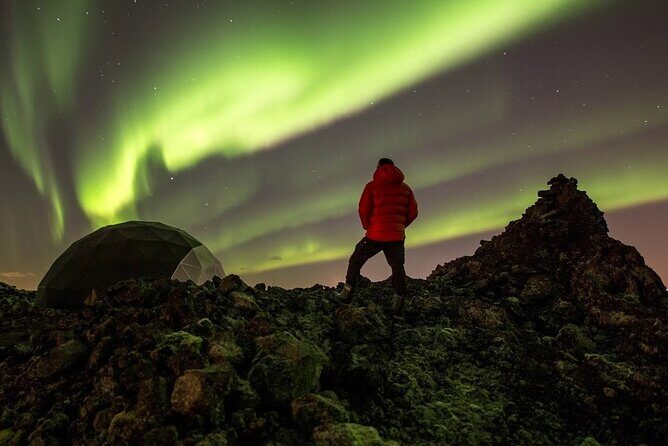
The experience starts by training your eyes and your expectations. You begin with a guided walkthrough of a small exhibition where you learn about different phases of the northern lights and what causes the aurora to behave the way it does. The goal is simple: help you identify the natural phenomenon from the start, not after you’ve already missed the best moments.
Then comes a particularly smart feature: the Natural Lights Plasma Tubes. These tubes mirror the activity of the Aurora Borealis in real time. It’s a clever way to connect what’s happening in the sky with what you might notice visually outside—like the tempo, intensity changes, or how the aurora can shift.
Here’s why I like this for real travelers: when you’re cold and tired, your brain stops working well. If you’ve already learned the “shapes” and “phases” before you step outside, you get better results with the same effort. It turns the night from guesswork into a skill.
Night viewing setup with fire pits: staying warm in low-lit conditions
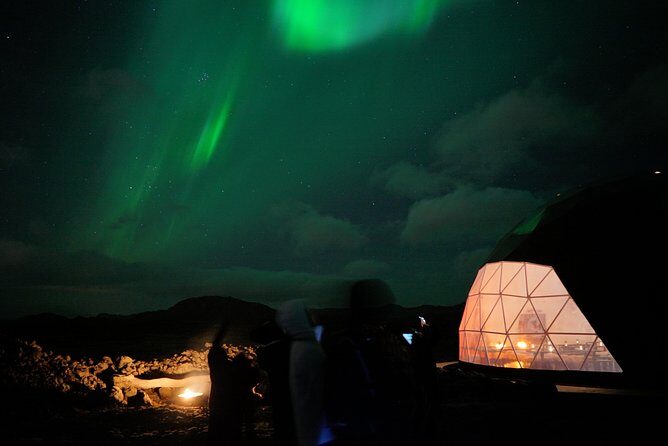
After the indoor portion, you head to the outside area. This is where you’ll see the northern lights if the conditions are right.
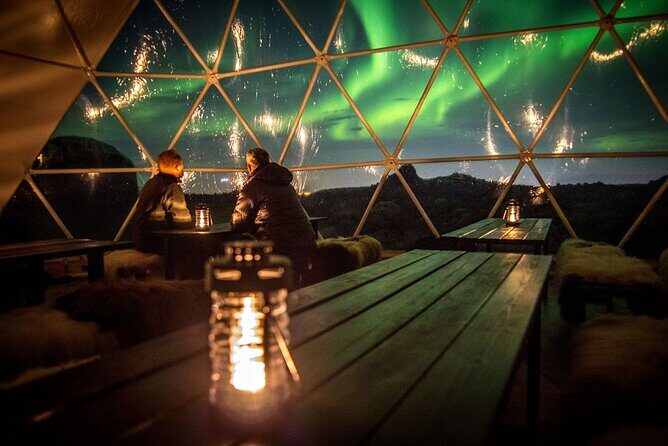
The outdoor setup is low lit, which sounds counterintuitive until you remember how dark-adapted vision works. If the area is too bright, your eyes struggle to catch faint aurora activity. Here, you’re given a more aurora-friendly lighting situation, paired with practical comfort: benches and fire pits.
In other words, you’re not supposed to freeze and suffer your way to a view. You’re positioned to wait. That waiting is important, because auroras can come and go, often without warning. You also get warm drinks included—hot chocolate and tea—which helps you last longer outside than you would on your own.
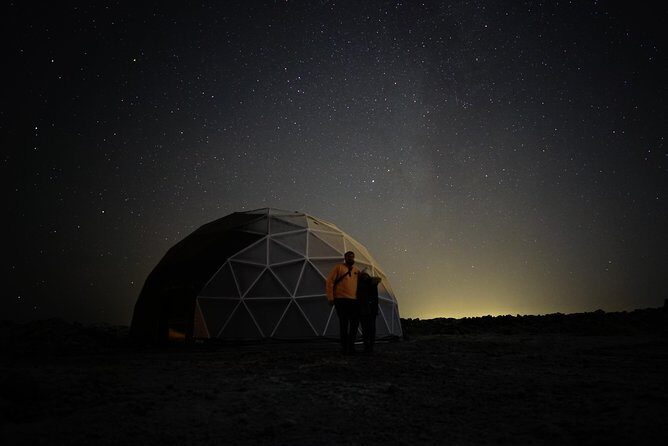
Some guests also describe an indoor dome-style option that can keep you warm if you need a break. Even without that, the plan is clear: you’ll have places to sit, warm up, and reset without losing your spot.
Your 1.5-hour game plan at Aurora Basecamp (and what to watch for)
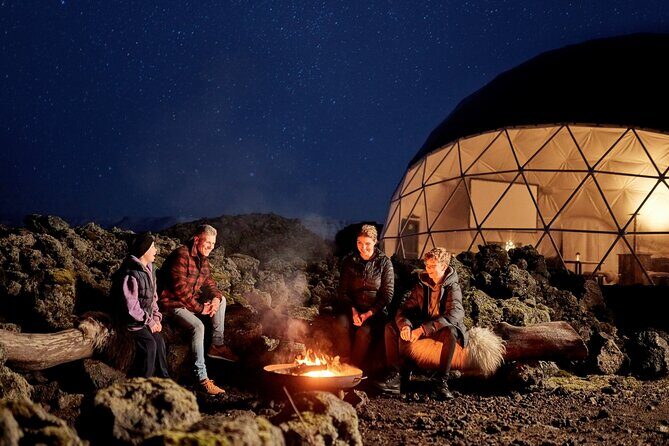
This experience is short, so you’ll want to move efficiently once you arrive. Think of it like a tight two-part lesson: learn indoors, then practice outdoors.
You’ll spend the first part on the exhibition and narration. During this time, pay attention to what your guide emphasizes about the aurora’s phases. Don’t treat it like a lecture you’ll forget five minutes later. You’re building an internal checklist for what to look for when you step outside.
Then you move to the outdoor low-lit area. Here’s your “do this, not that” advice:
- Give your eyes a few minutes to adjust after the indoor lights.
- Focus on wide sky movement more than tiny flickers.
- Keep your expectations flexible. If the aurora is active, it can change quickly.
Because the whole experience runs about 1 hour 30 minutes, the pacing matters. If you wander off or spend the whole time staring at your phone, you’ll miss the point. Use the guide’s tips in the moment, then actually watch.
The guide factor: how narration and insider tips improve your odds
The most praised part of this experience is the instruction. When you have a good guide, you stop relying on luck alone.
The guide accompanies you through the exhibition and provides narration, and you’ll get insider tips meant to improve your chance of spotting the aurora borealis. That kind of guidance isn’t about controlling the weather (because nobody can). It’s about helping you interpret what you’re seeing—and when you should look, not just where.
In practice, this means you’re more likely to:
- Recognize early signs of aurora activity instead of waiting for a perfect show.
- Understand what aurora phases might look like from the ground.
- Know where your attention should go when the sky gets busy or quiet.
Even on nights when the aurora doesn’t show, you’ll still leave with useful context. One of the more reassuring patterns from firsthand experiences is that people enjoyed the learning component and the conversation with the guide, even when skies didn’t cooperate that evening. That’s a big deal because it lowers the frustration factor. You’re not paying only for a lottery ticket.



Price and value: is $30 per person fair for Reykjavik aurora odds?
At $30 per person, this is positioned as an affordable, focused aurora experience. The key question isn’t whether it’s cheap—it’s whether what you’re paying for meaningfully improves your outcome.
Here’s what you get for the money:
- A guided exhibition with narration
- Real-time training through the plasma tubes
- A low-lit outdoor viewing area with benches
- Fire pits for warmth
- Hot chocolate and tea included
- A group size capped at 50
When you break it down, you’re not just buying “access to a dark field.” You’re buying training, comfort, and a guide’s practical advice. That’s why $30 can feel like good value even if the aurora doesn’t fully cooperate. You still get a structured northern lights experience rather than an aimless night outside.
But be honest with yourself: if your only goal is the aurora itself and you’re unwilling to learn anything along the way, you might feel like this is too educational. If your goal is improved odds plus comfort, this price makes more sense.
Logistics that matter: transportation from Reykjavik is not included
One practical detail you should take seriously: transportation isn’t included. The meeting point is in Hafnarfjörður (Aurora Basecamp at the address provided), so you’ll need your own way to get there and back.
From Reykjavik, that can add real cost. One firsthand account cited taxi/transfer expenses over 11,000 ISK each way (and a similar amount back), which means the true “all-in” price can climb fast.
So here’s the value math you should do:
- $30 is the tour price.
- Add your travel cost to/from Hafnarfjörður.
- Decide if the guided training plus warm setup is worth it versus trying other aurora viewing options closer to where you’re staying.
If you’re already planning to get out toward Hafnarfjörður anyway, the logistics are easier. If you’re relying on a costly last-minute ride, factor that in before booking.
Who this Aurora Basecamp observatory experience suits best
This is a strong match if you want a guided, structured approach to northern lights watching. It’s especially good for:
- Families and mixed-age groups who want a comfortable, narrated experience (not just standing in the dark).
- First-timers who feel lost about what aurora phases look like.
- Anyone who wants to improve odds through insider tips and a realistic understanding of what to watch for.
- People who hate wasting time with cold, aimless waiting.
It’s less ideal if you’re only interested in being outside with zero instruction, or if you’re extremely price-sensitive once you include transport.
Also, most travelers can participate, and service animals are allowed. That makes it friendlier than some late-night, outside-only setups.
Should you book Aurora Basecamp guided northern lights viewing?
Yes—if you want better odds and a more civilized night.
Book Aurora Basecamp when you think you’ll value the teaching part. The combination of indoor learning, real-time aurora plasma tubes, and a comfortable outdoor viewing setup is exactly how you make aurora watching less stressful. Even if the lights are shy that night, you’ll leave knowing more than you did when you arrived.
Skip it if:
- You’re unwilling to handle the weather reality that the aurora isn’t guaranteed.
- You don’t want to pay extra for getting to Hafnarfjörður from Reykjavik.
- You’re looking for a long, multi-hour chase experience instead of a tight 1 hour 30 minutes guided program.
If your goal is a practical northern lights experience with warmth, guidance, and actual aurora recognition skills, this is a smart choice.
FAQ
How long is the Aurora Basecamp guided experience?
It’s approximately 1 hour 30 minutes.
Where does the experience take place?
The meeting point is Aurora Basecamp, Hafnarfjörður, Iceland, and the activity ends back at the same meeting point.
Is transportation included from Reykjavik?
No. The experience does not include transportation.
What’s included in the tour price?
The tour includes a guided exhibition/observatory experience, access to the outdoor viewing area, and hot chocolate and tea.
Are northern lights guaranteed?
No. Viewing depends on weather conditions and geomagnetic activity.
Do I need to bring a paper ticket?
You’ll use a mobile ticket.
How big are the groups?
The maximum group size is 50 travelers.
What if I need to cancel?
You can cancel for a full refund up to 24 hours in advance of the experience start time.
Is the experience accessible for most people?
Most travelers can participate, and service animals are allowed.