Aurora hunts are a lot like fishing. You’ll get hotel pickup and a hot drink, then drive out from Reykjavik to chase darker skies where the lights can actually show. The one thing to plan for: Iceland’s weather can still win, so you should dress for a long, cold wait even on nights that look promising.
What makes this tour feel different is the small-group size (up to 28) and the fact that your guide chooses viewing spots based on cloud cover and aurora activity, not a one-size-fits-all itinerary. Expect a night that’s part science, part search, and part patience.
In This Review
- Key Highlights at a Glance
- Northern Lights From Reykjavik, Without the City Glow
- Small-Group Size That Actually Helps on a Chilly Night
- The Hot Drink Stops: Why They’re Not Just a Treat
- The 4-Hour Chase: How the Night Typically Flows
- What the Main Viewing Stop Feels Like
- Pickup, Meeting Point, and the Real Meaning of Timing
- What Guides Actually Do for You (Beyond Pointing Up)
- A quick practical photo tip
- Price and Value: Is $109 a Fair Deal?
- When Clouds Win: Your Best Plan for Still Having a Good Night
- Who This Tour Fits Best
- Should You Book This Northern Lights Small-Group Tour?
- FAQ
- How long is the Northern Lights tour from Reykjavik?
- Do I get pickup from my hotel?
- What happens if the aurora is not visible?
- Where does the tour start and end?
- Is the tour in English?
- What if weather is poor?
Key Highlights at a Glance
- Small-group tour (max 28) keeps the vibe calmer and easier for quick stops
- Hotel pickup and drop-off saves you time when you’re already dressing for the cold
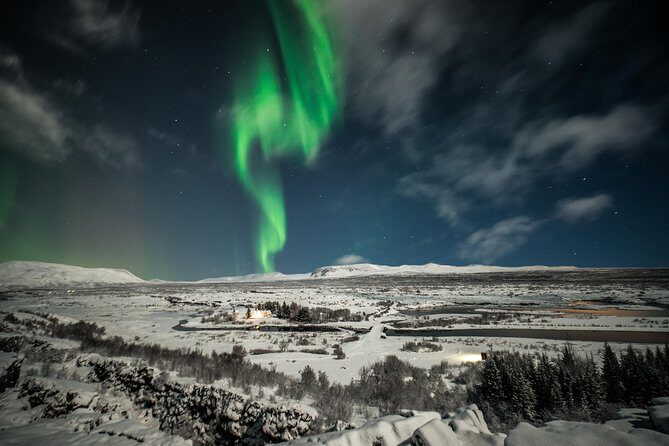
- Go outside Reykjavik’s light pollution for better odds at seeing the aurora
- Guides adjust locations based on the sky instead of sticking to one viewing point
- Photography help if you’re trying to capture the lights
- Free reattempt if the aurora doesn’t show on your scheduled night
Northern Lights From Reykjavik, Without the City Glow
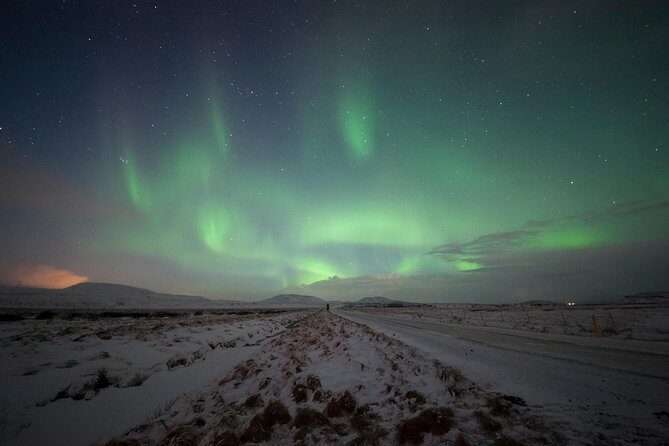
Reykjavik is beautiful, but it’s also bright. That light pollution makes it harder to see the aurora clearly, especially for first-time aurora hunters trying to enjoy the sky rather than squint through glare.
This is why the big idea here is simple: you don’t spend the whole night staring at a city horizon. Instead, you head out into darker countryside, where the aurora has room to show off. On active nights, that shift alone can be the difference between faint green streaks and a real, moving light display.
You can also read our reviews of more tours and experiences in Reykjavik.
Small-Group Size That Actually Helps on a Chilly Night
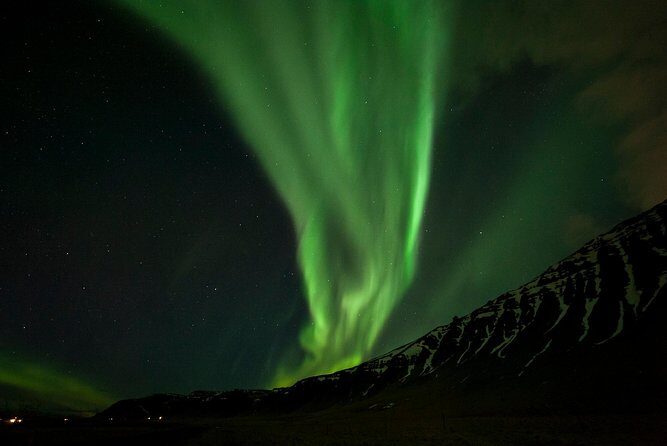
You’re capped at 28 people, and that matters more than it sounds. Fewer people means faster boarding and offloading when the guide finds a better patch of sky, and it usually keeps things less chaotic when you’re trying to spot faint aurora curtains.
It also changes the feel of the guide interaction. A small group is more likely to get real back-and-forth questions about camera settings, where to look, and how to judge what you’re seeing. In guides you might meet on different departures, you’ll hear lots of practical tips tied to the moment, like how they decide when to move and how they monitor intensity.
The Hot Drink Stops: Why They’re Not Just a Treat
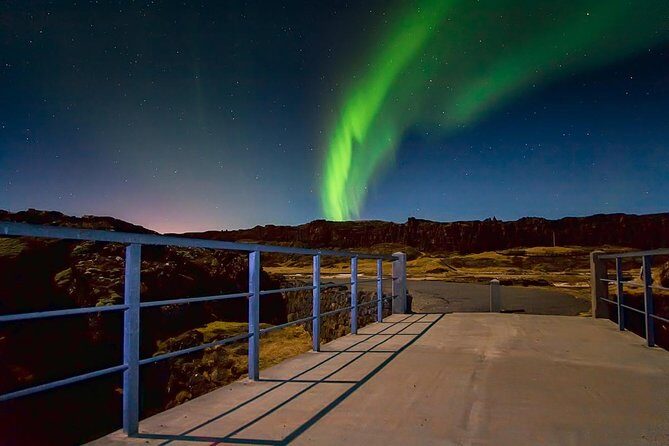
This tour includes a hot drink, and you’ll feel why once you’re standing outside waiting for the sky to cooperate. Multiple guides on this kind of outing use the hot chocolate moment as a reset: you warm up, you catch your breath, and you regroup while the driver watches conditions.
You may also get small sweets along the way. That’s not the main reason to book, but it helps the night feel human instead of “just freezing in the dark for hours.” A warm cup in the middle of an aurora hunt also makes it easier to be patient instead of rushing off the spot the second you feel cold.
The 4-Hour Chase: How the Night Typically Flows
The tour runs about 4 hours, with the viewing window and viewing-time choices built around weather. The tour concept is that your guide will take you to the best spot they can find, depending on cloud cover and aurora activity.
A typical flow goes like this:
1) Pickup and heading out from Reykjavik
You’re collected from your designated pickup location, and the transfer time matters because aurora viewing odds usually improve as you move away from the city glow.
2) A guided aurora search in darker areas
Once you reach the viewing area your guide picks, you get time out of the bus to look up and (if you want) photograph. This is where you’ll see most of the magic, and where the guide’s job is equal parts spotting and teaching.
3) Time to photograph and adjust
You’ll have a chance to take pictures. If you’re struggling, the guide can help you set up your camera so you’re not just hoping the aurora lands in the right exposure by luck.
4) One or more reposition moments if conditions shift
Even though the schedule lists time for a viewing stop, aurora nights are dynamic. If the sky changes, the guide may pivot to another nearby location for better viewing conditions. Some nights include multiple stops, and the best ones often happen after a quick move when clouds clear.
Here’s the key takeaway for you: don’t think of this as a guaranteed show. Think of it as a guided hunt where the operator’s skill is the plan, and your patience is the tool that makes the plan work.
What the Main Viewing Stop Feels Like
When you reach the stop, you usually get enough time to step out, take in the sky, and try a few photo attempts. That matters because aurora timing can be weird: it may start quietly, then intensify, then fade again.
If it helps, aim to stay outside long enough to get comfortable looking upward. The guides are watching the sky, but your eyes adjust too. Start by finding the darker horizon area, then let the movement and color changes come to you.


Pickup, Meeting Point, and the Real Meaning of Timing
This tour offers pickup, and the process can take up to 30 minutes. That means you should build a little buffer into your evening plan and avoid assuming you’ll be on the road instantly at the start time.
Your meeting point is listed as Þórunnartún 1, 105 Reykjavík, and the experience ends back at the meeting point. The “back to where you started” part is underrated on aurora nights, because you’re usually cold enough that extra logistics feel like homework.
If you’re trying to make dinner reservations, do yourself a favor and keep that plan flexible. Even when things run smoothly, the whole experience depends on sky conditions, which don’t follow restaurant schedules.
What Guides Actually Do for You (Beyond Pointing Up)
A good aurora guide isn’t just a person with a hoodie and a flashlight. In the best moments, you’ll feel three types of help working at once:
- Spotting and timing
Guides monitor conditions and can decide when it’s worth moving. Some departures include quick turnarounds when activity ramps up.
- Science in plain language
You’ll hear explanations about why auroras happen and how to read what’s happening in the sky. The best guides keep it practical so you’re not stuck in a lecture while the lights are forming.
- Photo coaching
You can get help setting up your camera. You might even see guides assisting people using phones and dedicated cameras, and in some cases helping with photo composition so your images look like aurora photos, not just nighttime blur.
You could be with guides like Gulli, Ody, Kris, Kuba, JP, Amelia, Michael, Roman, Zack, Harold, Jonas, or Kuba on different dates. Since guide assignment can vary, don’t obsess over the name—do listen to how they explain the moment and follow their suggestions for where to stand and how to frame your shots.
A quick practical photo tip
If you’re shooting with a camera, give yourself a few tries. Aurora intensity can change fast, so adjust exposure and focus once you see what the sky is doing, then let the guide’s suggested settings do the heavy lifting.
Price and Value: Is $109 a Fair Deal?
At $109 per person, you’re paying for a guided experience with the hard part covered: driving out of the city, managing cold-weather logistics, and making real-time decisions to hunt for clearer conditions.
This is not a cheap group bus where you sit and wait. You’re paying for:
- Small-group touring (max 28)
- Pickup and drop-off convenience
- A guide who adjusts to conditions
- Time outside for viewing and photography
- Hot drink included
- A free reattempt if the aurora doesn’t show on your scheduled night
The value equation changes if you’re traveling without a rental car. If you’re relying on tours anyway, this price becomes more reasonable because the operator handles the “how do we get to darker skies fast” problem. If you do have your own car and you’re comfortable hunting solo, you could theoretically lower the cost—but you’d still be gambling with weather and timing.
For many people, paying for guided chasing is the easiest way to turn uncertainty into a plan.
When Clouds Win: Your Best Plan for Still Having a Good Night
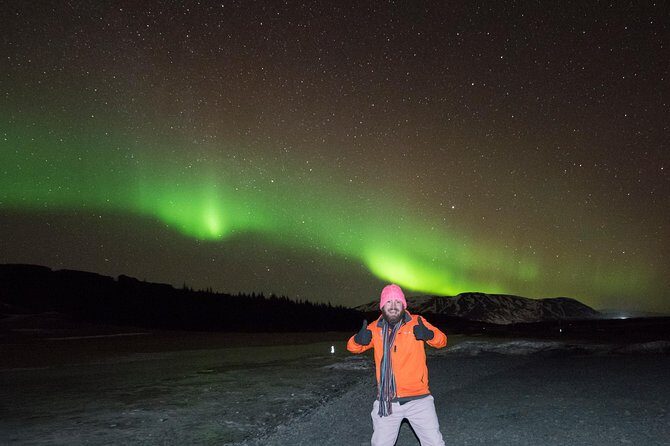
Even with solid guiding, aurora viewing is weather-dependent. Iceland’s clouds can come in fast, and sometimes the lights are too faint to be obvious on the ground.
The tour’s main safety net is the free reattempt if the lights don’t show. That’s a big deal because it turns one potentially disappointing night into a second chance without you needing to pay again.
That said, you still want to enjoy the night you’re given. If the aurora is weak or absent, your guide can still make the time feel purposeful by coaching camera attempts, explaining what to watch for, and using the hot drink stop to keep morale up.
A practical expectation to set: on some nights, you may see the aurora more clearly after moving to a different spot. On other nights, you might only get glimpses. Either way, the effort is the point—and the guides on this style of tour are built for persistence.
Who This Tour Fits Best
I’d book this if you:
- Want hotel pickup instead of figuring out transport in the dark
- Prefer a smaller group over a huge bus crowd
- Like having a guide explain the sky while you hunt
- Are serious about getting photos, not just watching from afar
- Don’t want to gamble all night on aurora hunting alone
You might skip it if you:
- Refuse cold-weather waiting and want a purely indoor experience (aurora tours are inherently outside)
- Need a perfectly fixed schedule you can’t flex at all
- Have very limited tolerance for minimal visibility nights
Should You Book This Northern Lights Small-Group Tour?
Yes, if you’re coming to Reykjavik specifically to chase the aurora and you want the best kind of odds: practical guidance, real-time repositioning, and enough comfort to keep going when the sky takes its time.
I’d especially say it’s worth booking if you’ll be staying in the city and don’t want to spend your night driving yourself. The combination of small-group feel, pickup convenience, hot drink warmth, and a free reattempt gives you a stronger shot at turning uncertainty into a memorable aurora moment.
If you do book, dress like you’ll be standing still in minus temperatures for a while. Bring layers you can move in, keep gloves and a hat ready, and give your eyes time to adjust. The aurora rewards patience, and the tour is built to help you earn it.
FAQ
How long is the Northern Lights tour from Reykjavik?
It runs about 4 hours (approx.). You’ll also have scheduled time to step out at your viewing location and look for the aurora.
Do I get pickup from my hotel?
Pickup is offered. The pickup process can take up to 30 minutes, so be ready at your designated pickup location at the scheduled start time.
What happens if the aurora is not visible?
If the lights don’t show on your tour night, you can attend a tour for free on a later date.
Where does the tour start and end?
The tour starts at Þórunnartún 1, 105 Reykjavík, Iceland, and it ends back at the meeting point.
Is the tour in English?
Yes. The tour is offered in English, and you’ll receive confirmation at the time of booking.
What if weather is poor?
This experience requires good weather. If it’s canceled due to poor weather, you’ll be offered a different date or a full refund.