If you’re chasing Iceland’s wow-factor, this combo works. You start on the water looking for humpback whales and other marine animals, then you head back out at night for a northern lights chase from warmer boatside comfort.
What I love most is the smart mix of practical and magical: heated cabins plus free overalls so you can last longer on the water, and a built-in safety net if the skies don’t cooperate. One possible drawback: the lights aren’t guaranteed, and at least one night can be cancelled or dimmer than you hoped, so you’ll want realistic expectations.
In This Review
- How the Day Feels (and Why It’s Set Up This Way)
- Key Points Before You Go
- A Day That Starts With Whales, Ends With the Northern Lights
- Price and Value: Is $176 Worth It for a Two-Part Day?
- Getting There: Geirsgata 11 and the Timing That Actually Matters
- Whale Watching Daytime: Comfort First, Then Wildlife
- What to Bring for the Whale Portion
- The Break Ashore: Why the Gap Matters
- Northern Lights at Night: Chasing the Green in Heated Comfort
- What If the Lights Are Weak or Faint?
- Wildlife and Lights: What “Success” Looks Like Here
- Group Size, Boat Comfort, and Photo Reality
- One Possible Drawback to Plan Around
- Who This Tour Suits Best
- Should You Book This Whale Watching and Northern Lights Combo Tour?
- FAQ
- How long is the whale watching and northern lights combo tour?
- Where does the tour start and end?
- What is included in the price?
- What is not included?
- Is the tour in English?
- Do I need a mobile ticket?
- What should I wear or bring?
- What if we don’t see the northern lights?
- What if the whale watching part is cancelled due to weather?
- What is the cancellation rule for a full refund?
- Is it easy to get to the meeting point?
How the Day Feels (and Why It’s Set Up This Way)
This tour is really two separate experiences stitched into one day. You’ll do the whale watching portion first, then you get time ashore to warm up, eat, and reset before the northern lights portion. On paper it sounds simple; in real life, the best strategy is to plan snacks and dinner around the gap so you’re not hungry or rushed.
Key Points Before You Go
- Heated boat comfort: indoor cabins, toilets, and a warm retreat from sea spray
- Warm flotation overalls: plus motion sickness tablets if you want them
- Real wildlife odds: harbor porpoises and white-beaked dolphins are on the radar too
- A do-over option: if there are no northern lights sightings, you can rejoin again
- Small-ish for a big day: capped at 198 travelers, not a tiny private boat, but not chaotic either
You can also read our reviews of more whale watching tours in Reykjavik

A Day That Starts With Whales, Ends With the Northern Lights
The core idea here is what makes this tour appealing: you’re not choosing between daytime wildlife and nighttime auroras. You’re doing both, and you’re doing it from the Reykjavik area without spending extra time figuring out separate logistics.
The whale watching portion runs about 2–3.5 hours in daylight. Then you return to land for a breather before the evening portion, which lasts about 2–3 hours. That structure matters because northern lights chasing is a waiting game. You don’t want to be exhausted, cold, and distracted by hunger when the lights finally show up.
And there’s a nice extra layer of confidence: the tour specifically builds in a reschedule/rejoin safety net if the northern lights don’t happen on your scheduled evening. It’s not a promise of fireworks, but it’s a clear attempt to protect your time in Iceland.
Price and Value: Is $176 Worth It for a Two-Part Day?
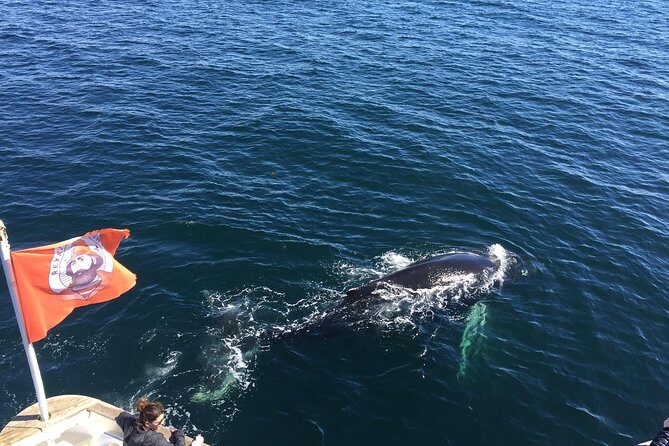
At $176 per person, this combo tour isn’t bargain-basement. But it does combine several things that often cost extra when you book them separately: guided whale watching, an evening northern lights hunt, and gear that directly improves comfort.
Here’s where the value shows up for practical travelers:
- Comfort is included. You’re not just buying access—you’re getting heated cabins and warm flotation overalls. That can make the difference between enjoying the trip and spending half your time shivering.
- Motion sickness support is included (complimentary tablets).
- Onboard Wi‑Fi is included, which helps if you’re planning photos, checking maps, or just staying in touch while you wait.
- There’s a free rejoin ticket if there are no sightings for the northern lights part. Even though weather can still ruin the mood, that feature reduces the risk of paying for darkness.
The one thing I’d keep in mind: the whale watching and northern lights are nature-led. You’re buying a guided outing designed for maximum chances, not a guarantee. If you expect guaranteed whales and guaranteed color-splashed auroras, you’ll be disappointed. If you’re okay with Iceland doing Iceland things, it’s a strong value.
Getting There: Geirsgata 11 and the Timing That Actually Matters
This tour starts and ends at Geirsgata 11, 101 Reykjavík. That’s convenient because it’s in the city, and the meeting point is noted as being near public transportation. You still should act like you’re meeting a ferry: show up early, get your bearings, and don’t rely on last-minute stress.
The tour asks you to arrive at the departure point at least 30 minutes before the scheduled time. I like this rule because it stops the day from turning into a cold scramble. If you’re the type who always thinks you’re early enough, be the opposite here.
Also, pay attention to the information flow. You’re told to check the daily diary on the website, and to check your email before the tour. In a weather-dependent itinerary like this, that matters.
Whale Watching Daytime: Comfort First, Then Wildlife
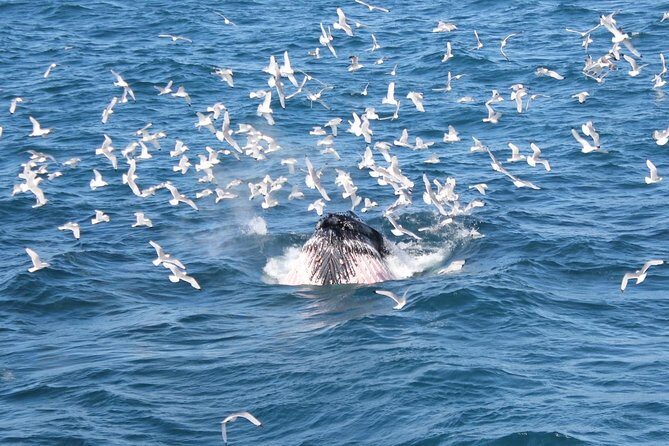
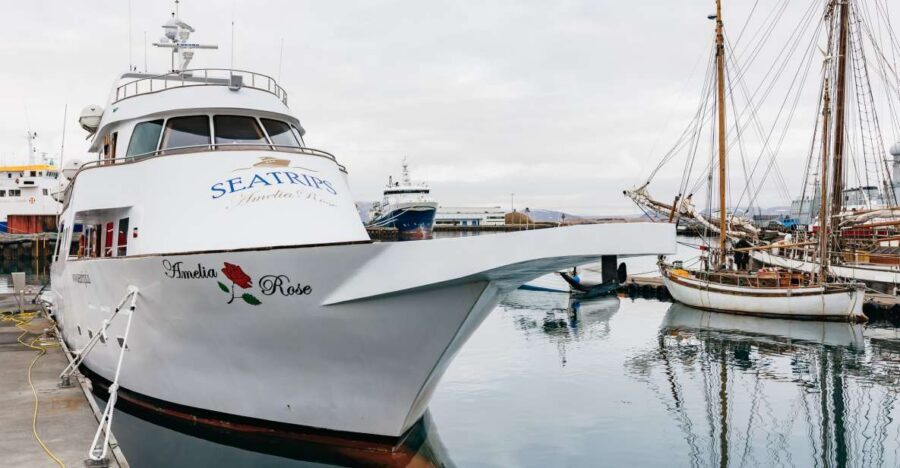
The daytime portion is the whale-focused start: about 2–3.5 hours on the water with experienced, professional guides. Your job is simple—bundle up, look out, and be ready when the boat changes course.
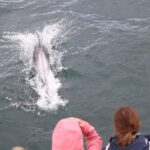
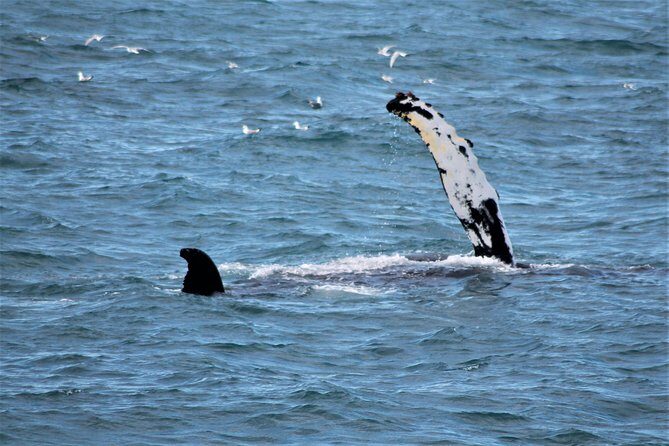
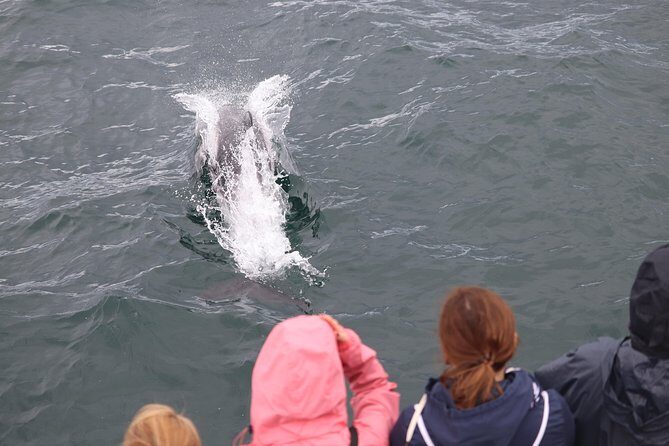
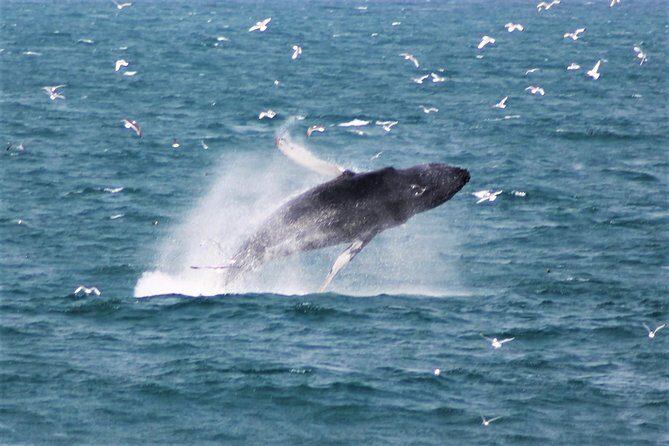
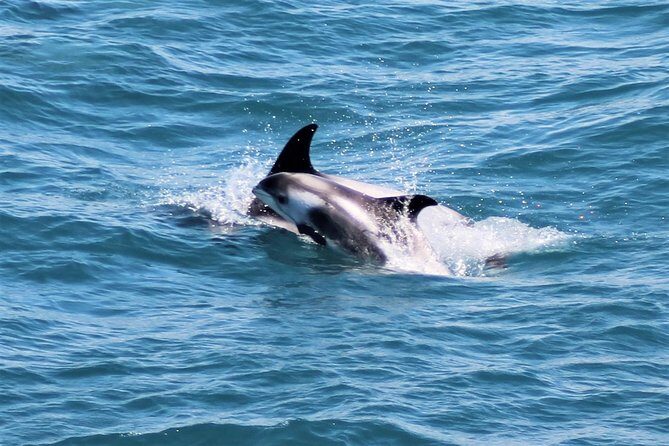
This is where I think the guide quality really matters, because whales are not predictable street performers. You can be in the right area and still need patience. The guides use their knowledge to locate whales like humpbacks, and they also look for other marine life such as harbor porpoises and white-beaked dolphins.
A few specific real-world details from the experience style help you set expectations:
- If you get rougher weather, it doesn’t automatically mean you won’t see whales. In fact, you might still get great sightings—just with more motion.
- The boat has heated indoor cabins, which is a major comfort win. You’re not stuck outside the entire time.
- You’ll be offered warm flotation overalls, with multiple sizes available. If you tend to pack too light, this rescue gear helps.
- Complimentary seasickness tablets are available if you want them. (Even if you usually do fine, it’s nice to have the option.)
One possible consideration: some people note that the boat can feel packed on deck at points, which can make it harder to find a clear line of sight. My advice is to treat deck viewing like a good show—move early to where you can see, and be willing to rotate positions rather than fixating in one spot.
Also, expect the captain to maneuver for sightings. That’s normal. If you’re watching closely, you might notice turning that could briefly interrupt spotting. Patience is part of the bargain.



What to Bring for the Whale Portion
The tour guidance is straightforward: wear good footwear and warm clothing, and bring your camera for photos. I’ll add one practical thought: you’ll likely go from warm cabin to cold wind a lot, so dress in layers. The best photo windows often happen after you’ve warmed up and reset your hands and breathing.
The Break Ashore: Why the Gap Matters
After the whale watching, you’ll have time ashore before the northern lights portion starts. That break is more than a courtesy—it’s how you avoid a sloppy evening.
During this gap, you can:
- Warm up fully
- Grab food or snacks (since snacks and beverages aren’t included on board)
- Charge your devices and double-check your camera settings
One thing to consider: the total day is about 6 hours on average, but it includes two main blocks with a gap between them. If you want dinner, plan it around that schedule rather than assuming the day runs straight through.
This is also when you should reset your expectations. The whale watching part is “see wildlife right now.” The northern lights part is more “wait and watch until conditions line up.”
Northern Lights at Night: Chasing the Green in Heated Comfort
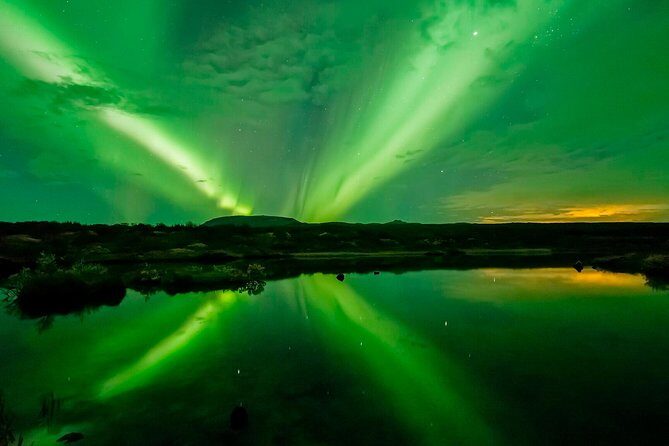
The evening northern lights portion lasts about 2–3 hours. The idea is that you’re searching for auroras while staying comfortable enough to actually enjoy the wait.
Here’s what I find especially helpful about this setup:
- You’ll be on a boat with heated indoor cabins and toilets, so you’re not stuck enduring windchill for hours.
- You’ll receive warm overalls if you need them outside.
- The guide actively watches for conditions and tells you when activity is happening, so you aren’t guessing when to run out for a quick look.
You’re not just chasing glowing curtains in the sky. You’re also learning the sky as you go. One guide name that stood out from the experience is Jonathan, noted for being helpful with cameras, information, and northern lights know-how. Even if your photos don’t look like postcard auroras, the process becomes more rewarding when someone points out what you’re seeing.
What If the Lights Are Weak or Faint?
Northern lights can be subtle. You might see a lighter green glow rather than dramatic color waves. Sometimes the lights are there but not bright enough to look like fireworks in photos. That doesn’t mean the trip was wasted—it means your expectations need to be Iceland-realistic.
And sometimes the evening portion doesn’t happen exactly as planned. The tour specifically includes a reschedule/rejoin safety net for missed northern lights. In other words, the company is trying to give you more than one shot when the sky misbehaves.
Wildlife and Lights: What “Success” Looks Like Here
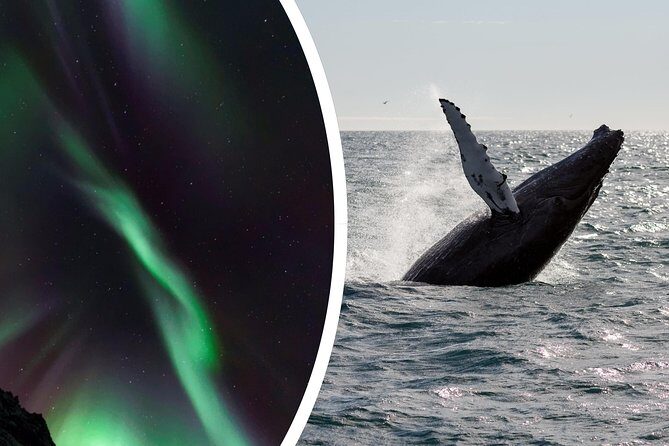
This combo tour is successful when you experience at least one of the two big moments strongly—seeing whales up close or catching the auroras in motion.
A perfect day looks like:
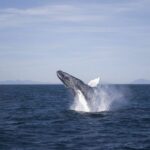
- Good whale time, potentially including humpback whale sightings and even dramatic behavior like a breach
- Then northern lights that are visible enough for you to feel the magic without staring through a blurry camera app
Even if you only get part of that, the structure still works. Whale watching gives you something immediate and physical. Northern lights give you a different kind of reward: stillness, waiting, and the surprise when the sky responds.
One nice extra is onboard warmth. You can step into the cabin when the lights aren’t active and come back out when the guide calls it. That makes the experience feel less like suffering and more like participating.
Group Size, Boat Comfort, and Photo Reality
This tour runs with a maximum of 198 travelers. That number matters because it helps you understand the likely vibe: not private, not empty-deck quiet. It’s more like coordinated crowd energy—people with cameras, people in overalls, and everyone watching the same horizon line.
That said, the boat setup helps. You get heated indoor cabins and toilets, so your comfort doesn’t depend solely on whether you’re standing on deck for long stretches. The overalls and motion sickness tablets also reduce the chance that your evening becomes a physical battle.
For photos:
- Bring your camera and be ready to work fast.
- If you’re using a phone, be prepared for the fact that weak auroras can show up differently in photos than they do to your naked eye.
- Use a layered approach: warm up inside, step out when the guide calls activity, then go back before you freeze your hands.
And don’t ignore the simple stuff. Good footwear helps with movement on the boat and staying balanced while you watch.
One Possible Drawback to Plan Around
The biggest drawback is also the most honest one: nature can win.
Northern lights may be dim, faint, or cancelled due to weather. Whale watching can also involve shifting conditions on the water. The tour does offer a rejoin/reschedule path for missed northern lights, but it cannot control the sky.
Second drawback: deck viewing can be crowded. If whales are near and everyone rushes to the rail, your clear sightline might not be perfect. Your best strategy is flexibility—watch for the moment, then relocate for the next approach.
Finally, plan for the day’s rhythm. The tour is roughly 6 hours total and includes a break ashore. If you plan dinner, schedule it with the gap in mind so you don’t end up eating whatever is nearby while hoping the lights cooperate.
Who This Tour Suits Best
I’d point you here if:
- You want a high-chance two-for-one experience without juggling separate tour dates
- You care about comfort and are grateful for heated cabins and warm gear
- You’re traveling in English and want guided interpretation for both marine wildlife and auroras
It’s also a good fit for first-time Iceland visitors. You get two of the big experiences—whales and auroras—in one coordinated package from Reykjavik.
If you’re the type who hates waiting, bring that energy, but soften it. The lights portion involves waiting and watching. The warmth and guide updates help, but you still have to be in the right mindset.
Should You Book This Whale Watching and Northern Lights Combo Tour?
Yes, I think you should book it if you want the best use of your Reykjavik time and you appreciate comfort details. The inclusion of heated indoor space, overalls, and motion sickness support is a big deal in Iceland, especially when you’re splitting the day between sea and sky.
I would only hesitate if you need a guaranteed, bright northern lights show or if you dislike crowd energy on boats. The tour is built for chances, not promises. Still, with the free rejoin option for missed northern lights and the strong wildlife focus during the day, it’s a solid pick for anyone chasing Iceland’s famous moments in one trip.
FAQ
How long is the whale watching and northern lights combo tour?
The tour lasts about 6 hours on average, including the whale watching portion (around 2–3.5 hours) and the northern lights portion (around 2–3 hours), plus time ashore between them.
Where does the tour start and end?
It starts and ends at Geirsgata 11, 101 Reykjavík, Iceland.
What is included in the price?
The price includes experienced guides, warm overalls (warm flotation overalls), heated indoor cabins and toilets on board, complimentary seasickness tablets, and free Wi‑Fi on board. There is also a free ticket to join again in case of no northern lights sightings.
What is not included?
Snacks and beverages are not included, and pickup is available for an extra charge.
Is the tour in English?
Yes. The tour is offered in English.
Do I need a mobile ticket?
Yes, the tour uses a mobile ticket.
What should I wear or bring?
Wear good footwear and warm clothing. You should also bring your camera for photos. Warm overalls are available, but dressing in layers helps.
What if we don’t see the northern lights?
The tour states that you can reschedule your trip if needed. It also includes a free ticket to join again in case of no northern lights sightings.
What if the whale watching part is cancelled due to weather?
If the whale watching tour is cancelled due to poor weather, the price of the entire ticket is not refunded. The note says only the whale watching part. It also mentions a separate museum ticket remains open, so you can choose when to go.
What is the cancellation rule for a full refund?
You can cancel up to 24 hours in advance for a full refund. If you cancel less than 24 hours before the experience’s start time, the amount paid is not refunded.
Is it easy to get to the meeting point?
Yes. The meeting point is noted as being near public transportation, and you should be there at least 30 minutes early.