Puffins, from Reykjavík, in about an hour. This short cruise is a smart way to experience Iceland’s famous seabirds without committing to a full day. You sail out from the harbor, get guided help spotting birds on rocky islands, and come back quickly enough to keep your Reykjavík plans flexible.
I especially like the free onboard binoculars. Puffins are small, and those extra views make a big difference when you’re scanning for bills and busy burrows. I also love the naturalist guide energy, with guides like Frida and Olivia sharing the small details that turn a quick sighting into something you’ll remember.
The main thing to consider: even though you get close to the islands, the birds are still tiny at sea level. If you’re chasing perfect, land-close photos, you may find the views are best from a respectful distance, plus weather can change how “close” the captain can safely get.
In This Review
- Key Things I’d Focus On
- From Elding’s Ticket Desk to a Puffin Cruise That Fits Your Day
- What “1 Hour” Really Feels Like on the Water
- Warm Gear, Free Binoculars, and the Comfort Playbook
- Akurey, Engey, or Lundey: Where You’ll Actually Find Puffins
- Wildlife Viewing That Respects the Birds (and Why That Matters)
- The Other Birds You Can Spot Besides Puffins
- Photography and Binocular Tips for Small Birds at Sea
- Price and Value: Is $66 Worth It?
- Who This Tour Suits Best (and Who Might Want a Different Option)
- Final Take: Should You Book the Reykjavik Puffin Watch?
- FAQ
- Where does the puffin tour start?
- How long is the Reykjavik puffin watching tour?
- Which islands might the boat visit?
- Do you get binoculars on board?
- What should I bring?
- Are refreshments included?
- Is this tour suitable for wheelchair users?
Key Things I’d Focus On
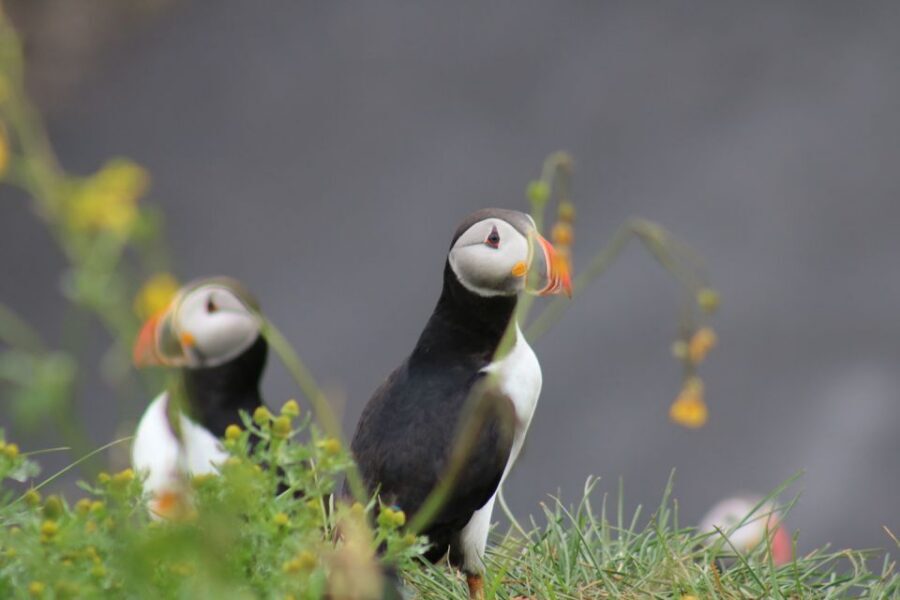
- Free binoculars on board make it much easier to pick out puffin faces and seabirds in flight.
- Akurey, Engey, or Lundey are chosen based on conditions, so you’re not guessing from the start.
- Warm overalls, raincoats, and blankets help you stay comfortable through cold wind off the water.
- Guided bird facts and stories give you a reason to keep looking, not just a one-and-done sighting.
- Close-to-nesting wildlife viewing aims to be environmentally friendly, not disruptive.
From Elding’s Ticket Desk to a Puffin Cruise That Fits Your Day
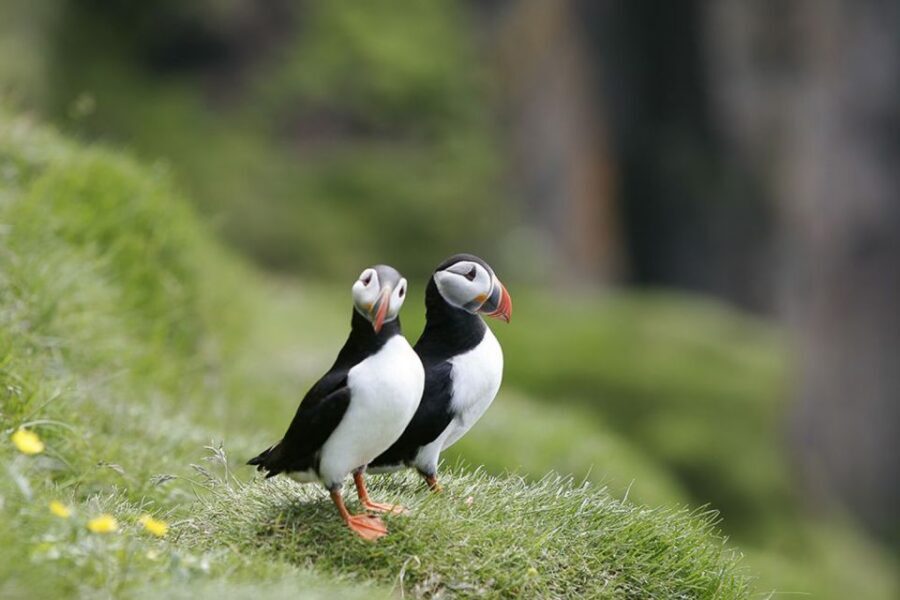
Your puffin adventure starts in the middle of Reykjavík at Ægisgarður 5, at Elding’s ticket office. It’s right near the downtown core, so you don’t need a complicated transfer plan to get going. Once you check in, you can hang around the harbor area, including the Whale Watching Centre with videos, skeletons, and info boards if you need a warm-up.
The timing is one reason this tour works so well. It’s built to be short, which matters when you’re juggling a tight itinerary in Iceland. Even if things run slightly long on the water, you still come away with a meaningful wildlife experience without blowing half your day.
You can also read our reviews of more tours and experiences in Reykjavik


What “1 Hour” Really Feels Like on the Water
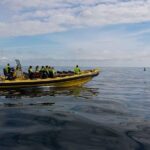
The tour is listed as about an hour, but the experience has a natural rhythm: a little travel time, then a focused wildlife viewing stretch, then back to Reykjavík. In practice, the birdwatching portion is typically around 30 minutes, with the rest going to getting to the island area and returning.
The boat part is generally comfortable, and it’s the kind of ride where you can move around to find your best sight lines. On a calm day, you’ll do most of your watching by walking a few steps and changing angles. On rougher days, you’ll want to stay steady and dress for wind-chill fast.
One small practical win: you’re not frozen while waiting. You can borrow warm gear—overalls, raincoats, and blankets—so you’re not trapped in flimsy layers. If you get cold easily, this is worth taking seriously because the coast can feel much colder once you’re out on the bay.
Warm Gear, Free Binoculars, and the Comfort Playbook
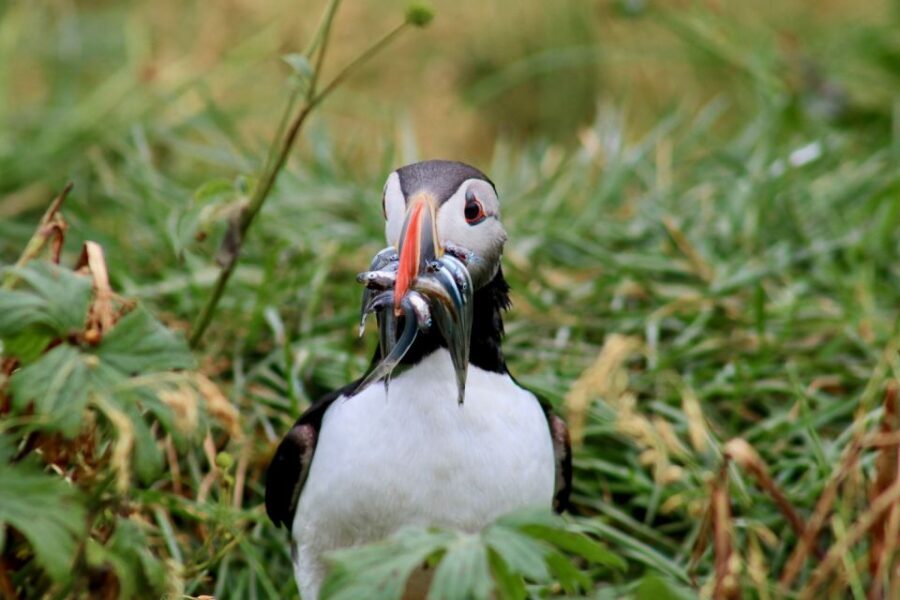
This is the kind of tour where “what’s included” directly affects how good your photos and sightings turn out. The big items are warm overalls, raincoats, and blankets plus onboard binoculars to borrow. You’ll also be able to use whatever rain protection they provide, since the wind off the water can cut right through.
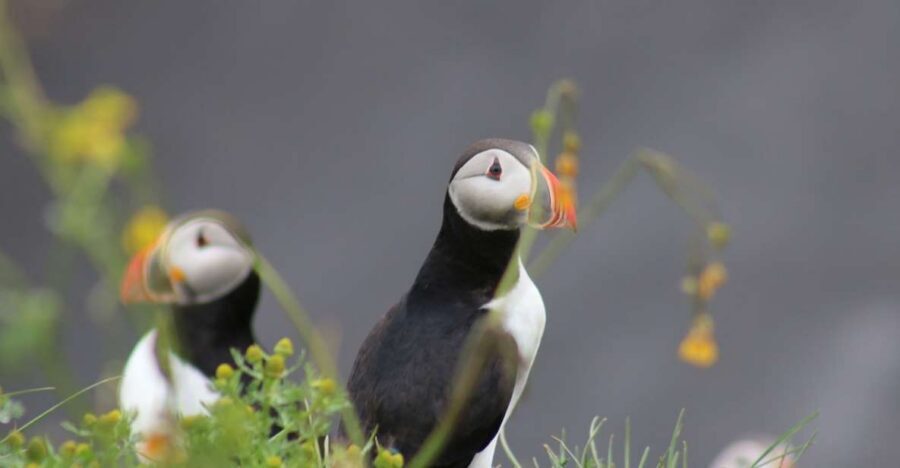
The free binoculars are not a nice-to-have. Puffins are famously compact birds. Even when you’re doing everything right, you can easily end up staring at dots unless you can zoom in. Several people noted that the binoculars were a game-changer once they were close to the islands and looking for burrows and flight paths.
Also pay attention to footwear and carry rules. High-heeled shoes aren’t allowed, and you can’t bring large luggage or big bags. That’s partly about safety on a small boat deck. Pack light so you’re not stuck fighting extra bulk while you’re trying to watch.
If you’re sensitive to motion, be aware that sea conditions can vary. I’ve seen mention of motion-sickness support being available on board, and it’s smart to plan for it if you know you get queasy on boats.
Akurey, Engey, or Lundey: Where You’ll Actually Find Puffins
One of the best things about this tour is that you’re not tied to a single island. Depending on tides and weather, you’ll head to Akurey, Engey, or Lundey. These islands are known for breeding seabirds, so you’re going to where the action is most likely to happen.
Here’s the key idea: tides affect how close the boat can safely approach the rocky shore. When conditions line up, you can get a better view of puffins near nesting areas and burrows. When they don’t, you still often see plenty of puffins, but the viewing distance might be a bit different.
On the islands, the captains know where to position the boat for wildlife viewing. You’re not “hunting” the birds across empty water. You’re sailing toward spots where puffins cluster and other sea birds feed or fly overhead.
If the weather cooperates, you might even get a quieter moment—there’s a mention that the captain may turn off engines so you can hear bird calls. Even when that doesn’t happen, the whole experience feels more intentional when the focus stays on the birds instead of constant loud movement.
Wildlife Viewing That Respects the Birds (and Why That Matters)
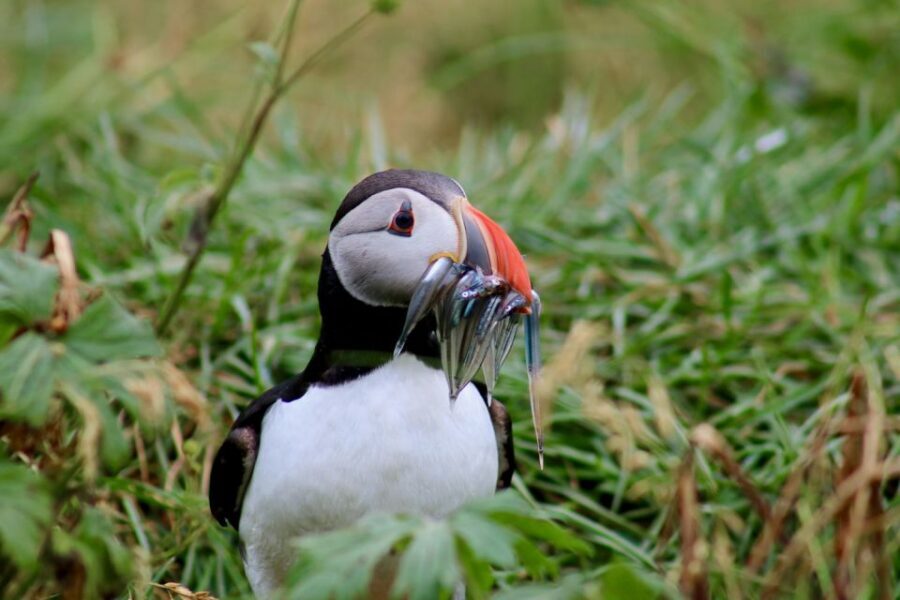
This tour is designed to get you close enough for good viewing while keeping disturbance low. You’re sailing to breeding grounds, which means the puffins are in “home mode.” The goal is to observe, not interfere.
There’s a subtle but important difference between seeing birds from afar and seeing birds in a way that helps you understand what they’re doing. With a guide on board, you’re more likely to connect the dots: which way they’re flying, when they head toward the burrows, and what other species are doing in the same area.
If you care about responsible wildlife viewing, this is the right vibe to look for: close to nesting areas, but with an emphasis on not crowding or stressing the animals.





The Other Birds You Can Spot Besides Puffins
Puffins are the headline, but the water around these islands can feel like a living buffet for seabirds. You might see eider ducks, arctic terns, guillemots, cormorants, fulmars, geese, and oystercatchers. On some departures, the variety can surprise you because you’re watching a whole seabird community, not just one species.
I also liked how the tour encourages “continuous looking.” Even if you spot puffins right away, you still have time to track them as they switch between flying, swimming, and returning toward the shore. That’s when binoculars help again, because you can follow a flight line and then find the same bird later.
Sometimes you may catch other marine wildlife too, like seals or dolphins, when you’re lucky and conditions put animals in the same zone.
Photography and Binocular Tips for Small Birds at Sea
If you’re bringing a camera, set your expectations correctly. Puffins are not big targets like large gulls. They’re compact, quick, and often framed against busy backgrounds—rock, water sparkle, and other flying birds.
My practical advice:
- Use binoculars first, then photograph. I’ve found this saves time because you locate the action before you try to frame it through a lens.
- If you use a phone camera, steady it and try shooting through the binocular view when it makes sense. People have shared that they’ve gotten good results by placing a phone close to the binocular lens.
- Dress for wind. Cold hands ruin camera control. The warm gear helps you keep your hands steady enough to actually use your gear.
Also, keep an eye on the shore lines. Puffins can be sitting still near nesting areas, and that’s often when you get your clearest views. When they launch, focus on capturing the movement rather than expecting perfect detail at every second.
Price and Value: Is $66 Worth It?
At $66 per person for a roughly 1-hour experience, you’re paying for three things that aren’t always included on cheaper outings:
- A naturalist guide who helps you find and understand what you’re seeing
- Warm overalls/rain gear plus binoculars
- A timed cruise from central Reykjavík to known breeding islands
This isn’t a long expedition, so you won’t leave with the sense of having covered an entire day of Iceland. But for what you actually get—guided birdwatching near puffin breeding grounds—it’s strong value if your schedule is tight. It’s also a nice backup plan if the weather or another cruise activity doesn’t work out, because this one is short enough to keep your day intact.
One more value angle: the meeting point is central. You’re not spending time and money on extra transfers to reach a remote departure point.
Who This Tour Suits Best (and Who Might Want a Different Option)
This tour fits best if you:
- Want puffins without a full day commitment
- Are visiting Reykjavík and want an activity that feels Iceland-specific
- Appreciate guided explanation, especially for identifying seabirds
- Need something doable even when your main plan is weather-sensitive
It’s not ideal if you:
- Need a fully wheelchair-accessible experience (this tour isn’t suitable for wheelchair users)
- Want land-close “fill-the-frame” views every minute. Even with the best positioning, puffins are small and best viewed with binocular support.
If you’re planning for rough conditions, dress for cold and wind, and remember that sea state can affect comfort. The good news is the operator provides warm gear to help you tolerate that reality.
Final Take: Should You Book the Reykjavik Puffin Watch?
I’d book this if you want the best mix of time, comfort, and guidance. You’re paying for a short cruise where the viewing is structured, the birds are the point, and you get the tools—especially binoculars—to actually see them.
If you’re the type who wants maximum closeness for photos, you might feel a little constrained by distance and by how puffins behave when they’re nesting. But if you’re realistic, bring the right gear, and stay patient for the moments when birds pop into view, this tour is a genuinely efficient way to check off a major Iceland wildlife goal.
If you can handle a cold breeze and you’re excited about seabirds, this is a great Reykjavík add-on—and one of those short trips that still feels like a full experience.
FAQ
Where does the puffin tour start?
The meeting point is Elding’s ticket office at Ægisgarður 5, 101 Reykjavík. It’s in the heart of Reykjavík, a short walk from downtown.
How long is the Reykjavik puffin watching tour?
The tour is listed as 1 hour total. The time on the wildlife viewing portion is typically around 30 minutes, with extra time for sailing to and from the island area.
Which islands might the boat visit?
Depending on tides and weather, the cruise goes to Akurey, Engey, or Lundey for wildlife viewing.
Do you get binoculars on board?
Yes. Onboard binoculars are included to borrow, which helps a lot because puffins are small.
What should I bring?
Bring weather-appropriate clothing. The tour also includes warm overalls, raincoats, and blankets on board.
Are refreshments included?
Refreshments are not included, but you can buy refreshments on board.
Is this tour suitable for wheelchair users?
No. This activity is not suitable for wheelchair users.