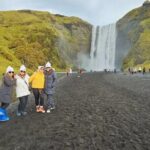
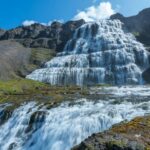
A long day, with the right payoff. This small-group minibus tour takes you far beyond downtown Reykjavik to places most visitors only see from speeding cars. You get live onboard commentary and a steady route through dramatic scenery, from Fjadrárgljúfur Canyon to the glacier lagoon and black-sand beaches.
I love that the day is set up so you do less thinking. You’re dropped off and picked up, and the drive-to-stop pacing is designed for comfort, not stress. I also like the human touch from guides such as Gummi, Trond, Ian, Thord, and Starry, who tend to make the long road feel like a guided story you can actually hear.
The main consideration is time and weather. It runs about 14 to 16 hours, and if conditions are tough (windy lagoon, winter canyon access limits), your experience can shift.
A small group on a real route
Professional local driver-guide + live commentary
Big photo stops in a single day: Glacier Lagoon, Diamond Beach, Seljalandsfoss
Winter reality check: Fjadrárgljúfur may be inaccessible
Aurora hunt only when skies cooperate between Sept 1 and April 1
In This Review
- Why This Reykjavik-to-South-Coast Tour Feels Easier Than Driving Yourself
- The Real Shape of the Day: Packed Stops, Long Hours, and Planned Breathers
- Vík i Mýrdal Church: The First Big View Before the Driving Gets Serious
- Fjadrárgljúfur Canyon: Why This Stop Is Often the Highlight (And Why Winter Can Change It)
- Foss a Sidu Waterfall: A Short Stop With a Windy Personality
- Glacier Lagoon: The Main Event for Icebergs, Wind, and Big Emotions
- Diamond Beach: Black Sand, Ice Blocks, and Easy Photo Wins
- Hofskirkja Turf Church: Why the Short Stops Matter
- Lunch in Vík: Your Best Break to Recharge (Food Isn’t Included)
- Seljalandsfoss: The Walk-Behind Waterfall Stop (And Why Timing Matters)
- Northern Lights Viewing: Worth Trying, Never Guaranteed
- Minibus Comfort, Group Size, and Getting Along With a Long Day
- What to Wear and Bring So Weather Doesn’t Run Your Day
- Price and Value: Is $242 Worth a 14–16 Hour Minibus Day?
- Who This Tour Suits Best (And Who Might Want a Different Option)
- Should You Book This Tour?
- FAQ
- What time does the tour start?
- How long is the tour?
- Is pickup from hotels included?
- How big is the group?
- What’s included in the price?
- Are meals included?
- When can I try for the northern lights?
- Can I visit Fjadrárgljúfur Canyon in winter?
- What should I bring for the day?
Why This Reykjavik-to-South-Coast Tour Feels Easier Than Driving Yourself
This is a “sit back and look out the window” kind of day. You’ll still walk and dress for the outdoors, but you won’t be plotting roads, timing turnoffs, or worrying about where parking fills up. The minibus approach matters because the route has lots of short stops, and you want smooth transitions more than a complicated self-drive checklist.
You’re also traveling in a small group (up to 17). That translates to fewer delays at viewpoints and easier timing for bathroom breaks. It’s the difference between chasing a crowd and actually having a minute to breathe in the view.
What makes this tour especially practical is that it’s built around “I want to see the south” without needing a rental car. If you’re tired after arriving in Iceland, or you just don’t feel like driving in wind and rain, this kind of guided circuit is a smart use of your time.
The Real Shape of the Day: Packed Stops, Long Hours, and Planned Breathers
Start time is 7:30am in Reykjavik. Expect a full day—often stretching close to midnight in winter conditions—so treat it like an all-day outing, not an “easy afternoon.”
The itinerary runs like this in most seasons: church views, a canyon, a waterfall, Glacier Lagoon, Diamond Beach, a turf church, a meal stop in Vík, then Seljalandsfoss, and finally a shot at the northern lights from a designated viewing point. There are rest stops built in, and many guides keep the day moving with enough time to get photos and stretch your legs.
Even with those breaks, the length is the tradeoff. If you’re prone to motion sickness or you hate long car time, you’ll feel it. You’ll want snacks and water, because food and drinks aren’t included.
You can also read our reviews of more tours and experiences in Reykjavik.

Vík i Mýrdal Church: The First Big View Before the Driving Gets Serious
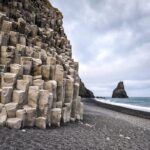
The day kicks off at Vík i Mýrdal Church, perched on a hill with ocean views and a famous backdrop: Reynisdrangar seastacks. It’s an easy opener because it gives you something dramatic right away, without requiring a long hike.
This stop is short—about 20 minutes—so don’t plan on wandering for long. Go for the view, take your pictures, then move on. The best move is to dress warmly right at the start; coastal weather can turn fast, and you’ll be outside soon after.
Why it works: it sets the tone for the south coast—wind, water, and those iconic rock formations.
Fjadrárgljúfur Canyon: Why This Stop Is Often the Highlight (And Why Winter Can Change It)
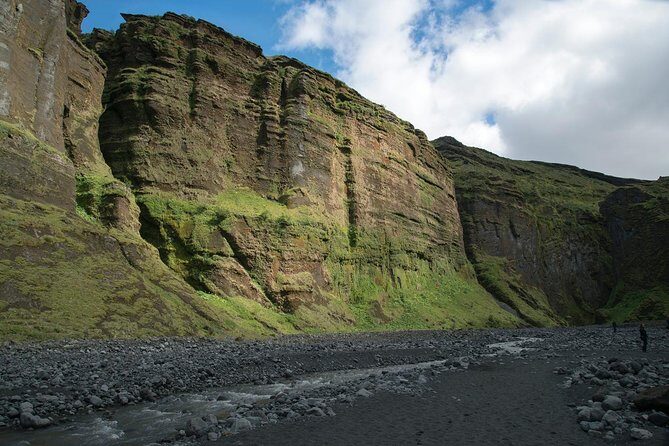
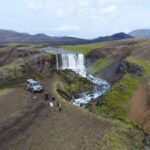
Next comes Fjadrárgljúfur Canyon. This is the kind of place where you get why Icelanders build stories around dramatic nature. Expect a breathtaking canyon stop with time to look around and get photos—about 30 minutes.
Here’s the practical catch: access may be limited in winter conditions. If you’re traveling in the colder months, assume you might not be able to get as close as you’d hoped, or that conditions could affect how much time you spend at the canyon itself. Still, even a partial view can be impressive, especially when the light hits the walls.
My advice: if this canyon is a top priority for you, keep your expectations flexible by season. The south coast is beautiful partly because it refuses to be predictable.
Foss a Sidu Waterfall: A Short Stop With a Windy Personality
Foss a Sidu is quick—about 10 minutes—but it’s memorable if the wind is cooperating. The feature here is that the water can be lifted by strong gusts, creating that weird-looking uphill flow effect.
Because this is a brief stop, don’t expect long viewing. Treat it like a “glance and shoot” moment: get your bearings, take a couple photos, then be ready to hop back into the minibus quickly.
This stop also helps break up the driving rhythm. You’ll feel less like you’re constantly in transit, which matters on a 14- to 16-hour day.
Glacier Lagoon: The Main Event for Icebergs, Wind, and Big Emotions
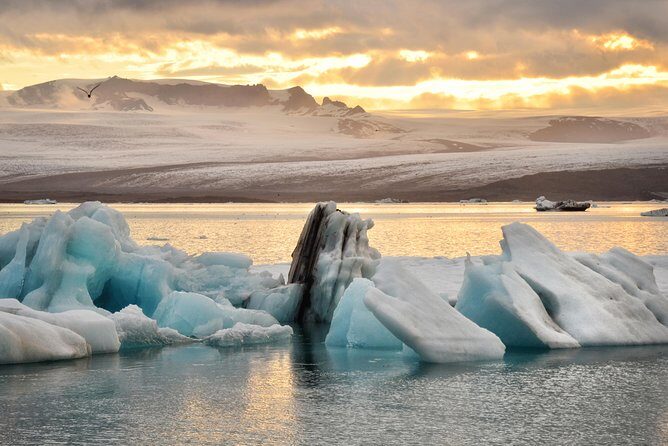
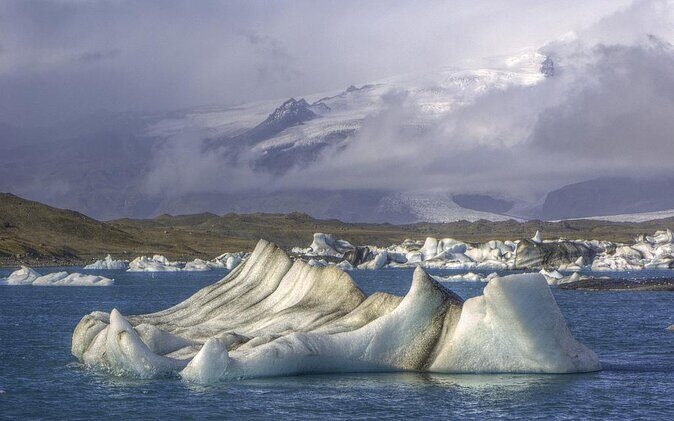
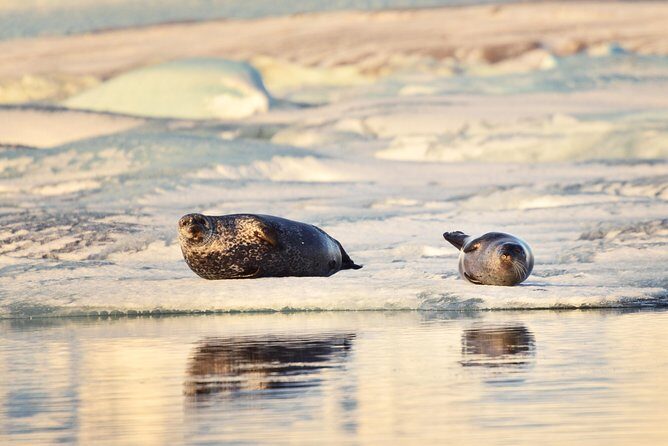
Then you reach Glacier Lagoon, and this is where the trip often earns its “must-do” reputation. You’ll have around 1 hour at the lagoon to watch the icebergs float and look for wildlife—seals are possible.
One thing to plan for: it can be extremely windy. A full hour outdoors means you should prepare for cold wind chill more than just cold air. Wear waterproof outer layers, keep your hat and mittens handy, and assume you’ll be standing in gusts at times.
If you’re hoping to combine this with a lagoon boat experience, know that there may be time and coordination considerations on the day. Some people add a separate boat option at the lagoon, and when that happens, your overall timing can shift.
Practical tip: this stop is worth prioritizing for patience. Icebergs move slowly, but the lighting can change fast. The extra few minutes you wait for a better angle usually pays off.
Diamond Beach: Black Sand, Ice Blocks, and Easy Photo Wins
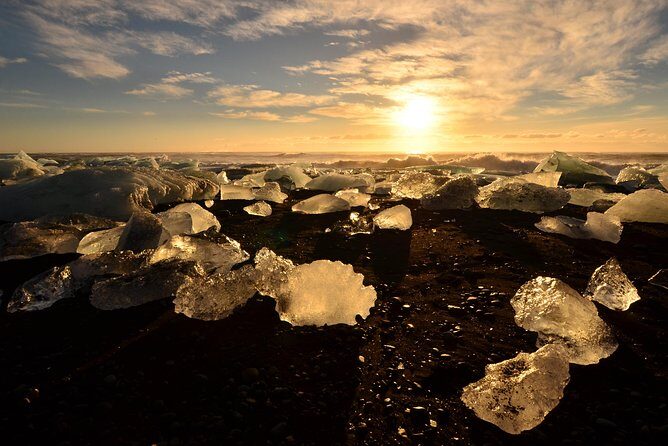
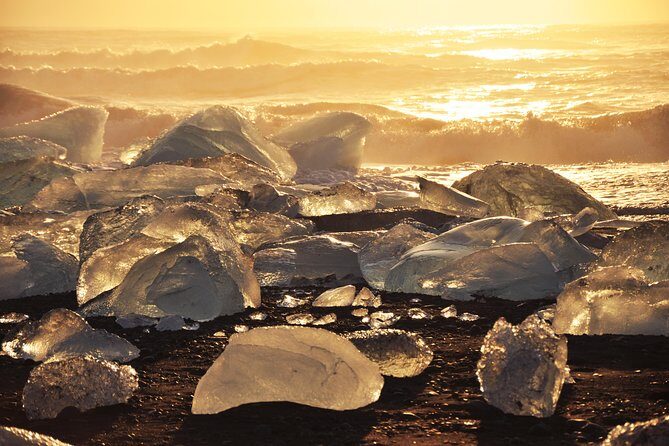
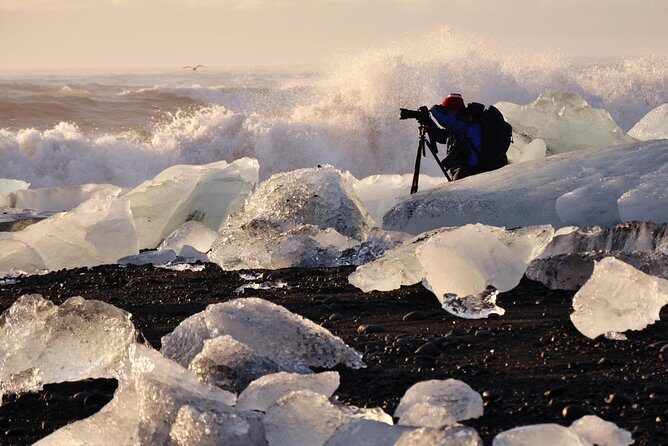
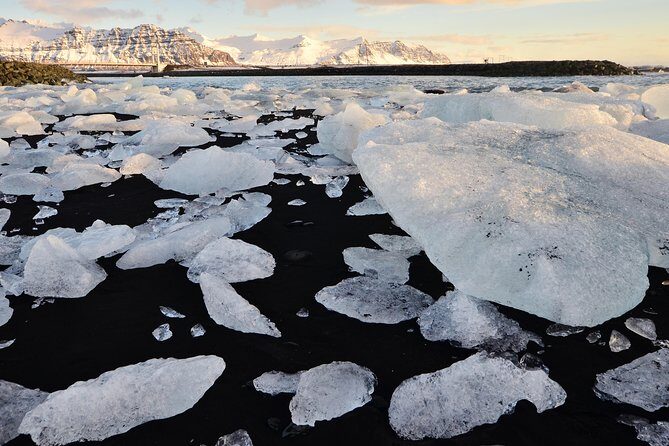
Right after the lagoon you’ll go to Diamond Beach, about 20 minutes. Most of the time the black sand is covered by floating ice blocks, so you get a high-impact scene without a long hike.
This is one of those places where you’ll end up taking more photos than you planned. The contrast—inky sand against bright ice—is instant drama. Even when the ice patterns look similar from day to day, the shapes and positions change, so your view will be unique.
Drawback to be aware of: the shore can be windy, and it’s not a place to waste time adjusting layers. Get ready quickly, take photos early, then enjoy it.
Hofskirkja Turf Church: Why the Short Stops Matter
A big circuit like this can feel like nonstop exterior scenery, so I like that the tour includes Hofskirkja Church—a turf church that gives you a different flavor of Iceland. It’s about 15 minutes, so again, this is not a long sit-down visit.
But it’s valuable because you get contrast: wild geology at the lagoon and beach, then a small, old-style structure built into the way people lived. If you want a south-coast trip that includes culture—not just photos of rocks—this kind of stop helps.
Also, turf churches tend to be photogenic in a way that feels simple and human-scale. You’ll feel the contrast immediately.
Lunch in Vík: Your Best Break to Recharge (Food Isn’t Included)
There’s a stop in Vík, about 45 minutes, for a meal. Food and drinks aren’t included, so you’ll need to plan how you want to handle it. The tour info points to options like lamb soup and black dough pizza.
I like this timing because it breaks the day right before the last major waterfall stop. If you save your appetite for later, you might feel sluggish at Seljalandsfoss, where you’ll likely want energy and patience.
If you’re picky about food or you’re traveling with kids, consider bringing snacks from the start. That way, even if you don’t find the perfect meal right away, you’re still comfortable.
Seljalandsfoss: The Walk-Behind Waterfall Stop (And Why Timing Matters)
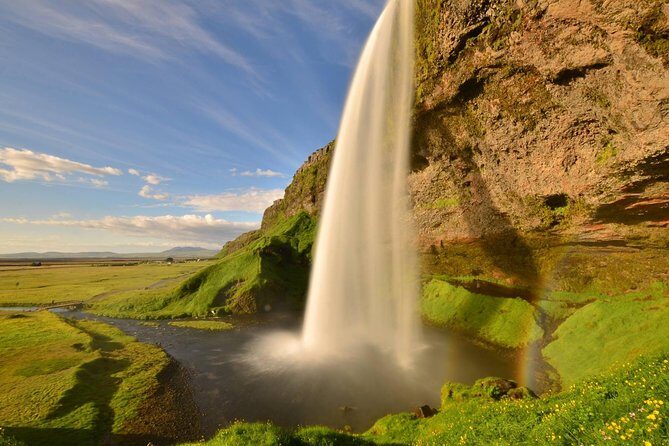
Next is Seljalandsfoss, about 30 minutes. This is the kind of waterfall where you can walk behind it, so you don’t just watch water—you get wrapped in it from a different angle.
Expect mist and wet conditions. Even in seasons where it’s not freezing, you’ll likely feel damp. Plan for it like a light rain scenario: waterproof outer layer, shoes that can handle splashes, and something warm for the ride after.
Timing can matter. On very long days, a late arrival can reduce visibility and comfort. If you’re pairing this with another plan later in the evening, build in extra buffer. This tour can run late.
Northern Lights Viewing: Worth Trying, Never Guaranteed
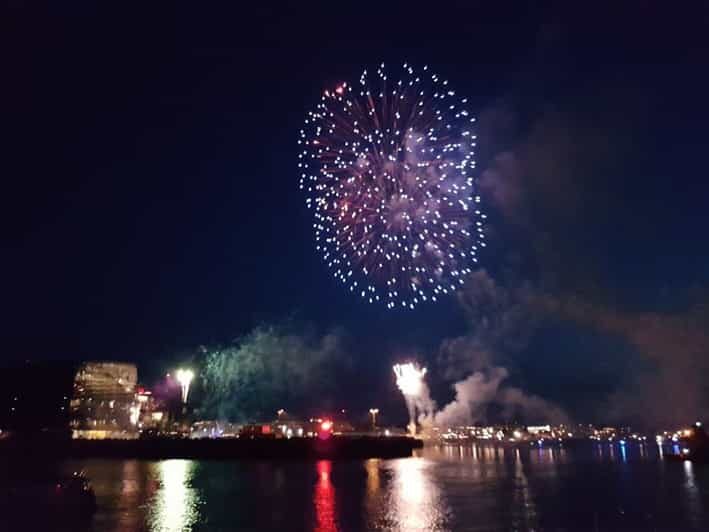
The last stop is a Northern Lights View Point for about 30 minutes. The aurora hunt is available between Sept 1 and April 1, and it depends on sky conditions and aurora activity.
This is important: the trip is not a guaranteed aurora ticket. If the sky isn’t cooperating, you may end up doing extra waiting time with limited results.
That said, a good driver-guide can still improve your chances by getting you to a better viewing spot when conditions look promising. Several guides in this tour lineup are praised for being proactive with aurora timing, especially when nights are uncertain.
If you’re traveling in aurora season, I consider this tour’s aurora component a bonus. The real payoff is the south coast sights earlier in the day.
Minibus Comfort, Group Size, and Getting Along With a Long Day
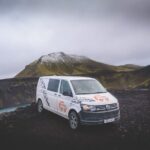
This tour operates exclusively on minibuses, and the group size is capped at 17. In practice, that usually means less waiting, faster boarding, and less time lost to logistics.
You’ll also get pickup and drop-off from designated bus stops and some hotels. Reykjavik has driving restrictions, so full hotel pickup isn’t possible everywhere. If your hotel is in a restricted area, you’ll meet at a designated bus stop nearby.
You’ll know which bus stop to use from your confirmation, and the tour warns that tour-bus stops are not the same as regular city bus stops. The safest approach is simple: find your specific tour bus stop marker the day before or even earlier the same morning.
One more comfort note from the vibe people describe: the minibus experience tends to feel modern enough, with some seats offering charging ports. Still, don’t plan around Wi-Fi. Use the time to watch scenery and rest your eyes.
What to Wear and Bring So Weather Doesn’t Run Your Day
This tour is long and outdoors-heavy. The guidance is clear: bring sturdy, warm, waterproof shoes plus warm rain and windproof outdoor clothing. Even in summer, mittens and a hat can make a difference, because coastal wind is no joke.
Here’s what I’d prioritize in a packing checklist:
- Waterproof outer layer (windproof beats “just warm”)
- Warm gloves/mittens + hat
- Waterproof shoes you can walk in at waterfalls
- Snacks and water, because food and drinks aren’t included
- Extra layers for Glacier Lagoon and Diamond Beach
Also, plan for cold wind at the glacier lagoon. It’s the kind of place where staying warm helps you enjoy the view instead of fighting your body temperature.
Price and Value: Is $242 Worth a 14–16 Hour Minibus Day?
At $242 per person, you’re paying for two things that are hard to replace on your own: transportation and local guiding. The tour includes a professional local driver-guide, live onboard commentary, and round-trip transit via minibus.
If you were self-driving, you’d pay for car rental, gas, parking, and the mental load of routing and timing. In the real world, you might spend less cash self-driving, but you’ll spend more energy. For many people, that tradeoff is exactly why this tour sells so well.
You’re also getting a lot of distinct stops in one day—church viewpoints, a canyon, waterfalls, Glacier Lagoon, Diamond Beach, and an aurora attempt when in season. For a first Iceland trip, that “many icons, one shot” value is hard to beat, especially when weather might scramble your plans.
Where the price can feel less fair is if the day is rough and you can’t enjoy certain outdoor stops as much. Winter access limits and aurora uncertainty can reduce the experience. But the south coast itself is still worth the effort, and the itinerary is designed to keep you busy even when conditions are less than perfect.
Who This Tour Suits Best (And Who Might Want a Different Option)
This tour is a strong match if you:
- Want a guided south-coast loop without driving
- Like stopping at multiple sights, not just one big attraction
- Enjoy local stories from guides like Gummi, Trond, Ian, Thord, and Starry
- Are okay with long travel hours and cold/windy weather
It’s probably not the best match if you:
- Hate all-day commitments or have early evening plans that can’t slip
- Need frequent long restroom breaks (you’ll have some, but it’s still a packed circuit)
- Are very sensitive to cold wind, since Glacier Lagoon and Diamond Beach can be harsh
A final practical thought: if you’re traveling with kids, some families do this tour, but it’s still a long day. Bring snacks, plan layers, and accept that children may get cranky before you reach the best ice views.
Should You Book This Tour?
Book it if you want the south coast highlights in one guided day and you’d rather spend your attention on scenery than on maps. The best part is the combination of Glacier Lagoon + Diamond Beach with multiple stops that add variety—canyons, waterfalls, and even a turf church.
Skip (or consider alternatives) if you’re booking in winter and you need specific access at Fjadrárgljúfur, or if a late return would break other plans. Also, go in knowing the aurora hunt is a try, not a promise.
If you’re flexible, pack for wind, and bring snacks for the long haul, this tour is one of the most efficient ways to experience Iceland’s southern icons from Reykjavik.
FAQ
What time does the tour start?
The tour starts at 7:30am.
How long is the tour?
The duration is about 14 to 16 hours.
Is pickup from hotels included?
Pickup and drop-off are included, but Reykjavik driving restrictions mean not every hotel can be picked up directly. If you’re in a restricted area, you’ll meet at a designated tour bus stop near your location.
How big is the group?
This is a small-group tour with a maximum of 17 travelers.
What’s included in the price?
The price includes a professional local driver-guide, live onboard commentary, and round-trip transport from designated bus stops and hotels, plus a mobile ticket.
Are meals included?
No. Food and drinks are not included, and you’ll have a meal stop in Vík during the day.
When can I try for the northern lights?
Northern lights viewing is available between Sept 1 and Apr 1, depending on sky conditions and aurora activity.
Can I visit Fjadrárgljúfur Canyon in winter?
Access to Fjadrárgljúfur Canyon may be limited in winter conditions, so conditions can affect what you’re able to see.
What should I bring for the day?
Bring sturdy, warm, waterproof shoes and warm rain- and windproof outdoor clothing. Mittens and a hat are recommended even in summer, and layers help a lot in colder weather.