Iceland history hits hard indoors. This ticket lets you explore Iceland’s story from the medieval ship era to today’s airport—packed with Viking-age artifacts and big-name items like the Thor figure dated around 1000. I especially like the way the museum frames everything around the question of what makes a nation. One thing to keep in mind: the galleries can feel spread out, so you’ll want a simple plan (or you might end up bouncing around).
For about $20, you also get access to the permanent collection plus temporary exhibitions, and you won’t waste time at the counter thanks to the skip-the-line setup. It’s a smart stop for a first visit or a rainy day. The main drawback is that if you’re hunting ultra-deep descriptions for every single object, you may wish some labels had more detail.
In This Review
- Key highlights worth your time
- The National Museum of Iceland ticket: what you get for $20
- The permanent exhibition built around one simple question
- Thor around the year 1000 and the Viking era “anchor pieces”
- Medieval religion and printed pages: the 16th-century bible
- About 2,000 artifacts: why the quantity matters
- Temporary exhibitions included: plan for variety, not just one story
- Audio guide in 10 languages: how to use it without getting lost
- Wi-Fi inside: useful when you want quick clarification
- Time plan: how long it takes and how to pace it
- Who this ticket suits best (and who might want to adjust expectations)
- Price and value: is $20 actually fair?
- Practicalities in Reykjavík: bags, accessibility, and where to check in
- Should you book this National Museum of Iceland entry ticket?
- FAQ
- Where do I show my ticket?
- How much does the entry ticket cost?
- What’s included with the ticket?
- Does the ticket include temporary exhibitions too?
- What languages are available for the audio guide?
- Is the museum wheelchair accessible?
- Are large bags allowed inside?
- How long is the ticket valid?
- Can I cancel and get a full refund?
Key highlights worth your time
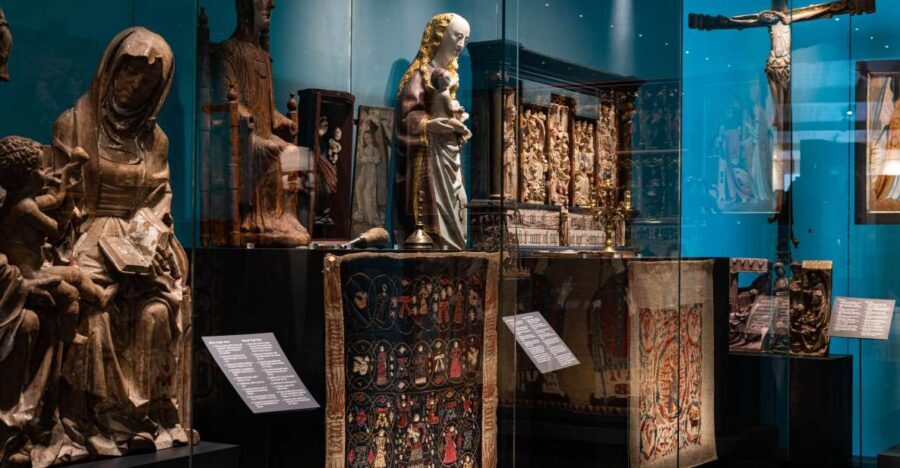
- Two thousand artifacts across the ages (Settlement Age to present)
- Thor from around the year 1000, a headline-worthy object
- A time-journey layout that runs from early arrivals to modern Iceland
- Audio guide in 10 languages plus Wi-Fi support inside
- Temporary exhibitions included, so your visit can feel fresh
The National Museum of Iceland ticket: what you get for $20
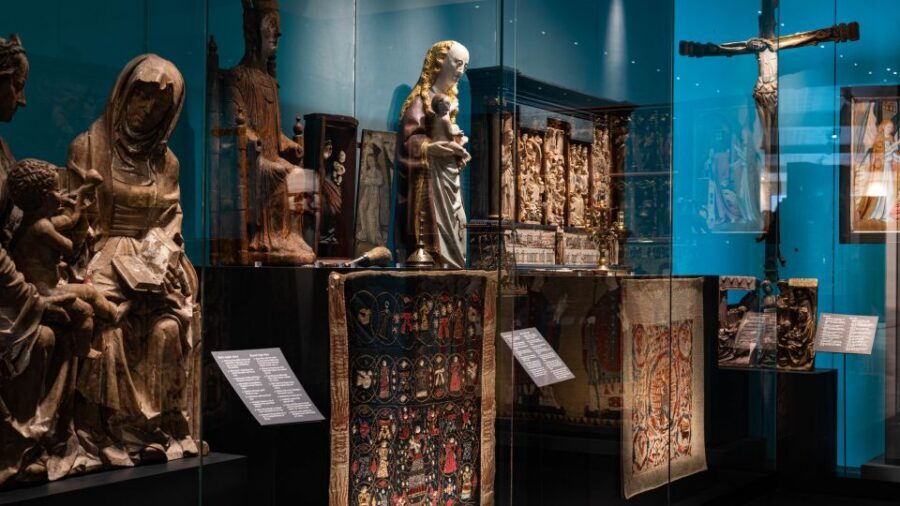
This entry ticket is straightforward: show your pass at the reception desk, walk into the National Museum of Iceland in Reykjavík, and enjoy the exhibitions. For the price, you’re not just buying a quick look—you’re buying time with a collection designed to explain how Iceland became Iceland.
What makes the ticket feel like value is what’s included. You get:
- Entry to the museum’s exhibitions (including temporary exhibitions)
- An audio guide in 10 languages
- Wi-Fi
So even if you don’t read every label (I don’t blame you; museum labels are sometimes longer than the trip you planned), you still have a built-in way to follow the story.
You can also read our reviews of more tours and experiences in Reykjavik



The permanent exhibition built around one simple question
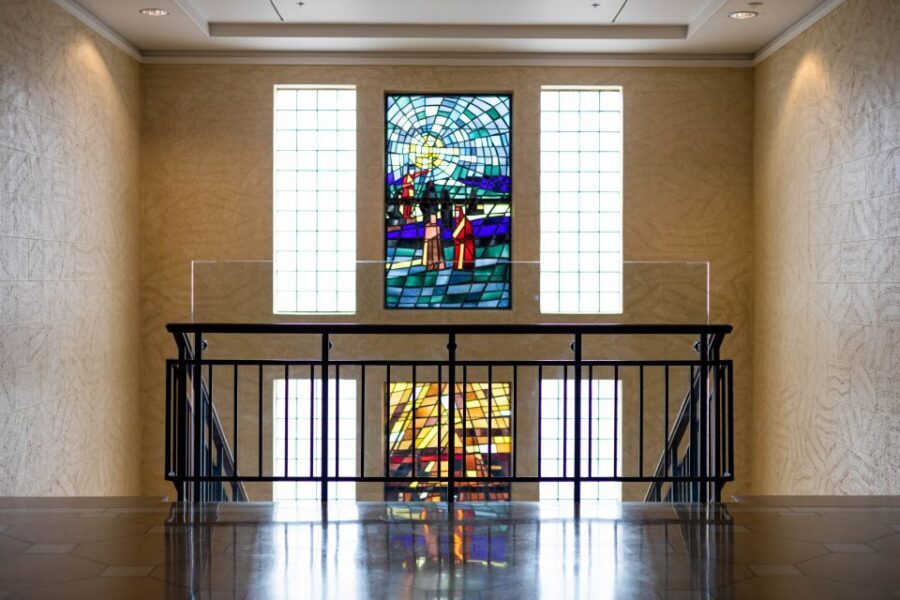
The museum’s permanent exhibition runs like a guided journey through time. It’s organized around a driving question: What makes a nation? That framing is useful because it nudges you to look beyond dates and names. You start thinking about people, survival, institutions, belief, and daily life—because those are the things that actually build a nation.
The exhibition is conceived as a line that starts with the ship medieval settlers used to cross the ocean, and ends with a modern airport—described as the gateway to the world. It’s a clean idea, and it helps you understand why the museum includes both old artifacts and much newer material: Iceland isn’t treated like a frozen-in-time Viking museum. It’s treated like a country that kept changing.
You also get photographs from the 20th century, which matters more than you might expect. The museum isn’t only about what Iceland used to be. It shows how life moved forward—so you can connect the past to modern Iceland instead of treating them like separate exhibits.
Thor around the year 1000 and the Viking era “anchor pieces”

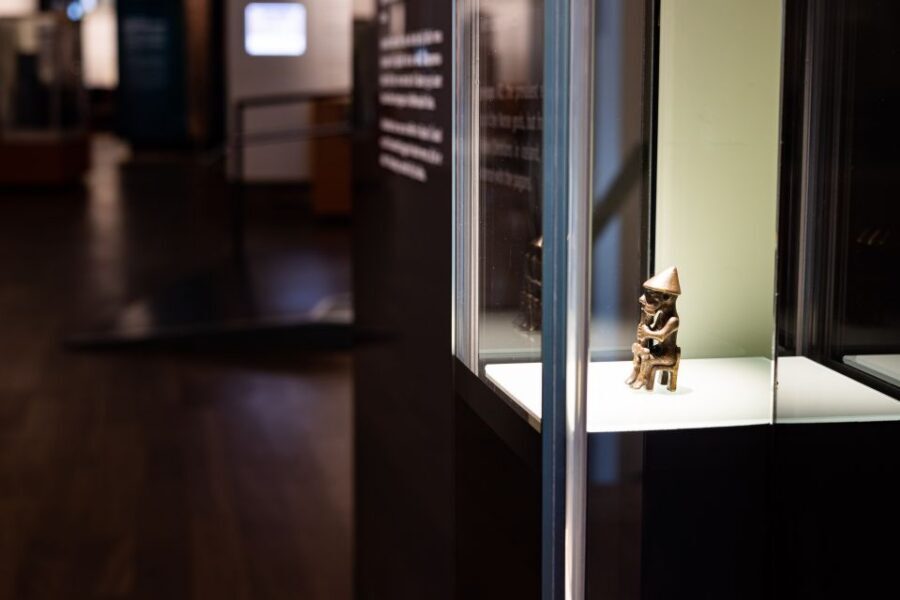
If you’re even slightly curious about Norse history, you’ll feel a quick jolt when you reach the museum’s most famous objects. One of the big highlights is the figure of Thor, dated to around the year 1000. That date is a real anchor point. It places the Viking-age world right before Iceland fully settles into later European influences—so it becomes a bridge object, not just a cool artifact.
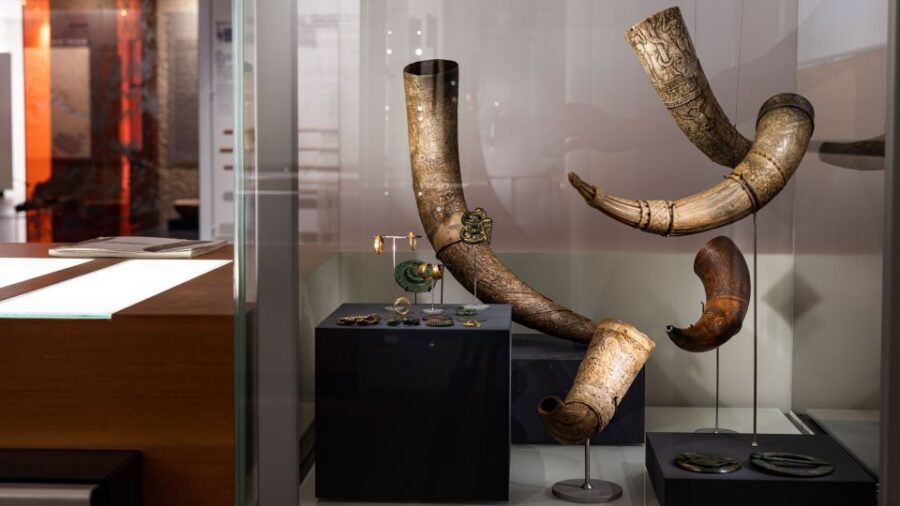
The museum’s Viking-era focus also includes unique finds connected to the Settlement Age. Iceland’s settlement story is more than romance or saga drama. It’s about survival: arriving somewhere new, building communities, and creating a society strong enough to endure harsh conditions. Seeing artifacts from that era helps you visualize what daily life demanded—tools, materials, craft, and belief systems that made sense to the people living there.
And because the museum holds about 2,000 artifacts overall, your view of the Viking period becomes broader than one room of statues. You’re seeing how early Icelandic life connects to later centuries.
Medieval religion and printed pages: the 16th-century bible
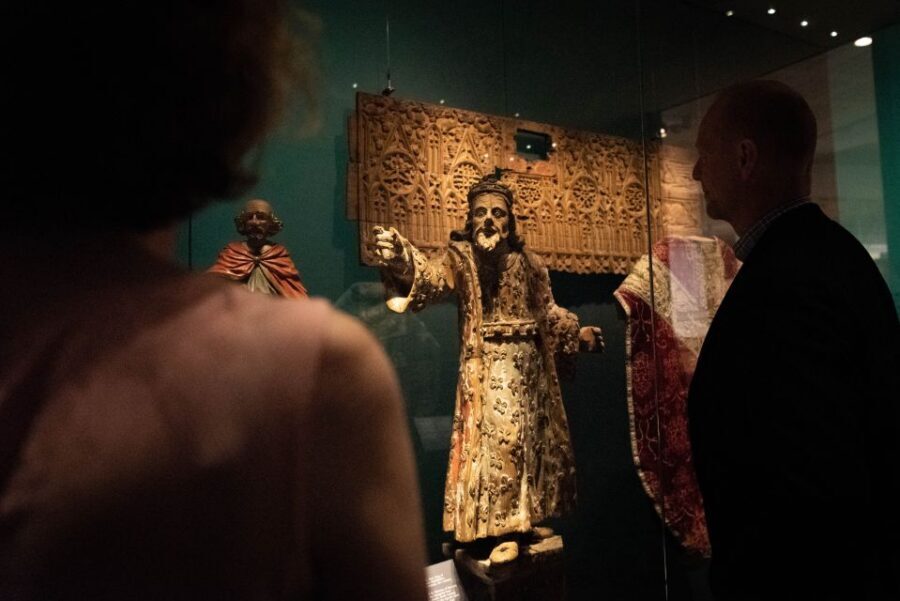
One of the most interesting ways the museum broadens the story is through religion and culture. The exhibition includes the first bible printed in Iceland in the 16th century. It’s still considered one of the most beautiful prints in Icelandic, and that “beauty” detail is not fluff. In places like Iceland, where access to materials and printed works can be limited, a high-quality book becomes a cultural event.
You also get medieval church artifacts. This is where you start to see the shift from a society shaped by early settlement needs to one deeply connected to European religious and cultural networks—without losing its Icelandic identity.
If you like history that’s tangible—things you can imagine in someone’s hands—these sections usually land well. They also keep the museum from turning into a single-genre experience. Iceland isn’t only Vikings. It’s also printing, faith, art, and ordinary people living through big changes.
About 2,000 artifacts: why the quantity matters
The museum’s collection size can be a double-edged sword. Too many objects can overwhelm you. But here, the museum uses the quantity in a smart way.
With around 2000 artifacts from the Settlement Age to the present, the exhibition becomes less about memorizing a list and more about recognizing patterns. You start noticing how Icelandic life keeps responding to the same pressures—weather, distance, community—while still modernizing like everywhere else.
A practical tip: don’t try to see every object. Instead, treat the galleries like chapters. Pick a few “anchor” rooms (Viking-era, religion/medieval culture, and the later material with 20th-century photographs). Let the rest be background context.
You can also read our reviews of more museum experiences in Reykjavik




Temporary exhibitions included: plan for variety, not just one story
Your ticket also gives access to temporary exhibitions. These change over time, but they’re usually connected to Icelandic culture.
This matters because it turns your visit into more than a museum checklist. Even if you come on a day when your favorite theme isn’t front and center in the permanent halls, you can still catch something different nearby in a temporary room.
In practice, I like planning for the permanent exhibition as your backbone and treating the temporary shows as bonus chapters. That keeps you from getting derailed if one section doesn’t hit your personal interests that day.
Audio guide in 10 languages: how to use it without getting lost
The audio guide is included and offered in 10 languages. You can choose among English, Danish, French, Polish, Spanish, Dutch, Swedish, Icelandic, Italian, and Chinese.
That’s a big win for a museum like this because the exhibition is built like a time journey. If you’re following the audio track, you get context that labels sometimes can’t fully explain in a few lines.
One practical consideration: even with a good guide, the museum layout can feel a little spread out, so it may take effort to feel a clear sequence. If you want a smoother visit, do this:
- Start with the areas you care about most (Viking era first is a popular choice)
- Use the audio guide to confirm you’re moving through the storyline
- When you pause, pause long enough to read any label that matches the audio section you’re hearing
Short museum sessions can still feel complete if your route is intentional.
Wi-Fi inside: useful when you want quick clarification
Wi-Fi is included with the ticket. In a museum setting, that’s handy for a simple reason: you can quickly verify details you care about without carrying a heavy mental load. Maybe you want to check a date, a person, or the context of an object you’ve just seen.
It’s also helpful if you’re traveling with someone who learns differently—one person might listen to the guide, while another searches a quick extra detail and then meets back up.
Time plan: how long it takes and how to pace it
Many people end up spending about an hour and a half, which is a very reasonable target if you focus on the key sections and use the audio guide strategically.
If you like museums at a slower tempo, plan closer to two hours. You’ll want time for:
- The permanent exhibition’s big “chapters”
- One or two temporary areas
- A museum shop stop if you’re the type to bring home replicas or reading material
The museum shop is one of the small bonuses. It sells exclusive replicas of archaeological finds, which makes a great souvenir if you want something that feels connected to what you saw, rather than a generic postcard.
Who this ticket suits best (and who might want to adjust expectations)
This museum is a strong fit if you:
- Want a clear timeline of Icelandic history from settlement to modern life
- Enjoy artifacts you can connect to real people and real communities
- Prefer indoor activities that feel meaningful, not just convenient
It’s also a good choice for a rainy day in Reykjavík, since the experience is built for indoor browsing and reading/listening.
One caution: it may not be ideal for very young children. The museum is packed with information, and young kids usually do better when there are more hands-on activities throughout the route. Older kids who like history usually handle it well.
Price and value: is $20 actually fair?
At roughly $20 per person, this ticket doesn’t feel like a “cheap quickie,” but it also doesn’t feel inflated given what’s included. Here’s the value math that matters:
- You’re getting entry to permanent and temporary exhibitions
- You get an audio guide in multiple languages
- Wi-Fi is included
- You’re set up to skip the ticket line
So the price makes sense if you’ll actually use the audio guide and spend real time in the galleries. If you only have 20 minutes, it might feel pricey. If you’re planning an hour or two and want context, it’s money well spent.
Practicalities in Reykjavík: bags, accessibility, and where to check in
You’ll want to know a couple of details before you go.
First, the meeting point is simple: show your ticket at the reception desk at the National Museum of Iceland.
Second, large bags or luggage aren’t allowed. If you’re using a daypack, you’re likely fine, but if you’re carrying something bulky, plan to store it elsewhere before you arrive.
On accessibility, the museum is wheelchair accessible, so if that’s important for your group, you can feel comfortable booking with confidence.
The ticket is valid for 365 days, and you can check availability for starting times. In other words, it’s not just a same-day pass—you have flexibility within the validity window.
Should you book this National Museum of Iceland entry ticket?
Book it if this is your first solid history stop in Reykjavík and you want one place that connects the Viking era to modern Iceland. The permanent exhibition is built like a story, and the included audio guide makes it easy to keep moving through time without getting stuck in label-reading overload.
Skip or reconsider if your priority is deep, object-by-object technical detail in every gallery. This museum is excellent at shaping the big picture and giving you key anchor artifacts, but not every object comes with the same level of extended description.
If you do book, I suggest pairing your visit with other Reykjavík museum stops that cover specific eras. For example, a Settlement-focused stop (if that’s on your list) can complement the early history material, and a maritime or cod-war related museum visit can strengthen the modern-to-recent context. That combo helps you see Iceland as a full timeline, not just one chapter.
FAQ
Where do I show my ticket?
Show your ticket at the reception desk at the National Museum of Iceland.
How much does the entry ticket cost?
The price is listed as $20 per person.
What’s included with the ticket?
The ticket includes entry to the National Museum of Iceland, an audio guide in 10 languages, and Wi-Fi.
Does the ticket include temporary exhibitions too?
Yes. Your ticket includes access to all exhibitions at the museum, including temporary exhibitions.
What languages are available for the audio guide?
The audio guide is available in English, Danish, French, Polish, Spanish, Dutch, Swedish, Icelandic, Italian, and Chinese.
Is the museum wheelchair accessible?
Yes, the museum is wheelchair accessible.
Are large bags allowed inside?
No. Luggage or large bags are not allowed.
How long is the ticket valid?
The ticket is valid for 365 days.
Can I cancel and get a full refund?
Yes. Free cancellation is available up to 24 hours in advance for a full refund.