Reykjavik has a surprisingly good whale fix. Whales of Iceland is a compact but focused museum where you can stand beside life-size whale models and learn how these giants fit into Iceland’s waters. Expect underwater sounds, hands-on displays, and panels that make whale biology feel practical instead of vague.
I especially like the Fin Whale Theatre documentaries included with your ticket, including films narrated by Sir David Attenborough and Rachel McAdams. I also appreciate the audio guide in 17 languages, which helps you move at your own pace. The only real drawback: it’s a small museum, so you may finish in about 30 minutes to an hour if you skim.
In This Review
- Key things worth knowing before you go
- Whales of Iceland: a whale museum that’s easy to fit into a Reykjavik day
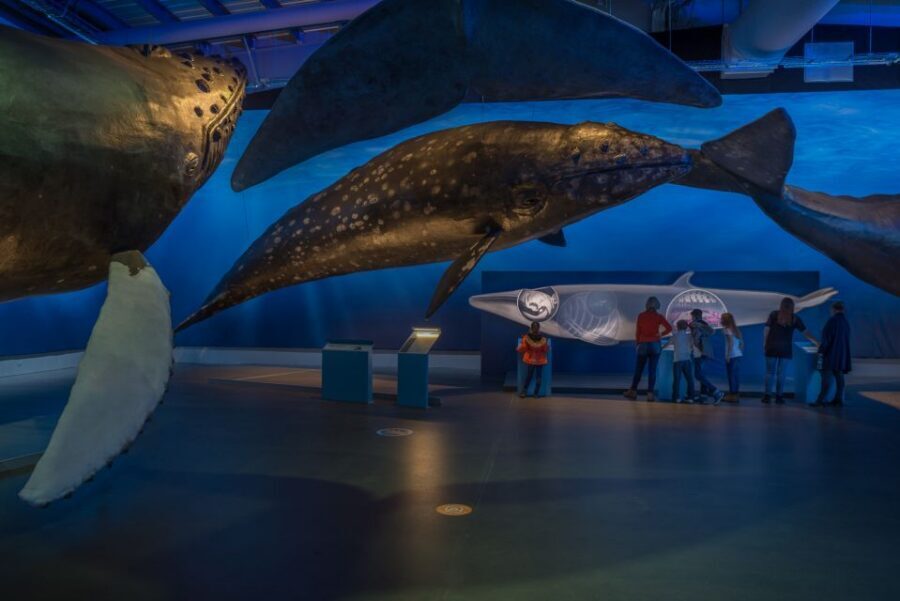
- Life-size whale models in a giant hall: what you’ll see
- Interactive exhibits and underwater sound: the learning style is practical
- Fin Whale Theatre documentaries: when the film matters more than you expect
- Audio guide in 17 languages: the best way to walk the museum
- Price and value: is $34 worth it for a 1-day visit?
- Timing and logistics: where it is and how to plan your visit
- Who should book this whale museum—and who might skip it
- Should you book Whales of Iceland tickets?
- FAQ
- How long does the Whales of Iceland museum visit take?
- What’s included with the ticket?
- Do I need headphones for the audio guide?
- Is food and drinks included?
- Is the museum wheelchair accessible?
- What if I need to change my plans?
Key things worth knowing before you go
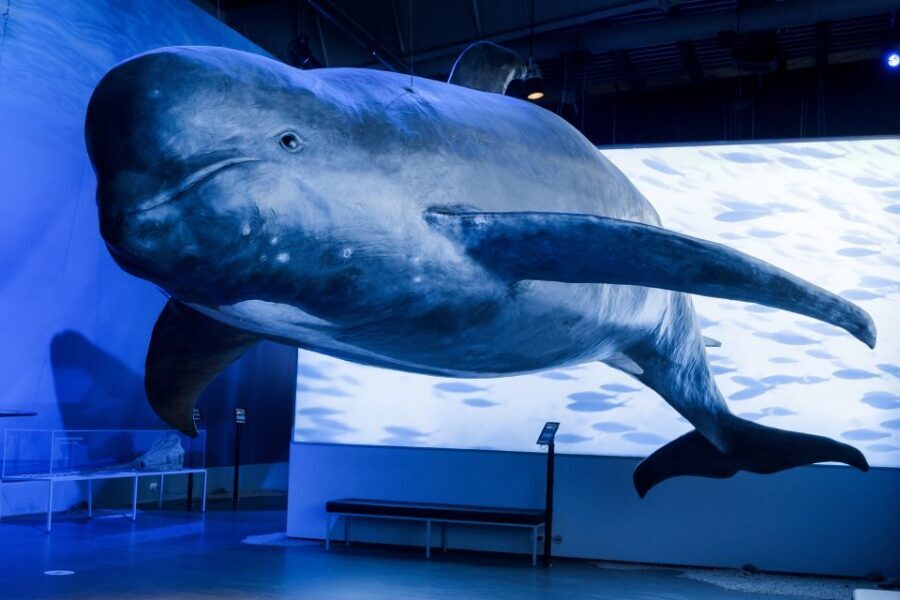
- Life-size whale models for 23 species found in Icelandic waters, plus more models representing species from recorded history
- Interactive exhibits that help you understand anatomy and whale behavior, not just names and photos
- Fin Whale Theatre included: documentaries shown throughout the day, so you can time it loosely
- Audio guide in 17 languages, ideal if English isn’t your strongest language
- Free parking and Wi-Fi help a lot in Reykjavik, especially if you’re hopping between sights
- Plan for headphones—you’ll want them for the audio guide on your phone
Whales of Iceland: a whale museum that’s easy to fit into a Reykjavik day
If you want whale knowledge without committing to a long tour at sea, Whales of Iceland is built for you. The museum takes a simple idea—show the size and variety of whales in Icelandic waters—and makes it concrete with life-size models, quiet atmosphere, and a strong education setup. You can pair it with whale watching in the bay, or use it as your backup plan if weather or timing messes with your outdoor plans.
What makes this place especially useful is that it doesn’t just point at whales. It shows the scale, explains the basics of how whales live, and uses audio and film to give you context. You’ll also find that the exhibits feel family-friendly without being dumbed down.
You can also read our reviews of more tours and experiences in Reykjavik



Life-size whale models in a giant hall: what you’ll see
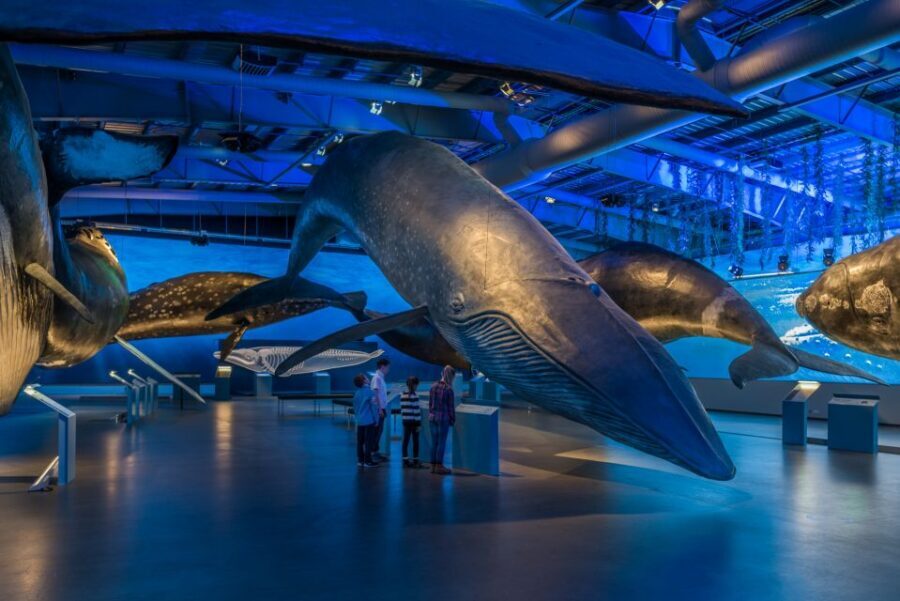
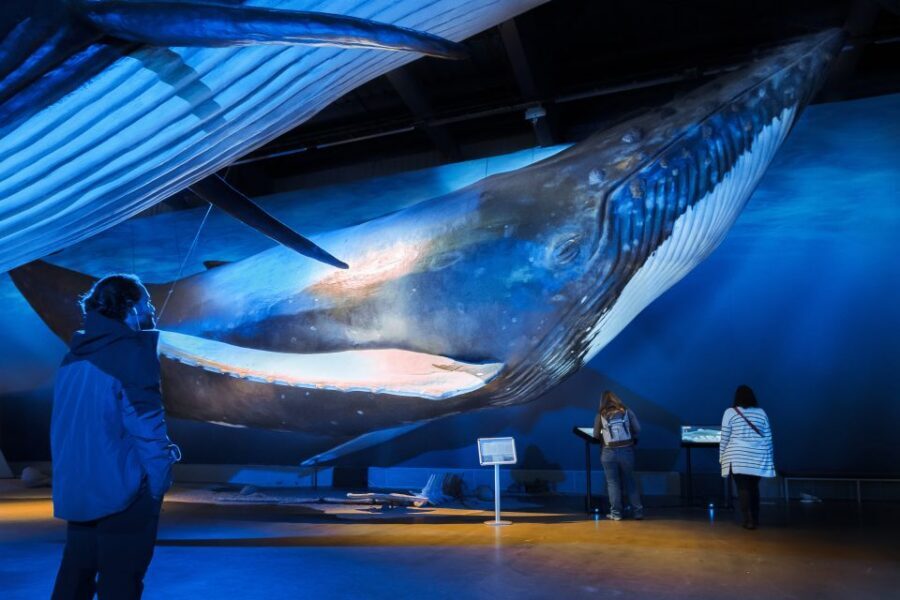
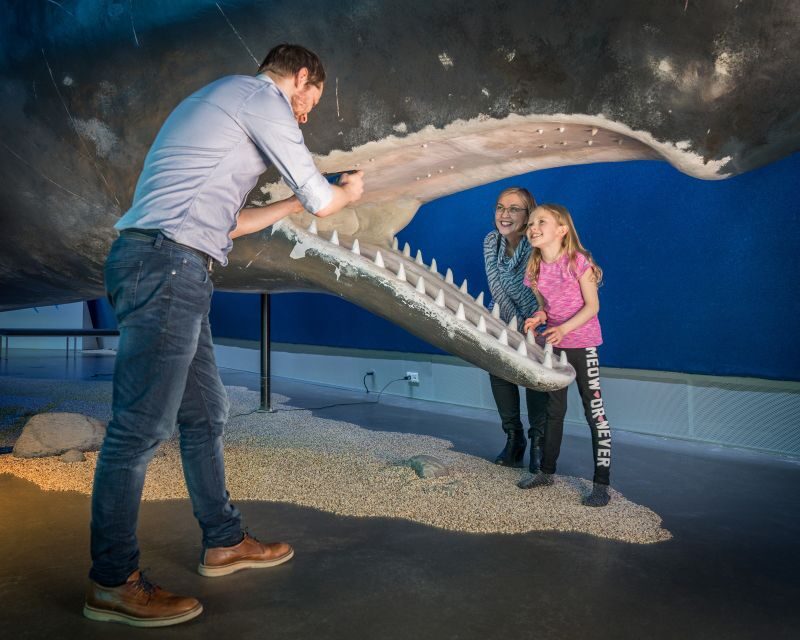
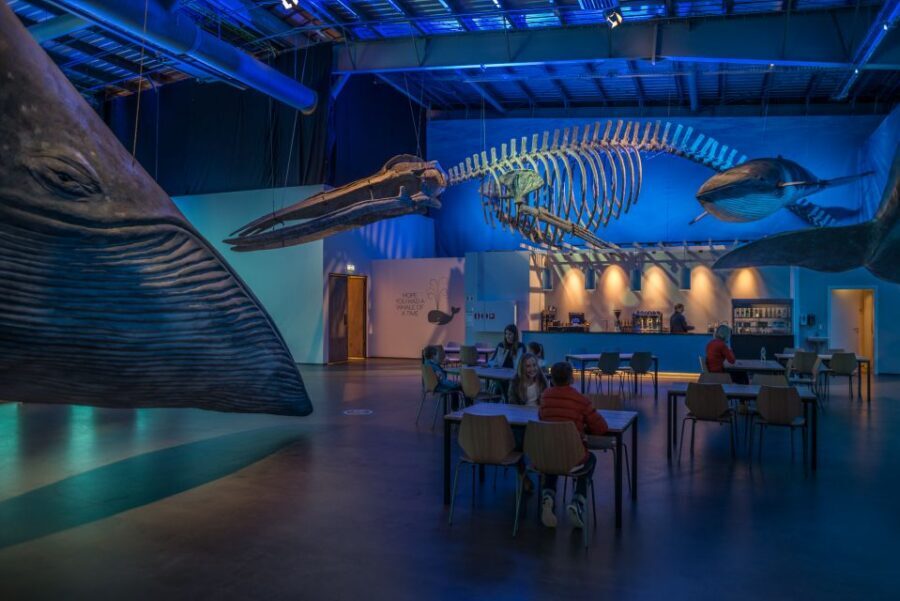
The museum’s core is the walk-through experience of life-size whale models. You’re looking at 23 types of whales seen around Iceland, and the site also notes more than 25 life-sized models representing every species found in Icelandic waters throughout recorded history. That means you can get broad coverage even if you’re short on time.
This is where the museum earns its reputation. Many whale encounters are long shots at sea—great when you have them, frustrating when you don’t. Here, you can stand near the models and immediately understand why whales don’t just look big on TV. They’re big in person.
Some of the species highlighted include the blue whale, sperm whale, and the critically endangered North Atlantic right whale. Even if you only catch a few minutes of each information panel, you’ll come away with a sense of how different whale types are shaped and adapted for feeding, moving, and surviving.
One thing to keep in mind: several reviews describe the museum as small. That doesn’t make it bad. It just means it’s more like a focused stop than a multi-hour museum marathon.
Interactive exhibits and underwater sound: the learning style is practical
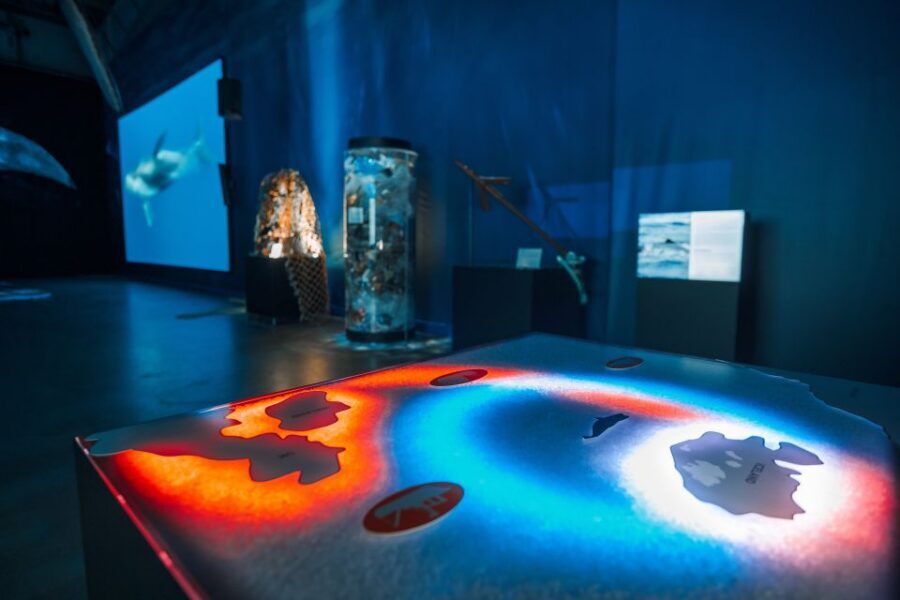
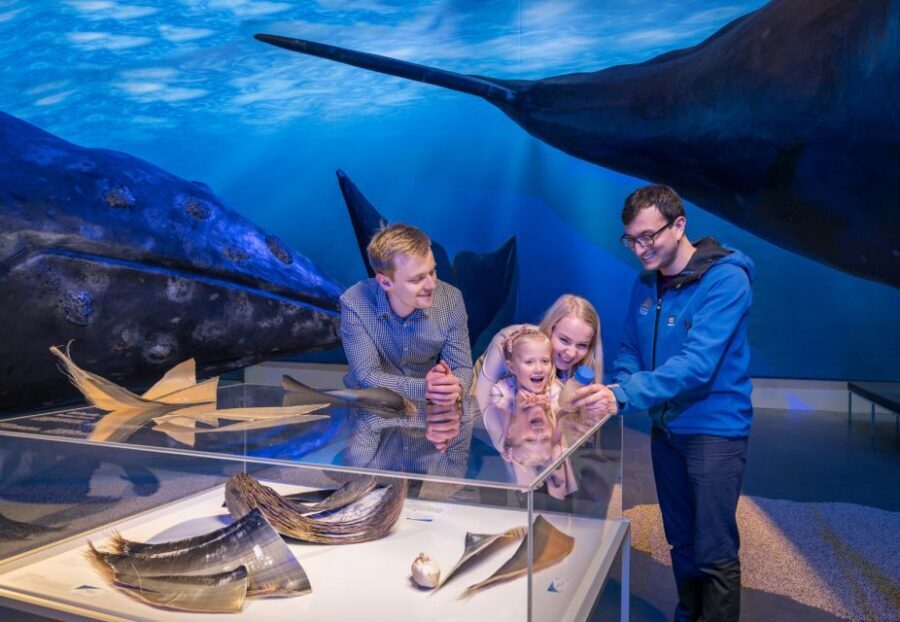
Whales of Iceland uses interactive stations and audio-driven design to help you connect the dots. You’ll encounter underwater sound elements and hands-on displays that aim to teach you how whales function in real biological terms—anatomy, behavior, and how they interact with their environment.
This matters because “whale facts” can stay abstract if all you do is read text. The interactive approach is what turns the models into a story. You get to see the creature’s size, then connect that size to what it does.
From the reviews, a lot of visitors liked the way the museum breaks topics into understandable chunks. Several people also pointed out a peaceful, almost calm feel inside—more quiet learning than loud entertainment. That’s a real plus if you’re traveling with kids, or if you just want a steady change of pace from driving around Iceland.
Fin Whale Theatre documentaries: when the film matters more than you expect
The Fin Whale Theatre is included with your ticket, and that’s a big deal. In a compact museum, the documentary showings help “fill in the gaps” when you’re trying to decide how to spend your limited time.
The museum shows award-winning documentaries throughout the day, covering whale conservation, research, and other topics tied to what’s happening in the ocean. Right now, the films mentioned include:
- Whale Wisdom, narrated by Sir David Attenborough
- Sonic Sea, narrated by Rachel McAdams
If you care about the emotional side of conservation work, these documentaries are the part most likely to move you. More than one review called the films moving or emotional, and there’s also a clear focus on threats like changes in the underwater environment. One common theme: hearing about underwater noise and related impacts makes the science feel real, not just theoretical.
Practical tip: don’t try to “beat the schedule.” Instead, plan your visit so you can catch whatever documentary is showing when you arrive. Because the theatre is included, you don’t need to spend extra time hunting for an add-on.
Audio guide in 17 languages: the best way to walk the museum

One of the smartest value boosters here is the audio guide. It’s available in 17 languages, including English, Icelandic, French, German, Polish, Chinese, Portuguese, Finnish, Japanese, Spanish, Danish, Dutch, Swedish, Norwegian, Italian, Russian, and Faeroese. If you want to learn more without reading every label, this is your shortcut.
One detail you’ll want to respect: bring headphones. The museum provides audio support through your phone, and headphones are the simplest way to make it work smoothly.
How to use it effectively:
- Put on the audio as you move between whale models so you don’t lose the connection between the talk and what you’re seeing.
- If you’re traveling with kids, use the audio to guide your attention. The museum encourages learning with prompts and questions, and that helps keep younger visitors engaged.
- Use the audio to interpret the bigger conservation ideas that documentaries often cover—so the whole visit feels connected instead of patchy.
The museum also includes Wi-Fi, which can help if you need to get your bearings on your device.
You can also read our reviews of more museum experiences in Reykjavik





Price and value: is $34 worth it for a 1-day visit?
At about $34 per person for entry, Whales of Iceland isn’t a bargain museum. The key question is what you’re paying for: not just entry, but an education package that combines life-size scale, interactive elements, film in the Fin Whale Theatre, and a multilingual audio guide.
Here’s why it can still be good value:
- You’re getting multiple formats (models, interactive stations, theatre, audio guide), which usually makes a short visit feel fuller.
- Parking is free, and that can save real money and time if you’re driving or renting a car in Reykjavik’s area.
- The theatre being included means you’re not forced to choose between “quick walk-through” and “sit down and watch.”
The trade-off is the visit length. Some reviews describe it as taking around 30 minutes, and others say less than an hour. If you want a long museum day with tons of galleries, you might feel it’s too short for the price. If you want a strong, focused whale education stop, it can feel like a fair match.
My advice: treat it as a high-impact, short stop—like a science museum for whales. Pair it with another Reykjavik activity, and you’ll get your day’s rhythm right.
Timing and logistics: where it is and how to plan your visit
The meeting point is Whales of Iceland, Fiskislóð 23, Reykjavik. You’re in the Capital Region, so it’s easy to slot into a day that also includes downtown exploring or other indoor stops.
Because the museum is compact, timing matters mainly for two reasons:
1) You’ll want to catch a documentary at the Fin Whale Theatre.
2) You’ll want enough time to wander calmly instead of rushing through the audio guide.
If you’re building a schedule, I’d aim for arrival when you can settle in for at least a theatre segment, plus a full loop of the life-size models. Even when you move quickly, you’ll likely get more out of the experience if you don’t treat it like a hallway sprint.
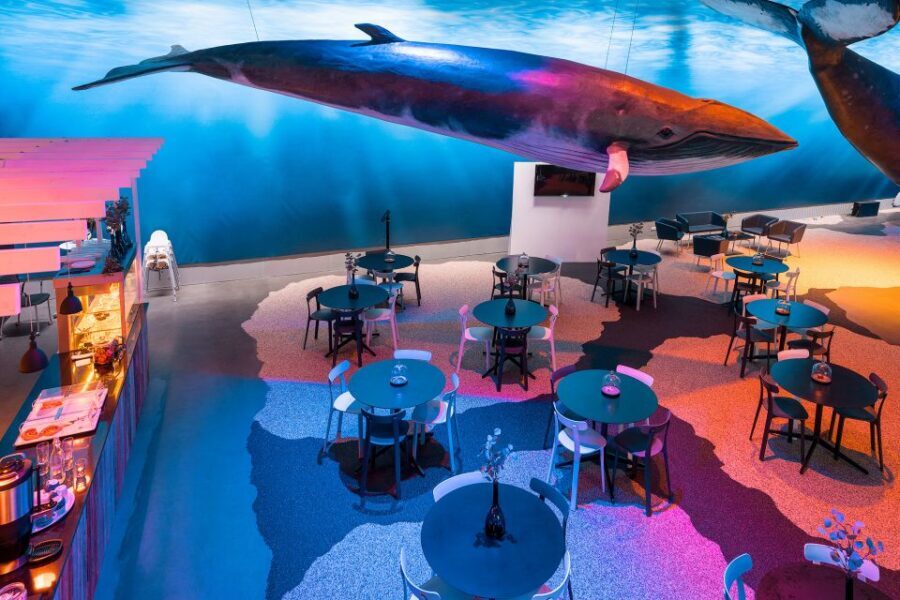
Food and drink are not included. The museum has a Whale Cafe where you can purchase refreshments on-site, which is helpful if you’re visiting between other activities. If you’re sensitive to timing, just plan to eat elsewhere if you have a meal window—don’t assume the cafe can cover everything.
Who should book this whale museum—and who might skip it
This is a great fit if:
- You like nature topics and want a clear, structured way to learn
- You’re traveling with kids and want something age-friendly that still teaches real science
- You want a whale-themed option that works even when whale watching by boat isn’t possible
- You appreciate documentaries and conservation messages
It may be less satisfying if:
- You expect a big, hours-long museum experience with lots of separate wings
- You dislike conservation films that can be emotional or serious
- You’re mainly chasing hands-on activity and want lots of “workstations” (interactive elements are present, but the museum’s size keeps the pace fairly quick)
If you’re the type who enjoys science in small bites—then this place is your kind of stop.
Should you book Whales of Iceland tickets?
I’d book if you want a short, high-focus whale experience in Reykjavik that combines life-size scale, an included film theatre, and a multilingual audio guide. It’s a smart buy when you’re fitting whale learning into a busy itinerary, or when conditions make boat whale watching harder.
I’d think twice if your ideal museum day is long and gallery-heavy. At roughly 30 minutes to an hour for many visitors, you’ll get a concentrated experience, not an all-day one. In that case, you can still enjoy it, but plan your schedule so the ticket price doesn’t feel stretched.
If you’re ready for that focused dose of whale biology and conservation storytelling, Whales of Iceland is a solid choice.
FAQ
How long does the Whales of Iceland museum visit take?
Most people seem to move through in about 30 minutes to an hour, depending on how closely you read panels and how much theatre time you add.
What’s included with the ticket?
Your ticket includes entry to the museum, access to the Fin Whale Theatre documentaries, and an audio guide available in 17 languages. Wi-Fi and free parking are also included.
Do I need headphones for the audio guide?
Yes. The museum recommends bringing headphones so you can use the audio guide comfortably on your phone.
Is food and drinks included?
No. Food and drinks are not included, but you can buy them on-site at the Whale Cafe.
Is the museum wheelchair accessible?
Yes. Whales of Iceland is listed as wheelchair accessible.
What if I need to change my plans?
The experience offers free cancellation up to 24 hours in advance for a full refund, and it also offers a reserve now & pay later option.