Reykjavik turns into a night-time show.
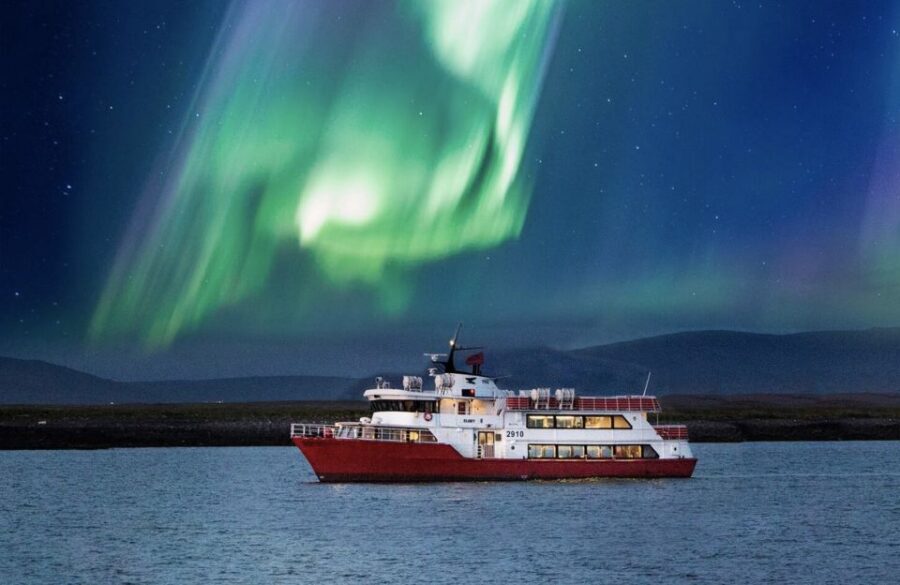
This 2.5-hour cruise searches the sky over Faxaflói Bay while you’re framed by Reykjavík’s lit landmarks. I love how the Northern Lights hunt feels grounded in real conditions: you’re out on the water, not stuck staring from land beside city glow.
Comfort matters when it’s Iceland-cold.
I love that you get warm overalls and access to a heated indoor saloon with plenty of seats and toilets, so you can ride out the cold and still go outside when the lights start acting up. The onboard café also helps with hot drinks and snacks.
The lights are never promised.
Even with a weather check and a guide who watches for activity, Mother Nature can stay quiet, and you may need the free return option if you don’t catch the lights that night.
In This Review
- Key things I’d plan around
- Northern Lights from the water: why this cruise works
- Harbor start and the Faxaflói Bay route: what you’ll actually see
- How long is 2.5 hours, and what that means for your night
- Warm overalls, heated saloon, and deck time: the comfort strategy
- Reykjavík’s skyline at night: Harpa and Hallgrímskirkja in one view
- Imagine Peace Tower (Oct–Dec): the extra highlight you might miss
- The guide and crew: what good looks like on an aurora boat
- If the Northern Lights don’t show: your backup plan
- Price and value: is $111 worth it?
- Who should book this cruise (and who might want a different plan)
- Should you book the Reykjavík Northern Lights Cruise?
- FAQ
- How long is the Northern Lights cruise?
- Where do I meet for the tour?
- What warm items are included on board?
- Are the Northern Lights guaranteed?
- Will I see the Imagine Peace Tower?
- Is the tour good for photographing the Northern Lights?
- Is hotel pickup included?
- Is there a guide, and what language is it in?
Key things I’d plan around
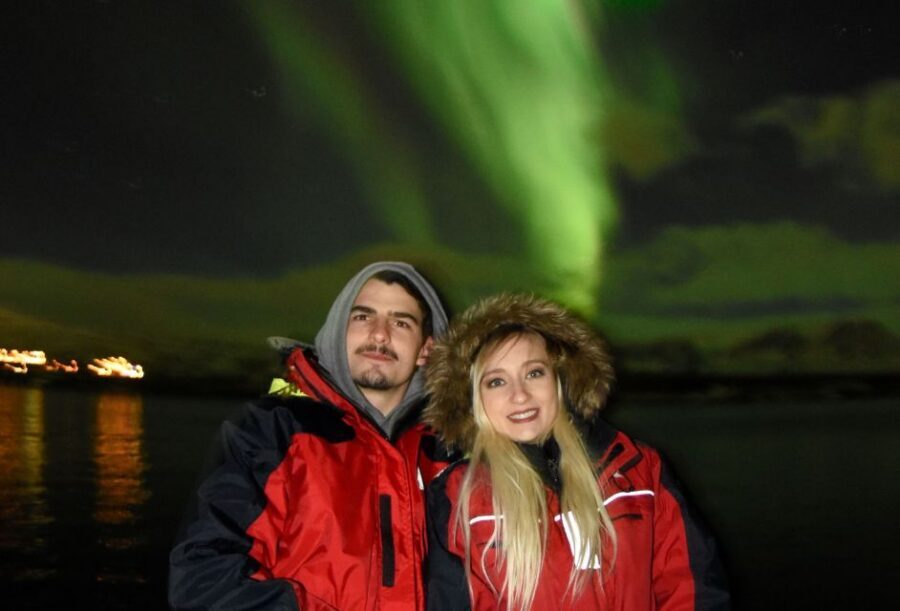
- Heated cabin + outdoor viewing time means you don’t lose the night to cold.
- City icons from the water: Harpa and Hallgrímskirkja look extra sharp after dark.
- Imagine Peace Tower on select dates (Oct–Dec) makes the cruise more than just sky-watching.
- Naturalist guide + captain monitoring helps you time deck breaks and understand what you’re seeing.
- Sighting guarantee (or try again) reduces the fear factor.
Northern Lights from the water: why this cruise works
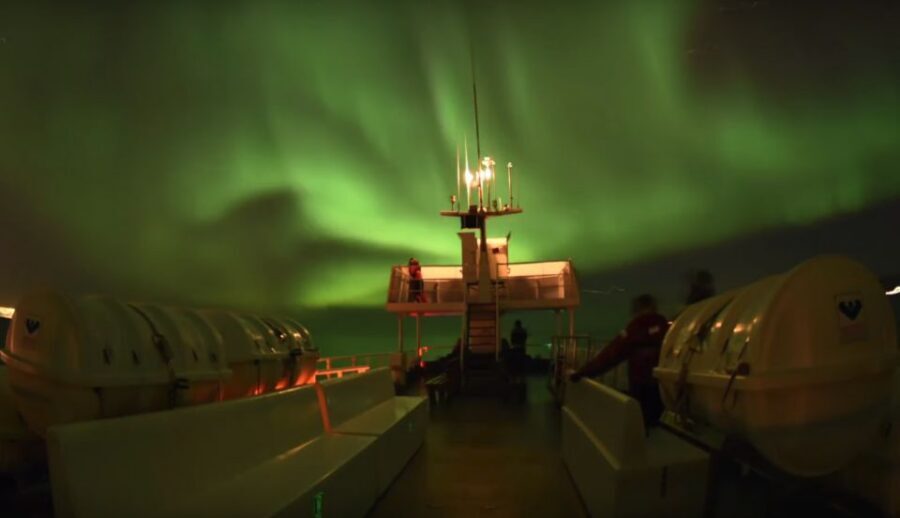
There’s something about seeing the sky from a boat that just makes the whole Northern Lights thing feel more possible. You’re not limited to a single viewpoint or a crowd-packed shoreline. Instead, you get open water, darker surroundings, and a moving vantage point that keeps your attention on the horizon.
This tour also pairs the search with an easy win: Reykjavík lit up at night. As you sail out, the harbor area gives way to a shoreline view where Harpa Concert Hall and Hallgrímskirkja Church are clearly visible against the dark. It’s a good setup even if the lights are faint, because you’re still getting an evening “wow” from the city itself.
I also like that the experience is built for comfort first. You’re not expected to tough it out in one cold spot for hours. Warm gear, a heated indoor area, and toilets mean you can actually last the night and focus on the sky when conditions improve.
The one big thing to keep your expectations honest: the Northern Lights are unpredictable. The tour checks forecasts and the guide calls out when you might see activity, but you’re still depending on aurora conditions like cloud cover and solar activity. The good news is the tour’s guarantee option helps you bounce back if the first attempt doesn’t deliver.
You can also read our reviews of more boat tours in Reykjavik


Harbor start and the Faxaflói Bay route: what you’ll actually see
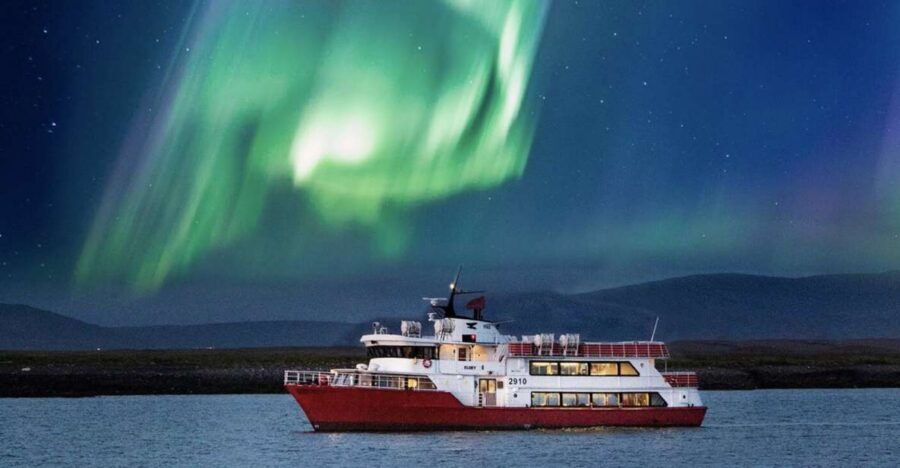
The cruise starts at the Elding Whale Watching boat in Reykjavík Old Harbour (Ægisgarður 5, 101 Reykjavík). From there, you sail into Faxaflói Bay, which is a smart place to hunt because you’re transitioning from city brightness to a more open dark-sky feel.
As you move out, you get those framed skyline views right away. Harpa Concert Hall and Hallgrímskirkja stand out as illuminated landmarks, and you’ll feel the contrast between the built city and the night sky overhead. It’s the kind of scenery that makes people stop checking their phones and start looking up.
The tour also builds in a real “change of scene.” Early on, you’re seeing the shoreline and major landmarks. Then, depending on the date, you may sail by the Imagine Peace Tower when it’s lit (October through December). That adds an extra visual moment beyond aurora watching, so your time on the water feels purposeful even if the aurora is slow to show.
The route is not about speed. It’s about time on the water with options: you can stay warm inside or go to the open viewing platforms for a wider, uninterrupted view of sea and sky.
How long is 2.5 hours, and what that means for your night
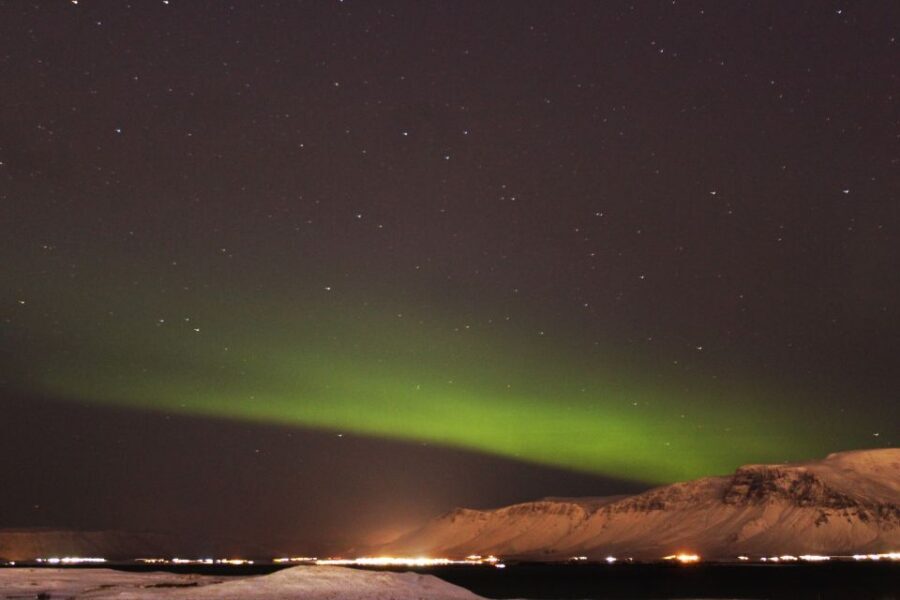
Two and a half hours sounds short until you’re standing outside in winter. This is long enough for the sky to have a chance, but it’s also structured enough that you won’t feel stuck if conditions are rough.
You’ll typically spend part of the evening indoors, part on the deck, and part in that waiting rhythm where the guide and captain keep an eye on the weather and forecast. Once the guide starts calling out aurora activity, you’ll want to be ready—camera, hood, gloves, the works—because the lights can be subtle at first and then brighten.
This is also a practical tour length for your first days in Iceland. Many people are still adjusting to sleep schedules and jet lag. A 2.5-hour block lets you chase the Northern Lights without losing an entire night or tying up the whole day.
One more value point: you get included warmth without turning the experience into a gear shopping trip. Overalls, raincoats, and blankets help you focus on the actual event—watching the sky—rather than battling the elements just to stay outside.
Warm overalls, heated saloon, and deck time: the comfort strategy
If you’re picturing yourself freezing through a long aurora hunt, adjust that picture. This cruise is set up with a clear comfort plan.
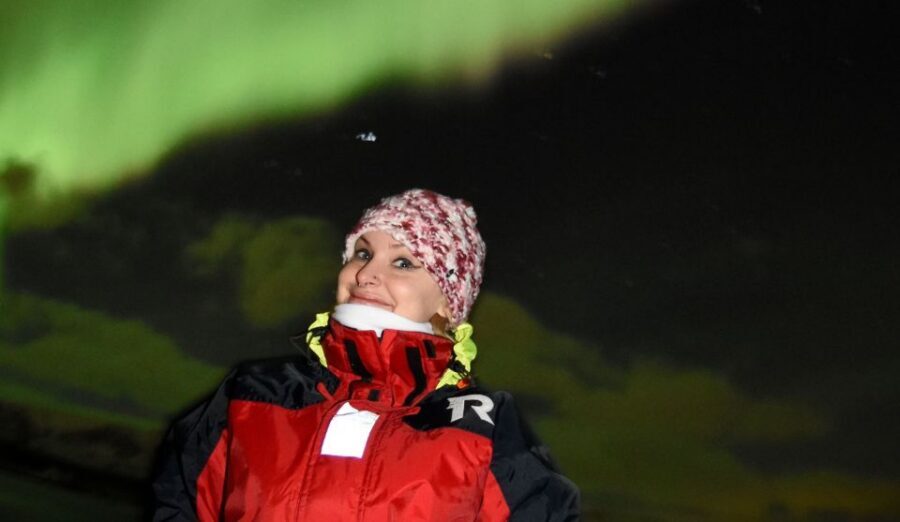
Warm overalls, raincoats, and blankets are included, and you can also step into a heated indoor saloon with ample seating and toilets. That matters because Northern Lights nights often come down to “how long can you stay outside comfortably?” The answer here is: longer than you think.
The tour gives you both viewing styles:
- Inside, you can warm up and still look out when you need a break.
- Outside, you get open viewing platforms for a better, more direct view of sea and sky.
The onboard café sells hot drinks and snacks, which is a small detail that feels big in practice. When you’re out on the deck, the combination of warm gear plus something hot to sip helps you stay patient instead of drifting into cranky mode.
Camera note for comfort and clarity: the boat is moving, and Northern Lights photography needs steady settings. You can take photos, but the tour isn’t built for people who are solely focused on nailing perfect aurora images. If you’re serious about photography, plan for learning and accept that motion blur can happen.
Reykjavík’s skyline at night: Harpa and Hallgrímskirkja in one view
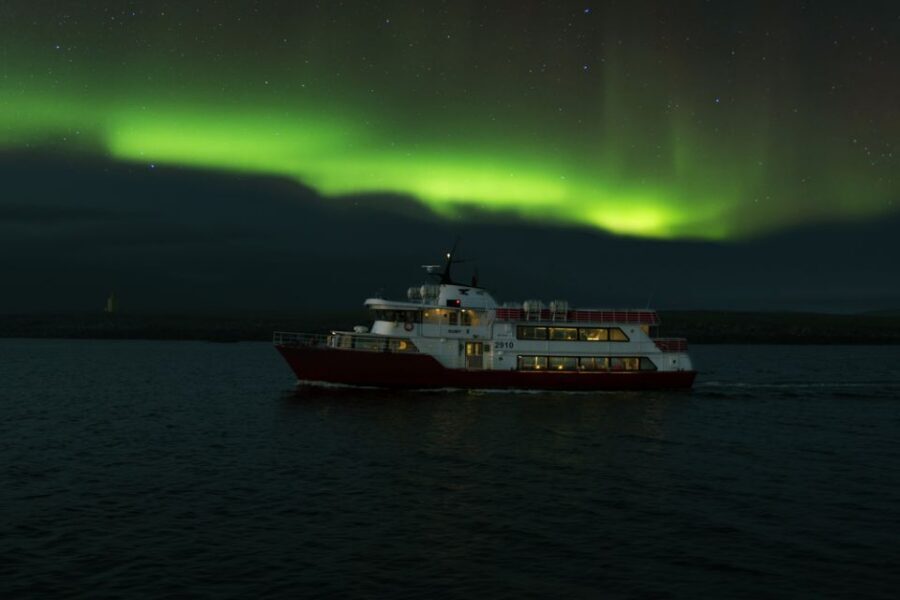
A lot of Northern Lights tours focus on the sky alone. This one gives you a second attraction: Reykjavík’s glittering waterfront and major church and concert-hall silhouettes.
When you sail along the lit shoreline, Harpa Concert Hall and Hallgrímskirkja Church show up like landmarks from a postcard, but with the atmosphere turned up. Reflections on the water and the contrast between warm city lights and cold sky make your evening feel cinematic without needing special planning.
This is also a great safety net for nights when the aurora is faint. You might not get fireworks in the sky right away, but you still have a strong “keep looking” reason: the city itself keeps shifting as the boat changes angle and distance.
The experience becomes more than a single moment. It’s an evolving panorama—shoreline early, open bay later, and then the sky taking over when conditions cooperate.




Imagine Peace Tower (Oct–Dec): the extra highlight you might miss
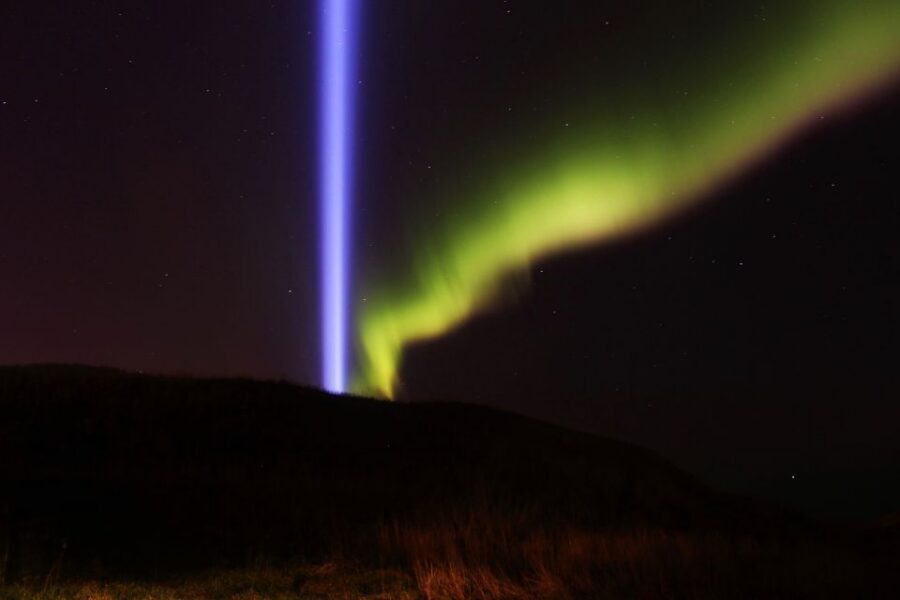
If you’re traveling between October and December, put the Imagine Peace Tower on your mental checklist. When it’s lit, the cruise sails by it so you can admire its radiant beam. It’s a rare bonus that turns a standard Northern Lights search into something with a signature photo spot and a story-worthy moment.
Even if aurora viewing is modest that night, this stop-by visual can still make the evening feel complete. It’s especially helpful for travelers who want more than one “wow” during a short outing.
It’s also a good reminder about timing. If you only have one night in Reykjavík, pick the right month. Oct–Dec helps you stack benefits: city skyline, aurora chances, and the tower beam.
The guide and crew: what good looks like on an aurora boat
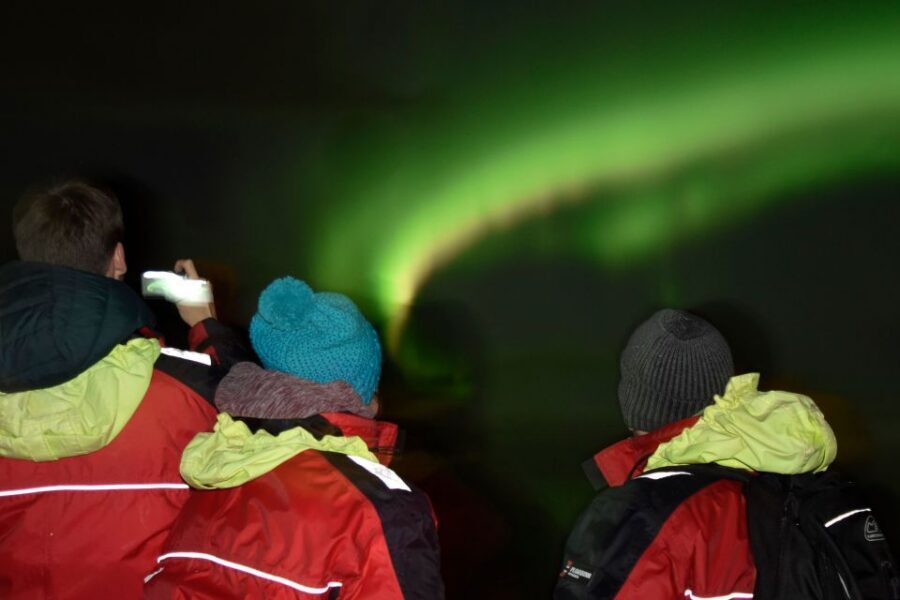
This is one of those tours where the crew really matters. A friendly, professional team reduces stress, keeps everyone safe, and helps you enjoy the waiting instead of worrying that you’ll miss the moment.
The guide runs the show in a practical way. They keep you informed and call out when the Northern Lights begin, so you’re not left guessing while you’re bundled up. That guidance also makes the experience feel less random, even though the aurora itself still depends on conditions.
A standout detail from the experience: the guide can help with camera settings. That’s useful because aurora photography isn’t plug-and-play. Even people who aren’t confident can benefit from quick adjustments to make their shots sharper or their framing easier.
Safety is part of the professionalism too. When you’re out on dark water, safety briefings and attentive crew behavior make a difference, especially if you’re moving between indoor and outdoor areas on a rocking boat.
If the Northern Lights don’t show: your backup plan
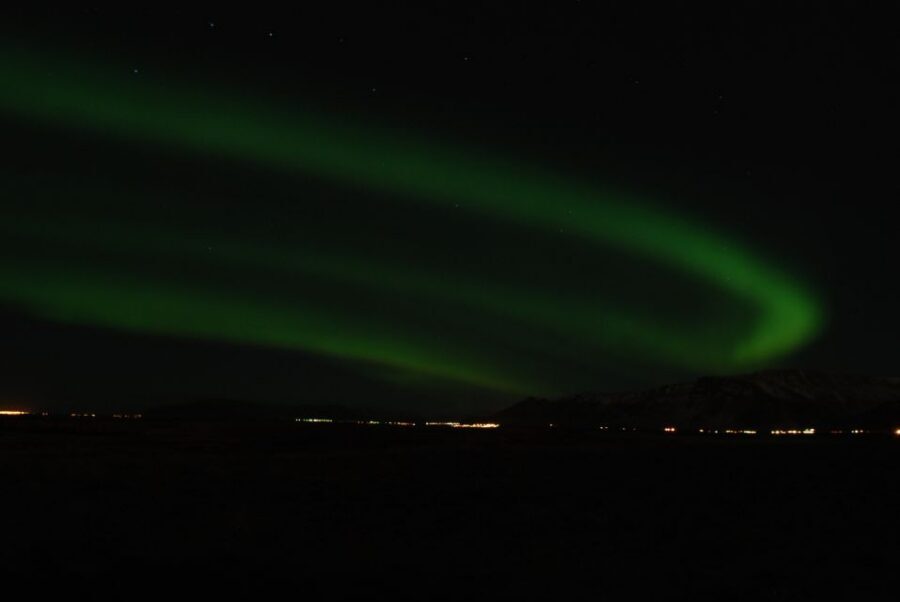
Let’s be clear: the lights aren’t guaranteed to appear. But this cruise offers a meaningful safety net—a sighting guarantee (or try again for free). If the Northern Lights don’t appear during your cruise, you’ll be offered another night.
That backup matters because it turns a “maybe, maybe not” excursion into something you can invest in with less regret. Instead of thinking you might have wasted a night, you know the experience is designed to get you another chance.
It’s also why this tour can be a smart first-night option. Even if conditions aren’t ideal, you can often reposition yourself for another attempt.
Still, go in with the right mindset. If aurora photography is your main goal, you should temper expectations. The tour itself isn’t recommended for people especially hoping to capture perfect Northern Lights photos—boat motion and the skill required to photograph auroras can make things tough.
Price and value: is $111 worth it?
At around $111 per person for a 2.5-hour cruise, this isn’t the cheapest way to hunt for the aurora—but the value is solid when you look at what’s included.
You’re getting:
- Warm gear (overalls, raincoats, blankets)
- Access to a heated indoor saloon with toilets
- Outdoor viewing platforms
- A naturalist guide and active help on the hunt
- Hot drinks and snacks available onboard
- A sighting guarantee or free try-again option
When you price it out, you’re mostly paying for comfort, time on the water, and the crew’s work in locating good viewing conditions. The tour includes the basics that often cost extra elsewhere: winter protection and heated refuge.
If you’re the kind of traveler who wants a guided experience with real support—rather than renting gear and trying your luck from the shore—this is a good match. If you hate the idea of not seeing the lights after paying, the try-again feature helps balance that anxiety.
Who should book this cruise (and who might want a different plan)
You’ll likely love this tour if:
- You want city views plus aurora hunting in one outing.
- You’d rather manage the cold with included gear and a heated cabin.
- You appreciate a guided approach where someone calls out when to look.
- You like the idea of trying again for free if the sky doesn’t cooperate.
It might be less ideal if you’re:
- Ultra-focused on aurora photography and expect easy, consistent results.
- The type who needs absolute certainty, because the lights remain weather- and sky-dependent.
Should you book the Reykjavík Northern Lights Cruise?
My take: yes, if you’re coming to Reykjavík for a short stay and want the best mix of comfort, guided help, and night skyline beauty. You’re not just chasing darkness—you’re cruising past illuminated landmarks, and you have a warm indoor base when your patience needs a refill.
If you’re traveling in October to December, you get the added bonus of the Imagine Peace Tower beam. That extra visual makes the evening feel richer, even when the aurora is faint.
Book it with one honest expectation: the Northern Lights can be unpredictable. The tour’s try-again guarantee is the key reason I’d feel good about booking instead of rolling the dice alone.
FAQ
How long is the Northern Lights cruise?
The cruise lasts 2.5 hours.
Where do I meet for the tour?
Meet at the Elding Whale Watching boat in Reykjavík Old Harbour, Ægisgarður 5, 101 Reykjavík.
What warm items are included on board?
Warm overalls, raincoats, and blankets are included, plus there is a heated indoor area with seating and toilets.
Are the Northern Lights guaranteed?
There is a sighting guarantee. If you don’t see the lights, you’ll be offered a future date to come again free of charge.
Will I see the Imagine Peace Tower?
The tower is featured when it’s lit, from October through December. The cruise sails by to admire it.
Is the tour good for photographing the Northern Lights?
Photography is possible but challenging from a boat. The tour isn’t recommended for people who are specifically hoping to photograph the Northern Lights.
Is hotel pickup included?
No. Hotel pickup is available for an extra charge.
Is there a guide, and what language is it in?
Yes, there is a live tour guide in English.