Faxafloi Bay has a habit of surprising you. This 3-hour yacht trip from Reykjavik Old Harbor is built around wildlife spotting in the same water that hugs the city. I like that it feels close-up and personal, thanks to the observation deck and the team searching for whales and dolphins in Faxafloi Bay.
I especially like the comfort: warm blankets on board, multiple spots to watch from, and a bar where you can warm up with drinks. I also love the people-factor. Guides such as Gunner and Lucky have a knack for explaining what you’re seeing, and Rebecca-style commentary makes you look harder (in a good way) without turning it into a classroom.
The main drawback to plan for is that it’s still nature. Some days mean only a brief glimpse, and the sea can kick up spray and cold, especially in winter. If you get seasick easily, bring your best “sea legs” game and use the free sickness tablets that are available on board.
In This Review
- Key highlights worth your attention
- Reykjavik Whale Watching From Old Harbor: Why This 3-Hour Format Works
- What you’re really buying
- Boarding MY Harpa or MY Amelia Rose: Comfort, Space, and Where You’ll Stand
- The check-in moment
- Where the “best sighting positions” happen
- What You’ll See in Faxafloi Bay: Whales, Dolphins, Puffins, and Birds
- The big-ticket animals (and the reality of “close”)
- Dolphins and sea birds in the same sweep
- Puffins: the seasonal constraint you must respect
- How the Guide Finds Them: Spotting Skills, Respectful Distance, and Real Patience
- What good guide work feels like
- A key detail: giving whales space
- Staying Warm and Dry While You Watch: Blankets, Tablets, and Deck Strategy
- Warm blankets and inside comfort
- Free sea sickness tablets are a real advantage
- You will likely get wet
- The Yacht Cruise Itself: A Practical Look at the Flow of the Trip
- Before you’re on the water
- Out on the bay
- Back toward Reykjavik
- Price and Value: Is $106 Worth It for Whales in Iceland?
- Why the value can be strong
- When you should adjust expectations
- Who This Cruise Fits Best (And Who Might Think Twice)
- Should You Book This Reykjavik Whale and Dolphin Cruise?
- FAQ
- How long is the Reykjavik whale watching and dolphin watching yacht cruise?
- Where do I meet for the tour in Reykjavik?
- What wildlife can I expect to see?
- When can puffins be seen?
- What yachts operate the cruise?
- What comfort items are included on board?
- Is WiFi included during the cruise?
- What if there are no whale or dolphin sightings?
- What should I bring?
- What languages is the live guide available in?
Key highlights worth your attention
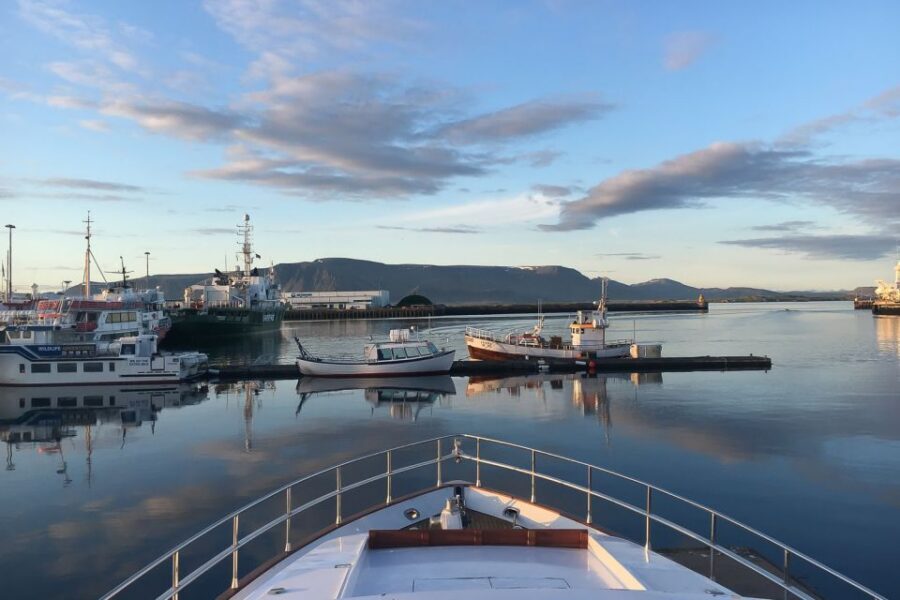
- Small-vessel feel in MY Harpa (35 passengers) plus a roomier option with MY Amelia Rose (95)
- Observation-deck viewing with blankets ready when the wind bites
- Real-time guidance from the onboard guide, including spotting techniques that help you catch blow patterns fast
- Wildlife variety in Faxafloi Bay: humpbacks, minke whales, dolphins, seals, and sea birds
- Puffin season window: roughly mid-May to mid-August for a shot at seeing them
- If you miss out on sightings, you get a ticket to return again
Reykjavik Whale Watching From Old Harbor: Why This 3-Hour Format Works
I’ll be honest: whale watching in Iceland can be emotionally lopsided. One minute you’re scanning water like a nervous astronomer, and the next you’re watching a whale surface right where your binoculars are aimed. This cruise is a sweet spot because it’s long enough to make searching worthwhile, but short enough that you don’t burn an entire day if weather turns.
You set out from Reykjavik’s Old Harbor and head into Faxafloi Bay, the stretch of ocean that sits close to the city. That proximity matters. It means you can get that “out on the water” experience without a complicated logistics day, and it often feels like you’re watching wildlife in its real neighborhood, not way out on an empty sea.
You can also read our reviews of more boat tours in Reykjavik



What you’re really buying
At $106 per person for a 3-hour cruise, you’re paying for three things:
- A captain and guide working the bay for active sightings
- A comfortable platform (yacht + warm gear + viewing space)
- A safety net if you don’t see whales or dolphins
The value isn’t just the wildlife fantasy. It’s the effort and comfort bundled together.
Boarding MY Harpa or MY Amelia Rose: Comfort, Space, and Where You’ll Stand

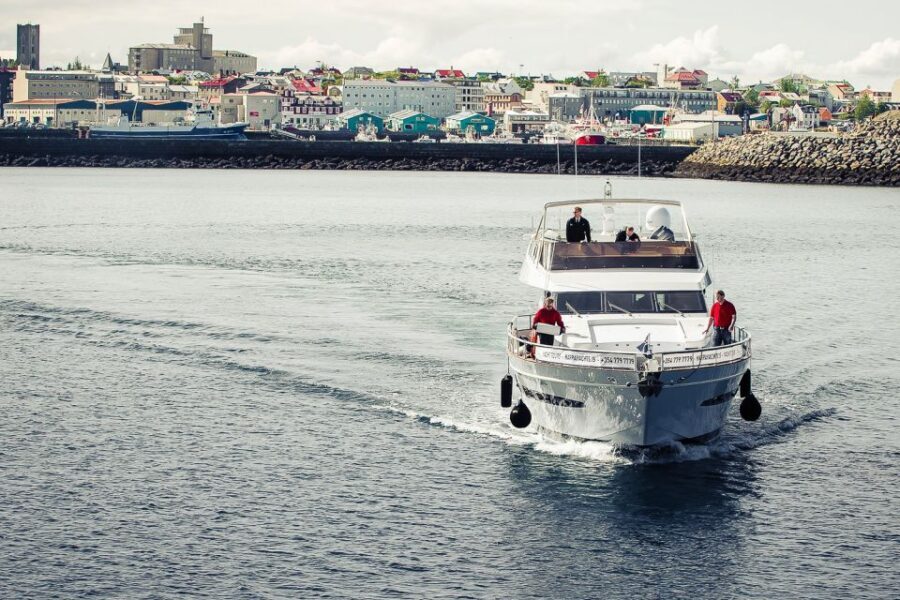
The trip runs on two yachts: MY Harpa (70 feet, up to 35 passengers) and MY Amelia Rose (105 feet, up to 95 passengers). Both have a lounge, bar, salon, and fly-bridge, plus good inside and outside space. In plain terms: you’re not stuck in one single viewing corner for three hours.
The check-in moment
Meeting point is inside a restaurant in Reykjavik Old Harbor. You check in using a self check-in kiosk. This sounds simple, and for most people it is, but one important tip from real-world experience: if you arrive early, don’t assume you’re in the right place. Take a minute to confirm you’re at the correct restaurant entrance before you start wandering.
Where the “best sighting positions” happen
You’ll have your best chances from the observation deck and fly-bridge areas when the guide calls activity. When it’s cold or windy, you’ll rotate back indoors—especially since the crew provides warm blankets. On some trips the inside seating can feel limited, so if you’re the type who likes to sit and watch steadily, pick your spot early and bring a warm layer you can keep on.
You can also read our reviews of more sailing experiences in Reykjavik





What You’ll See in Faxafloi Bay: Whales, Dolphins, Puffins, and Birds
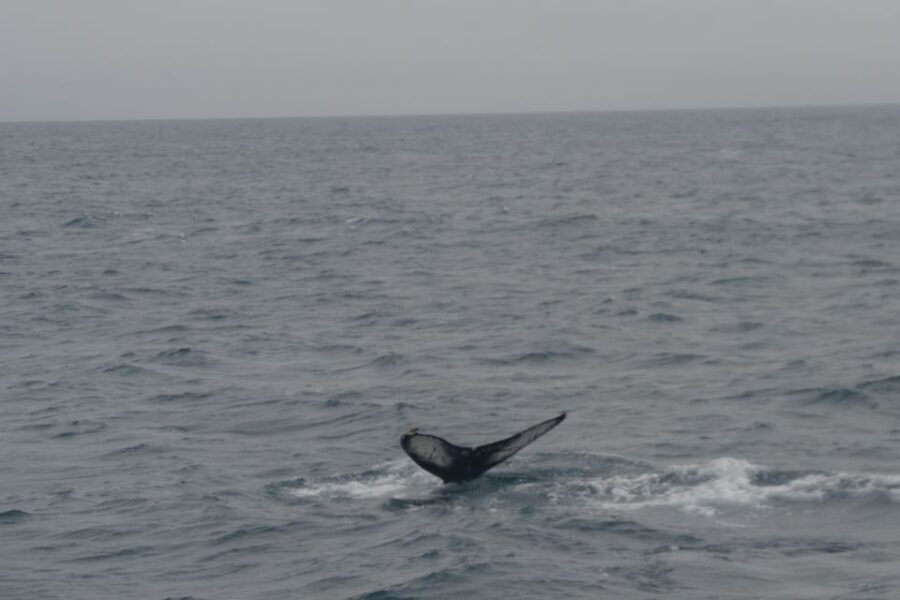
This is a wildlife cruise, not a guaranteed show. But the odds are strong because Faxafloi Bay regularly hosts a mix of marine life close to Reykjavik.
The big-ticket animals (and the reality of “close”)
On many winter outings, you’ll hear about humpback whales showing up fast. Some trips report seeing humpbacks within about 20 to 30 minutes. On other days the viewing can be brief—like a tail fin or a quick surface—before the whale moves on.
The best experiences tend to include:
- Multiple humpback sightings in the same outing
- Pods of dolphins nearby for longer stretches
- Seals popping up while you’re scanning for whales
One detail I really like from how the guide-run tours work: they don’t just point and disappear. Guides help you learn what to watch for and when. People have noted that the guide can spot what’s coming before it’s obvious to your eyes, which makes those first moments less frustrating.
Dolphins and sea birds in the same sweep
Whales get the headline, but you’ll often see plenty besides. Many cruises include dolphins plus sea birds circling and landing along the water. In summer, puffins can join the party—but only in season.
Puffins: the seasonal constraint you must respect
Puffins are only seen approximately from the middle of May to the middle of August. That doesn’t mean you’ll miss everything outside those dates, but it does mean you should set expectations accordingly. If puffins are a must for your trip, plan your dates with that window in mind.
How the Guide Finds Them: Spotting Skills, Respectful Distance, and Real Patience
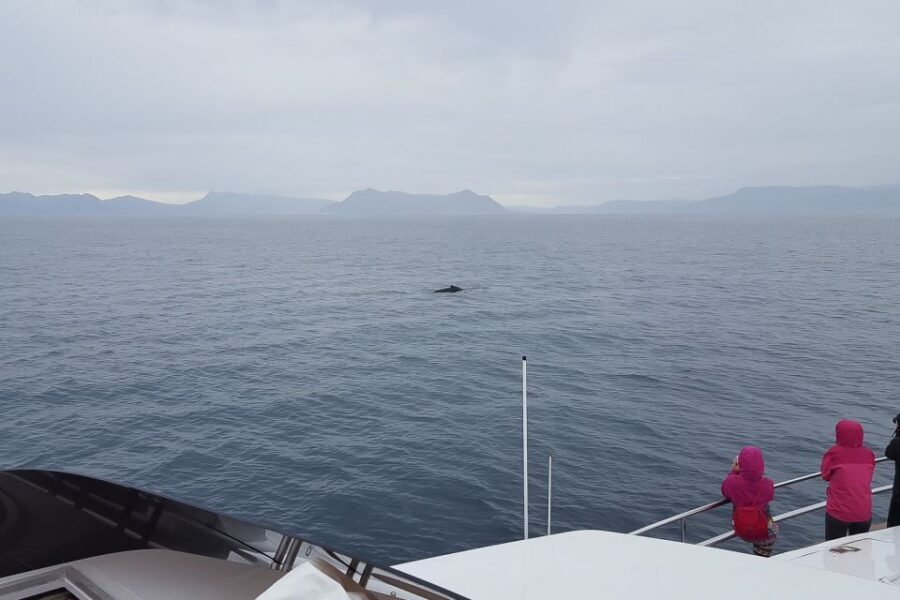
Here’s why I think this cruise earns its high scores: the team seems genuinely focused on spotting and on not harassing animals. You’ll hear guidance through the onboard system, and guides like Gunner and Lucky have been credited for finding whales and calling them out with timing that helps you actually see the surface.
What good guide work feels like
A great guide makes two things easier:
- Knowing where to look (not just telling you there’s something out there)
- Learning the pattern (blow, brief surface, movement, then the next beat)
Some people report that the guide can move you through the viewing flow efficiently, including repositioning when animals are active nearby. Others note a learning curve at first—if the call-out comes quickly and the whale is already slipping under, you’ll need a second or two to get the sight picture. After that, you start catching it faster.
A key detail: giving whales space
One theme that comes up is how the boat sometimes sails away for a bit so whales get a break from constant boat attention. That’s the kind of behavior that makes the whole experience feel more ethical and less like a feeding frenzy.
Staying Warm and Dry While You Watch: Blankets, Tablets, and Deck Strategy
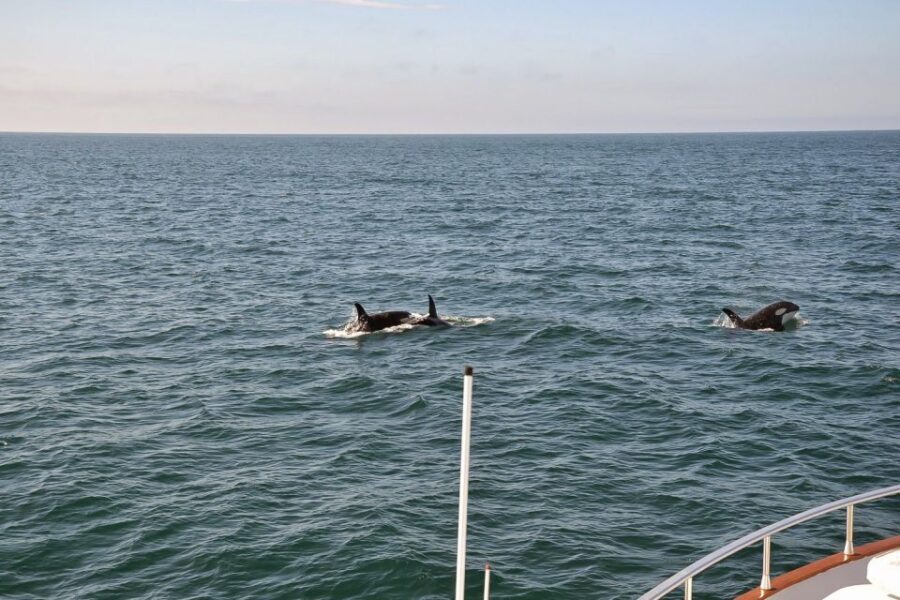
Let’s talk about the Iceland part you feel in your bones: wind and spray.
Warm blankets and inside comfort
Warm blankets are provided, and the yachts have lounge areas where you can duck inside. If you tend to run cold, this is a big deal. People also note that the cabin/bar area helps during longer moments between sightings.
Free sea sickness tablets are a real advantage
In rougher weather, motion can sneak up on you. Reviews note that free sickness tablets are available. If you’ve ever felt queasy on boats, this alone makes a difference. It also helps you spend less mental energy worrying and more energy scanning.
You will likely get wet
Even on good days, sea spray happens. Some people mention wrap up warm and expect some wetness. The practical move is to wear a waterproof outer layer and choose layers that you can keep on even when you come inside.
The Yacht Cruise Itself: A Practical Look at the Flow of the Trip
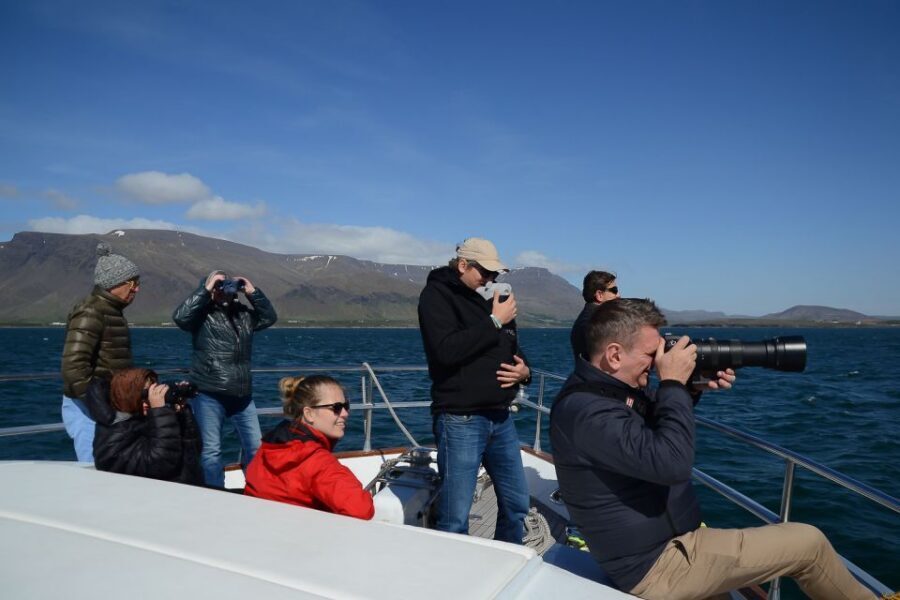
Even without a minute-by-minute itinerary, you can picture the rhythm.
Before you’re on the water
You check in at the kiosk inside the restaurant. Then you board the yacht and get oriented quickly. Expect the crew to guide you toward the right viewing spots and tell you how the process works for scanning and communication.
Out on the bay
Once you’re cruising into Faxafloi Bay, the focus shifts to sightings. This is where you’ll spend most of your time rotating between:
- the deck and fly-bridge for wildlife
- the inside areas for warmth and hot drinks
- the observation focus when the guide calls out activity
Many trips report repeated sightings, not just one-and-done. Some outings include several whale types or a mix like humpbacks plus minke whales, with dolphins and seals along the edges.
Back toward Reykjavik
As the 3 hours wind down, the captain and guide typically keep the search going so you don’t miss the “last good chance” window. One winter report described continued excitement right near the end when a whale appeared. That’s a reminder to stay engaged even if you’ve already had a good sighting.
Price and Value: Is $106 Worth It for Whales in Iceland?
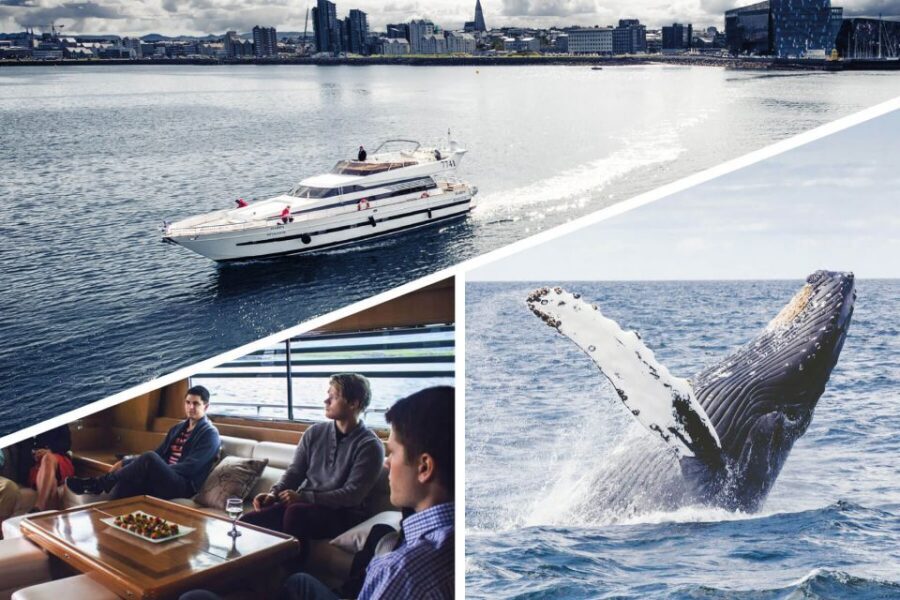
For $106 per person, this is priced as a mid-range Iceland activity. Whether it feels like a steal or an indulgence comes down to what matters most to you.
Why the value can be strong
You’re not just buying a ticket to sit on a boat. You’re buying:
- a real chance at whales and dolphins in a single 3-hour block
- warm blankets and on-board comfort
- WiFi, which lets you share live photos of what you’re seeing
- a return ticket option if there are no sightings (a meaningful backstop)
That return ticket is underrated. Wildlife isn’t scheduled, and Iceland weather can be chaotic. Having a redo option turns a “maybe” trip into a lower-risk purchase.
When you should adjust expectations
If you come in expecting guaranteed humpbacks every time, nature will humble you. But the pattern from many outings suggests the search effort and deck access are strong enough that even shorter sightings can still be memorable.
Who This Cruise Fits Best (And Who Might Think Twice)
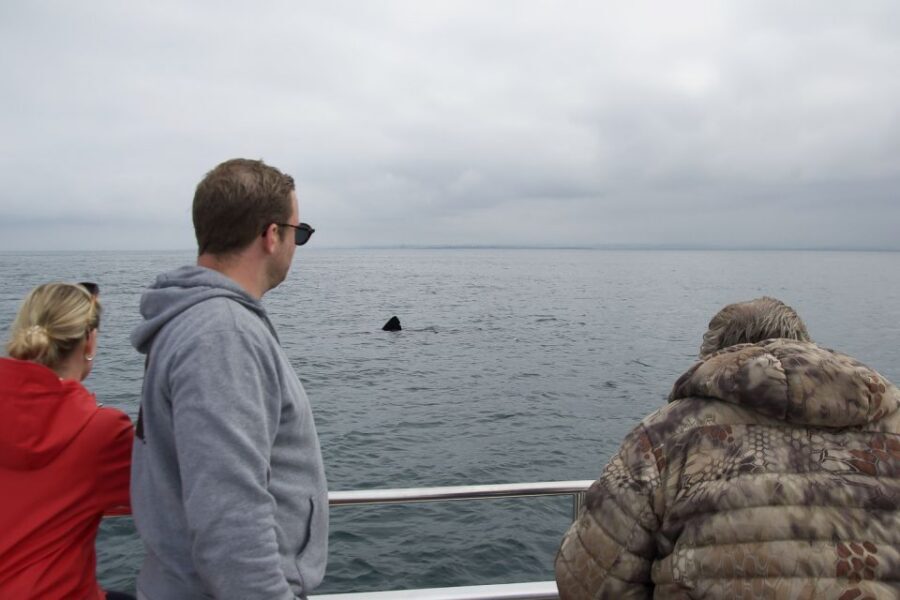
This is a good fit if:
- you want a straightforward Reykjavik day with minimal driving
- you love wildlife and want an active search with onboard guidance
- you appreciate comfort in cold conditions (warm blankets matter here)
- you’re traveling in a small window and want a 3-hour experience rather than a half-day scramble
It’s also a nice choice for families, since the trip doesn’t require long hours outdoors. For people prone to motion sickness, the boat comes with the tools to help (like sickness tablets), but you should still take the sea seriously. In windier conditions, you might feel cold faster than you expect.
Should You Book This Reykjavik Whale and Dolphin Cruise?
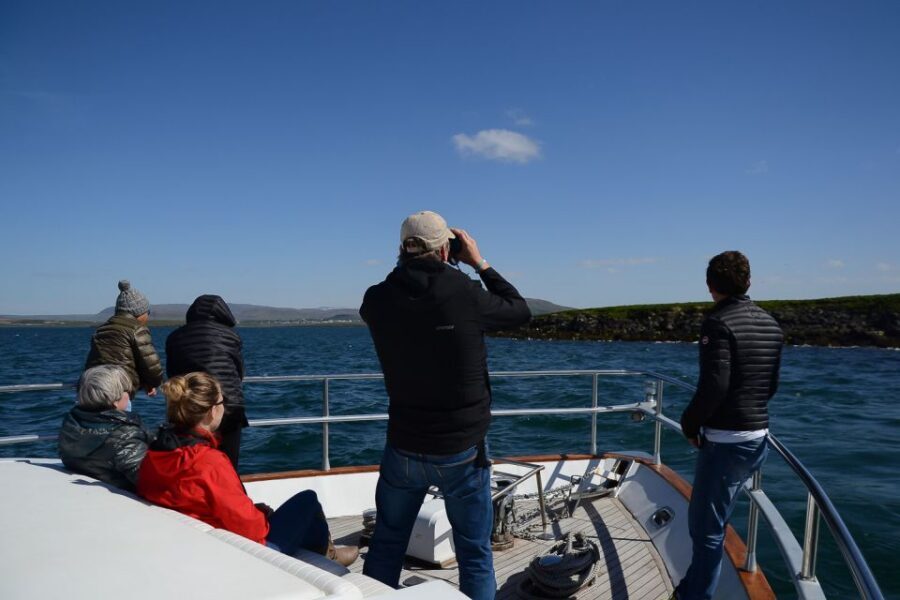
If you’re in Reykjavik and you want a realistic shot at whales and dolphins without a full-day commitment, I’d book it. The comfort setup (blankets, inside space, and warm refuge), the strong guiding style, and the return ticket safety net make it feel more controlled than most “nature luck” activities.
Book it especially if:
- you’re flexible about how many animals you’ll see
- you’re okay dressing for wind and spray
- you want the chance of puffins if you’re traveling between mid-May and mid-August
Skip it only if you’re fully done with boat motion risk, or if you need guaranteed sightings on a strict timeline. Otherwise, this is one of those Iceland activities where the bay does the talking—and the yacht just gets you close enough to hear it.
FAQ
How long is the Reykjavik whale watching and dolphin watching yacht cruise?
The duration is 3 hours.
Where do I meet for the tour in Reykjavik?
You go inside the restaurant at the meeting point to check in at a self check-in kiosk.
What wildlife can I expect to see?
You can look for whales and dolphins in Faxafloi Bay, plus sea birds. Puffins may be seen in the summer.
When can puffins be seen?
Puffins can be seen approximately from the middle of May to the middle of August.
What yachts operate the cruise?
Primarily MY Harpa (70-foot yacht, up to 35 passengers) or MY Amelia Rose (105-foot yacht, up to 95 passengers).
What comfort items are included on board?
Warm blankets are provided.
Is WiFi included during the cruise?
Yes, WiFi is included.
What if there are no whale or dolphin sightings?
You receive a ticket to return again in the event of no sightings.
What should I bring?
Bring weather-appropriate clothing.
What languages is the live guide available in?
The live tour guide is available in English and Icelandic.