This is hot springs done the quiet way. The Silver Circle route takes you off the big-track and threads together saga-country stops with two canyon drives, then lands on the highlight: the Canyon Baths in Hringsgil. I especially liked how the day mixes full-on nature with real context, from Deildartunguhver’s geothermal power to Iceland’s old historical centers, with the lava water spectacle at Hraunfossar as a standout.
I’d still plan for a bit of discomfort. The baths are in a protected natural setting with limited facilities, and getting changed can mean stairs and a steep slope, depending on your group and conditions.
And yes, it’s a long day, but it’s a good one. Expect Reykjavik pickup between 8:30 and 9:00, a minibus ride with free Wi-Fi and USB chargers, and scheduled stops for sightseeing and food you buy on your own.
In This Review
- Key Things You’ll Notice on This Silver Circle Day
- Reykjavik Pickup, Then Straight Into West Iceland
- Deildartunguhver: Europe’s Most Powerful Hot Spring Powerhouse
- Sturlureykir Icelandic Horse Farm and Homemade Rugbrauð
- Hraunfossar and Barnafoss: The Lava Waterfalls Story
- Husafell: Turf Houses, Elf Huts, and the Lifting Stone
- 4×4 to Deildargil Canyon and Langifoss Off the Track
- Canyon Baths in Hringsgil: The Quiet Soak You Came For
- Reykholt and Snorralaug: Snorri Sturluson’s Hot Pool Heritage
- What You’re Really Paying For at $246
- Who This Tour Fits Best
- Should You Book This Silver Circle Tour?
- FAQ
- How long is the Silver Circle Tour?
- What’s included in the price?
- What should I bring for Canyon Baths?
- Are soaps allowed at the Canyon Baths?
- Are the baths available in all weather?
- How hot are the pools at Canyon Baths?
- Is food included?
Key Things You’ll Notice on This Silver Circle Day
- A true small-bath setup: Canyon Baths limits capacity to 20 visitors at a time.
- Deildartunguhver is not just hot water: it’s described as the most powerful hot spring in Europe, supplying hot water and power for locals for miles around.
- Hraunfossar runs like a lava river: water stretches nearly a kilometer over ancient lava fields from meltwater near Langjökull.
- Horse farm time is real: at Sturlureykir Icelandic Horse Farm you’ll get up close with friendly Icelandic horses, plus homemade rugbrauð.
- A proper 4×4 canyon detour: you’ll ride in 4×4 cars to two canyons, including the off-the-beaten-path Langifoss area.
- Reykholt adds the saga layer: you visit Snorri Sturluson’s medieval home and Snorralaug, a traditional hot pool used since the 12th century.
Reykjavik Pickup, Then Straight Into West Iceland
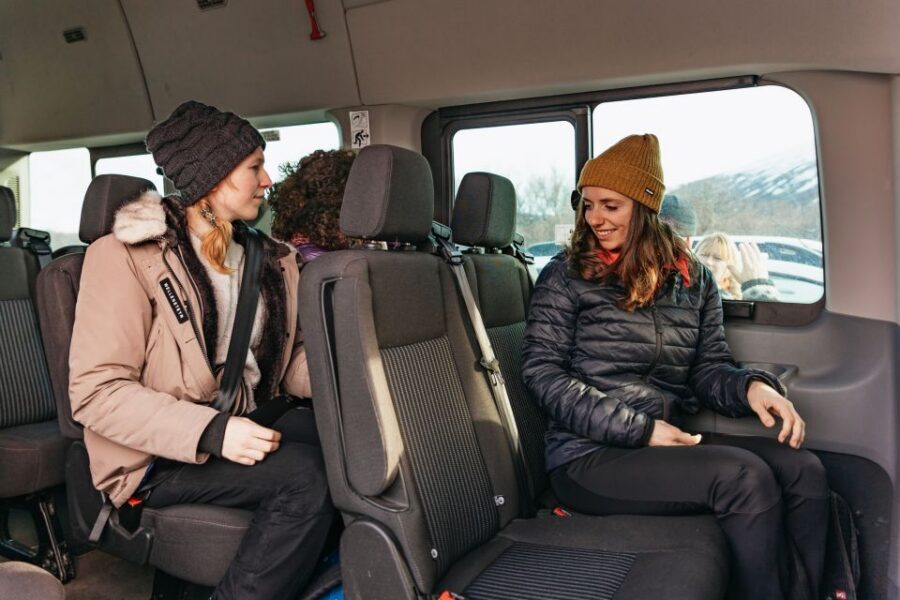
The day starts early in Reykjavik, with pickup between 8:30 and 9:00. You’ll ride in a guided minibus, and the practical perks are there: free Wi‑Fi and USB chargers at your seat make it easier to kill time without burning your phone battery.
From the start, the route aims for West Iceland rather than the most obvious highlight circuit. You go toward Borgarnes, the gateway to the region, and the feel changes fast once you’re out of the city. Instead of ticking off just one famous sight, you’re building a day around geothermal power, waterfalls, and canyon terrain—stuff that’s central to how Icelanders live and survive.
The pacing is also built for variety. You’re not stuck in a vehicle the whole time, but you should treat this as a full 10-hour outing, not a half-day stroll. That matters if you’re deciding between different tour styles: you’ll get more meaning from the stops if you show up ready for a long, satisfying route.
You can also read our reviews of more tours and experiences in Reykjavik.
Deildartunguhver: Europe’s Most Powerful Hot Spring Powerhouse
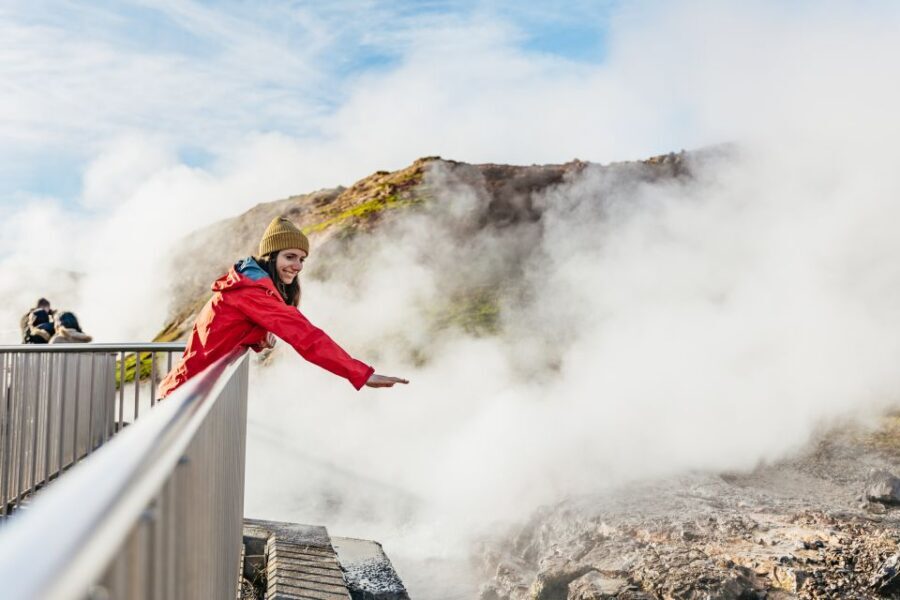
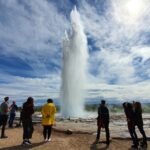
Your first big geothermal stop is Deildartunguhver, described as the most powerful hot spring in Europe. This isn’t the kind of hot spring that’s just pretty to look at from a distance. It’s strong enough to provide hot water and power for locals for miles around, which gives you a grounded reason why geothermal energy is so central here.
You’ll likely walk among steaming clouds of vapor. That simple act changes the whole day. You can feel the heat in the air and understand why Icelanders build with geothermal thinking, not just tourism thinking.
A nice bonus is that your guide connects it to everyday life, not just facts on a placard. If you like stories that explain why a place matters, this part sets you up for the rest of the route’s historical and cultural stops.
Sturlureykir Icelandic Horse Farm and Homemade Rugbrauð
After the geothermal roar, the day shifts to something calmer and friendlier: Sturlureykir Icelandic Horse Farm. This is a chance to slow down and get up close with Icelandic horses. They’re gentle, and you’ll have time to meet them in a way that feels more hands-on than a quick photo stop.
Then comes one of those simple, Iceland-specific moments that you’ll remember longer than you’d expect: homemade rugbrauð, served with a fresh coffee or ice-cold water. It’s described as hot spring bread, which fits the theme of the day perfectly. Even if you’re not a bread person, it’s a small taste of how Iceland turns geothermal energy into everyday comfort.
This stop also works well for families. The day isn’t only about soaking in hot pools; it has animal time and hands-on atmosphere.
Hraunfossar and Barnafoss: The Lava Waterfalls Story
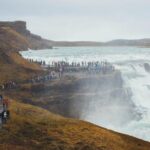
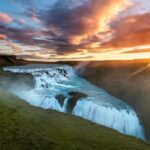
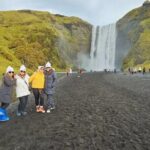
Next up is Hraunfossar, often called the Lava Waterfalls. What I love about this stop is the weird, almost cinematic physics of it. Water flows for nearly a kilometer over ancient lava fields, fed by meltwater from Langjökull into the Hvítá river. It’s not one waterfall with a single viewpoint; it’s a whole stretch of action.
You’ll view it from several viewing platforms. That’s important because the angles change the feel. At one point you see the water spread out like it’s searching for the lowest route. At another point, it looks like thin sheets spilling off black rock.
Just a few yards away is Barnafoss, known as the waterfall of the children. It’s named after a tragic story tied to two local children. It’s the kind of detail that turns a natural scene into something more than scenery—especially if you enjoy Iceland’s saga-rooted storytelling.
This pair of waterfalls is a strong reason to choose this route over more famous circuits. It’s dramatic, but it doesn’t feel like you’re trapped in the biggest crowd magnet.
Husafell: Turf Houses, Elf Huts, and the Lifting Stone
From the waterfalls, you head to Husafell, described as a woodland oasis and a historical site. This is the stop where the day adds a layer that’s not just “look at nature.” You’ll see traditional turf houses, plus some elf huts that can delight kids and keep the vibe playful.
There’s also a local-art angle here. You’ll have a chance to see works by local artists, which is a solid reminder that Iceland isn’t only volcanoes and waterfalls. People live there, create there, and keep culture going alongside the weather.
Then there’s the famous Lifting Stone of Husafell. It’s one of those Icelandic landmarks that feels like folklore made physical. Even if you don’t follow every legend detail, it’s a fun moment that breaks up the geothermal rhythm and makes the day feel less repetitive.
If you want your day trip to include a little myth, a little craftsmanship, and a little countryside calm, Husafell does the job.
4×4 to Deildargil Canyon and Langifoss Off the Track
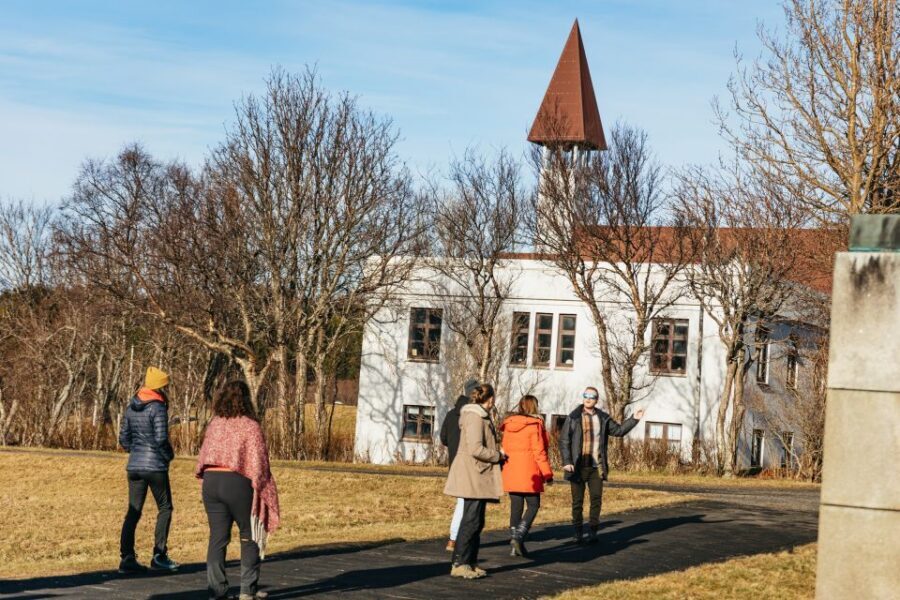
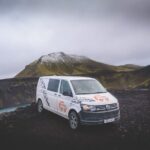
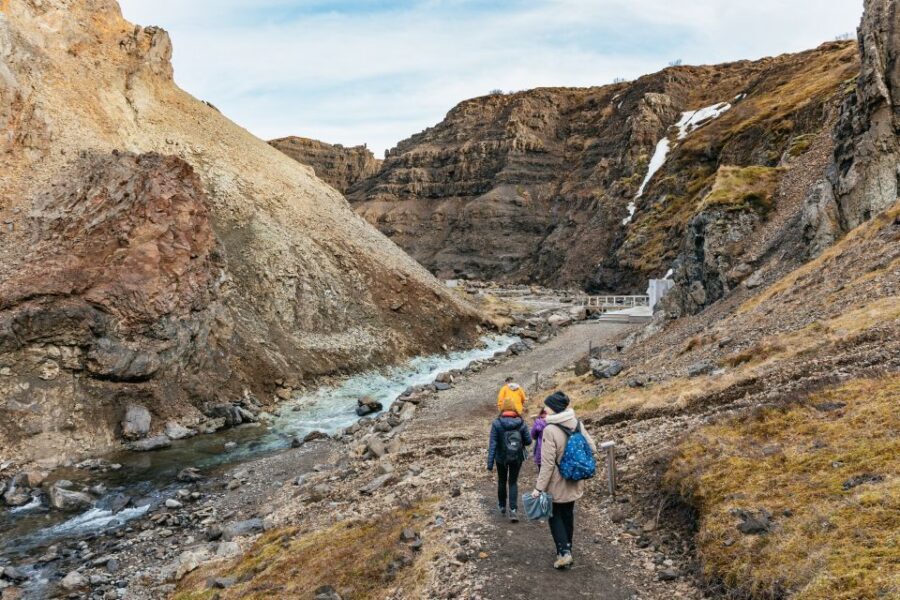
From Husafell, you’re transported further inland in 4×4 cars to reach the canyon area. The drive is part of the experience here. It’s how you get from “pretty Iceland” to “unforgiving Iceland,” where the terrain starts doing the talking.
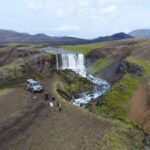
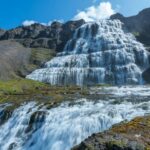
The route includes Deildargil Canyon and the waterfall Langifoss, described as a towering two-tier waterfall off the beaten path, with fewer people knowing about it. That’s the type of detail that makes this tour feel different from the standard highlight list.
One note to keep you confident: the tour description includes Langifoss, but like any day out in the wilds, details can vary. I’d suggest asking your guide at pickup or on arrival that Langifoss is on your specific route that day, especially if you’re visiting Iceland on a tight schedule.
This section of the day is also where your warm clothing starts paying off. Canyon weather can shift quickly, and the 4×4 ride means you feel the cold wind more than you do inside the minibus.
Canyon Baths in Hringsgil: The Quiet Soak You Came For
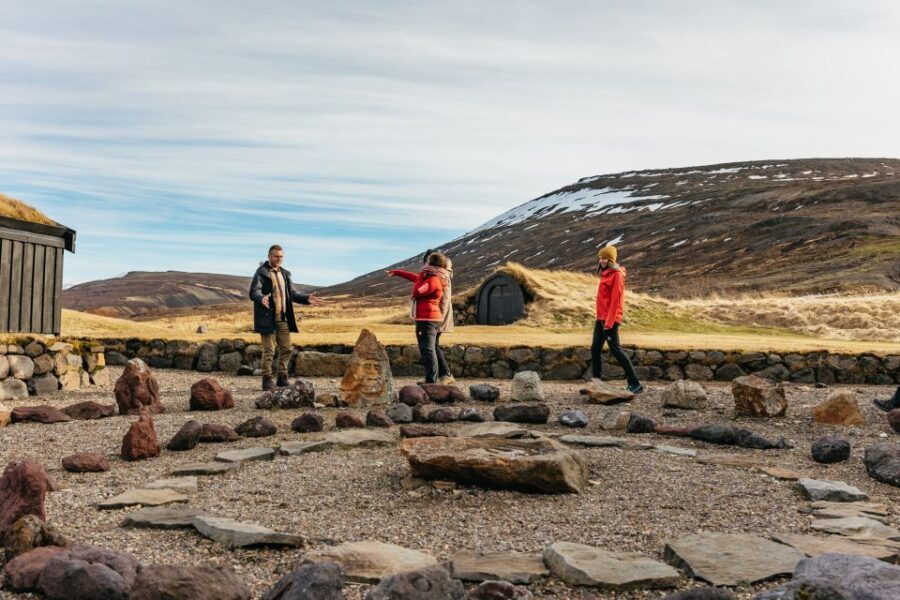
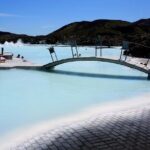
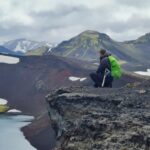
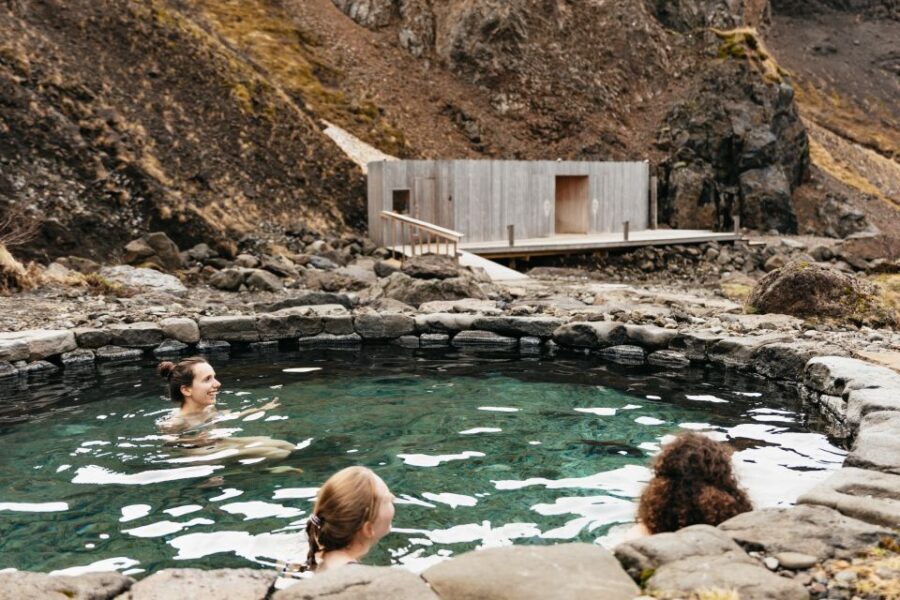
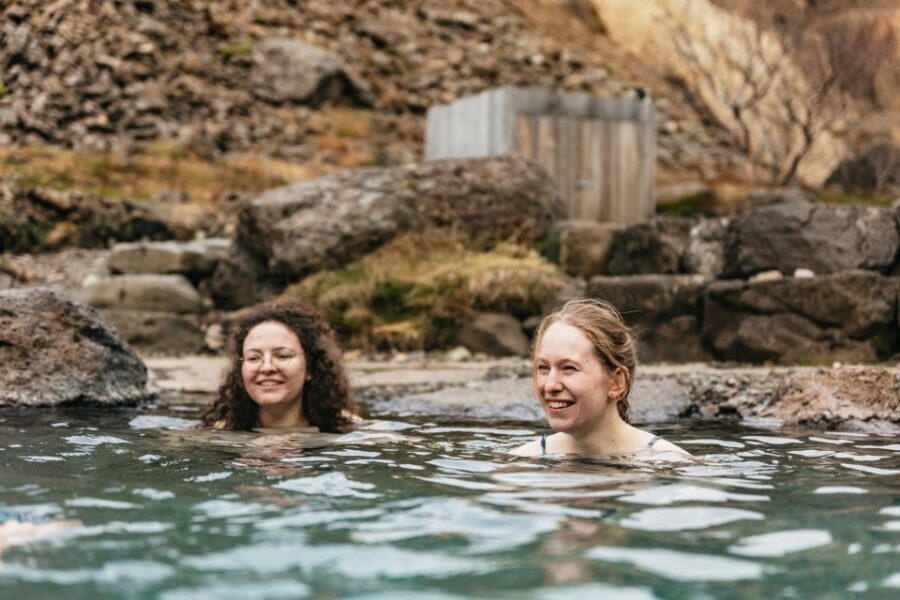
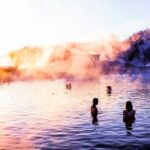
Now for the reason many people book this tour: the Husafell Canyon Baths. This is positioned as a traditional Icelandic hot spring experience in a remote location inside the Hringsgil canyon. It’s described as a sustainable setting, with limited capacity (20 visitors at a time), which is key to why this feels calm rather than chaotic.
Inside the baths, you’ll have access to three geothermally heated stone pools with temperatures ranging from 30–41°C (86–105°F). There’s also a cold-water pool and a cooling waterfall, so you can do that classic Icelandic rhythm of warm soak, cool down, repeat.
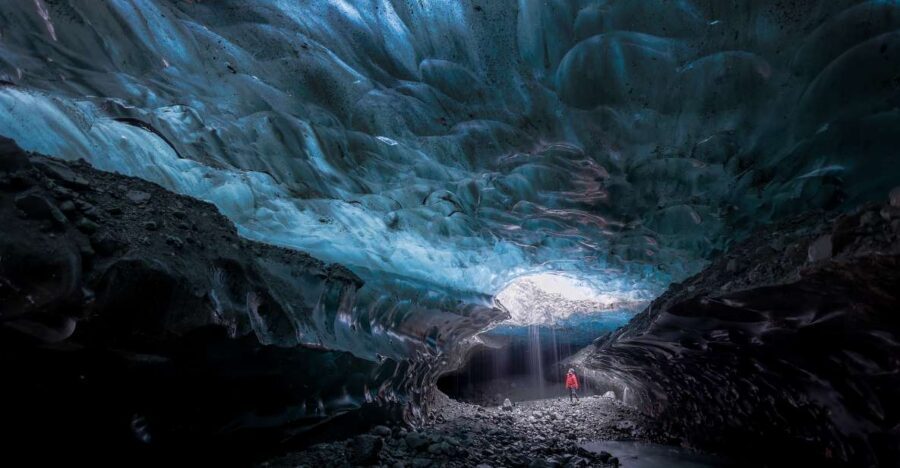
The vibe is what you remember. Ice and steam mix with the sound of water. It can feel surreal, especially when you’re surrounded by winter conditions. One day can run at freezing temps around the pool, so I’d treat this like a planned outing, not an afterthought.
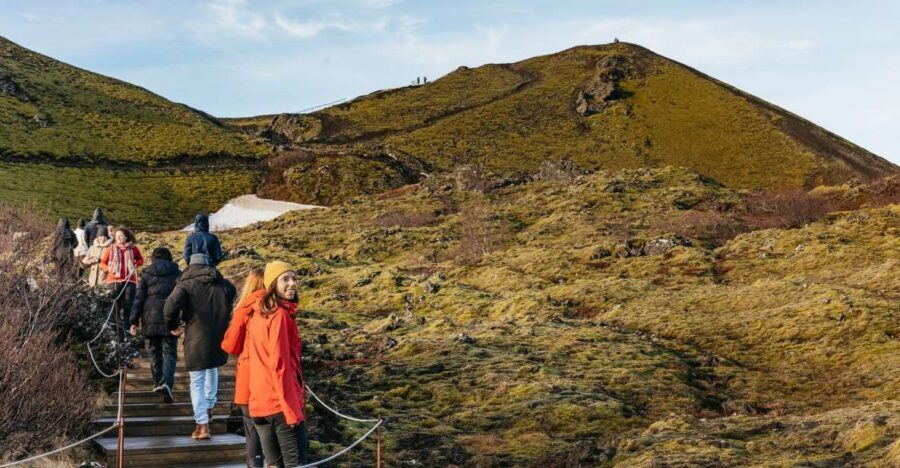
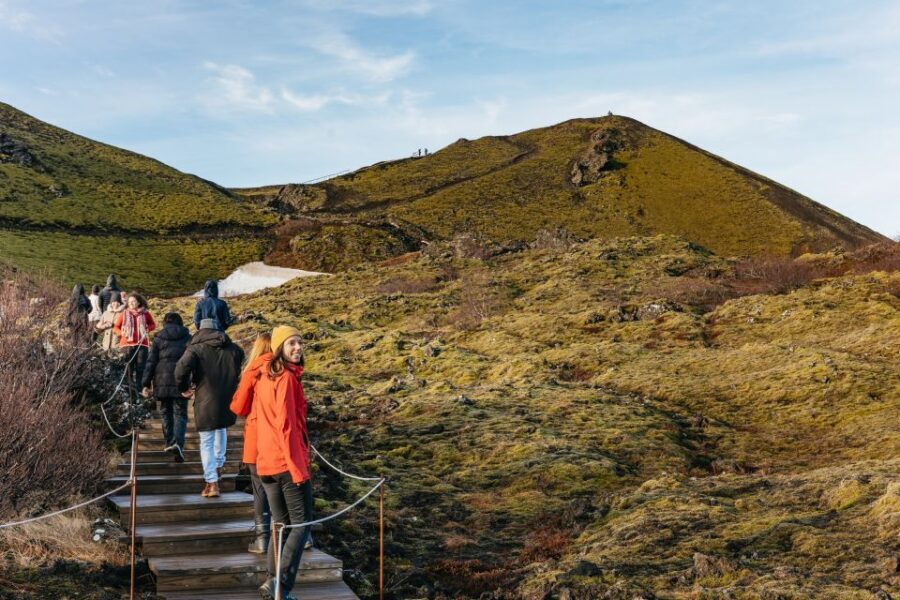
Practical reality check: the baths aren’t built like a flat sidewalk spa. One reviewer specifically warned about steps and a steep slope down to the bathing area, counting 67 steps. If mobility is an issue for someone in your group, this is the part to assess carefully before you commit.
Also pay attention to the shower rules. The Canyon Baths are in a protected natural environment, and soaps can’t be used in the showers. You can use the Husafell facilities for free, which is a helpful workaround if you want to get your routine handled without causing problems for the site.
A small comfort detail: you should bring a towel and swimwear (the tour lists both). That said, some riders have reported towels being provided at the baths. I still wouldn’t rely on that. Bring your own so you’re never guessing.
Reykholt and Snorralaug: Snorri Sturluson’s Hot Pool Heritage
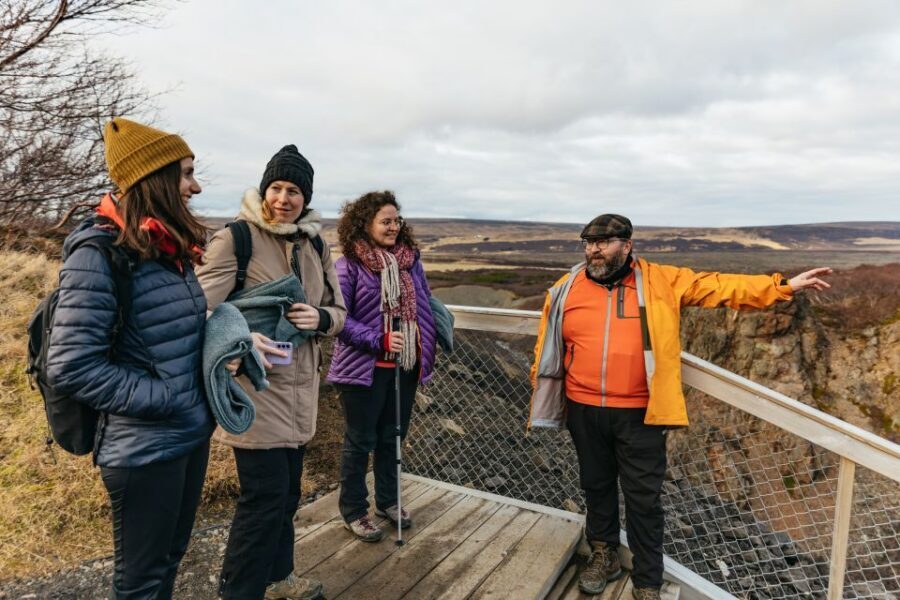
After the canyons and the soak, the day returns to history with Reykholt. This used to be the medieval home of Snorri Sturluson, a famous Icelandic historian and chieftain. It’s a strong ending because it gives you a sense of continuity: Icelandic geothermal places aren’t just modern attractions. They show up in daily life and long traditions.
You’ll visit Snorralaug, Snorri’s Pool, another traditional natural hot spring where locals have bathed since the 12th century. Even if you only spend a short time here, it changes how you see the day’s theme. You’re not just soaking in hot water. You’re participating in a long-running Icelandic habit.
Then it’s time to head back toward Reykjavik. If your timing is right, the road back can offer that classic Iceland evening mood—soft light on the water and ridges as you roll into the capital.
What You’re Really Paying For at $246
At $246 per person for a 10-hour day, the value isn’t just the driving. It’s the combination of paid access and transport that would cost you more if you tried to stitch it together yourself.
Here’s what’s included that matters:
- Pickup and drop-off within Reykjavik
- A professional English guide
- Minibus with Wi‑Fi and USB chargers
- Entry to Canyon Baths
- Admission fee to the Sturlureykir Horse Farm
- 4×4 ride to the canyon areas
What’s not included is food and drink. That’s normal for Iceland day trips, but it does mean your total spend depends on where you eat. Some scheduled stops can offer meals with different options, including gluten-free choices, but choices may vary by stop and day. I’d plan for lunch to be an extra cost and pack a snack if you have dietary needs or if you’re the type who gets cranky when hungry.
Also, Iceland tours are weather-dependent. This one operates in all weathers, so you’re not buying hope—you’re buying a plan that runs even when it’s wet, windy, or icy.
Finally, the transport has been rated highly, with 86% of reviewers giving a perfect score. That matters on a long day where comfort and safety keep your energy for the baths and walks.
Who This Tour Fits Best
This Silver Circle day trip is ideal if you want:
- Secluded hot springs instead of the busiest tourist lagoons
- Canyon scenery plus a couple of waterfall hits
- A clear, guided route with meaningful stops, not just random driving
- A day that mixes nature and Iceland’s saga-history thread
It’s also a good fit for solo travelers who like group structure. You’ll get narration and context without needing to manage navigation, and you can relax during the longer drives.
If you hate stairs or steep slopes, you should think twice about the Canyon Baths access. If your group has mobility challenges, ask for specifics about the steps and slope on the day you book.
Should You Book This Silver Circle Tour?
I think you should book this tour if Canyon Baths is high on your list and you want the rest of the day to feel thoughtful. The combination of Deildartunguhver geothermal power, dramatic lava waterfalls, Husafell’s turf-hut history, a 4×4 canyon detour, and Reykholt’s Snorralaug makes the route feel like more than a single-activity day.
Skip it (or choose a different format) if you’re not comfortable with cold changing in winter conditions or if stepping down to the baths could be a problem. Also, if you’re traveling with strict dietary needs, bring snacks and plan to check lunch options at each stop.
FAQ
How long is the Silver Circle Tour?
The tour lasts 10 hours.
What’s included in the price?
You get Reykjavik pickup and drop-off, an English guide in a minibus, free Wi‑Fi and USB chargers, entry to Canyon Baths, admission to the Sturlureykir Horse Farm, and a 4×4 ride to two canyons.
What should I bring for Canyon Baths?
Bring warm clothing, swimwear, a towel, hiking shoes, and water shoes.
Are soaps allowed at the Canyon Baths?
No. The Canyon Baths are in a protected natural environment, and soaps can’t be used in the showers. You can use Husafell facilities for free.
Are the baths available in all weather?
Yes. The tour operates in all weathers.
How hot are the pools at Canyon Baths?
There are three heated pools at 30–41°C (86–105°F), plus a cold-water pool and a cooling waterfall.
Is food included?
No. Food and drink are not included, but you can purchase them at scheduled stops.