Whales are close in Reykjavik. This 3-hour boat trip from the Old Harbour area puts you out into Faxafloi Bay to hunt for whales and dolphins, with lots of marine talk along the way. You’ll also pass major Reykjavík sights from the water, which makes the cruise feel like more than just wildlife spotting.
I really like two things here: the focus on finding animals fast, with help from guides and a marine specialist such as Maria (the biologist in one standout account), and the chance to share what you see right away thanks to onboard Wi‑Fi. I also appreciate the safety-first vibe when it comes to staying at a respectful distance while still getting those jaw-dropping moments.
One thing to keep in mind: sightings depend on the day. If the ocean is quiet or conditions are rough, you might see fewer animals or feel more time on the boat back and forth, and you’ll still need warm clothes.
In This Review
- Key things to know before you go
- Old Harbour House start: what your first 30 minutes feel like
- A small practical tip that saves you time
- Spotting whales fast: how the crew helps you read the water
- Harpa and the Reykjavík skyline: why the water view starts right away
- Faxafloi Bay geography: the views from the ship are part of the show
- Engey, Lundey, and Viðey islands: birds while you wait for whales
- What close encounters can look like: whales, dolphins, and the timing game
- The calm-rules difference
- Weather, crowding, and why some days feel better than others
- If you hate seasickness, plan ahead
- Price and value: is $98 a fair deal?
- Who this whale watching tour fits best
- Should you book Iceland Discover in Reykjavik?
- FAQ
- How long is the whale watching and marine life tour from Reykjavik?
- What does it cost?
- Where is the meeting point, and where does the tour end?
- Is the tour offered in English?
- What kinds of marine animals might you see?
- Will you get another day if you don’t see wildlife?
- Is there onboard Wi‑Fi?
- What is the group size limit?
- What happens if the tour is canceled due to poor weather?
Key things to know before you go

- Onboard Wi‑Fi for live photo uploads so you can share shots while you’re still out on the water
- Marine guidance from the captain and onboard biologist with clear help for spotting whales
- If wildlife is scarce, you get a ticket for another day instead of a total letdown
- You’ll cruise past major Reykjavík water landmarks like Harpa and nearby islands
- Smallish group for this kind of outing with a maximum of 75 people
- Expect winter/summer “whale season” reality: timing and weather change the odds
Old Harbour House start: what your first 30 minutes feel like
Your tour meets at Old Harbour House (Ægisgarður 2, 101 Reykjavík), right in the downtown action. The experience runs about 3 hours, give or take, and it ends back at the same meeting point. That round-trip setup matters because you’re not committing to a whole day just to hope for a glimpse. You’re making a focused wildlife outing, with Reykjavík built into the first and last parts of the cruise.
Expect a quick orientation before you head out. The best part is that you don’t have to figure out the spotting game yourself. The captain and guide act like your on-the-water instructors, pointing out what to watch for, and using practical cues to help you locate animals quickly.
You can also read our reviews of more whale watching tours in Reykjavik

A small practical tip that saves you time
Bring a warm layer plan that works for you. The boat experience can mean bursts of standing outside for spotting, then stepping back in to get warm. I’d also keep something for the long stretches—more than one account notes that the ride back and forth can feel long when sightings are slower.
Spotting whales fast: how the crew helps you read the water
This is the kind of tour where the difference between seeing whales and missing them is often attention. The most praised moments share a theme: the guide or biologist is active, not passive. You get help with how to track movement, how to read signs like blows, and how to understand where a whale might surface next.
In at least one account, the marine specialist Maria stood out for being friendly and helpful with details people asked for. Another guide figure named Julian appears in a separate account as an expert marine resource, and multiple experiences describe clear, patient searching once the right area is found.
Here’s what you can use immediately when you’re on board:
- Watch for blows and surface activity, then keep your eyes on the direction it travels.
- Use the crew’s guidance if they give you positioning tools. One description even mentions directional help using a clock-style approach to where the latest animal was.
And here’s the other key point: several accounts praise the way the crew works to keep wildlife behavior in mind. You’re not meant to treat this like a chase—when it’s done well, you get close enough for real moments without turning the trip into harassment.
Harpa and the Reykjavík skyline: why the water view starts right away
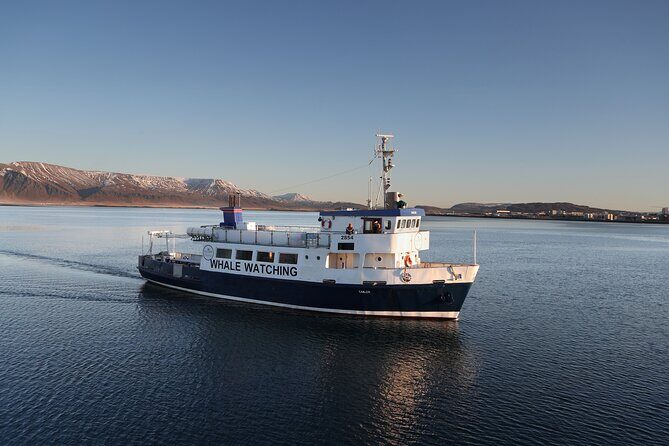
Before you ever get the big wildlife payoff, you get a Reykjavík bonus: Harpa, the concert hall and conference center with its famous colored glass facade. It’s a standout stop on the route, and seeing Harpa from the water gives you a different sense of scale than photos from land.
This matters more than it sounds. Harpa is a “you’re in Reykjavík” landmark, so it helps you transition from city mode to ocean mode. And because the tour is only about 3 hours, every early minute counts. You start with an iconic view while your crew looks for the conditions and area where whales and dolphins are more likely.
If you like architecture and city views, this makes the cruise feel balanced. You get the capital-city vibe plus marine life in the same outing.
Faxafloi Bay geography: the views from the ship are part of the show
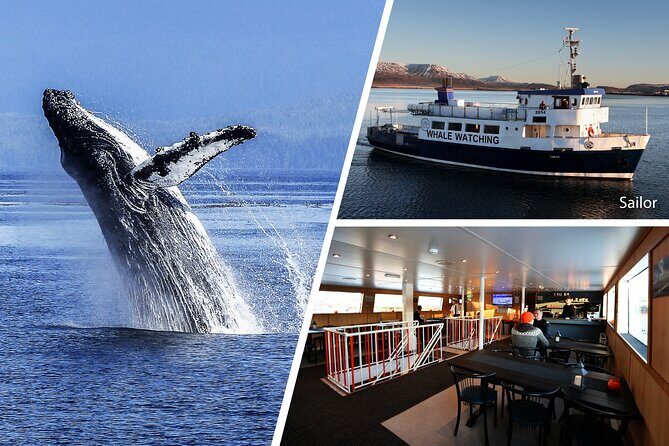
Once you’re out in the Faxafloi Bay area, the setting is part of the experience. The bay sits on Reykjavík’s southern shore, and the route includes views you can’t really replicate from land.
On a clear day, the bay can line up incredible distant views, including the Akranes peninsula and even Snæfellsjökull at a distance of about 120 km (75 mi). That kind of sightline is one reason boat tours often feel richer than you expect: even if the animals keep you waiting, the water view is still doing something for your eyes.
Also, Faxafloi Bay has fewer islands than the bay to the north, Breiðafjörður. That doesn’t just sound like geography trivia—it affects what the coast looks like and how the route feels as the crew scans for wildlife.




Engey, Lundey, and Viðey islands: birds while you wait for whales
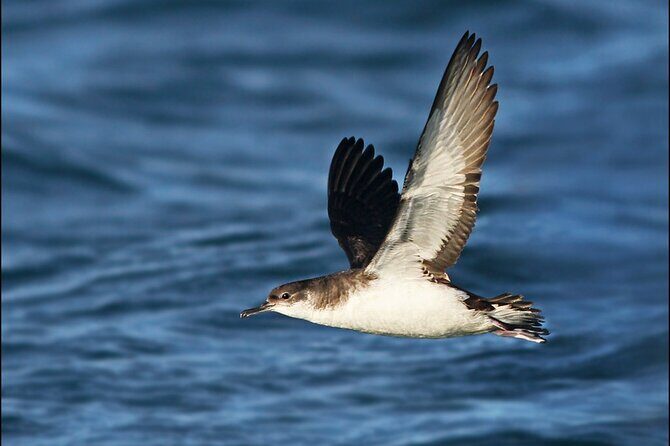
Your route includes several nearby islands, and even if you come for whales first, the bird potential adds texture to the trip.
- Engey is the second largest island of the Kollafjörður (Faxa Bay) fjord area.
- Lundey, literally Puffin Island, is a small, uninhabited island off Reykjavík’s western coast.
- Viðey is the largest island in Kollafjörður Bay, near Reykjavík.
Even when whale sightings are the headline, you might catch seabirds along the way. Some accounts also mention puffins when the timing and conditions line up, though it’s not something you should bank on every time.
This is a good reminder to plan your expectations the smart way: you’re buying a nature chance, not a guaranteed checklist.
What close encounters can look like: whales, dolphins, and the timing game
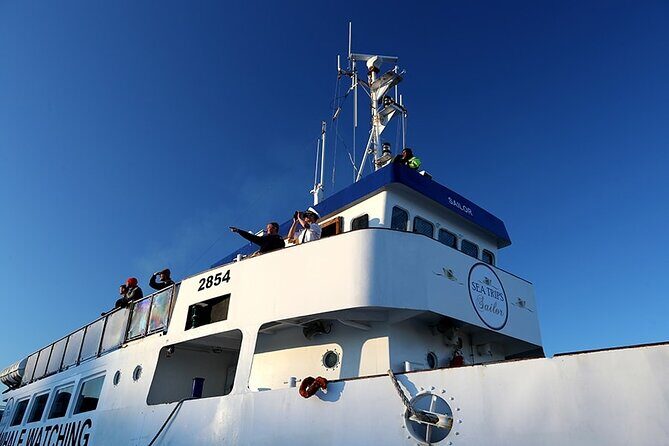
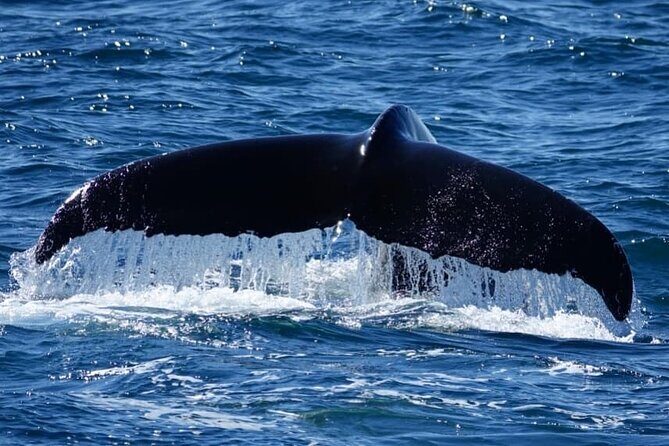
The tour promises a variety of ocean mammals, and the most frequent wow factor comes from humpback whales. Based on the experience details and accounts shared, you could also see:
- Minke whales
- Killer whales
- White-beaked dolphins
- Harbour porpoises
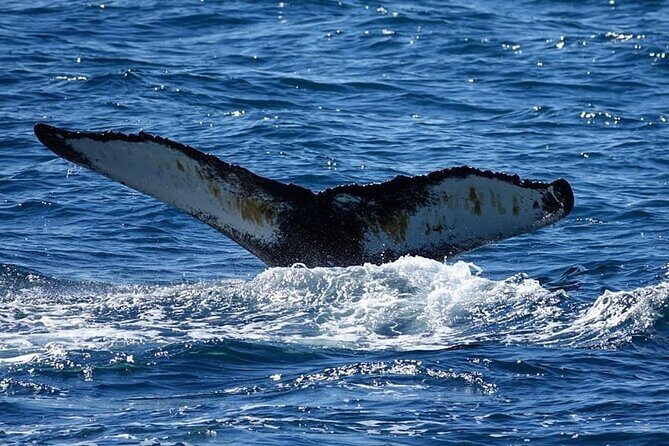
Some of the best reports describe whales coming up very close to the boat and staying on the surface long enough for full-body moments. One account even mentions humpbacks surfacing close—about five meters—and spending more than an hour in active viewing. That’s the dream scenario: the crew finds them, then you’re not rushing. You get real behavior, not just a fleeting spout.
You may also get dolphins showing off—white-beaked dolphins are specifically mentioned, and multiple accounts describe them playing in the waves and popping up as the boat moves along.
The calm-rules difference
A major theme in the highest marks is that the crew works hard to see animals without turning the trip into a disturbance festival. You should still expect to be near the animals when it happens. But the good tours focus on positioning and patience, so whales can keep doing whale things.
Weather, crowding, and why some days feel better than others
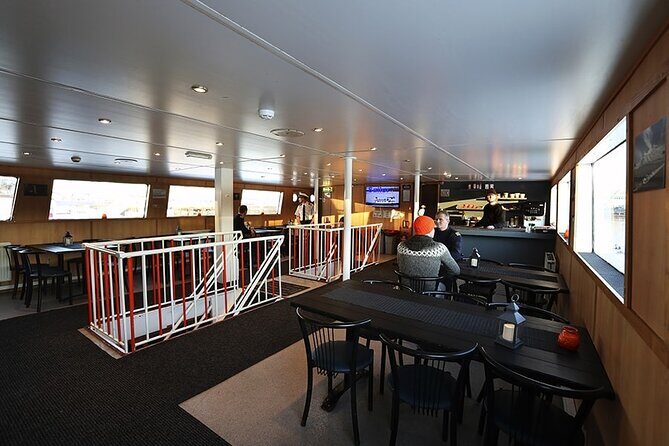
This is an experience that runs on the ocean’s mood. The company’s own framing is that it requires good weather. When the weather is rough, the search can be harder, the ride can feel longer, and you may not get the same payoff.
A few accounts point to end-of-season or timing issues that reduce the number of sightings. Others mention choppy water or wind and rain, which can make it harder to spot and capture photos.
Here’s your best move: dress for the boat conditions, not for Reykjavík cafés. Even when the crew is doing everything right, cold wind plus spray can drain your energy fast.
And yes, there’s also a good safety net: if you don’t see wildlife, you receive a ticket for another day. That’s a practical policy because whale watching can’t be forced. It reduces the chance you pay $98 and get nothing but grey water and regret.
If you hate seasickness, plan ahead
The data doesn’t spell out medicine or severity, so I won’t pretend. But because the trip involves open water scanning, I’d still come prepared if you’re prone to motion sickness.
Price and value: is $98 a fair deal?
For $98 per person and about 3 hours, this is priced like a serious wildlife excursion. The best value angle is that the experience is designed to maximize your odds in a short time: a focused route in Faxafloi Bay, active crew searching, and onboard support that helps you spot faster.
It’s not just about whales being present. You’re also paying for:
- An organized boat run from downtown
- Onboard marine interpretation
- A comfort factor (many accounts describe the boat as comfortable and cozy enough that you can avoid being outside the whole time)
- Wi‑Fi for live photo uploading
- A system of accountability if wildlife is limited, with a return ticket
Would I call it cheap? No. But considering the time on the water, the marine focus, and the return-day safety net, it can feel like good value—especially for first-timers who don’t want to guess where to look on their own.
Who this whale watching tour fits best
This is a strong choice if you:
- Want Reykjavík sightseeing plus wildlife in the same half-day window
- Like guided spotting where someone explains what you’re seeing
- Plan to take photos and want that Wi‑Fi upload feature
- Don’t want a full-day commitment just to hunt for whales
It may be less ideal if you:
- Need guaranteed animal sightings in every condition
- Strongly prefer calm, easy travel with minimal time in choppy water
- Are sensitive to cold and wind and don’t pack for it
Should you book Iceland Discover in Reykjavik?
I’d book it if you’re going to be in Reykjavík and your schedule can flex a bit around the weather. The combination of active spotting, onboard interpretation (including named marine staff like Maria in accounts), and the no-wildlife return ticket makes it feel more responsible than tours that treat whale sightings as a lottery with no compensation.
I’d think twice if you’re chasing a single specific target like puffins. The islands are on the route (including Lundey, Puffin Island), and some reports include puffins—but not every outing will deliver them. Same logic for whales: the ocean decides, and your job is to show up dressed and ready.
If you want, tell me your travel month and how sensitive you are to cold and choppy water. I can help you decide the best day to book and what to pack for your exact conditions.
FAQ
How long is the whale watching and marine life tour from Reykjavik?
The tour runs for about 3 hours.
What does it cost?
It costs $98.00 per person.
Where is the meeting point, and where does the tour end?
You meet at Old Harbour House (Ægisgarður 2, 101 Reykjavík, Iceland) and the activity ends back at the meeting point.
Is the tour offered in English?
Yes, the experience is offered in English.
What kinds of marine animals might you see?
You can see ocean-going mammals such as minke, humpback, and killer whales, plus white-beaked dolphins and harbour porpoises. Puffins and sea birds are also possible while passing islands tied to birdlife.
Will you get another day if you don’t see wildlife?
Yes. If you don’t see wildlife, you receive a ticket for another day.
Is there onboard Wi‑Fi?
Yes. The tour includes onboard Wi‑Fi so you can upload live photos.
What is the group size limit?
The tour has a maximum of 75 travelers.
What happens if the tour is canceled due to poor weather?
If it’s canceled due to poor weather, you’ll be offered a different date or a full refund.