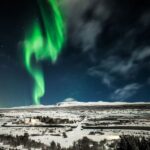
Iceland is built for great photos. This 6-day private run blends geology stops with photography help and a trip plan designed for dark, dramatic nights tied to the Northern Lights theme. You start with the tectonic story of Iceland, then swing through geothermal fields, the Golden Circle, black-sand coasts, and glacier country.
I really like two things here. First, the photo-focused guidance (including professional photography services) means you’re not just driving from point A to point B—you get help with timing and composition. Second, the day plan hits the Icelandic classics and adds “wait, what is that?” stops, like the singer echoes in a cave and basalt columns at Svartifoss.
One thing to consider: days are packed and weather matters. Iceland can be wet, windy, and change fast, and this kind of route is built for good conditions. Also, accommodation and meals are not included, so you’ll need to plan those separately.
In This Review
- Key Points That Make This Tour Worth a Close Look
- Private, Photo-Led Iceland: What the Day Plan Feels Like
- Price and Value: $9,299 Per Group, So Who Is This For?
- Day 1: Reykjanes Peninsula Geothermal Power and Lava Edges
- Day 2: Golden Circle Icons Plus Hot-Spring Downtime
- Day 3: Seals, Basalt Cliffs, a Singing Cave, and Kirkjufell Vistas
- Day 4: South Coast Waterfalls to Vik, With Reynisfjara and Dyrhólaey
- Day 5: Skaftafell’s Basalt Columns, Glacier Lagoon Ice, and Diamond Beach
- Day 6: Vestrahorn, Puffin Territory Views, and the Sólheimasandur Plane Wreck
- What Sets This Tour Apart: Small Details That Add Up
- Should You Book This Iceland Photography and Northern Lights Tour?
- FAQ
- What is the duration of this tour?
- What is the price?
- How large is the group?
- What time does the tour start?
- Is pickup offered?
- What language is the tour offered in?
- Are meals and accommodation included?
- What’s included in the price besides guidance?
- Are entry tickets included for all stops?
- Does the tour require good weather?
- Can I cancel for a full refund?
Key Points That Make This Tour Worth a Close Look
- Private group up to 8: You get your own vehicle and a guide who can flex the pace.
- Professional photography services: The tour isn’t just sightseeing; it’s about getting keepers.
- Included “big three” sites: Þingvellir National Park, Kerið Crater, and the Secret Lagoon (Gamla Laugin) have admission included.
- Golden Circle plus geothermal breaks: Geysir, Gullfoss, and the hot springs days are built for contrast and color.
- Serious scenery variety: Reykjanes, Snæfellsnes-style cliffs and beaches, South Coast waterfalls, Skaftafell, and glacier lagoons all appear.
Private, Photo-Led Iceland: What the Day Plan Feels Like
This isn’t a “stand in a parking lot” kind of tour. It’s a full-drive itinerary with lots of stops, meaning you spend your time outside instead of waiting in line. The private setup (up to 8 people) also matters. If you want a short walk for a better shot or you need a quick bathroom break, the schedule can breathe—at least more than it can on a big bus.
The photo angle is practical. Iceland is bright when the sun hits the clouds, and it’s also dim when overcast presses down. Having photo support helps you use those shifts instead of fighting them. Plus, bottled water and Icelandic snacks are included, which sounds small until you’re on hours-long roads and your hands are full of camera gear.
You can also read our reviews of more photography tours in Reykjavik
Price and Value: $9,299 Per Group, So Who Is This For?
The price is $9,299 per group (up to 8). That’s a private-price model, so the value depends on how many people share the vehicle. If you fill all 8 spots, you’re roughly at about $1,160 per person. If you book for fewer, the per-person cost climbs fast—but you still get the private routing and photo-focused attention.
What you’re paying for, in real terms, is logistics: private transportation, on-the-ground guidance, and photography services bundled with the route. Since accommodation and meals are not included, I treat this as a tour “engine” that moves you through Iceland while my lodging and food come from my own plan.
This tour also tends to get booked early (an average of 103 days in advance). That’s a clue that people like the mix: it’s not only waterfalls and beaches. It’s built around making the shots and learning what you’re looking at.
Day 1: Reykjanes Peninsula Geothermal Power and Lava Edges
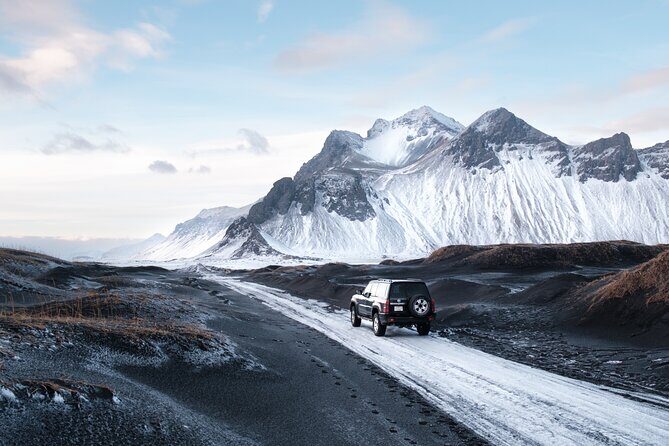
Day 1 starts with a concept you can actually point at: the Bridge Between Continents. It’s not a huge landmark, but it’s clever. It symbolizes where the North American and European plates meet. I like this kind of start because it gives you a mental map for the days ahead: this island is moving, splitting, and rebuilding.
From there, you head to coastal structure and geothermal color:
- Reykjanes Lighthouse is perched above cliffs with ocean power below. It’s a calm place to frame the coastline with waves and rock textures.
- Valahnúkamöl cliffs show erosion’s long attention span—craggy, weathered, and sculpted by wind and water.
- Gunnuhver Hot Springs is one of the most visually intense stops. Mud pools and fumaroles bring harsh color and constant activity.
- Krýsuvík keeps the geothermal story going with steam columns and bubbling mud pools in green, yellow, and red tones.
- Kleifarvatn Lake adds a steadier subject: a large lake set in a dramatic peninsula setting. It gives your eyes a break after the steaming chaos.
Then the route turns toward fresh volcanic texture:
- Fagradalsfjall Volcano is shown as an area of fresh lava from the last eruption, which means you’re seeing rock that still feels “new.”
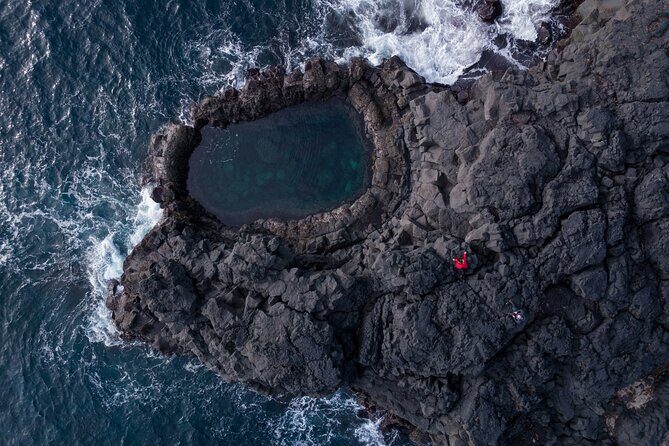
- Brimketill is a small coastal pool carved by marine erosion. It’s short, but it’s the kind of detail that looks great when the light is right.
- Grindavík is your practical pause—this is where a cozy coffee stop helps you refuel and reset.
- Hafnaberg finishes the day with a line of sheer sea cliffs. It’s the kind of place where you can stand and watch the ocean do its thing for a while.
Photography note: Day 1 is ideal for mixing wide shots (coastlines, cliff lines) with close textures (steam, mud, lava edges). Weather will decide how much steam clouds show, but even misty conditions can add drama.
Day 2: Golden Circle Icons Plus Hot-Spring Downtime
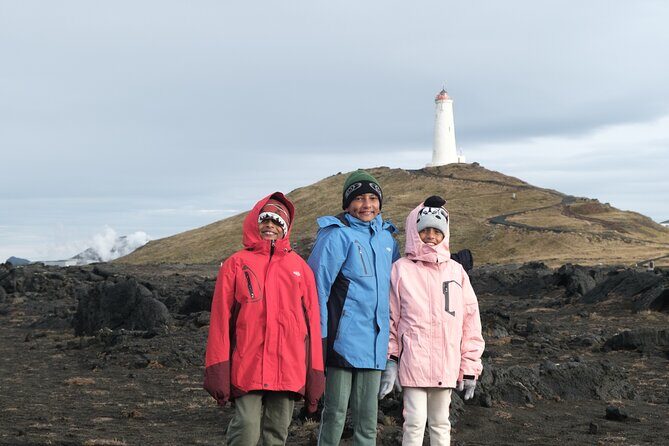
Day 2 is classic Iceland, but it’s also built for pacing. You get the “big geology” sites early, then insert breaks where you can warm up.
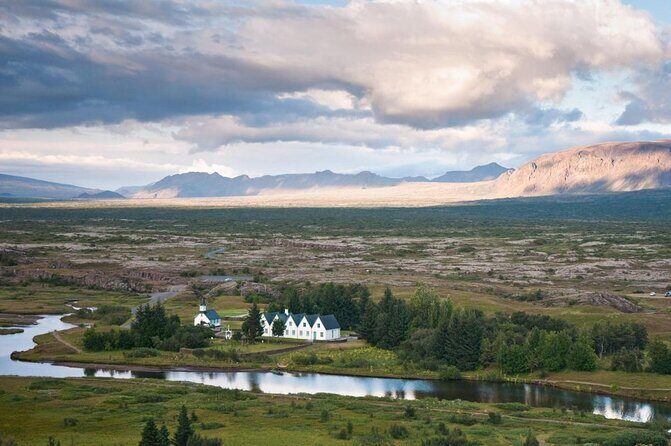
You start at Þingvellir National Park, a UNESCO site and one of the most meaningful places to understand Iceland’s tectonic setting. It’s also tied to Iceland’s early parliament history (930 AD) and a sense of sacredness locals attach to the space. If you care about context, this is the stop that gives the scenery a story.
Next is Geysir. The Great Geysir itself is no longer active, but the show belongs to Strokkur, which erupts about every 5 to 10 minutes and can reach roughly 20 meters. This timing rhythm is useful for photographers: you can find your angle, then work it as the geyser cycles.
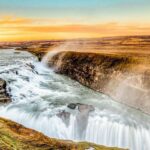
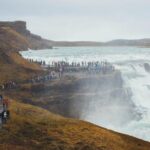
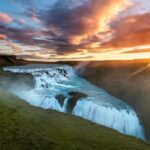
Then comes Gullfoss, a waterfall that makes mist part of the experience. The water drops in stages and the canyon setting creates that bright, splashy air that can throw rainbows when the sun behaves.
After the Golden Circle hits, you shift to volcanic color at Kerið Crater, where mineral sediments and lava rocks frame a volcanic lake. It’s short, but the contrast is strong enough to justify stopping even if you’ve seen other craters.
Two stops that people often remember for a different reason than views:
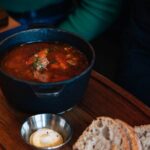
- Fridheimar for tomato soup. It’s described as a tomato soup buffet style meal. This is your warm, seated break when the cold starts to feel personal.
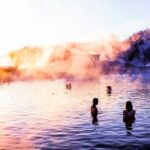
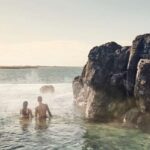
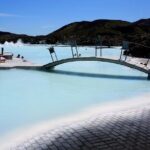
- Secret Lagoon (Gamla Laugin), an old geothermal swimming pool built in 1891. It’s not just a sightseeing stop—you’re there to relax in warm water.
If you plan to shoot photos that day, remember that the best shots often happen right before and after eruptions at Geysir, and near the light breaks at Gullfoss. At the Secret Lagoon, you’re mostly there for comfort, but you’ll still get good “Iceland life” portraits.
Day 3: Seals, Basalt Cliffs, a Singing Cave, and Kirkjufell Vistas
Day 3 leans more toward West-Iceland style scenery—coastal shapes, dramatic cliffs, and a few “only-in-Iceland” moments.
You begin with Olkelda Mineral Spring, accessed via a public tap. It’s quick and lightly weird in the best way: red-stained ground from iron-rich water around the spring.
Then you head to Ytri Tunga Beach, where the sea scenery comes with seals. It’s a good stop for patient watching. You may not get a seal on demand, but you get ocean drama and a natural sense of place.
Búðakirkja (Budakirkja) is next, built from black wood and set with strong surroundings. If you want a calm lunch pause, the route notes options near the church, and that makes it practical.
Then you move indoors underground at Sönghellir Cave. This cave earns its name from its acoustics—echoes are a big deal here—and it also has centuries-old graffiti, including names of 18th-century travelers. It’s an easy stop to appreciate because it changes the pace and gives your brain a break from wind and rain.
Londrangar Basalt Cliffs adds an Icelandic legend layer. There’s a local belief that farmers don’t make hay on a hill because it belongs to elves. Whether you take myths literally or as culture, it makes the rock feel like more than a backdrop.
Then comes a stretch of coastline texture:
- Djupalonssandur Beach is black lava “pearl” beach style scenery: intense sand, rocks, and an arched bay shape.
- Saxholl Crater gives you quick elevation via stairs. The stop is short, but the views down to lava fields, mountains, and sea are the point.
You finish with Iceland’s poster subjects:
- Kirkjufellsfoss is one of the most photographed waterfalls in Iceland because of how the water and Mt. Kirkjufell line up.
- Kirkjufell itself is famous both for looks and TV fame.
Photography note: this is a day for tripod discipline and patience—if you have one. Even if you don’t, the trick is to shoot a few compositions, then reposition as the light changes. Kirkjufell and Kirkjufellsfoss often look different in mist than in sun.
You can also read our reviews of more tours and experiences in Reykjavik
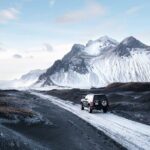
Day 4: South Coast Waterfalls to Vik, With Reynisfjara and Dyrhólaey
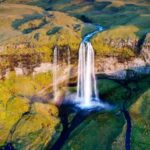
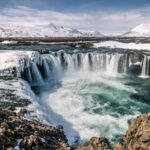
Day 4 is where Iceland’s waterfalls start to feel relentless—in a good way. You begin with Seljalandsfoss, a 60-meter cascade where you can walk behind the waterfall curtain. That behind-water perspective gives you photos that feel more dimensional than a normal frontal shot.
Next is Gljúfrabúi. It’s described as a hidden gem type waterfall experience, located off the Ring Road. It’s 40 meters and fits under a more sheltered feel, so it can be less exposed than Seljalandsfoss.
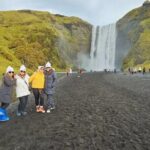
Then Skógafoss shows what happens when a waterfall is both huge and walkable. It drops around 60 meters and you can walk right up to it—expect drenched clothes and a lot of mist in your lens.
Gluggafoss/Merkjarfoss is smaller and more unique in structure, described as a two-step drop in channels that looks like an inverted trident.
After the waterfall string, you go to the iconic shore:
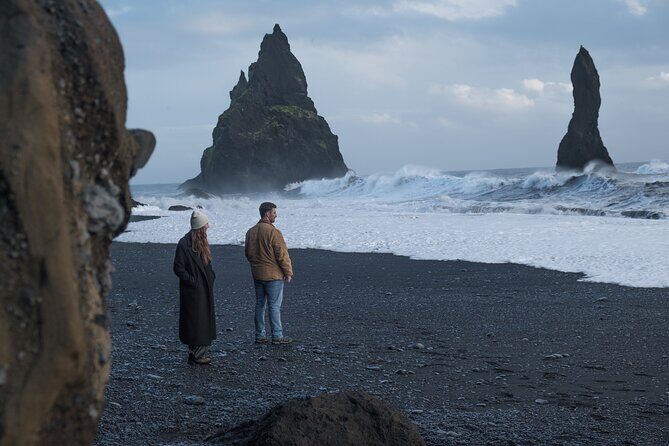
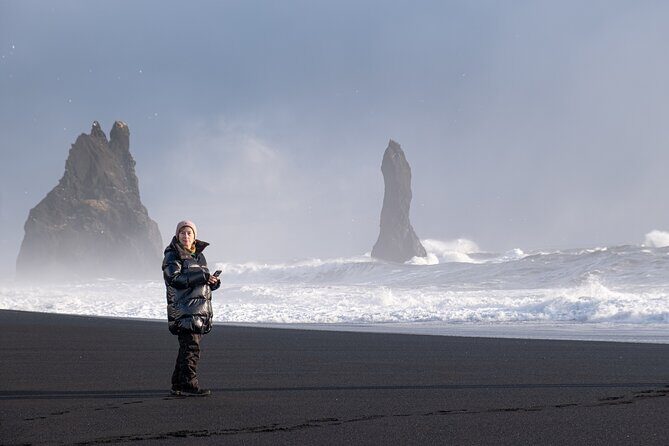
- Reynisfjara Beach is black sand with strong Atlantic waves and nearby sea stacks called Reynisdrangar. This stop is also linked to film settings, but the main draw is raw drama.
- Dyrhólaey is a peninsula noted for birds nesting (especially in summer) and a huge black arch shape.
Then you reach Vik, described as Iceland’s southernmost village with about 300 people. This is also your overnight base for the day.
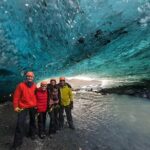
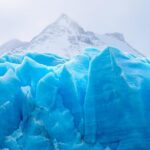
Finally, you stop at Sólheimajökull Glacier, part of the Mýrdalsjökull glacier system. This is the kind of stop that turns photos from “pretty” into “wow, that’s a glacier next to humans.”
Practical note: South Coast days can be wet. Pack for it like it’s part of the plan, because it often is.
Day 5: Skaftafell’s Basalt Columns, Glacier Lagoon Ice, and Diamond Beach
Day 5 starts with driving through Iceland’s scale—Skeiðarársandur and the black sandy desert feel. You also get to Skaftafell National Park, with favorable weather conditions noted as part of the appeal. There’s a visitors center and trails, plus a stop time that supports at least a walk rather than a quick look and leave.
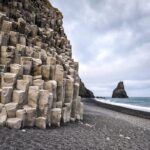
The main hike highlight is Svartifoss, famous for basalt columns framing the falls. You can see the logic of geology here. The rock isn’t just scenery; it’s the reason the waterfall looks the way it does.
There’s also Fjaðrárgljúfur on the route. The listing repeats the idea of a hike to the waterfall area, so expect another walk with dramatic canyon views and basalt column surroundings.
Then it shifts to the glacier lagoon:
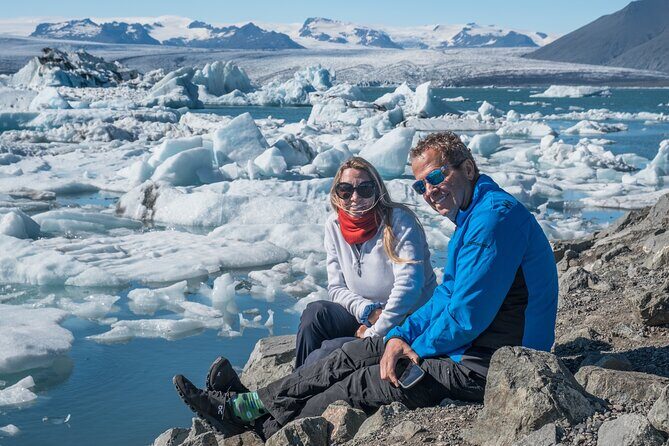
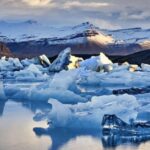
- Jökulsárlón (Glacial Lagoon) has floating icebergs broken off Breiðamerkurjökull, plus seals are frequently seen.
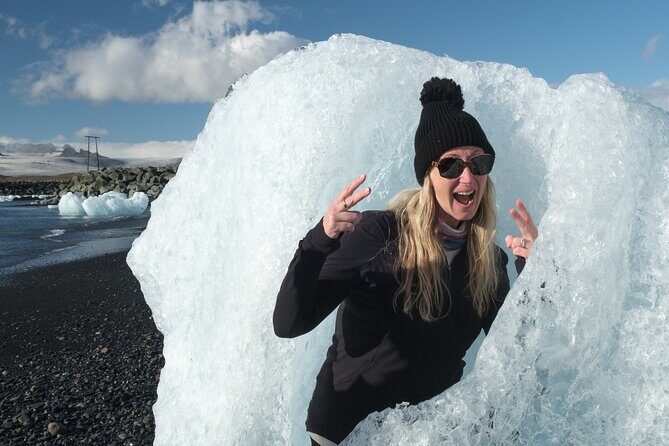
- Diamond Beach is black sand with icebergs, where the ice looks like it’s dropped from another world onto shore.
You then overnight in Höfn, described as a beautiful town with fantastic food and harbor views.
Photography note: if your goal is ice portraits, Jökulsárlón and Diamond Beach are where you’ll spend your best time waiting for movement. Even small iceberg shifts change the look in seconds.
Day 6: Vestrahorn, Puffin Territory Views, and the Sólheimasandur Plane Wreck
Day 6 starts with Vestrahorn, nicknamed Batman mountain. This name makes sense once you see the sharp coastal silhouettes, the black beach, and the mountains in the background. It’s a “don’t rush this” stop.
Next is Heimaey, described as a viewpoint over an archipelago of 15 islands and 30 rock stacks off the South Coast. In summer, the route notes it has the world’s largest population of nesting puffins. Even if you don’t see birds on your visit, it’s a memorable sense of scale and seascape structure.
Then you get Kvernufoss, a 30-meter waterfall in a gorge close to the Ring Road. It’s a nice change from the bigger waterfall emphasis earlier in the week.
After that, you look at Eldhraun Lava Field, tied to the 1783 Laki fissure eruption. The listing notes about 565 km² and that at least 15 farms are known to lie under the lava. This is a stop that gives weight to the term lived-in Iceland—people still trace history through rock.
The route then includes a glacier option at Svinafellsjökull Glacier. Glacier hiking is specifically noted as not included, so treat it as an add-on or you’ll want to ask your guide what’s possible on your exact day.
Finally, you end with two very different photo subjects:
- Sólheimasandur: the plane crash on the black beach. It’s a long-stay subject for photographers because the wreck becomes a focal point against the stark sand.
- You also have earlier stop context from the tour’s geothermal and volcanic days, so the plane wreck doesn’t feel random—it feels like another kind of “Iceland happened here” marker.
What Sets This Tour Apart: Small Details That Add Up
A few things here matter more than they look on paper.
Flexibility and attention show up in the guide approach. The reviews praise Luke EM for being responsive and invested, plus the ability to adjust the itinerary to family needs and interests. That’s a big deal in Iceland, where weather can turn a perfect plan into a messy plan in one afternoon.
There’s also a clear emphasis on professional photography skills. The idea isn’t just “we’ll take pictures.” It’s more like the guide team helps you get photos you’ll actually want to print or keep in an album.
Finally, I like that the stops aren’t only famous names. You get geothermal fields, a crater walk, cave acoustics, and specific waterfall structures like Gluggafoss’s inverted-trident look. That variety helps your photos avoid the same-feeling syndrome.
Should You Book This Iceland Photography and Northern Lights Tour?
Book it if you want a private guide, a photo-first approach, and a route that mixes geothermal, waterfalls, and glacier ice without feeling like a single-note “South Coast only” trip. It’s especially a strong fit for couples, families with mixed ages, and anyone who cares about getting good shots without spending the whole trip figuring out timing and logistics.
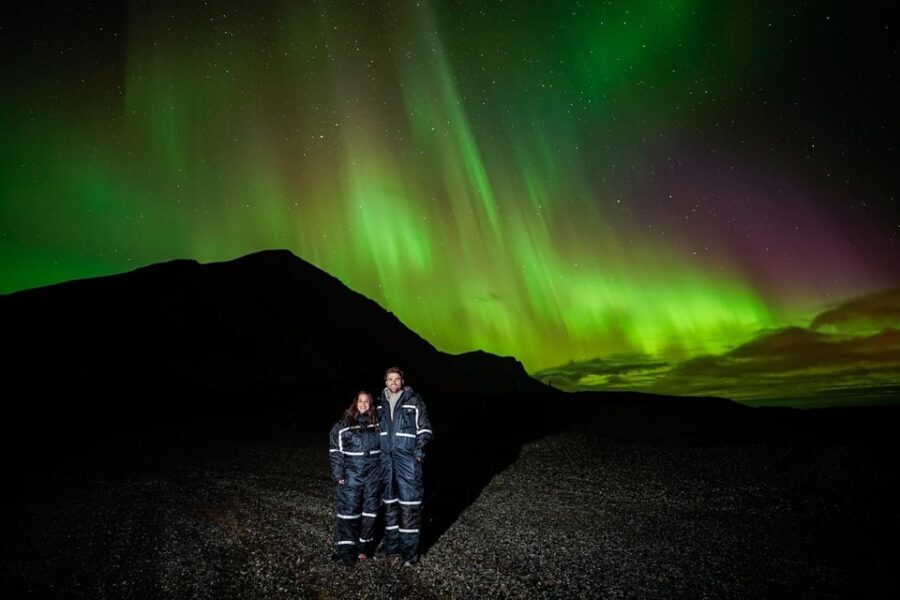
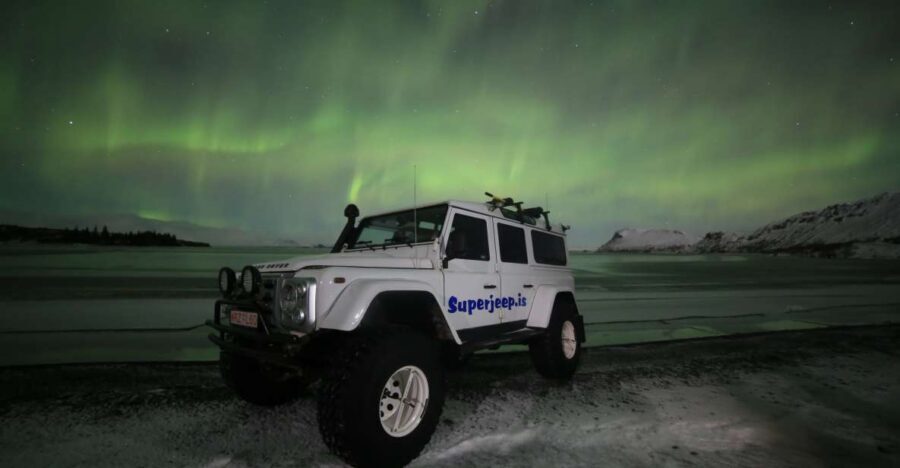
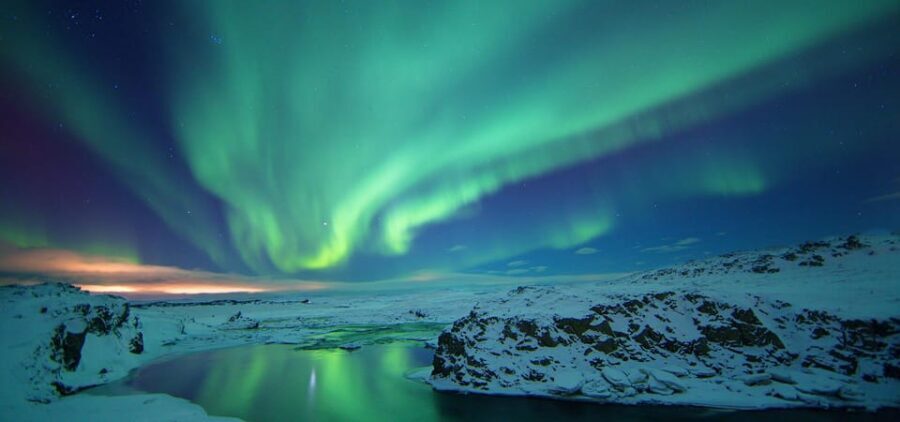
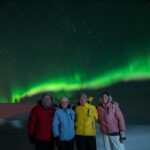
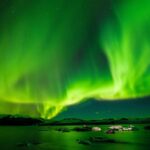
I would think twice if you’re hoping for a low-effort pace, or if you need accommodation and meals fully handled in the price. Since those are not included, you’ll do some planning. And if you expect guaranteed Northern Lights sightings, remember that Iceland weather controls night skies. This tour gives you the right kind of trip structure for dark viewing, but the heavens run the show.
If you’re ready to work a bit for the perfect photo moments and you value guidance that keeps you out of the crowded feel, this is an excellent way to see Iceland.
FAQ
What is the duration of this tour?
The tour runs for 6 days (approx.).
What is the price?
It costs $9,299.00 per group, up to 8 people.
How large is the group?
This is a private tour/activity with only your group participating, with up to 8 people.
What time does the tour start?
The start time is 9:00 am.
Is pickup offered?
Yes, pickup is offered.
What language is the tour offered in?
The tour is offered in English.
Are meals and accommodation included?
No. Accommodation and meals are not included.
What’s included in the price besides guidance?
Included items listed are bottled water, photography services, guidance, Icelandic snacks, and private transportation.
Are entry tickets included for all stops?
Not all stops. Admission ticket included examples are Þingvellir National Park, Kerid Crater, Secret Lagoon (Gamla Laugin), and Skaftafell National Park. Svinafellsjökull glacier hiking is noted as not included.
Does the tour require good weather?
Yes. The experience requires good weather. If it’s canceled due to poor weather, you’ll be offered a different date or a full refund.
Can I cancel for a full refund?
Yes, you can cancel for a full refund if you cancel up to 24 hours in advance of the experience’s start time.