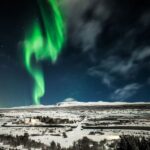
Northern lights are a patient hunt. What makes this one work is the mix of real guiding and practical gear-so-you-can-focus-on-the-sky support. I especially like the free aurora photos (handled by your guide’s camera), and I also like the warm-drink breaks with blankets while you wait.
The main drawback is that the aurora itself can’t be guaranteed. If clouds roll in or the conditions don’t line up, you may spend a lot of time scanning the sky for nothing—though the team does weather-based call-making and can try again.
In This Review
- Why This Northern Lights Tour Feels Like a Real Hunt
- What the 5 Hours Actually Look Like After Pickup
- Multiple Aurora Stops and the Waiting Strategy
- Photo Taking Without Losing the Moment
- Warm Drinks, Blankets, and the Comfort You’ll Really Use
- Price: Is $95 Worth It for a 5-Hour Aurora Hunt?
- Guides, Forecast Talk, and What You Learn During the Night
- Weather Calls and Rescheduling: The Reality Check You Should Plan For
- Who Should Book This Tour (and Who Might Want a Different Plan)
- Quick Packing List That Keeps Your Night Comfortable
- Should You Book This Reykjavik Northern Lights Guided Tour?
- FAQ
- How long is the tour?
- Is pickup from Reykjavik included?
- Do you guarantee seeing the northern lights?
- What time do they decide if the tour will run?
- What photos are included?
- What should I bring for the night?
- How large are the groups?
Why This Northern Lights Tour Feels Like a Real Hunt
This tour is built around one simple reality: seeing the northern lights is easier outside Reykjavik than inside it. The city lights make aurora hunting harder, so you’re taken beyond town limits as quickly as possible, then guided through a strategy of short drives, multiple stops, and sometimes staying put when the conditions look promising.
It also helps that the guides talk like they’ve actually spent years chasing this sky show. In past departures, guides such as Christian, Ania, Anna Maria, Anja, Bjartur, and Cris have been praised for explaining how the lights form, why timing matters, and what to watch for while you stand there in the dark. You’re not just bundled and sent off. You get a plan—and a camera-person in your group.
Group size varies by season, but it can reach about 30–40 people. That’s big enough to build energy, but small enough that you can still hear your guide and get a photo without feeling like a numbered passenger.
What the 5 Hours Actually Look Like After Pickup
You’ll start in Reykjavik with pickup at designated bus stops downtown and selected hotels outside the core area (still within Reykjavik). They warn you to plan for a 45-minute pickup window, so try to be ready at your meeting point rather than arriving late and hoping for a miracle.
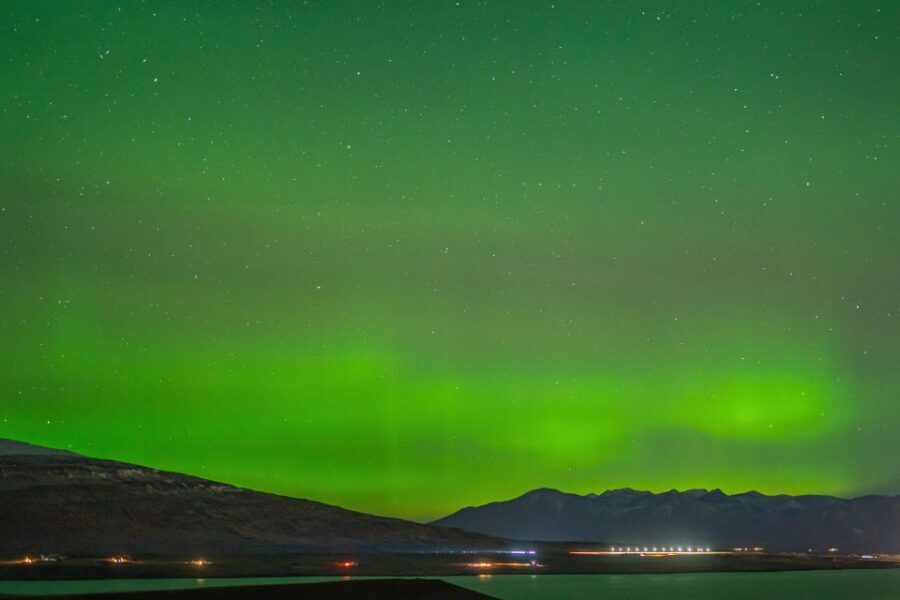
Once everyone’s aboard, the group heads out of the light-polluted city. The driving is kept as short as possible, but you should expect that the route may change during the night. The final stop is not locked in ahead of time. It depends on cloud coverage and aurora activity, and the guide may reposition several times if the lights seem elusive.
Then comes the waiting game. Northern lights sightings can arrive quickly—or they can take their time. This is where the tour’s design matters: you’re given warm blankets and hot drinks so you’re not just enduring cold while guessing whether the aurora will ever show.
If the conditions cooperate, you’ll get a viewing session at one of the best spots. If the night stays stubborn, your guide keeps moving and/or trying another location rather than treating the hunt like a single fixed stop.
You can also read our reviews of more guided tours in Reykjavik
Multiple Aurora Stops and the Waiting Strategy
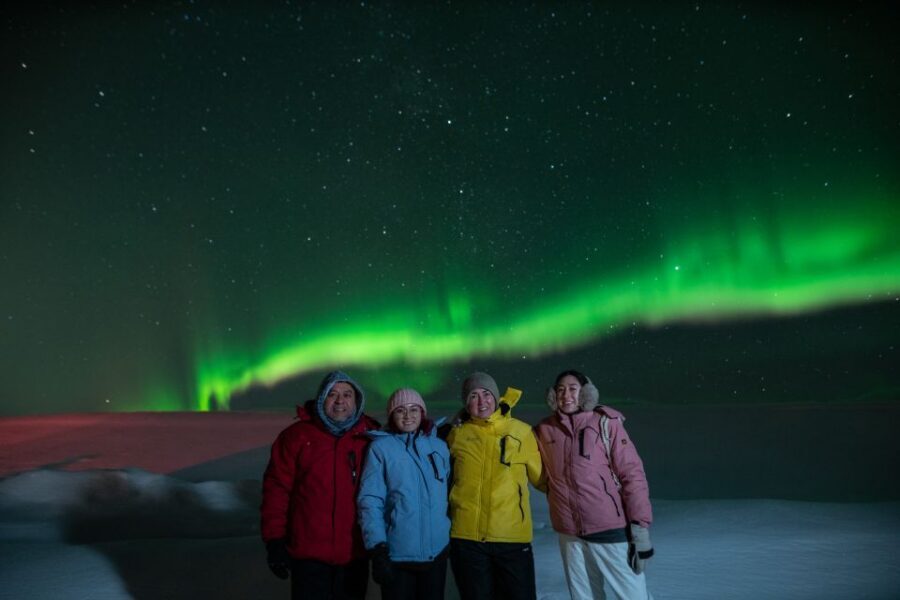
You’re hunting something that’s fickle. The tour treats that properly. Instead of telling you to stare at the sky for one long, hopeless stretch, you may see the group stop at more than one place. Sometimes you’ll catch aurora at the first spot. Other times, the fun starts after a bit of driving and repositioning.
That said, the emotional rhythm is always similar: arrive in a dark area, scan the sky, check how the aurora behaves, and wait. One theme that shows up repeatedly is that guides emphasize patience. That doesn’t mean you should stop paying attention—it means you’re watching for changes over time.
For photography, this matters too. Aurora photos aren’t just about the moment you see green ribbons. They’re also about the stability of the scene, time for the lights to shift, and giving the guide enough minutes to set up the right settings.
Photo Taking Without Losing the Moment
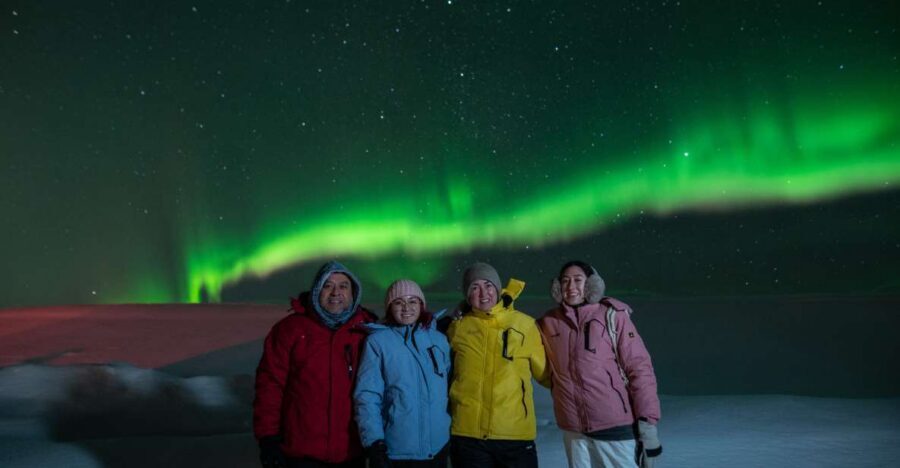
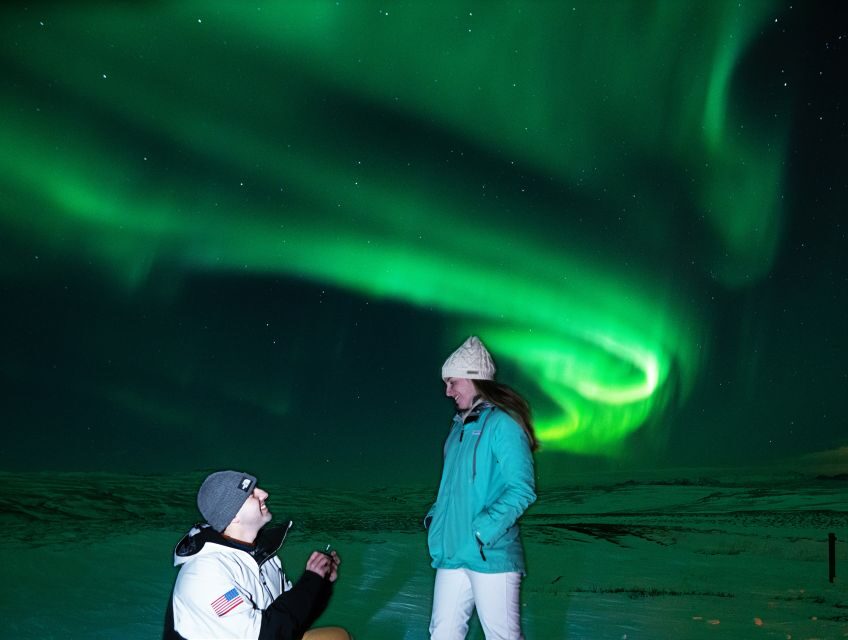
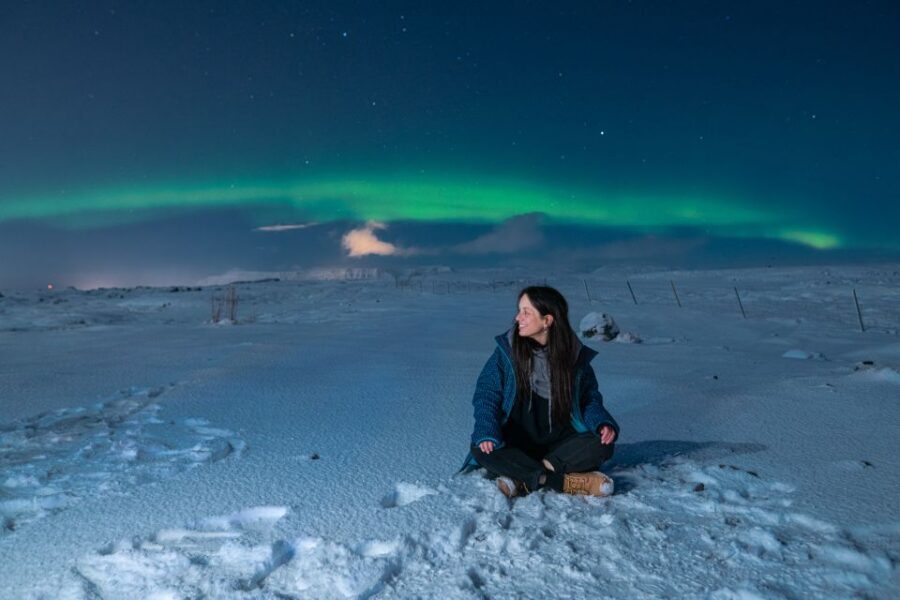
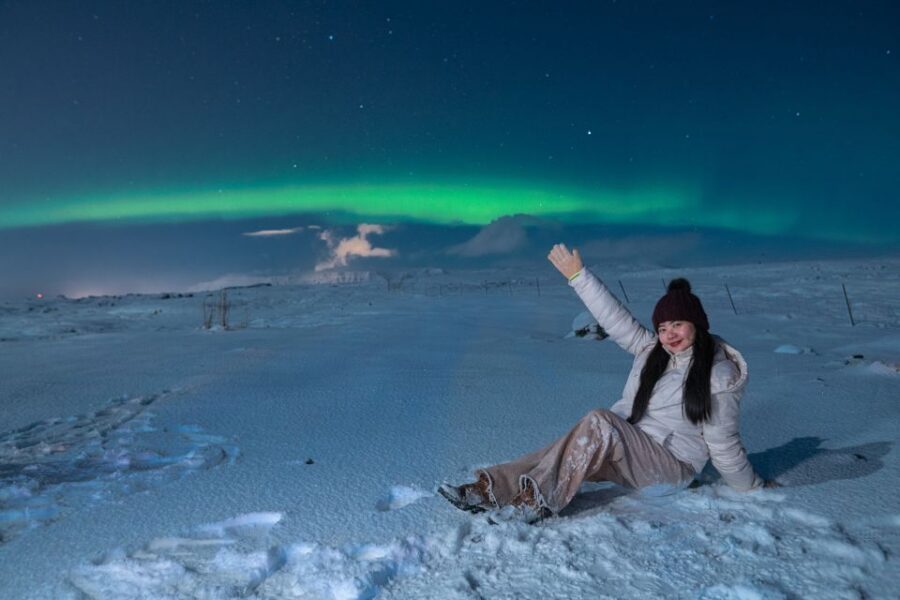
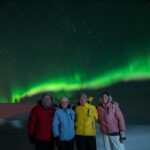
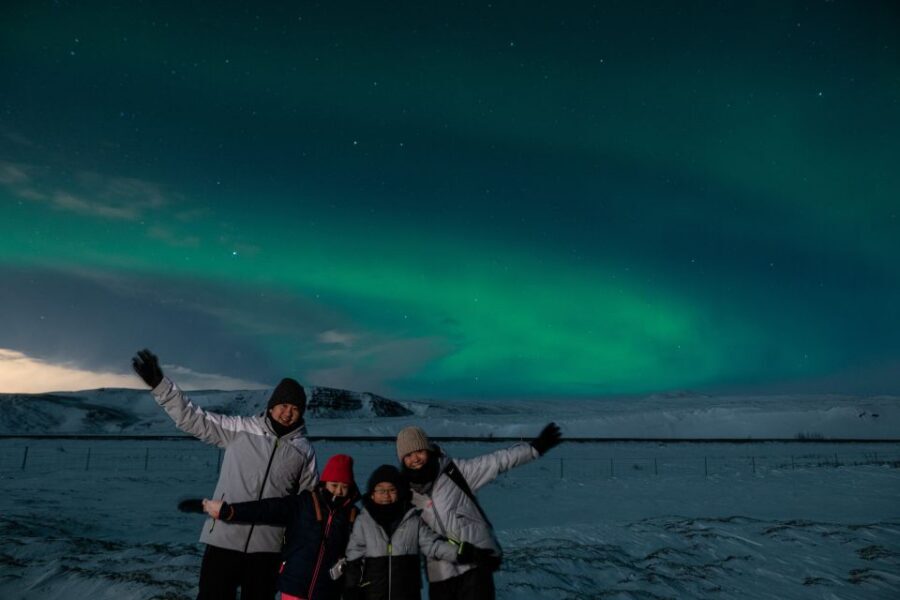
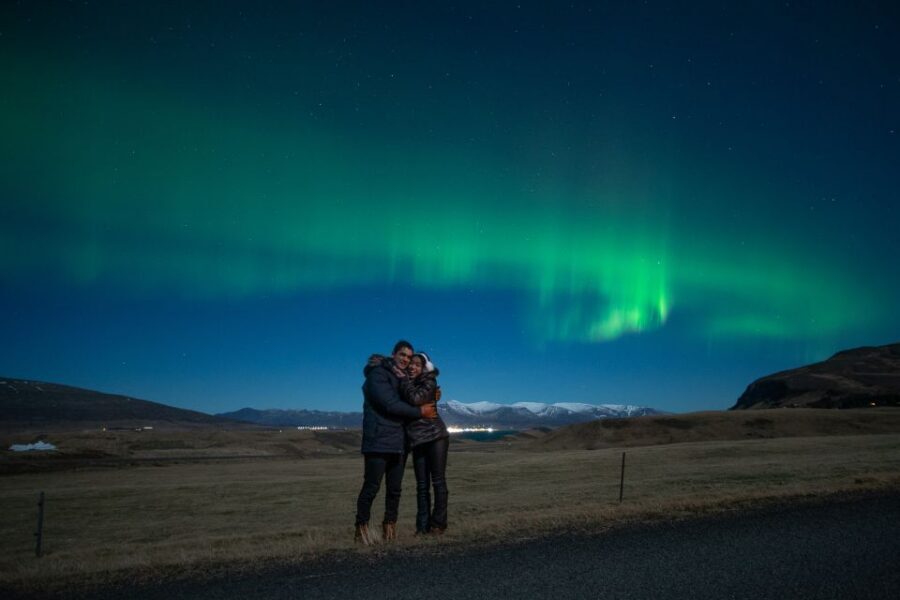
One of the standout value pieces here is that your guide handles the photos. You’re not left fumbling with your own camera at the worst possible time. As you hunt for the lights, the guide sets up their camera, and they make sure you get a turn.
You’ll also get a photo delivery guarantee in the form of free aurora photos. After the tour, photos are emailed to you using a drop box link within 7 days of the tour date. So even if you don’t get a single perfect shot on your phone, you still leave with a story.
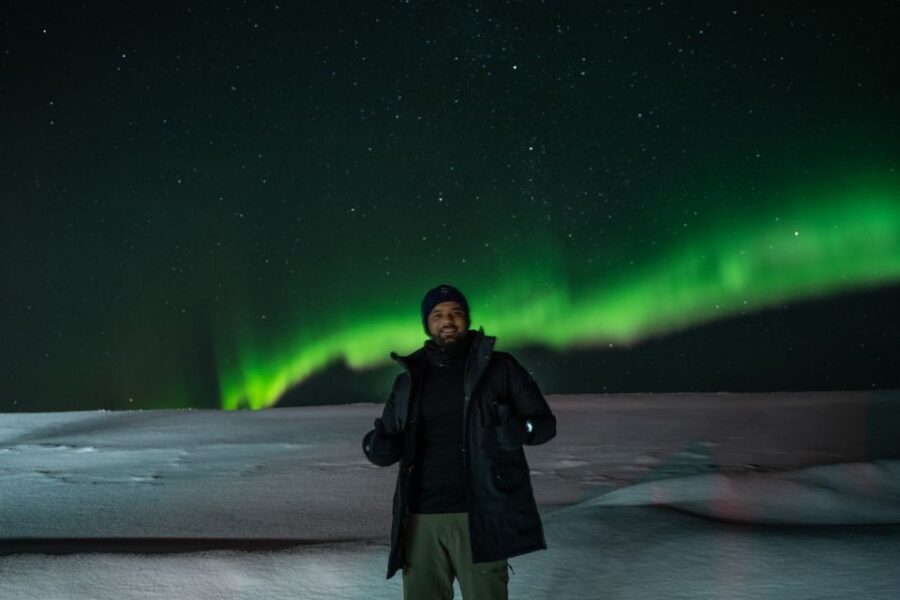
For best results, the tour recommends light-colored clothing. It helps you show up more clearly in photos taken against the dark sky. That’s a small detail, but it can make the difference between silhouettes and something that actually looks like you’re part of the aurora scene.
Also note the practical side: some guides set up photos quickly and keep moving the group through turns, but everyone’s timing is still coordinated. Bring patience with you—your best aurora moments often happen while you’re also waiting for the perfect angle and exposure.
Warm Drinks, Blankets, and the Comfort You’ll Really Use
This is one of those tours where comfort isn’t a luxury. It’s the difference between enjoying the night and turning the hunt into survival mode.
You’ll have warm blankets and hot drinks included—hot chocolate, tea, and coffee—with snacks available during the waiting portion. People consistently mention how much they appreciate this part, especially on nights when the temperature bites hard while you stand still and watch.
They also explicitly say to bring warm clothing, a hat, and gloves. Winter boots aren’t included, so if you don’t already own insulated footwear, plan ahead. It’s not glamorous, but it’s smart.
One more thing: luggage or large bags aren’t allowed. Keep your load light so you’re not juggling bulky items while you’re bundled and waiting outside.
Price: Is $95 Worth It for a 5-Hour Aurora Hunt?
At $95 per person for about 5 hours, this sits in the mid-range for northern lights tours from Reykjavik. The value comes from three areas:
First, you’re paying for transportation out of the city’s light pollution and a night built around repositioning. Second, you’re paying for a guide who actively searches rather than just dropping you at one viewpoint. Third—and this is big—your photos are included, with delivery after the tour.
If you plan to shoot aurora photos yourself, you’ll still benefit from the included blanket/food setup and the guidance about where to look and how to time your attention. If you’re not a camera person, this tour reduces stress. You can focus on watching the sky, not solving camera settings in the cold.
Group size matters for value, too. With 30–40 people at most, you get shared experience without feeling like a stadium crowd. And because guides handle photo turns, you aren’t competing for attention as much as on larger-bus setups.
You can also read our reviews of more photography tours in Reykjavik
Guides, Forecast Talk, and What You Learn During the Night
Even if aurora hunting is the headline, the explanation portion makes the experience more useful. Many guests praise guides for turning the night into a science-and-sky lesson.
In particular, Christian and other guides have been praised for sharing the reasons behind what you’re seeing—like how aurora conditions form and how light behaves across the sky. Guides have also discussed how they track and predict potential sightings, and some have referenced tools and apps they use.
You don’t need to become an aurora scientist by the end. But you may walk away with a better idea of why some nights look promising and others don’t—and how to improve your odds if you try to hunt on your own later.
It’s also worth noting that if the aurora doesn’t show on your first attempt, the tour’s weather approach and flexibility can help. Some travelers described being offered a second chance after a no-show night due to conditions.
Weather Calls and Rescheduling: The Reality Check You Should Plan For
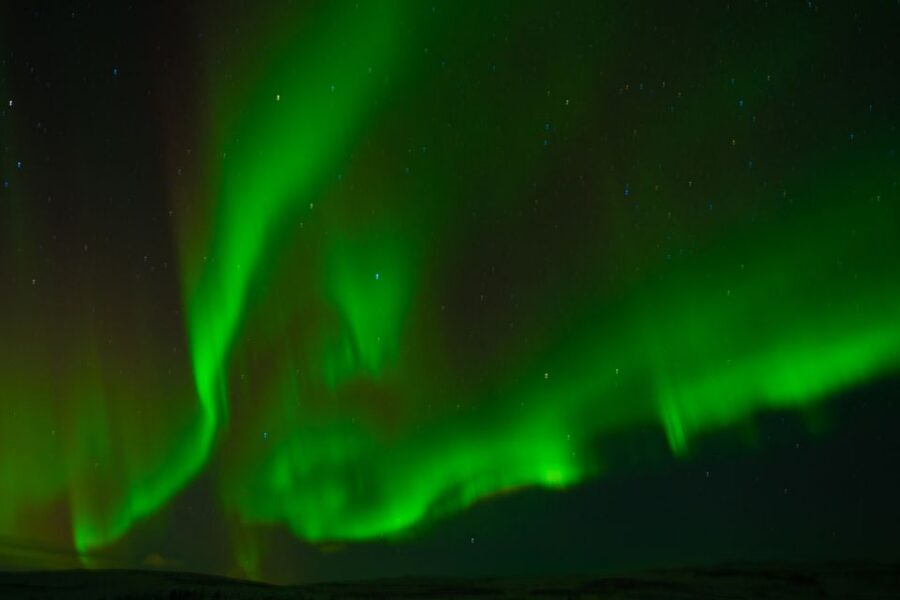
This is weather-first tourism. The tour says they assess the situation every day and decide by 5 PM whether to run. If a tour is canceled due to weather, you’ll be notified at that time. That’s why the best strategy is booking early in your Iceland stay so you have more options.
They also ask you to book on your first night of your trip. If conditions are unfavorable, there’s time to reschedule. This is one of those tips that sounds boring until you’re staring at a forecast that won’t cooperate on your final night.
The key takeaway: don’t treat it like a guaranteed show. Treat it like a guided chase, with smart repositioning, comfort support, and a plan that adapts.
Who Should Book This Tour (and Who Might Want a Different Plan)
This tour is a great fit if you:
- Want help finding aurora from Reykjavik without having to plan all the driving yourself
- Care about getting photos taken professionally, not just phone snapshots
- Appreciate comfort while waiting in the dark (blankets, hot drinks, snacks)
- Are traveling on a tight schedule and want one well-timed 5-hour experience
It’s not ideal if you:
- Have heart problems. The tour states it’s not suitable for people with heart issues.
- Hate waiting. Aurora hunts can involve patience and repositioning, and you may wait for lights to appear.
- Don’t want group photos or don’t like turning photos with a guide. This tour is built around that shared moment.
If you’re the type who wants total control and you love DIY night photography, you might still use this tour as an “odds-boost.” But the value here is that you’re not doing the hard parts alone.
Quick Packing List That Keeps Your Night Comfortable
Use this as your practical checklist:
- Warm clothing you can layer
- Hat and gloves
- Hiking shoes (winter boots aren’t included)
- Light-colored clothing if you want to look more clearly in aurora photos
- No large luggage or oversized bags
Also, plan to be outside for stretches at a time. The tour includes comfort items, but your body still feels the cold if your clothing isn’t ready.
Should You Book This Reykjavik Northern Lights Guided Tour?
Book it if you want the best blend of odds, guidance, and outcome. The biggest reasons are the drive beyond light pollution, the guide-led aurora hunting approach (with potential multiple stops), and the included aurora photos delivered after the tour. For $95, it’s paying for reduced stress and better chances, not just a nice van ride.
Skip or rethink if your schedule is fragile or you’re not okay with the uncertainty. Aurora tours are never a guaranteed performance. If you go in expecting a hunt, you’ll enjoy the whole process—the waiting, the explanations, the hot chocolate breaks, and the sudden moment when the sky finally answers back.
FAQ
How long is the tour?
The tour runs for 5 hours.
Is pickup from Reykjavik included?
Yes. Pickup is included from downtown Tour Bus Stops and select hotels within Reykjavik. They note you should allow a 45-minute window for pickup.
Do you guarantee seeing the northern lights?
No. The northern lights are described as common in Iceland but also elusive and unpredictable, so sightings can’t be promised.
What time do they decide if the tour will run?
They assess conditions and make the decision by 5 PM. If the tour is canceled due to weather, you’ll be notified at that time.
What photos are included?
Free photographs with the aurora are included. Your guide sets up their camera for group photos during the hunt, and photos are emailed via a drop box link within 7 days.
What should I bring for the night?
Bring warm clothing, a hat, gloves, and hiking shoes. Winter boots are not included.
How large are the groups?
Group size can vary by season and can be up to about 30–40 people per group.