Snæfellsnes feels like a whole country in one day. I like the small-group minibus size (up to 19) and the way the tour fits in a real farm lunch plus a stop to meet Icelandic horses. The trade-off is pacing: you have about 30 minutes at each main stop, so it’s best if you’re happy with quick photo walks and fast scenic moments.
This is also a comfort-first way to see western Iceland. Pickup is offered from Reykjavik, the drive is long enough to feel like a day trip, and the vehicle includes WiFi so you’re not fully cut off while you travel. Expect a day built around views of Snæfellsjökull, black-sand shores, cliffy coasts, and the iconic cone of Kirkjufell, with a Spanish-speaking guide telling the stories as you go.
And yes, the vibe is part science, part legend. Snæfellsjökull sits above an active stratovolcano, and it’s tied to Jules Verne’s Journey to the Center of the Earth—so your route isn’t just scenery hopping. It’s also a tour where the guide tries to time stops for weather and lighting, including practical things like making sure you can manage bathroom breaks.
In This Review
- Key things I’d bank on before you go
- Snæfellsnes from Reykjavik: the drive that sets expectations
- Snæfellsjökull and the Iceland-of-the-future feeling
- Ytri Tunga: 30 minutes of seal spotting (and how to do it right)
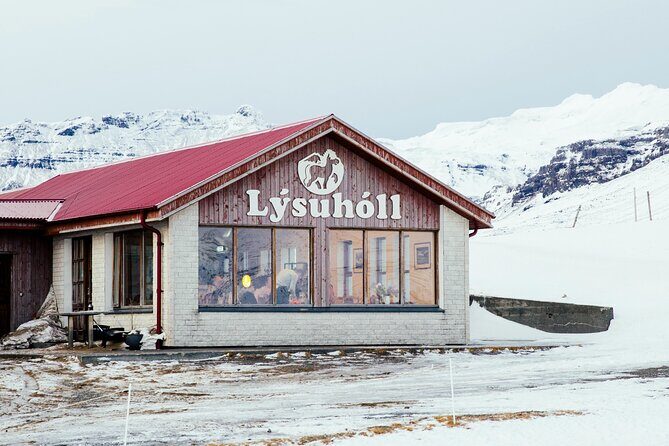
- Lýsuhóll farm lunch and meeting Icelandic horses
- Buðir’s black church in a lava field: quiet history in 30 minutes
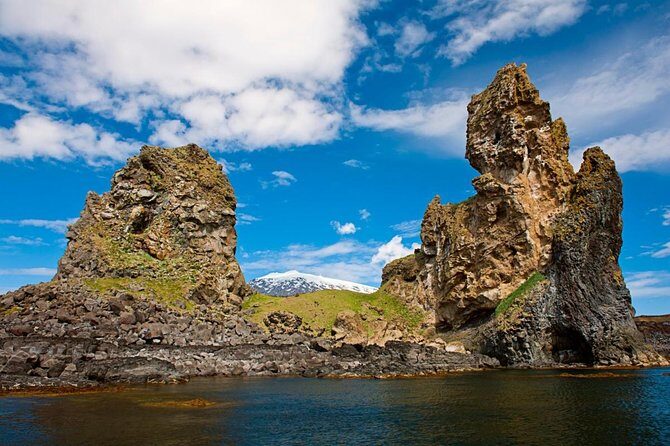
- Arnarstapi to Hellnar: basalt columns, cliffs, and seabirds
- Djúpalónssandur and the shipwreck story in black sand
- Kirkjufell: the most photographed mountain, plus sea life from shore
- Selvallafoss: a softer landing with sheep-waterfall views
- Spanish-language guiding that actually helps you enjoy the day
- Price and value: what $220.91 gets you, and why it can be worth it
- Who this tour suits best (and who should look elsewhere)
- Should you book the Snæfellsnes minibus tour in Spanish?
- FAQ
- How long is the Snæfellsnes tour?
- Does the tour include pickup from Reykjavik?
- How big is the group on the minibus?
- Is the tour offered in Spanish?
- Is WiFi provided during the trip?
- Is lunch included, and where do you eat?
- What stops are included along the peninsula?
- What happens if the weather is poor?
Key things I’d bank on before you go
- Up to 19 people: enough group energy, without the cramped feeling
- Spanish guide plus story-led stops: glacier, lava fields, and sagas explained as you drive
- Farm lunch stop at Lýsuhóll, with a chance to see the stables and Icelandic horses
- Wildlife spotting with timing in mind, especially seals at Ytri Tunga and sea views near Kirkjufell
- A true coast-and-cliffs walk from Arnarstapi to Hellnar, aimed at basalt formations and seabirds
- Free entry at the listed stops, so you’re not surprised by add-on fees at each photo stop
Snæfellsnes from Reykjavik: the drive that sets expectations
The day starts with pickup in Reykjavik and a northwesterly drive toward the Snæfellsnes Peninsula. This is a long-ish haul, and that’s exactly why a minibus works well here: you get the big scenery without having to rent a car and stress about roads.
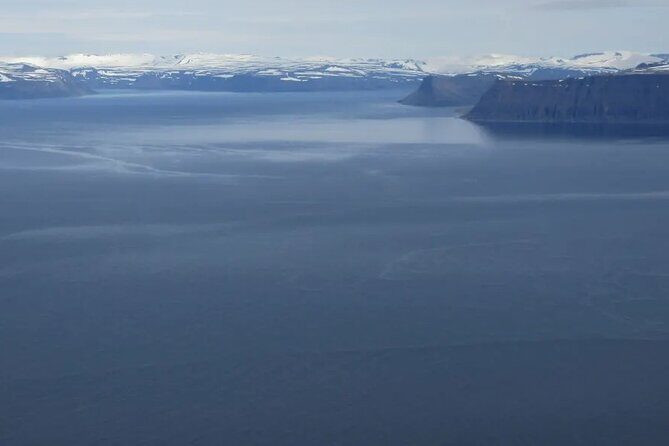
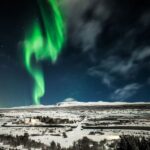
As you head out, you’ll start seeing the peninsula’s signature mix—lava textures, small fishing villages, and waterfall-and-coast scenery that looks almost lunar in places. Snæfellsjökull itself sits above an active stratovolcano, topped with snow you can sometimes spot from Reykjavik Bay when conditions line up. It’s the kind of landmark that gives the whole route a theme: science-meets-myth, with the guide connecting it to Journey to the Center of the Earth and local beliefs.
One practical note: bring layers. Even in good seasons, wind by the coast can make short stops feel colder than you expect. Also, charge your phone before you board, because you’ll likely want navigation, photos, and that onboard WiFi on standby.
You can also read our reviews of more tours and experiences in Reykjavik
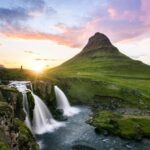
Snæfellsjökull and the Iceland-of-the-future feeling
This tour gives you an early anchor point: Snæfellsjökull and the volcanic terrain around it. The glacier is described as sitting atop the stratovolcano, and the snow cover is the visual cue that ties the day together—mountain, glacier, story.
You’ll also pass plenty of “how is this real?” views on the way. Expect rocky coasts and scattered water features, plus stretches that feel like someone took a planet and zoomed in. If you like your travel days to have a narrative, this one helps. It doesn’t just say, look at this; it also explains what you’re seeing and why it matters culturally.
If the weather is poor, don’t panic. You can still enjoy the route even when the views are muted, and guides often adjust timing for better light when they can. But if you’re dreaming of maximum-glacier drama, keep expectations flexible and be ready to work with whatever the sky offers.
Ytri Tunga: 30 minutes of seal spotting (and how to do it right)
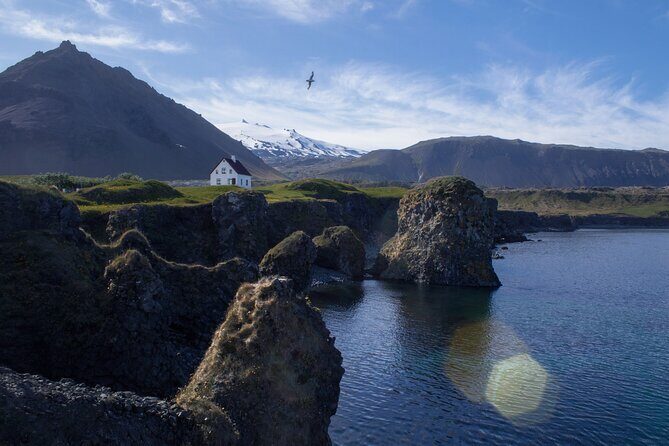
First stop is Ytri Tunga Beach, a place known for a seal colony for much of the year—especially in summer. The stop is short (about 30 minutes), so you’ll want to treat it like a timed mission: arrive, scan quickly, and give yourself a few minutes to watch behavior rather than only hunting for photos.
A good approach is to pick one vantage point and stay patient. Seals tend to pop in and out of view around shorelines, and rushing from spot to spot often makes the experience feel chaotic. If it’s windy, tuck into a sheltered angle while keeping your sightline to the water.
There’s no paid admission at this stop, which helps. The real value here is that wildlife is the “wow” factor, and the tour builds it early enough that you’re not too tired to pay attention.
Lýsuhóll farm lunch and meeting Icelandic horses
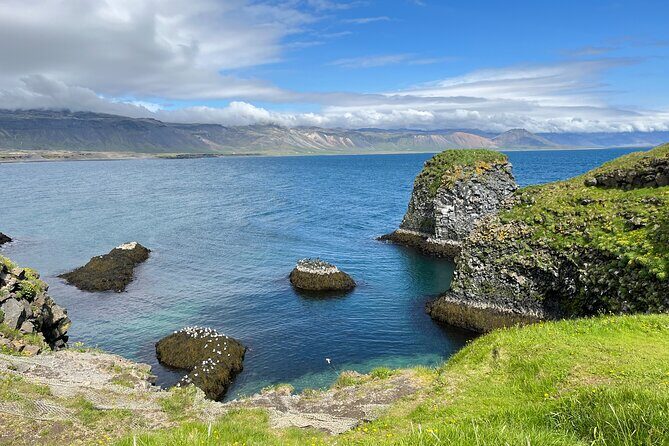
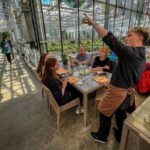
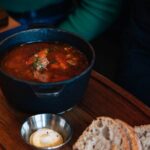
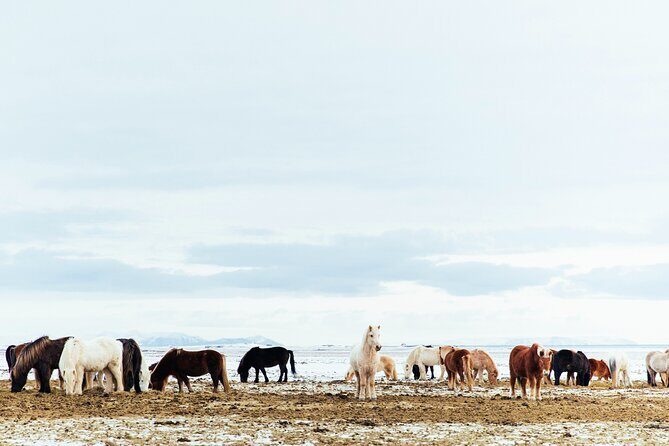
Then you head to Lýsuhóll farm, where the tour includes tasting a tasty homemade meal and visiting the stables to meet the Icelandic horses. This is the stop I’d defend as the heart of the day, because it turns the peninsula from scenery into something you can taste and touch.
You’ll only have about 30 minutes here, so it helps to know what you want before you sit down. If you like local food, use the meal as your reset point—fuel up before the cliff walk. If you’re more animal-focused, prioritize the stables right away so you don’t lose time deciding what to do.
Icelandic horses are hardy and compact, and the stables visit is a nice change of pace from wind and coast. Also, a homemade farm meal tends to feel far more “I’m in Iceland” than a roadside snack ever will.
One caution: dress for cold and wet. Even if the day is bright, farm areas can be chilly, and horses don’t always care if you’re hungry or ready for photos.
Buðir’s black church in a lava field: quiet history in 30 minutes
Next up is Budakirkja, the black church of Buðir. This is one of those places that looks odd in the best way—painted with tar to protect the wood from Iceland’s harsh weather. It’s also in a lava field (Búðahraun), with a natural harbor that made the area important commercially during the Danish monopoly in the 17th and 18th centuries.
The stop is about 30 minutes, and that matters. You won’t have hours to wander, so focus on two things: the church itself and the setting. The lava terrain helps you understand why settlements clustered here, and the harbor context adds meaning beyond the photo.
It’s also declared a national monument, which is a polite way of saying: treat it like a real heritage stop, not a quick selfie point. Walk slowly, read what you can, and enjoy how stark the surroundings feel.
You can also read our reviews of more tours and experiences in Reykjavik
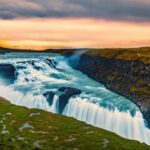
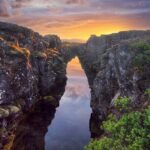
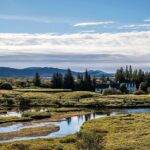
Arnarstapi to Hellnar: basalt columns, cliffs, and seabirds
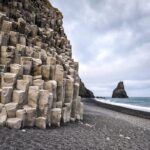
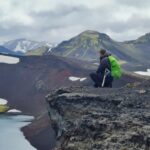
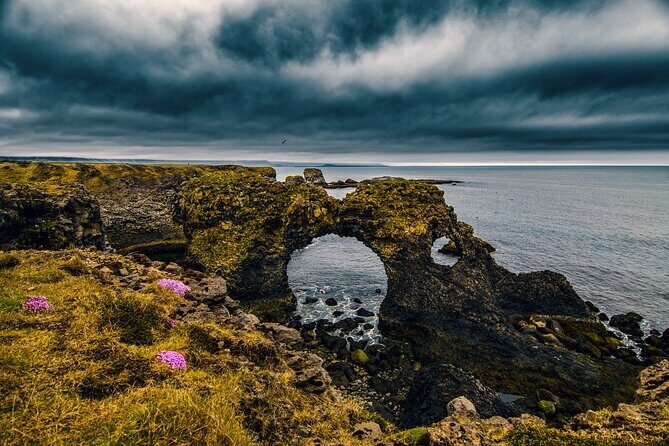
This is the tour’s big walking portion: the Arnarstapi–Hellnar hike along the coast. The route is described as a walk where you can see rock formations like basalt columns, arches, grottoes, and canyons. It’s also a bird stop. You’ll have the opportunity to see seabirds, especially Arctic terns.
The listing calls the hike time about 30 minutes, which means it’s more of a scenic walk than a hike that turns into a workout. Still, coastal trails can be uneven and slick. Wear shoes with solid grip, and don’t rely on the Icelandic weather to be calm.
Here’s what I love about this section: it’s geology you can actually look at. Basalt columns and sea-carved arches are hard to imagine until you’re standing near them. The cliff edges also give you that sense of ocean scale, and the guide’s storytelling makes it easier to remember what you saw.
At the end, you’ll reach the statue of Bardur, half troll and half man, tied to sagas about the place being chosen as a home. It’s a fun cultural beat at the finish line, and it helps keep this coastal section from becoming purely visual.
Djúpalónssandur and the shipwreck story in black sand
After the cliff walk, you’ll stop at Djúpalónssandur Beach, another of the peninsula’s black-sand highlights. This place is known for the remains of a shipwreck from 1948 and for four smooth stones at the entrance, used to measure sailors’ strength and determine wages.
Even with only about 30 minutes, this stop works because it has both mystery and detail. The black sand makes colors look dramatic, and the stone markers give you something to interpret. You’re not just looking at a beach; you’re seeing a human story tied to survival and work on these coasts.
A practical point: black sand can cling to shoes and socks, and your gear will collect it fast. If you’re sensitive about that, bring a small bag for afterward, or at least expect a little mess.
Kirkjufell: the most photographed mountain, plus sea life from shore
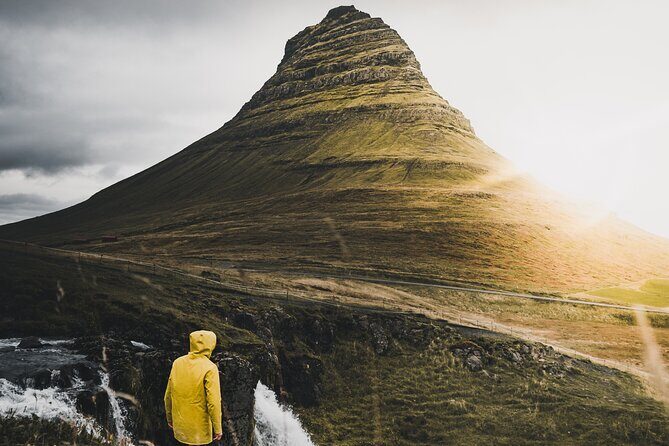
Next comes Kirkjufell, often described as one of the most picturesque and photographed mountains in Iceland. The stop also connects the mountain to pop culture: it was chosen as Arrowhead in Game of Thrones.
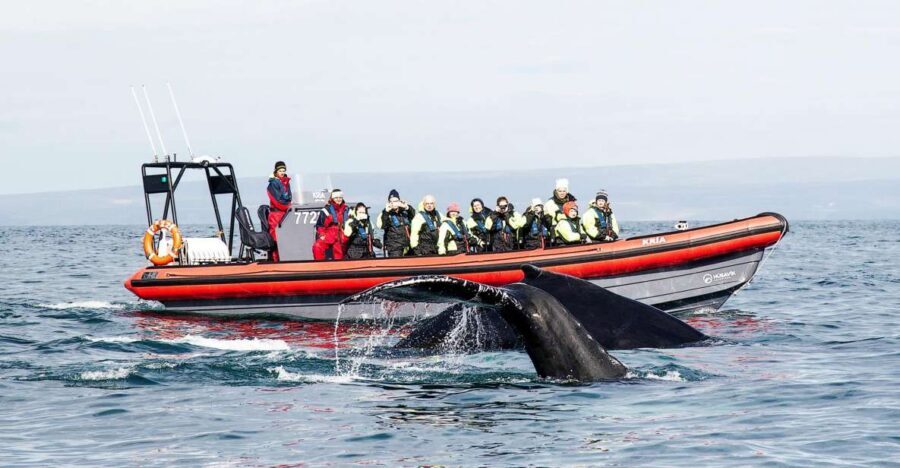
But here’s the real value: it’s not only the mountain. The area around it includes streams and small waterfalls, and it’s also a spot where you can spot orcas and seals from the shore. The tour route passes near two fishing villages—Grunðarfjorður and Ólafsvík—which are known for frequent visits from those animals.
Because your time here is about 30 minutes, you need to balance photo time and scanning time. A good rule: spend a few minutes framing the mountain, then shift your attention outward to the sea. Orcas aren’t guaranteed, but this stretch is described as among the best in the country to spot them from shore, so you’re in the right place.
If the wind is strong, keep your coat on and don’t linger with your hands out. You’ll want your fingers working for photos and not freezing.
Selvallafoss: a softer landing with sheep-waterfall views
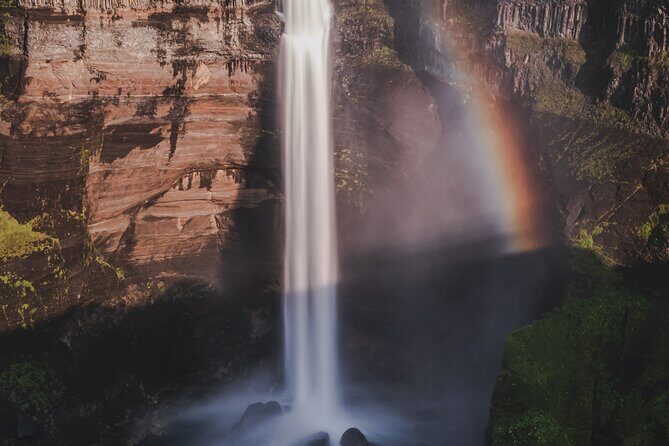
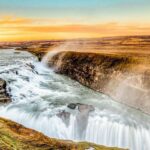
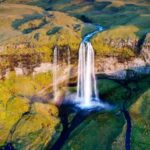
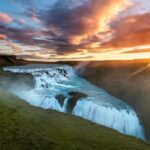
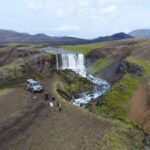
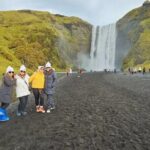
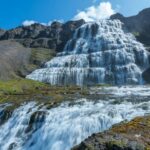
To wrap the day, you’ll visit Selvallafoss, known as Sheep Waterfall. The name comes from the idea that sheep often shelter there, and the stop includes views over Selvallavatn lake and the lava field on the other side.
This is a good closing stop because it feels less crowded with “major attraction pressure.” You still get dramatic Iceland scenery, but the vibe is more about watching and breathing for a moment. You get local legends and folk stories tied to the area, which helps the day end with context rather than just a last photo.
The tour lists remaining time equals travel time, but the key idea is that this final segment is where you can slow down slightly. If you’re tired from quick photo stops, this one is a chance to do fewer things and enjoy more.
Spanish-language guiding that actually helps you enjoy the day
A lot of Iceland tours promise stories. What’s different here is the way guides are described as active problem-solvers during the day. In particular, you’ll hear about guides tailoring stop times to weather and lighting, plus building in practical bathroom breaks.
You also get onboard support beyond narration. The vehicle includes WiFi, which is handy if you’re checking weather, translating place names, or managing tickets and messages. The tour uses a mobile ticket, so you don’t need to track paper.
Spanish language matters too, because it changes how much you catch. If you can follow the guide’s explanations at full speed, you’ll understand the why behind each stop: tar on wood, why a harbor mattered, what basalt means, and how local sagas attach to a specific shoreline.
And yes, music and humor show up in the tour style. That’s not just entertainment; it keeps a long day from feeling like a bus ride with stops.
Price and value: what $220.91 gets you, and why it can be worth it
At $220.91 per person, this isn’t a cheap add-on. But you’re buying a lot of structure: a full day (about 12 hours), pickup from Reykjavik, a minibus that fits up to 19 people, and a schedule that hits multiple major sites in Snæfellsnes.
The value improves in a few ways:
- Many stops have free admission listed, so you’re not stacking extra costs at each location.
- Lunch is built into the farm stop at Lýsuhóll, which turns the day into more than just photo stops.
- The guide does the hard part: timing, route flow, and connecting the geology and stories so you don’t feel lost at each viewpoint.
- The vehicle is set up for comfort, including WiFi, which helps on a long day.
Where you might question value is if you prefer slow travel. If you want long hikes, hours in museums, or lots of empty time for wandering, this schedule may feel intense. But if you want a strong overview of western Snæfellsnes in one day with guidance and included food, the pricing starts to make sense.
One more reality check: this experience requires good weather. If weather cancels or changes the day, it should come with a different date or a full refund, so read the conditions before you commit.
Who this tour suits best (and who should look elsewhere)
This tour fits best if you want:
- A one-day overview of Snæfellsnes’s glacier-to-coast range
- Spanish-language storytelling without having to translate everything yourself
- A guide-led pace where key stops are handled for you
- A comfortable minibus day rather than car rental stress
You might choose a different option if you:
- Want longer walks and more time per stop
- Are extremely weather-dependent and can’t handle cloudy days
- Have mobility needs that make repeated short coastal walks difficult (the itinerary is mostly short segments, but they’re still outside and can be uneven)
Should you book the Snæfellsnes minibus tour in Spanish?
I think you should book if you’re the kind of traveler who likes your day trips planned but not rigid. The tour gives you a balanced mix of glacier-adjacent drama, seals and black-sand history, a real cliff walk, and a farm lunch that keeps it human.
It’s also a smart choice for first-timers in Iceland. Instead of renting a car and guessing which roads to prioritize, you get a route that hits the peninsula’s greatest hits in about 12 hours, with a guide who’s focused on making the day work—weather, lighting, and even those small practical moments that make a difference.
If you’re debating, pick the version that matches your style: this one is best for people who want a guided overview, not hours-long exploration. For most visitors, it’s an efficient, memorable day that feels like you crossed worlds without crossing too many logistics.
FAQ
How long is the Snæfellsnes tour?
It runs for about 12 hours.
Does the tour include pickup from Reykjavik?
Pickup is offered.
How big is the group on the minibus?
The maximum is 19 travelers.
Is the tour offered in Spanish?
The experience is described as Snæfellsnes in Spanish.
Is WiFi provided during the trip?
Yes, WiFi is available on the minibus.
Is lunch included, and where do you eat?
You taste a homemade meal at the Lýsuhóll farm.
What stops are included along the peninsula?
You’ll visit Ytri Tunga Beach, Lýsuhóll farm (horses and meal), Budakirkja (black church), the Arnarstapi–Hellnar coastal walk, Djúpalónssandur Beach, Kirkjufell, and Selvallafoss.
What happens if the weather is poor?
This experience requires good weather. If it’s canceled due to poor weather, you’ll be offered a different date or a full refund.