Seeing whales and Iceland’s icons in one go.
This full-day combo tour stitches together Faxafloa Bay whale watching and the Golden Circle’s biggest hits, starting with a 3-hour cruise from Reykjavík Old Harbour and then switching to coach time for Thingvellir, Geysir, and Gullfoss. It’s interesting because the “sea” half leans on nature’s timing (food, predators, sightings), while the “land” half leans on famous geology that you can watch play out right on schedule.
I like the clear focus: you get a real wildlife outing first, with the bay’s plankton-and-krill buffet drawing predators close. I also like the effort to make it practical: warm coveralls are included for the boat, and your tour guide keeps the day moving so you’re not stuck guessing what to do next. One drawback to keep in mind is that you’re on a tight 10-hour loop, so each Golden Circle stop is scenic-and-done, not linger-and-explore.
In This Review
- Key Highlights You’ll Feel Today
- Faxafloa Bay Whale Watching: More Than a Boat Ride
- What the Boat Part Feels Like
- Warm Coveralls and Sea Conditions: Your Comfort Checklist
- The Switch From Sea to Road: Reykjavík to the Golden Circle
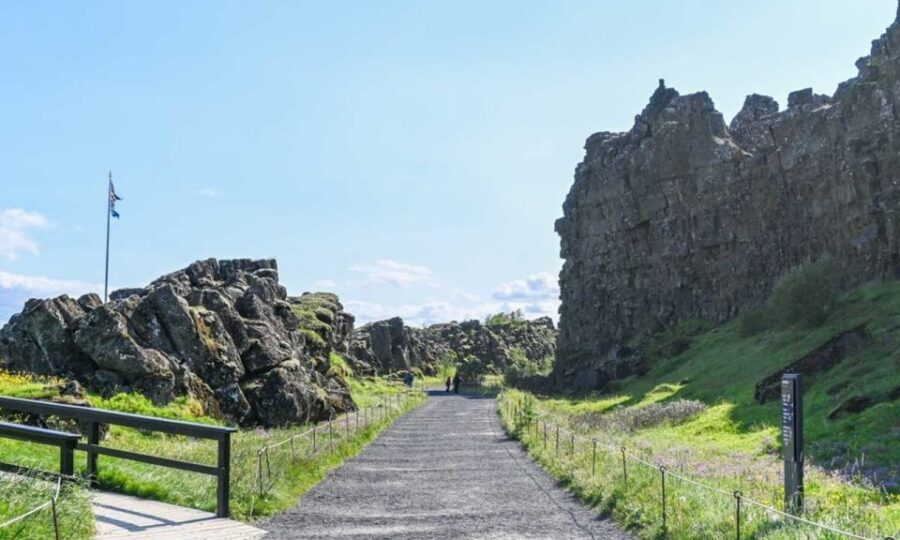
- Thingvellir National Park: Continents You Can Walk Near
- Geysir: Multiple Eruptions in One Stop
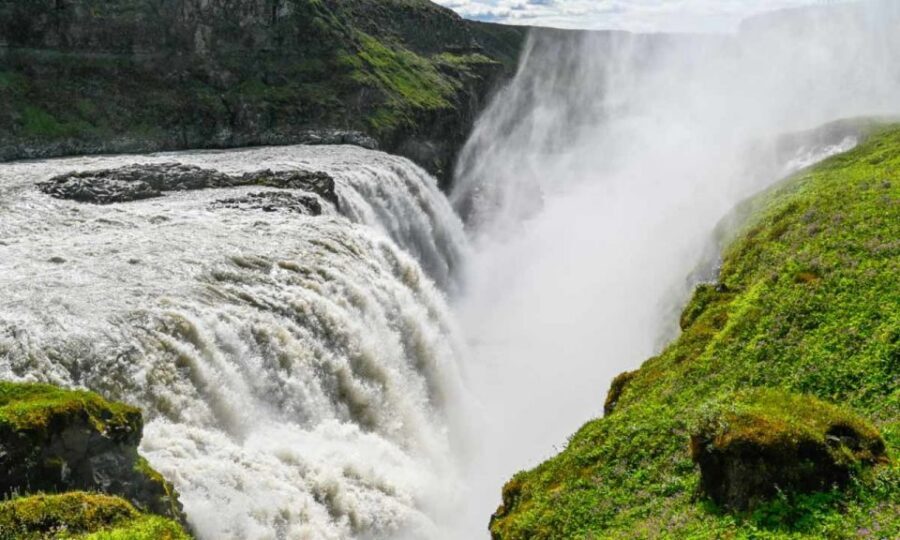
- Gullfoss: Glacial Waterfall Power You Can’t Fake
- Time, Pace, and What a 10-Hour Day Really Means
- Price and Value: Is $222 Worth It?
- Who This One-Day Whale + Golden Circle Tour Fits Best
- Should You Book This Tour?
- FAQ
- FAQ
- How long is the From Reykjavik: Full Day Whale Watching & Golden Circle Tour?
- Where does the tour start?
- How long is the whale watching part?
- Where do you go whale watching from?
- Are warm clothes provided for the boat?
- What stops are included in the Golden Circle?
- How often does Geysir erupt during the stop?
- Will I see whales?
- Is the tour guide available in English?
- How much does it cost and what’s the cancellation window?
Key Highlights You’ll Feel Today
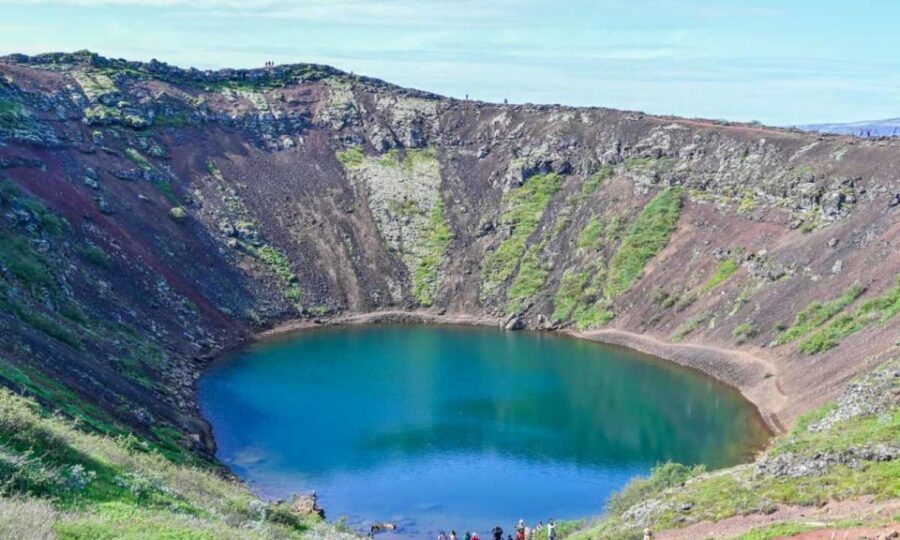
- 97% whale sighting success rate for the cruise, plus a free return boat option if you miss out
- Warm coveralls included, so you’re not bargaining with Iceland’s chill on the water
- Thingvellir National Park where you can see the continental rift in the same day as whales
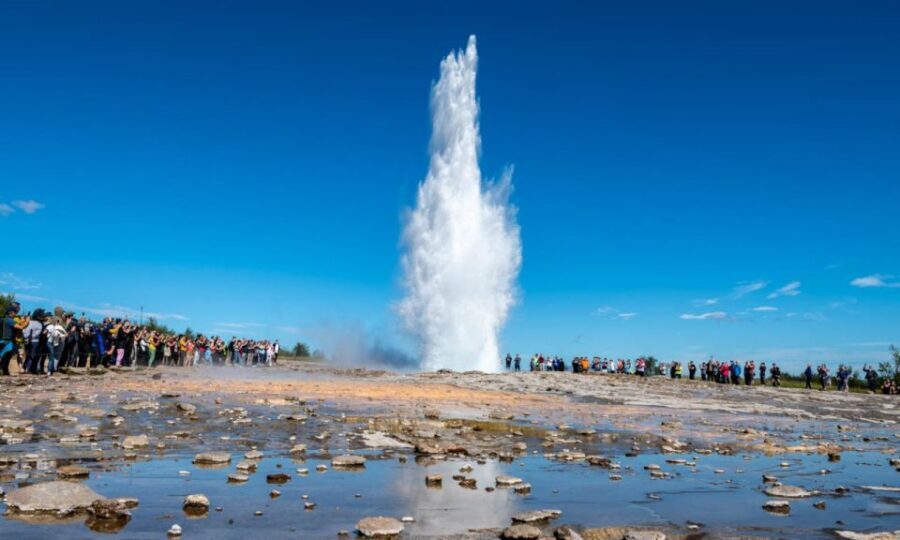
- Geysir’s eruptions every 5–10 minutes, giving you multiple chances to watch (and photograph) the action
- Gullfoss’s glacial-fed power, one of Iceland’s most forceful waterfall experiences
Faxafloa Bay Whale Watching: More Than a Boat Ride
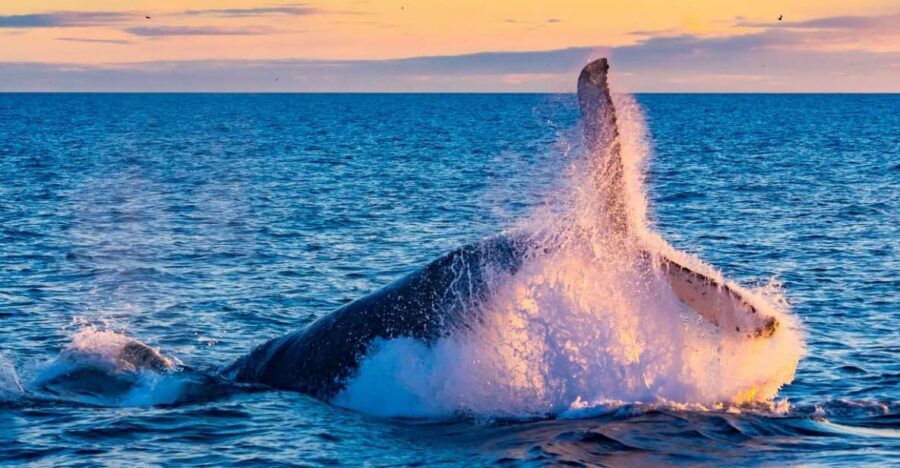
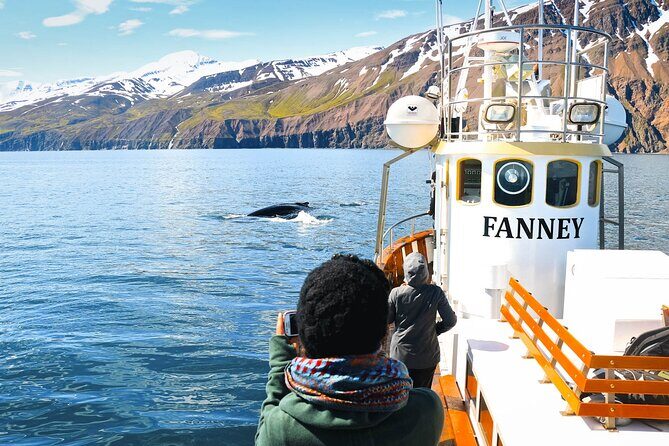
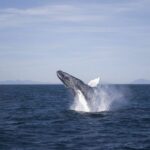
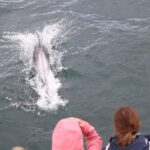
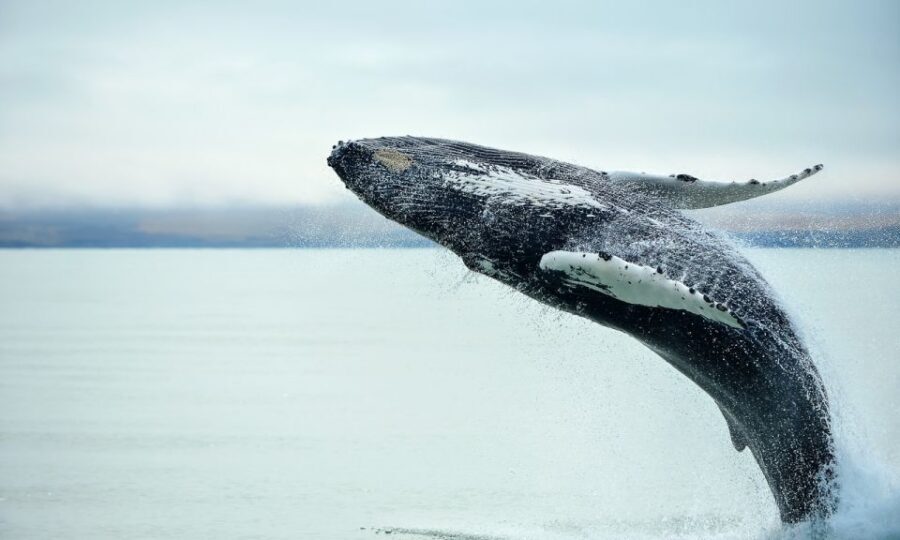
The whale watching part is the whole reason to pick this tour. You’re not just cruising around looking for luck—you’re going to an area known as feeding grounds. Reykjavík bay is rich in plankton and krill, and predators follow that food chain. When conditions line up, you get a better-than-random shot at seeing whales, dolphins, seals, and other marine life.
The tour is built around a 3-hour whale watching cruise out of Reykjavík Old Harbour. That’s long enough to let the boat find activity, not just take a quick spin and head back. And it matters that the operator targets a high success rate: they list a 97% chance of whale sightings. That’s one of the strongest numbers here because it directly affects your chance of walking away with the “I can’t believe we saw that” moment.
If luck isn’t on your side, you’re not just stuck with a story about rough waters. The tour includes a chance to join the boat again on another day for free. That reduces the stress you’d normally feel with wildlife tours, because there’s a built-in safety net.
You can also read our reviews of more whale watching tours in Reykjavik


What the Boat Part Feels Like
Expect a typical wildlife-spotting rhythm: head out, scan, pause, re-scan, then (hopefully) the moment you see spouts and movement. You’ll likely spend plenty of time at the waterline watching for signs instead of staring at a screen or following a script. It’s active. It’s also weather-dependent, like all sea-based tours in Iceland.
Since warm coveralls are included, you can focus on watching instead of counting layers and hoping they’re enough. That small detail can make or break your comfort, especially if you’re the kind of person who runs cold.
Warm Coveralls and Sea Conditions: Your Comfort Checklist
Iceland can change its mind fast, and the bay can feel colder than you expect—especially on open water. The included warm coveralls are there for a reason: they give you a fighting chance to enjoy the cruise instead of constantly pulling your jacket tighter and shuffling for warmth.
Here’s how to think about it:
- Dress in layers you can move in, not just bulk.
- Bring something warm for your hands and head if you have it, since coveralls help but they don’t replace comfort.
- Keep your expectations flexible. Marine viewing works best when you’re prepared to adjust to wind and waves.
Also, don’t underestimate the value of going early and getting it done. A day like this is a schedule marathon. If you’re not comfortable on the boat, the rest of the Golden Circle will feel like chores instead of highlights.
And yes—denying the sea is pointless. If you’re prone to seasickness, plan for it. The data you’re given doesn’t spell out medication options or onboard facilities, so treat this as a “come prepared” situation.
The Switch From Sea to Road: Reykjavík to the Golden Circle
After the whale cruise returns to dock, you don’t waste time. You walk a short distance to a pickup point labeled Tour Bus Stop #4 – Miðbakki. Then the coach takes over for the Golden Circle.
This is one of the smarter parts of the day design. Instead of scrambling for a transfer or trying to navigate the city in between, the tour keeps the handoff simple: boat ends, pickup begins, and you roll right into the next set of natural wonders.
The coach segments also give your body a break. You’ll be out of the elements for a while, which matters because you’ll be switching between cold wind on the water and outdoor walking and viewing on land.
There’s also a 40-minute coach transfer before the first major stop on the Golden Circle. That’s enough time for you to check your map, charge your phone, and decide which photos you want more of: “wide view” shots or “stand-close-to-the-geology” shots.
Thingvellir National Park: Continents You Can Walk Near
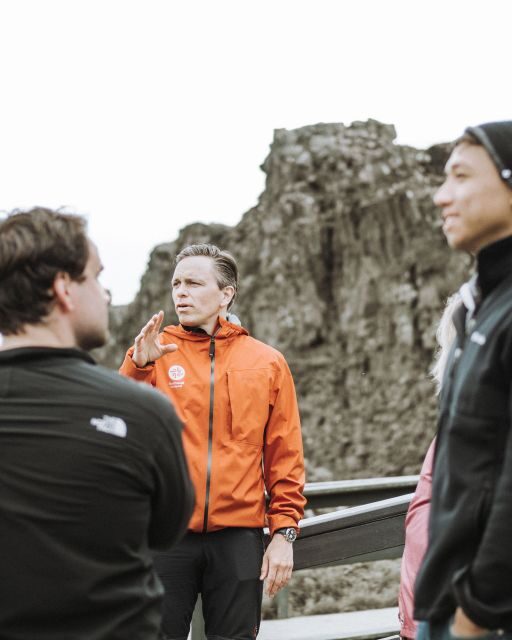
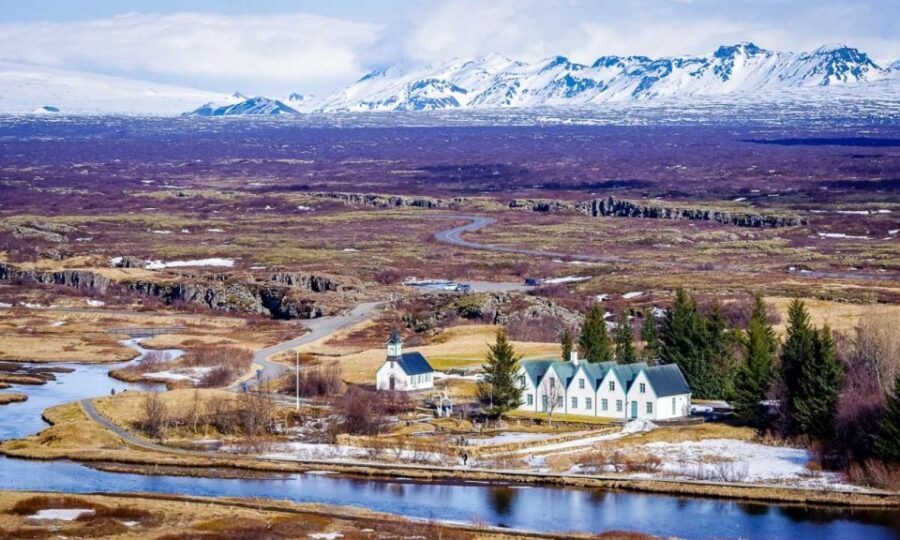
Then comes Thingvellir, Iceland’s UNESCO World Heritage-listed national park, where the action is literally in the ground beneath your feet. This is where the continents collide, and the landscape shows the rift between tectonic plates.
The stop is listed as 45 minutes, with time for sightseeing and a walk. That doesn’t sound long until you remember this is a highlights tour. The goal isn’t to “study geology for a day.” The goal is to give you enough time to see what people come for and still have the stamina for the rest of the drive.
Here’s what I’d focus on during your time there:
- Look for the exposed views that make the rift feel real, not just theoretical.
- Take a few slow minutes. Thingvellir rewards standing still. Wind and crowds can make you rush, but the best impressions tend to come when you pause.
- Use the walk time to stretch your legs after the boat.
Possible drawback: since the stop is short, you’ll want to be ready to move fairly quickly. If you’re the type who hates rushing, you may feel that time pressure here and later at Geysir and Gullfoss.
You can also read our reviews of more tours and experiences in Reykjavik


Geysir: Multiple Eruptions in One Stop
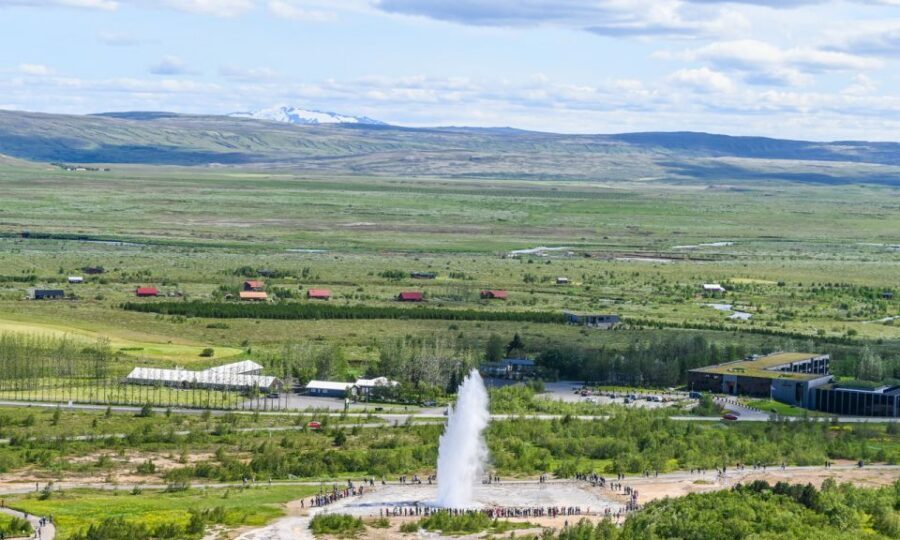
Next up is Geysir, where the main event is eruption timing—and you get a gift here: Geysir erupts every 5–10 minutes. That’s a big deal for visitors because it changes your viewing from “watch once and hope” to “watch repeatedly while you’re there.”
Your stop is about 40 minutes, which means you can catch more than one show even if the timing is slightly awkward. It also helps you plan your photos and video: you can shoot a wide view one minute, then step closer (if the viewing area allows it) for the next eruption.
The important part is how this stop feels compared with the whale cruise. Whales are nature’s surprise. Geysir is nature’s schedule. You trade randomness for rhythm.
One practical note: eruptions can mean steam and slick surfaces nearby. The tour gives you sightseeing and walking time, but you should still move carefully and stay aware of where you’re stepping.
Gullfoss: Glacial Waterfall Power You Can’t Fake
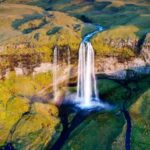
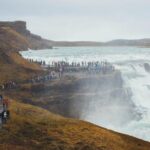
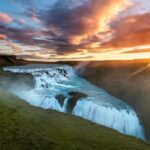
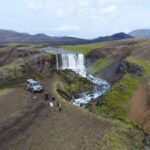
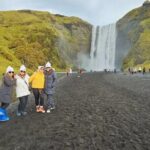
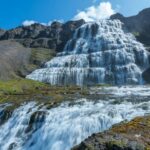
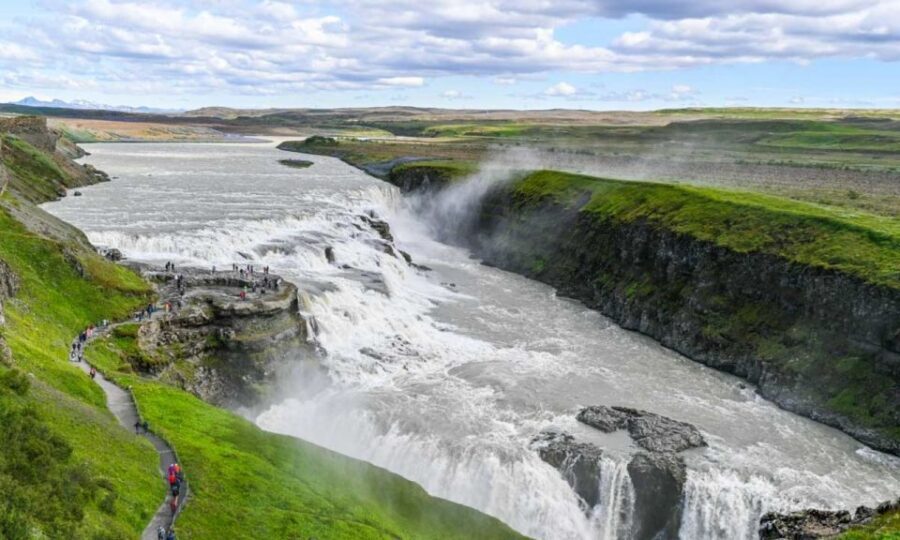
Finally, you reach Gullfoss, described as an immensely powerful waterfall fed by glacial rivers. This is where your day turns from “geology and wildlife” into “force of nature.”
Your stop is around 45 minutes, with sightseeing and walking time. Gullfoss is the kind of place where you instinctively keep checking your surroundings, because the power is so immediate. You’ll feel it visually even from a distance, and up close it becomes more physical—wind, spray, and that loud, constant roar.
Why this stop is valuable in a one-day tour:
- It gives you a big, emotional payoff after the more “watch and wait” whale portion.
- It’s a classic Iceland signature sight, so even first-timers tend to recognize the moment when they see it.
- The glacial-fed detail matters. It explains why the waterfall looks and behaves the way it does.
Possible drawback: the day is long, and by the time you reach Gullfoss, you may be a little tired. If you want your best photos, aim to arrive ready to move and shoot quickly. Spend your first minutes orienting yourself, then commit to the spot you like most for the next stretch.
Time, Pace, and What a 10-Hour Day Really Means
This tour lasts about 10 hours. That’s a proper full day, not a quick taste. The upside is you cover a lot of Iceland’s best-known nature in one go. The downside is you’re not building in long, flexible detours.
Here’s the pace in plain terms:
- Whale watching cruise is roughly a 3-hour block.
- You’ll have a coach transfer of about 40 minutes to reach Thingvellir.
- Each Golden Circle stop is around 40–45 minutes, with walking and short sightseeing.
- You’ll ride a coach segment of about 1 hour later, then return to the starting area.
So, who will love this?
People who want highlights with structure and don’t want to wrestle with driving, timing, or connections. It’s ideal if you only have limited time and you want to leave Iceland feeling like you hit the big natural notes.
Who might find it stressful?
If you crave slow travel, deep hikes, or lots of unscheduled time, this schedule could feel tight. Think “great hits, limited lingering.”
Price and Value: Is $222 Worth It?
At $222 per person for a 10-hour day, you’re paying for two expensive-in-structure experiences: a guided coach tour and a guided whale watching cruise, plus warm coveralls for the boat.
Is it expensive? Yes. But whale watching in Iceland isn’t casual. A guided boat outing depends on fuel, crew, and finding wildlife in real conditions. Combine that with the Golden Circle logistics—transport between multiple sites, and a live English guide—and the total starts to make sense.
Where the value shows up most:
- You’re not coordinating multiple bookings yourself.
- You’re getting a structured sequence that reduces downtime.
- You’re given a high whale sighting success rate, plus a free return option if you don’t see whales the first time.
My practical take: if whales are high on your priority list and you have only one day to spare, this price can feel fair because it packs two major experiences into one ticket.
If whales are not that important to you, or you already feel confident about renting a car and moving at your own pace, then you might compare costs for separate Golden Circle transport versus this bundle.
Who This One-Day Whale + Golden Circle Tour Fits Best
This tour fits best if you:
- Have limited time in Reykjavík and want the most famous Iceland natural highlights in one day.
- Want an organized whale watching experience with a guide and provided warm gear.
- Prefer a schedule that covers Thingvellir, Geysir, and Gullfoss without planning each leg.
It also helps if you’re traveling in a group where different people want different styles of nature: whales and marine life on one side, iconic waterfalls and geothermal drama on the other.
Should You Book This Tour?
If you want the most “bang” from a single day, I’d book it. The combo works because it balances surprise and certainty: the whale cruise leans on the bay’s feeding grounds and a 97% odds number, while Geysir gives you repeated eruption chances thanks to the 5–10 minute rhythm. Then Gullfoss delivers a powerful finale.
Before you commit, ask yourself one question: are you okay with a packed day and short time at each stop? If yes, this is a strong choice. If you’d rather linger, then consider saving time for fewer places.
FAQ
FAQ
How long is the From Reykjavik: Full Day Whale Watching & Golden Circle Tour?
The tour duration is 10 hours.
Where does the tour start?
Pickup is arranged from various locations in Reykjavík, and the starting location is listed as Special Tours.
How long is the whale watching part?
The whale watching cruise lasts about 3 hours.
Where do you go whale watching from?
The cruise departs from Reykjavík Old Harbour.
Are warm clothes provided for the boat?
Yes. Warm coveralls for the whale watching boat tour are included.
What stops are included in the Golden Circle?
Thingvellir National Park, Geysir, and Gullfoss are included.
How often does Geysir erupt during the stop?
Geysir erupts every 5–10 minutes, so you can see multiple eruptions during the visit.
Will I see whales?
The tour states a 97% success rate for whale sightings. If you don’t see anything, you can join the boat tour again on another day for free.
Is the tour guide available in English?
Yes. There is a live tour guide in English.
How much does it cost and what’s the cancellation window?
It costs $222 per person, and you can cancel up to 24 hours in advance for a full refund.