This is Iceland in one long day. You start with big South Coast icons, add a glacier walk on Sólheimajökull, then spend the evening searching for the northern lights outside Reykjavík.
I love that the day is built for checklists without feeling rushed. The guides I’ve seen praised by name—Ronan and Roman on the day portion, Palli and Fred at night—push you past the usual photo stops with clear pacing and practical explanations.
One consideration: the northern lights part is weather-dependent. The operator can cancel or adjust the hunt up to 18:15 on departure day, and there’s no guarantee you’ll see aurora every time.
In This Review
- Key things that make this tour work
- The value behind the $287.50 combo day
- Reykjavík pickup and the rhythm of a long day
- South Coast morning: Seljalandsfoss and Skógafoss
- Seljalandsfoss: the classic “walk-behind” question
- Skógafoss: the big power stop
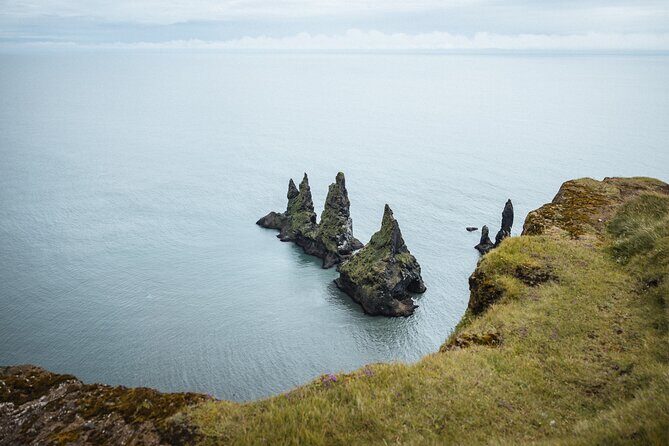
- Reynisfjara black sand: waves, basalt columns, and caution
- Sólheimajökull glacier hike: what the walk actually feels like
- Gear you don’t have to source
- Fit and balance matter
- Timing: plan on a few hours, not an hour
- Why this part is worth it
- Back in Reykjavík: the break you shouldn’t skip
- Aurora hunt: how the guide improves your odds
- City-light math: why you’re leaving Reykjavík
- Photos and what you’ll see with your eyes
- What to pack (this is where comfort turns into success)
- Who should book this (and who should think twice)
- Should you book this South Coast + glacier + northern lights tour?
- FAQ
- What’s included on the South Coast part of the tour?
- Is the glacier hike on Sólheimajökull guided, and what gear is provided?
- How long is the full experience from start to finish?
- Where does pickup happen?
- How many people are in the group?
- Are meals included?
- Is seeing the northern lights guaranteed?
- What happens if the northern lights are not seen?
- Can I cancel for a full refund?
Key things that make this tour work
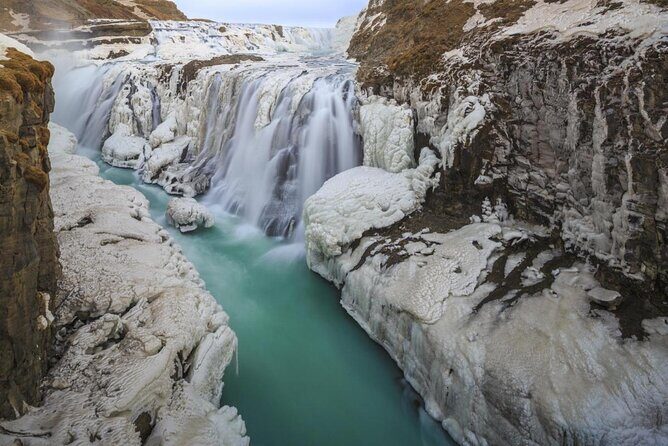
- South Coast sights plus glacier time, all in a single outing from Reykjavík
- Max group size of 18, which usually means less waiting and faster, smoother stops
- Glacier safety gear included (and instruction on how to use it)
- Aurora photos included, taken by your guide once the lights show up
- Hotel pickup and drop-off convenience, with pickup limited to specific approved locations
The value behind the $287.50 combo day
At $287.50 per person for about 16 hours, the value comes from compression. You’re paying for three experiences that normally get booked separately: a South Coast day drive, a guided glacier hike, and an aurora hunt from the Reykjavík area.
What makes it feel fair is what’s included:
- Reykjavík pickup and drop-off
- Guided Sólheimajökull glacier hiking with safety gear
- South Coast sightseeing stops at Seljalandsfoss, Skógafoss, and Reynisfjara
- Northern lights hunt by minibus
- Complimentary northern lights photos taken by your guide
What’s not included is also clear: food and drinks. That’s an important budget point because you’ll likely want warm snacks and a proper meal during long winter hours.
In short: if you want to see a lot without stitching together multiple companies, this combo makes sense. If you already have your South Coast plans locked in, then the value depends on how you’d otherwise book the glacier hike and aurora search.
You can also read our reviews of more hiking tours in Reykjavik
Reykjavík pickup and the rhythm of a long day
The day begins early. Start time is listed as 8:00 am, and pickup can take up to 30 minutes depending on your location. You’ll also use a mobile ticket, and the tour is offered in English.
A detail that matters: after the South Coast portion, you’re dropped back in Reykjavík for a scheduled break. Then later you’ll get picked up again for the aurora chase. That means you’re not stuck on the same bus for 16 straight hours, but you should plan for a winter re-loading rhythm—jackets back on, cameras ready, and hands warm for aurora waiting.
If you’re sensitive to cramped seating, note this: at least one person mentioned the minibus/vans can feel tight. It’s workable for many people, but if you’re claustrophobic or larger-bodied, consider it before you book.
South Coast morning: Seljalandsfoss and Skógafoss
This tour’s South Coast block is built around two of Iceland’s most photogenic waterfalls, plus the black-sand coastline, all before you head to the glacier.
Seljalandsfoss: the classic “walk-behind” question
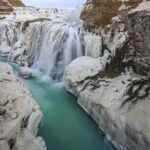
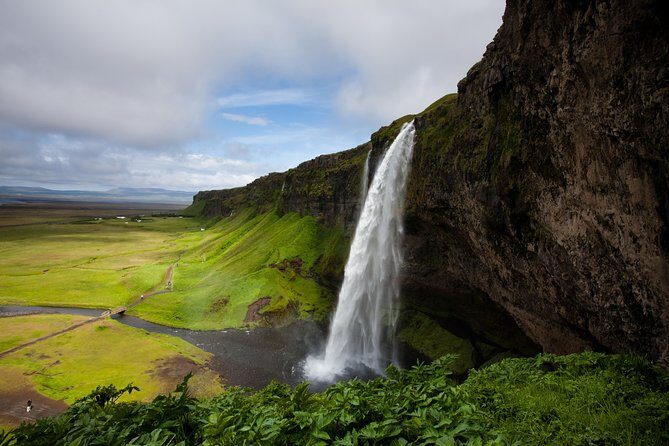
Seljalandsfoss is famous because the setting looks like it’s made for dramatic photos. The big practical detail for winter: the walkway behind the falls can be closed when conditions are rough.
You’ll still get the core experience—standing close enough to feel the spray—just don’t assume the behind-the-waterfall route will be open in cold weather. One guide-style theme you’ll notice across the day: they help you time it, dress it, and not sprint through it like a checklist machine.
Skógafoss: the big power stop
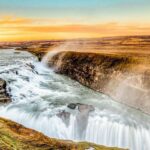
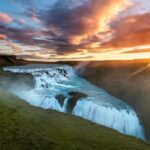
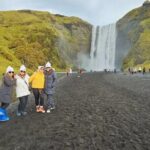
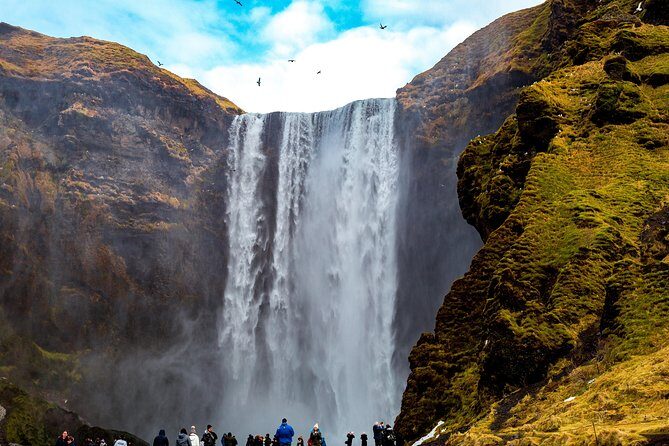
Skógafoss is the next hit of scale. It’s loud, wet, and visually huge even from a distance. I like this stop because it works as a reset for the day: you can soak in the height, take photos from multiple angles, and still have enough energy for what’s coming next.
If the weather turns sideways, guides tend to adjust—how long you linger, where you stand, and which viewpoints give you the best shot. That flexibility is part of what you’re paying for when a guide runs the day.
Reynisfjara black sand: waves, basalt columns, and caution
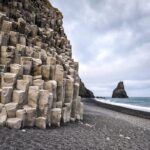
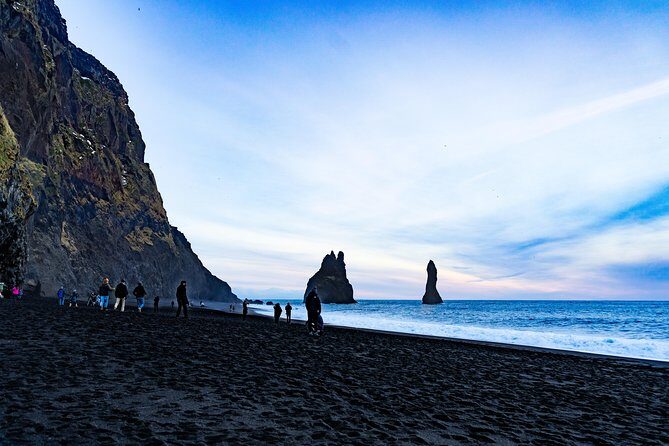
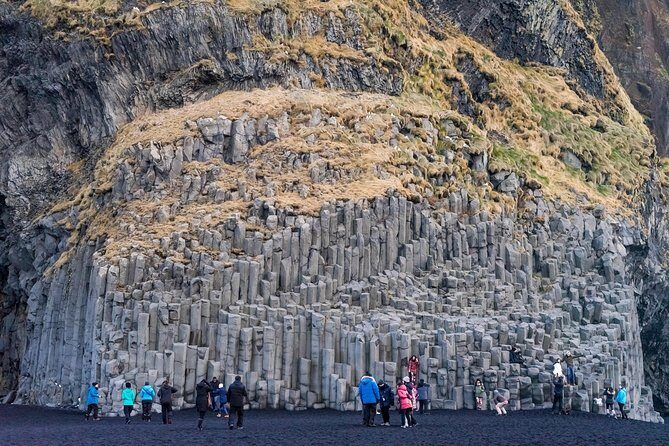
Reynisfjara is where the South Coast turns moody and dramatic fast. This stop includes the jet-black sand and the volcanic-looking basalt formations people come for, plus crashing Atlantic waves.
Two things to understand before you show up:
- You’ll want proper footwear and grip. The sand and slick surfaces can be unpredictable.
- This is not a “wander wherever you want” beach. Your guide will keep you safe and focused on the best viewing areas.
One thing I found useful from the way guides are described: they actively manage beach safety and encourage a calm pace so you don’t end up rushing into risky spots.
You also get time to eat. Food and drinks aren’t included, but there’s a place to buy food on-site at the beach area. So you can keep it simple: warm up with something quick, hydrate, and save your appetite for Reykjavík later.
Sólheimajökull glacier hike: what the walk actually feels like
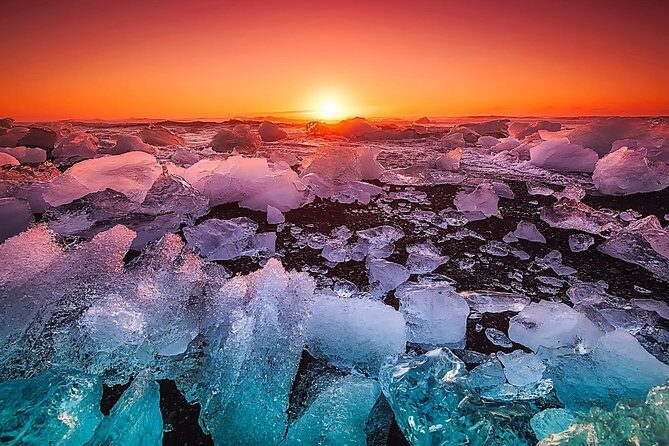
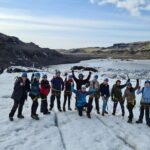
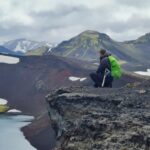
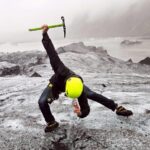
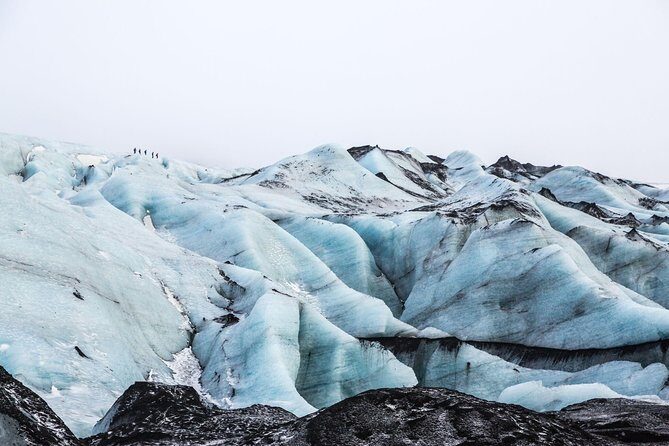
This is the heart of the day. Sólheimajökull is a reachable glacier, and the hike is guided by a certified glacier guide. You’ll get to step onto a world of ice formations—blue tones, crevasses, and the kind of texture you can’t fake with a postcard.
Gear you don’t have to source
Safety gear is included, which is a big deal because it can be one of those hassle costs if you book on your own. Expect items like:
- Helmet
- Crampons
- A safety setup with a pick/gear system for glacier travel (as described in the experience reports)
Fit and balance matter
The glacier isn’t a stroll. One person described it as physically doable but demanding, with steeper inclines and the need for balance. You should be ready for cold, uneven ground and a workout rhythm that’s different from typical hiking.
Also, crampon fit is real-world important. A strong tip from an experienced participant: make sure your boots go above your ankles so the crampons attach properly. If you show up with ankle-short hiking shoes, you may end up needing to rent crampons that fit better—or just not have as comfortable a setup.
Timing: plan on a few hours, not an hour
On the clock, you should plan for roughly three hours total for the glacier portion, including the walk time and breaks for photos and safety checks. The active hiking may be closer to about two hours depending on conditions and your pace.
Why this part is worth it
The South Coast gives you scenery. The glacier gives you scale and texture—ice you can hear, feel, and see up close. It’s also one of the few parts of Iceland where your guide’s technique matters. Good instruction reduces stress and increases confidence.
If you’re booking this as a couple, a family trip, or solo, this glacier section is the moment where the whole day becomes memorable beyond the usual waterfall photos.
Back in Reykjavík: the break you shouldn’t skip
After the South Coast stops and the glacier hike, you’re dropped back in Reykjavík for a scheduled break. This matters because aurora hunting is slow by nature.
In winter, you’ll feel it in your body. You need real downtime: a meal if you want one, time to warm up, maybe a shower, and a recharge before you head out again at night.
This break is also a practical “reset” for camera settings. If you’re hoping to capture aurora, you’ll want to confirm you have:
- charged batteries
- a plan for keeping lenses clean in cold air
- a way to hold steady shots without freezing solid
Aurora hunt: how the guide improves your odds
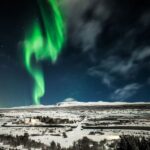
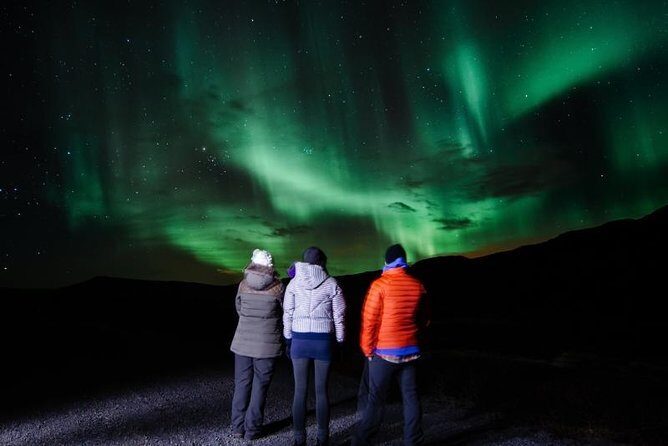
The tour switches gears after dark. You’ll be picked up again and taken by minibus away from Reykjavík’s lights to locations with a better chance of clear skies.
The big truth: the aurora are not guaranteed. Solar conditions and cloud cover decide most of the outcome. Your guide can’t control the sky, but they can make a huge difference by:
- driving to darker areas
- watching for breaks in clouds
- timing your stops
- helping you understand what you’re seeing
Guides named in experience write-ups include Palli and Fred. What stands out is the patience when the first hour is frustrating. Instead of panicking, they keep you moving logically—waiting for the sky to cooperate, teaching you how aurora typically looks in different conditions, and setting expectations.
City-light math: why you’re leaving Reykjavík
Aurora needs darkness. That’s why you don’t just stand near the city and hope. The minibus hunt is basically a “find the best patch of sky” strategy, and you’re trading comfort for visibility.
Photos and what you’ll see with your eyes
A nice included touch: your guide takes complimentary northern lights photos. That’s useful because aurora photography can be hit-or-miss when your hands are cold and your eyes are trying to interpret faint light.
One practical reminder from people who’ve been on aurora nights: aurora can look greener and brighter on camera than to the naked eye. Sometimes people see strong color; other times the sky looks more gray and subtle, like streaks mixed with clouds. A good guide helps you tell the difference.
Some guides also add lighthearted moments while you wait—folklore style stories, warming snacks like hot chocolate, and small rituals meant to keep morale up. Those details don’t change the sky, but they make the long waiting easier.
What to pack (this is where comfort turns into success)
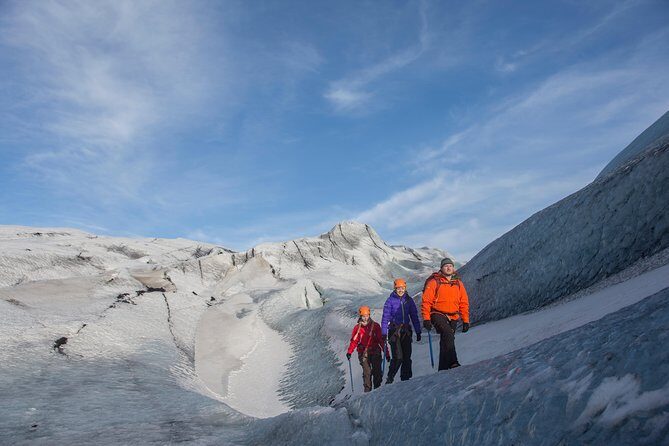
This tour is cold. You’ll do waterfalls, a black-sand beach, a glacier hike, and then stand around at night waiting for aurora—so dressing right is not optional.
Here’s a practical checklist based on what people emphasize during Iceland winter experiences:
- Waterproof pants (especially important if you’ll be standing near spray)
- Waterproof outer layer that blocks wind
- Gloves you can wear while operating your camera
- Warm socks and footwear with good grip
- Boots with ankle height for crampon attachment
- A windbreaker layer for glacier time (it can be colder than expected, but you also can warm up on the hike)
- A small strap or plan so you can keep gloves, hats, and phone reachable without opening your whole bag every time
If you tend to run cold, bring extra layers even when the forecast sounds mild. If you tend to overheat, don’t bring a single bulky suit. Think layering you can remove during the glacier portion.
Who should book this (and who should think twice)
This is a great fit for you if:
- You want to see major South Coast hits plus the glacier in one day
- You’re comfortable with a long schedule and winter driving
- You like having a guide manage safety and timing
- You want aurora support, not just a DIY stand-and-wait plan
It may not be the best fit if:
- You strongly need a guaranteed northern lights experience (no one can guarantee it)
- You’re prone to motion sickness and the idea of a minibus night drive makes you uneasy
- You want food included (you’ll plan and budget for meals and warm drinks)
Should you book this South Coast + glacier + northern lights tour?
I think this tour is a smart booking if you’re aiming for maximum Iceland coverage with real guidance. The glacier hike plus the aurora hunt is the key combo. Waterfalls are great, but the glacier and the night sky are what usually make people remember the trip beyond the photos.
If seeing the northern lights is your top goal, book with clear eyes: you’re buying the hunt and the guide effort, not a promise. The upside is that included aurora photos, a patient guide, and driving to better viewing areas can turn a cloudy forecast into a real outcome.
If you want one day that hits the highlights—Seljalandsfoss, Skógafoss, Reynisfjara, Sólheimajökull, and aurora hunting—this is one of the more efficient ways to do it from Reykjavík.
FAQ
What’s included on the South Coast part of the tour?
You get guided sightseeing stops at Seljalandsfoss, Skógafoss, and Reynisfjara black sand beach. Your tour also includes Reykjavík pickup and drop-off, plus a scheduled break back in Reykjavík before the evening aurora chase.
Is the glacier hike on Sólheimajökull guided, and what gear is provided?
Yes. The Sólheimajökull glacier hike is guided, and safety gear is included.
How long is the full experience from start to finish?
It’s listed as about 16 hours.
Where does pickup happen?
Pickup happens from locations on the operator’s approved pickup list. Due to traffic restrictions, pickups are not allowed from hotels in the city center or from private Airbnbs. If your place isn’t on the list, you’ll need to use the closest pickup point on the list.
How many people are in the group?
The tour has a maximum of 18 travelers.
Are meals included?
No. Food and drinks are not included.
Is seeing the northern lights guaranteed?
No. Aurora viewing depends on weather conditions and solar conditions. The operator can cancel the northern lights part until 18:15 on the day of departure if conditions aren’t favorable.
What happens if the northern lights are not seen?
If the tour goes ahead and no northern lights are seen, you’re offered a chance to join another evening’s departure free of charge upon availability. You must contact the operator to rebook.
Can I cancel for a full refund?
Yes. You can cancel up to 24 hours in advance for a full refund.