Cold stars, hot ground, one ticket.
This combo makes a practical promise: you’ll cover the classic Golden Circle highlights in daylight, then switch gears after dark to hunt the Aurora Borealis. The day focuses on geothermal power (geyser steam and hot-spring areas), big water drama at Gullfoss, and a geology stop at Þingvellir where tectonic plates are actively pulling apart.
I particularly like the way the tour mixes “wow” sites with explanations you can actually use, including the geology behind what you’re seeing. And I like that the Northern Lights portion is guided too, with better forecasting and the kind of patient search that matters more than just standing outside and hoping. One thing to keep in mind: the night portion depends on weather and visibility, so seeing lights is never guaranteed.
In This Review
- Key Points You’ll Care About
- Why This Golden Circle + Aurora Combo Makes Sense
- Inside the Golden Circle: Geysir and Strokkur Hot Springs Area
- Gullfoss Waterfall: The 32-Meter Drop and the Best Angles
- Þingvellir National Park: Where the Plates Are Pulling Apart
- Reykjavík’s Midday-to-Night Gap: How to Use It Smartly
- Hunting the Aurora: What the Night Bus Tour Really Feels Like
- Guides, Drivers, and the Human Side of This Tour
- Price and Value: What You’re Actually Paying For
- What to Pack for Cold Stops and Long Waiting
- Practical Expectations: Timing, Crowds, and Your Best Odds
- Should You Book This Golden Circle and Northern Lights Combo?
- FAQ
- How long is the Golden Circle and Northern Lights combo tour?
- Where do I meet the guide for the day tour?
- Is pickup included?
- What does the tour include?
- What stops are included during the Golden Circle portion?
- Is Northern Lights viewing guaranteed?
- What happens if I do not see the Northern Lights?
- What language is the tour guide?
- Are food and drinks included?
- What should I wear for the tour?
Key Points You’ll Care About
- Golden Circle essentials, not a rushed sampler: Geysir and Strokkur, Gullfoss, plus Þingvellir all on one day.
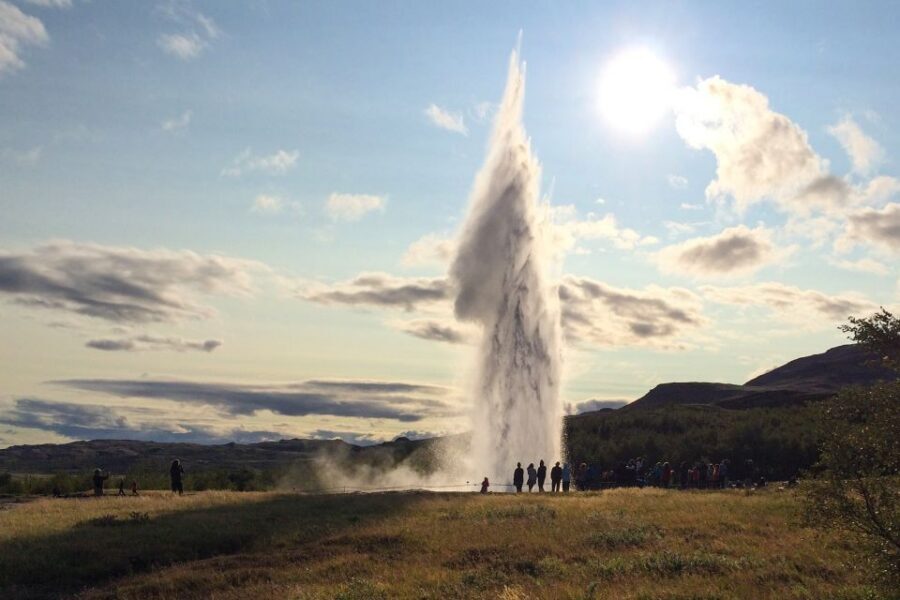
- Geothermal sights with real timing: Strokkur’s eruptions can give you that earth-breath moment on schedule.
- Gullfoss is more than a photo: expect strong contrast, multiple viewing angles, and glacial-fed roar.
- You get a real break in Reykjavík: a pause between the day and night halves, not nonstop touring.
- Aurora hunting happens in a group: it can mean multiple full coaches and long cold waits when conditions are tricky.
- If you don’t see the lights, you can rejoin: the tour offers a do-over when weather ruins the odds.
Why This Golden Circle + Aurora Combo Makes Sense
I like combos that respect your time and your energy. In one 9-hour stretch, you’re getting the Golden Circle in daylight and then a guided hunt for the Northern Lights after dark, instead of spending your trip juggling separate tours across multiple days.
The value is in the pacing: hot springs and waterfalls first, then the world shifts to darkness, cloud cover, and patience. You’ll also get a live English guide for both halves, and that matters because Iceland is easiest to understand when someone connects the dots for you while you’re standing right in front of the action.
You can also read our reviews of more tours and experiences in Reykjavik.
Inside the Golden Circle: Geysir and Strokkur Hot Springs Area
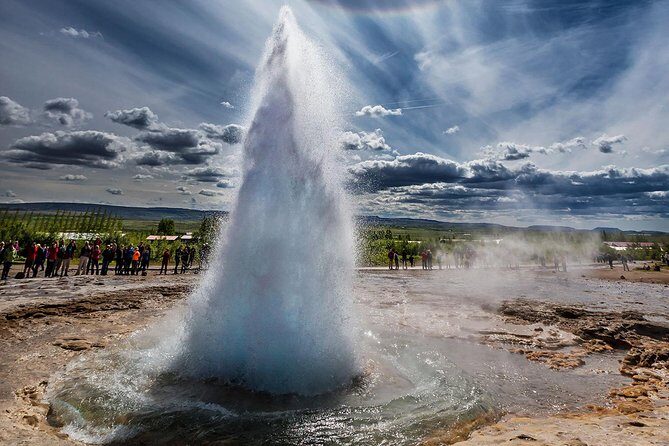
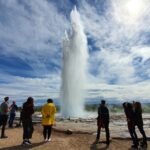
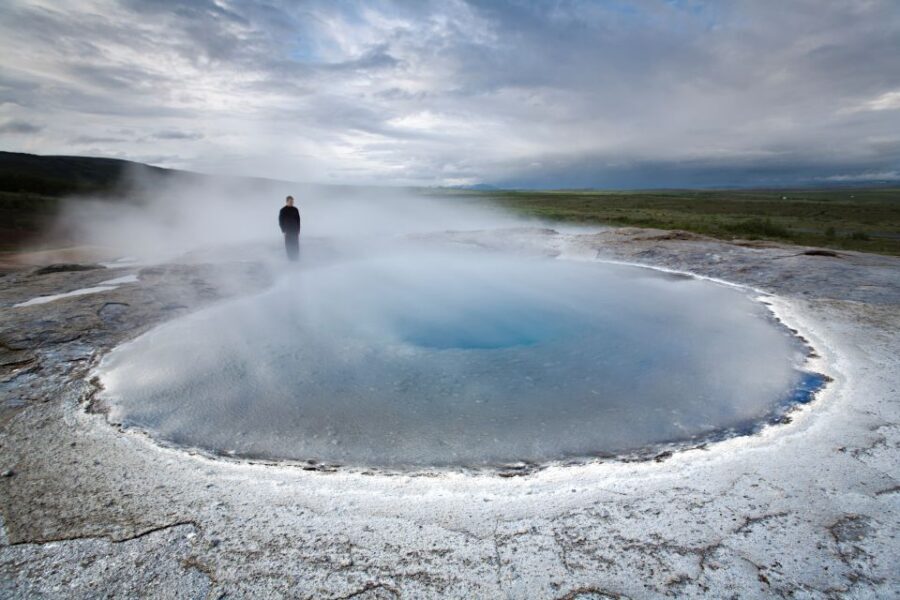
The geothermal portion starts in the Geysir and Strokkur area (Haukadalur Valley), where you can feel how alive this part of Iceland is. You’re not just looking at steam—you’re watching the landscape react on a human time scale, with boiling water and eruptions showing the geothermal system at work.
What you’ll likely appreciate most is how the guide frames it. People are often surprised that geysers are not random fireworks; they’re part of a system driven by heat, pressure, and underground plumbing. A strong guide will explain why you see bursts, how hot water rises, and what makes one area more active than another.
One practical note: the best view spots can get crowded. Even when the group feels organized, you may still find yourself in a “wait, watch, and photograph” rhythm shared with other passengers. Bring warm layers and expect that you’ll be outside for enough time that you’ll feel it in your hands and feet if you’re underdressed.
Also, you may meet guides who are specifically praised for their explanations. Names showing up in the day portion include Albert and Eric, both of whom were repeatedly described as strong at connecting what you see to Iceland’s geology and history.
Gullfoss Waterfall: The 32-Meter Drop and the Best Angles
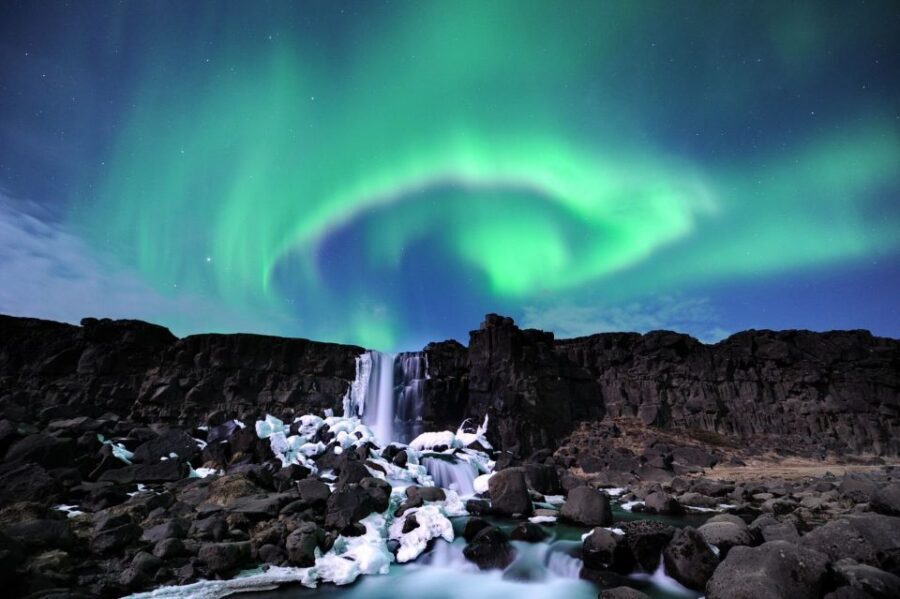
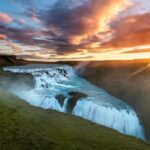
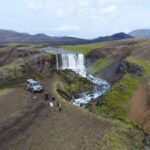
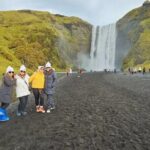
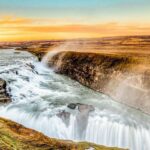
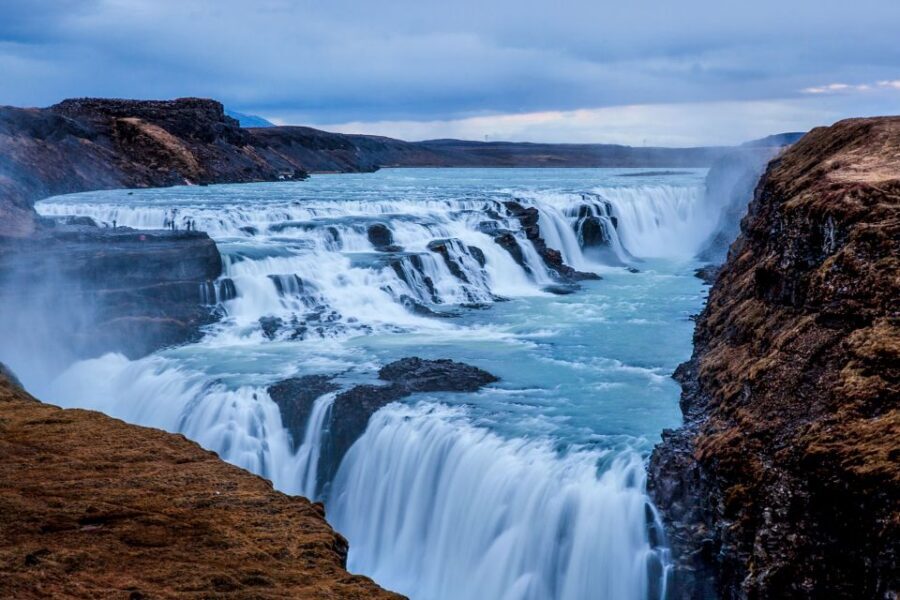
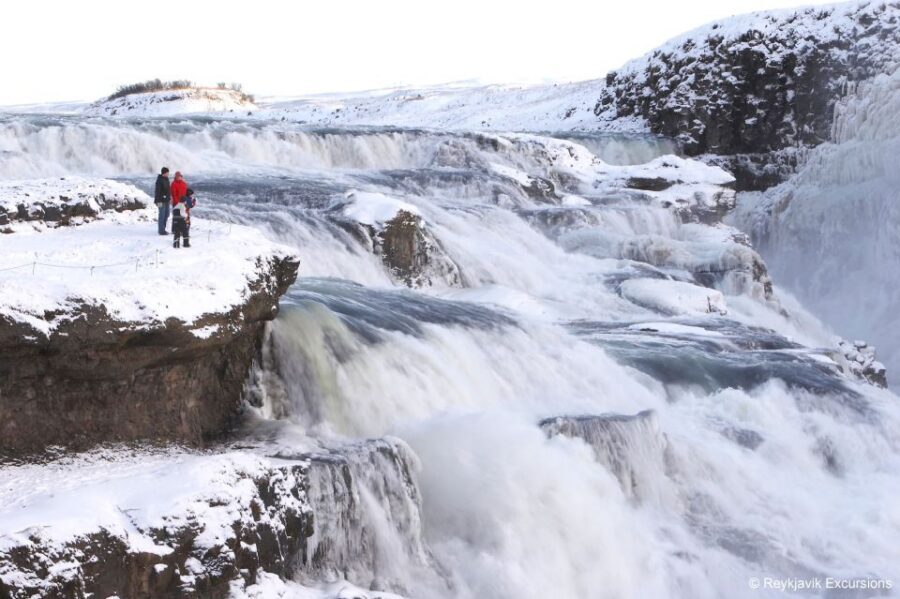
Then comes Gullfoss, fed by glacial waters from the Hvítá River. This is where the Golden Circle goes from “scientific wonder” to raw force. You’ll hear the roar before you fully register the scale, and when you reach the viewing points, you’ll understand why this one is a national headline.
The tour typically gives you different views as the river plunges into a crevice about 32 meters deep. That depth changes how the spray hits you and how the fall looks in different light. If you visit in winter, you’ll probably notice the wind and mist more than you expect, so pack for wet cold even if the day starts sunny.
A balanced takeaway: Gullfoss is one of those stops where even short viewing time can still land. You don’t need to spend all day here to feel the impact. Still, if you’re someone who loves lingering, keep in mind that these combos are built for coverage, not endless wandering.
Þingvellir National Park: Where the Plates Are Pulling Apart
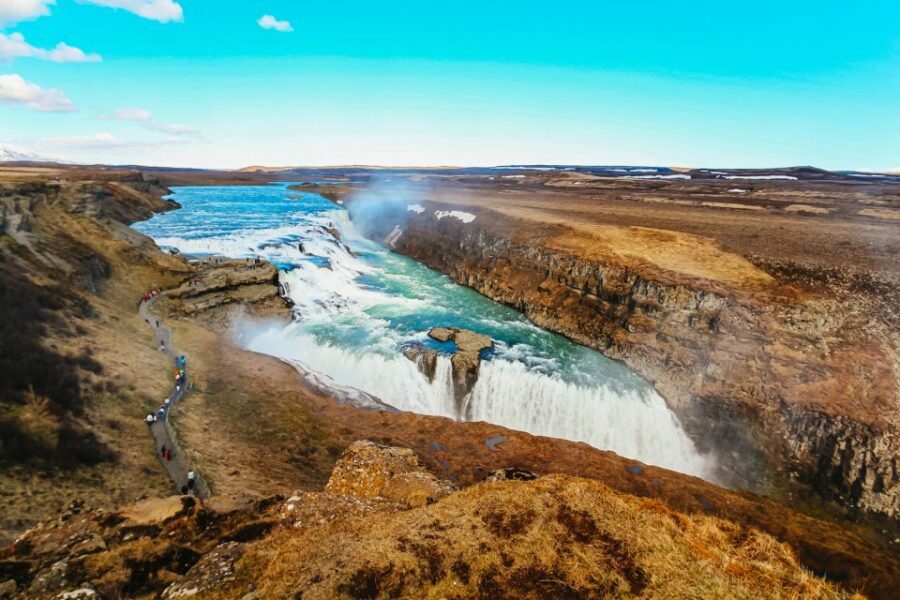
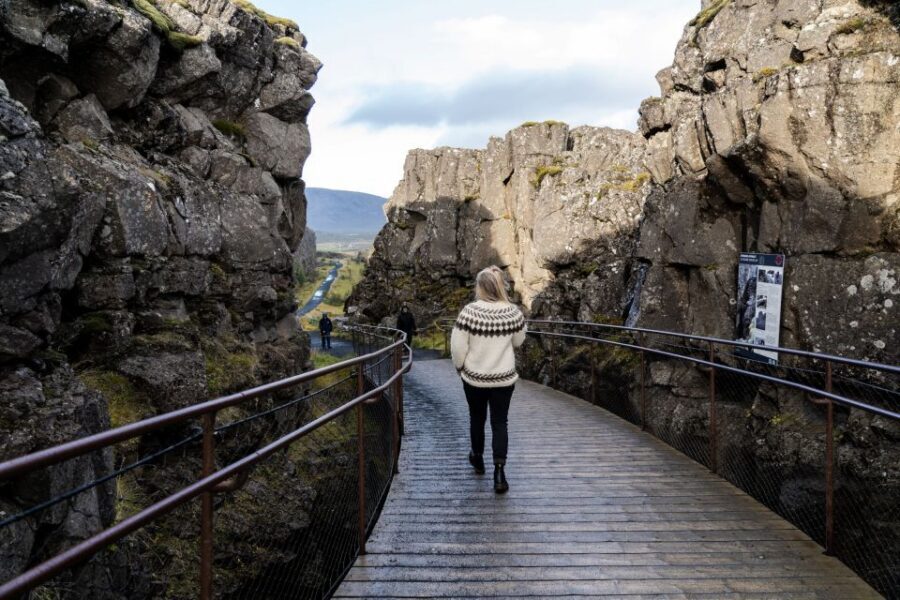
Þingvellir National Park is the “wait, this is happening right now” stop. You’re standing in a place tied to where the North American and Eurasian tectonic plates are moving apart, and that idea makes the scenery feel less like a postcard and more like an active process.
What’s valuable here is that the park turns Iceland’s geology into something you can picture. Instead of just steam and waterfalls, you get landforms shaped by movement over time—cracks, rifts, and the sense of scale that makes plate tectonics feel real.
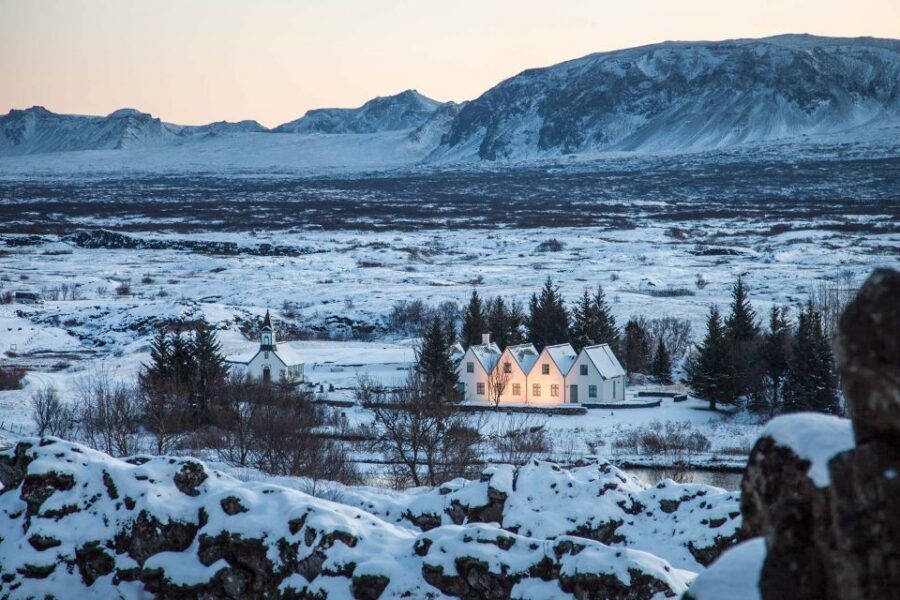
In winter, it can be icy underfoot, even when the ground looks solid from a distance. Sturdy shoes matter here more than anywhere else on the Golden Circle day. If you want the best photos, you’ll also want to plan for weather changes; clouds can roll in fast and change how dark and dramatic the area looks.
Reykjavík’s Midday-to-Night Gap: How to Use It Smartly
One of the most important parts of this combo is the time gap between the Golden Circle and Northern Lights halves. You’ll return to Reykjavík for a few hours at leisure, then head out again after dark.
I like this design because it prevents the night tour from feeling like a continuation of the day in one long grind. You can warm up, grab food, and reset your clothes for the cold. But it also means you need to plan your time well—there’s not a built-in guaranteed meal, and food near the BSI bus terminal can be pricey with limited quality.
A useful expectation setting: the pickup/drop-off structure is simple, but it’s not the same as hotel-to-hotel comfort. Your meeting point for the day tour is the BSI bus terminal, and you’re asked to arrive about 15 minutes early. For any optional pickup, you should be at your pickup point about 30 minutes ahead, since the driver may have multiple stops and it can take time to finish loading everyone.
If you’re sensitive to long waits, treat the break like part of the itinerary. Eat something filling, refill water if you can, and keep your winter layers accessible so you don’t have to dig for them at 10 pm.
Hunting the Aurora: What the Night Bus Tour Really Feels Like
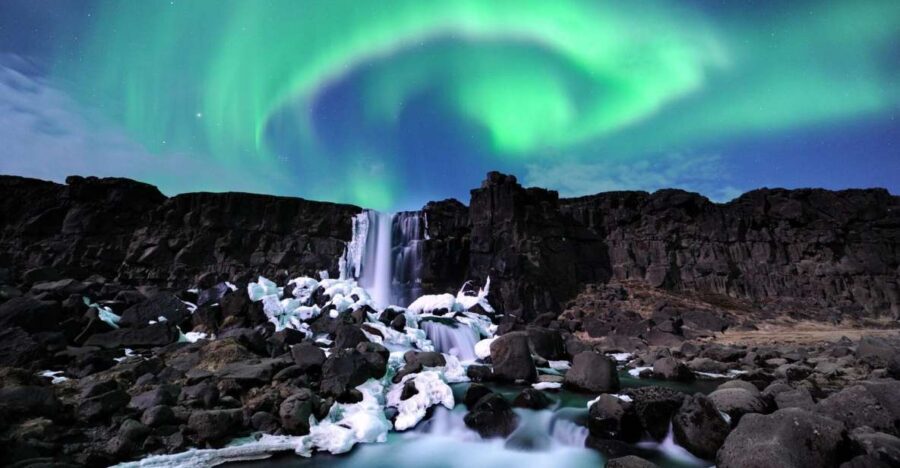
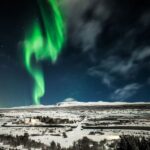
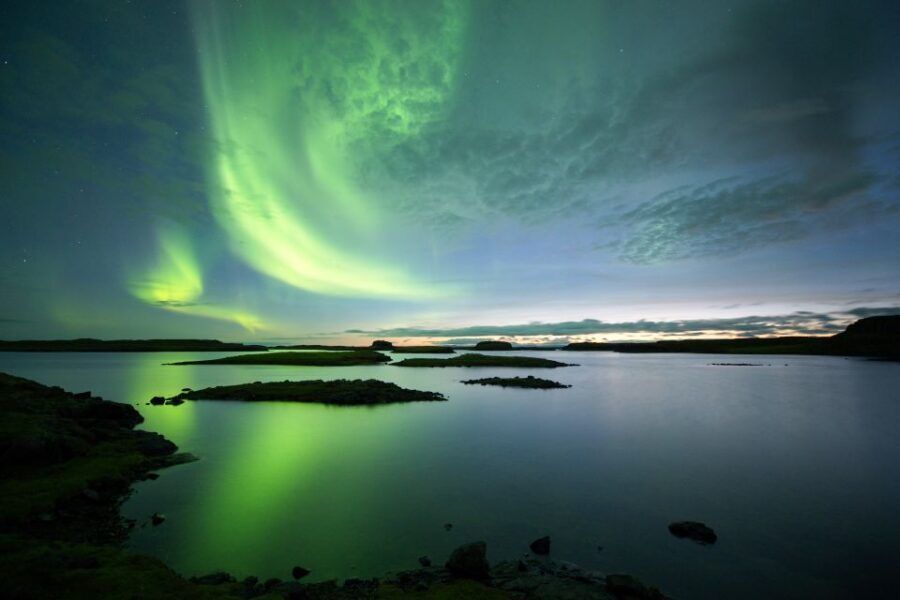
Now for the part you can’t fully control: the Northern Lights search. The Aurora Borealis is caused by solar particles interacting with the upper atmosphere near the North Pole. The tour’s job is to maximize your odds using forecasts, timing, and smart driving to the best location when visibility is decent.
Here’s the key detail: it’s weather dependent. Even when forecasting is improved, cloud cover and the moon can reduce your view. Guides can also make adjustments on the fly. One traveler noted the group still went ahead rather than refunding when the forecast was less ideal, and that turned into a successful sighting anyway.
The “what it’s like” part matters more than the science lesson. You should expect the night portion to be cold and waiting-heavy. The bus may drive about an hour outside the city, and then you can spend hours parked in a dark area while you scan the sky. Some bookings describe long stops where it felt like the group was repeating a pattern from car park to car park.
Group size is also real. People report that the Northern Lights portion can involve several full coaches—enough that the car park doesn’t feel private. If you’re someone who needs quiet, bring that expectation with you.
That said, when conditions line up, this part can be magical fast. In the better outcomes, you’re out far enough from city lights to see aurora movement and color in the sky, and guides help you figure out where to look so you’re not just staring at clouds.
A helpful practical tip from the lived experience: start your patience early. If you’re thinking about stepping away every ten minutes, layer up and commit to scanning, because auroras can be subtle at first and then suddenly brighten.
Guides, Drivers, and the Human Side of This Tour
This combo lives or dies on the guide’s energy. The strongest day portion experiences highlighted names like Albert and Eric, with praise for how they explained geology, history, culture, and what to watch for at each stop.
On the logistics side, drivers like Magnus and Stiggigg were praised for getting people safely around the route and on time. That matters in Iceland because delays can ripple: if you miss a timing window for a geyser viewing or lose daylight at a viewpoint, your whole day feels shorter.
On the night side, guides are judged by how well they manage the hunt. Some bookings praised better forecasting and smarter decision-making. Others focused on the reality that aurora visibility can be low even when everyone does everything right.
My take: if you want a good trip, show up ready to participate. Ask questions. Keep your camera charged. Don’t treat this as a passive ride where you’re guaranteed results. You’re joining a team attempt.
Price and Value: What You’re Actually Paying For
At $165 per person for about 9 hours, you’re paying for two guided outings with transportation: a daytime Golden Circle run plus an evening Northern Lights hunt.
The value angle isn’t just that it’s “two tours for one price.” It’s that the combo saves you the hassle of coordinating schedules and meeting points across different operators. It also saves you from trying to solve transportation on your own when you’re tired, cold, and dealing with time-sensitive night sky conditions.
You’re also paying for interpretation. When the guide is strong, you leave each stop with a clearer mental model of what you saw: why geysers erupt, why Gullfoss is so forceful, and why Þingvellir looks the way it does. That makes the photos feel more meaningful afterward.
What’s not included is food and drinks, plus pickup and drop-off (pickup is optional). So the real cost depends on what you eat during the Reykjavík break. If you keep snacks and a warm drink plan in mind, you’ll feel the value more.
What to Pack for Cold Stops and Long Waiting
You’ll get one universal lesson from this style of tour: Iceland gets cold fast, especially when you’re standing still.
For the daytime Golden Circle, wear sturdy shoes and warm outdoor clothes. You’ll be on uneven paths near viewpoints, and in winter you can hit ice without warning. Bring gloves you can use with your phone or camera, not thin ones that make you regret the whole trip.
For the Northern Lights half, plan for long outdoor time. One booking cited temperatures down to -16°C, which is enough to make comfort a real factor in whether you enjoy the search. Dress in layers, and keep a hat and warm socks handy.
Also, practical camera energy: one traveler noted there are no USB chargers on the bus. If your battery dies, you’ll still see the sky, but you’ll miss the chance to capture it. Use flight save mode and keep a power bank if you have one.
Practical Expectations: Timing, Crowds, and Your Best Odds
This combo is designed for coverage, so don’t expect hour-plus wandering at every stop. You’ll typically get enough time to see, photograph, and feel the place, then move on.
Crowds happen at popular stops, especially around the geysers and popular viewing areas. For some dates, people report large groups arriving at the same time—like multiple coaches at once. That can be loud, but it doesn’t ruin the experience. It just means you should focus on the moment you’re at a viewpoint, not the idea that you’ll have it all to yourself.
For the aurora odds, you can’t force clear skies. What you can control is your readiness:
- bundle layers so you’re not rushing to warm up every 15 minutes
- keep your eyes on the sky, not only your camera screen
- accept that you might drive out and wait, even if nothing happens immediately
If you’re traveling in a short window, this combo is a good way to try. If you’re lucky, you’ll see lights. If you’re unlucky, the tour notes you can rejoin again free of charge when the lights don’t show.
Should You Book This Golden Circle and Northern Lights Combo?
Book it if you want the classic Iceland day highlights plus a guided shot at the Aurora Borealis without spending extra days planning. This is a solid choice for first-timers, couples, and anyone who likes structure: you get transportation, a live English guide, and a clear flow from geysers and waterfalls to an evening sky hunt.
Skip it (or consider separate tours) if you hate cold queues or if you get frustrated when results depend on weather. Some people find the Northern Lights portion can feel like long waiting with uncertain payoff, especially when clouds or moonlight reduce visibility.
My final advice is simple: treat the Golden Circle as the reliable win, and treat the Aurora as the wild bonus. When the skies cooperate, the whole day clicks.
FAQ
How long is the Golden Circle and Northern Lights combo tour?
The tour duration is listed as 9 hours.
Where do I meet the guide for the day tour?
Meet your guide at the BSI bus terminal, and arrive about 15 minutes early.
Is pickup included?
Pickup and drop-off are not included, but pickup is optional. If you have optional pickup, be at your designated pickup point about 30 minutes prior to departure.
What does the tour include?
It includes a live guide, transportation, the Golden Circle tour, and the Northern Lights tour.
What stops are included during the Golden Circle portion?
You’ll visit the Geysir and Strokkur hot springs area, see Gullfoss waterfall, and visit Þingvellir National Park.
Is Northern Lights viewing guaranteed?
No. The Northern Lights tour is weather dependent, and sightings cannot be guaranteed.
What happens if I do not see the Northern Lights?
If you do not see the lights, you’re welcome to join the tour again free of charge.
What language is the tour guide?
The live tour guide is English.
Are food and drinks included?
No. Food and drinks are not included.
What should I wear for the tour?
Wear sturdy shoes and warm outdoor clothes for any season, especially for the cold Northern Lights portion.