One day can feel like five different planets. I love how this Snæfellsnes route strings together Kirkjufell views and Djúpalónssandur black-sand walks with just enough time to enjoy each place. The main catch is the day is long, with short on-site windows—great for first-timers, less great if you want big hikes.
What makes it work is the guide energy. On this tour you’ll hear Iceland stories from people like Slavi, Arny, Sven, and Sergio, and they tend to keep things funny, paced, and safety-minded as the roads twist through lava fields. One more practical detail: expect a minibus day, so comfort matters, and you’ll want to be ready to jump in and out quickly.
Pack for weather that changes fast. You’re moving through wind, cold, and damp ground, and in the darkest winter months (December and January) the tour skips Ytri Tunga due to limited daylight. Dress like you’ll be outdoors the whole time—because you basically will.
In This Review
- Key Points You’ll Actually Care About
- Snæfellsnes in a Single Shot: Why This Route Works
- Pickup at 8:00 and the Comfort of a Minibus Day
- Kirkjufell: The Mountain-Plus-Waterfall Photo Mission
- Djúpalónssandur Black Pebbles and Shipwreck Legends
- Arnarstapi Sea Cliffs and Miðgjá Stone Bridge
- Búðakirkja Black Church Photo Stop
- Ytri Tunga Seals, Plus a Winter Daylight Reality Check
- Berserkjahraun Lava Fields and the Borgarnes Breaks
- Guide Style, Pacing, and How to Get More From It
- What to Pack for West Iceland Cold and Wet
- Price and Value: Is $148 Fair for 12 Hours?
- Should You Book This Snæfellsnes Tour?
- FAQ
- What time does pickup start?
- How long is the tour?
- Is food included?
- What’s included in the price?
- Where does the tour take you?
- Will I see seals at Ytri Tunga?
- Can I rent waterproof gear or shoes?
- Is free cancellation available?
Key Points You’ll Actually Care About
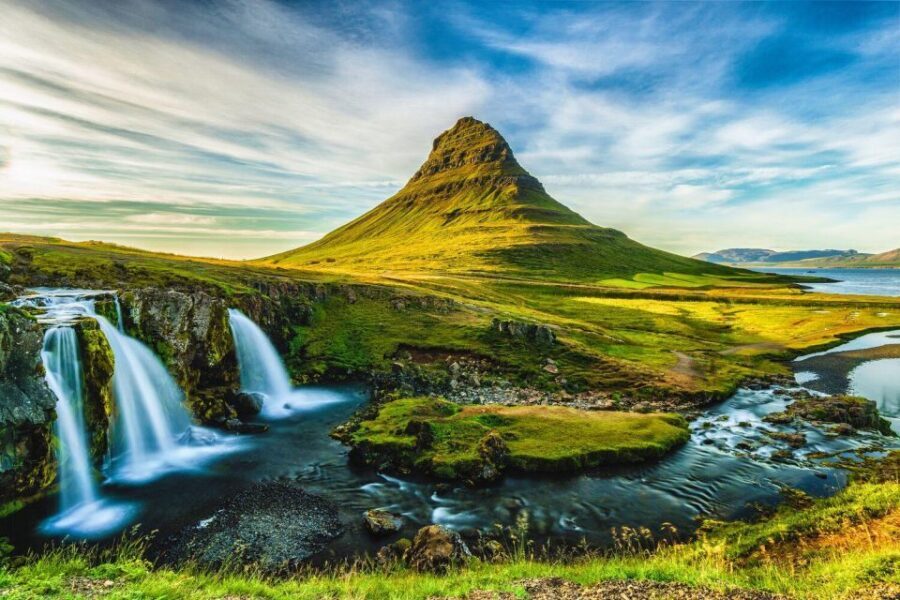
- Kirkjufell photo stop: a focused window for the mountain and nearby waterfall view
- Djúpalónssandur black pebbles: shipwreck remnants and coastal legends
- Arnarstapi free time: sea cliffs and the natural Miðgjá Stone Bridge
- Búðakirkja (black church): quick photo stop with a big open-land backdrop
- Ytri Tunga seals: short visit, but worth planning your day around daylight
- Berserkjahraun + hot-dog break: Viking-lore lava fields plus a Borgarnes food stop
Snæfellsnes in a Single Shot: Why This Route Works
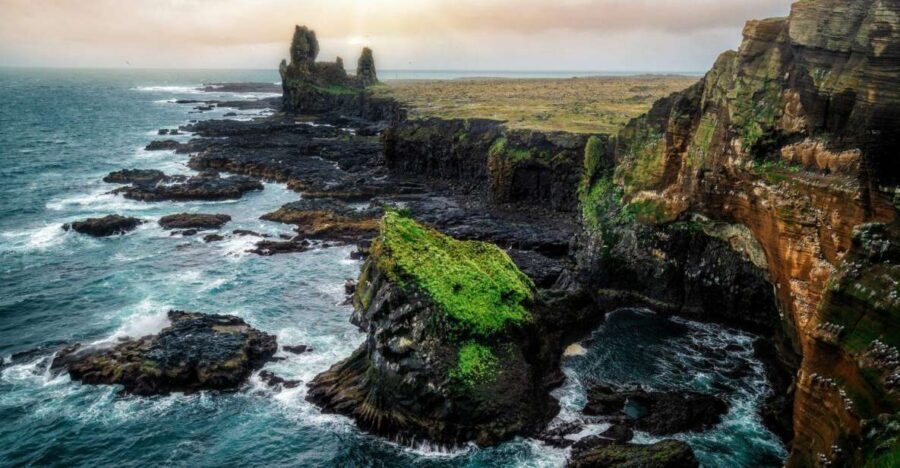
Snæfellsnes Peninsula gets nicknamed Little Iceland for a reason you can feel in your bones. In one day you’ll swing from sea cliffs to black-sand shorelines to lava-textured terrain, without needing to manage a rental car, navigation, or parking. This tour is built for people who want the highlights while still keeping a relaxed pace.
The value here is concentration. You’re not touring Iceland like a spreadsheet; you’re hitting the places with instant visual impact: Kirkjufell, the black beaches near Djúpalónssandur, the cliff-hugging village of Arnarstapi, and the black church at Búðakirkja. Then you finish with a chance to spot seals at Ytri Tunga—when the season allows it.
If you prefer slower travel with longer walks, you might feel the time limits. But if you’re measuring your Iceland trip in days (not weeks), this is a very efficient way to “get your bearings fast” and leave with real scenery, not just road time.
You can also read our reviews of more tours and experiences in Reykjavik.

Pickup at 8:00 and the Comfort of a Minibus Day
The tour starts with pickup in Reykjavík beginning at 8:00 AM. You can choose from a long list of pickup points around the city, and depending on traffic it may take up to about 30 minutes for the guide to arrive at your stop. The good news: once you’re on board, you’re set. Free Wi-Fi helps for messaging and map checks, especially when you want to reframe your next photo stop.
This is a minibus-style guided day, so you’ll be moving with the group. That means bathroom breaks, photo stops, and walking segments happen on a rhythm. The guide also matters here. Many of the best moments on the day tend to come from the guide’s storytelling style—people like Magga have been described as thoughtful and story-focused, while Slavi and Sven have a knack for mixing humor with practical safety.
Two small realities to plan for:
- The schedule is time-boxed, so bring a quick-change mindset.
- If your stop is short, you’ll want to pick your priorities before you step out into the wind.
Kirkjufell: The Mountain-Plus-Waterfall Photo Mission
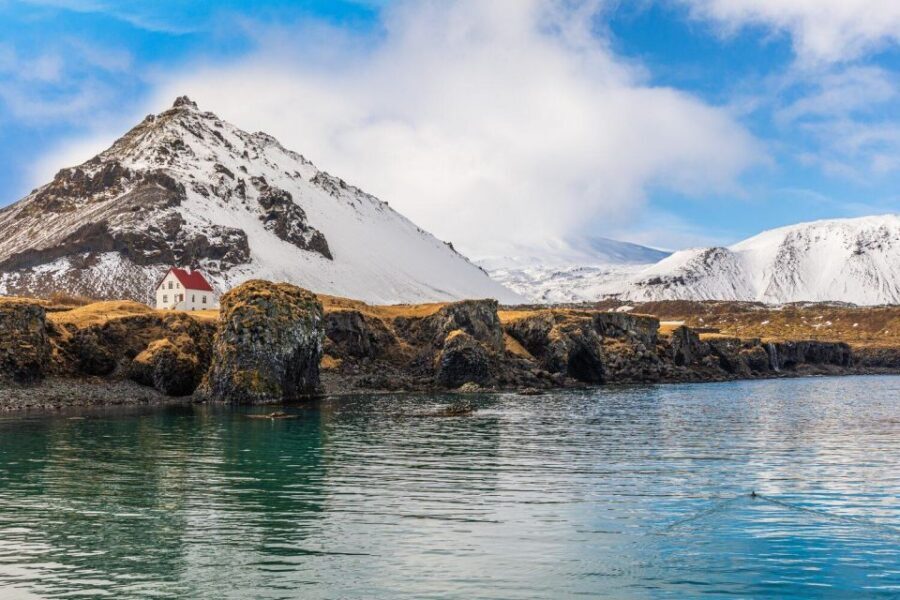
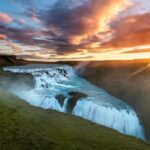
Kirkjufell is the kind of place you’ve probably seen in photos for years, then immediately notice in real life is even sharper. The mountain rises from the sea like a stone pencil line, and nearby you’ll have a chance to catch the waterfall view that photographers chase.
On this tour you get about 20 minutes at Kirkjufell. That’s not a long hike window. It’s a focused “arrive, locate the best angles, shoot, and take a quick walk” window. With Iceland weather, a short visit can actually be an advantage—if conditions shift, you’re still there to catch the moment.
In some seasons the area can feel busy, and weather can turn the scene into mist or snow even when you’re expecting bright skies. In winter reports, guides like Arny and others have still made the stop work by adjusting where they stand and how they frame the view. My practical tip: arrive ready with a plan. Pick one “main viewpoint” angle and one alternate spot a few minutes away in case wind and cloud roll in.
If you’re traveling in icy conditions, watch your footing. One guide-led day can still include slick ground near coastal viewpoints. Wear shoes that grip.
Djúpalónssandur Black Pebbles and Shipwreck Legends
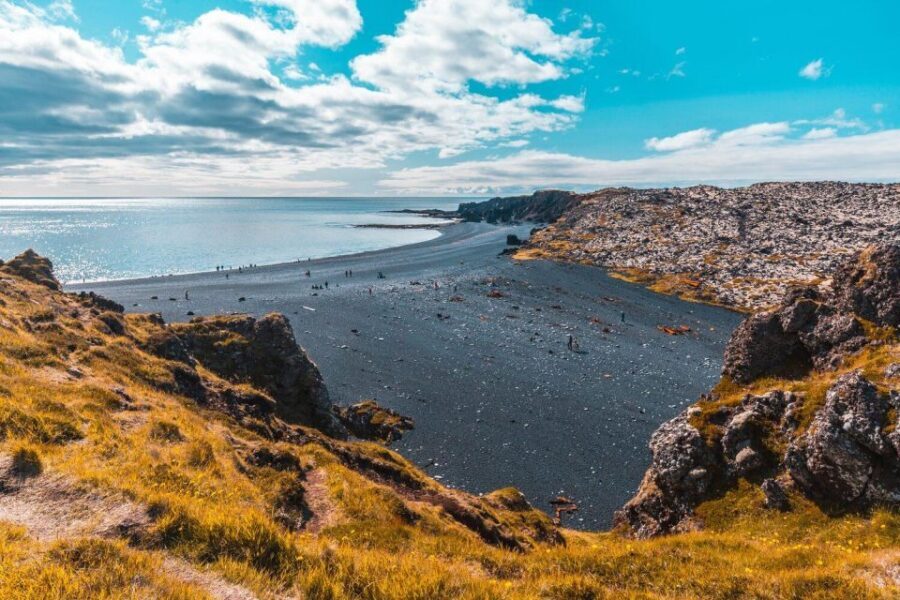
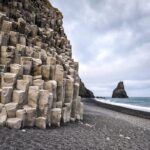
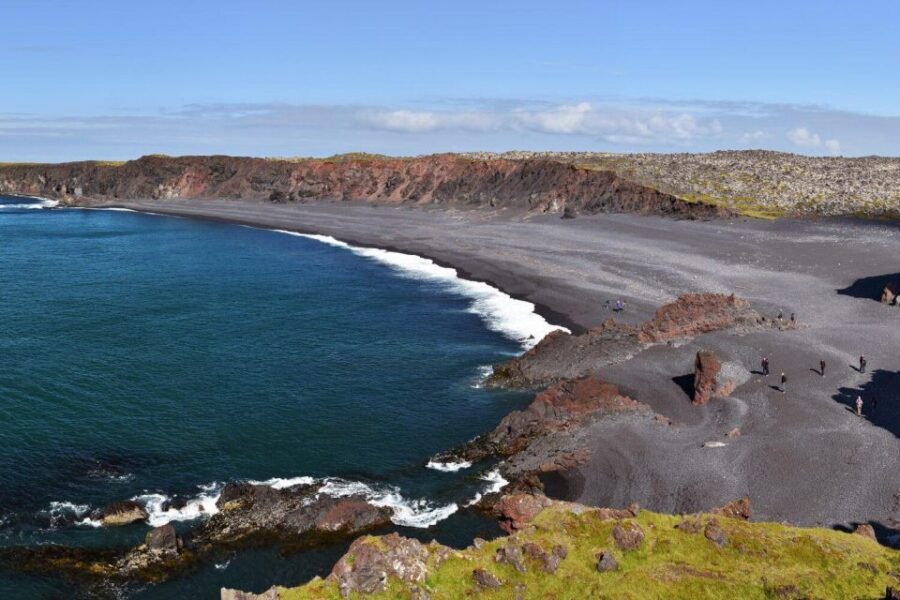
Djúpalónssandur is the kind of shoreline that looks unreal until you step onto it. The black sand here is more pebble than sand, and it’s dramatic in a rugged, coastal way. You’ll also hear stories tied to old shipwrecks—so you’re not just looking at “cool rocks.” You’re seeing a place with a human past and coastal danger written into the rocks.
You’ll have about 45 minutes at Djúpalónssandur. That extra time matters because you’ll want to walk slowly along the shoreline, not just pose and leave. The ground can be uneven, and the wind can make you feel exposed even if you’re only a few dozen meters from the road.
What I love about this stop is the mix of textures. You get black pebble shore, sea reflections, and a sense of scale—waves, cliffs, and distant coastline all stack into one scene. It’s also a great place to slow down mentally. Even if you’re freezing, the view tends to reset you.
Consider doing one deliberate thing with your time there: step back from the “closest photo spot” and look along the beach length. That’s where the shoreline pattern shows up best, and that’s what makes your photos look like Iceland instead of just a beach.
Arnarstapi Sea Cliffs and Miðgjá Stone Bridge
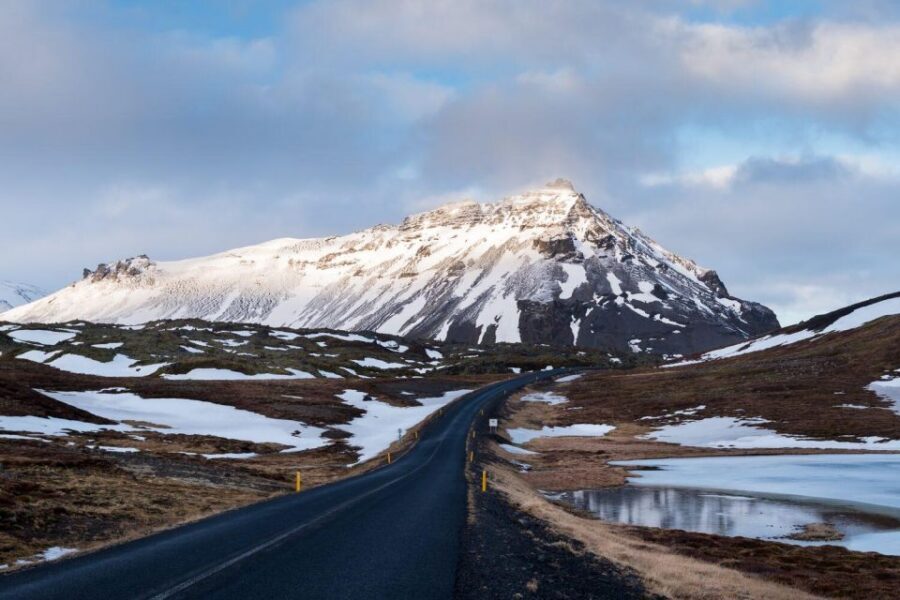
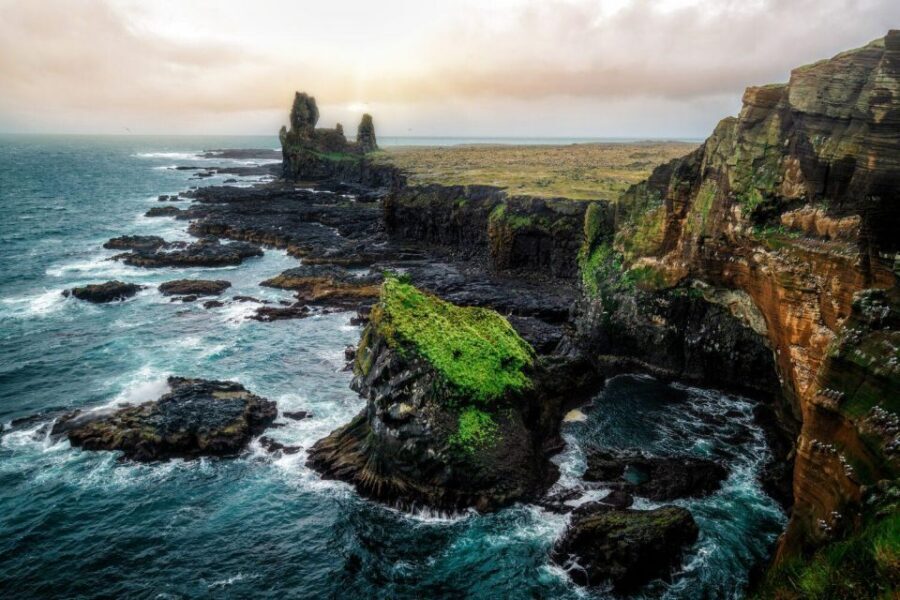
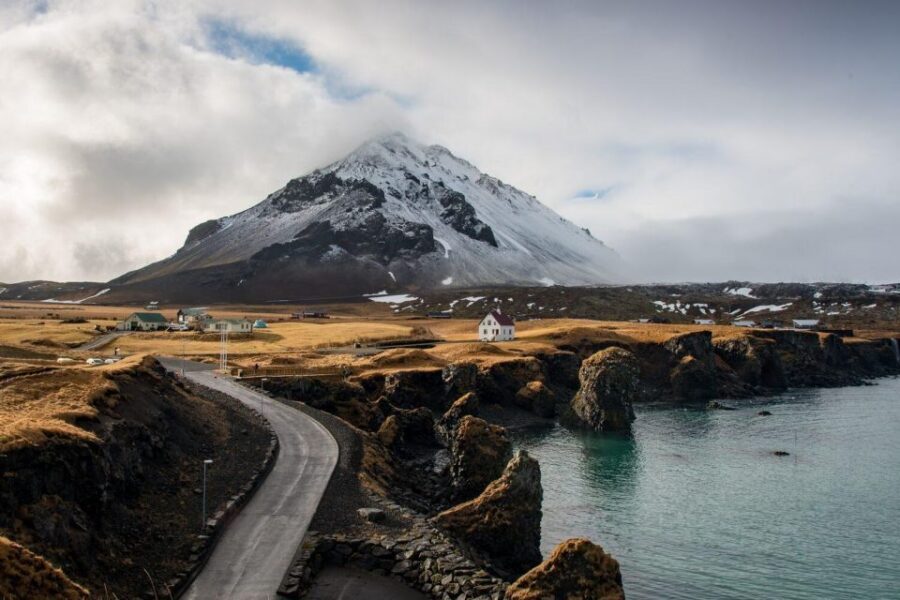
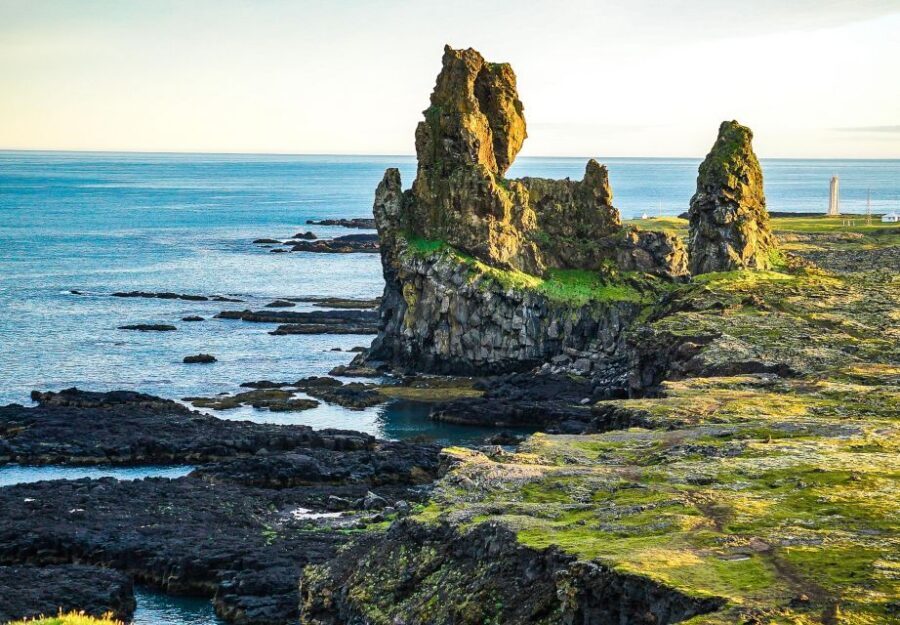
Arnarstapi is a fishing village vibe without the crowds of Reykjavík. The star is the rugged coastline: cliffs you can stand above, ocean views that feel close, and that natural Miðgjá Stone Bridge where the sea-cut rock creates a dramatic gap.
You’ll get about 50 minutes here, with free time to explore. This is the stop where you can choose your level. If you want easy walking, you can stay close to the viewpoints. If you want slightly more movement, you can go a bit farther along the cliff paths—just don’t count on long hikes. The time window is enough to enjoy the area, but not long enough to turn it into a full walking day.
A key piece of value at Arnarstapi is contrast. Compared with Djúpalónssandur’s shoreline heaviness, Arnarstapi feels more vertical and airy. You’re looking out over rock formations and sea routes, which changes how you compose your photos.
One practical note: this part of the peninsula can be windy. Bring a head covering or something that keeps your hat from becoming a kite. And if you spot seals or birds nearby later in the day, remember: give animals space. The tour experience is better when you’re observing, not crowding.
Búðakirkja Black Church Photo Stop
Búðakirkja, often called the black church, is a short stop with a big backdrop. It’s a 19th-century church, and it sits against open land and wide sky, so it looks even more striking when the weather is clear.
You’ll spend about 15 minutes here, mainly for photos. That’s exactly right for this stop. You don’t need an hour to appreciate it; you need one good angle and enough time to walk a few steps to find where the church sits cleanly against the horizon.
The challenge with quick stops is wind. The church area can feel exposed, and you’ll want to move carefully on any gravel or slick edges. If it’s snowy or icy, take your time—no rushing for the shot. In Iceland, the best photos often come from patience, not speed.
If you’re planning your day like a photographer, treat Búðakirkja as the “anchor scene” stop. Shoot it, then pivot your attention to the next coast section where seals might be waiting.
Ytri Tunga Seals, Plus a Winter Daylight Reality Check
Ytri Tunga is where playful seals can show up close to shore, making it one of the most exciting moments of the tour. You’ll have about 15 minutes here for a photo stop and visit, and it’s typically a “quick win” if the animals are active.
In December and January, though, the tour doesn’t visit Ytri Tunga because daylight is limited. That’s not a minor detail—it changes your expectations for the day. If seals are one of your top priorities, plan your visit during months when there’s enough daylight to make that stop possible.
Even when seals do show up, keep your distance. One lesson that matters here is respect for animal space. Crowding makes the experience less fun, and it’s not what this type of nature stop is for. Watch quietly, focus your camera, and let the seals do their thing.
My practical seal tip: arrive ready with settings you can manage quickly. When an animal pops up unexpectedly, you won’t want to be messing with menus in the cold.
Berserkjahraun Lava Fields and the Borgarnes Breaks
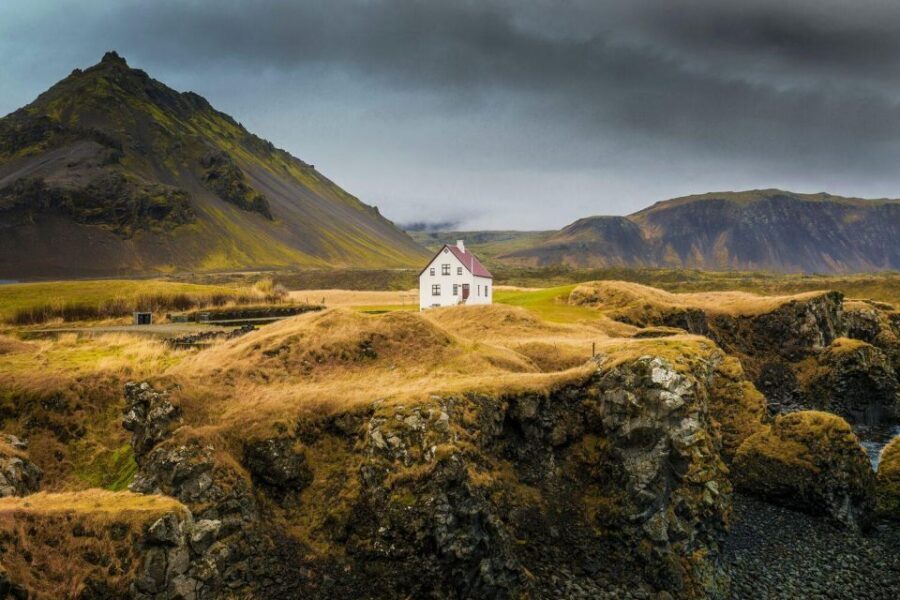
Between the coastal stops, you’ll drive through lava-field terrain tied to Viking-era lore. One named highlight is Berserkjahraun, the kind of place where the ground itself feels like a story—rough, textured, and shaped by Iceland’s volcanic past. You won’t be hiking across it for hours, but the feeling is real as you watch the terrain pass outside the window.
You’ll also get breaks in Borgarnes. The first break is about 30 minutes, and later you’ll have another short pause of about 15 minutes. Borgarnes is also where you’ll have a chance to taste a local Icelandic hot dog. It’s not a culinary pilgrimage, but it’s a practical way to keep energy up on a long day without turning the tour into a restaurant search.
This is also where the value of a guided day shows. Iceland drives are long, and weather makes planning harder. Having set stop points means you don’t waste time arguing with your phone or guessing which café has the shortest line.
Use break time wisely:
- Use it for bathrooms and warm-up.
- Don’t spend it scrolling photos for 20 minutes. You’ll want that time later.
Guide Style, Pacing, and How to Get More From It
Guides can make or break a long day like this. The best reports emphasize guides who keep things safe, laugh with the group, and layer in stories that explain what you’re seeing. Names you’ll hear associated with great days include Magga, Slavi, Arny, Sven, Sergio, Thor, and Axel, and even when the day includes snow or harsh wind, the guides are described as adjusting to conditions.
Pacing is another theme. Many stops come with time limits (Kirkjufell around 20 minutes, Búðakirkja around 15, Ytri Tunga around 15), which keeps the day moving. That also means you should decide what you want most from each stop before you arrive—one or two “must do” items. If you try to do everything, you’ll rush, and rushing in Iceland often leads to bad photos and sore legs.
One useful critique to take seriously: if you want maximum time at every viewpoint, you might wish for longer at Arnarstapi or fewer minutes at some quick photo stops. You can’t change the schedule, but you can match your expectations. Treat this tour like a highlight reel. You’ll leave satisfied if your goal is seeing the big icons.
Also, if you’re sensitive to cold or slick ground, consider extra traction. In winter conditions, crampons were recommended by one traveler for slippery stops. You don’t need to buy them for every season, but in snowy months, they can be a lifesaver for confidence.
What to Pack for West Iceland Cold and Wet
This is a winter-proof route in the sense that you’ll likely experience wind and damp air. Bring warm outdoor layers, a waterproof jacket and waterproof pants, headwear, and gloves. Good hiking shoes are recommended, especially because some areas are rocky or can be slippery.
If you forgot something, there’s an option to rent hiking shoes and waterproof clothing items ahead of time. The rental fee listed is ISK 1,000 per item. That can be a big deal if you’re already traveling light and hate the idea of buying gear you’ll never use again.
My pack list for this tour:
- Waterproof jacket plus waterproof pants
- Warm hat and gloves
- Shoes with real grip
- A small towel or wipes for muddy pebble/rock touch-ups
If it’s icy, pack patience. Quick stops feel easy until you realize you’re stepping over uneven ground in wind.
Price and Value: Is $148 Fair for 12 Hours?
At about $148 per person for a 12-hour day, you’re paying for more than a bus ride. You get Reykjavík pickup and drop-off, an experienced guide, free Wi-Fi on board, and guided touring in a minibus—plus you cover multiple major West Iceland sites in one go.
The big value comes from your time. Doing this route independently would mean booking a car, paying for fuel, dealing with parking and route planning, and then still figuring out where to stand for the best views. Here, the logistics are handled, so you spend energy on the scenery instead of the schedule.
The only thing not included is food and drinks. That’s a normal trade on Iceland tours, but it matters for planning. Bring snacks if you’re the type who gets hungry between photo stops, and count on the Borgarnes hot dog option during breaks as one planned meal opportunity.
Overall, the pricing feels fair for a highlight-packed day that’s guided and timed. It’s especially strong if you’re short on days and want to see Snæfellsnes without turning your trip into a DIY driving project.
Should You Book This Snæfellsnes Tour?
I’d book this tour if:
- You’re visiting Reykjavík for a limited time and want West Iceland icons in one day
- You enjoy guided storytelling and want the history tied to the scenery
- You’re happy with short stops and want a calm, controlled pace
I’d think twice if:
- You want long hikes and deep exploration at each site
- You’re traveling in December or January and seal viewing is a must-have (Ytri Tunga won’t be visited)
- You dislike long sitting time on roads and would rather slow down with a multi-day plan
If you’re in the sweet spot—first-time Iceland, camera-ready, and dressed for cold wet weather—this is a solid, efficient way to experience the Snæfellsnes Peninsula’s most memorable moments.
FAQ
What time does pickup start?
Pickup from Reykjavík begins at 8:00 AM. Your guide will arrive at your selected pickup spot, and depending on traffic, it may take up to about 30 minutes.
How long is the tour?
The tour runs for 12 hours.
Is food included?
No. Food and drinks are not included.
What’s included in the price?
Pickup and drop-off from Reykjavík, an experienced guide, free Wi-Fi on board, and a guided tour in a minibus.
Where does the tour take you?
You’ll visit Kirkjufell, Djúpalónssandur, Arnarstapi, Búðakirkja, and Ytri Tunga (when daylight allows).
Will I see seals at Ytri Tunga?
Ytri Tunga is visited with a photo stop and short visit, but during December and January it’s unfortunately not visited due to limited daylight.
Can I rent waterproof gear or shoes?
Yes. Warm hiking shoes and a waterproof jacket and pants can be rented if you let the supplier know in advance, for ISK 1,000 per item.
Is free cancellation available?
Yes. You can cancel up to 24 hours in advance for a full refund.