Fast boats, real whales, and Reykjavík on the horizon. This 2-hour trip out of Faxaflói Bay uses a RIB (rigid inflatable boat) to get you close to wildlife, with views of the city coastline and a quick run to the likely feeding areas. You’ll also get warm gear so the cold doesn’t bully your plans.
I love how the boat setup focuses on action: shock-suspension seating helps smooth out the ride, and the 32-knot cruising speed means less time idling and more time looking for whales. I also like the bonus follow-up: after you’re done at sea, you can visit the Whales of Iceland Museum in Reykjavík’s Grandi harbor district.
One thing to consider: the whole outing depends on weather conditions, so the captain may adjust the route or timing for safety and comfort. If you’re sensitive to movement, the fast, bouncy feel of a RIB can be a factor, even with the provided gear and seating.
In This Review
- Key things I’d highlight before you go
- Why a Reykjavík RIB whale watch works so well in Faxaflói Bay
- The 2-hour plan: get geared up, sprint to feeding areas, then slow down to watch
- The Akurey puffins stop: a seasonal bonus you shouldn’t skip in summer
- What the guides and the boat setup mean for your comfort
- Safety and expectations: what a weather-dependent outing feels like
- Whales of Iceland Museum: turn what you saw into real knowledge
- Value check: does $194 for 2 hours make sense?
- Who should book this RIB whale watching tour
- Should you book the Reykjavík Whale Watching by RIB Boat?
- FAQ
- How long is the Reykjavik Whale Watching Tour by RIB Boat?
- Where does the tour meet in Reykjavik?
- What’s included with the tour price?
- What should I wear or bring?
- Is hotel pickup or drop-off included?
- What wildlife can I expect to see?
- Is the tour always guaranteed to sail?
- What are the age and health limits?
- Is the guide available in English?
Key things I’d highlight before you go
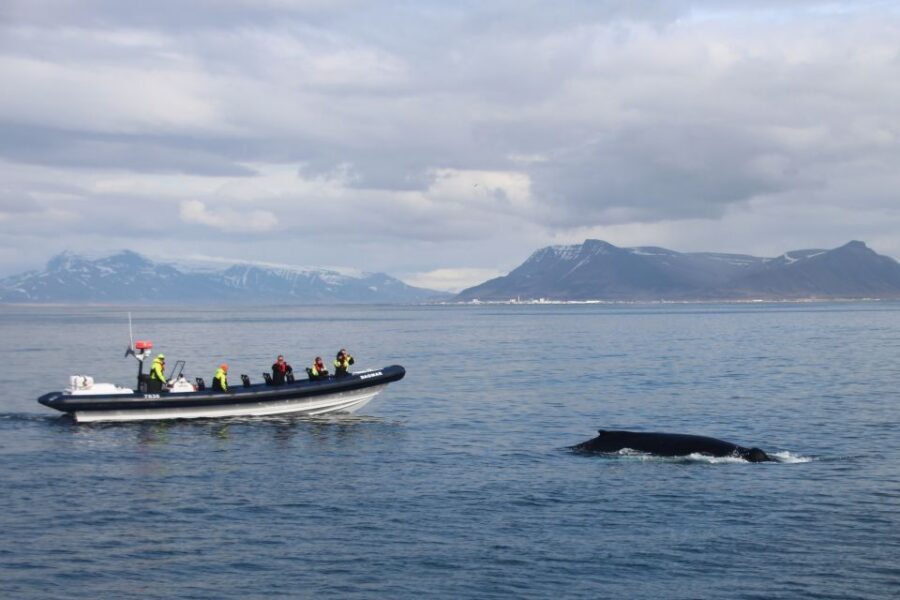
- Faxaflói Bay hunting grounds: you’re sent out to search for whale feeding areas, not just cruise around
- RIB practicality: fast maneuvering helps you reach sightings quickly
- Warm flotation suits and goggles: built for Iceland winds, not just good intentions
- Summer puffins near Akurey: a seasonal add-on when puffins are nesting
- Museum ticket included: you can turn what you saw into actual whale knowledge on land
Why a Reykjavík RIB whale watch works so well in Faxaflói Bay
Reykjavík’s whale watching doesn’t feel like some distant, foggy fantasy. Faxaflói Bay is close to town, and the geography puts the action where you can actually reach it. This tour leans into that advantage with a RIB setup, which matters more than people expect.
A rigid inflatable boat is built for quick changes—turns, acceleration, and repositioning when your guide spots marine activity. On a slower vessel, you can miss the moment when whales surface, feed, or drift into view. Here, the whole operation is designed to react fast, so you spend more time with the animals and less time playing ocean-watching roulette.
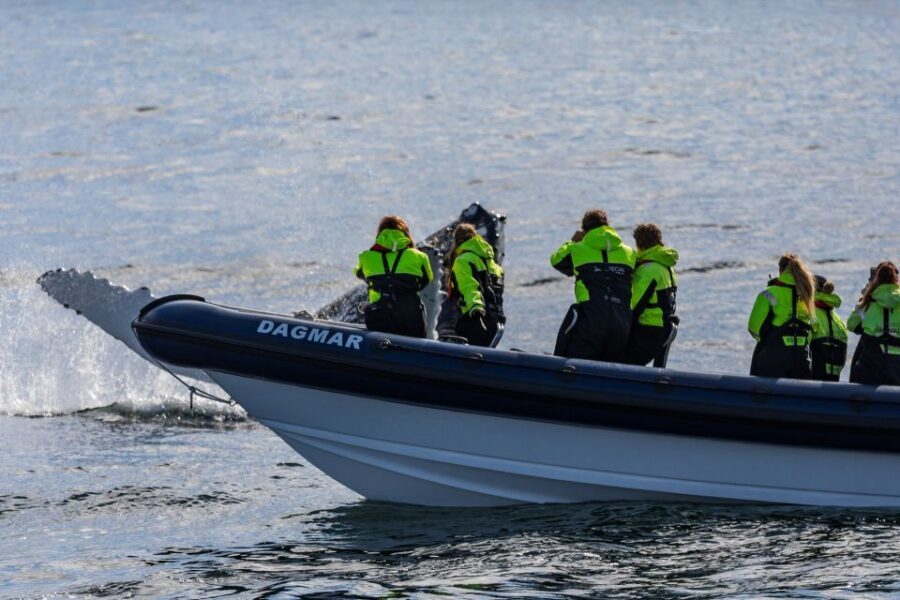
Plus, the ride comes with a focus on comfort. The RIB uses special shock suspension seating, and you’re dressed for the wind with warm overalls, life vests, gloves, and goggles. That combination is a big reason this is a favorite format for people who want close encounters without feeling totally frozen or battered.
You can also read our reviews of more boat tours in Reykjavik


The 2-hour plan: get geared up, sprint to feeding areas, then slow down to watch
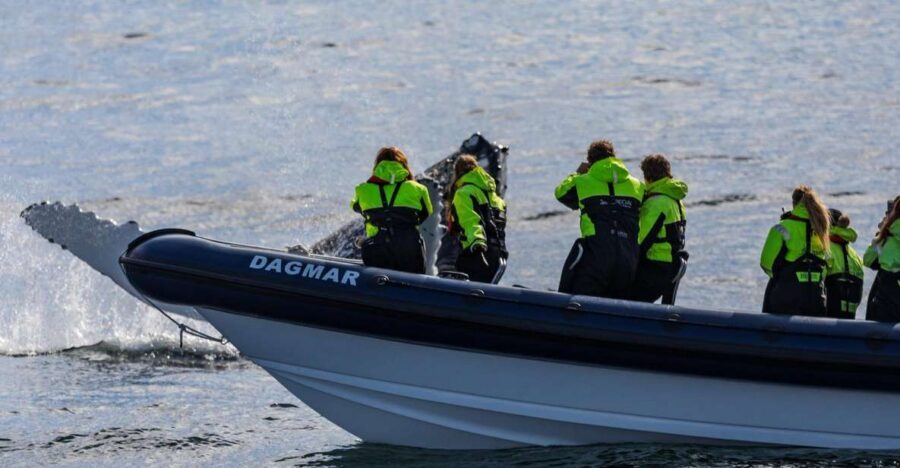
Your tour starts at the operator’s ticket office at Aegisgardur 5E, 101 Reykjavík. From there, you’ll get onboard and geared up before the real searching begins. The gear isn’t “nice to have.” It’s the difference between enjoying the day and wishing you were back in a warm café.
Once you’re on the water, you head out toward Faxaflói Bay, where sightings tend to cluster around food. The boat reaches a comfortable cruising speed of 32 knots, which is why this is a good pick for people who have limited time in Reykjavík. In practical terms, you’re not stuck for long stretches doing slow sightseeing while the clock bleeds.
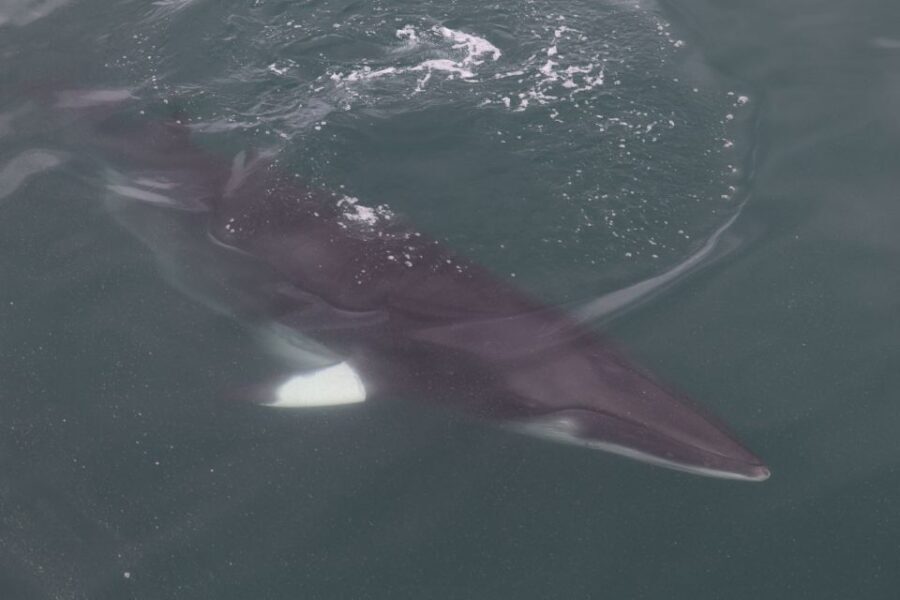
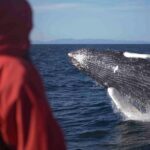
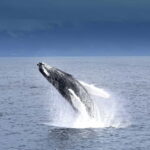
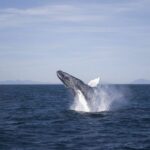
When whale activity shows up, the operation shifts from speed to patience. You get plenty of time in the whale feeding grounds, and the guide talks you through what you’re seeing—how whales behave, what other marine species might appear, and what to look for from the water level you’ll be watching at.
One detail that repeatedly stands out from people who’ve done this kind of tour before: a RIB gives you a better “driver’s-eye” feel. You’re closer to where the action happens, and because the boat is smaller and more maneuverable, the crew can keep you positioned. That’s how you get those longer, more satisfying viewing moments instead of quick, far-away blips.
The Akurey puffins stop: a seasonal bonus you shouldn’t skip in summer
If you travel in the summer months, there’s a specific highlight baked into the tour: a stop by Akurey to look for puffins during nesting season. This isn’t a generic “maybe we’ll see birds” add-on. It’s built into the experience for the right time of year.
From the water, you can watch puffins move around their nesting areas along the coast. If you’ve only seen puffins in photos, seeing them up close in their home territory hits different. You’re watching breeding behavior and chick activity from a safe distance, which is the whole point of doing this by boat with an experienced crew rather than just standing offshore and hoping.
In summer, this puffin segment also adds variety to your day. Even if whale sightings are spaced out, you’re still doing something meaningful—bird watching that feels tied to the season, not a last-minute detour.
What the guides and the boat setup mean for your comfort
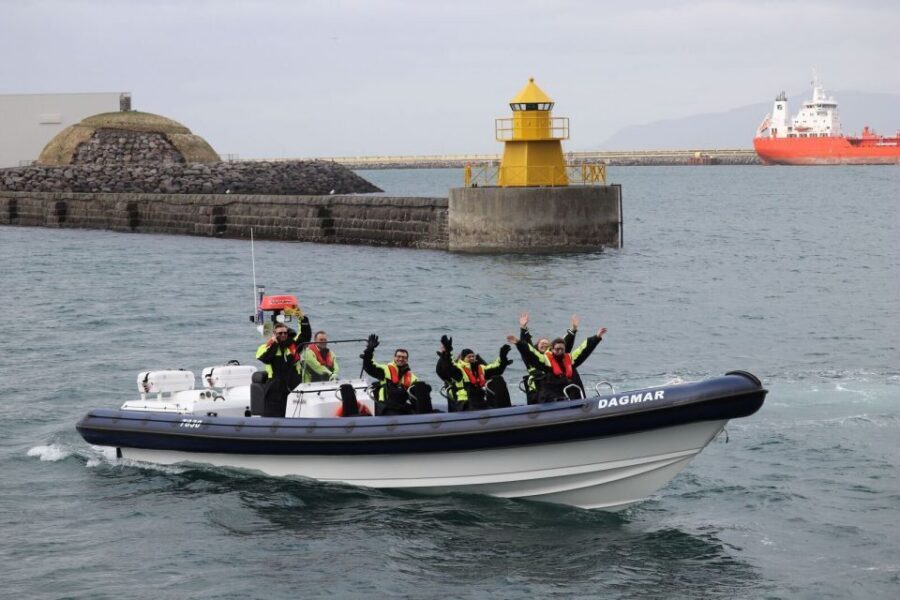
This tour is led by an English-speaking guide, and you’ll get ongoing explanation about whales and other marine life. Based on guide names seen with this operator—people like Rebecca/Rebekka, Joel, Daniel, Patrik, and Eva—you can expect more than a script. It usually feels like the guide is genuinely invested in the local wildlife and ready to answer questions as they come up.
That matters because whale watching is partly reading the ocean. When you understand behaviors—feeding patterns, how whales surface, and what nearby species might indicate—you don’t just watch harder. You watch smarter.
On the equipment side, the practical comfort points are clear:
- Warm overalls and gloves for wind and spray
- Life vests for safety you can feel good about
- Goggles so you’re not fighting salt and sea mist
- Shock suspension seating to reduce the jarring effect of a high-speed RIB ride
Is it a smooth ride? It’s a fast boat in open water, so it won’t feel like a quiet lake ferry. Some people describe the motion as rollercoaster-like (fun to them, not fun to everyone). But the key is that the tour gives you the gear and seating designed for this exact environment, and the captain decides whether to sail based on weather experience—always with safety and passenger comfort in mind.
Safety and expectations: what a weather-dependent outing feels like
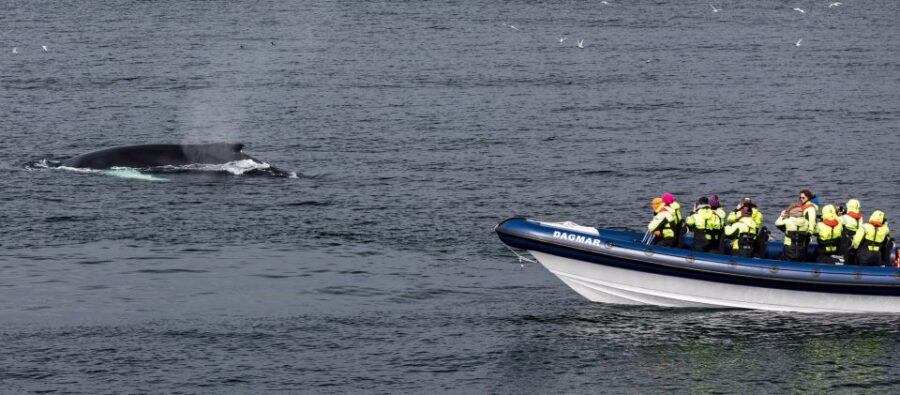
The captain makes the call depending on weather conditions. That’s not just fine print. In Iceland, wind and sea state can change quickly, and any responsible operator adjusts to keep the trip safe.
So here’s my straight advice: book this with the mindset of an active, outdoor wildlife trip—not a guaranteed checklist. Even in good conditions, whales are wild animals. Your experience can range from lots of close sightings to a day where you see fewer animals than you hoped.
The upside? When conditions are right, the RIB style makes it easier to capitalize on those windows. If whales come close, the boat can get there fast. If they move away, the crew can reposition rather than sitting helpless on a larger vessel.
If you’re going expecting to control outcomes, you’ll be disappointed. If you’re going expecting a high-energy hunt with real chances at close encounters, you’re in the right place.
You can also read our reviews of more whale watching tours in Reykjavik
Whales of Iceland Museum: turn what you saw into real knowledge
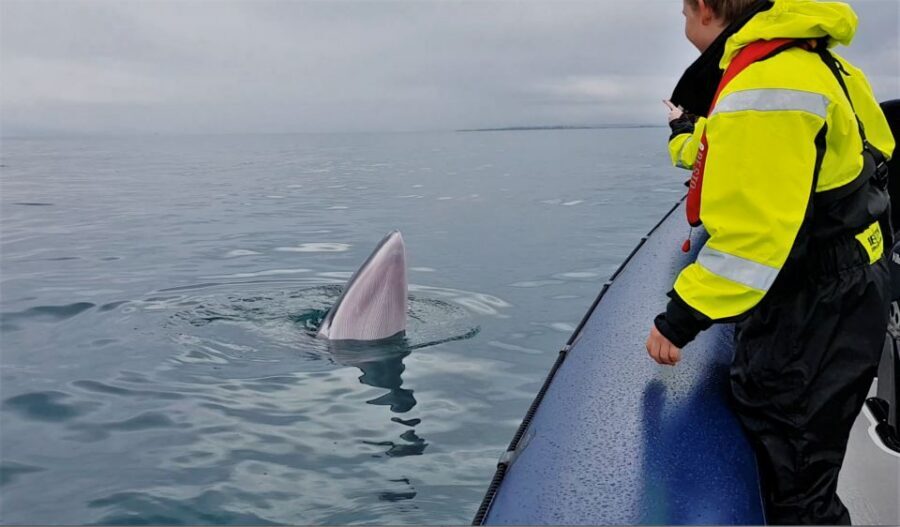
After you return to Reykjavík, you can visit the Whales of Iceland Museum. The ticket is included, and it’s located in the Grandi harbor district.
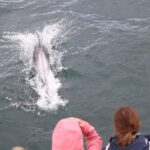
This part is valuable because it helps you connect faces to facts. Once you’ve seen whales and dolphins from the water, the museum puts their biology, migration, and conservation into context. It’s the “what was happening out there?” step that makes your boat trip feel more complete, not just exciting in the moment.
I also like that it’s scheduled right after the tour. Your brain is still in animal-spotting mode, so the museum feels like it’s answering your questions while everything is fresh.
If you’re the type who likes to understand what you’re photographing, this museum stop adds real payoff for the included price.
Value check: does $194 for 2 hours make sense?
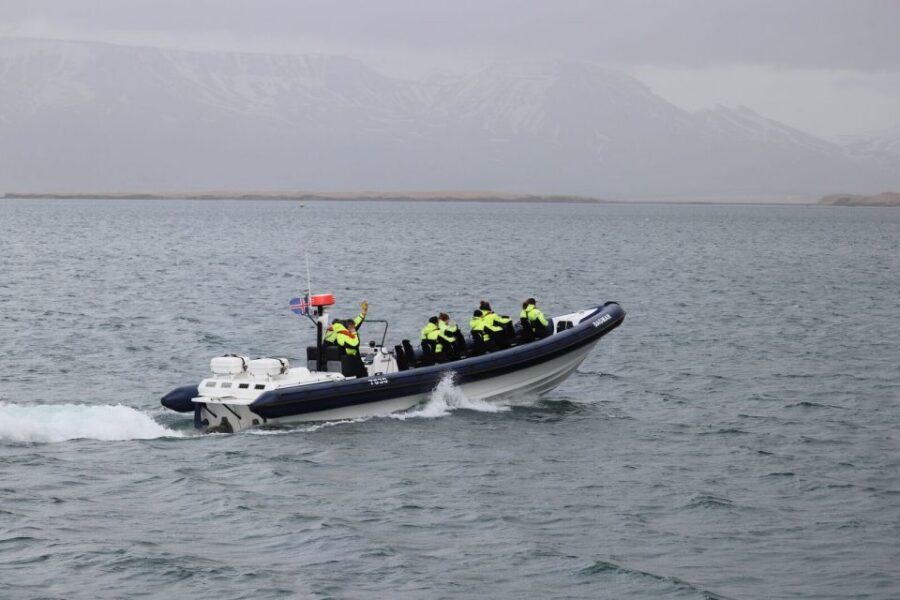
At $194 per person for a 2-hour whale-watching outing, you’re paying for a specific package: a RIB hunt in Faxaflói Bay, professional guidance, provided cold-weather gear, and a museum ticket afterward.
It’s not just “time on a boat.” You’re buying:
- the boat type (fast and maneuverable)
- the safety and comfort equipment (overalls, vests, gloves, goggles, shock seating)
- time in likely whale feeding areas
- a seasonal puffin stop when it’s happening
- the museum entry to make it educational
In other words, this price is built around maximizing your chances of meaningful sightings and reducing the cold-and-chaos factor. For a short Reykjavík visit, that’s a strong match. If you have time to spare and want a cheaper option, sure, you can hunt for lower-cost tours. But if you want a ride designed for closeness plus an education finish, this one justifies the cost more than you’d expect.
Who should book this RIB whale watching tour
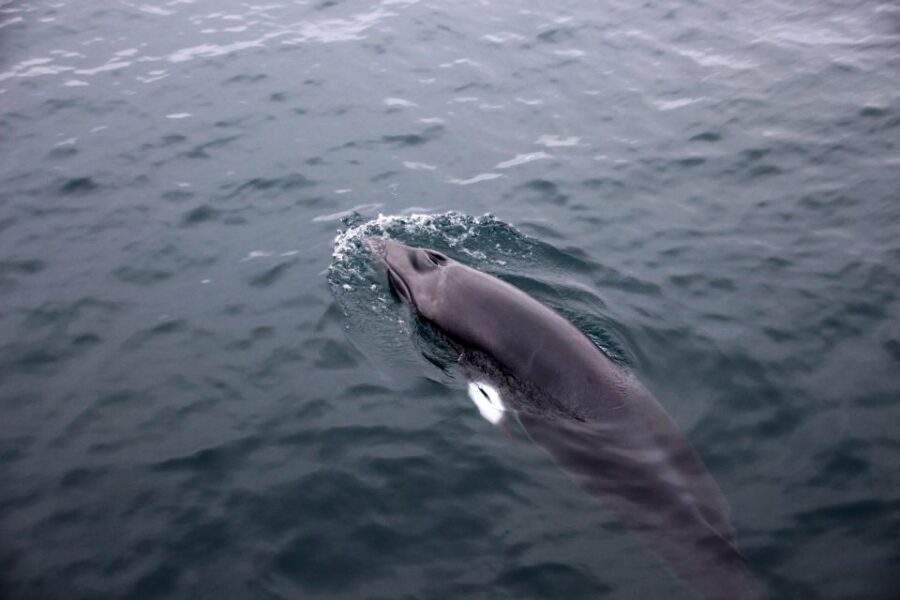
This tour fits well if you:
- want a close, active whale-watching format from Reykjavík
- like fast boat maneuvering instead of slow sightseeing
- travel in a season when puffins are nesting (summer)
- want gear provided so you can dress for success without shopping first
- enjoy learning right after seeing wildlife (museum included)
It may not fit if you:
- need an outing for young kids (it’s not suitable for children under 10)
- are pregnant (not suitable)
- have back problems (not suitable)
- are under 140 cm (4 ft 6 in) (not suitable)
Also, if open water motion is a big issue for you, plan thoughtfully. The shock seats and provided gear help, but a RIB still moves.
Should you book the Reykjavík Whale Watching by RIB Boat?
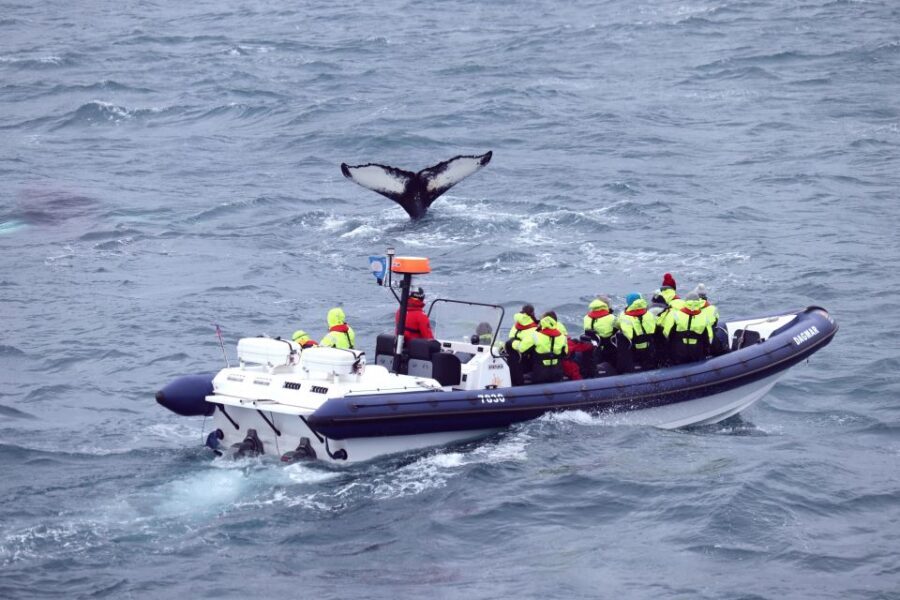
I’d book it if you want a high-chance-feeling whale watch that uses the right tool for the job: a maneuverable RIB, real cold-weather gear, and an included follow-up at the Whales of Iceland Museum. The cost starts to make sense when you treat it as a combined wildlife-and-learning experience, not just boat time.
But if you’re booking as a strict guarantee—bigger whales, epic breaches, and puffins on demand—then don’t. Weather and animal behavior run the show.
If your travel style is curious, outdoorsy, and okay with ocean reality, this is one of the more satisfying ways to spend your Reykjavík time: fast out on the water, then back to real whale facts on land.
FAQ
How long is the Reykjavik Whale Watching Tour by RIB Boat?
The tour lasts 2 hours.
Where does the tour meet in Reykjavik?
Meet at the local tour operator’s ticket office at Aegisgardur 5E, 101 Reykjavík.
What’s included with the tour price?
You get a guided boat tour, warm overalls, life vests, gloves and goggles, a summer visit to puffin island nesting grounds, and a ticket to the Whales of Iceland Museum.
What should I wear or bring?
The tour provides warm overalls, gloves, and goggles, plus life vests. The ride is weather dependent, so dress for cold and wind, and consider extra warm layers underneath.
Is hotel pickup or drop-off included?
No. Hotel pickup and drop-off are not included.
What wildlife can I expect to see?
The tour focuses on finding whales in Faxaflói Bay, and in summer you can also stop at Akurey to look for puffins. Other marine species may be spotted as well.
Is the tour always guaranteed to sail?
No. The tour depends on weather conditions. Captains decide whether to sail based on experience, always prioritizing safety and comfort.
What are the age and health limits?
It’s not suitable for children under 10, pregnant women, people with back problems, and people under 140 cm (4 ft 6 in).
Is the guide available in English?
Yes, the live tour guide speaks English.