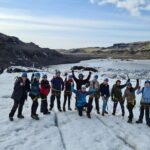
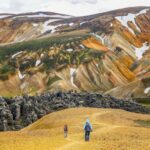
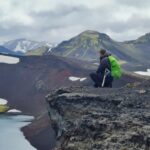
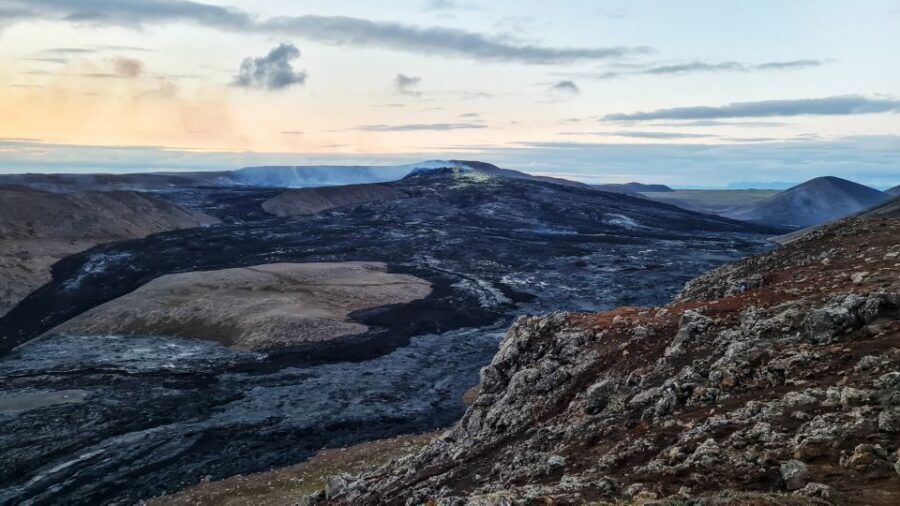
Fagradalsfjall feels alive. This guided volcano hike from Reykjavík takes you onto the Reykjanes Peninsula’s fresh lava ground with a geologist who helps you read what you’re seeing on the rocks, not just stare at them. The payoff is the crater-side viewpoint, with the chance to understand how the eruption is still shaping the terrain right in front of you.
I especially like the safety-first approach on rough ground, including a careful gas-warning mindset and gear support like headlamps and crampons if needed. I also love the way the guide turns a hike into a real science lesson, using clear explanations and often diagrams and maps so you can connect lava texture to how the eruption happened.
One catch: the hike is genuinely uphill and can be difficult, and the area’s volcanic gases mean it’s not a good fit for kids under 12, pregnant travelers, or anyone with lung or breathing issues.
In This Review
- Key highlights that make this tour worth your time
- Fagradalsfjall is geology in motion, not a museum display
- Getting from Reykjavík to the lava fields: drive-time lessons count
- The geologist part: how the guide makes lava make sense
- The hike up Fagradalsfjall: steep, rough, and worth preparing for
- Around vents and toxic gas: the rules are there for a reason
- Crater viewpoint and lava-field storytelling: what you’ll actually notice
- The return drive: scenic, but also a reminder of eruption impact
- Value check: is $163 per person fair for this kind of hike?
- Who should book this Fagradalsfjall volcano hike, and who should skip it
- Quick packing and readiness checklist (so your day stays fun)
- Should you book this Fagradalsfjall hike with a geologist?
- FAQ
- How long is the Fagradalsfjall volcano hike?
- What’s included with the tour?
- Is food provided?
- What should I bring for the hike?
- Is this tour suitable for kids or people with respiratory issues?
- Do I get to see glowing lava up close?
Key highlights that make this tour worth your time
- A real geologist/volcanologist on the hike, not a scenic guide who just tells you what to look at
- Crater viewpoint with panoramic views, plus explanations that make the view mean something
- Safety planning around vents and toxic gas, including keeping you away from the wrong places even when it looks cool
- Transport from Reykjavík that saves you the headache of timing and roads on a volatile day
- Cold-weather support: warm-up essentials like headlamp and crampons if needed for traction
- Small-group pacing that keeps you moving, stopping, and learning without feeling rushed
Fagradalsfjall is geology in motion, not a museum display
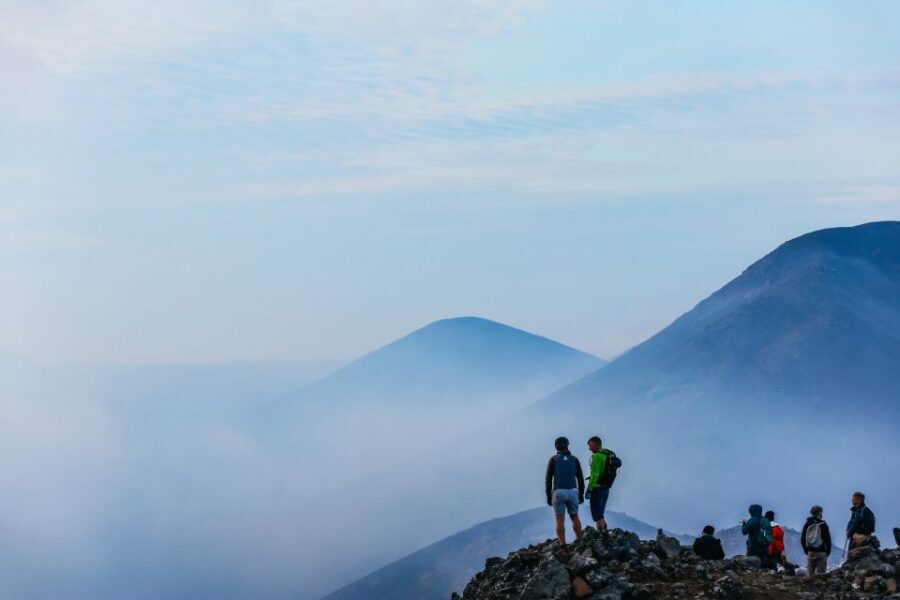
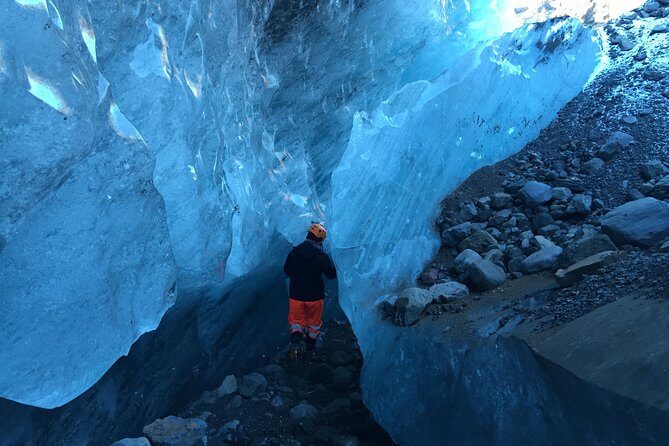
Fagradalsfjall has a special kind of magic. It is not an ancient volcano frozen in time. It’s actively producing new ground, and that changes the whole feel of the outing. You’re walking through lava fields where the details you notice—layering, color changes, rock textures—are part of the story of how the eruption unfolded.
This tour is built for that. You don’t just hike up for a photo. Your geologist guide helps you interpret the eruption history of the Reykjanes Peninsula and the recent activity around Fagradalsfjall. That matters, because the lava can look similar at first glance. With guidance, you start spotting differences that explain why the terrain looks the way it does.
And if conditions allow, you may get to see signs of ongoing heat and activity from a safe distance. One theme that comes through again and again in traveler experiences is that the guide keeps the focus on the science while still making the day feel exciting and real.
You can also read our reviews of more hiking tours in Reykjavik
Getting from Reykjavík to the lava fields: drive-time lessons count
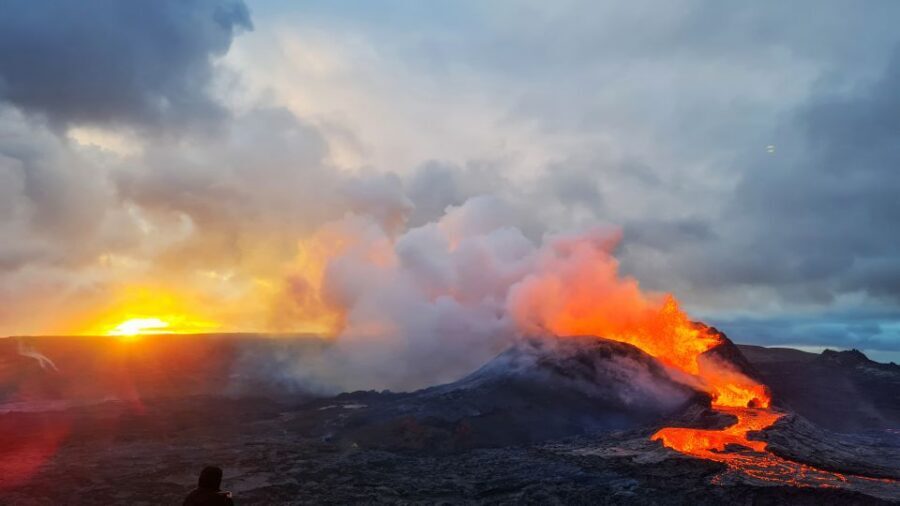
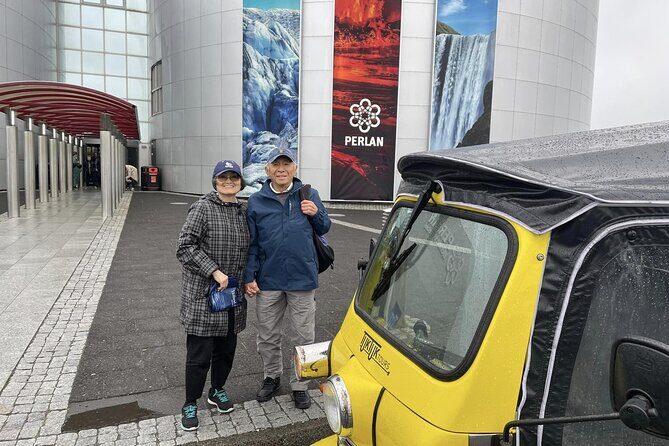
The tour runs from Reykjavík, with pickup at a convenient spot near Hallgrimskirkja (bus stop #8) for the shuttle/bus option. There’s also a Jeep/SUV option. Either way, you’re not left to figure out logistics on your own, which is a big deal on days when weather and road conditions can shift.
What I like about this setup is that the drive is not dead time. Your guide uses the travel window to set context about Reykjanes geology and the pattern of volcanic activity in this part of Iceland. You’ll also drive through older lava fields before reaching the eruption side.
On the way back, many people value the scenic return route. The drive passes geothermal areas, including hot springs and lakes, plus mountains of the peninsula. A few travelers also describe passing through an eerie, deserted village area (Grindavík is mentioned), which quietly shows you the human cost of living near active volcanoes—even when you’re far from the action.
The geologist part: how the guide makes lava make sense
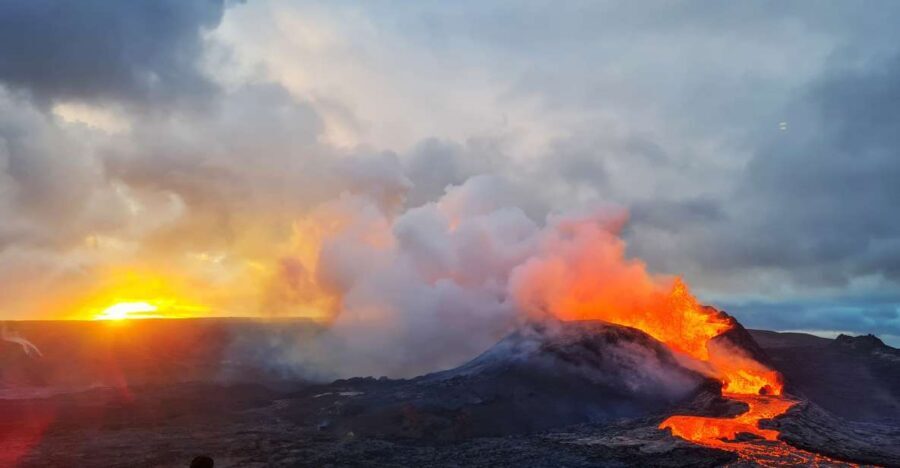
This is where the tour tends to win people over. The experience isn’t just about standing near lava. It’s about learning how to read it.
Your guide is a geologist/volcanologist and leads you through what you’re seeing: how eruptions form new land, how lava composition can affect the rock appearance, and what different features on the ground can tell you about the eruption’s behavior. Think of it like getting subtitles for a movie you’d otherwise watch with the volume turned down.
A pattern in the strongest feedback is how clearly guides explain complex ideas in plain terms. Guides named France, Jasmine/Jasmina, Giuseppe/Guiseppe, Fransie, Joseph, and Pepe are all mentioned as examples of the style you might get—passionate, interactive, and happy to answer questions. Some guides add extra visuals such as diagrams, eruption data, and maps of active areas, which helps you connect what you see in front of you to the bigger geological picture.
This matters for your enjoyment. Without a guide, you can still have an amazing hike. But with one, you come away with a mental model. You start noticing textures and formations and can explain them back to yourself later.
The hike up Fagradalsfjall: steep, rough, and worth preparing for
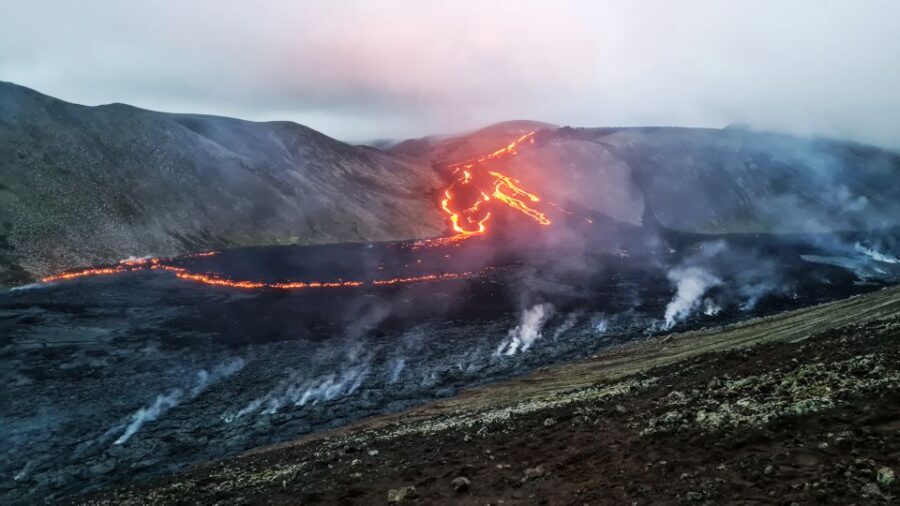
The hike is structured around a practical pace: about 1–1.5 hours in each direction, with rough terrain and a total hike time that usually lands in the 4–6 hour tour window. Even though the outing is short on paper, it has real effort—particularly because you’re moving uphill through uneven ground.
Here’s the honest bit for decision-making: some people describe the hike as moderate with a gradual uphill grind. Others frame it as difficult. Either way, you should treat it as a workout.
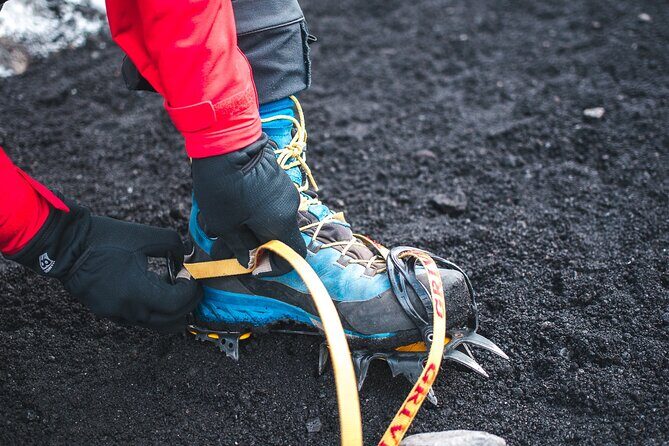
Gear makes the difference. The tour can provide headlamp and crampons if needed, which hints at changing conditions—especially in colder or wetter weather when traction matters. You should still plan your own footwear like your day depends on it, because it does. Hiking shoes are explicitly recommended, and sandaled footwear is a no.
A few traveler notes point out vertical gain around 213 m (about 700 feet). That’s not crazy for experienced hikers, but it’s enough to make you feel it in your legs, especially if you’re caught by wind or low visibility.
Safety also comes down to where you step and how close you go. Your guide keeps you on safe ground, even if it looks tempting to get nearer to vents. That’s part of the value: you get the wonder without the risk of wandering into a place where volcanic gases and activity could be dangerous.
Around vents and toxic gas: the rules are there for a reason
Volcano days are not ordinary hiking days. The area can have gas pollution, and that’s a key part of why this tour has clear limitations. The tour is not recommended for children under 12, pregnant women, or people with lung diseases or respiratory issues.
It’s also a reminder that glowing lava is not guaranteed. A volcanic eruption is natural and can change quickly. That means you should book this for the whole experience—terrain, viewpoints, and geology lessons—not only for the promise of dramatic visuals.
A nice side effect of having a science guide is that safety doesn’t feel like scolding. The guide explains why certain areas are off-limits and why you’ll sometimes be kept farther from vents than you might expect. Several experiences highlight that guides warn you about toxic gases and stick to security rules so the hike stays enjoyable and not stressful.
One traveler even describes how the guide leads you away from the venting area even though it looks super cool up close. That’s the kind of control you want on a day like this.

Crater viewpoint and lava-field storytelling: what you’ll actually notice
The best reward is usually at the top, when you reach the crater viewpoint and can take in big panoramic views of the volcanic terrain below. This is where your geologist starts turning the hike into a narrative.
You’ll likely pause for explanations tied to what you’re standing on:
- why certain lava formations look the way they do
- how the eruption shaped the land as it progressed
- what different layers or rock textures can suggest about cooling and lava behavior
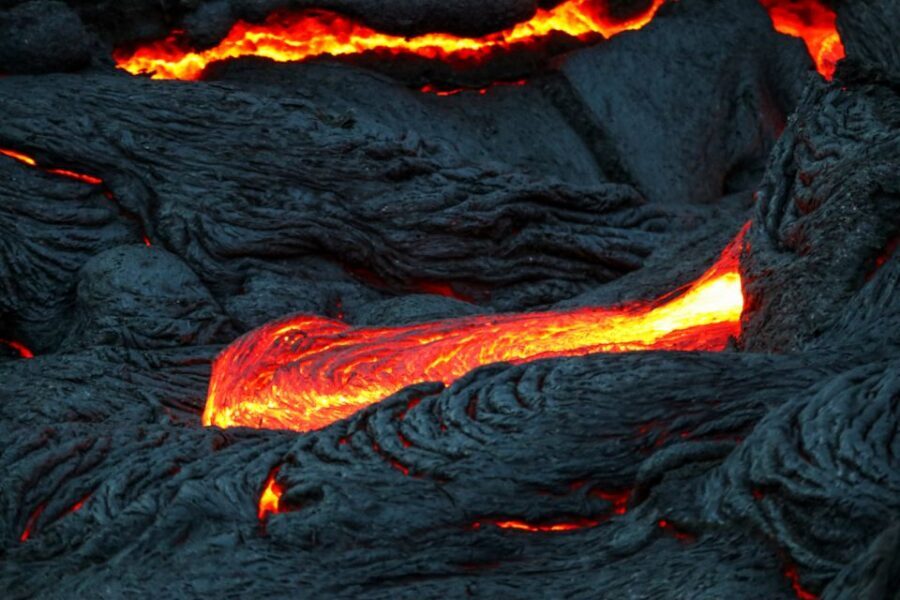
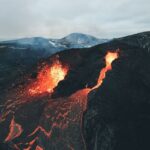
If conditions are right, people report seeing steam venting and even feeling heat from cooling lava from a safe position. There are also mentions of touching or feeling steam near fissures when guides judged it safe. Those moments can feel almost unreal, like you’re standing next to a living engine.
Some of the specific formations people mention include obsidian and something described as witch’s hair (a type of volcanic glass formation). You won’t necessarily see every named feature every day, but the guide’s job is to point out what is there and help you understand why it matters.
Photo-wise, bring your expectations of what Iceland does well: bright colors against dark rock, wind-buffed views, and that “this place is brand new” feeling.
The return drive: scenic, but also a reminder of eruption impact
The hike ends and you’re back in the vehicle, usually for about an hour of return driving. On paper it sounds like simple transit. In practice, it’s often part of the emotional arc of the day.
You’ll pass geothermal areas and scenic points—hot springs, lakes, and mountains of the Reykjanes Peninsula. More than one traveler talks about seeing abandoned or impacted areas, including Grindavík described as a deserted village. It’s not a sad pity angle. It’s just a grounded reminder that geology isn’t abstract here. It’s active.
Then you return to the Reykjavík meeting point near Hallgrimskirkja, with your headlamp and crampons (if you used them) handled already, and the day’s science still running in your mind.
Value check: is $163 per person fair for this kind of hike?
At $163 per person, this isn’t a cheap outing. But it’s also not just a bus ride plus a walk. You’re paying for three things that matter in Iceland: expert interpretation, safe guiding, and logistics from Reykjavík.
Here’s why the math can make sense:
- You’re hiring a geologist/volcanologist who interprets lava features you otherwise might not understand. That’s the main value-add.
- Transportation is included depending on the booking option, which reduces time stress and helps you reach the right trail access points.
- Safety support includes headlamp and crampons if needed, plus active management of gas risks and vent proximity.
- Small-group format (limited to 6 participants) means more attention and less waiting around.
Is it worth it if you’re a strong hiker and happy to read on your own? Maybe. You could hike some areas independently. But you’d likely miss the “why” behind the rocks.
One criticism that shows up is a mild concern about tipping expectations. That’s more about local norms and personal comfort than about the service quality. If tipping is part of your travel ethics, factor that into your mental budget.
My practical advice: if you want your Iceland geology day to feel like real learning, not just a cool hike, the price can feel fair. If you only care about scenery and you’re comfortable with safety on rough terrain, it might feel heavy.
Who should book this Fagradalsfjall volcano hike, and who should skip it
This tour is best for you if:
- you want an English-speaking science guide who explains volcanic activity in an accessible way
- you’re comfortable with an uphill hike on rough terrain
- you’d rather learn how lava forms new land than just walk through it
- you like small groups and structured safety
Skip it (or choose a different experience) if:
- you have respiratory issues, are pregnant, or need something designed for a gentler pace
- your mobility is limited enough that rough, uneven ground would be unsafe
- you’re relying on sandals or fragile footwear (don’t even try)
Also consider that wind can be a factor. Several travelers mention dressing for it and blocking cold gusts, even when it’s not winter.
Quick packing and readiness checklist (so your day stays fun)
Bring:
- Warm clothing (layers beat one huge jacket)
- Rain gear
- Hiking shoes (proper traction)
- Food and drinks, because there are no meals included
- A plan to stay comfortable in wind
The tour may include:
- Headlamp and crampons if needed
Don’t bring:
- Pets
- Large bags or luggage
- Anything sharp or weapon-like
- Smoking during the experience
And one smart mindset: treat it like a real hike first, then science second. If your legs are steady and your footing is secure, you’ll get more out of the explanations instead of thinking about your next step.
Should you book this Fagradalsfjall hike with a geologist?
Book it if you want Iceland’s volcanic activity to make sense. The best part of the experience is the way a geologist turns the terrain into a story you can read—layers, lava behavior, and why certain formations look the way they do. The crater viewpoint and safe lava-field access are the payoff, but the guide is what makes the day stick.
Skip it if you can’t handle uphill, rough terrain or you’re sensitive to volcanic gases. On the days when weather or gas levels force changes, the tour can cancel with short notice, so build some flexibility into your schedule.
If you’re deciding last-minute: choose this when you have decent hiking fitness, can dress for wind and cold, and you really want the science behind the spectacle. That’s when the $163 feels like more than a ticket. It feels like a translator for an active landscape.
FAQ
How long is the Fagradalsfjall volcano hike?
The tour runs about 4–6 hours. The hike itself takes about 1–1.5 hours each way, with 2–3 hours of total hiking time.
What’s included with the tour?
Included features are a geologist guide, transportation from Reykjavík depending on the booking option, and headlamp and crampons if needed.
Is food provided?
No. Food and drinks are not included, so you’ll want to bring your own.
What should I bring for the hike?
Bring warm clothing, hiking shoes, rain gear, and food and drinks. Good footwear matters because the terrain is rough.
Is this tour suitable for kids or people with respiratory issues?
No. The hike is not recommended for children under 12, pregnant women, or people with lung diseases or other respiratory issues due to gas pollution in the area.
Do I get to see glowing lava up close?
You might see hot, active lava features depending on conditions, but glowing lava is not guaranteed. The eruption and access rules can change quickly.