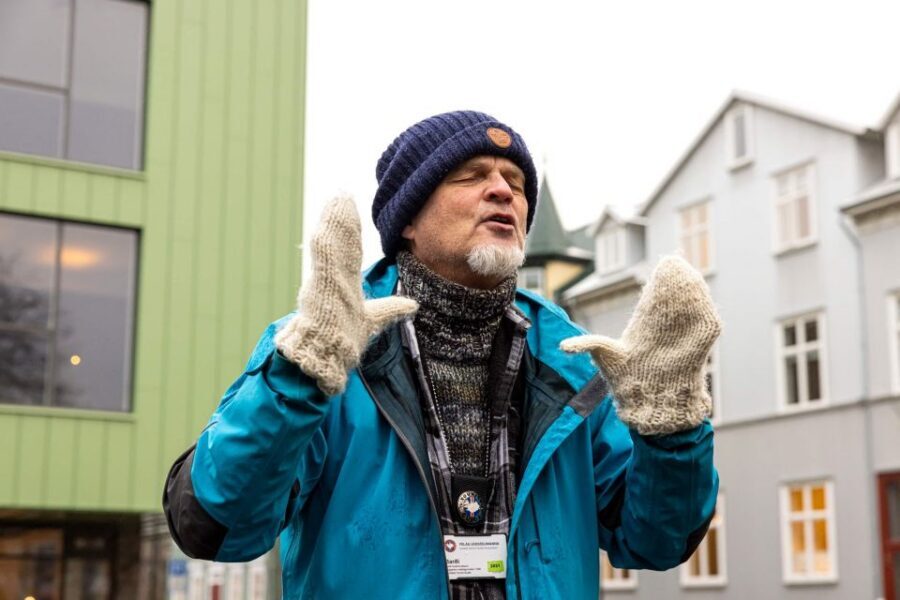
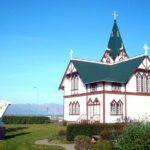
Waterfalls and volcano leftovers, all in one day. This port trip strings together some of Iceland’s most memorable geology and water power, starting at Goðafoss and ending at Dettifoss. I like that the day isn’t just sightseeing blocks, it’s a theme: ice-and-fire landforms, steam, and tectonic drama. The human part helps too. Guides such as Joana come through in feedback with sharp local knowledge, good humor, and smart photo help when rainbows show up.
The main thing to plan around is timing and conditions. This route depends on weather and road conditions, so stops can shift with short notice. Also, meals are not included, and the café stop lands fairly late, so you’ll want a pre-packed lunch to avoid getting hungry in the middle of the day.
In This Review
- Key Things You’ll Notice on This Trip
- A Cruise-Friendly 9-Hour Day That Doesn’t Waste Time
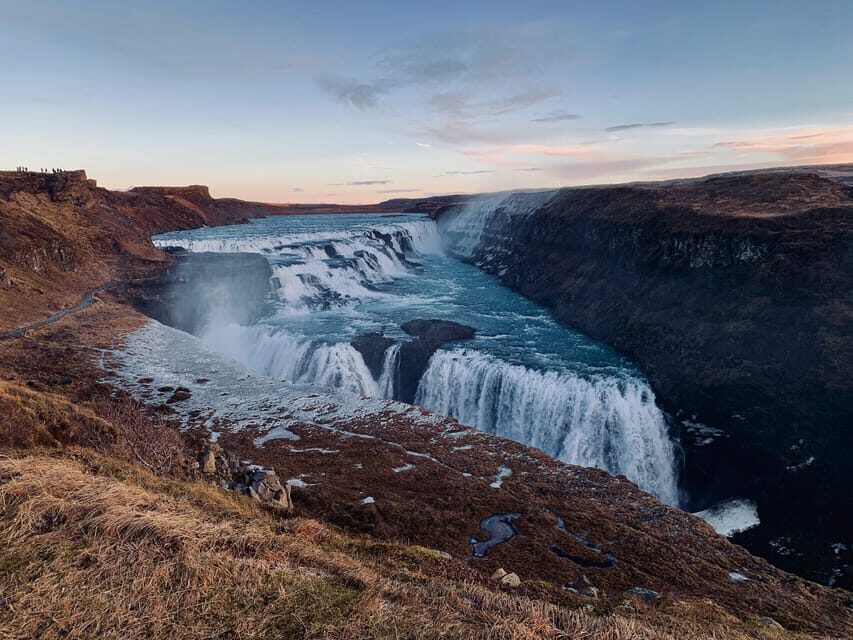
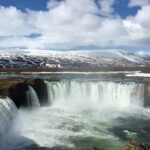
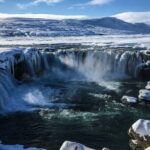
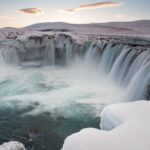
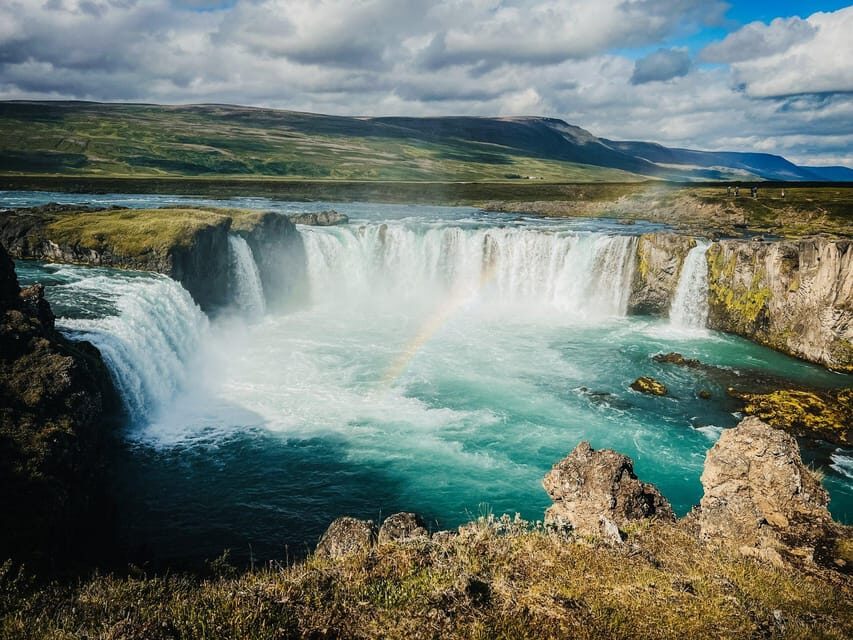
- Goðafoss Waterfall: Iceland’s Big Opener With Rainbow Odds
- Lake Mývatn: Skútustaðagígar Pseudo Craters and Dimmuborgir’s Lava Maze
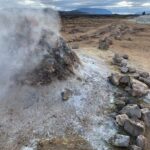
- Hverir Geothermal Area: Fumaroles, Boiling Mud Pots, and Steam-Filled Reality
- Dettifoss: The Waterfall Stop That Makes the Whole Day Worth It
- Grjótagjá Cave and the Rift Between Continents
- The Final Fjord Moment Back Toward Akureyri
- What to Pack and How to Handle Iceland Weather in One Long Day
- Value Check: What $288 Gets You (and What It Doesn’t)
- Should You Book Port Akureyri: Goðafoss, Myvatn and Dettifoss?
- FAQ
- How long is this tour?
- Where does the tour start?
- What are the main stops on the itinerary?
- Is Wi‑Fi included?
- Are meals included in the price?
- Does the tour provide guidance in English?
- Is there time for photos at each site?
- Does the tour return with enough time for the cruise ship?
- What should I bring for food and timing?
- Is the itinerary affected by weather?
Key Things You’ll Notice on This Trip
- Cruise timing built in: You return at least 30 minutes before the cruise departs (often closer to 50).
- Three different “Iceland in motion” zones: waterfall power, Lake Mývatn’s crater fields and lava, then geothermal steam and caves.
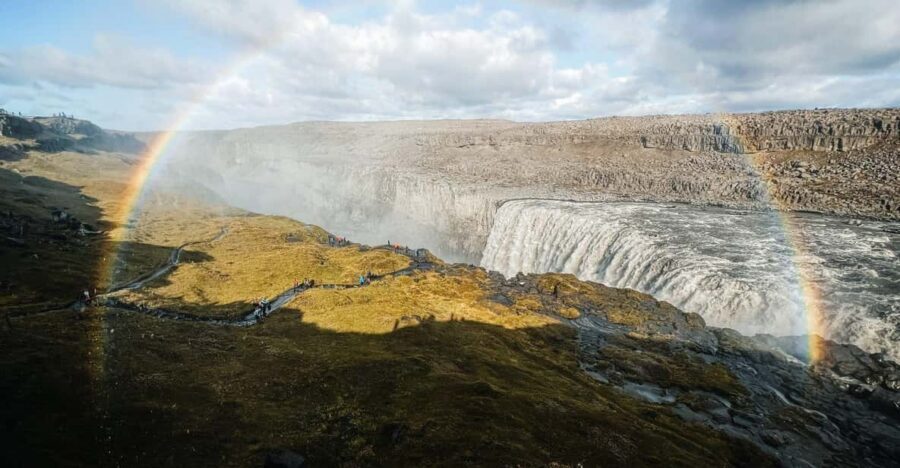
- Dettifoss is the payoff: one of Europe’s most powerful waterfalls, with rainbow chances on sunny days.
- Mývatn’s pseudo craters are the science stop: Skútustaðagígar are a rare feature you’ll only see in a few places worldwide.
- Hverir means hands-on geology: smoking fumaroles and boiling mud pots.
- Grjótagjá connects nature to tectonics: the hot blue river ties directly to the rift between the Eurasian and American continents.
A Cruise-Friendly 9-Hour Day That Doesn’t Waste Time
This is built for a port stop out of Akureyri, and you can feel that in the pacing. You start at the Akureyri Cruise Terminal parking lot, then you’re on a comfortable mini bus with free onboard Wi‑Fi to keep downtime painless.
A smart detail for cruise passengers is the return guarantee: you’re scheduled to be back with enough cushion for ship departure. That matters, because this part of Iceland can look calm until wind, rain, or road conditions change. The good news is you’re not left guessing on your own; the tour runs with a fully guided format, so you’re not trying to figure out the order of viewpoints mid-day.
At a price of $288 per person, you’re paying for more than transport. You’re paying for guided stops at several top-tier sites in one shot: Goðafoss, Lake Mývatn’s signature landscapes, Hverir, Dettifoss, and Grjótagjá. Meals aren’t included, but you’re getting the heavy lifting done: route flow, timing, and interpretation.
You can also read our reviews of more tours and experiences in Akureyri.
Goðafoss Waterfall: Iceland’s Big Opener With Rainbow Odds
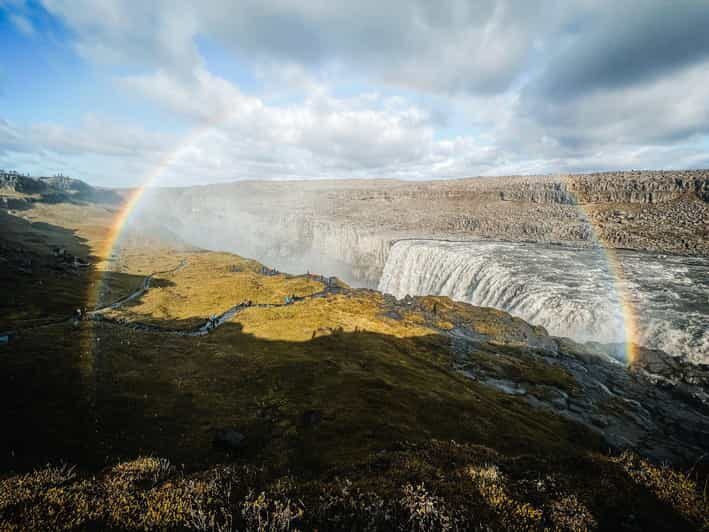
Goðafoss is the kind of stop that turns a sightseeing day into a story. You get a guided introduction plus time to walk and take photos. There’s also a shopping and local-snack element here, which is useful as a reset before the geology marathon begins.
The waterfall itself is the star. You’ll have a clear chance for classic waterfall photos, and the guide will help you with angles. On the right day—especially with sun and mist—there can be a rainbow. If that happens, it’s one of those moments where having someone who can point you toward the best spots and timing really helps.
What I like about Goðafoss as a first stop is that it sets the tone. You’re not just seeing water; you’re stepping into the way Iceland pairs dramatic nature with cultural meaning. Even if you only spend a half hour or so here, it gives you context for the rest of the day.
Lake Mývatn: Skútustaðagígar Pseudo Craters and Dimmuborgir’s Lava Maze
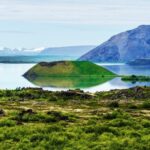
After the first waterfall, the day pivots to Lake Mývatn, and it does so quickly. You’ll stop at Skútustaðagígar—better known as pseudo craters—and these are genuinely unusual. The key point is that they aren’t ordinary volcanic cones. They form through specific interactions between hot ground and water/steam, which helps explain why the land looks like cratered mounds without being the same kind of volcano feature you’d expect.
You get time to explore around the area, plus guided interpretation and time for photos. The tour also frames why this is a rare feature: you can find similar formations in only a handful of places worldwide, including Iceland, Hawaii, the Azores, and even on Mars. That kind of comparison turns a walk into an instant lesson.
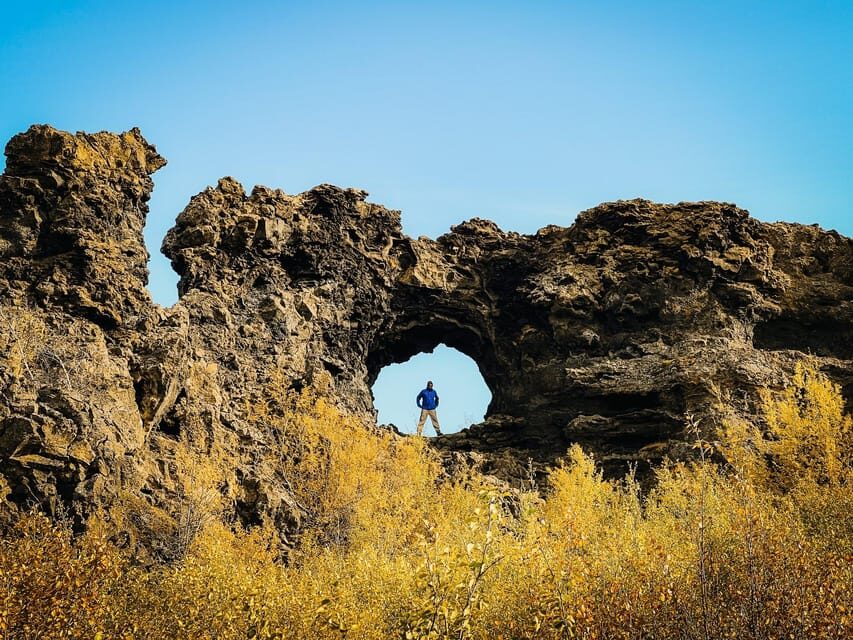
Then you move to Dimmuborgir, where the tone shifts from crater science to lava art. You’ll see strange shapes and formations carved and sculpted by lava flows. There’s time for guided touring and also free time to wander, hike, and get your bearings. This stop is especially good if you like your scenery with texture—rock shapes that feel almost architectural, even though they’re pure geology.
The tradeoff is that this is a lot of walking for a cruise day. You’ll want sturdy shoes and a plan to move at your own pace, even with a group schedule.
Hverir Geothermal Area: Fumaroles, Boiling Mud Pots, and Steam-Filled Reality
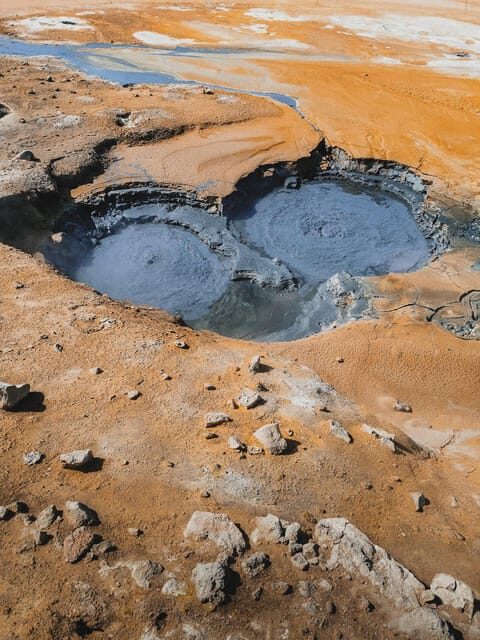
Hverir is the place where Iceland’s heat turns into something you can literally see and smell. You’ll pull in for a photo stop, then a guided visit with time to walk around the geothermal area.
The highlights here are smoking fumaroles and boiling mud pots. It’s not a museum set-piece. It’s working geothermal energy, which is exactly why it feels so alive. The guide’s job is useful because geothermal terrain can look similar across a wider area; you want someone pointing out what you’re actually looking at, not just saying steam is everywhere.
Another practical reason to like Hverir on this route: it’s a buffer between Lake Mývatn and Dettifoss. You go from crater and lava terrain to an active heat zone, then you’re ready for the next big visual contrast—massive flowing water.
Dettifoss: The Waterfall Stop That Makes the Whole Day Worth It
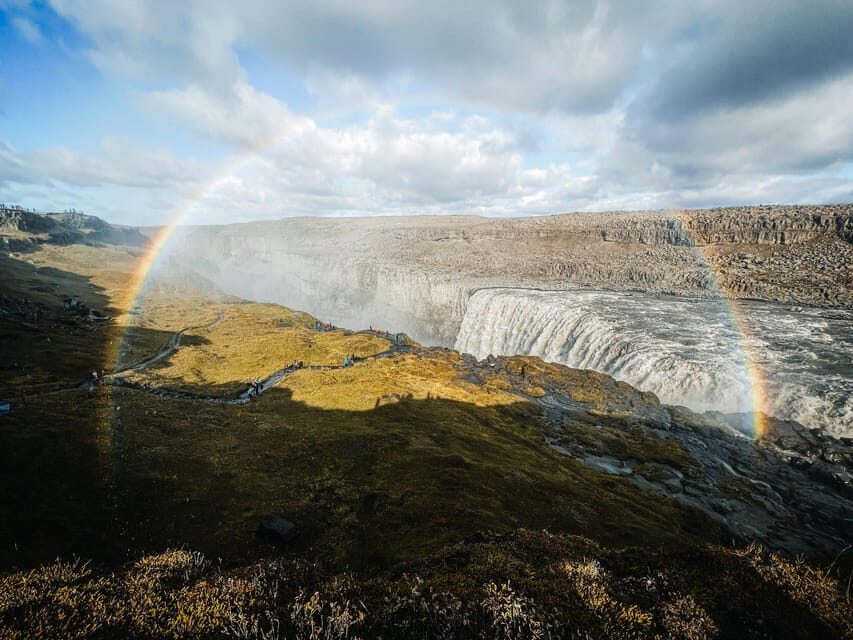
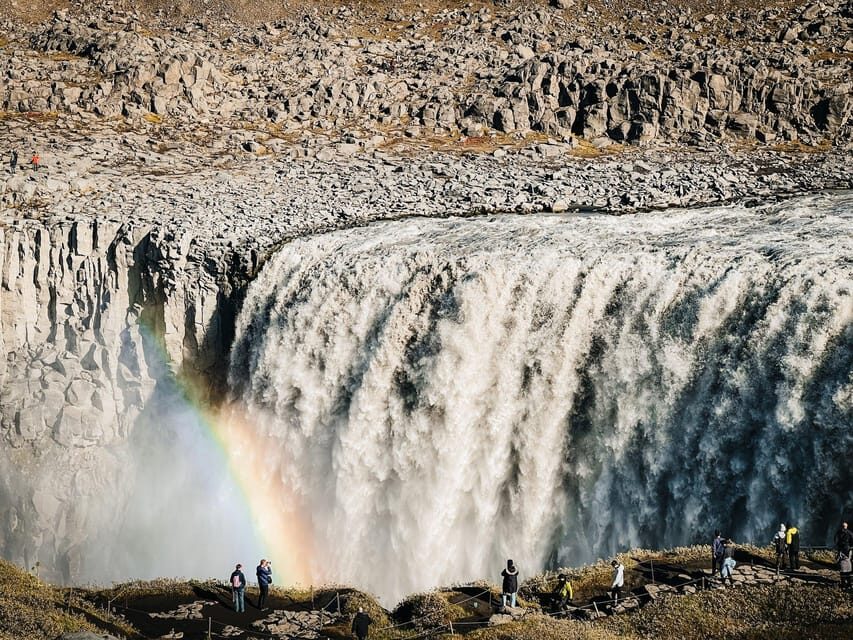
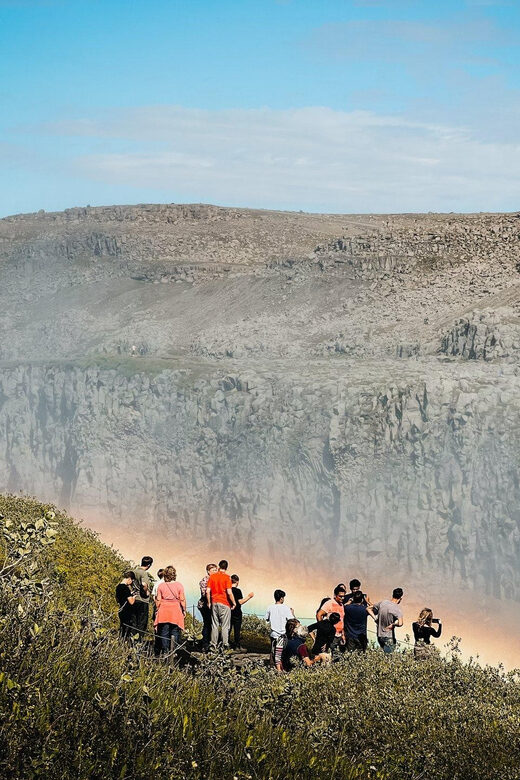
Dettifoss is the heavyweight. You get time to visit with guided interpretation and then enough free time to take your own photos. This is one of Europe’s most powerful waterfalls, and the scale hits fast.
On sunny days, there can be a rainbow over the falls. Even when there isn’t, the mist and roar create an immersive experience. You’ll likely spend time watching water churn and spread, then backtracking for better angles. A good guide helps with that loop, especially when people want photos at the same time and angles are tight.
What I’d call the “value move” here is time management. Dettifoss is a site where you can easily overstay or under-react. The tour structure keeps you in the sweet spot: long enough to feel it, but controlled enough that you still get the later stops, including the cave.
Grjótagjá Cave and the Rift Between Continents
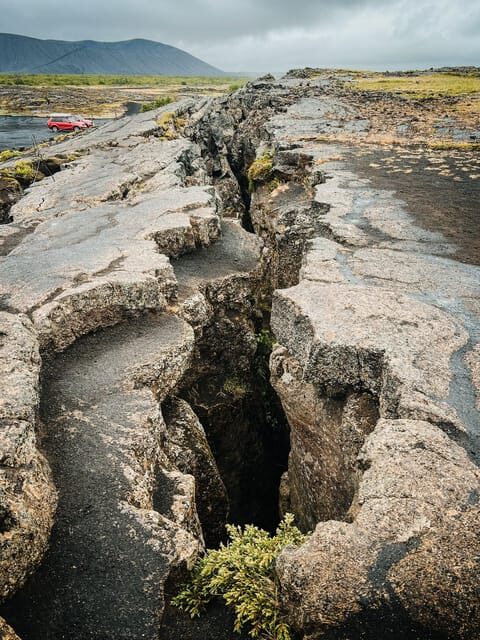
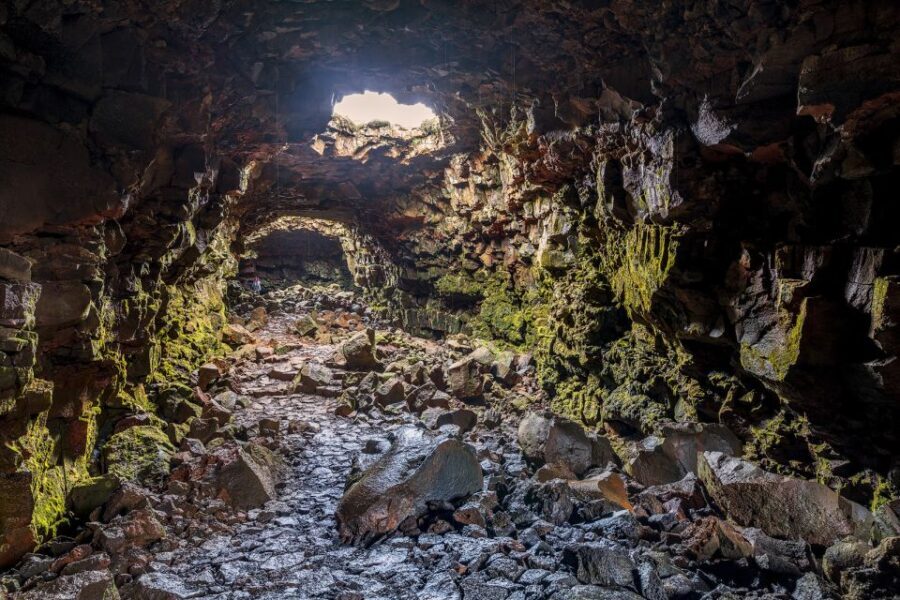
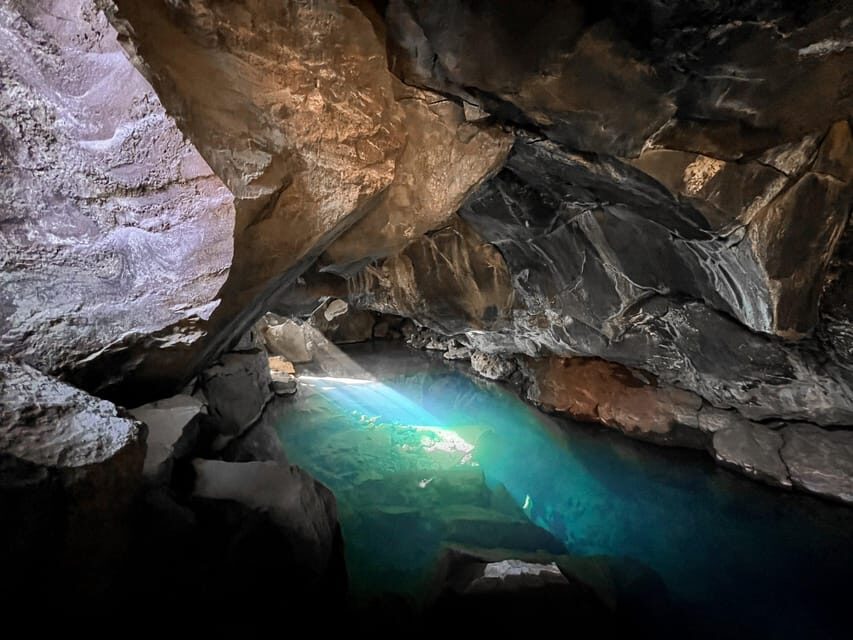
On the way back, the itinerary includes Grjótagjá Cave, and it adds a totally different kind of wow. Instead of water falling or lava stretching across a plain, you’re stepping into a cave setting where geothermal conditions create a hot blue river.
The guided visit helps you understand what makes this place special. It also connects to a bigger theme you’ve been seeing all day: Iceland’s place on the rift between the Eurasian and American tectonic plates. The tour even notes a fun photo option for the adventurous—standing on two tectonic plates—so you can turn that theme into a memorable shot.
This stop can be a highlight for people who like the “why” behind the scenery. It’s not just pretty. It’s tied to plate movement and active geology, which gives the day more meaning than a simple list of attractions.
The Final Fjord Moment Back Toward Akureyri
If there’s time, you make a last stop along Eyjafjörður with a viewpoint across the fjord to Akureyri. This is a nice wrap-up because it brings your brain from close-up geology back to the larger map.
It’s also practical. After hours of waterfalls, steam, and rock formations, you get a calmer scene for photos and a chance to breathe before you head back to the cruise terminal.
What to Pack and How to Handle Iceland Weather in One Long Day
This trip is straightforward, but Iceland weather can be sneaky. Since the day depends on road and weather conditions, I recommend you dress like the forecast is only a suggestion.
Bring:
- Waterproof outer layer and wind protection (mist around waterfalls is real)
- Warm layers for geothermal steam and cave time
- Comfortable shoes for uneven ground and short walks
- A reusable water bottle (meals and beverages aren’t included)
- Pre-packed lunch for a late day café gap
Photo-wise, this is a good day for rainbows and action shots. The guide will provide photo guidance when conditions cooperate. Still, don’t count on perfect light. Pack for gray skies too, and focus on the textures—steam plumes, layered lava shapes, and the way water throws mist.
Also note that the itinerary includes a café stop for refreshments, but it’s quite late in the tour. If you wait for snacks at the café only, you’ll likely feel rushed when you get hungry.
Value Check: What $288 Gets You (and What It Doesn’t)
Let’s talk value. At $288 per person, you might wonder if it’s “worth it” compared with renting a car. For many cruise passengers, the answer is yes, because you’re buying three things at once:
- Guidance: You get fully guided interpretation at every major site, which helps you understand what you’re seeing.
- Transport + cruise timing: You’re taken between far-flung locations on a schedule designed for ship departure.
- Concentration of top stops: You hit Goðafoss, Mývatn highlights (pseudo craters and Dimmuborgir), Hverir, Dettifoss, and Grjótagjá in a single day.
What you don’t get is the “open-ended day” feeling. There are fixed stops and ride times, and if you’re the type who wants long, unhurried lunch or spontaneous detours, you may find the pace tight. Meals and beverages are also not included, so you’ll want to budget for that separately.
Should You Book Port Akureyri: Goðafoss, Myvatn and Dettifoss?
Book it if you want one efficient day that hits major Iceland highlights in a way that’s structured for cruise schedules. This is a strong choice for people who love geology and want a clear story: waterfalls, crater shapes, lava formations, geothermal steam, then tectonic-rift cave time.
Skip it or consider a private option if:
- You want a totally flexible itinerary and flexible meal timing.
- You’re sensitive to long driving days and multiple short walks.
- You prefer to linger at fewer places instead of checking off many big-name stops.
If you’re traveling with a group that values planning, photo guidance, and getting back to your ship with confidence, this tour’s mix of top sites and guided pacing makes it a solid buy for northeastern Iceland.
FAQ
How long is this tour?
It’s listed as a 9-hour experience.
Where does the tour start?
The meeting point is the parking lot in front of the Akureyri Cruise Terminal.
What are the main stops on the itinerary?
You’ll visit Goðafoss, Skútustaðagígar (pseudo craters), Dimmuborgir, Hverir geothermal area, Dettifoss, and Grjótagjá cave, with a possible final fjord viewpoint toward Akureyri.
Is Wi‑Fi included?
Yes. Free Wi‑Fi is available on board.
Are meals included in the price?
No. Meals and beverages are not included.
Does the tour provide guidance in English?
Yes. The live tour guide is English-speaking.
Is there time for photos at each site?
Yes. The schedule includes photo stops at multiple locations and guided tours plus free time.
Does the tour return with enough time for the cruise ship?
Yes. You return at least 30 minutes before the cruise ship departs, usually around 50 minutes.
What should I bring for food and timing?
The tour stops at a café for refreshments, but it’s quite late in the day. The guidance recommends bringing a pre-packed lunch.
Is the itinerary affected by weather?
Yes. The tour depends on weather and road conditions, and the itinerary may change with short notice.