Volcanoes, up close, without the hike. This helicopter tour is built for one thing: getting you above the Reykjanes Peninsula so you can see Sundhnúkahraun and older eruption scars from the air, fast. I like that the flight is short enough to fit most Reykjavik days, yet long enough to actually linger over lava fields instead of just rushing past.
Two standout wins for me are the small group setup (limited to 5 participants, so you get better attention) and the focus on real eruption history you can see from the sky, including the 2021–2022 Fagradalsfjall/Geldingadalir craters and the March 2024 eruption site. The pilot handles the flight, but they also guide you through what you’re looking at.
One possible drawback to keep in mind: it’s weather dependent, and you’re not guaranteed to see flowing lava. Still, even without active lava on the day, the views of craters and lava fields are the main event here.
In This Review
- Key points
- A helicopter that turns volcano spotting into a 45-minute reality
- The flight plan: where your time actually goes
- Spotting lava fields over Reykjanes: what you’re really looking for
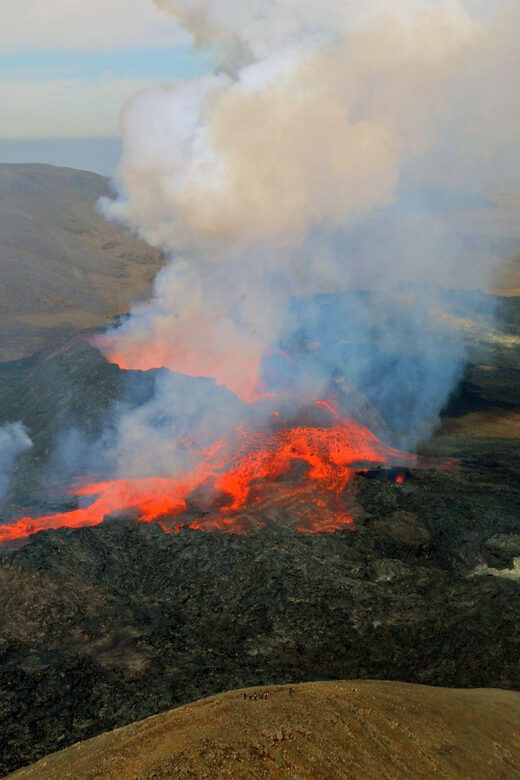
- Sundhnúkahraun: the March 2024 eruption site from above
- The 2021–2022 Fagradalsfjall/Geldingadalir craters and why they matter
- Reykjavik views and the Bessastaðir pass
- Pilot guidance, safety, and small-group comfort
- Weather can change everything—and that’s the reality here
- Price and value: what $624 buys you
- Who should book this helicopter volcano tour
- Should you book this tour?
- FAQ
- How long is the Reykjavik volcano helicopter sightseeing tour?
- Where does the tour start and end?
- Is the tour in English?
- Are flights guaranteed to include visible lava?
- How many people are in the group?
- What happens if weather cancels the flight?
Key points
- A small group of up to 5 means you’re not fighting for sightlines during the best moments
- Around 30 minutes over Reykjanes Peninsula gives time to spot multiple lava fields and craters
- March 2024’s Sundhnúkahraun is the headline eruption site on this route
- You’ll fly over the 2021–2022 Fagradalsfjall/Geldingadalir area, where big craters formed
- Friendly, English-speaking pilot guidance helps you interpret what you’re seeing
- No lava guarantee: eruptions are natural events, so expect views of terrain first
A helicopter that turns volcano spotting into a 45-minute reality
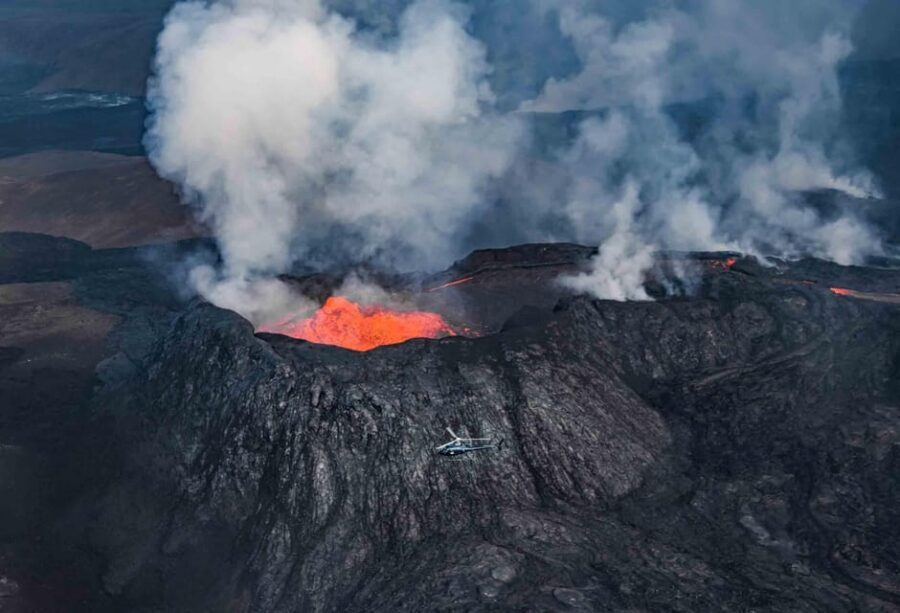
If Iceland’s volcanoes are on your bucket list, this is the practical way to see them without turning your day into a long driving-and-trudging project. You lift off from Reykjavik’s airport area and get transported straight to the Reykjanes Peninsula, where you can look down on eruption sites in a way that ground viewpoints just can’t match.
The flight is 45 minutes total, and the itinerary is designed so you spend most of that time over volcanic terrain rather than on logistics. You’ll get the chance to scan from above for the most recent activity, then circle back for additional perspectives over older lava fields. The “from the air” part matters: lava roads, cracked crust, and crater edges are much easier to read when you’re not also dealing with wind, distance, and limited sight lines.
This tour also has a clear vibe: watch, listen, and take photos. The pilot is part guide, part flight expert, so you’re not stuck guessing what the odd-looking dark patches are below. And since the tour is limited to just 5 participants, it tends to stay calm and personal.
You can also read our reviews of more tours and experiences in Reykjavik
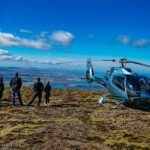
The flight plan: where your time actually goes
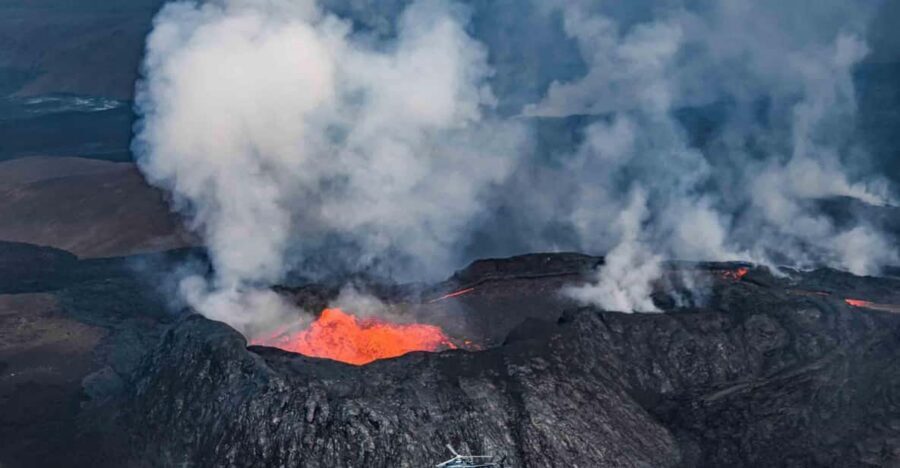
Here’s how the 45 minutes are shaped, and why it works.
You start at the Reykjavik base next to Berjaya Hotel, at the building marked for Atlantsflug/Flightseeing. You’ll meet airport staff and your pilot at the nearby Reykjavik FBO / domestic airport area, then receive a short route briefing before takeoff.
From there, the flight quickly turns into sightseeing. You’ll see the Reykjavik area from the air early on, then head out to the Reykjanes Peninsula. Most of the meaningful viewing time is allocated here, where the volcanic terrain is the main subject. The tour then loops back toward Reykjavik, with a brief pass connected to Bessastaðir and additional views over the capital before landing back at the base.
Why you’ll like this structure: it reduces the “wasted minutes” problem. If you’ve ever done ground sightseeing and felt like you spent more time in the car than looking at anything, this is the opposite. You still get perspective on Reykjavik, but the schedule is built around lava-field spotting first.
Spotting lava fields over Reykjanes: what you’re really looking for
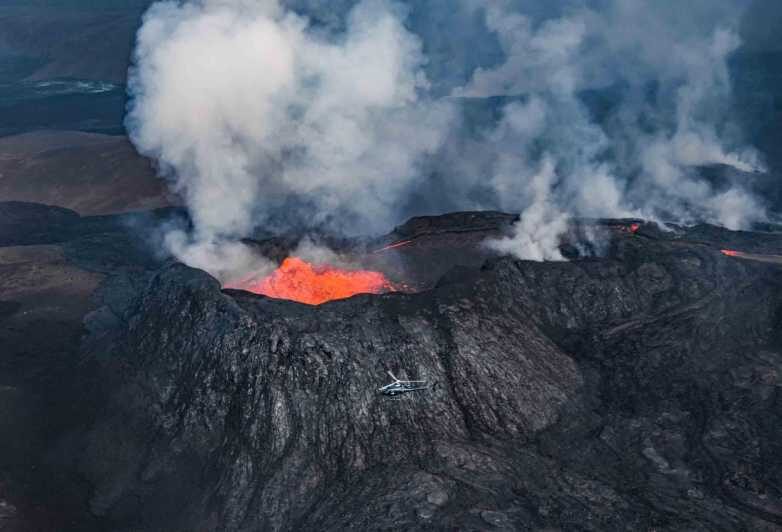
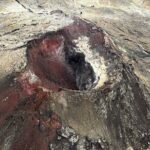
Reykjanes is the stage where recent eruption stories overlap with older terrain. From above, you’re not just seeing one dramatic crater; you’re seeing how volcanic activity builds and rearranges the surface over time. That means your eyes get trained on shapes: crater rims, darker lava sheets, and the way lava flows spread outward.
The tour’s route includes:
- Old lava fields that date back hundreds of years
- Major eruption-area craters tied to Fagradalsfjall/Geldingadalir (2021–2022)
- The current headline site: Sundhnúkahraun from March 2024
Even when you don’t get visible flowing lava, the views are still useful. You’ll be able to compare newer ground patterns with older ones, and the pilot’s guidance helps you connect what you’re seeing to volcanic history. Think of it like an aerial map you can actually understand, rather than a random scatter of dark patches.
One more photo tip, based on what this type of flight emphasizes: prioritize taking a few steady shots during the circling moments, not nonstop spraying. A short flight gives you limited chances to frame the active-looking areas, so listen first, then shoot.
Sundhnúkahraun: the March 2024 eruption site from above
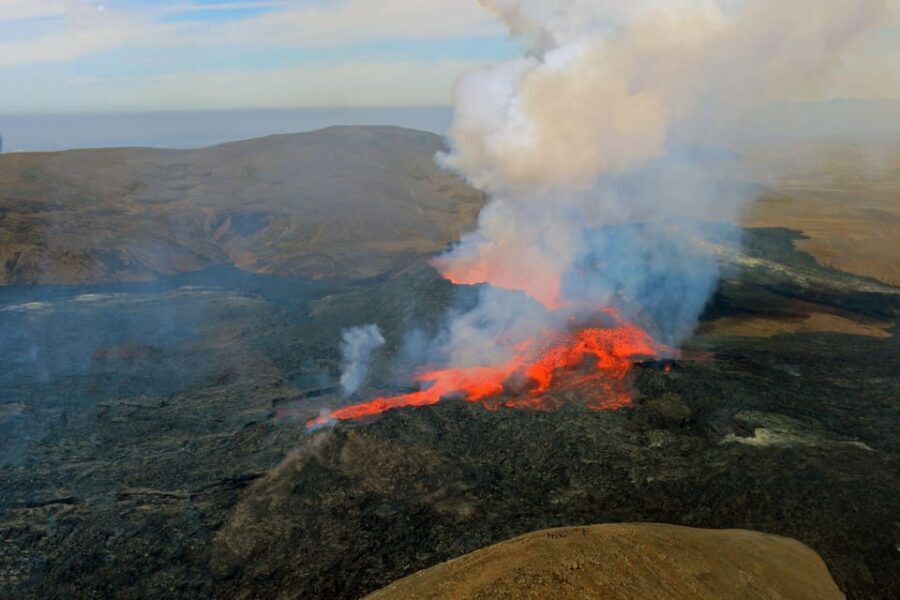
The core reason people book this tour is simple: to see Sundhnúkahraun, the most recent eruption site mentioned for March 2024, from the air. When the flight reaches the latest eruption zone, you’ll be in the zone where volcanic terrain is freshest and most visually distinct.
This is also where the pilot’s storytelling helps the most. You’re not just watching a dark field; you’re learning what the location represents in the eruption timeline. That makes your time feel sharper and more grounded, because you’re not only looking at scenery—you’re following a volcanic sequence.
And yes, the chance of seeing flowing lava is part of the promise. But you’ll also appreciate the honest framing: lava visibility is not guaranteed. Iceland’s eruptions can surge, pause, or shift, and weather can change visibility quickly. If flowing lava happens to be present when you pass overhead, it’s the “wow” moment. If it isn’t, you still get a first-class view of the eruption site’s footprint and surrounding lava fields.
The 2021–2022 Fagradalsfjall/Geldingadalir craters and why they matter
A lot of volcano tours do one thing well. This one tries to connect multiple chapters of the same volcanic system, especially by including the Fagradalsfjall/Geldingadalir area and its craters formed during the 2021 and 2022 activity.
Why this matters for you: eruption sites in Iceland aren’t isolated dots on a map. They’re linked to how volcanic systems open and close over time. Seeing those crater shapes from above helps you understand what “craters formed” really means in physical terms—how a landscape records different stages of activity.
When the pilot points out different eruption-era areas, it also changes how you look at the terrain. Older lava fields become more than background; they become a reference point. Newer activity becomes easier to distinguish visually, and you leave with a clearer sense of the bigger story rather than a single snapshot.


Reykjavik views and the Bessastaðir pass
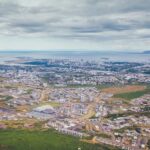
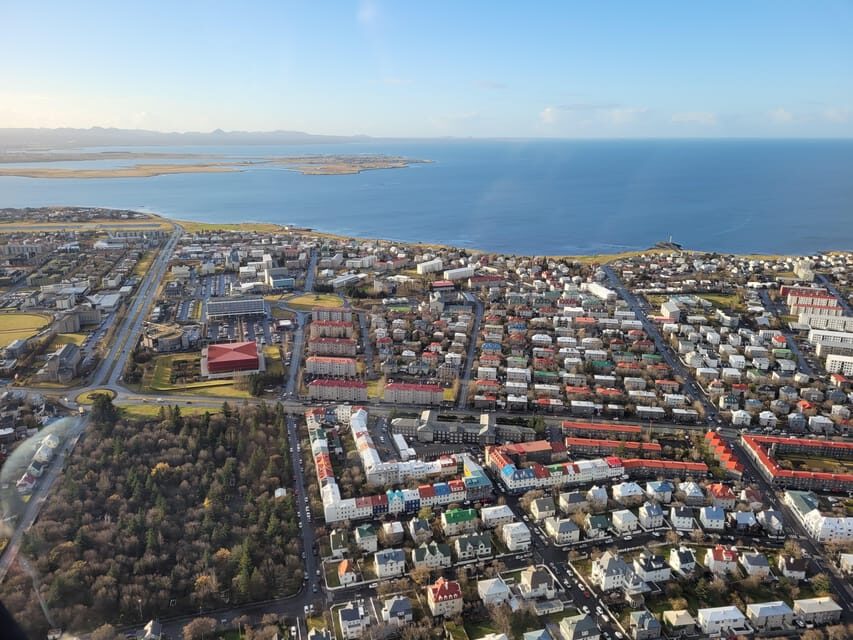
You’re not in the air only for the volcano. You get a small amount of capital-region sightseeing, plus a short pass connected to Bessastaðir. The tour notes that if you know where to look, you might spot the president’s home.
Should you expect an easy spotting moment? Don’t count on it as a guaranteed sightseeing win. This is a helicopter tour, and views depend on angle, timing, and cloud cover. But it’s still a nice bonus: it gives you a sense of Iceland’s contrast, where the capital sits within view of some of the planet’s most active volcanic ground.
Also, those quick passes are useful for orientation. A lot of people feel disoriented in Reykjavik’s geography until they get a bird’s-eye reference. This helps you build that mental map fast.
Pilot guidance, safety, and small-group comfort
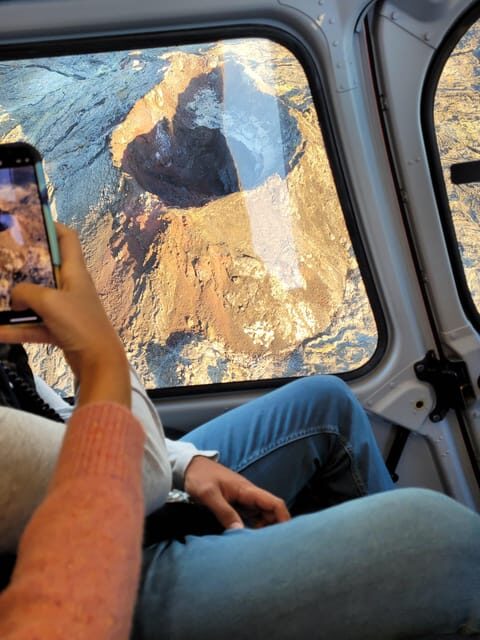
What usually makes helicopter tours either great or awkward is the human side. In this case, the experience leans into friendly pilot guidance. You’ll get a pilot briefing before takeoff, and during the flight you’ll be guided through what to look for—especially around active-looking zones and notable crater areas.
The group size helps too. Limited to 5 participants, the flight feels less like a cattle call and more like a guided aerial lesson. That can matter for photo-taking. When everyone isn’t trying to point at the same moment, you tend to get better angles and calmer, more coordinated viewing.
Safety is also part of the deal here, and it’s reflected in how the tour is operated. Flights follow rules and regulations set by Iceland’s civil protection and emergency management authorities, and all flights are weather dependent. That’s not just fine print. In a place where wind and cloud can change quickly, operating within those constraints is what keeps the experience dependable.
One practical note from real-world operation: the FBO meeting building can look quiet at first. If you arrive a bit early, you might see doors that seem closed. Give it a few minutes, check for the marked building signage, and stay with the meeting point. Once staff connect you with the pilot, everything moves smoothly.
Weather can change everything—and that’s the reality here
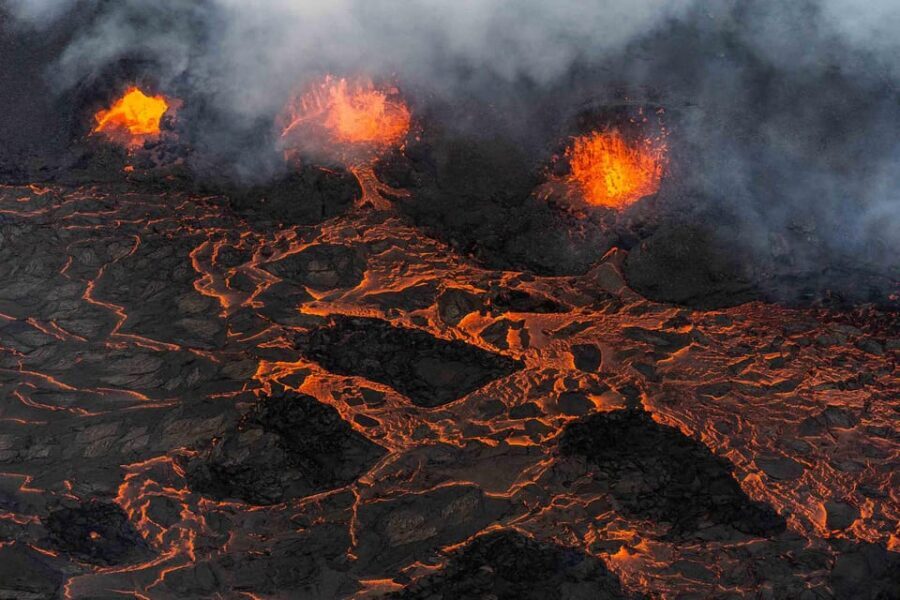
This tour lives and dies by weather. Flights are weather dependent, and the operator must follow restrictions set for aviation safety. The good news is that if a flight has to be canceled due to weather or factors outside anyone’s control, the plan is to either reschedule or offer a full refund.
So how should you plan your expectations?
- Think of this as a volcano-viewing flight, not a lava-performance ticket.
- If conditions allow, you’ll have a shot at seeing flowing lava near Sundhnúkahraun.
- If conditions don’t allow lava visibility, you’ll still see the volcanic terrain, which is the whole point of the aerial perspective.
If you’re the kind of traveler who hates uncertainty, build this into your schedule with breathing room. Don’t schedule this tour as the only time you can fly or the only plan that day. Give Reykjavik at least a little flex, because Iceland always has opinions about clouds.
Price and value: what $624 buys you
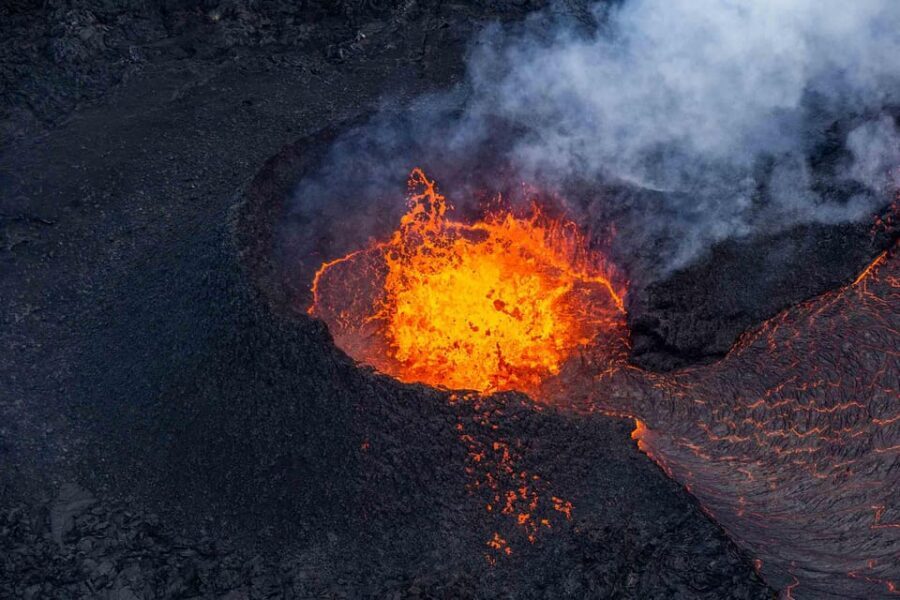
At $624 per person, this is not a casual splurge. Helicopters cost money, and you’re paying for something you can’t replace easily with driving: a view over the Reykjanes Peninsula’s active and historical eruption zones in a short time window.
So what makes the price feel more justified?
- Time efficiency: You’re spending minutes in the air over the volcano rather than hours on the ground searching for viewpoints.
- Small-group experience: With a maximum of 5 participants, the “private-feeling” factor is baked in.
- Guided context: The pilot helps you connect what you see to the eruption story, including the March 2024 Sundhnúkahraun site and the 2021–2022 craters.
- Photo and visual payoff: From above, the lava field patterns and crater edges are clearer. That translates into better photos, even if you never see flowing lava.
Is it worth it? If you’re already driving long distances to chase viewpoints, or you feel like you need a stronger “volcano hit” than roadside stops provide, then yes. If you’re happy with general scenery and want to spend your money on other Iceland experiences, you may decide to save this for a trip where helicopters are the right mood.
Who should book this helicopter volcano tour
This is a great fit if you:
- Want the volcano highlights without committing to long hikes
- Prefer a short, high-impact experience during your Reykjavik stay
- Want guided interpretation while you look down at real eruption terrain
- Value small-group attention and calm, organized touring
It’s less of a fit if:
- You need guaranteed active lava visibility (the tour explicitly doesn’t promise it)
- Your schedule has zero flexibility for weather delays
- You’re traveling with children under 2 years (not suitable per the tour info)
Should you book this tour?
Book it if you want the fastest path from Reykjavik into the eruption timeline, especially with Sundhnúkahraun as the star. The value sits in the combination of time in the right airspace, small-group comfort, and pilot-led explanation that helps you understand what the lava fields actually are.
Skip it or reconsider if you’re only chasing the idea of seeing flowing lava. On a day without visible lava, the terrain views are still strong, but the emotional payoff is tied to conditions. If you can give Iceland some weather room, you’ll give yourself the best chance at the full “active volcano from above” experience.
If you do book, plan to arrive a touch early at the Reykjavik base next to Berjaya Hotel, watch for the marked sign, and trust that once you’re connected with staff, the process is tight and the flight experience moves quickly.
FAQ
How long is the Reykjavik volcano helicopter sightseeing tour?
The tour duration is 45 minutes. Exact starting times depend on availability.
Where does the tour start and end?
It starts and ends back at the Reykjavik base/meeting point at the Reykjavik FBO building marked with the sign for Atlantsflug/Flightseeing, located right next to Berjaya Hotel.
Is the tour in English?
Yes. The live tour guide is provided in English.
Are flights guaranteed to include visible lava?
No. Eruptions are natural events that may or may not be active during your visit, so there is no guarantee you’ll see flowing lava.
How many people are in the group?
The group is small and limited to 5 participants.
What happens if weather cancels the flight?
All flights are weather dependent. If the flight is canceled due to weather or factors outside control, the operator will try to reschedule your flight or provide a full refund.