Reykjavík in two days, no car needed. The 48-hour Reykjavík City Card is built for moving fast through museums, art spots, and Iceland’s public thermal pools, with unlimited city buses and a ferry ride to Viðey.
I especially like how it bundles big, time-saving wins: free entry to several major cultural stops and included geothermal bathing at Reykjavik’s sundlaugar. You also get extra discounts for restaurants and entertainment, so your money goes further even when you’re not at a free museum.
One thing to watch: you must swap your digital voucher for the physical card at select locations, and some pickup points don’t open until later in the morning. If you’re aiming to start at dawn, your first hours may feel a bit constrained.
In This Review
- Key highlights that make this card work
- What the 48-hour City Card covers (and why that matters)
- The smart way to plan your two days: museums first, pools second
- Museum Day 1: Iceland’s story, plus major art in multiple styles
- National Museum of Iceland: past, present, future in one sweep
- National Gallery of Iceland: big names, Iceland focus
- Reykjavík Art Museum Hafnarhus: contemporary art inside a historic harbor warehouse
- Ásmundarsafn: sculpture garden and a white domed interior
- Kjarvalsstaðir: Nordic modernism with park views
- Museum Day 1 Bonus: Maritime museum and how fisheries shaped Reykjavík
- Reykjavík Maritime Museum: Fish & folk
- Museum Day 2: Settlement-era Reykjavík and photography
- The Settlement Exhibition (Reykjavik 871±2): a hall you can almost step into
- Reykjavík Museum of Photography: Iceland through lenses, old and new
- Viðey Island ferry: nature and modern art, with a reality check
- Ferry ride to Viðey: birds, art, and a quieter Reykjavík
- Art beyond the downtown loop: Kópavogur museums you can reach by bus
- Gerðarsafn (Gerdarsafn Kopavogur Art Museum): contemporary focus
- Natural History Museum of Kópavogur: rocks, minerals, and Iceland wildlife
- Árbær Open Air Museum: the countryside inside the city
- Árbær Open Air Museum: 20+ relocated buildings and farm life
- Reykjavik’s outdoor-and-family side: zoo time when you want a slower rhythm
- Reykjavík Family park and Zoo: more than farm animals
- Pools strategy: sundlaugar are the real flex of this card
- Laugardalslaug and Sundhöllin: big public pools with multiple hot zones
- Vesturbæjarlaug, Árbæjarlaug, and other sundlaugar: choose the neighborhood that fits
- Thermal pools have one built-in drawback: timing and distance
- Discounts: how to use them without guessing
- Price and value math for $58.63: when it’s a steal and when it’s not
- Activation and morning timing: your first half-day needs a plan
- Who should buy this card, and who should skip it
- Should you book the 48-hour Reykjavík City Card?
- FAQ
- What does the Reykjavík City Card include for 48 hours?
- Which included stops are good for a first-time museum day?
- Does the card include the ferry to Viðey Island?
- Do I get into thermal pools for free with the card?
- Do I need to swap a voucher before I can use the card?
- Can I cancel for a refund?
Key highlights that make this card work
- Free public buses for 48 hours, so you can actually stitch together far-flung stops without paying per ride
- Ferry included to Viðey Island, adding a nature-and-art break to your museum-heavy day
- Museum admissions that cover a lot of themes, from Settlement-Age Reykjavík to contemporary art
- Geothermal pool access across multiple sundlaugar, which is a big deal in Iceland’s weather
- Art museums in different neighborhoods, so you don’t have to crisscross the city twice
- Discounts beyond entry tickets, useful for food and entertainment plans
What the 48-hour City Card covers (and why that matters)
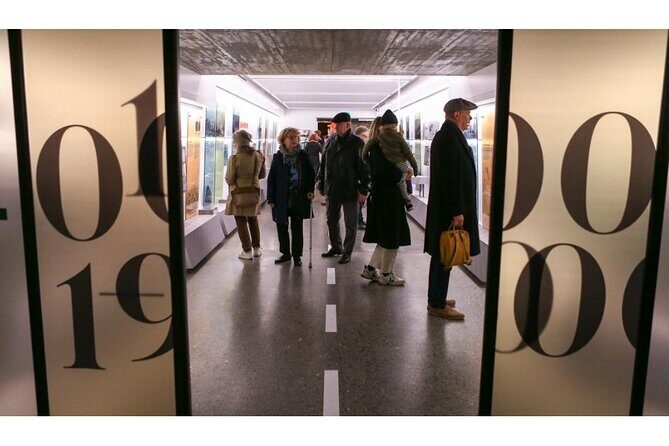
This card is designed to cut down your day-to-day costs in Reykjavík. You’re not just getting museum tickets in one bundle—you’re also getting public transport (bus rides) and access to geothermal bathing at city pools. Those two pieces matter because Reykjavík is small, but stops can be spread out, and winter weather can turn walking into a slog.
The included list mixes well-known cultural institutions with more local-leaning places. You’ll find national museums like the National Museum of Iceland and National Gallery of Iceland, plus several art venues under the Reykjavík Art Museum umbrella: Hafnarhus, Ásmundarsafn, and Kjarvalsstaðir. There’s also the Reykjavík Maritime Museum, the Settlement Exhibition, and the Reykjavík Museum of Photography, so the card doesn’t lock you into only one type of sightseeing.
Then there’s the big comfort factor: you can plan your day around hot baths. The card covers multiple public thermal pools run by Reykjavík City, including Laugardalslaug, Sundhöllin, Vesturbæjarlaug, and others. That turns “it’s cold and windy” into “I’ll warm up and reset between sights.”
You can also read our reviews of more city tours in Reykjavik



The smart way to plan your two days: museums first, pools second
If you’re trying to make the card pay off, I’d build your route around the included “anchors.” Start with one museum cluster, then swap to a pool in the afternoon or evening. That way you avoid the classic Iceland problem: you think you’ll do one more museum and then you realize your hands feel like popsicles.
A good pace is:
- Late morning to early afternoon: museums and indoor exhibits
- Mid-afternoon: neighborhood reset or a quick park stop
- Evening: thermal pools, since they’re the best “end-of-day reward”
Because the card includes free bus transport, you can reach places like Árbær Open Air Museum and the Kópavogur museums without paying for taxis or worrying about per-ride pricing. Just keep in mind that some stops have shorter visits listed (like the Settlement Exhibition and Reykjavík Museum of Photography), so you can fit them between longer art museum blocks.
Museum Day 1: Iceland’s story, plus major art in multiple styles
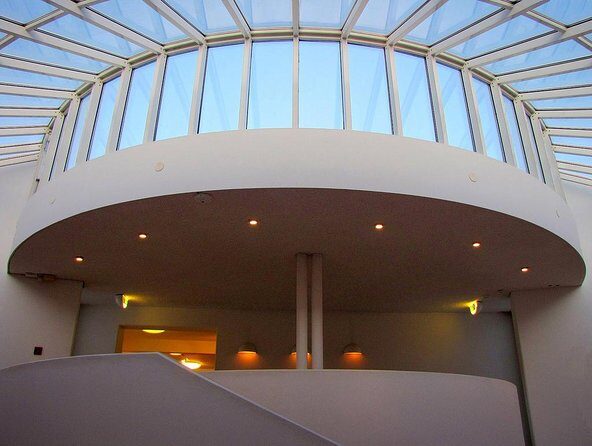
National Museum of Iceland: past, present, future in one sweep
The National Museum of Iceland is a solid opener. It focuses on cultural history and aims to help you understand Icelandic life—how the country thinks about the past, present, and future. If you arrive with only a vague idea of Vikings and volcanoes, this is the place where the pieces start to connect.
You’ll be there about two hours, so it works well as a first-day anchor before your eyes get overloaded by art and exhibits.
National Gallery of Iceland: big names, Iceland focus
Next, head to the National Gallery of Iceland (Listasafn Íslands). The collection is heavily focused on 19th and 20th century Icelandic art, with international works in the mix. The card includes admission here, and you’ll also get access to what’s described as the most valuable collection of works by Icelandic artists in the country.
This one is listed at about two hours. If you like clear “time period” storytelling, you’ll likely find this museum especially satisfying because it’s framed around how art developed.





Reykjavík Art Museum Hafnarhus: contemporary art inside a historic harbor warehouse
Reykjavik Art Museum Hafnarhus gives you contemporary exhibitions across six galleries inside a former harbor warehouse. It’s located in Reykjavík’s oldest area, near where boats and first docks were established. That setting adds texture to the art: you’re not only seeing modern work, you’re inside a building tied to the city’s working past.
You’ll spend about two hours. There’s also a specific nod to Erró, tied to pop art. If you enjoy art that’s loud or playful, this stop can be a highlight.
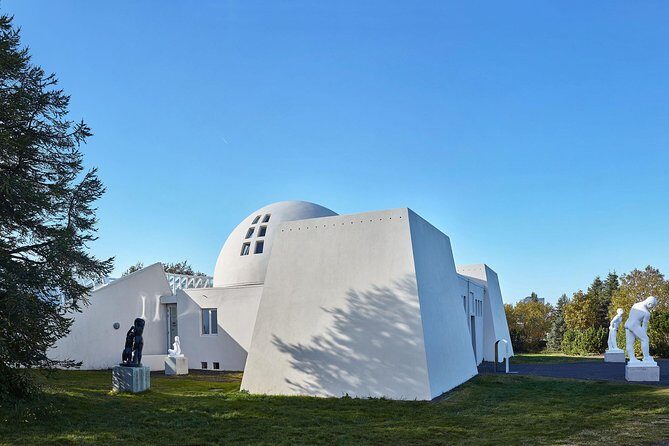
Ásmundarsafn: sculpture garden and a white domed interior
Reykjavik Art Museum – Ásmundarsafn is a shorter visit at roughly 40 minutes, and it’s designed for people who like architecture and sculpture in the same breath. The building is shaped by sculptor Ásmundur Sveinsson, and the garden features both heavier early works and later lighter abstract compositions.
Because the time estimate is shorter, I treat this as a “breather stop” between larger museums.
Kjarvalsstaðir: Nordic modernism with park views
Then comes Kjarvalsstaðir, centered on the works of Jóhannes S. Kjarval. The museum focuses on paintings and sculptures tied to modern art masters, and the building’s design includes floor-to-ceiling windows looking onto Klambratún Park.
Plan about one hour here. It’s a nice contrast to stuffier museum spaces because your surroundings feel connected to the city.
Museum Day 1 Bonus: Maritime museum and how fisheries shaped Reykjavík
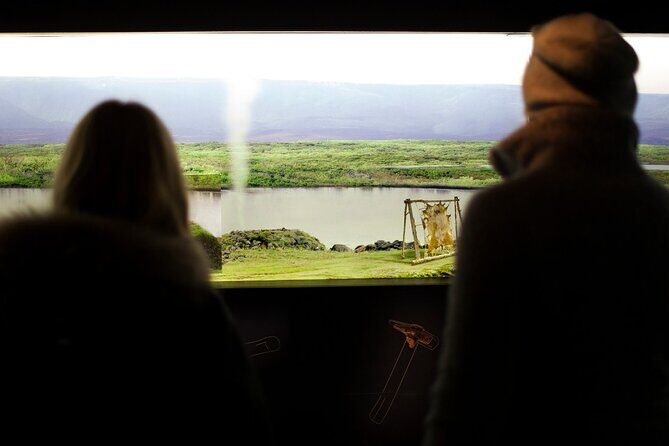
Reykjavík Maritime Museum: Fish & folk
The Reykjavík Maritime Museum is about fisheries history—from late 19th century shifts from rowing boats to larger fishing vessels, and onward into the 21st century. What makes it feel different from a standard “objects in glass” museum is that it’s told through Reykjavík’s identity as the biggest fishing port.
You’ll spend about one hour. The setting matters too: the building once housed a fish factory, so the exhibits and the space reinforce each other.
Museum Day 2: Settlement-era Reykjavík and photography
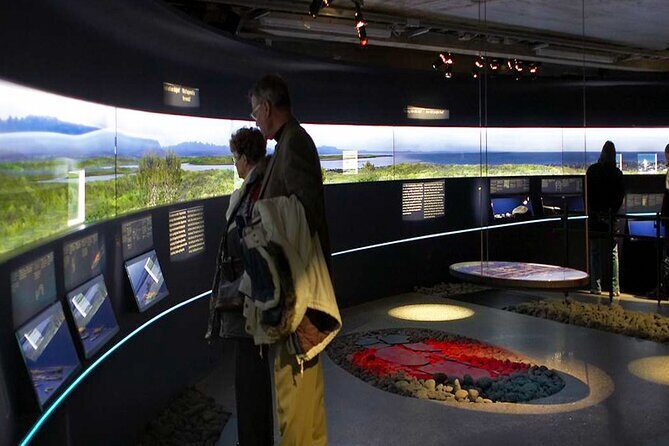
The Settlement Exhibition (Reykjavik 871±2): a hall you can almost step into
If you want one “wait, that’s really old” moment, this is it. The Settlement Exhibition – Reykjavik 871± 2 centers on the settlement of Reykjavík and focuses on excavated remains, including a hall from 930–1000 and nearby turf remnants built close to 871.
It’s listed at about 40 minutes, but don’t rush it if you like archaeology-style interpretation. It’s the kind of exhibit that makes you think differently about where Reykjavík’s modern streets sit over older layers.
Reykjavík Museum of Photography: Iceland through lenses, old and new
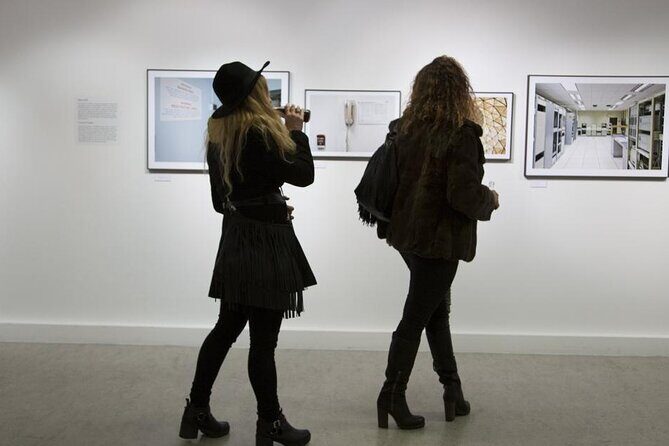
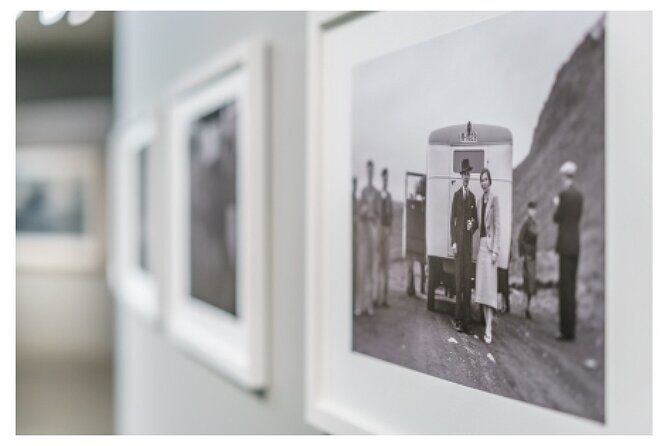
Next, the Reykjavík Museum of Photography focuses on Icelandic photography and also includes works from foreign photographers. You’ll see a mix of historical and contemporary photography, and it’s presented in cultural and social context.
Expect about 40 minutes. It’s a great add-on if you’ve already done art museums, because photography often brings a different rhythm—quicker to scan, but with images that stick with you longer.
Viðey Island ferry: nature and modern art, with a reality check
Ferry ride to Viðey: birds, art, and a quieter Reykjavík
The card includes a ferry ride to Viðey Island. Here, the emphasis is on unspoiled nature, with birdlife and also modern art works on the island. It’s listed at about two hours, so this is a real outing, not a quick hop.
The island’s included time is also why this card feels different from a simple museum pass. You get a change of pace: wind, open air, and a coastal view to balance all that indoor time.
One practical consideration: if conditions are rough, ferry service can be cancelled. If Viðey is a must-do for you, I’d build in Plan B for the day you book it.
Art beyond the downtown loop: Kópavogur museums you can reach by bus
Reykjavík City buses make it realistic to include stops outside the center. And the card covers places in Kópavogur, which gives your two days more variety.
Gerðarsafn (Gerdarsafn Kopavogur Art Museum): contemporary focus
Gerðarsafn is described as progressive, with temporary exhibitions featuring Icelandic and international contemporary artists, plus access to the museum collection. It’s also noted as the only Icelandic museum built in honor of a female artist, which adds a meaningful context to your visit.
Plan about one hour.
Natural History Museum of Kópavogur: rocks, minerals, and Iceland wildlife
At the Natural History Museum of Kopavogur, the museum is split into geological and zoological sections. Geology covers Iceland’s formation and rock and mineral types. Zoology focuses largely on Icelandic birds and mammals, plus fish and invertebrates.
You’ll get about one hour. There’s also a helpful touch: staff guidance is free if you request it, and it can be adjusted for interest, age, and language.
Árbær Open Air Museum: the countryside inside the city
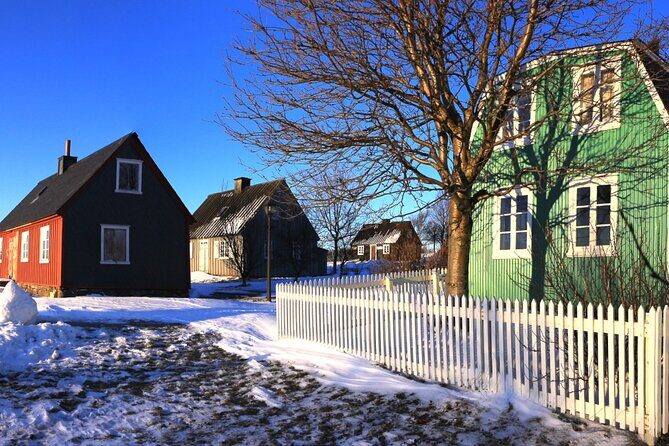
Árbær Open Air Museum: 20+ relocated buildings and farm life
The Árbær Open Air Museum is one of the better “change your pace” additions. It’s an open-air setup formed from an established farm that ran well into the 20th century. The museum includes more than 20 buildings laid out as a town square, village, and farm, many relocated from central Reykjavík.
Expect around two hours. It’s also ideal for days when the weather is too gray for long hikes but still fine for walking between buildings.
Reykjavik’s outdoor-and-family side: zoo time when you want a slower rhythm
Reykjavík Family park and Zoo: more than farm animals
The card includes admission to the Reykjavík Family park and Zoo. It’s described as not just farm animals, but also mammals from Iceland’s wildlife and a small display of reptiles, amphibians, and insects.
The listing suggests about two hours, and it’s framed as fun at any time of year. Playgrounds are open in summer, plus on weekends during winter if weather allows. It’s a good choice if you’re traveling with kids, but even adults often like it as a break between museums.
Pools strategy: sundlaugar are the real flex of this card
This is where many people feel the card is most worth it. Reykjavik’s public thermal pools aren’t a fancy spa-only thing. They’re a city habit, and the card gives you multiple options.
Laugardalslaug and Sundhöllin: big public pools with multiple hot zones
Included pools include Laugardalslaug and Sundhöllin. These are described as having steam baths, saunas, hot tubs, and jacuzzis. The pools are heated with geothermal water, and the city runs them as part of encouraging public sports and healthy lifestyle.
These are good when you want variety: one pool visit can become “steam, soak, sauna, repeat,” depending on your comfort level.
Vesturbæjarlaug, Árbæjarlaug, and other sundlaugar: choose the neighborhood that fits
Also included are Vesturbæjarlaug, Árbæjarlaug, and several others depending on your timing and location: Klébergslaug (noted as small and intimate with an outdoor pool and a rural feel near Mount Esja), Breiðholtslaug (indoor/outdoor with slides), Dalslaug (a newer pool listed as opened in 2021), and Grafarvogslaug (outdoor and indoor pools, plus slides and hot tubs).
The biggest practical benefit for you is flexibility. You can pick a pool that matches your day’s geography, rather than forcing a long trip after a full day of museums.
Thermal pools have one built-in drawback: timing and distance
One careful note: some included pools may feel far if you didn’t plan the route. A few people have said a pool was too far for the day they tried it. If you like a laid-back schedule, I’d choose your pool earlier based on where you’ll be when your museum energy drops.
Discounts: how to use them without guessing
The card also includes discounts on restaurants and entertainment. I’d treat this as a helpful bonus, not your core plan. You’ll still want to build your day around the included admissions because that’s where the value is clearest.
If you have a specific show or meal in mind, check that it’s within the discount network listed for the card. The more you rely on free or included entry, the less you risk disappointment.
Price and value math for $58.63: when it’s a steal and when it’s not
At $58.63 per person for 48 hours, this card usually makes sense if you plan to use more than one included admission and at least one thermal pool session. It also helps if you’re not mixing in taxis, because buses are free with the card.
Here’s the key reality check: the card price isn’t just about one museum. If you end up using only one or two discounted stops, you can feel shorted—especially if your top priorities aren’t on the included list.
On the flip side, if you’re the type who wants art museums, history museums, and a thermal pool break, you’re likely to hit the card’s value fast. One simple comparison people use is that bus rides and museum tickets add up quickly when paid individually.
Activation and morning timing: your first half-day needs a plan
You’ll need to swap a digital voucher for a physical City Card. Pickup happens at select locations in Reykjavík. The card’s service window lists hours of 6:00 AM to 10:00 PM, Monday to Friday.
Even with that broad window, a common stress point is that the pickup places can open later. If your goal is to start sightseeing right after you wake up, you may want to pick up the card the day before activation or accept that the first morning might start slower than planned.
Who should buy this card, and who should skip it
I think this card fits best if you:
- Want to explore without renting a car
- Plan to visit multiple museums and one or more pools
- Like the idea of building an itinerary around included transit and flexible bathing
- Are traveling as a family or in a group where everyone can use the bus and pool options
I’d hesitate if you:
- Only have energy for one indoor stop
- Have a very specific must-see list and you’re not sure it’s included or only discounted
- Want to optimize every minute and can’t tolerate any “card pickup first” morning delay
Should you book the 48-hour Reykjavík City Card?
If you’ll use buses, at least a couple of included admissions, and one geothermal pool, it’s a strong buy. The best version of this experience is a two-day loop: museums early, art and history in the afternoon, then a hot pool when the weather turns on you.
If you want an all-in cultural sampler plus Iceland-style relaxation, buy it and plan around the included stops. If your itinerary is ultra-tight or you only care about a single attraction, pay per venue instead.
FAQ
What does the Reykjavík City Card include for 48 hours?
It includes a ferry ride, use of public bus transport, admission to several museums, admission to several thermal pools, and admission to the family park and zoo. It also includes discounts for restaurants, entertainment, and more.
Which included stops are good for a first-time museum day?
The National Museum of Iceland, National Gallery of Iceland, and Reykjavík Art Museum Hafnarhus are all included and take about one to two hours each, so they work well as anchors on day one.
Does the card include the ferry to Viðey Island?
Yes. The card includes the ferry ride to Viðey. Viðey is listed as an about two-hour visit with nature and modern art on the island.
Do I get into thermal pools for free with the card?
Yes. The card includes admission to multiple Reykjavík City geothermal pools (sundlaugar), including options like Laugardalslaug and Sundhöllin, plus others listed in the card coverage.
Do I need to swap a voucher before I can use the card?
Yes. You will need to swap your digital voucher for the City Card at one of the designated locations.
Can I cancel for a refund?
Yes. You can cancel for free and receive a full refund if you cancel at least 24 hours in advance of the experience start time. Changes less than 24 hours before are not accepted, and cancellations within 24 hours aren’t refunded.