Reykjavík starts clicking fast on foot. This 2.5-hour small-group city walk gives you a real sense of Icelandic life by threading major landmarks (and the everyday streets between them) into the same story. I especially liked the Harpa inside stop as a warm break when the wind bites, and I like that the route is easy downhill once you start on the hill. One thing to plan for: you’ll still be outside for much of the tour, so bad weather can mean more layers and more indoor shelter time.
You meet your guide in front of Hallgrímskirkja, by the Leifur Eiríksson statue, then you gradually work your way down through Reykjavík’s core. The guides featured in the tour’s own track record include people like Ási, Ryan, Martin, and Erik, and the common theme is simple: clear explanations, lots of questions welcomed, and a pace that doesn’t feel like a race.
The value here is how many “first-time in Reykjavík” sights you hit without the fatigue of a long day. Add in photo moments (Harpa, the Alþingi building, and the colorful pond area) and you’re set up to explore on your own later, armed with names, context, and a rough map of where everything sits.
In This Review
- Key highlights you’ll feel right away
- Where you begin: Hallgrímskirkja and the Leifur Eiríksson statue
- The Harpa stop: design you can walk into and out of
- Alþingi and Austurvöllur: governance made human-scale
- Tjörnin and the colorful streets: the Reykjavík most people miss
- Laugavegur and Skólavörðustígur: the shopping streets with story-time
- The “easy downhill” promise—and what it means in real life
- Weather handling: rain or shine, with indoor shelter built in
- Small group sizes: why it feels personal without feeling staged
- Guide quality: history that sounds like a person, not a lecture
- Practical walkthrough: what happens from start to finish
- Price and value: is $51 a fair deal?
- Who this tour suits best
- Should you book CityWalk Reykjavík’s Reykjavík walking tour?
- FAQ
- Where do I meet the guide?
- How long is the tour?
- How much does it cost?
- What landmarks will I see?
- Is the tour wheelchair accessible?
- Does the tour run in bad weather?
- What should I bring?
- What if I need to cancel?
Key highlights you’ll feel right away
- Hallgrímskirkja as the starting point: you begin on the hill, get views, then head downhill.
- Harpa Concert Hall interior visit: a design moment and a practical warm stop on cold days.
- Alþingi and Austurvöllur in one flow: Iceland’s governance zone tied into the walking rhythm.
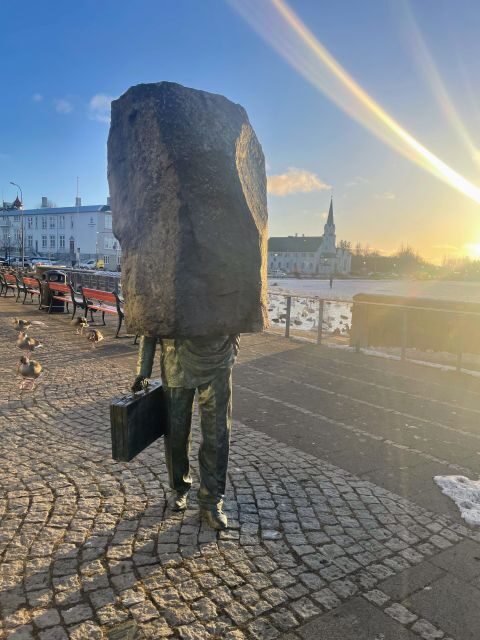
- Tjörnin and the birds vibe: a quieter, colorful break from street landmarks.
- Easy route with geothermal/salted sidewalks: less slip worry than you might expect in winter.
- Small-group energy with time for questions: guides tend to slow down and answer well.
Where you begin: Hallgrímskirkja and the Leifur Eiríksson statue
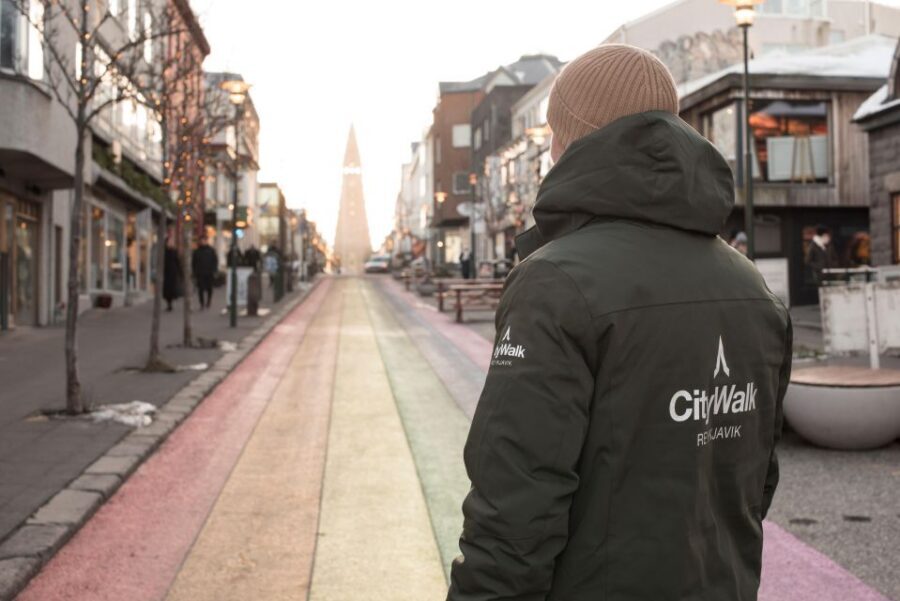
The meeting point is easy to spot if you’re looking for it: stand in front of Hallgrímskirkja by the Leifur Eiríksson statue. That spot sits up on a hill, and the guide uses it to do something practical: get you oriented quickly, with a small overview of where you’re going.
From there, the route becomes all downhill, and the total elevation change is about 100 meters (around 300 feet). This matters more than you might think. Reykjavík’s center is compact, but weather and wind can make “short” walks feel long. Starting high and walking down keeps the effort reasonable, so you can focus on buildings, streets, and stories instead of sheer endurance.
You can also read our reviews of more walking tours in Reykjavik


The Harpa stop: design you can walk into and out of
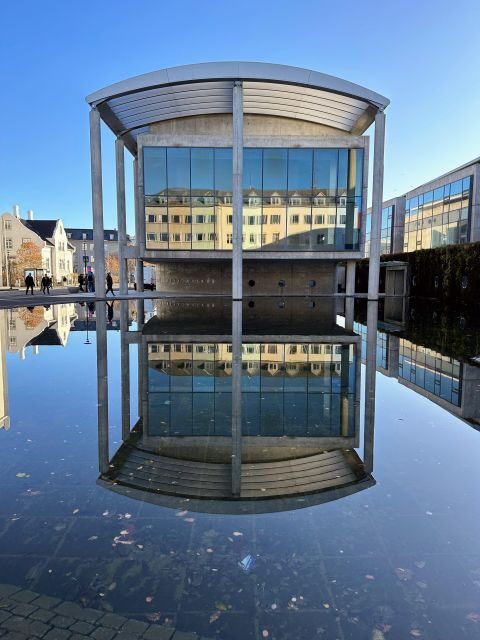
One of the best parts is time spent at Harpa. You don’t just pass it from the sidewalk. The tour is set up for an inside look, which is a gift in Reykjavík because the weather can turn fast.
Why this works: Harpa is a visual landmark, but it’s also a functional shelter. On windy, cold days, the interior visit gives you a break without ending the tour early. You get that classic “wait, this is real?” reaction when you see the design up close, and then you rejoin the streets with less chill in your bones.
Harpa also becomes a turning point in the tour’s theme. You’re moving from early roots and church-and-city identity into a modern Reykjavík story—one where design, public space, and cultural life matter day to day.
Alþingi and Austurvöllur: governance made human-scale
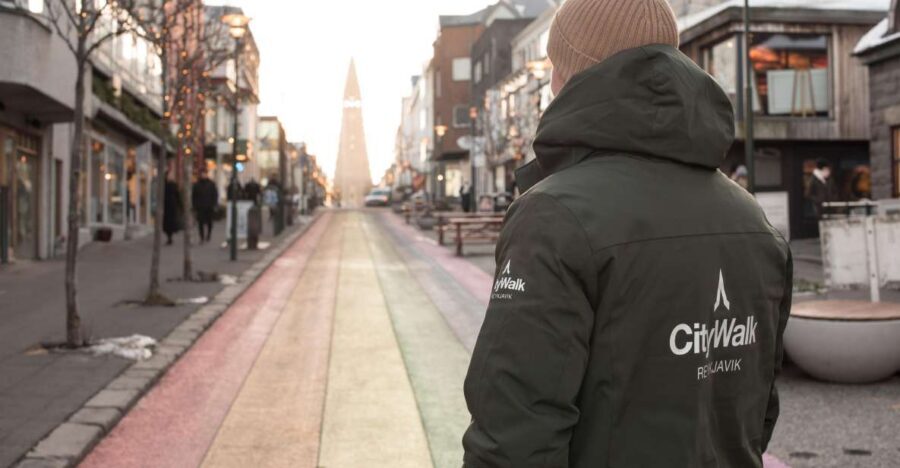
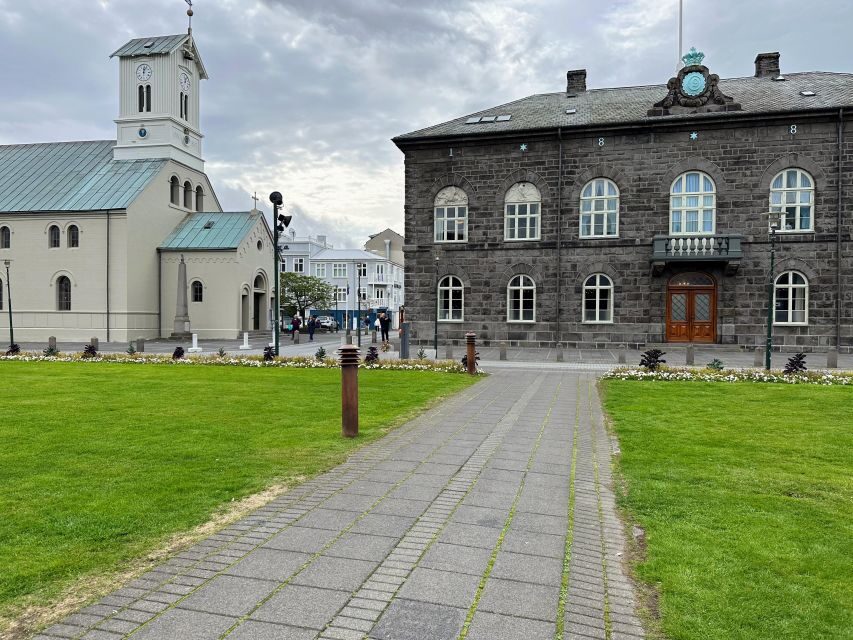
After the earlier streets and landmark rhythm, you move toward the oldest parts of the city where the political heart sits. The tour includes time near Alþingi and you’ll specifically get a photo moment that lets you view the Alþingi Parliament building from 1881.
Then you continue to Austurvöllur, another key city square area. What you’re looking at here isn’t just architecture. It’s Iceland’s public life in physical form. Sitting in a city square (or pausing near it) changes how landmarks land. You stop treating these buildings like “things to see” and start treating them like “places people use,” with history folded into the daily flow.
A quick practical note: squares can be windy in Reykjavík. If you’re taking photos, keep your hands warm and your phone strap secure. The guide’s pace and stop points help, but you’ll still want to be ready for gusts.
Tjörnin and the colorful streets: the Reykjavík most people miss
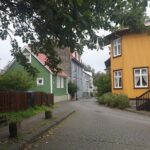
The tour’s street section is where it earns its keep. You spend time walking through the downtown tangle of streets and storefronts, including areas tied to everyday Reykjavík like Laugavegur and Skólavörðustígur.
You also stop near Lake Tjörnin. The highlights call out colorful houses around the water and the wildlife and birds. That’s not just scenic filler. This kind of pause is what makes a city walk feel like a city walk instead of a checklist march. You get a view that shows how water and people share space here, even in a place known for cold and wind.
If you’re the type who likes to understand how residents actually move through a place, these street segments are the sweet spot. They help you connect landmark “names” to real directions and real blocks, so you can find your way later without guessing.
Laugavegur and Skólavörðustígur: the shopping streets with story-time
These are the streets most visitors will pass at some point, but this tour uses them differently. Instead of treating them as a backdrop, your guide ties them to Iceland’s present-day rhythm and the older layers beneath it.
You get a structured walk through Laugavegur with guided sightseeing time and photo moments. Then you continue through other quirky streets that feel distinctly Reykjavík—small, close together, and full of visual surprises.
Also, the tour includes moments where you’re not just listening. There’s time for photos and breaks, and there’s even a food market stop described as part of the experience flow. That blend of walking + stopping + short breaks is what keeps the energy up for a 2.5-hour format.
You can also read our reviews of more guided tours in Reykjavik






The “easy downhill” promise—and what it means in real life
The tour is described as very easy, mostly downhill. You’ll be on well-kept sidewalks for the walking parts, and the key winter detail is that you mostly walk on geothermal heated or salted sidewalks that are free of ice and snow.
That’s a big deal for comfort. It means you can wear normal winter walking shoes (not crampons), focus on the route, and keep your attention on what’s around you.
It still helps to bring the basics:
- comfortable shoes you trust on wet pavement
- warm layers, because Reykjavík wind is not subtle
- weather-appropriate clothing, since you’re outdoors for stretches
Also, the guide keeps the group moving but not rushed. Many of the strong feedback patterns emphasize that the tour doesn’t feel like a sprint and that questions get handled well. That matters because in a place like Iceland, people naturally want context fast.
Weather handling: rain or shine, with indoor shelter built in

Reykjavík weather is famous for changing its mind. This tour is planned to run rain or shine, and the guiding approach is built around adding indoor stops if conditions are rough or cold.
The idea is simple: don’t cancel your orientation walk just because the sky is moody. Instead, the route stays flexible. Small groups help here because it’s easier for the guide to duck into buildings and exhibitions with everyone.
Harpa is the most obvious indoor anchor, but the broader point is that you’re not left standing in the wind wondering what’s happening next. You get a walk that keeps moving even when outside conditions aren’t ideal.
Small group sizes: why it feels personal without feeling staged
This is marketed as a small-group walking tour, and the practical effect shows up in the experience style. A number of recent groups were described as around 7 to 12 people, including one mention of only 8 on the tour. That’s a sweet spot.
You’re close enough to hear explanations clearly. You’re also small enough that you can actually ask questions without feeling like the group is swallowing the conversation. Several guides named in the feedback—Ási, Ryan, Martin, and Erik among them—are praised for being friendly and for handling questions while keeping the pace comfortable.
One more practical benefit: photo stops work better in smaller groups. You’re not stuck waiting behind a crowd line. You get a real chance to shoot, step aside, and keep going.
Guide quality: history that sounds like a person, not a lecture
The strongest praise across the tour’s feedback centers on guides who mix facts with personality. Names that pop up include Ási, Ryan, Martin (double N), Erik, and Tom. You’ll see the same patterns: humor, clear explanations, and the feeling that the guide is comfortable answering follow-up questions.
Ryan, for example, is specifically noted in feedback for bringing Icelandic history up through modern life, with a background that suited the educational tone. Others like Ási and Martin are praised for keeping things engaging and organized, while Erik is mentioned for being funny as well as informative.
The best part of this for you: when the guide shares how things connect—settlement-era roots to independence-era identity to modern Reykjavík—you walk away with more than names. You understand why the city is built the way it is, and you’re better equipped to spot details on your own afterward.
Practical walkthrough: what happens from start to finish
The flow generally feels like this:
- You start at Hallgrímskirkja, by Leifur Eiríksson, with early views and a quick break/photo moment.
- You continue through nearby streets for more guided context, with time for photos and short pauses.
- You work your way toward the central governance area (Alþingi and the Austurvöllur zone).
- You then head to Harpa for an inside look and a warm break.
- The route shifts again toward the later city-center stretch around Arnarhóll.
- You finish in the main square area by Alþingi, with the option to keep wandering from there.
Along the way, you’ll also get the colorful pond stop around Tjörnin and some oceanfront walking. The tour is designed so each segment changes the “type” of sightseeing: church-and-city identity, squares and civic life, modern cultural architecture, then everyday streets and water views.
Price and value: is $51 a fair deal?
At $51 per person for a 2.5-hour small-group walk, the value comes from three things you actually get, not just from “seeing stuff”:
- A local guide, not just a self-guided route with guesswork.
- Multiple anchor landmarks (including Harpa inside and major political buildings).
- Time structure that includes pauses—photo stops, short breaks, and indoor shelter when needed.
In a city where weather can slow your plans, paying for guided orientation can save you more time than it seems. You’ll know where you are, why places matter, and what to revisit later without burning your day figuring it out.
That said, if you hate walking in winter or you want a fully seated, indoor-only day, you may find this format pushes your limits. It’s still described as easy and mostly downhill, but you’re outside for a good chunk of the tour.
Who this tour suits best
This works well if you:
- want a first-day Reykjavík orientation and a map in your head by the end
- like learning history and culture while moving through real streets
- want landmark photos but also want the everyday city feel (Laugavegur, Skólavörðustígur, Tjörnin)
- prefer small groups where questions aren’t an ordeal
It’s also a smart choice if you’re visiting in winter. The itinerary is clearly built for cold days, with shelter and shorter outdoor segments supported by indoor stops.
Should you book CityWalk Reykjavík’s Reykjavík walking tour?
Yes—if your goal is to understand Reykjavík fast, in a way that helps you explore afterward, this is a strong pick. The combination of Harpa inside, Alþingi and Austurvöllur, the pond-area pause, and the quirky street walk gives you a fuller picture than most “see the highlights” routes.
I’d particularly book it if you’re the type who likes asking questions. The guide style highlighted in feedback tends to be relaxed, funny when it fits, and willing to slow down.
Skip it only if you’re very sensitive to cold winds or you want a purely indoor day. Otherwise, this is one of the best ways to turn a first look at Reykjavík into a grounded understanding you can build on.
FAQ
Where do I meet the guide?
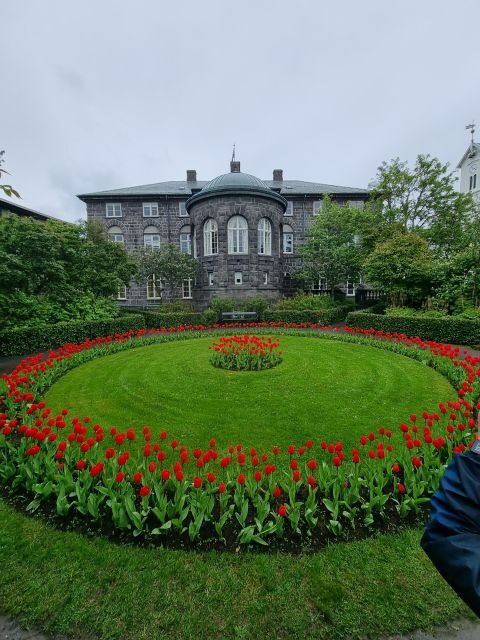
Meet your CityWalk Reykjavík guide in marked outfit in front of Hallgrímskirkja by the statue of Leifur Eiríksson.
How long is the tour?
The tour lasts about 2.5 hours.
How much does it cost?
It costs $51 per person.
What landmarks will I see?
You’ll see Hallgrímskirkja, Harpa (including inside), Alþingi Parliament building, Austurvöllur, and the streets and areas around Tjörnin, Laugavegur, and Skólavörðustígur.
Is the tour wheelchair accessible?
Yes. It’s listed as wheelchair accessible, and the route is described as easy and mostly downhill.
Does the tour run in bad weather?
Yes. It takes place rain or shine, and indoor stops may be added if it’s cold or bad outside.
What should I bring?
Bring comfortable shoes, warm clothing, and weather-appropriate clothing.
What if I need to cancel?
Free cancellation is available up to 24 hours in advance for a full refund.