This is the kind of tour that turns Reykjavik from scenery into a story. You start at Austurvollur near Hotel Borg and follow the route tied to the British Invasion in May 1940, using period photos and videos to show what changed on the ground.
I especially love the focus on the Old Harbour, described as the exact landing place. And I also like how the guide connects war events to everyday life afterward, from the food people ate to the music they danced to.
The only real drawback is simple: it’s a walking tour in almost all weather. If rain and cold bother you, plan to dress like it’s winter, even when it isn’t.
In This Review
- Key points worth your attention
- Starting at Hotel Borg in Austurvollur: Your WWII compass
- Where the British landed: Old Harbour and May 1940
- Reykjavik Old Town: Following the route into key buildings
- The German Residence: Understanding the full WWII footprint
- British and American presence: The social changes you’ll notice today
- Hidden side streets in the center: Why the small stuff matters
- Price and value: Is $40 worth 2 hours?
- Who should book this WWII walking tour?
- FAQ
- Where does the tour start?
- How long is the tour?
- What is the tour language?
- What stops do we visit?
- Is the tour suitable for children?
- What should I bring?
- Should you book this Reykjavik WWII walking tour?
Key points worth your attention
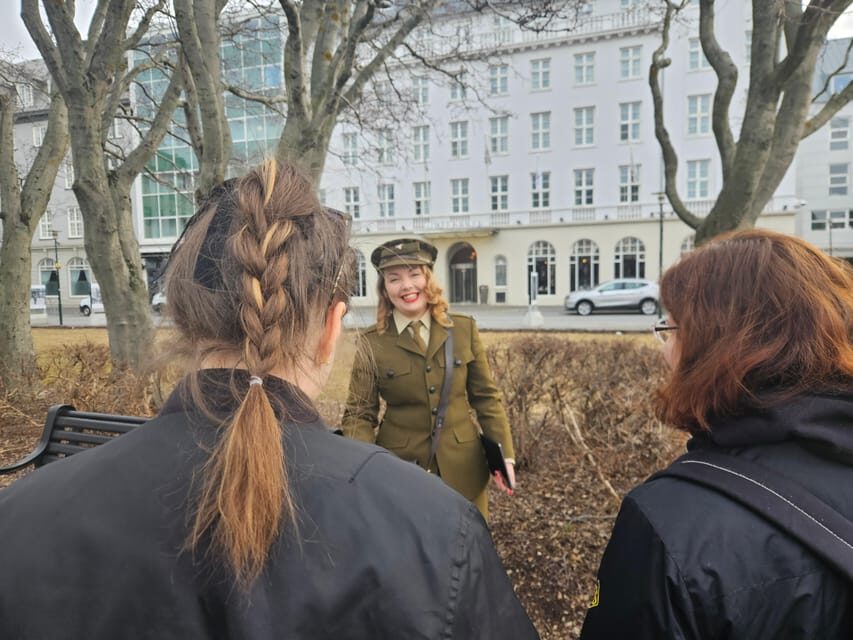
- Old Harbour stop that matches the British landing point in May 1940
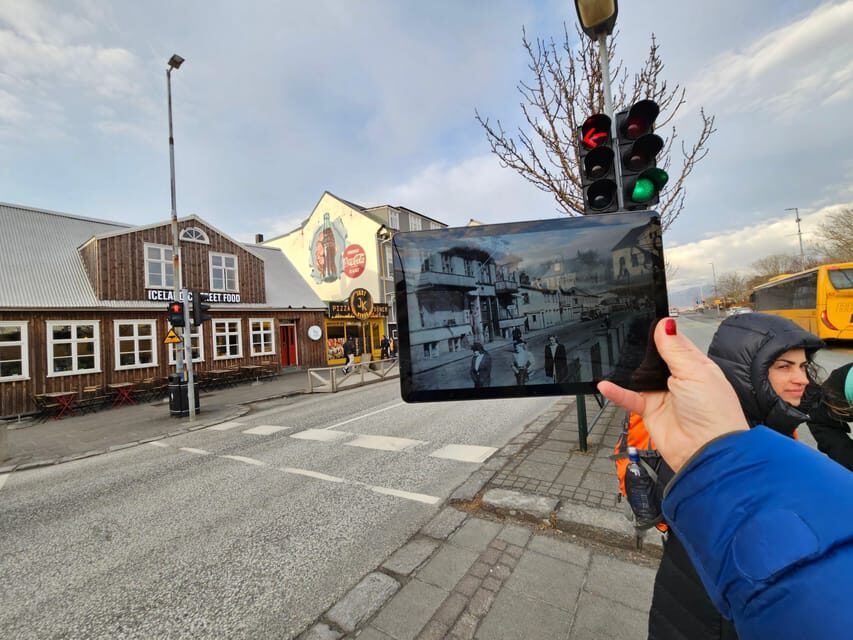
- Period media (photos and videos) used to put the city back into context
- Old Town route through key buildings and takeover moments
- German Residence to round out the story beyond just the British
- Guides like Lucky who mix clear facts with humor and extra stories
- Hidden side streets in the center that you’d otherwise walk right past
Starting at Hotel Borg in Austurvollur: Your WWII compass
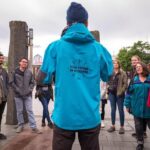
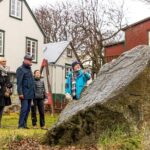
The tour begins outside Hotel Borg, not inside. You’ll meet at Austurvollur (Parliament Square), then head straight into the central parts of Reykjavik where the WWII story is easiest to follow. I like starting in the open like this. It helps you get your bearings fast, before the history starts stacking up.
From there, your guide keeps the pace history-friendly. You’re not just staring at plaques. You’ll be walking the same general route soldiers took into the heart of the city. That means the tour has a strong “this is where it happened” feeling, without turning into a lecture that forgets you’re outside.
Also, the tour is two hours. That’s long enough to see several meaningful stops, but short enough that you’re not stuck when Icelandic weather decides to audition its rain skills. Bring a camera. You’ll want to photograph the contrast between what used to be there and what you see now.
You can also read our reviews of more walking tours in Reykjavik

Where the British landed: Old Harbour and May 1940
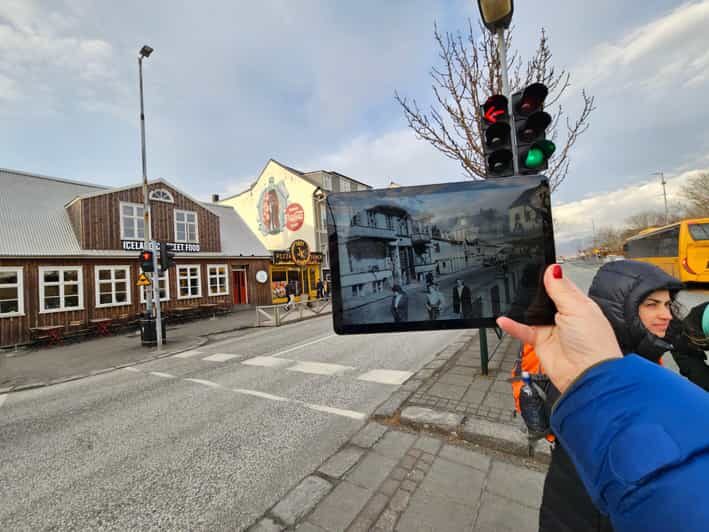
The headline moment is the Old Harbour—the exact landing place tied to the British Invasion of Iceland in May 1940. This stop matters because it anchors everything that follows. Once you know where the operation landed, you can better understand the movement into the city and why certain areas became points of control.
At the Old Harbour, you’ll use period photographs and videos. The goal isn’t to make you feel like you’re watching a movie. It’s to help you visualize the same coastline and harbor area in an earlier moment, when the city’s skyline and street life looked different than it does today.
What I like about this part is the way the guide links place to decision. Landings aren’t just dramatic. They trigger takeovers, security needs, and rapid changes to daily routines. So even if you’re not a WWII buff, you’ll start noticing how a harbor landing can ripple inland fast—like a stone dropped into a pond.
Practical note: harbor-side areas can feel colder and wetter. If you’re the type who hates damp shoes, plan your socks accordingly.
Reykjavik Old Town: Following the route into key buildings
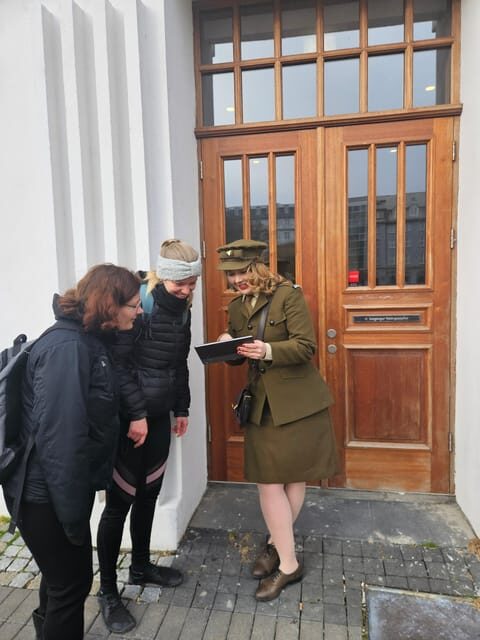
Next comes Reykjavik Old Town, where the tour moves from landing site to the path the soldiers took into the center. You’ll walk through the older core streets and hear how forces took over key buildings as they went. This is where the tour earns its “walking” part. You’re not just learning names. You’re watching the city’s layout become evidence.
The guide helps you connect the dots between military movement and urban life. You’ll get a sense of how occupation can reshape a city’s social rhythm. Buildings that look ordinary today once had very specific roles—command points, supply needs, or other functions tied to control.
One of the best ways to enjoy this section is to keep your eyes up as well as forward. Street corners in Reykjavik’s center can help you picture movement—where people could enter, turn, and concentrate. The guide’s stories work well when you’re actively following the route rather than passively listening.
Potential drawback: because you’re walking through the center with real weather in play, you’ll want comfortable shoes. The tour does include going up and back down a small hill. The good news is there are no stairs, which keeps things easier for mobility needs.
The German Residence: Understanding the full WWII footprint
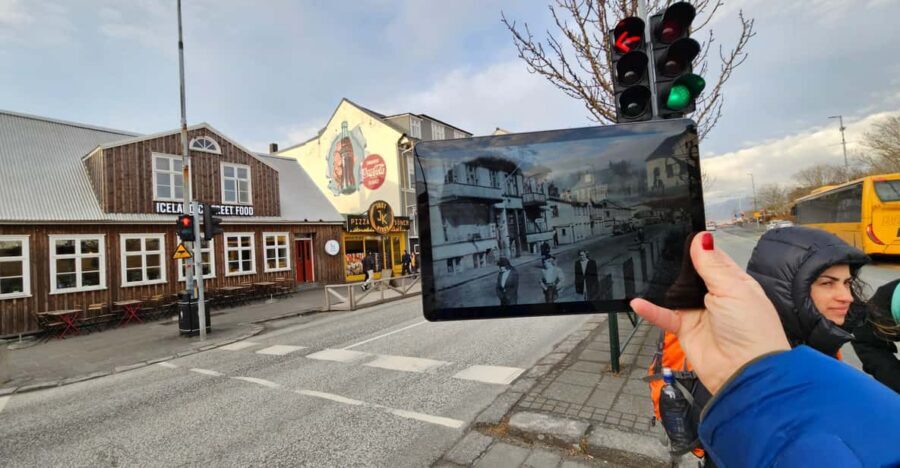
A smart feature of this tour is that it doesn’t focus only on the British. You also visit the German Residence, which broadens the lens and helps you understand how Reykjavik was positioned during WWII in a wider political and military context.
This stop keeps the story from becoming one-sided. Even if your main interest is the British Invasion, you’ll get the sense that WWII in Iceland wasn’t a single event and done. It was a shifting set of pressures with different countries and influences shaping the island’s reality.
What makes this stop useful is its location in the city center. You can look around afterward and recognize how a single “important building” can act like a historical anchor. It’s a reminder that war history is not always far away—in some places, it’s right where you’re having lunch.
If you like history that connects to the physical city, this is a highlight. If you only want battlefield tactics, you may find this section more about context than strategy—but the tour’s social angle still keeps it interesting.
British and American presence: The social changes you’ll notice today
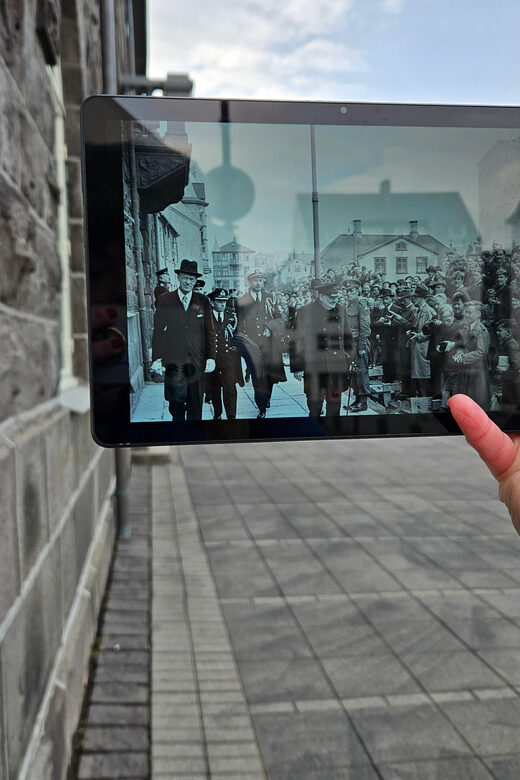
This is the part I think is most valuable for many visitors. The tour doesn’t stop at uniforms and dates. It asks: what did people actually do afterward?
You’ll hear about the American presence as well as the British. And the guide ties it directly to cultural changes—things like the food people ate and the music people danced to. That matters because it changes how you read the city today. Reykjavik doesn’t feel like a WWII setting on the surface. But once you know what kinds of cultural imports and influences landed during that era, today’s tastes start to make more sense.
This approach is also easier to enjoy if you’re traveling with someone who isn’t mainly into military history. The story gives you a way to talk about everyday life: entertainment, habits, and social shifts. You’re learning how an occupied and internationally connected city develops new norms.
If you’re the type who likes to “spot” connections on your own, keep your ears open here. The guide’s explanations can give you a mental checklist for what to notice later in cafes, music venues, and restaurants.
You can also read our reviews of more city tours in Reykjavik


Hidden side streets in the center: Why the small stuff matters
Between major stops, you’ll also get quieter streets that you probably wouldn’t find otherwise. The tour includes these side streets as part of its route, which is one reason it feels more like a guided walk through the real city than just a sequence of landmarks.
These are the places where the guide can explain how movement happened. Soldiers and officials didn’t move through the main roads only. They used the structure of neighborhoods and the availability of buildings. When you’re in those tighter streets, the takeover story feels more grounded.
It also helps you appreciate Reykjavik as a walkable city with a strong center. Even if you’ve already looked around the downtown area on your own, this is the kind of added path that makes you feel like you saw more than the obvious highlights.
Practical note: benches are available at several stops, but not at all. So if sitting is important for you, plan on a bit of standing time.
Price and value: Is $40 worth 2 hours?
At about $40 per person for a roughly two-hour, history-focused walking tour, the value comes from what’s included, not just the price tag. You get a live English-speaking guide, period photos and videos used on the street, and a route that connects multiple WWII-linked locations across the city center.
If you compare this to the cost of a short entry ticket somewhere indoors, the math can make sense in a different way. Museums give you artifacts. This tour gives you context plus a route you can keep thinking about long after you’re done. You also get the benefit of asking questions in real time, and a sense for how different parts of Reykjavik relate to the same WWII era.
The guide quality is clearly a big part of the experience. One guide named Lucky is noted for being super knowledgeable and funny, and even for tailoring stories when guests want them, including ghost-story style moments. Another guide is praised for friendliness and a real passion for the subject. That matters because WWII history can get heavy fast. A guide who can keep it human makes the difference between a dry timeline and a walk that feels alive.
The other side of value is what you bring to it. This tour isn’t about rides and views. It’s about story and interpretation. If you want a show, you might feel more satisfied with a different type of tour. If you like learning how history shaped daily life, this one is a strong buy.
Who should book this WWII walking tour?
Book it if you want a city walk with a clear theme and real place-based storytelling. It’s ideal if you care about how global WWII events affected Iceland—not only militarily, but culturally and socially too.
It also works well if you like guides who bring personality. The humor and extra anecdotes (including stories some people ask for) can make the 2 hours feel lighter without sacrificing factual grounding.
It may not be the best fit if you’re traveling with young kids. The tour isn’t suitable for children under 10 because of the subject matter. If you want a family option, you’ll need to arrange a private tour so the material can be adjusted.
Accessibility check: the tour is wheelchair accessible. There aren’t stairs, and there are benches at several stops, but not all. There is a small hill with a bit of up-and-down. If that’s a concern, it’s worth going in with realistic expectations.
FAQ
Where does the tour start?
You should wait outside Hotel Borg (not inside). The meeting point is Austurvollur (Parliament Square).
How long is the tour?
It’s about 2 hours.
What is the tour language?
The tour is guided in English.
What stops do we visit?
You’ll see the Old Harbour (the landing place tied to the British Invasion), Reykjavik Old Town, and the German Residence.
Is the tour suitable for children?
It isn’t suitable for children under 10 due to the subject matter.
What should I bring?
Wear comfortable shoes, bring a camera, and plan for rain gear and outdoor clothing. The tour goes in almost all weather.
Should you book this Reykjavik WWII walking tour?
If you’re trying to understand Reykjavik beyond views and shopping streets, yes—this is a solid booking. You’ll get a focused route tied to the British landing in May 1940, plus the German Residence, and you’ll leave with a clearer idea of how WWII shifted Iceland’s daily culture, not just its politics.
Skip it only if you want mostly open-air scenery with minimal history, or if cold weather walking is a dealbreaker for you. If you can handle a couple layers, good shoes, and a small hill, you’ll get a lot of value from two hours of story that makes the city feel more real.