Volcano ground is never just scenery. This small-group hike to Fagradalsfjall is built around a geologist explaining what you’re actually seeing, from Reykjanes Peninsula volcanic history to how lava types shape the rocks under your boots. I love that you get real “hands-on thinking,” not just photos—plus a guided pace that helps you reach the crater viewpoint safely. The other thing I really like is the small size, so you can ask questions and keep up with the story as the terrain changes.
One thing to plan for: the walk can get slippery and tiring in wind, cold, and rain, and the tour does not include meals or bottled water.
In This Review
- Key things that make this volcano hike worth it
- Why Fagradalsfjall feels like a living classroom
- Starting at Grænaborg: transport and what to bring
- Reykjanes Peninsula briefing: how the guide sets up the hike
- The crater viewpoint hike: timing, terrain, and safety reality
- What you learn from the geologist on the lava field
- Return drive: geothermal hot springs, crater lakes, and final views
- Price and value: what you’re really paying for at $220.19
- Weather and gear: make this hike pleasant, not miserable
- Who this tour is best for (and who should skip it)
- Should you book the Small Group Volcano Hike with a Professional Geologist?
- FAQ
- How long is the volcano hike tour?
- Is hotel pickup included?
- What group size should I expect?
- What is included in the price?
- Are meals or bottled water included?
- Is this tour good for kids?
- Does the tour guarantee seeing glowing lava?
Key things that make this volcano hike worth it
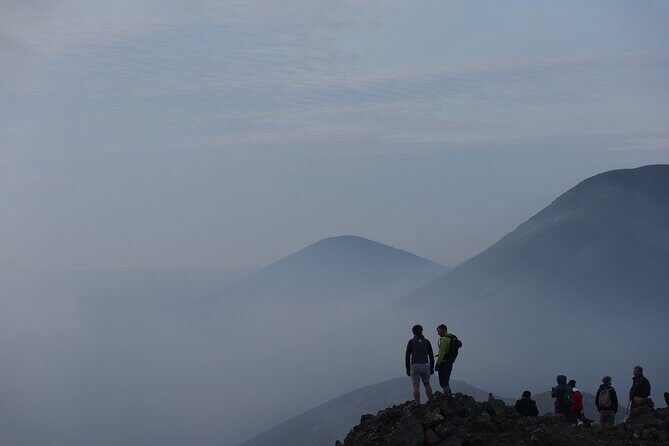
- A professional geologist guide explaining eruptions and lava features while you walk
- Fagradalsfjall crater viewpoint with strong odds of jaw-dropping views, eruption or not
- Small group size (max 6) for a more personal, question-friendly day
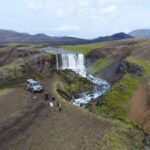
- New lava field hiking across ground still being created by Iceland’s activity
- Warm, heat-related science moments like feeling hot areas and seeing gas escape from older flows
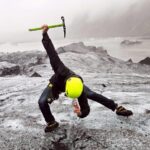
- Included gear when needed such as crampons and headlamps, plus parking and transport
Why Fagradalsfjall feels like a living classroom
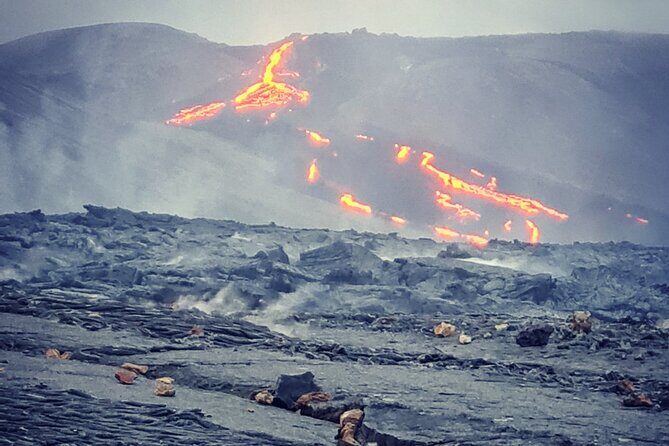
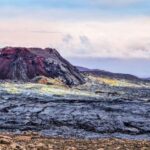
This is the kind of tour where the learning happens because your feet keep moving. You start with the volcanic story of the Reykjanes Peninsula, then you cross the kind of ground you usually only see from a distance. Here, the terrain changes fast: new, jagged lava rock gives way to older surfaces, and you notice how water, wind, and time have been working on what the eruption laid down.
The best part is the way a guide turns geology into something you can picture. I’ve seen plenty of tours where the guide talks for the first half and then you wander for the rest. This one keeps the explanation tied to what’s right in front of you, including what different lava looks like and why it matters. In past departures, guides such as Giuseppe and France have been praised for making the science easy to follow and fun to hear, while still keeping safety and pacing in mind.
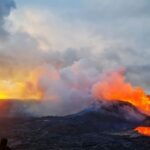
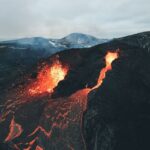
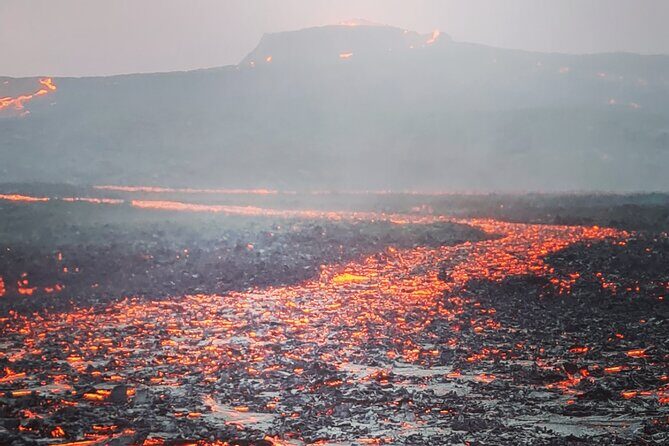
You should also know the big expectation: you’re hiking to see the newest volcano area and its lava field, but glowing lava can’t be guaranteed. Even if you don’t catch active visuals, the view from the crater viewpoint and the chance to walk on fresh volcanic ground are still the heart of the day.
You can also read our reviews of more hiking tours in Reykjavik
Starting at Grænaborg: transport and what to bring
The day starts at GrænaborgEiríksgata 2, 101 Reykjavík, and it ends back at the same meeting point. There’s no hotel pickup, so you’ll want to plan how you’ll get there on time. The meeting area is near public transportation, which helps if you don’t want to rely on taxis.
You’ll ride in an air-conditioned vehicle, and parking fees are included. Also useful: the tour provides crampons and headlamps if needed, which suggests they’re prepared for colder, darker, or more slippery conditions. Still, you are responsible for your own comfort on the hike.
Bring:
- Hiking boots or sturdy trail shoes (the ground can be rocky and slippery)
- Waterproof layers (wind and rain are common problems out here)
- A small day pack with essentials (the tour asks for no big bags)
- Snacks and extra water, even though bottled water and meals are not included
Reykjanes Peninsula briefing: how the guide sets up the hike
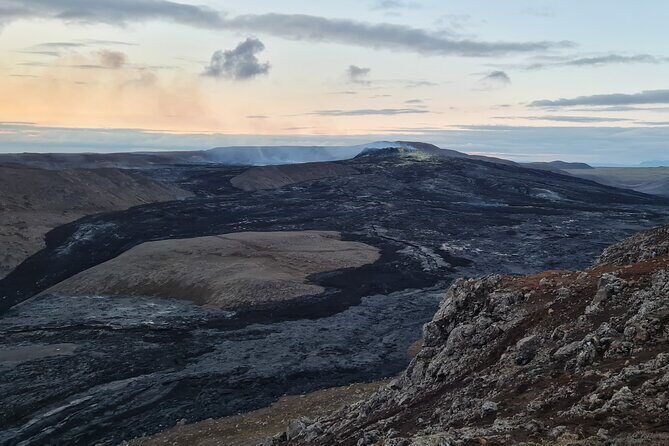
Before you hit the lava field, you get an introduction to the volcanic history of the Reykjanes Peninsula. The goal is not to dump facts on you like a textbook. It’s to give you a mental map of what you’re walking into—early signs of volcanic activity, the sequence of recent eruptions, and what tends to happen next in Iceland’s volcanic systems.
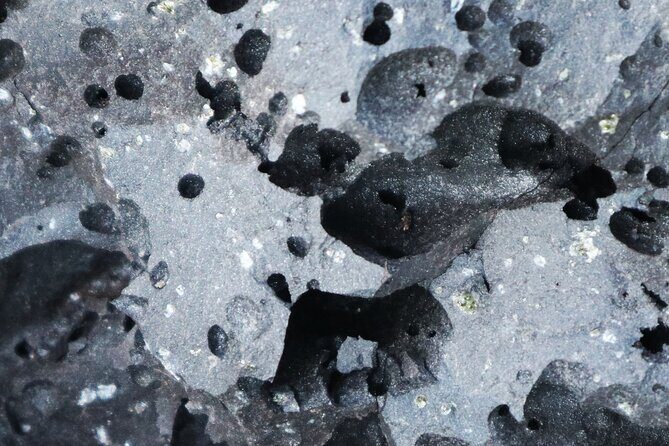
This matters because the hike is not just a scenic stroll. Lava doesn’t cool evenly, and it doesn’t create a uniform trail. Different lava compositions and eruption styles can lead to different rock textures and terrain shapes. When your guide explains how the lava’s makeup influences the rocks and landscape you’re stepping across, the whole walk starts to make sense. You start looking at formations instead of just watching your footing.
If you like asking questions, this is when you’ll get the best payoff. Guides with a teaching style like Giuseppe have earned praise for being both energetic and clear, so don’t be shy about your curiosity.
The crater viewpoint hike: timing, terrain, and safety reality
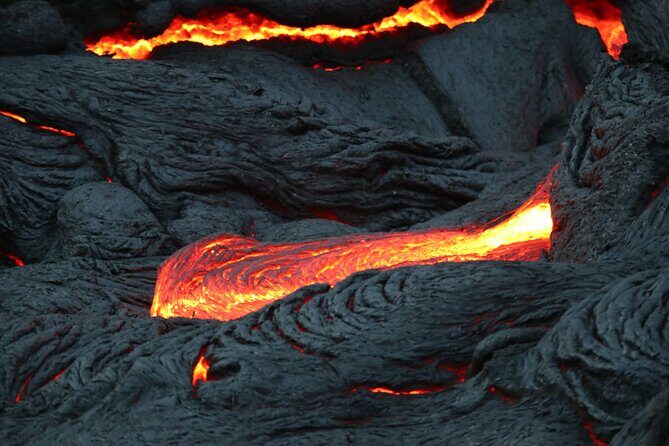
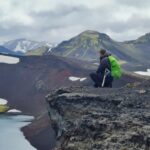
The main hike focuses on Fagradalsfjall, with a route that takes about 1 to 1.5 hours each way to reach the crater viewpoint. That timing can flex based on weather, trail conditions, and group pace, and you should mentally budget for a longer day if the weather is rough.
On the ground, expect roughness. Multiple departures have described:
- Steep switchbacks and inclines
- Rocky, uneven terrain
- Mud when conditions turn wet
- Sections where careful foot placement matters
One review note that comes up again and again is that footing can be challenging even when there is no dramatic exposure. That means you should treat this as a hike, not a light walk—especially if it’s windy or rainy.
Safety is part of the experience, and it’s not just “stay behind the leader.” Geologist-guides have been noted for pacing the group with breaks and adjusting when needed so people don’t overexert themselves. That matters because in cold or wet conditions, a small mistake in pacing can turn a great day into an uncomfortable one fast.
Also watch the small-group promise. The tour is marketed as a maximum of six, but some participants have found departures running a bit higher than expected. It’s still a small group, but if you’re very sensitive to crowding on narrow, rocky paths, keep that in mind.
What you learn from the geologist on the lava field
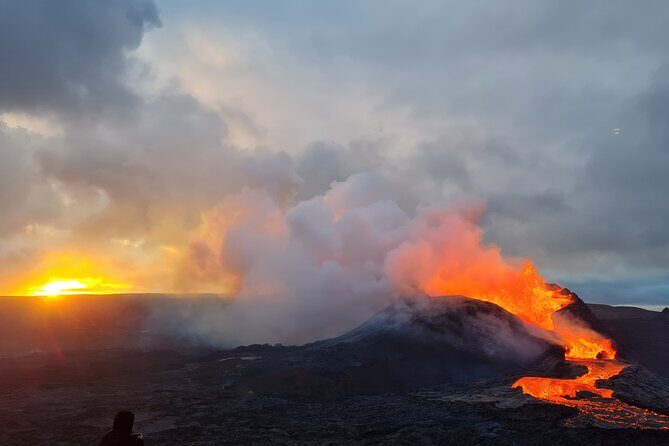
This is where the tour earns its name. A professional geologist doesn’t just point at rocks and say volcano. You get explanations for what you’re seeing and why it’s there.
Some of the most praised learning moments include:
- Understanding lava types and how they form different rock features
- Seeing lava flows from earlier eruptions and noticing how heat and gas behave in real time
- Getting explanations that connect eruption activity to the terrain you’re walking on
- Learning how fissures and volcanic processes relate to what the ground looks like nearby
In past experiences, guides have also described sensory moments—like hot areas where you can feel warmth coming from beneath the surface, or noticing gas escaping from places associated with older flows. Even if your brain is the type that wants proof, the setting helps: you can see, smell, and stand right next to the evidence.
The guide style matters too. People have praised guides such as France for keeping the pacing comfortable and for making technical geology understandable. If you want a tour where the science actually changes how you look at the view, this is a strong choice.
Return drive: geothermal hot springs, crater lakes, and final views
After the hike, you’re back on the road toward Reykjavík. This part of the day is a scenic drive through the Reykjanes Peninsula, and it’s meant to help you cool down a bit after the exertion.
On the drive, you pass by:
- Geothermal hot springs
- Crater lakes
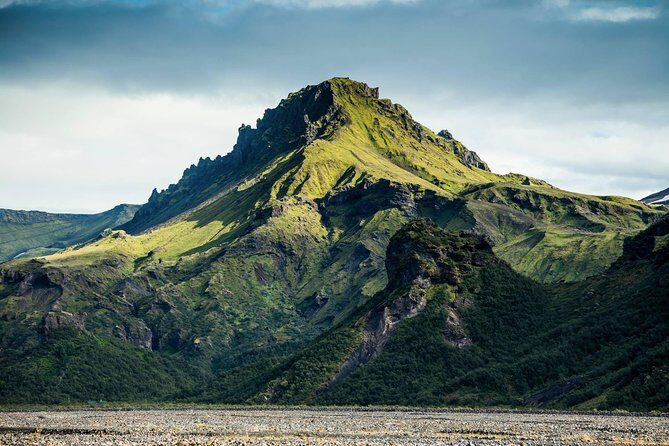
- Rugged volcanic mountains
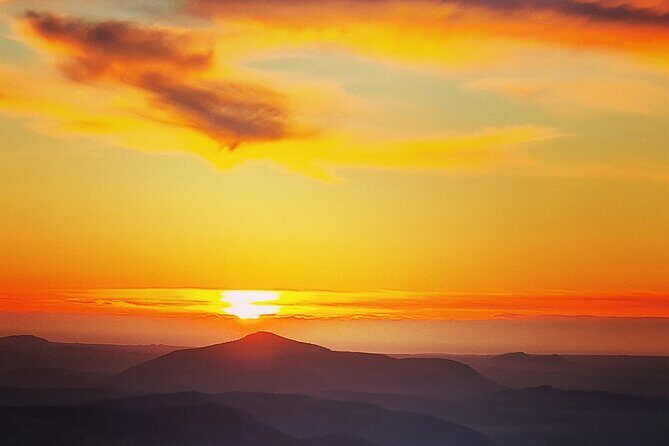
It’s a chance to pick up more context on what you just learned. The volcano doesn’t exist alone; Reykjanes is a whole working volcanic system. Even if clouds roll in, the geology still reads in the shape of the terrain and the hints of geothermal activity.
Return timing can shift with weather and hiking pace. Some departures have returned later than the shorter listing estimate, so treat the schedule as flexible rather than a hard stopwatch.
Price and value: what you’re really paying for at $220.19
At $220.19 per person for about six hours, this isn’t a budget activity. So you should ask what justifies the cost.
Here’s the value logic:
- You’re paying for a professional geologist guide who teaches you in the field, not just at a stop-and-go viewpoint.
- You get small-group time, which is where learning and safety really work. With only a handful of people, you can keep asking questions and the guide can manage pacing better.
- You get parking fees taken care of, plus an air-conditioned vehicle, which saves you from logistics headaches.
- You get crampons and headlamps if needed, which can matter in Iceland when conditions turn slick or dark.
What’s not included is also part of the price equation: meals and bottled water are not included. That means you should bring snacks so you’re not making do with whatever you find later. One common complaint from hikers is getting stuck without food for a long stretch. Save yourself the stress and carry something simple.
Weather and gear: make this hike pleasant, not miserable
Iceland weather is famous for being moody. This tour runs only with good conditions, and that’s not just a policy detail—it’s a hike-safety issue.
If wind or rain hits hard, even a strong hiker can feel cold fast, and wet lava rock can get slick. So don’t rely on luck. Dress like the weather could change every 20 minutes.
Practical gear checklist:
- A waterproof shell with a hood
- Warm layer underneath
- Waterproof pants if you have them
- Gloves
- Trail shoes/boots with grip
- A small pack with snacks and water
- Optional but smart: a dry bag for your phone and spare layer
One more tip: check your day plan for the rest of your Reykjavík time. After a rocky hike, you’ll want a buffer for a warm meal and a relaxed evening.
Who this tour is best for (and who should skip it)
This tour asks for moderate physical fitness. That usually means: you can handle a steep, rocky hike for a few hours and you won’t be miserable if the trail turns muddy.
It is not recommended for children under 12, and you should also think twice if you’re uncomfortable with uneven ground. Some participants have described narrow rocky sections and uneven footing as the hardest part—not because it’s dangerous in a dramatic way, but because it demands focus.
You’ll get the most out of this if you:
- Love science and want real field explanations
- Want a small-group day instead of a large bus tour
- Enjoy hiking and can dress for ugly weather
- Prefer guides who keep teaching while you walk, not only at stops
Should you book the Small Group Volcano Hike with a Professional Geologist?
I’d book it if you want your Reykjavík day to feel grounded in real Iceland action: fresh volcanic terrain, a crater viewpoint, and geology explained by someone who can connect the dots between eruption behavior and what’s under your boots.
Skip it or look for an easier option if:
- You hate rocky, uneven trails
- You don’t have waterproof layers or solid footwear
- You expect guaranteed active glowing lava
- You’re traveling with a young child who doesn’t fit the tour guidance
If you do book, go in with the right mindset: this is a hike plus a geology lesson. Plan your snacks, bring proper rain gear, and expect that the schedule can flex with weather. Then you’ll be free to focus on the real payoff: standing on newly formed volcanic ground while a geologist helps you see the story in the rocks.
FAQ
How long is the volcano hike tour?
The duration is listed as about 6 hours (approx.).
Is hotel pickup included?
No. Hotel pick-up and drop off are not included, and the tour starts at GrænaborgEiríksgata 2, 101 Reykjavík.
What group size should I expect?
The tour is designed for a maximum of 6 travelers.
What is included in the price?
Included items are a guided volcano hike, parking fees, crampons and headlamps if needed, and an air-conditioned vehicle.
Are meals or bottled water included?
No. Bottled water and meals are not included.
Is this tour good for kids?
It is not recommended for children under 12.
Does the tour guarantee seeing glowing lava?
No. The presence of visible glowing lava cannot be guaranteed, though you’ll still hike to the crater viewpoint and see the lava fields.