One ring road, many moods of Iceland.
This 13-day Great Round Tour takes you across the country from Reykjavik to the far corners, with stops built around Iceland’s geology—earthquakes, volcano leftovers, steam, ice, and black-sand beaches. You’ll also like the small-group setup (max 12), which keeps the vibe calm instead of chaotic.
What I like most is the mix of iconic sights and more off-the-radar places that you’d miss on a basic self-drive. And I especially like how the tour is anchored by guide Jens Olafsson, who brings context to each day (and even adds Icelandic folk stories).
One consideration: this is an intense trip. You’ll pack in long driving days, frequent getting in and out for photo stops and short hikes, and you won’t have many true slow moments. Also, lunch and drinks aren’t included, so plan for extra spend.
In This Review
- Key points before you go
- A small-group Iceland loop with real pacing control
- Meet Jens Olafsson: the guide part you’ll feel every day
- Price and value: what you’re really paying for
- Day 1: Reykjavik orientation, then you’re gone
- Day 2 Golden Circle core: Thingvellir, Gullfoss, Geysir
- Practical consideration
- Day 3 South Coast: waterfalls, museum time, and glacier views
- What to watch for
- Day 4 Skaftafell region: Svartifoss hike and the Glacier Lagoon boat
- Real-world tradeoff
- Day 5 into the east: lighthouse, Egilsstaðir area, then Modrudalur farmhouse stay
- Why this is valuable
- Day 6 North Iceland power: Dettifoss, canyons, and Mývatn geothermal drama
- The consideration: lots of standing and uneven ground
- Day 7 Akureyri break plus dramatic northern rocks
- Why this day works
- Day 8 Strandir and the long way to Westfjords: driftwood coasts and Sudureyri
- The “you should know this” part
- Day 9 Westfjords cliffs and bird time: Dynjandi and Latrabjarg
- Practical value
- Day 10 Raudásandur red sands: the quiet Westfjord stretch
- Day 11 Snæfellsnes-style icons (west): Kirkjufellsfoss and Djúpalónssandur
- Drawback to consider
- Day 12 volcanic walk and lava waterfalls: Grabrok to Hraunfossar
- What this day is good for
- Day 13 wrap-up: back to Reykjavik with Keflavík in mind
- What’s included (and what you should plan to pay for)
- Who this tour is best for (and who should pass)
- Should you book this Great Round Tour?
- FAQ
- How long is the Great Round Tour?
- What is the group size?
- What’s included in the price?
- What is not included?
- Where does the tour start and end?
- What fitness level do I need?
Key points before you go
- Max 12 travelers means more personal attention than big-bus tours
- Full daily guidance with a named guide, Jens Olafsson, plus practical help at each stop
- All accommodation + breakfast + dinner included for 12 nights (and 11 dinners listed)
- Most admissions are free, with the paid inclusions being Skógar Museum and the Glacier Lagoon boat tour
- A smart route that includes Westfjords and Strandir—not just the easy Ring Road highlights
A small-group Iceland loop with real pacing control
This tour works because it feels like a guided road trip, not a stamp-collecting bus ride. The maximum group size of 12 keeps conversations possible and helps the schedule stay human. You still move a lot—this is Iceland, and the distances are not subtle—but the flow is managed so you’re not stuck waiting around.
The big win for your day-to-day comfort is that 12 nights of lodging and breakfast and dinner are included. That matters in Iceland. Food is expensive, and you don’t want every evening to turn into a decision marathon after a long drive. Here, you’re set up with meals built into the rhythm of each day.
The tour is also designed for different kinds of Iceland “textures”: waterfalls first, then steam and lava, then ice and black sand, then dramatic coastlines. You get variety without needing to plan anything. If you’re the type who wants the stress taken away but still wants a real sense of place, this format fits.
You can also read our reviews of more tours and experiences in Reykjavik.

Meet Jens Olafsson: the guide part you’ll feel every day
The difference between a good Iceland trip and a forgettable one often comes down to the person in the front seat. With this tour, the guiding is led by Jens Olafsson. The practical strength shows up immediately: efficient driving, clear timing, and help handling the nightly changes in locations (including registration).
You’ll also get more than just where to point your camera. Jens provides context for each stop, including historical and cultural framing, plus the occasional folk story that helps you remember the geography you’re seeing. On a trip where the scenery can feel otherworldly, that “why this matters” layer makes the whole drive stick in your memory.
If you’re a solo traveler, the small-group size also helps. You’ll likely find it easier to chat, share photo spots, and keep track of each day’s plan.
Price and value: what you’re really paying for
At $7,228.71 per person for roughly 13 days, this isn’t a budget option. But it is also not “pay for a seat and figure out the rest.” Your money goes to the core logistics that can wreck a DIY Ring Road trip: lodging across multiple regions, a guided route, and scheduled time at major natural sites.
The value angle is strongest in the included meals and entries. Accommodation is included for 12 nights, with breakfast daily and dinner for 11 evenings (as listed). The paid sightseeing inclusions are also limited but meaningful: Skógar Museum and the Glacier Lagoon boat tour. Many other stops list admission as free, which keeps the day manageable.
What you still need to budget for is predictable:
- Lunch (not included)
- Beverages (not included)
- Your airfare to and from Iceland (not included)
If you want to minimize “gotchas,” this tour structure is helpful. You’re not forced into paying for every single entrance along the way, and you’re not stuck hunting for last-minute lodging.
Day 1: Reykjavik orientation, then you’re gone
Day 1 is simple: make your way to the meeting point in Reykjavik at Hótel Klettur, Mjölnisholt 12–14, 105 Reykjavík. From there, the tour’s country-wide plan kicks in fast. This matters because Reykjavik can easily soak up your energy. By Day 2, you’re already out seeing the country’s big natural drivers.
Day 2 Golden Circle core: Thingvellir, Gullfoss, Geysir
This is a classic start for a reason. The tour hits the big “Iceland meaning” sites first.
Þingvellir National Park is where you’ll connect the political past with dramatic geology. The stop is listed at about 1 hour, and it’s framed as both an old parliamentary site and a geological phenomenon—exactly the kind of combo that makes the Ring Road more than scenery.
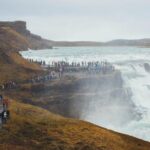
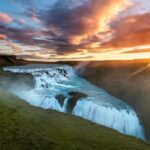
Then comes Gullfoss Falls, planned for about 1 hour 30 minutes. The focus here is the falls themselves—power you can feel in the air—and it’s a free admission stop on the schedule.
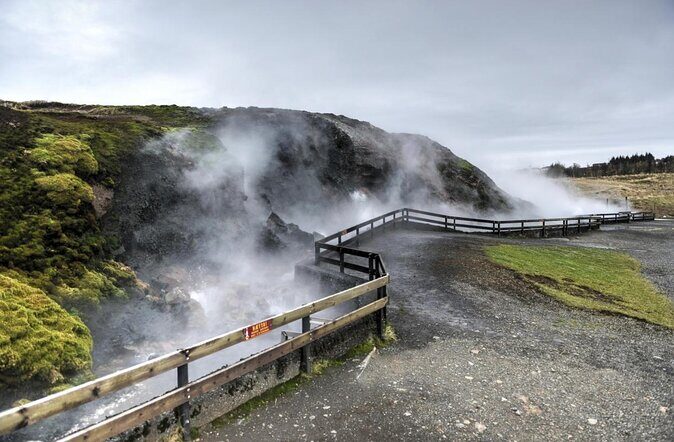
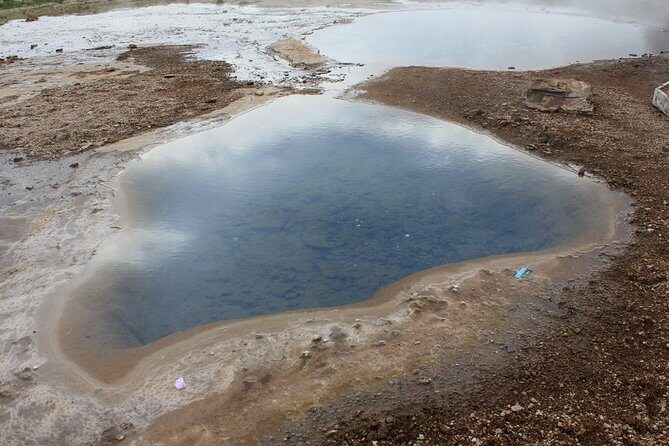
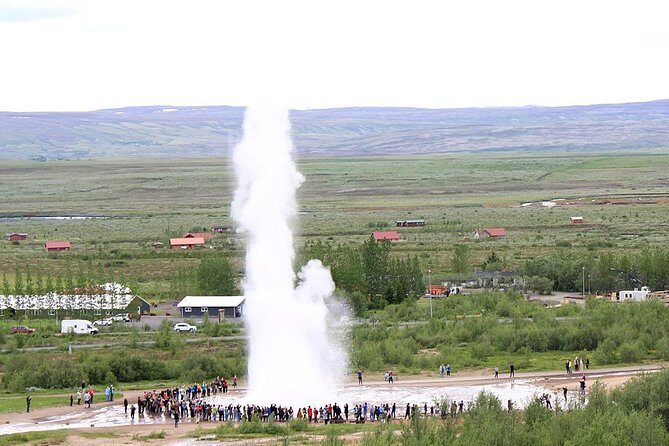
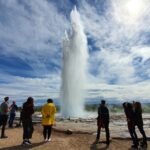
Finally, you’ll move to the Geysir geothermal area for about 1 hour. This is Iceland’s reminder that the ground you’re walking on is alive. Even when you’re not “doing” anything besides watching, it changes your lens for the rest of the trip.
Practical consideration
This day is efficient. You’ll be moving between locations, so expect a lot of short transitions. Pack layers—weather can shift quickly.
Day 3 South Coast: waterfalls, museum time, and glacier views
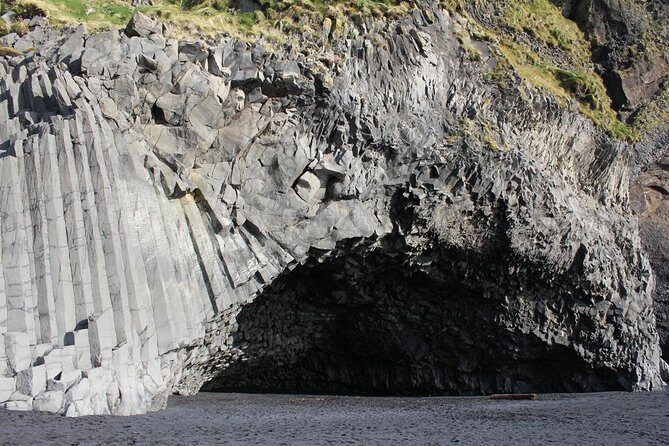
Day 3 is where you start stacking waterfall experiences like they’re cards in a deck.
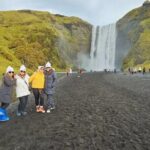
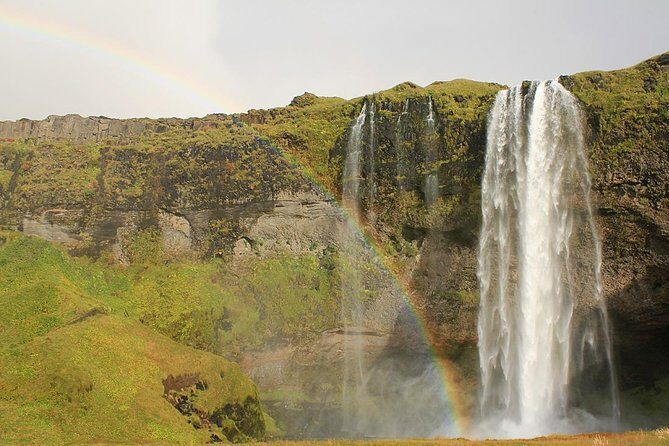
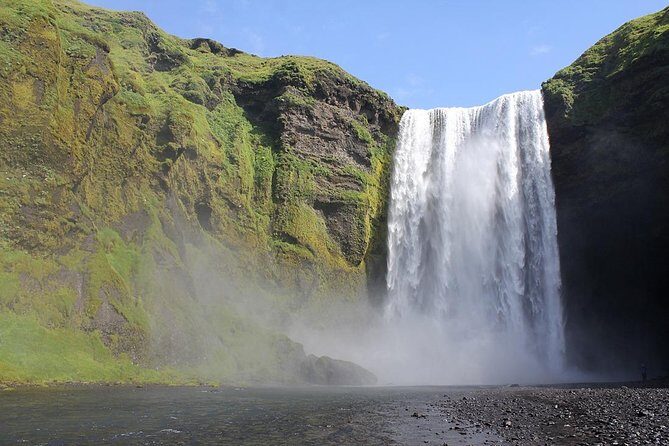
You’ll begin with Seljalandsfoss (about 20 minutes) and Skógafoss (about 30 minutes). These are quick but high impact stops—ideal when you want big visuals without needing hours.
Then you get a change of pace at Skógar Museum, about 1 hour 30 minutes. This is the one museum stop listed as included. It’s a good counterweight to the natural stops because it grounds what you’re seeing in everyday life and cultural context.
Next is the ice side: Solheimajökull glacier for about 1 hour. This works well on a guided tour because glacier access and viewpoints can be slippery and confusing if you’re doing it alone.
After that, you’ll pivot to coastal variety:
- Dyrhólaey (about 45 minutes)
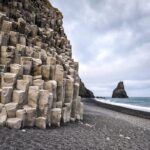
- Reynisfjara black sand beach (about 30 minutes)
These are free admission stops, which is helpful because the day already includes the glacier time and museum.
What to watch for
Some coastal areas can be windy and uneven underfoot. Even with short stops, good footwear helps.
Day 4 Skaftafell region: Svartifoss hike and the Glacier Lagoon boat
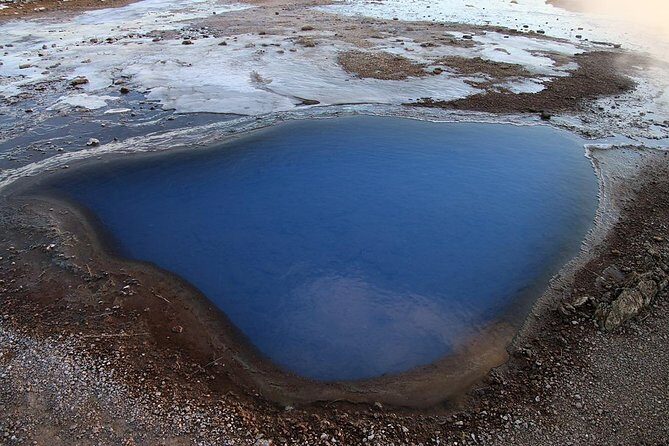
Day 4 leans into the Vatnajökull area feel.
You’ll head to Skaftafell National Park for about 2 hours, then take on a hike to Svartifoss waterfall (about 1 hour 30 minutes). The tour frames Svartifoss as a hike stop—so this is not just a “park and snap” moment.
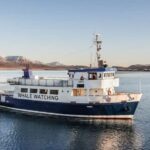
The highlight payoff is Glacier Lagoon with a boat tour around the icebergs (about 2 hours, listed as free admission). If you’re trying to understand Iceland’s glacial scale, this is one of the most direct ways on the schedule.
Real-world tradeoff
Boat and weather can’t be controlled. The operator notes itinerary changes may happen due to weather or conditions outside their control, so it helps to keep expectations flexible.
Day 5 into the east: lighthouse, Egilsstaðir area, then Modrudalur farmhouse stay
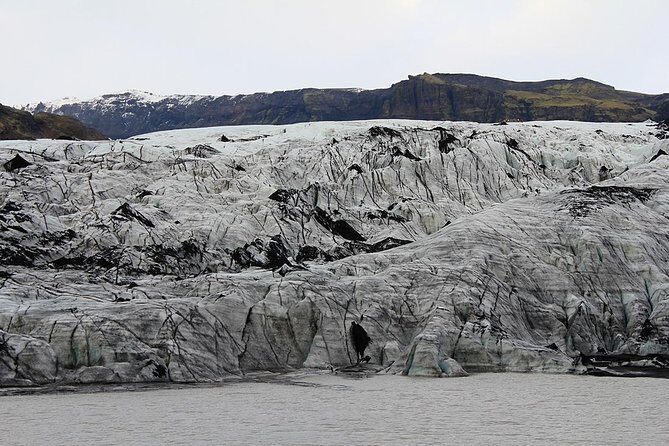
Day 5 starts with Hvalnes Lighthouse (about 30 minutes), then moves to Lagarfljót / Egilsstaðir for about 30 minutes. After a few days of nonstop natural icons, this gives you a more human scale moment—town access before the next big wilderness stretch.
The big anchor of the day is your stay in Móðurudalur valley at 469 m (1,539 ft) above sea level, described as the highest inhabited place in the country. This is listed as included and the day’s schedule is long (14 hours). In practice, this kind of overnight stop is often where a road trip stops feeling like a checklist and starts feeling like Iceland life—quiet, remote, and slower at night.
Why this is valuable
Instead of sleeping in only big towns, you’re placed where you can feel the distance between places. The meals included with these stays are part of the comfort factor too.
Day 6 North Iceland power: Dettifoss, canyons, and Mývatn geothermal drama
Day 6 is one of the most geologically intense parts of the itinerary, and it’s packed.
You’ll drive from the Modrudalur area to Dettifoss waterfall for about 45 minutes. The schedule calls it Europe’s mightiest waterfall, and it sets the tone: this is raw scale.
Then you’ll visit Asbyrgi (Shelter of the Gods), about 30 minutes. It’s described as a horseshoe-shaped canyon, which makes it feel like a different planet compared to the waterfall day you just had.
Next is the Mývatn-style lava and heat zone:
- Krafla lava fields (about 1 hour), described as still warm more than 30 years after the eruption
- Dimmuborgir lava formations (about 30 minutes), the lava labyrinth
- Namafjall Hverir (about 20 minutes), boiling mud pots
- Skútustaðagígar (about 5 minutes), pseudo craters
These stops are mostly listed as free admission. The result is that you get a “greatest hits” sequence of geothermal textures without paying extra for every angle.
The consideration: lots of standing and uneven ground
Even when stops are short, geothermal sites can be rocky or wet. The tour notes a moderate physical fitness level, so bring shoes that work on slick terrain.
Day 7 Akureyri break plus dramatic northern rocks
Day 7 blends landmark sightseeing with a bit of breathing room.
You start at Goðafoss (about 20 minutes), then get free time in Akureyri for about 3 hours, including time tied to Akureyrarkirkja. This is a nice mid-trip reset: you’re not only driving and hiking; you’re also getting real town time.
After Akureyri, you’ll stop in Siglufjörður for about 20 minutes and see Hvíts erkur for about 30 minutes (a rock formation).
Why this day works
It breaks the rhythm. After days of waterfalls, lava fields, and heat, you get a human-scale town block plus a couple of distinct stops before the trip shifts west.
Day 8 Strandir and the long way to Westfjords: driftwood coasts and Sudureyri
Day 8 is about the remote West side feel.
From Hrutafjörður, you drive into the Strandir area, where parts of the coastline are covered with driftwood. The itinerary also highlights black sandy beaches along the route. You then continue driving toward Ísafjörður, and head to the small fishing village of Suðureyri for your overnight stay.
This day is a reminder that Iceland travel isn’t only about the famous sites. It’s also about weathered coastlines and the slow reveal of distance.
The “you should know this” part
Remote areas often mean limited services. Since lunch isn’t included and the day is more about driving and coastal scenery, it helps to plan for where you’ll eat when stops get short.
Day 9 Westfjords cliffs and bird time: Dynjandi and Latrabjarg
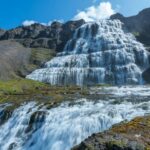
You’ll start with Dynjandi (Fjallfoss) for about 45 minutes. Then the schedule turns toward wildlife with Látrabjarg bird cliffs for about 1 hour.
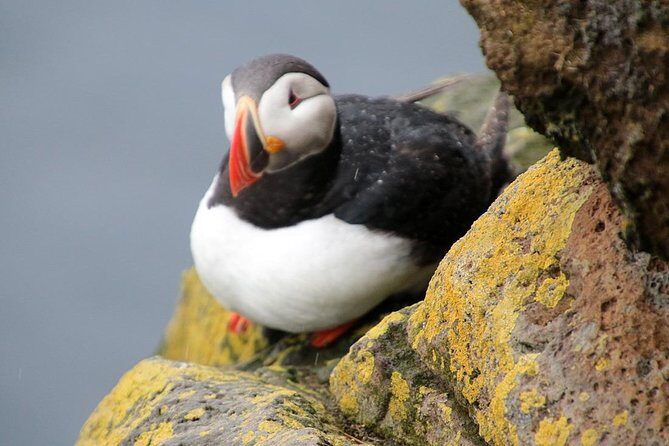
The description is specific: Látrabjarg is at Iceland’s westernmost point, with a 14 km (9 miles) long sheer cliff protruding 400 m (1,320 feet) from the sea, and you’ll enjoy seeing thousands of birds of different species.
Practical value
A guided stop here helps because cliff viewpoints can vary by footing and weather. Even with a fixed stop time, a good guide improves where you spend your attention.
Day 10 Raudásandur red sands: the quiet Westfjord stretch
Day 10 continues along the southern side of the Westfjords, described as sparsely populated. You’ll see Rauðasandur Beach—the schedule calls out the red sand specifically—with about 1 hour at the stop.
This is a day that’s less about a single “one photo” moment and more about the feel of the region: fewer crowds, more space, and a different kind of color than the black-sand days.
Day 11 Snæfellsnes-style icons (west): Kirkjufellsfoss and Djúpalónssandur
Day 11 is built around two coastal-and-waterfall anchors.
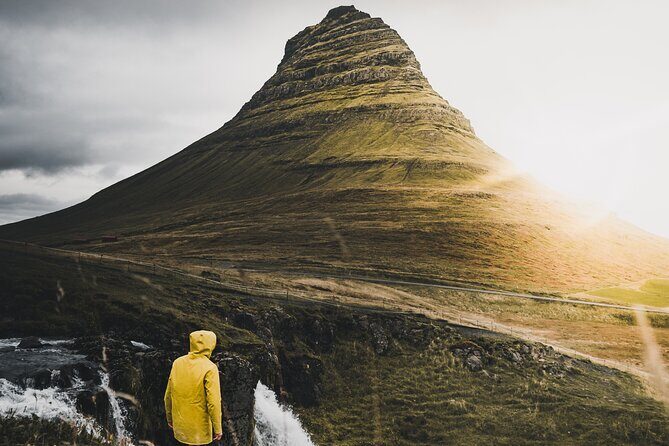
You’ll visit Kirkjufellsfoss (about 20 minutes), then Djúpálónssandur beach (about 45 minutes), described as a basaltic pebble beach. There’s also a short stroll along the coastal cliffs, designed for birdlife and other nature wonders.
Drawback to consider
Short stops mean the itinerary values access over lingering. If you like slow travel, you’ll want to build in extra days in Iceland after the tour.
Day 12 volcanic walk and lava waterfalls: Grabrok to Hraunfossar
Day 12 is another geology-forward day.
You’ll walk up to the top at Grabrok Crater (about 30 minutes), then move to Hraunfossar Lava Waterfall and Barnafoss (about 30 minutes). Both are listed as free admission.
This is the part of the trip where you start seeing the “story” across days: glaciers carve, volcanoes build, geothermal systems heat, and waterfalls do the ongoing finishing work.
What this day is good for
It’s an easy way to close the loop with another set of dramatic “science you can see” stops before your final day transition.
Day 13 wrap-up: back to Reykjavik with Keflavík in mind
The final day is about getting you to the end of the tour while setting you up for travel. The itinerary points you to Keflavik airport, and the meeting-point notes say the tour ends back at the meeting point.
Either way, treat Day 13 as a transition day. Save your last energy for packing, not for squeezing in extra walking.
What’s included (and what you should plan to pay for)
Here’s the practical part, clean and clear.
Included:
- Skógar Museum admission
- Glacier Lagoon boat tour (around icebergs)
- Guided tour following the itinerary
- Accommodation for 12 nights
- Dinner (11) and Breakfast (12)
Not included:
- Anything not listed above
- Lunch
- Beverages
- Airfare to and from Iceland
Because meals are largely covered, your daily budgeting becomes simpler. The main wildcard is lunch and drinks. If you plan to buy lunch, you’ll be paying typical Iceland prices—so budgeting ahead makes the cost feel less like a surprise.
Also, the tour includes a mobile ticket and is offered in English. You’ll get confirmation at booking time.
Who this tour is best for (and who should pass)
This tour is a strong fit if you:
- Want an Iceland 13-day “see a lot” plan without doing all the route planning
- Like light hiking built into the itinerary (for example, the Svartifoss hike and Grabrok crater walk)
- Prefer small-group travel (max 12) and a guide who handles the practicalities
- Care about getting more than the easy hits by including Westfjords and Strandir
You might want to look elsewhere if you:
- Hate driving days and prefer long, slow stays in one place
- Need lots of free time every day to explore independently
- Are trying to keep total trip cost low (the price reflects lodging, guiding, and included dinners)
Should you book this Great Round Tour?
If you want to experience Iceland’s big natural variety—waterfalls, glaciers and icebergs, hot geothermal areas, and far-west coasts—this is one of the most straightforward ways to do it. The structure is what makes it work: small group, Jens Olafsson leading the schedule, and breakfast + dinner already handled so you’re not scrambling every evening.
My best advice for deciding: ask yourself if you want the convenience of having the route and lodging taken care of, or if you’d rather DIY and accept the extra work. If you’re choosing convenience, and you’re okay with an intense pace, book it. Then add a couple extra days in Reykjavik or another stop if you want room to breathe.
FAQ
How long is the Great Round Tour?
It runs for about 13 days.
What is the group size?
The tour has a maximum of 12 travelers.
What’s included in the price?
You get a guided tour following the itinerary, accommodation for 12 nights, breakfast (12), and dinner (11). Inclusions also include Skógar Museum admission and the Glacier Lagoon boat tour.
What is not included?
Lunch, beverages, and your airfare to and from Iceland are not included. Anything outside the listed inclusions is also not included.
Where does the tour start and end?
The tour starts at Hótel Klettur, Mjölnisholt 12–14, 105 Reykjavík. It ends back at the meeting point, and the plan on Day 13 is set up for heading to Keflavik airport.
What fitness level do I need?
The tour notes moderate physical fitness. You should be comfortable with walking and light hiking on some days.