Golden Circle days from Reykjavík can be fast. This one feels well-paced for a cruise shore excursion, with a German-speaking guide and a small group that keeps the stops moving without rushing. I love the mix of big-name sights like Gullfoss and Strokkur, and I also like the off-the-usual moments: an earthquake fissure stop in Hveragerði and warm Lake Laugarvatn with its hot-spring baking use. One thing to consider: the schedule is tight, so bad weather or later-than-planned docking can nudge timing and shorten some moments.
The core idea is simple: you’re covering the famous Golden Circle route in one long day, but with enough time at each stop to take photos, walk the viewpoints, and actually enjoy the nature instead of staring from a bus window. I also like that the day includes more than waterfalls and geysers—it adds farm life and Icelandic history at Þingvellir. The only real drawback is practical, not scenic: it’s about 8–9 hours, so bring rain gear and closed-toe shoes and plan on being on your feet some.
In This Review
- Key highlights you’ll care about
- Golden Circle in one cruise-friendly day from Reykjavík
- What the German-speaking guide adds (and why it makes the drive worth it)
- Hveragerði earthquake fissure stop: the weird start that actually works
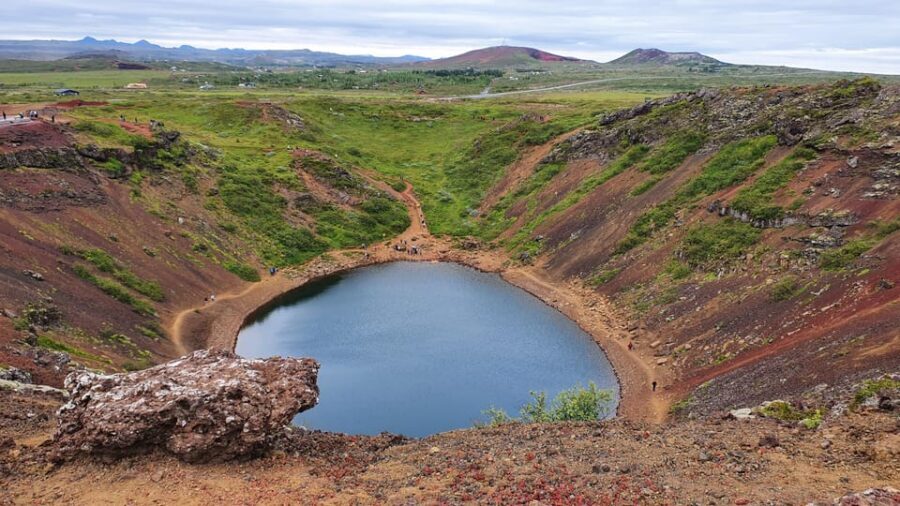
- Kerið crater: included entry and the kind of walk that pays off
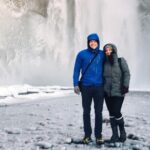
- Gullfoss waterfall: where you’ll stop long enough to feel it
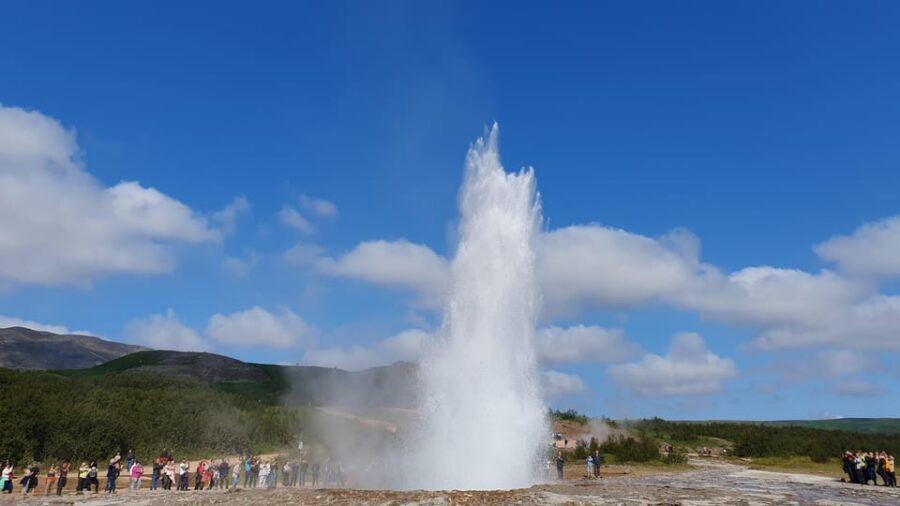
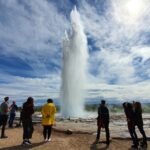
- Haukadalur geothermal area and Strokkur geyser: steam + timing
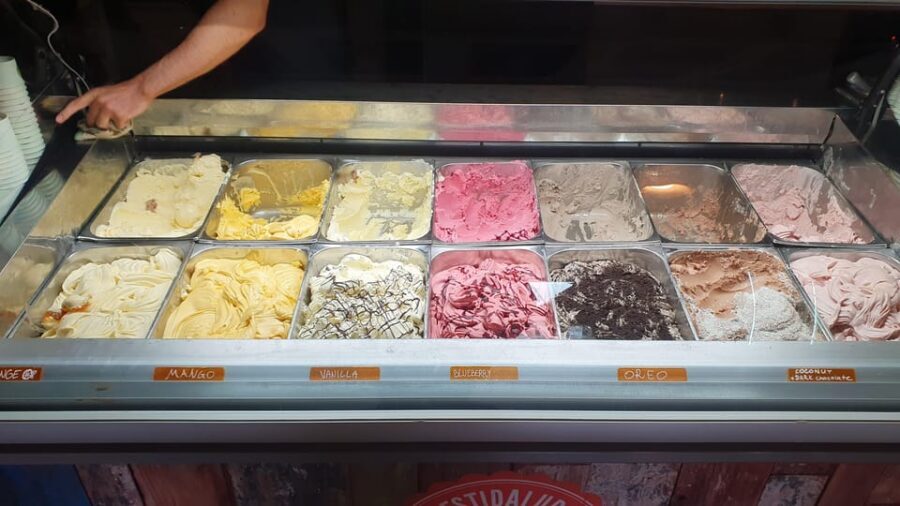
- The farm ice cream and cowshed break: when Iceland feels human
- Laugarvatn hot-spring area: warm water, warm bread, easy photo time
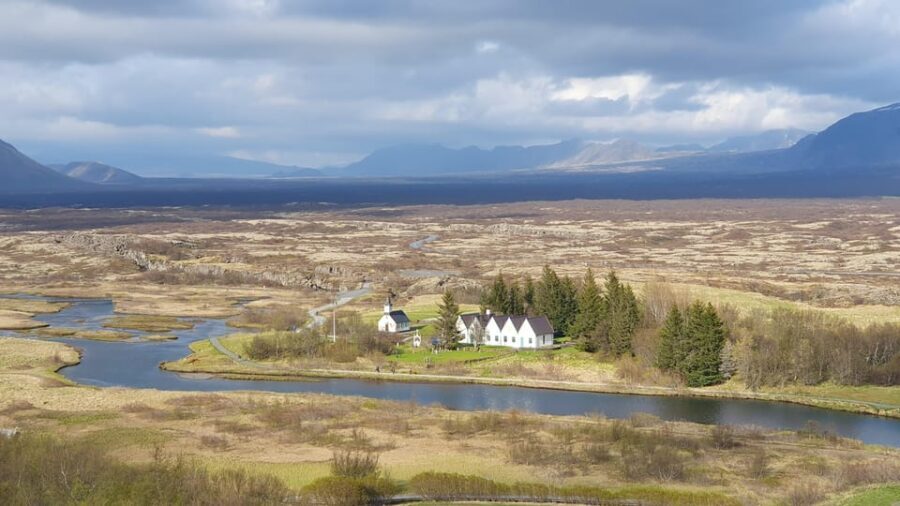
- Þingvellir National Park: plate tectonics you can actually visit
- The ride back to Reykjavík: a quick Hallgrímur moment if timing allows
- How long is enough? Timing, weather, and cruise ship reality
- Price and value: what you’re really paying for at $182
- Who this tour suits best (and who should think twice)
- Practical tips so the day feels easy
- Should you book this Reykjavík Golden Circle shore excursion?
- FAQ
- Is this tour in German?
- How many people are in the small group?
- How long does the shore excursion take?
- What are the main stops on the Golden Circle route?
- Is entry to Kerið included?
- Are food and drinks included?
- Where do I meet for pickup?
- What should I bring?
- Is the tour wheelchair accessible?
Key highlights you’ll care about
- Small-group Golden Circle with a max of 19 people for more personal pacing
- German-speaking guide who keeps long drives between stops interesting
- Earthquake fissures + Kerið crater give you geology right up front
- Strokkur geyser at Haukadalur plus Gullfoss for the classic wow factor
- Laugarvatn hot-spring bread area and an Iceland farm stop for a real taste of everyday life
- Þingvellir National Park paired with viewpoints like Öxarárfoss and Almannagjá
Golden Circle in one cruise-friendly day from Reykjavík
If you’re getting off a ship in Reykjavík and you want the Golden Circle without spending your whole vacation driving, this is built for you. The route runs through the southern region on a classic loop: starting in Reykjavík, reaching the Hveragerði area, then working through Kerið, Gullfoss, Haukadalur, Laugarvatn, and finally Þingvellir National Park before returning.
The “small group” part matters more than you might think. With a maximum of 19 people, the guide can manage timing better at viewpoints and keep everyone oriented—especially helpful when you’re doing this in one day and the light changes quickly.
Plan on a full day of moving. The tour is about 8 hours, but in reality it’s often 8–9, and it depends on weather and when your ship docks and departs.
You can also read our reviews of more tours and experiences in Reykjavik
What the German-speaking guide adds (and why it makes the drive worth it)
The guide is German-speaking, and that’s a big deal on a day like this. When you’re going from one geologic feature to the next—crater, waterfall, geothermal field, tectonic rift—you want the story to make sense in your language, not just the names on a sign.
The way the day is structured also helps. You get a sequence of stops that build momentum: geology first, then waterfalls, then steam, then history and tectonics. That flow makes the time between highlights feel shorter, because the guide can connect what you’re seeing with what’s happening under Iceland’s surface.
In the feedback for this experience, guides like Andy Halbinsel and Petra were praised for staying prepared, being friendly, and sharing plenty of island knowledge in a way that kept drive time from feeling like dead time. If you’re the type who reads every sign anyway, you’ll appreciate that the guide fills in the context as you go.
Hveragerði earthquake fissure stop: the weird start that actually works
Most Golden Circle schedules start with the headline sights. This one begins with a stop in Hveragerði that’s a little unusual—and that’s why it’s smart for a shore excursion.
You’ll head to an earthquake fissure area connected with the town (you’ll even find it in a shopping-center setting). It’s an eye-opener early in the day because it frames Iceland’s geology as something local and practical, not just a far-away spectacle.
You also get around 20 minutes there. That’s enough time to step out, take in what you came to see, and get back on the bus without feeling like you’re fighting for time.
If you’re sensitive to sudden changes in weather (wind can shift fast), bring that rain gear now, not later. Early outdoor stops can be the “easy forecast” moments that become the “surprise drizzle” moments.
Kerið crater: included entry and the kind of walk that pays off
Kerið is one of those stops you can’t really fake with photos alone. The crater gives you a clear, dramatic view of layers and volcanic form, and you get time to look at it from more than one angle.
The tour includes entry to Kerið, and the plan allows about 25 minutes for the visit. That’s a workable window for a short walk, a steady photo rhythm, and a quick understanding of what makes a crater different from a geothermal field.
There’s also a practical bonus: the tour notes that you’ll skip the ticket line. On busy days, that can turn a stressful queue into a smoother arrival. Even if you’re not normally impatient, saving time at Kerið helps protect the rest of the schedule later.
Gullfoss waterfall: where you’ll stop long enough to feel it
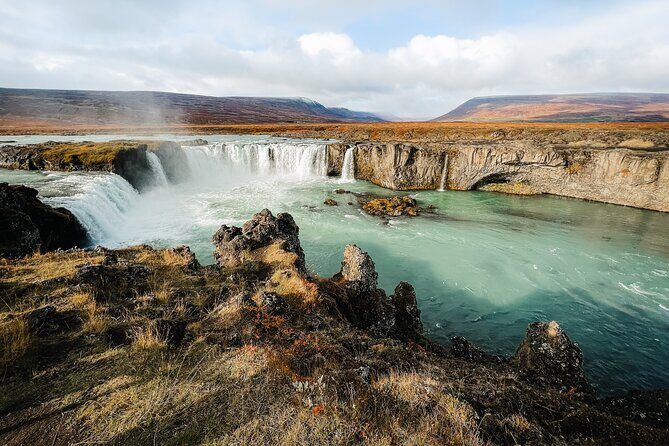
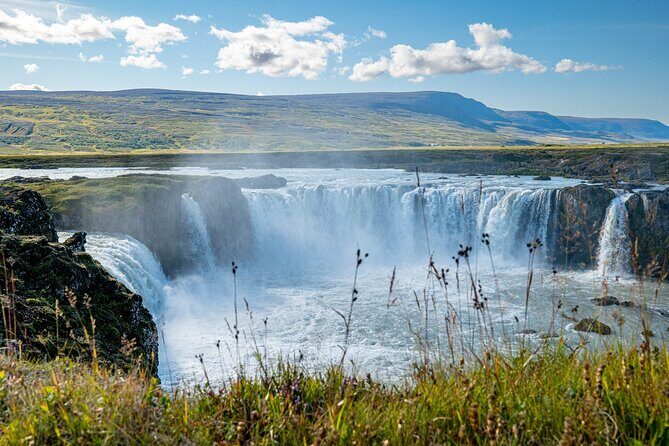
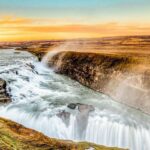
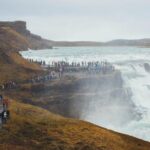
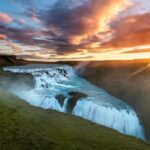
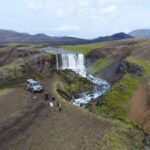
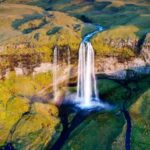
Gullfoss is the Golden Circle classic for a reason. When the road opens up and you see the falls from the viewpoints, it’s one of the best “arrive and immediately understand” moments in Iceland.
Here you get about 45 minutes. That matters because Gullfoss isn’t just about one perfect photo. You’ll want time to adjust your stance, check angles, and spend a little time letting your brain catch up to the scale.
It’s also a stop where weather can make or break your comfort. If it’s windy or rainy, you’ll feel it—bring a jacket that can handle spray, and keep your shoes grippy.
Haukadalur geothermal area and Strokkur geyser: steam + timing
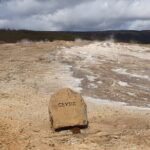
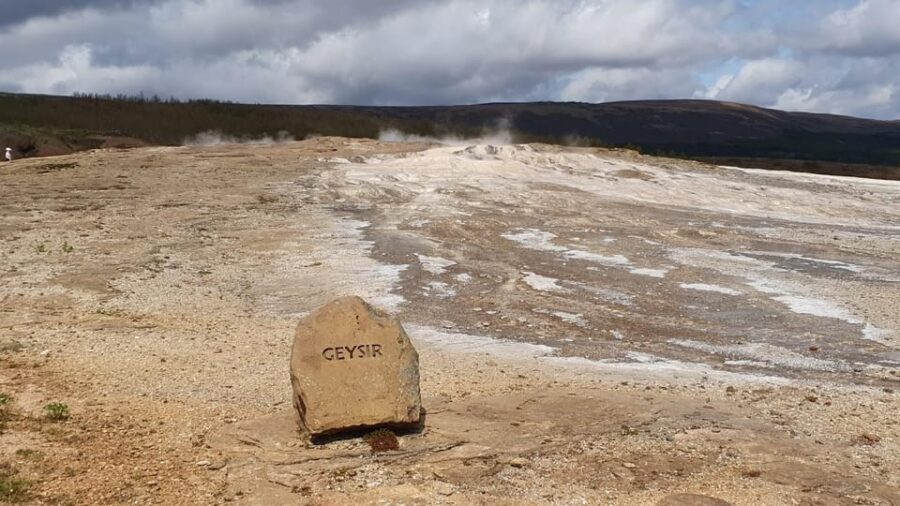
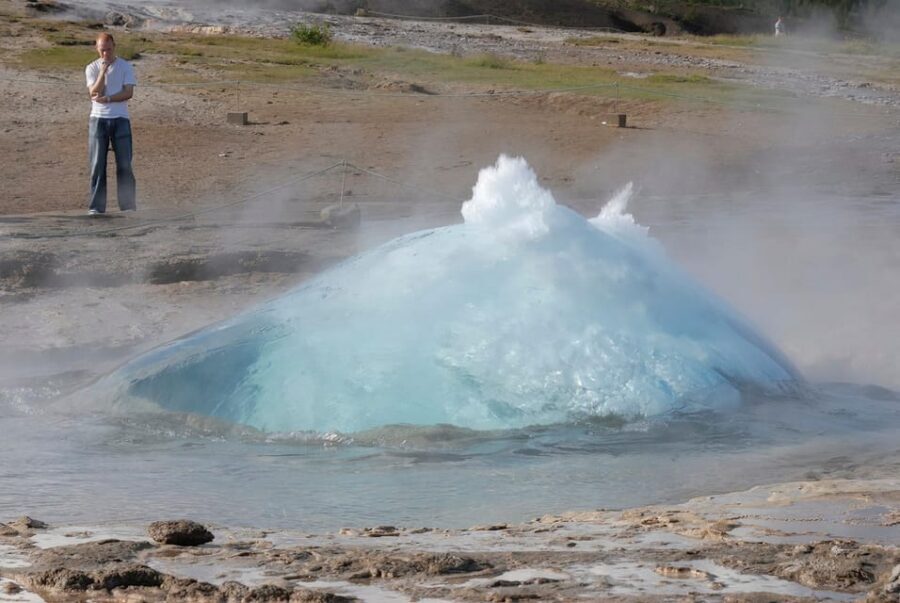
After Gullfoss, you move into the geothermal zone at Haukadalur, where the centerpiece is the active Strokkur geyser. This is where Iceland’s heat becomes visible in a way that’s almost theatrical.
You’ll spend about 1 hour here, which is the right amount of time for a geyser stop. Geysers are timing-based by nature, so having time to settle in and wait is part of the experience. With a small group, you’re less likely to feel like you’re constantly moving to chase the view.
This stop is also a good place to take a breather, because the sensory shift from waterfall mist to steam haze is real. Just remember: geothermal areas can be slick, even when the air feels calm.
The farm ice cream and cowshed break: when Iceland feels human
One of the most charming parts of this shore excursion is the farm stop. You’ll pause at a place that makes ice cream from milk of its own cows, and you can also buy waffles and hot drinks there.
This is the kind of stop that makes the day feel less like a checklist. The Golden Circle highlights are nature and geology, yes—but Iceland is also farms, dairies, and people working with local conditions. Being able to taste something produced on-site adds a simple, low-effort authenticity layer.
The schedule also includes a chance to look at the cowshed and a nursery with calves. You’ll likely get more value out of this if you like small details and you’re okay with a shorter walk and quick viewing rather than an in-depth tour.
Even if ice cream isn’t your thing, it’s still a nice reset point in the middle of a long travel day.
Laugarvatn hot-spring area: warm water, warm bread, easy photo time
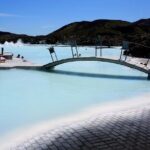
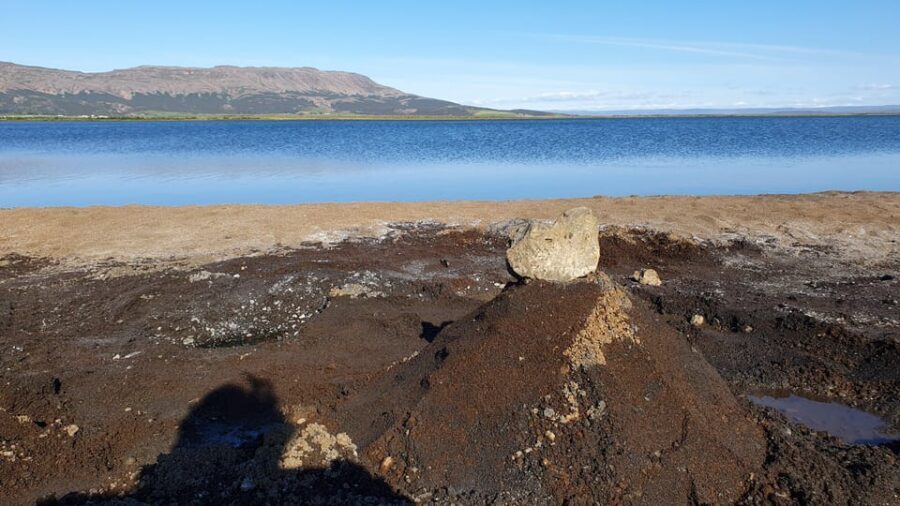
From Haukadalur you head toward Laugarvatn, and there’s a short stop designed mainly for photos—about 10 minutes. It’s quick, but it’s not meaningless, because this is where Iceland turns geothermal heat into everyday food culture.
The tour specifically notes that hot springs are used for baking bread. You don’t need extra explanation to see the connection: geothermal energy heating the ground, then used for something you can eat and share.
There’s also a brief viewpoint/photo stop along the way, so you’ll get those “this is what Iceland looks like right now” snapshots without taking over your schedule.
Þingvellir National Park: plate tectonics you can actually visit
Þingvellir is the history-and-science stop, and it fits perfectly at the end of a long day because you’re finally slowing down into a place you can walk and look carefully.
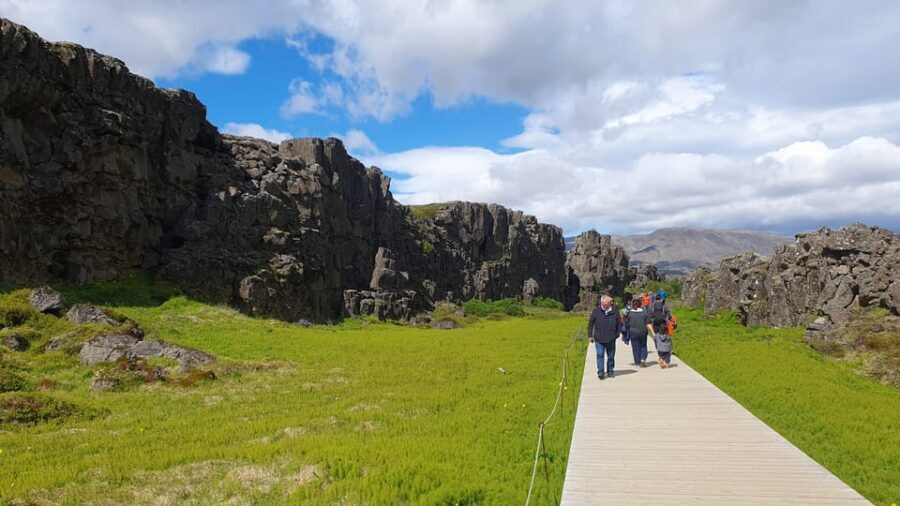
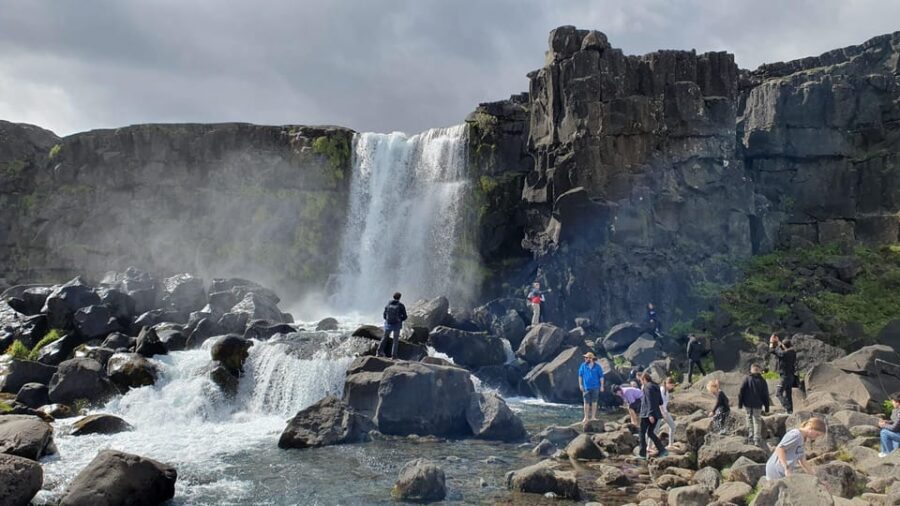
You’ll spend about 1 hour in Þingvellir National Park, with key sights including Öxarárfoss waterfall and Almannagjá—a rift valley area tied to the Alþing parliament, founded in 930.
This is where the day stops being only scenic and starts being explanatory. The rift and the way the park is laid out help you connect what you’ve seen earlier in the trip—earthquakes, crater geology, geothermal heat—to the bigger tectonic story.
The instruction-level takeaway for you: wear shoes that are ready for uneven ground. If it’s wet (and it often can be), you’ll want traction for short walks and viewpoint paths.
The ride back to Reykjavík: a quick Hallgrímur moment if timing allows
On the return, if the ship’s departure time allows, there’s a short detour through downtown Reykjavík with a photo stop at Hallgrímskirkja.
It’s not a long sightseeing add-on, just a “get one iconic photo” moment. Still, it’s a nice bonus for cruise passengers who want at least one Reykjavík landmark without spending extra time after the Golden Circle.
If timing is tight, you might not get that extra stop—so keep your expectations flexible and focus on the core natural highlights you came for.
How long is enough? Timing, weather, and cruise ship reality
This tour is described as about 8 hours, often 8–9 depending on weather and docking time. That range is normal for Iceland, where conditions can change quickly and buses still need safe driving space between stops.
For cruise schedules, the key is that the operator aims to fit the program to most Reykjavík port departures (ships like Aida, Mein Schiff, MSC, and Costa are mentioned as typical examples). In practice, that means you should plan for a schedule that prioritizes the big stops over long optional detours.
If you’re traveling with kids or you’re aiming to keep your pace relaxed, the small group helps, because the guide can adjust movement between stops. But it’s still a long day—so build in snacks and water plans on your own, since food is not included.
Price and value: what you’re really paying for at $182
At about $182 per person for an 8-hour shore excursion, this isn’t a “budget bus ride.” You’re paying for several value points that matter on a cruise day:
- German-speaking local guide (not just audio commentary)
- Small group size (max 19)
- Pickup at the cruise terminal in Reykjavík
- Entry to Kerið
- Skip the ticket line for Kerið
Food and drinks aren’t included, so you’ll likely want to spend a little extra at the farm stop or bring your own options if you’re allowed to during the day.
For many cruise passengers, the biggest value is not just seeing the Golden Circle. It’s doing it without worrying about rentals, parking, and timing. When you’re limited by ship departure windows, that peace of mind is real money.
Who this tour suits best (and who should think twice)
This experience is a strong fit if you want the classic Golden Circle hits in a single day and you prefer structured stops with a German-speaking guide. It’s also a good choice if you like small-group settings where questions are easier to handle and the guide can respond to the group.
You might want to think twice if:
- You’re extremely slow-paced and dislike long bus rides
- You need very long, unstructured time at each stop
- You’re hoping for a full meal included (food isn’t included)
It’s generally ideal for cruise shore excursion travelers who have limited time and want an efficient, well-organized path through some of Iceland’s most famous geothermal and tectonic sights.
Practical tips so the day feels easy
A few small choices make this shore day smoother.
Bring rain gear and closed-toe shoes. Even if skies look fine in Reykjavík at departure, you’re moving through different conditions and ground surfaces.
Also plan for short stops and short walks. You’ll have time at major sights like Gullfoss and Haukadalur, but you’ll still want to keep moving when the group is called back—this is how the tour protects the overall timing.
If you’re traveling with kids, child seats and booster seats are available if you specify needs ahead of time. And if anyone needs walking support or uses a wheelchair, the tour is noted as wheelchair accessible, but the bus requires 2–3 steps to get on—so make sure that detail works for your situation.
Should you book this Reykjavík Golden Circle shore excursion?
If you have cruise-day time limits and you want the Golden Circle with a German-speaking guide, this is an easy yes. The combination of Kerið, Gullfoss, Strokkur, Laugarvatn, and Þingvellir in one day is exactly what most cruise passengers need, and the small group size (max 19) helps the day feel managed rather than chaotic.
Book it if you like a schedule that hits the big moments but also includes human-scale stops like the farm ice cream and cowshed viewing. Skip it only if your goal is long, unhurried hiking time at fewer places—because this is optimized for efficiency within an 8–9 hour window.
If you’re on the fence, here’s the decision rule I’d use: if you want a guided “greatest hits” day that keeps logistics simple, you’ll probably love it. If you want to explore at your own pace without timetable pressure, consider a more flexible option.
FAQ
Is this tour in German?
Yes. It’s a live tour guide experience in German.
How many people are in the small group?
The group is limited to a maximum of 19 participants.
How long does the shore excursion take?
It’s about 8 hours, usually 8–9 hours depending on weather and your ship’s docking time.
What are the main stops on the Golden Circle route?
The day includes stops such as an earthquake fissure area in Hveragerði, Kerið crater, Gullfoss waterfall, Haukadalur geothermal area with Strokkur geyser, a farm ice cream stop with a cowshed view, Lake Laugarvatn, and Þingvellir National Park (including Öxarárfoss and Almannagjá).
Is entry to Kerið included?
Yes. Entry to Kerið is included, and you also skip the ticket line.
Are food and drinks included?
No. Food and drinks are not included.
Where do I meet for pickup?
You’ll meet at the Skarfabakki 312 Cruise Terminal area, specifically at the parking lot for free tours on Skarfagarðar Street with a sign showing SPS Travel / Kria Tours. Pickup starts about 15 minutes before the tour begins.
What should I bring?
Bring rain gear and closed-toe shoes.
Is the tour wheelchair accessible?
It’s listed as wheelchair accessible, but you must be able to get on the bus with 2–3 steps. If you’re using a walker or wheelchair, you should let the operator know.