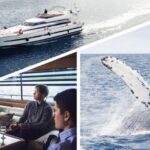
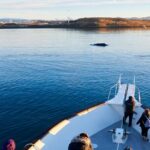
Puffins have a way of stealing the show. This Reykjavik Shore Excursion heads out on a purpose-built sightseeing boat to Akurey Island for about an hour of seabird spotting and naturalist-style commentary. It’s a simple plan: a quick ride out, a full circle around the island, then back to the port with time for photos when the boat eases off the engine.
I like that the tour comes with loaner binoculars, which matters because you’re usually looking across water and cliffs rather than at birds perched right beside the hull. I also like the small-group feel, with a maximum of 33 people, plus English narration that can include onboard naturalists such as Rebekah, Joel, Patricia, or Oscar depending on your sailing.
One thing to consider: for safety and environmental limits, the boat can’t always get as close as you’d imagine for phone-camera puffin photos. If you’re hoping for tight, detailed shots on your camera alone, plan to rely on binoculars and accept some viewing distance.
In This Review
- Key highlights worth your time
- Getting to Akurey Island from Skarfabakki Harbour: the fast start you’ll appreciate
- The boat setup and why puffin spotting is easier than it looks
- How the island loop works: circling Akurey for repeat sightings
- The wildlife talk: flora and fauna you can actually use
- Binoculars: your best tool, and what to do if you want sharper views
- What’s included (and what you’ll want to bring)
- Timing, weather, and the trade-offs of a short cruise
- Price and value: is $63.51 worth it for a 1-hour puffin cruise?
- Who this Reykjavik puffin cruise fits best
- Should you book the Puffin Sightseeing Cruise with Special Tours Iceland?
- FAQ
- How long is the Puffin Sightseeing Cruise from Reykjavik?
- Where does the tour start?
- Is pickup from the port included?
- Are binoculars provided?
- What language is the tour offered in?
- Is coffee included?
- What happens if weather is bad?
Key highlights worth your time
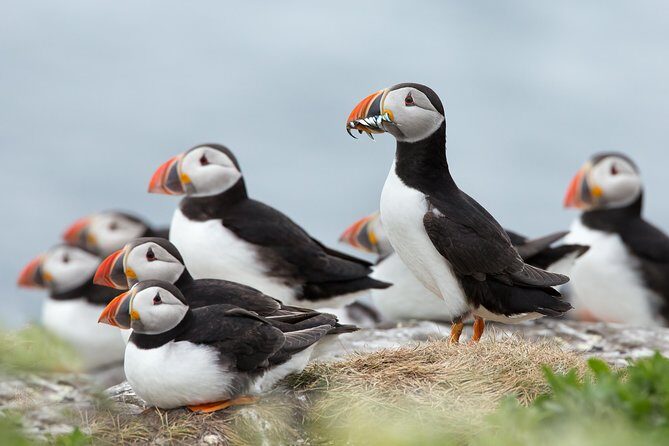
- Binoculars included so you can actually see puffins clearly, not just as dots
- Akurey Island circling for repeated spotting chances along rocky shoreline and cliffs
- Expert narration in English with real bird-focused facts from the guide
- Coffee served onboard during the cruise, so you’re not freezing and watching birds thirsty
- Limited group size (max 33) which helps keep the experience relaxed and watchable
- Peace-and-photo moment when the engine is silenced after the island loop
Getting to Akurey Island from Skarfabakki Harbour: the fast start you’ll appreciate
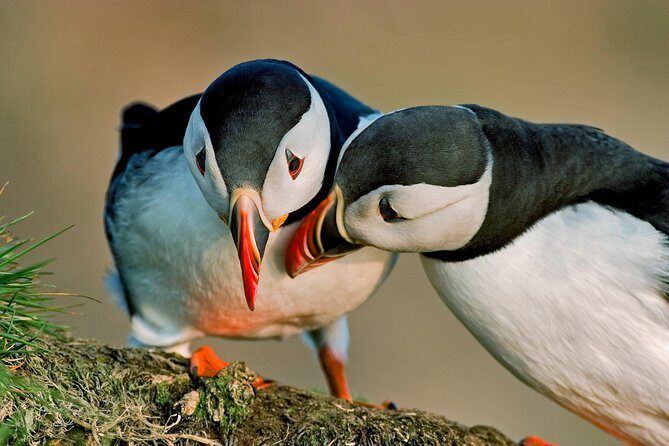
Your day begins at Skarfabakki Harbour, where the operation includes transfers for people staying on that dock side. If you’re starting from Miðbakki, it’s a short walk to the departure point, so build a little buffer into your timing.
Once you’re on board, you’ll cruise for about 15 minutes to Akurey Island. That short hop is more than just transportation. It’s time for the guide’s commentary to get you oriented: what you’re likely to see, how puffins behave around the nesting areas, and what seabirds you might spot alongside them. Even when the weather is doing its Iceland thing, that first stretch helps you settle in and stop thinking about logistics.
From a value point of view, the timing also helps. You’re not losing half a day to a ferry plan. You’re getting an action-packed nature outing carved into a clean 1-hour block that fits well with other Reykjavik plans.
You can also read our reviews of more boat tours in Reykjavik


The boat setup and why puffin spotting is easier than it looks
This cruise uses a sightseeing boat designed to reach tricky shoreline areas where possible, but there’s an important reality check: you’re viewing puffins from the water at a distance that varies by conditions. Environmental restrictions mean you won’t always get that Hollywood close-up.
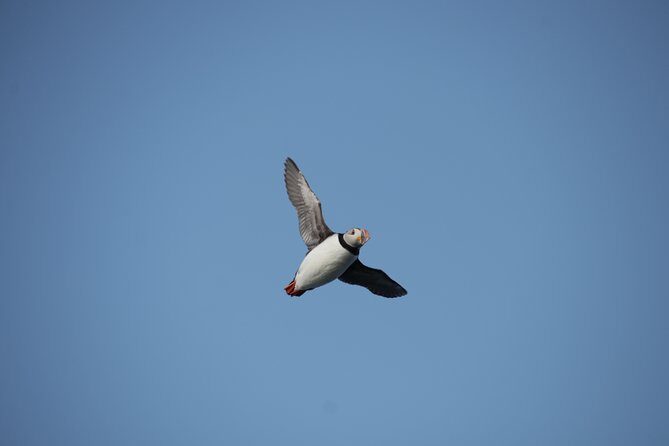
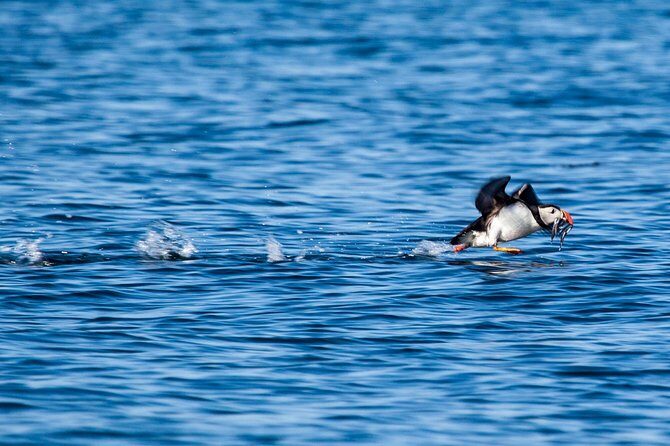
That’s why the included binoculars matter. Puffins can be small in the frame, especially when they’re bobbing on the sea or moving between flight paths. With binoculars, you can switch from spotting shapes to actually seeing behavior: takeoff patterns, flying angles, and the rhythm of feeding around the cliffs.
Seating can affect your photo experience. One downside I’d plan around: if you end up on a less ideal side of the boat, you may end up photographing over other people’s heads or with less direct angles. If you care about pictures, aim to sit where you can keep your sightline clear. If your ship’s layout allows it, choosing the side that faces the island more directly for longer stretches can help.
Also note that the ride is short. The cruise time starts effectively when you leave the office and includes travel time out and back. On paper it’s about an hour, and in practice it can feel even faster if weather or boarding timing shifts. The trade-off is simple: you’re paying for an efficient puffin watch, not a long wildlife safari.
How the island loop works: circling Akurey for repeat sightings
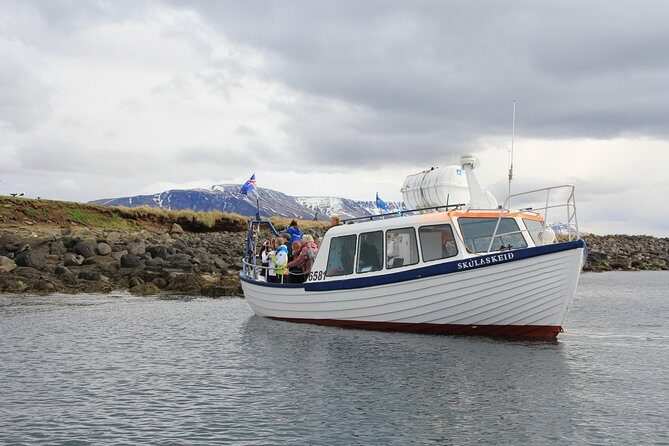
The itinerary follows a tight, birding-focused pattern. After arriving near Akurey Island, the boat circles the island outcrop and you’ll scan for puffins and other seabirds such as Arctic terns. The loop matters because it gives you multiple angles. Puffins don’t sit still. They pop up, fly, and disappear again, often within minutes.
During the loop, you’ll likely spend time near rocky shoreline and vantage points where seabirds move between water and cliff. This is where the guide’s spotting skill shows. It’s one thing to see movement at sea; it’s another to know what you’re looking at and where to direct your binoculars next.
Then comes a neat trick: after the circle is complete, the boat offers a few quiet moments with the engine silenced. That pause is great for two reasons. First, you get a calmer experience for photos and video. Second, it helps you hear and focus without the constant roar, which makes scanning easier when birds shift around the cliffs.
When you finish the island loop, you cruise back to the port and wrap the outing with onboard coffee already in your system.
The wildlife talk: flora and fauna you can actually use
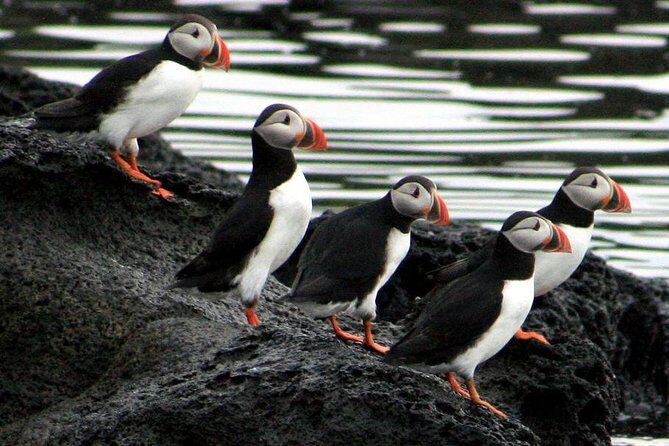
This isn’t a vague wildlife narration. The guide is there to help you connect what you see with why it matters. You’ll learn about the flora and fauna of Akurey Island and get context for puffin behavior and seasonal timing.
If you’re a birder, you’ll appreciate how the commentary trains your eyes. You start looking for cues: where seabirds tend to gather, how they move relative to the cliff faces, and what to watch for when you see activity on the water.
Several guides named in customer experiences highlight the same strength: clear, friendly bird talk paired with a calm push to keep scanning. On different departures, names like Rebekah, Joel, Patricia, and Oscar show up, and each experience points to a similar approach—direct you to likely spots and explain what you’re seeing without making it feel like a lecture.
One practical note: sound quality can vary by where you sit. In at least one reported case, passengers in the back had difficulty hearing the guide through the speakers. If audio matters to you, sit closer to the front or middle rather than the far end.
Binoculars: your best tool, and what to do if you want sharper views
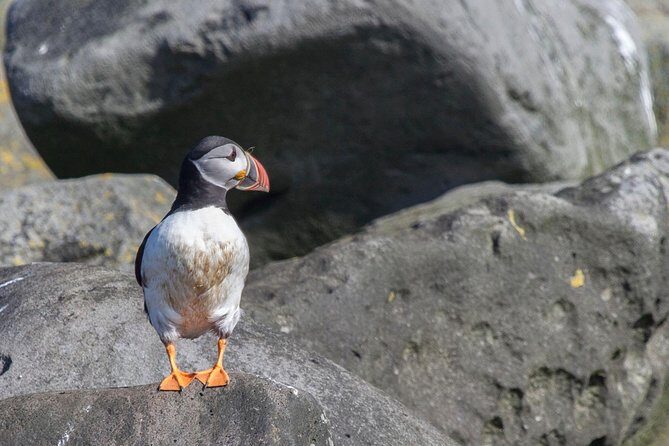
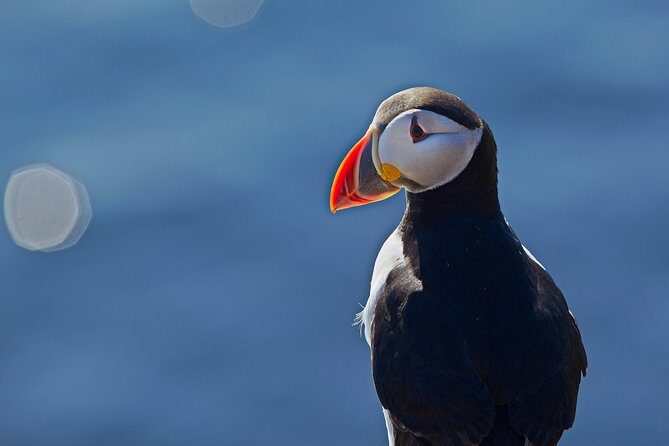
The tour includes binoculars to use on board. This is a big deal for first-timers. Puffins can look like tiny dark dots until you zoom in—then suddenly you can see the shape, movement, and flying behavior.
That said, the binoculars provided aren’t always described the same way across people. One person reported the quality wasn’t great and suggested bringing your own. If you already own decent binoculars, bring them. If you don’t, use the provided ones and you’ll still get value.
Either way, don’t plan to rely only on a phone camera for crisp puffin detail. Plan for binocular watching, then use your phone as a bonus.
You can also read our reviews of more tours and experiences in Reykjavik

What’s included (and what you’ll want to bring)
This is refreshingly straightforward on the included items:
- Expert guide on every tour
- Binoculars to use on board
- Round-trip transfers from Skarfabakki Harbour (included under the shore excursion guarantee)
- Coffee served on board as you go
- Special Tours App, available in multiple languages (English, German, French, Spanish, Chinese)
What’s not included is food and drinks beyond the coffee. If you tend to get hungry fast, consider grabbing a snack before you head to the harbor.
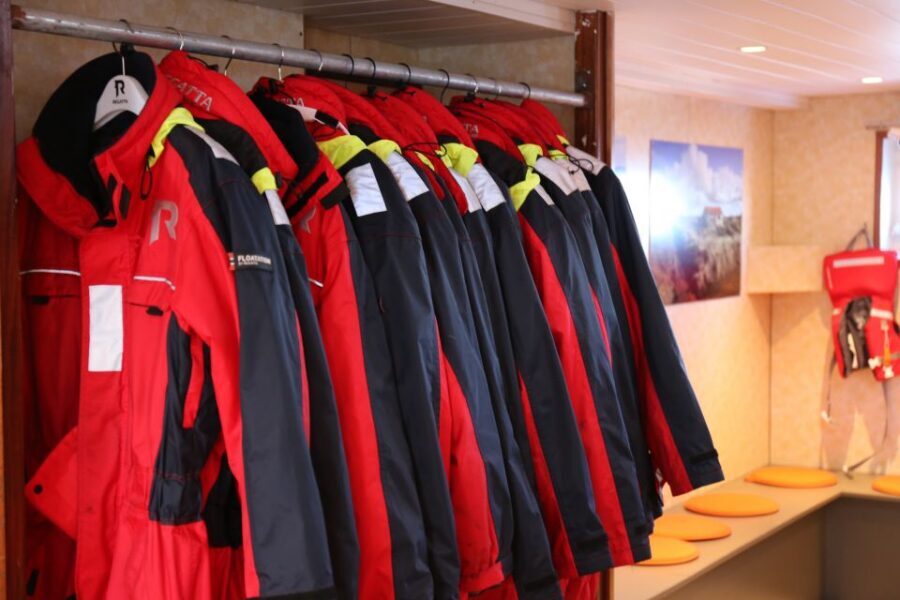
Also think about weather. The cruise requires good weather, and you may get wet if it’s rainy or windy. Bring a waterproof layer and protect your camera or phone with a simple cover. A quick dry layer is also a smart move so you can enjoy the rest of your Reykjavik day without feeling chilled.
Timing, weather, and the trade-offs of a short cruise
This tour is designed to fit into a tight shore excursion window, which is great. But it means the timing is less forgiving than a full-day wildlife trip.
Weather plays a role. The cruise requires good conditions. If it’s canceled due to poor weather, the experience will be offered on a different date or you get a refund. On the flip side, when conditions are calm, birding can feel almost effortless—one person noted a very calm day led to lots of puffins and smooth observation.
Season matters too. Late in the year, puffins may be fewer. That doesn’t mean nothing will happen, but it can change the density of sightings. If your schedule allows it, consider booking earlier in the puffin season for the best odds—then come prepared to use binoculars when the birds are spread out.
Price and value: is $63.51 worth it for a 1-hour puffin cruise?
At $63.51 per person, you’re paying for three things: transportation out to Akurey, a short guided nature experience, and the chance to see puffins and other seabirds without needing your own boat.
For a Reykjavik shore excursion, that price can be good value because you get:
- a guided scan of the island loop rather than solo searching
- binocular support
- onboard coffee
- a fixed, efficient time block that’s easy to combine with other activities
But the value depends on your expectations. If you measure success by tight close-up photos from your phone, you’ll likely feel underwhelmed. If you measure success by seeing puffins clearly through optics and learning what you’re looking at, this tour tends to land exactly where it should.
Also, maximum group size is 33, which helps keep it from feeling like a crowded ride-through. If you’re comparing this to longer wildlife cruises, remember you’re buying a short, focused window. The best value comes when you show up ready to watch carefully, not just snap quickly.
Free cancellation up to 24 hours before start time (if you plan ahead) can also make it easier to hold your choice while you watch the weather.
Who this Reykjavik puffin cruise fits best
This is a strong fit if you:
- love birdwatching and want a short guided outing
- are traveling with limited time in Reykjavik
- want a nature-focused break with a clean start and finish
- prefer small-group attention over big-boat crowds
It’s also a good pick for families, since it’s short, guided, and centered on a clear goal: puffins. One note from real-world experiences: the cruise is often described as easy and kid-friendly because you’re never far from the main action for long.
Choose a different style of excursion if you:
- need guaranteed close-up photo distance
- want a long, slow safari experience
- are very sensitive to audio quality and plan to sit far back (since sound can vary by seating)
Should you book the Puffin Sightseeing Cruise with Special Tours Iceland?
I’d book it if your priority is seeing puffins and learning what you’re spotting—and you’re comfortable using binoculars. The combination of included optics, an island loop, and a guided explanation of flora and fauna makes the hour feel purposeful rather than rushed.
If you’re the type who wants phone-camera puffin close-ups, bring your patience and set your expectations. Ask yourself a simple question: can I enjoy birds from a boat when they’re small in the frame? If yes, you’ll likely have a great time.
FAQ
How long is the Puffin Sightseeing Cruise from Reykjavik?
The cruise is about 1 hour (approx.).
Where does the tour start?
It starts at Skarfabakki Harbour (544P+F35, 104 Reykjavík, Iceland).
Is pickup from the port included?
Pickup and transfers are included for passengers from Skarfabakki Harbour. Miðbakki is a very short walk to the departure point.
Are binoculars provided?
Yes. Binoculars are included for use on board.
What language is the tour offered in?
The tour is offered in English.
Is coffee included?
Yes. Coffee is served on board as you go. Food and drinks are not otherwise included.
What happens if weather is bad?
The cruise requires good weather. If it’s canceled due to poor weather, you’ll be offered a different date or a full refund.