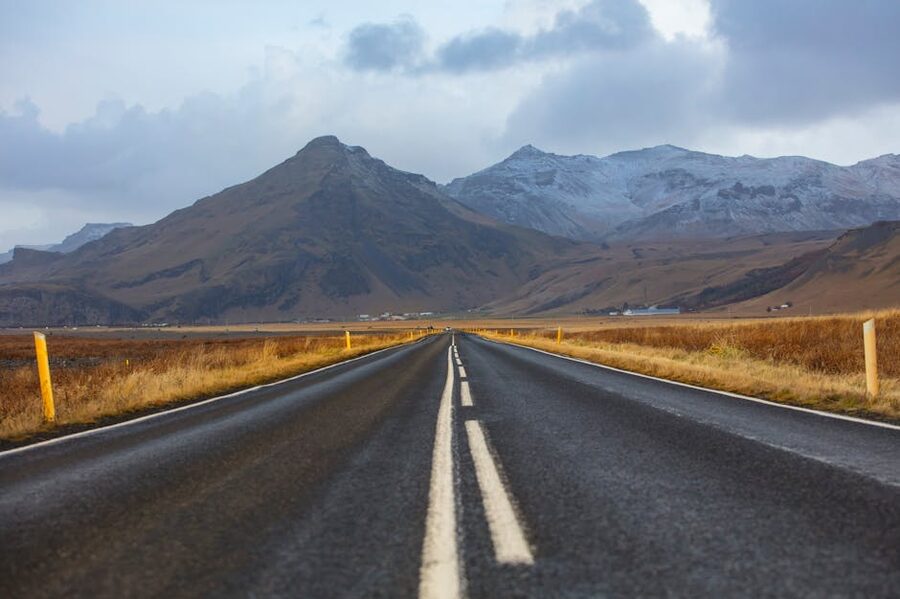
Seven days is the Iceland question I get asked more than any other. People have a week of leave, they’re trying to decide whether to drive the Ring Road, base in Reykjavik and day-trip out, or do the South Coast slowly to Höfn and turn around. The answer depends on what kind of trip you’re actually after. There isn’t one right way to spend seven days here. There are three obvious ones, and they reward different kinds of traveller.
I’ll walk you through all three the way I’d walk a friend through them. Day-by-day, hotel by hotel, with ISK numbers, the spots I’d skip, and the stretches that catch people out. By the end you’ll know which version is your trip, and you’ll have it planned tightly enough to book this afternoon. Þetta reddast, as we say. It’ll work out. You just need a plan with some room in it.
In This Article
- The three approaches to seven days
- Ring Road clockwise, day by day
- Day 1, arrive Reykjavik
- Day 2, Golden Circle and the start of the South Coast
- Day 3, Reynisfjara to Höfn via Skaftafell
- Day 4, East Fjords to Egilsstaðir
- Day 5, north to Mývatn, Goðafoss, and Akureyri
- Day 6, west across Tröllaskagi and Borgarnes
- Day 7, Blue Lagoon or Sky Lagoon, then home
- Approach 2: Reykjavik base, day-trip out
- Approach 3: South Coast deep, no loop
- Best season for a 7-day trip
- Vehicle, fuel, and the actual cost
- What to pre-book and when
- Modifications by traveller type
- The mistakes people make
- Quick comparison: which approach is yours
- A final word
The three approaches to seven days
Before you book anything, pick which trip you’re doing. The mistake people make most is trying to combine them. You’ll either short-change yourself in Reykjavik or you’ll spend half your week behind the wheel.
Approach 1: Ring Road clockwise. Þjóðvegur 1 (Route 1) loops the country in 1,332 km. You drive 1,500-1,600 km in six days with one stop most nights and one base on either end. You see the headline acts of every region. Pace is brisk. This is the approach that most week-long visitors should pick if they have full driving days in them.
Approach 2: Reykjavik base, day trips out. One hotel for six nights, day trips by car or guided tour to Snæfellsnes, Golden Circle, South Coast, glacier hike, whale watching. Slower, less time packing and unpacking, doesn’t try to see the north or east. Best for slower travellers, families with younger kids, anyone who doesn’t want to drive much.
Approach 3: South Coast deep, no loop. Drive only as far east as Höfn, then turn around and come back slowly. You get the South Coast and Vatnajökull region without the East Fjords run, with extra nights at the spots people usually breeze past. This is the photographer’s seven days, or the version for people who’d rather see fewer places properly than tick more boxes.
I’ll give you the full Ring Road first, in detail, because it’s the most common ask. Then the Reykjavik radial. Then the South Coast deep version. At the end you’ll find a comparison so you can pick clean.
Ring Road clockwise, day by day
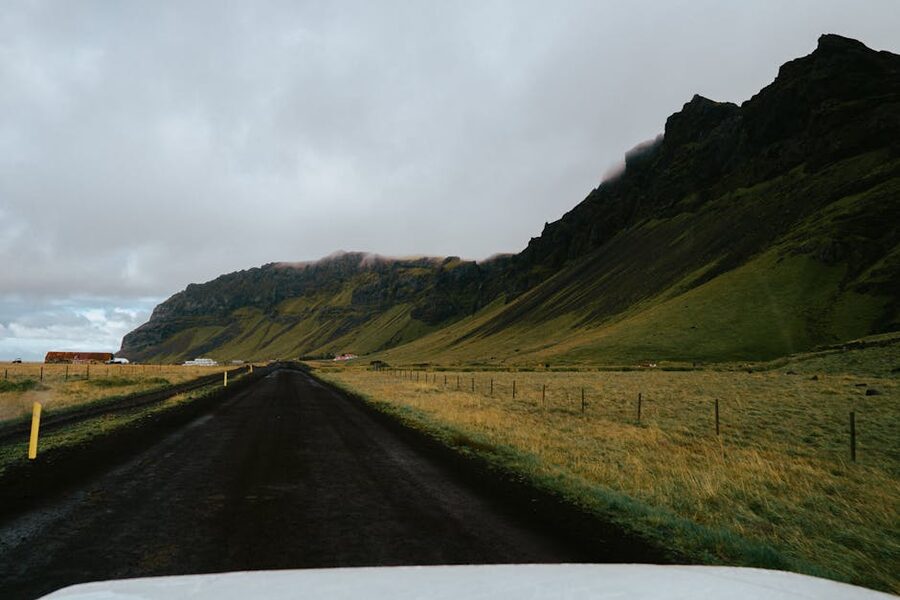
The standard Ring Road counter-clockwise routing front-loads the South Coast, which puts you in the tour-bus pinch on Day 2 and 3 when you’re least ready for it. Clockwise saves the south for the end and starts you in the Snæfellsnes-edge country with smaller crowds. The light works better for waterfall photography in the afternoons of the last days too. I write the itinerary clockwise. If you’d rather go the other direction, just read it from the back. The places don’t move.
For full background on the road itself, the bridges, the speed cameras, and the insurance question, I’ve gone deeper in the Ring Road in Iceland guide. This itinerary assumes you’ve sorted the car. Compare prices on northbound.is, then book direct with Blue Car Rental or Lava Car Rental, both at Keflavík. Also see our Iceland car rental piece for the insurance breakdown that saves a chunk at the desk.
Day 1, arrive Reykjavik
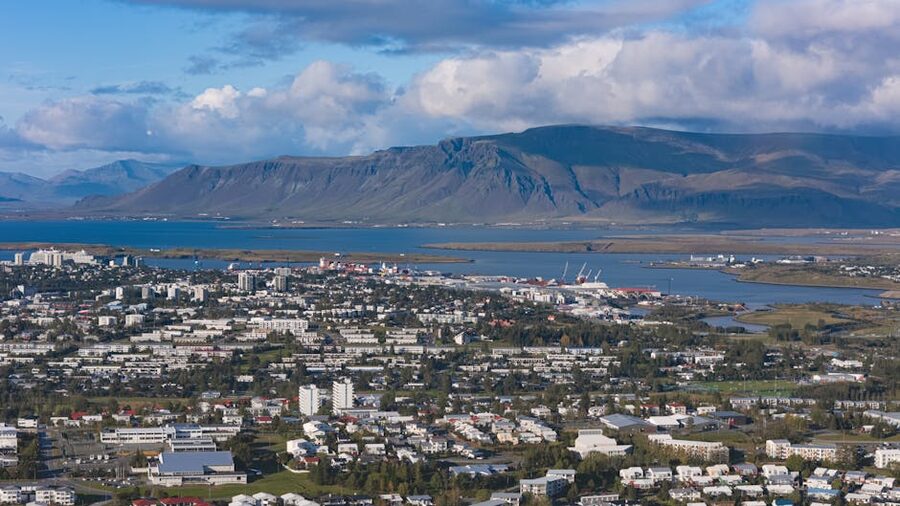
Whatever your flight time, Day 1 is for jet lag and a walk. Most flights from North America arrive at Keflavík between 6 and 8am, which is the worst time and the best time at once. You’ll be exhausted but you’ll have the whole day. Don’t book a glacier hike for this afternoon. It’ll be the worst glacier hike of your life.
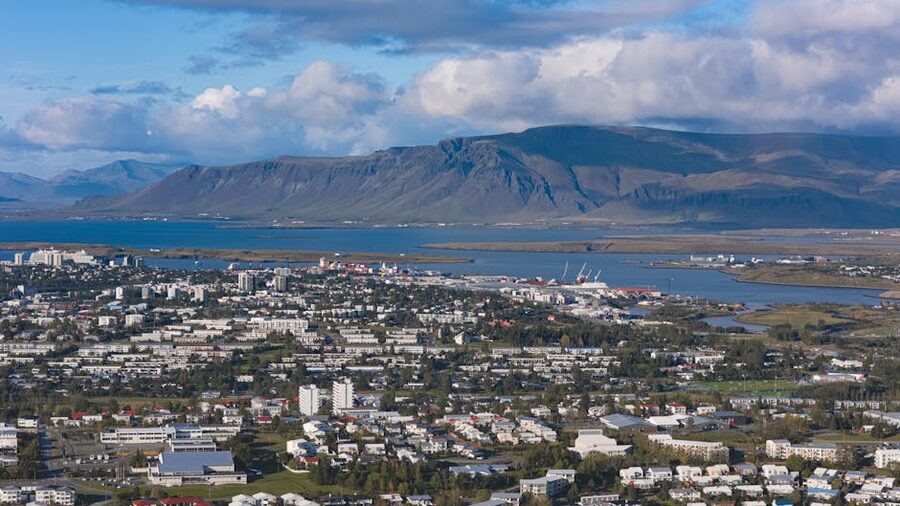
Pick up the rental at Keflavík (BSÍ shuttles are an alternative if you’re delaying the car), drive the 50 minutes to Reykjavik on Route 41, and check in. Most central hotels won’t have the room ready before 14:00 but will hold bags, which is the move. Center Hotels Plaza sits one block off Laugavegur, the main shopping street, with rooms in the 28,000-42,000 ISK range depending on season. Reykjavik Natura is a notch out of the centre with free parking, which matters when you’ve got the rental from the start. Budget travellers, Kex Hostel is the better hostel in town, in an old biscuit factory, with a kitchen and a decent bar that locals use too.
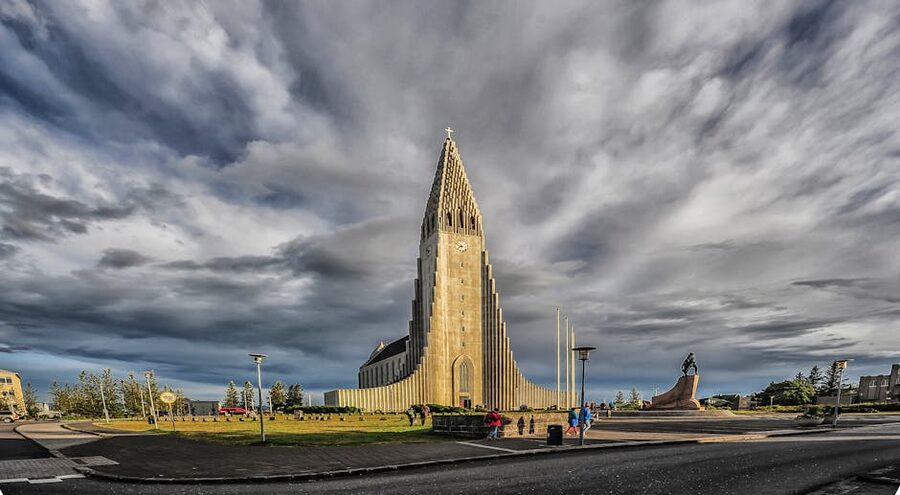
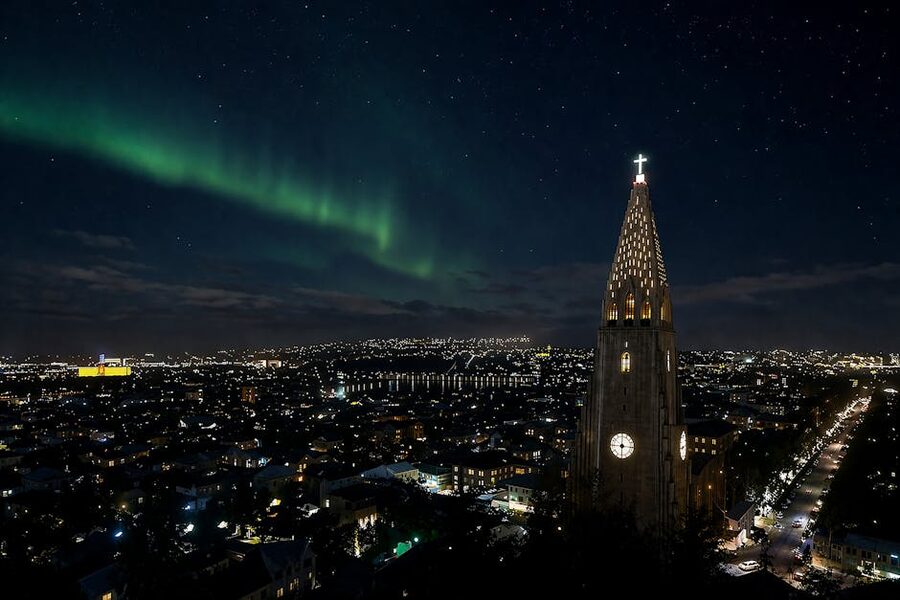
Walk Laugavegur from Hlemmur down to Lækjargata. Climb Hallgrímskirkja’s tower (1,400 ISK), which is the cheapest view of the city you’ll find. The church itself is a Guðjón Samúelsson design from 1937 and looks like the basalt columns at Reynisfjara, which you’ll see on Day 3 and feel a little smug about recognising. Walk down to the Sun Voyager sculpture by the harbour. If the weather’s going then duck into the Settlement Exhibition by the council building (2,500 ISK), which is built around an actual Viking longhouse from before AD 1000.
Dinner: keep it light. Bæjarins Beztu Pylsur for an Icelandic hot dog (650 ISK) is the cliché answer and a good one. For a sit-down meal, Messinn does excellent fish at maybe 4,800 ISK a main, or Apotek if you want something nicer at 6,500-9,000 ISK. There’s deeper guidance in what to eat in Iceland. Sleep early. You’re driving 220 km tomorrow and the Golden Circle is on top of it.
Day 2, Golden Circle and the start of the South Coast
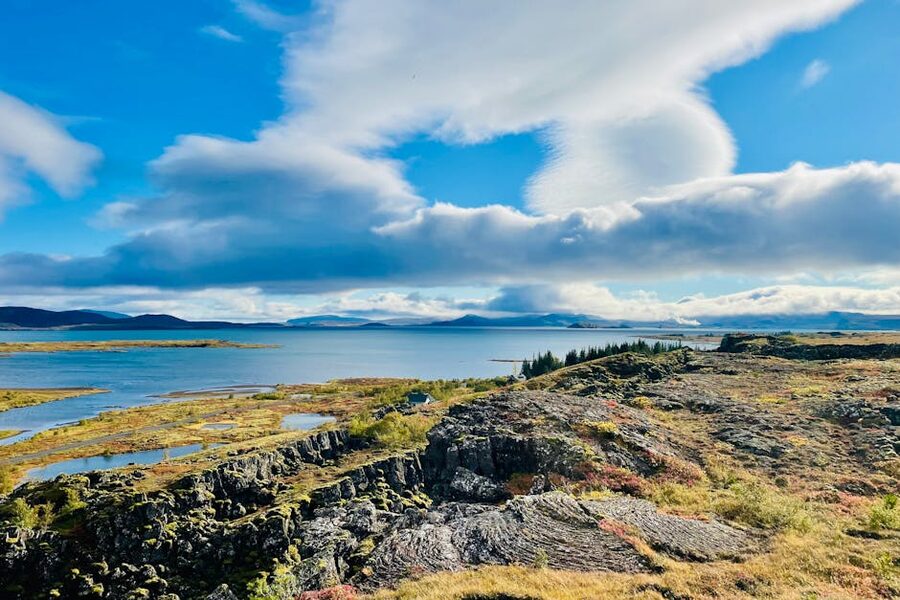
Out of Reykjavik by 8:30 if you can manage it. The Golden Circle is about three hours of actual driving (Reykjavik to Þingvellir to Geysir to Gullfoss to the Ring Road junction at Selfoss), but you’ll spend three more on the stops. Þingvellir is first. This is where the Alþingi (the parliament) met from 930 AD onwards, the sagas were debated, and outlaws were sentenced. It’s also where the North American and Eurasian tectonic plates are visibly pulling apart at about two centimetres a year. Walk the Almannagjá rift down to Lögberg, the Law Rock. Park at P1 (1,000 ISK, valid all day at all park lots). Two hours is plenty. There’s full coverage in our Golden Circle and glaciers piece if you want more.
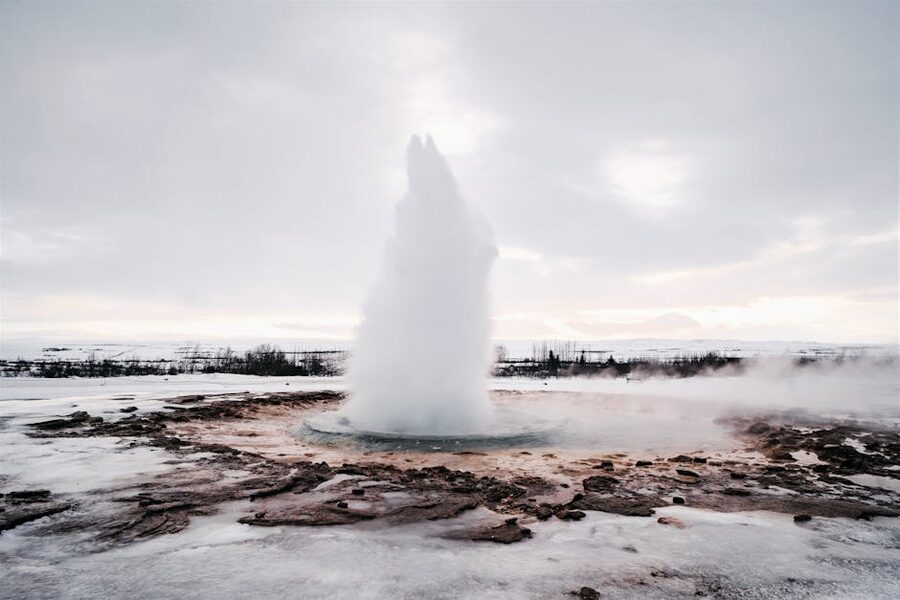
Geysir next, 35 minutes east. The Great Geysir itself stopped erupting reliably around 1916 (it sometimes wakes up after an earthquake), so what everyone’s watching is Strokkur next door, which goes off every five to seven minutes and is the better show anyway. Free to enter. Twenty minutes is enough unless you really want to see Strokkur six times.
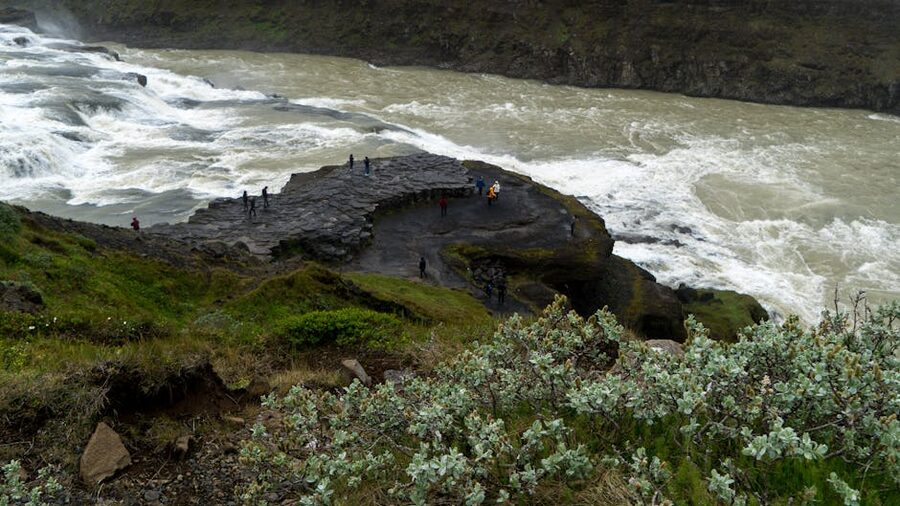
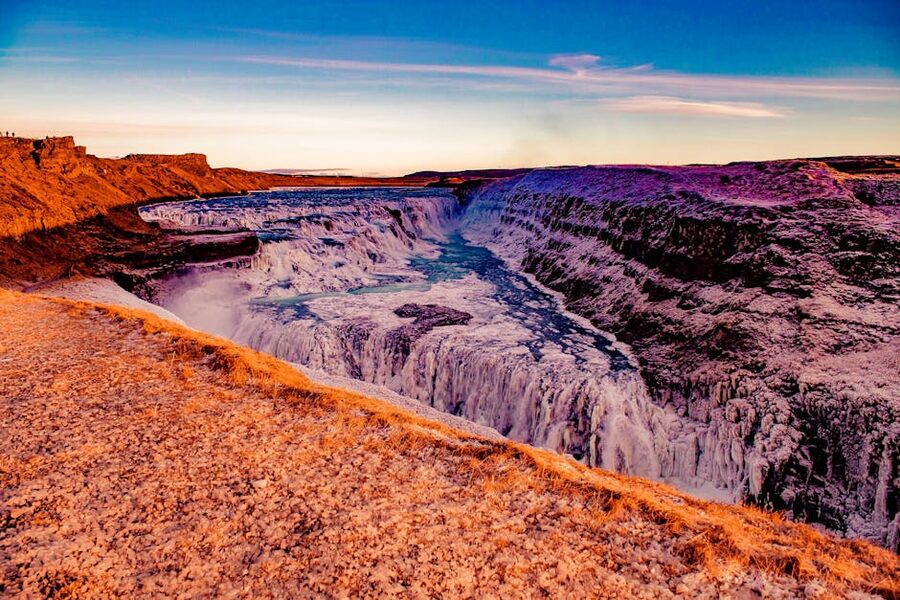
Gullfoss is ten minutes further. Two-tier waterfall in a canyon, quite hard to overstate, and very photogenic in any light. Walk the upper path first then the lower. The visitor centre does a lamb soup with bread refills (2,400 ISK) that’s excellent for a 12,000-ISK price point everywhere else in Iceland. Allow an hour.
From Gullfoss, you cut south on Route 30 then 35 to Selfoss and join the Ring Road. From Selfoss it’s another hour to Seljalandsfoss, the first South Coast waterfall.
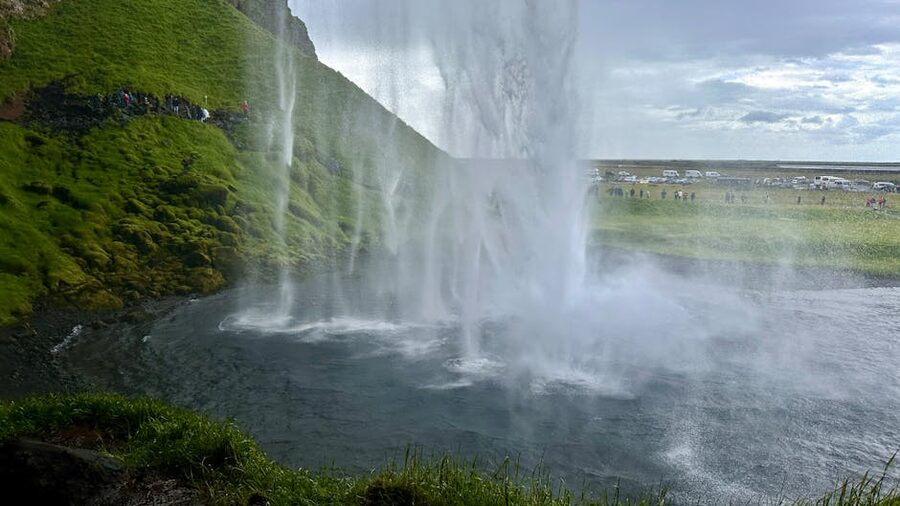
Seljalandsfoss is the one you can walk behind, which is what makes it. Wear a waterproof and put your phone in a bag. While you’re there, walk five minutes north up the cliff to Gljúfrabúi, a smaller fall hidden in a slot canyon that everyone misses. You’ll get wet getting in. Worth it.
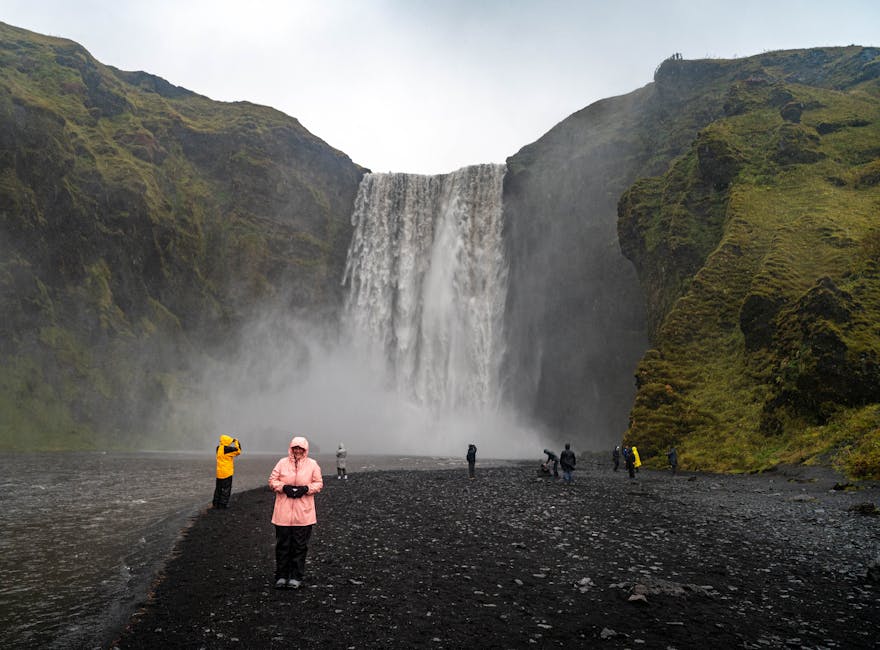
Skógafoss is 30 minutes further east on Route 1. Sixty metres straight down off the old sea cliff, perfect rectangle, frequent rainbows. Climb the 527 steps on the right side for the view down the moss-green Skógá river. The car park is free. There’s a small cafe at the base with so-so food and good loos.
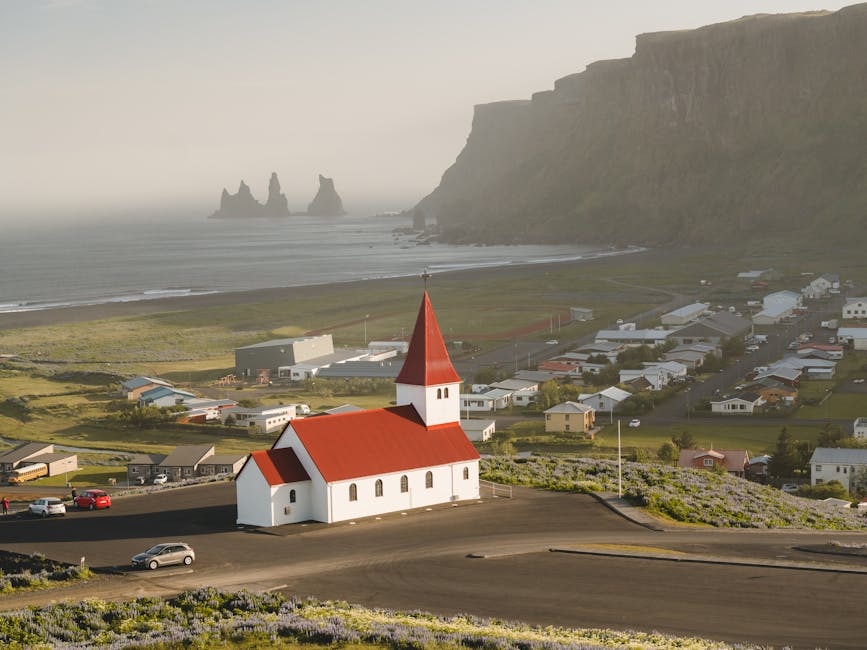
Push on to Vík. You’ll be there by 19:00 if you’ve kept moving, exhausted but with the worst-driving day of the loop already behind you. Sleep at Hotel Vík í Mýrdal, the obvious choice in town with breakfast included for around 38,000-58,000 ISK depending on season. Hotel Skógafoss is an alternative 30 km west, smaller, with the falls almost out the window.
Day 3, Reynisfjara to Höfn via Skaftafell
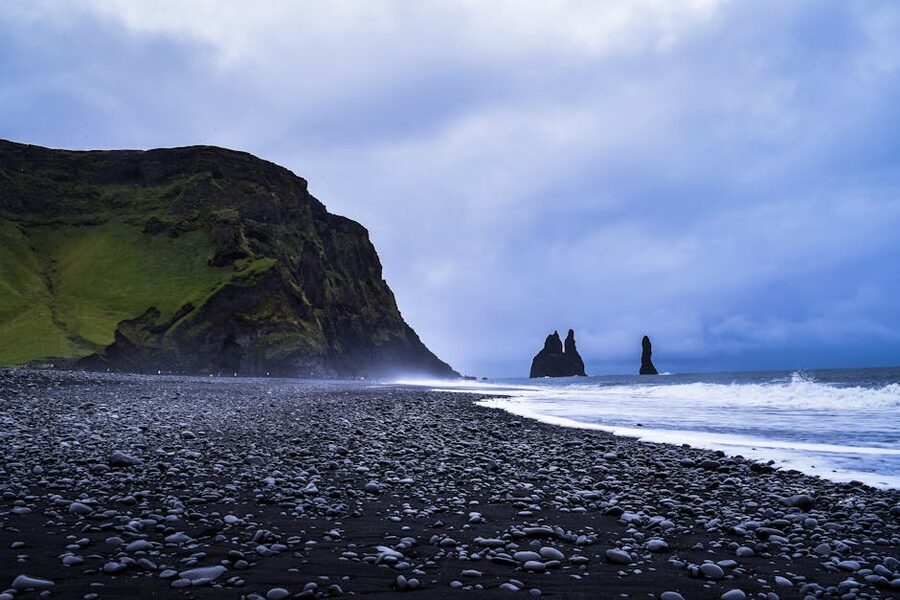
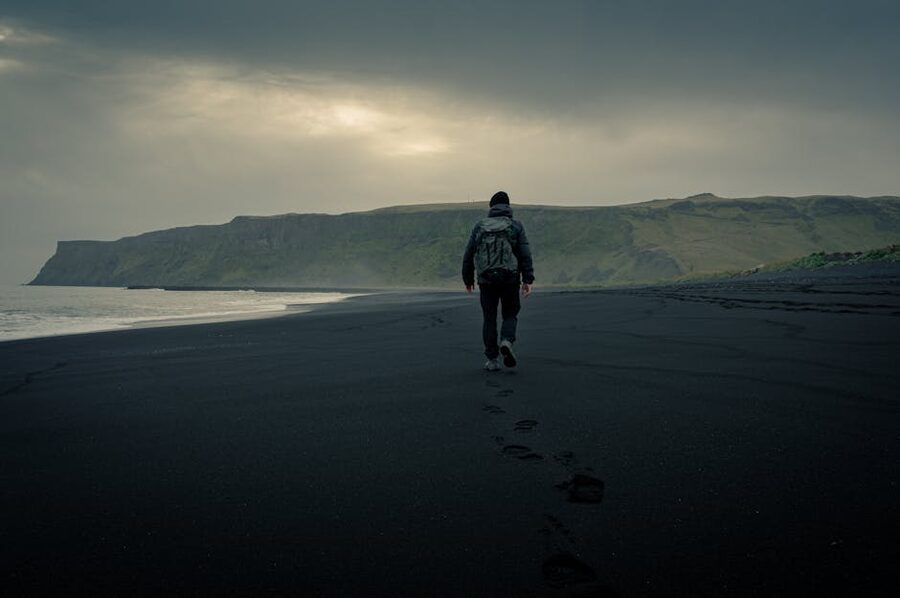
Wake early. Reynisfjara is 10 minutes from Vík and you want it before the buses arrive at 10:30. Black sand beach, basalt-column cliffs, the Reynisdrangar sea stacks rising offshore. Important: the sneaker waves here are not exaggerated. People die. Stand back from the wet line, watch the warning system at the path (orange or red means don’t go on the sand at all), and never turn your back to the ocean. Locals know this. Visitors don’t always.
From Vík, the drive to Skaftafell is 140 km along a stretch of Route 1 where you cross the Skeiðarársandur, an enormous outwash plain in front of Vatnajökull. This is the bit that wasn’t bridged until 1974, the last piece of the Ring Road. The sands look monotonous from the car. They’re not. They’re created by jökulhlaup floods that occur when subglacial volcanoes erupt and flush millions of cubic metres of water out from under the glacier in a few hours. The single-lane bridges across the channels are rebuilt every few decades. Don’t speed. The wind on this stretch can be vicious.
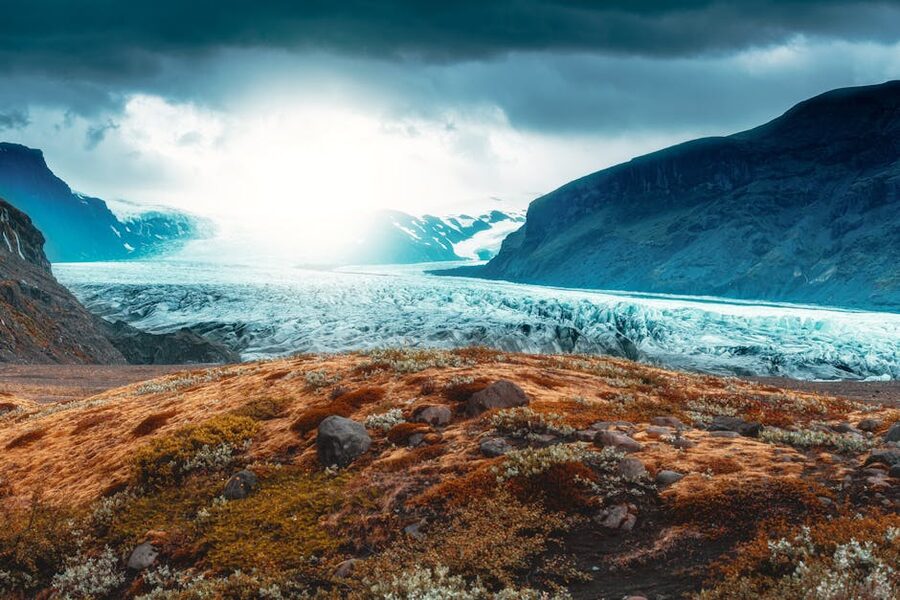
Skaftafell is the visitor area inside Vatnajökull National Park. If you’ve pre-booked a glacier walk on Skaftafellsjökull, this is where you do it. Two hours on the ice with crampons, a guide, a helmet. Around 16,500-22,000 ISK per person depending on operator. Mountain Guides and Glacier Adventure are the two I’d happily put a friend in. Book at least two weeks ahead in summer, four weeks for ice cave season (November through March). There’s more on this in our glacier hike piece. If you don’t want the full hike, the visitor-centre walk to the glacier snout is about 4 km return and free, and Svartifoss waterfall, with its famous black basalt columns, is another 2 km loop on the same network of paths.
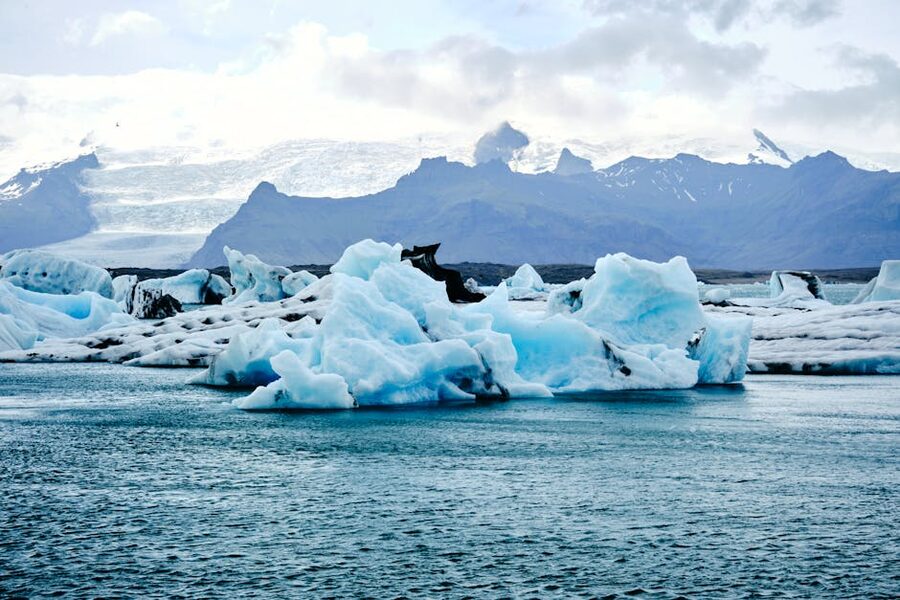
Jökulsárlón is 60 km further east. This is the iceberg lagoon you’ve seen in photos, where chunks calve off Breiðamerkurjökull and float toward the sea. The amphibious-vehicle boat tour is around 8,500 ISK and pleasant but skippable; the zodiac tour is 12,800 ISK and gets you closer to the icebergs, which is genuinely better. You can also just walk the shore and watch them drift. The lagoon itself only formed in the 1930s when the glacier began retreating. It will be a saltwater bay within a few decades at the current rate.
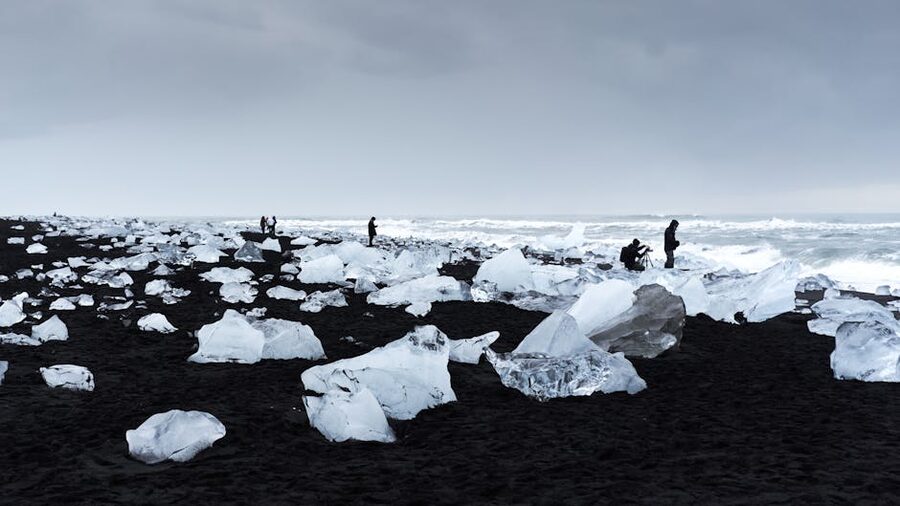
Cross the bridge to Diamond Beach (the same lay-by parks for both sides). The icebergs that have made it out of the lagoon get washed back onto the black sand by the surf. The contrast is what everyone photographs. The number of bergs varies wildly day to day. Sometimes the beach is covered. Sometimes there’s one melted lump. You won’t know until you arrive.
Höfn is another 80 km east. Sleep at Fosshotel Glacier Lagoon if you want to be near Jökulsárlón (it’s about 10 minutes back), or in Höfn town at Hotel Höfn. Hotel Höfn is 32,000-46,000 ISK with breakfast and walking distance to Pakkhús, the langoustine restaurant the village is famous for. Eat there. Langoustine tails in garlic butter for around 6,500 ISK is the dish to order.
Day 4, East Fjords to Egilsstaðir
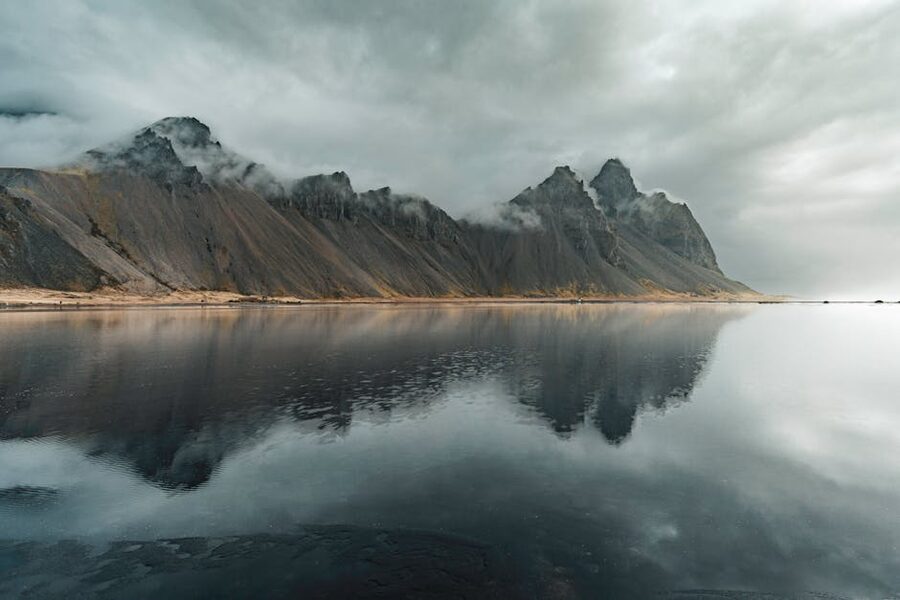
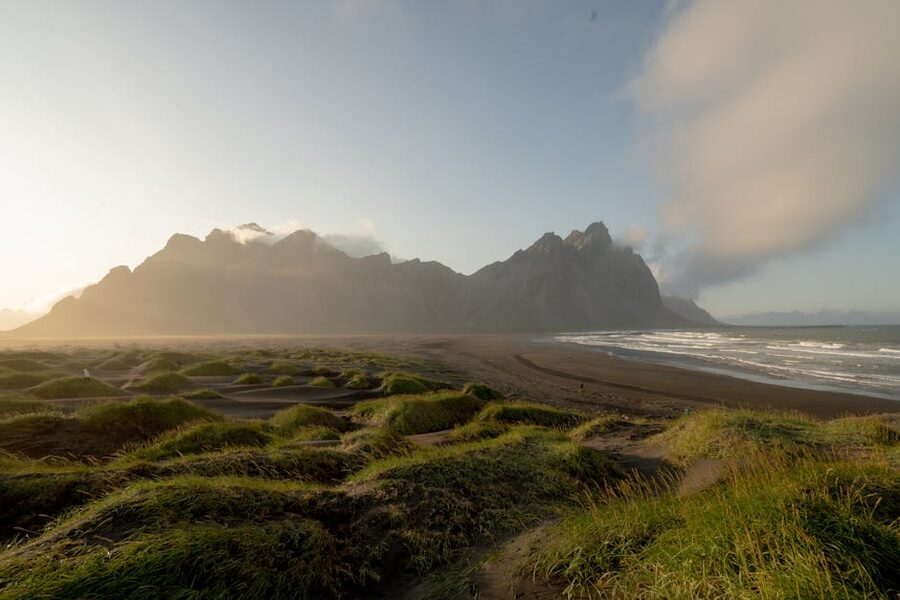
Stokksnes first, 15 minutes back west from Höfn. There’s a 900 ISK entry fee at the Viking Café (which is also where you park and use the loo). You drive a short gravel track out onto the headland and Vestrahorn rises straight from the black sand. Calm-morning shots are the famous ones, when the lagoon mirrors the peaks. There’s also a film-set “Viking village” left over from a movie that never got made; visit it for ten minutes if you like, skip it if you don’t. An hour at Stokksnes is enough.
Then it’s the East Fjords. This is the longest driving day of the whole loop, about 270 km from Höfn to Egilsstaðir, but it’s also the prettiest stretch nobody warns you about. Route 1 hugs each fjord, climbs over a pass, drops into the next one. There are six or seven of them. Tiny fishing villages at the heads. Sheep on the verges. You can stop at Djúpivogur for an hour for the harbour and Eggin í Gleðivík (a series of egg sculptures by Sigurður Guðmundsson representing local birds), or push on to Stöðvarfjörður for Petra’s Stone Collection (a private mineral collection in a fishing-cottage garden, 2,500 ISK, mildly mad and wonderful).
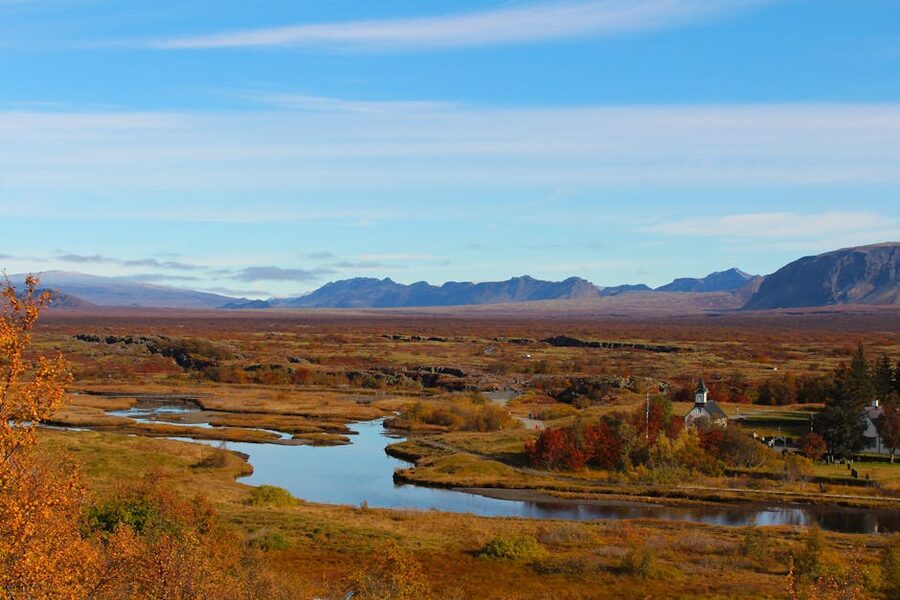
Lunch options on this stretch are thin. Pack a sandwich from the N1 in Höfn before you start. Stöðvarfjörður has a small cafe (Bambahús) at lunchtime if you want a proper sit-down. Otherwise, Egilsstaðir is your dinner.
Egilsstaðir is the East’s main town, set on the lake Lagarfljót, which has its own lake monster (Lagarfljótsormurinn, a wyrm that supposedly grows by eating sheep on the shore, an old story but a CCTV camera caught a long undulating shape in 2012 that briefly went viral). Sleep at Hotel Edda Egilsstaðir, which is the practical pick at 24,000-38,000 ISK. Eat at Salt Café & Bistro for a fish stew or a lamb burger.
Day 5, north to Mývatn, Goðafoss, and Akureyri
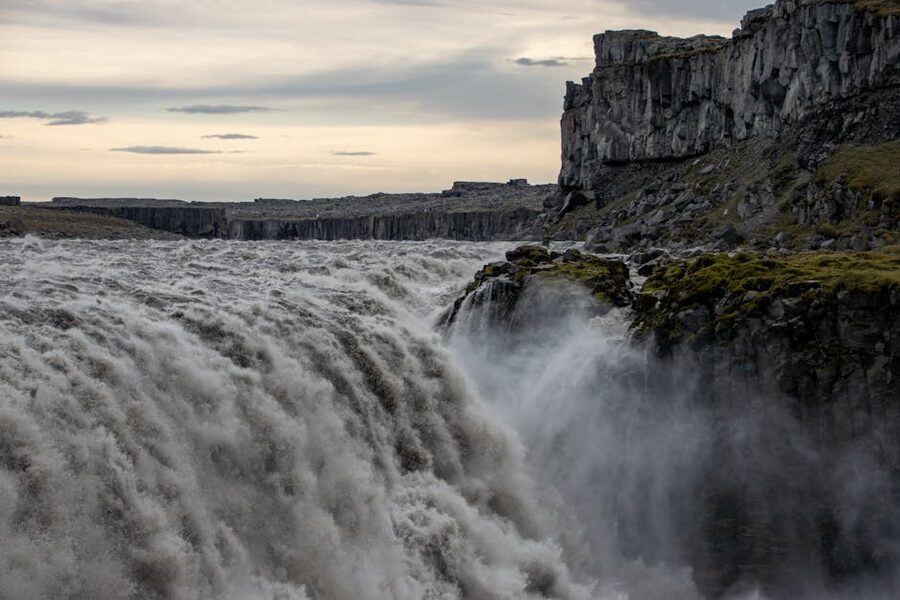
Out of Egilsstaðir on Route 1 west. About an hour and twenty minutes in, turn off onto Route 862 north for Dettifoss. This is Europe’s most powerful waterfall by water-volume-times-drop-height. 100 metres wide, 45 metres high, brown with glacial silt, and frankly terrifying up close. Use the west-bank approach (Route 862, paved). The east bank (Route 864) is gravel and slower. Allow about 90 minutes for the side trip including the walk in. Selfoss, a smaller waterfall a few hundred metres upstream of Dettifoss, is worth the extra ten minutes.
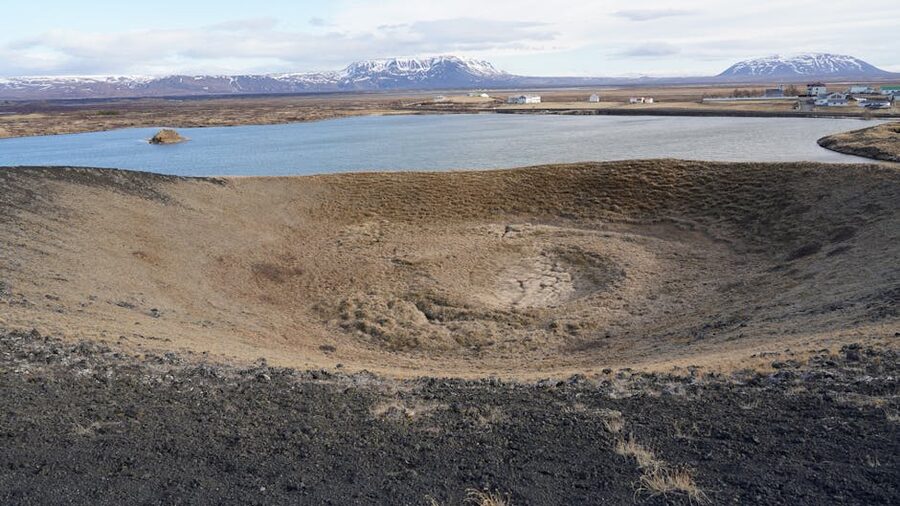
Back on Route 1, push on to the Mývatn area. This is the geothermal heartland: the Krafla volcano system, Hverir mud pots (yes, the smell is right), Hverfjall tephra crater (climb the rim in 20 minutes), Grjótagjá cave (now closed for swimming but you can look in; this is the Game of Thrones cave from the Jon Snow scene), and the Mývatn Nature Baths (10,200 ISK, smaller and quieter alternative to the Blue Lagoon and arguably better for it). Mývatn means “midge lake”, in summer the midges can be brutal in still weather. They don’t bite but they swarm. Pack a head net if you’re here in July.
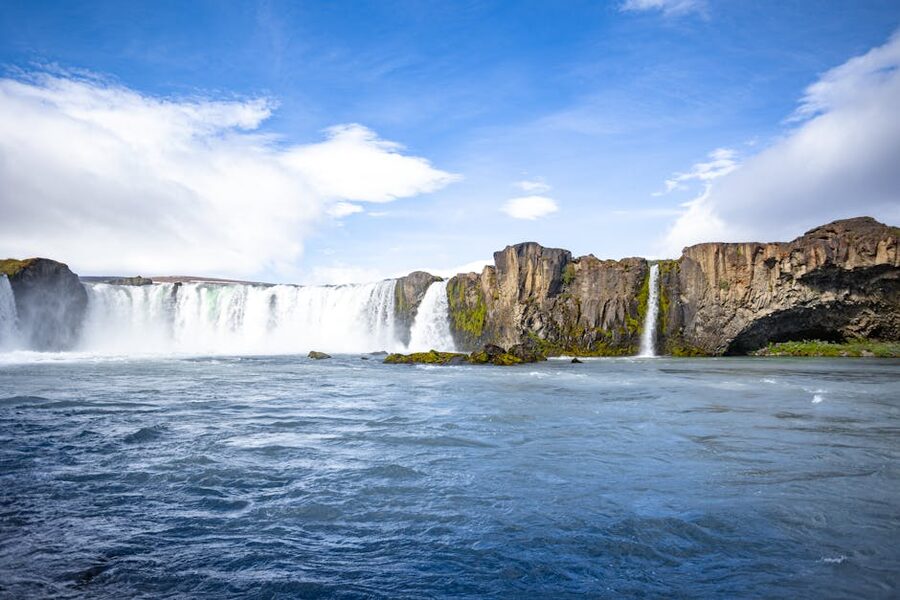
Goðafoss is 50 km west of Mývatn on Route 1. The “waterfall of the gods”, named for the moment in AD 1000 when the lawspeaker Þorgeir Þorkelsson, having ruled at the Alþingi that Iceland would convert to Christianity, walked home and threw his pagan idols into the falls. There are two viewpoints and a footbridge between them. Free, parking 700 ISK at the visitor centre. Half an hour.
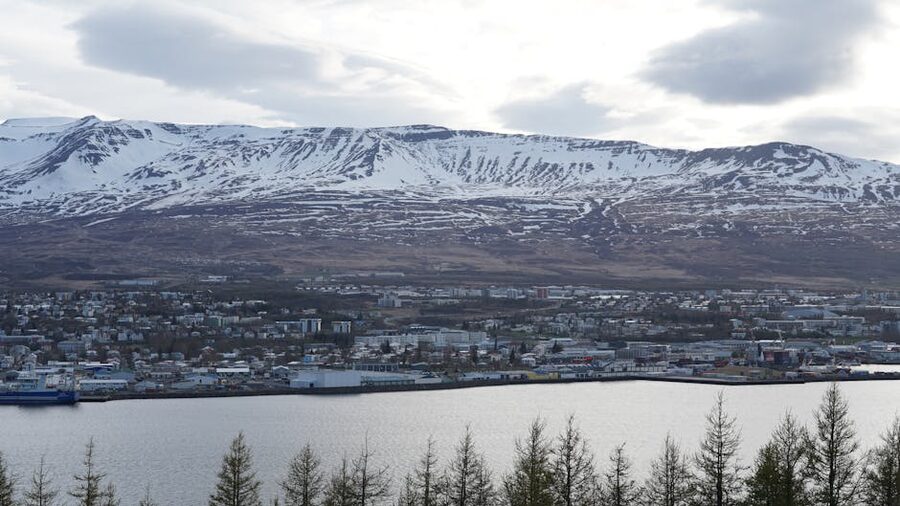
Akureyri is 35 km further. The “second city” of Iceland (population 19,000), at the head of Eyjafjörður. Walk the centre in an hour. The Akureyrarkirkja church on the hill, the botanical garden, the heart-shaped red traffic lights at the town intersection (the council swapped the standard red discs for hearts during the 2008 crash to cheer everyone up; they kept them). Sleep at Hotel Kea, the central choice at 32,000-48,000 ISK with breakfast. Eat at Strikið for fish and a fjord view, or RUB 23 for a more casual dinner. Akureyri’s restaurant scene punches well above its weight.
Day 6, west across Tröllaskagi and Borgarnes
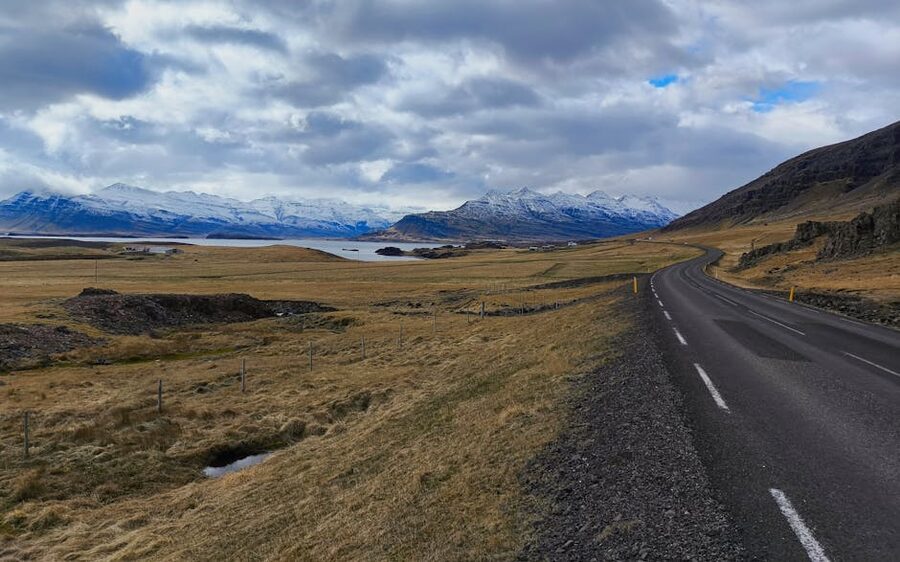
The longest driving day after the East Fjords. Akureyri to Borgarnes is 380 km on Route 1 alone, about 5 hours of driving without stops. If you want to add the Tröllaskagi loop (Route 76 around the peninsula via Siglufjörður), that adds about 90 minutes and gives you the herring-museum town and a couple of fjord crossings worth photographing. Whether to do it depends on whether you’ve got the energy. If you don’t, the Ring Road via Varmahlíð is fine and faster.
Stops along Route 1 west: Hvammstangi (a seal centre that’s pleasant but not essential), Staðarskáli (the petrol station everyone uses for lunch, the lamb soup here is the same recipe as Gullfoss for around 2,200 ISK), Laugarbakki for the small Settlement Era museum if Norse history is your thing.
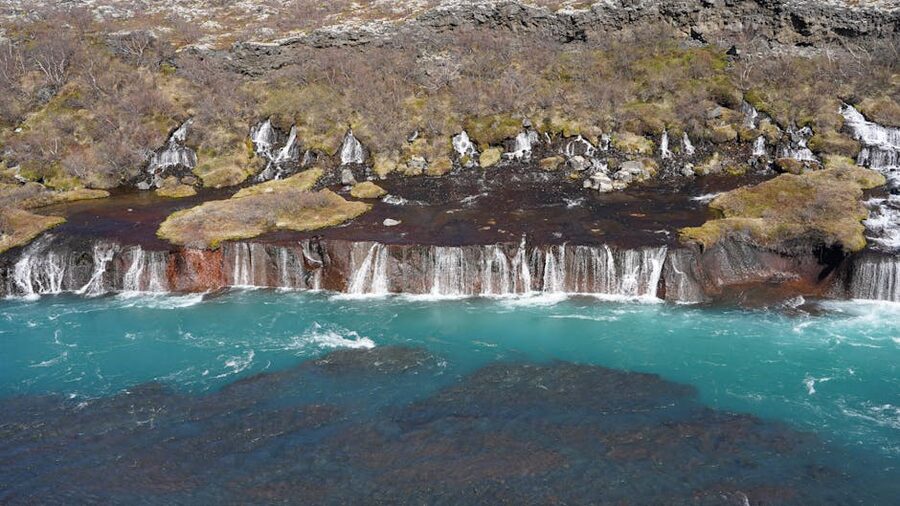
Side trip from Borgarnes: take Route 50 east 50 km to Hraunfossar, the “lava waterfalls.” A wide curtain of small falls emerging from a lava field next to the Hvítá river. Otherworldly. The smaller Barnafoss is upstream and is named for the legend of two children who fell to their deaths from a now-removed natural arch. The detour adds about an hour and a half. Worth it if you’re not exhausted.
Sleep in or near Borgarnes. Hotel Húsafell is the upgrade pick if you can stretch (60,000-95,000 ISK, geothermal pool on site, Krauma baths next door). Otherwise the Settlement Centre Guesthouse in Borgarnes town is functional at around 28,000 ISK. From Borgarnes, Reykjavik is 75 minutes back along Route 1 through the Hvalfjörður tunnel, which is now toll-free.
Day 7, Blue Lagoon or Sky Lagoon, then home
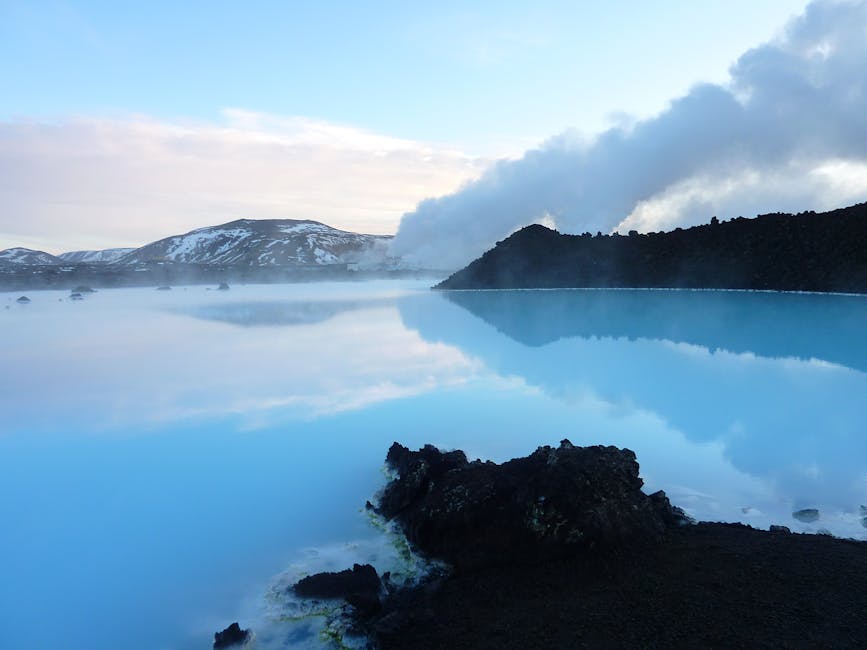
Drive Borgarnes to Reykjavik in the morning. Drop the rental at the airport (or in Reykjavik, then bus). The classic last-day move is a soak before flying, and it is, genuinely, a good move, because there’s nothing quite as airport-defying as floating in a geothermal pool an hour before you board.
Two choices.
Blue Lagoon, near the airport (20 minutes from Keflavík), 11,500 ISK and up. Pre-book a slot. There’s luggage storage, so you can do this on the way out and not have to detour. It’s busier than it used to be but the milky-blue water is still real. We’ve covered it in detail in the Blue Lagoon piece.
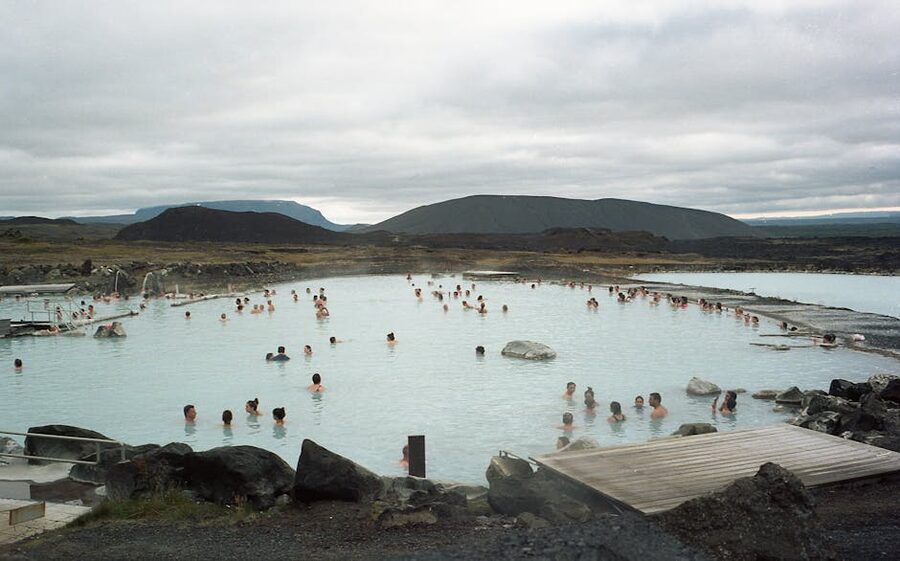
Sky Lagoon, in Kópavogur (20 minutes from central Reykjavik, 50 from Keflavík), from 13,990 ISK. Newer, smaller, oceanfront, and, frankly, the better experience now. The seven-step ritual is a sales gimmick that’s also genuinely nice, and the infinity edge over the Atlantic is the photo most people are after. There’s full coverage in our hot springs piece.
Pick one. Don’t try both. Then get the rental back to Keflavík with a 90-minute buffer before your flight. The drop-off shuttle from the lots can be slow at peak. If you’re someone who prefers a guided walking-pace day, you can also browse Reykjavik day tours for a final-morning option that doesn’t involve more driving.
Approach 2: Reykjavik base, day-trip out
If the Ring Road version sounds like too much driving, this is for you. One hotel for six nights. Day trips out and back. You’ll see less geography but you’ll be more relaxed, you’ll eat better dinners, and you won’t spend three of your nights in tiny rural hotels. This is also the best version for travellers with kids under ten, or for anyone who’d rather take guided tours than drive Iceland themselves.
Where to base. Anywhere central in Reykjavik. Center Hotels Plaza, Reykjavik Natura, or Kex Hostel for budget all work. Six nights at one hotel saves you packing and unpacking five times.
Day 1. Arrive, check in, walk Reykjavik. Same as Day 1 of the Ring Road version above. Hallgrímskirkja, Sun Voyager, harbour, dinner, sleep early.
Day 2, Golden Circle. Either rent a car for the day or take a guided coach. GetYourGuide and Viator both list small-group Golden Circle days for around 12,000-18,000 ISK that include the same Þingvellir-Geysir-Gullfoss core with a bonus stop at the Secret Lagoon or Kerið Crater. Coach-day is fine if you don’t want to drive on Day 2.
Day 3, South Coast day. Same waterfalls and beach as Day 2 of the Ring Road plan, but back to Reykjavik in the evening. By car it’s a long day (12 hours, 380 km round trip). By guided coach, similar duration. The South Coast tour is the standard one every operator runs, see our day tours guide for the picks. This is the day you’ll see Seljalandsfoss, Skógafoss, Reynisfjara, and possibly Sólheimajökull glacier on the way back if the operator includes it.
Day 4, Snæfellsnes Peninsula. The full peninsula loop: Borgarnes for breakfast, Stykkishólmur, Kirkjufell mountain (the Game of Thrones “arrowhead mountain” you’ve seen in photos), the black church at Búðir, the lava cliffs at Arnarstapi. About 8 hours including stops. By car it’s 480 km round trip. We’ve covered this region properly in the Snæfellsnes guide. Tour-bus alternative is around 16,500 ISK.
Day 5, whale watching plus a slower day. Morning whale-watching from the Old Harbour with Elding, around 12,500 ISK and three hours on the water. Likely sightings of minke whales, white-beaked dolphins, and harbour porpoises year-round; humpbacks and fin whales in summer. There’s full background in our whale-watching piece. Afternoon free for the National Museum, the Perlan dome with its planetarium and ice-cave exhibit (4,990 ISK), or just lying down in your room.
Day 6, pick one. Either a glacier hike on Sólheimajökull (3 hours from Reykjavik, half-day with operator), or an aurora-chase coach in winter, or the volcano-and-Reykjanes-tour to see lava fields, the Bridge Between Continents, and Gunnuhver hot springs. Reykjanes is the underrated half-day day trip from Reykjavik nobody talks about because the Blue Lagoon is on it.
Day 7, Sky Lagoon, depart. Sky Lagoon is the better one for this trip because it’s a 20-minute drive from central Reykjavik (Blue Lagoon is closer to the airport but is the wrong direction if you’re sleeping in town). Two hours, then taxi or shuttle to Keflavík.
If you want this version pre-built and someone else carrying the logistics, multi-day Reykjavik-based packages from Nordic Visitor or Hey Iceland cover most of these days as a pre-arranged set. Or browse our tour reviews and custom Iceland trips.
Approach 3: South Coast deep, no loop
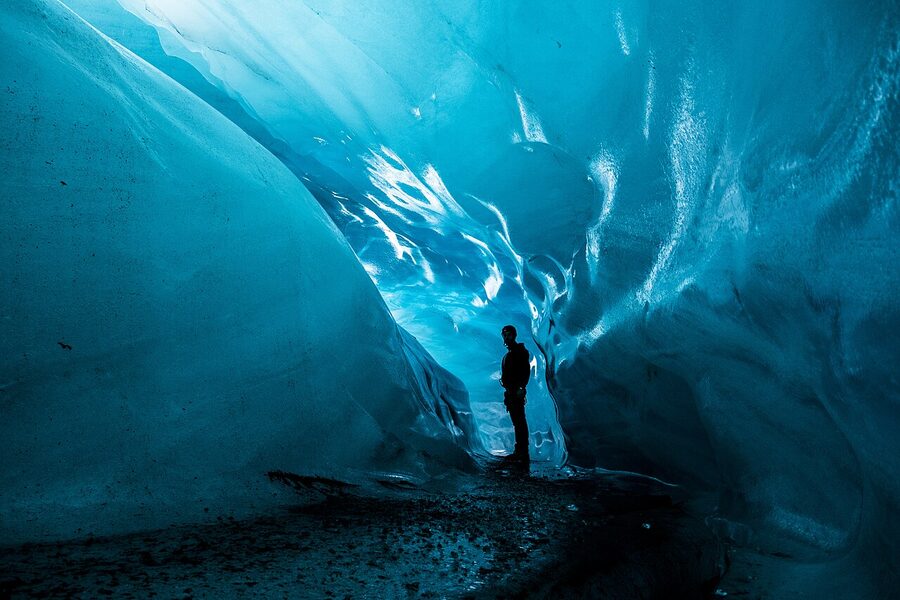
The least common version, and the one I’d actually pick if I were planning my own week and wanted photos to be good rather than complete. You drive only as far as Höfn, then turn around and come back slowly, sleeping somewhere different on the return.
Day 1. Arrive Reykjavik, walk it, sleep central. Same as before.
Day 2. Golden Circle and on to Vík, same as the Ring Road version. Sleep in Vík.
Day 3. Reynisfjara, then a full slow day along the South Coast. Skaftafell glacier walk in the morning, lunch at the visitor centre, Jökulsárlón and Diamond Beach in the afternoon, dinner in Höfn at Pakkhús. Sleep at Hotel Höfn or Fosshotel Glacier Lagoon.
Day 4. Stokksnes at sunrise. Then back west, slowly, with a glacier-lagoon boat tour you didn’t have time for yesterday and a second visit to Diamond Beach in different light. Sleep again at Fosshotel Glacier Lagoon, or move to Hotel Klaustur in Kirkjubæjarklaustur, which puts you west of the Skeiðarársandur and 90 minutes closer to the next day’s stops.
Day 5. Slow morning at Fjaðrárgljúfur canyon (the gorge from the Justin Bieber video, sorry, but it’s genuinely spectacular and the boardwalks were rebuilt in 2021). Then back to Vík for a second night. Or push to the Skógafoss area and sleep at Hotel Skógafoss with the falls almost out the window.
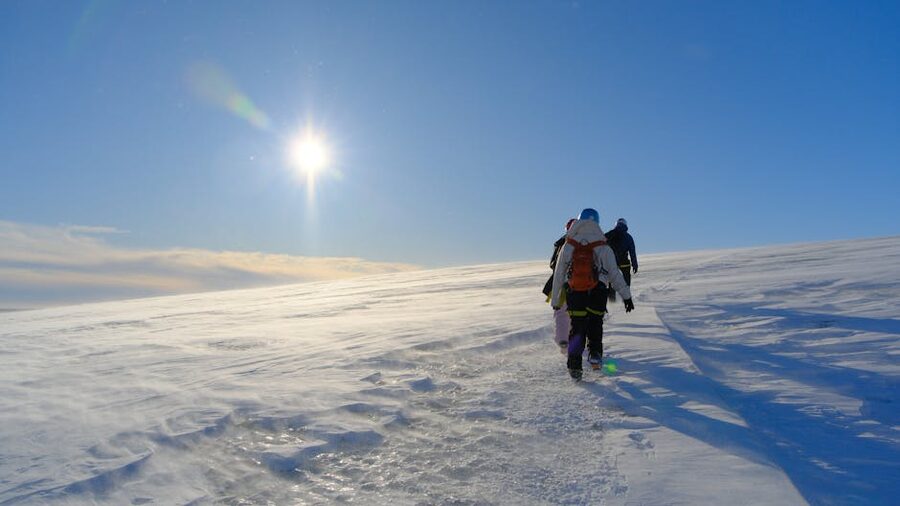
Day 6. Sólheimajökull glacier hike in the morning (45 minutes east of Skógafoss; Arctic Adventures and Troll Expeditions run these), then a slow drive back to Reykjavik with a Sky Lagoon stop on the way in. Sleep in Reykjavik central.
Day 7. Reykjavik morning. Last walk through Laugavegur, late checkout, drive to Keflavík. Or upgrade to Blue Lagoon on the way to the airport.
What you give up: the East Fjords, Mývatn, Goðafoss, Akureyri, the whole north. What you gain: time. Two nights in the Höfn area means you get a clear morning at Stokksnes, two cracks at the Diamond Beach, a glacier walk that isn’t sandwiched between two five-hour drives. For photographers and slower travellers, this is the version that delivers.
Best season for a 7-day trip
Mid-June to early September is the easy choice. Long daylight (the midnight sun proper through late June and early July), all roads open, ferries running, hotel availability the worst of the year but everything else easier. You can drive the Ring Road in shorts, the F-roads to the Highlands are open, and you don’t need to worry about ice. The trade is cost (peak prices for hotels and cars) and crowds at the famous spots.
Late September is my own favourite. The autumn moss turns orange, the crowds thin out, prices drop 20-30% off peak, the aurora becomes possible (you need true dark, which doesn’t return properly until mid-August), and the weather is still drivable on Route 1. The risk is the first big storm of autumn, it can come anytime from mid-September on. We’ve covered the month in detail in Iceland in September.
Late February to March is the credible winter version. Aurora chances are excellent, ice caves are open, Sólheimajökull and Vatnajökull both run guided ice walks daily, prices are well below summer. The trade is the driving. Route 1 is generally cleared but you need a 4WD with studded tyres and the willingness to stay put when a blizzard rolls through. We’ve broken this down in Iceland in March. For winter Iceland generally, see the winter overview.
Avoid late November through January for a Ring Road unless you’ve got serious winter driving experience and don’t mind a 70% chance of one full day staring at the inside of your hotel. The light is gone (sun up at 11:00, down by 15:30 at the solstice), the storms are frequent, and the roads close without warning. There is real beauty to a midwinter trip, but the seven-day Ring Road is not the format for it. The when to visit Iceland piece walks through every month.
Vehicle, fuel, and the actual cost
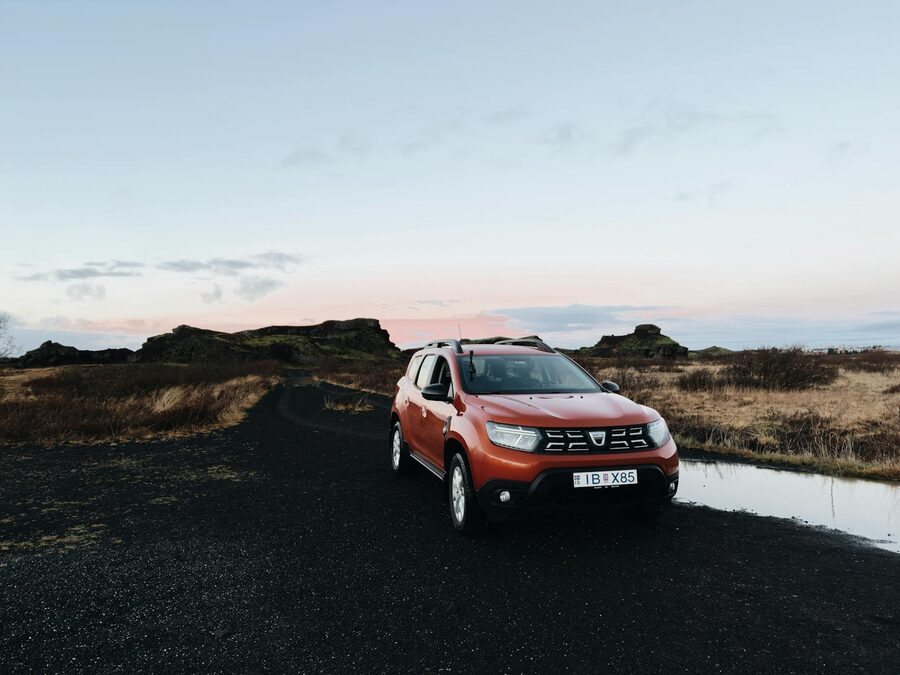
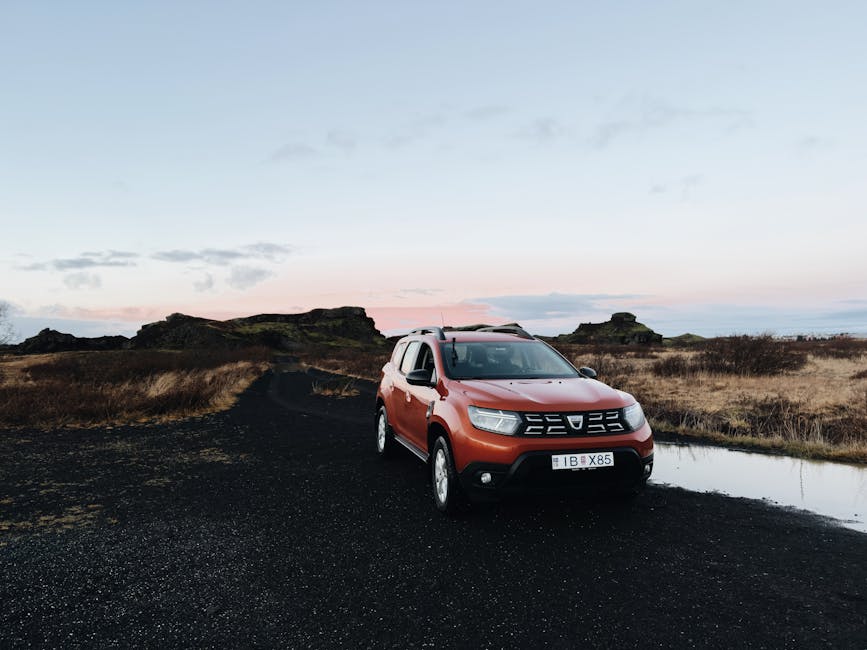
Route 1 is paved end to end, so a 2WD economy car (Toyota Yaris, Hyundai i10) does the loop in summer at 8,000-12,000 ISK a day before insurance. A compact AWD (Suzuki Vitara, Dacia Duster) is 14,000-20,000 ISK and what I’d send most week-long visitors to. In winter, full 4WD with studded tyres, no negotiation. Budget 22,000-35,000 ISK a day.
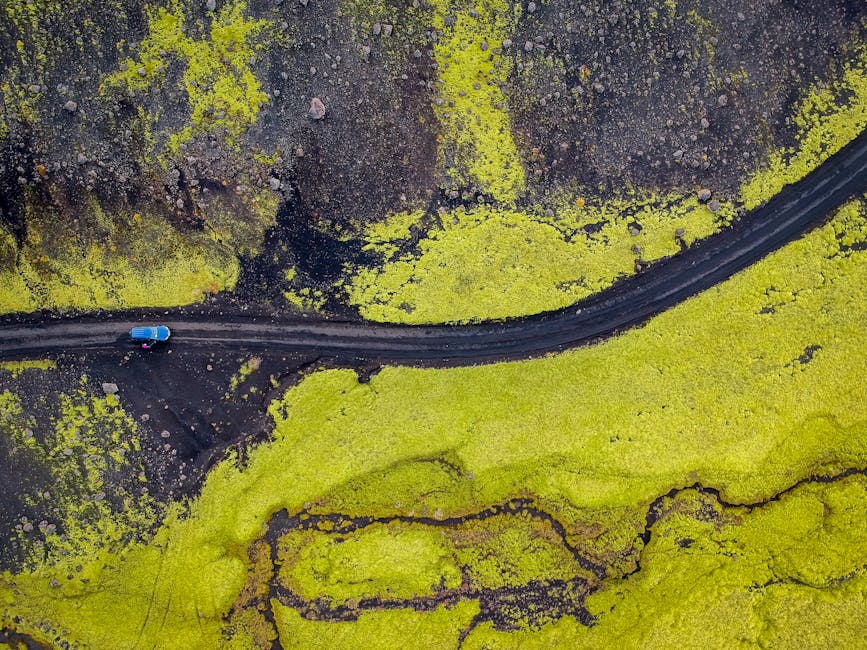
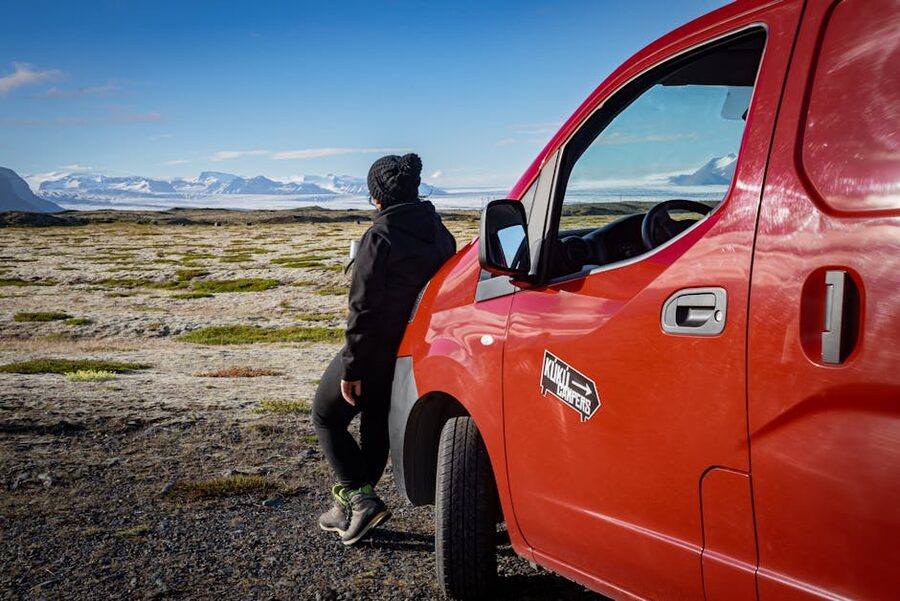
The campervan alternative consolidates car and bed: Happy Campers and Kúkú Campers are the two outfits I’d happily put a friend in. Designated campsites cost about 2,000 ISK per person per night. Wild camping outside designated sites is illegal, that rule was tightened years ago after too much mess in too many lay-bys. Full breakdown in our Iceland campervan piece.
real 7-day Ring Road cost for two adults, summer 2026:
- Car rental, compact 4WD with full insurance for 7 days: 175,000-250,000 ISK
- Fuel for ~1,500 km at current pump prices: 50,000-70,000 ISK
- Six nights mid-range accommodation: 270,000-450,000 ISK
- Food, mix of self-catered and restaurant: 100,000-200,000 ISK
- Activities (one glacier walk, Blue or Sky Lagoon, one whale watch): 100,000-200,000 ISK
- Total: 700,000-1,170,000 ISK for two people, excluding flights
That’s roughly 5,000-8,300 USD at the current rate. The bottom of the range assumes hostels and a 2WD in summer, the top assumes mid-range hotels and a 4WD with full insurance in winter. The campervan version with self-catering all meals lands closer to 350,000-500,000 ISK total.
For more on currency, ATMs, and how cards actually work here (every ISK transaction goes to card, even the toilet at the petrol station), see our Iceland currency piece. For flights, the flights guide walks through which routes are reliable from which airports.
What to pre-book and when
Iceland sells out further in advance than most countries. Plan accordingly:
- Car rental: 3-4 months ahead in summer, 2 months in shoulder. Compact 4WDs go first.
- All hotels for the seven nights: all of them, before you arrive. Vík and Höfn especially.
- Glacier hike or ice cave: 2-4 weeks ahead. Ice caves (November-March) sell out faster than summer ice walks.
- Inside the Volcano (May-October only): 1-2 months ahead. Only one operator, Inside the Volcano, single 6-hour slot per day, capped numbers.
- Blue Lagoon or Sky Lagoon: 2-3 weeks ahead for a specific time slot, more in peak.
- Whale watching: 1 week ahead is fine; multiple operators with daily sailings.
- Multi-day tour packages through Nordic Visitor or Hidden Iceland: 3-6 months ahead in summer.
For weather and road conditions before you set out each morning, bookmark vedur.is (Iceland’s Met Office) and road.is (the road-conditions map updated every 15 minutes). Both have English versions. The third is safetravel.is, where you can register a travel plan if you’re going somewhere remote.
Modifications by traveller type
Couples, photographers, families, honeymooners, the seven days bend.
Family with kids 8+: add Whales of Iceland indoor exhibit at the Old Harbour on Day 1 (great for travel-fried kids), an Icelandic horse farm on Day 2 (Eldhestar in Hveragerði on the way to the South Coast offers one-hour rides on tölting horses for around 12,000 ISK), and stretch the East Fjords day across Day 4 with a stop at Petra’s Stones (mineral collection, kids love it). Skip Inside the Volcano (8+ minimum). Mývatn Nature Baths is much better for kids than Blue Lagoon. The full Iceland with kids piece goes deeper.
Honeymoon or anniversary: upgrade Vík to Hotel Rangá on Day 2 (it’s about 90 minutes back west from Vík but the rooms are themed by continent and the on-site observatory is set up for aurora viewing, they wake guests when the lights are visible). Trade Egilsstaðir for ION Adventure Hotel near Þingvellir if you reroute. Borgarnes becomes Hotel Húsafell with the Krauma baths next door. Add a private guide for the glacier walk (it doubles the cost but you don’t share the rope team).
Photographer: push the trip to late September if you can, take the South Coast deep version, and add aurora-chase nights. Two nights at Vík, two at Höfn. Book the morning Stokksnes shot, stand at Jökulsárlón at blue hour, do Goðafoss at sunrise. Bring a tripod and a head torch with a red mode. Late September gives you both the autumn moss colour and the dark for aurora.
Budget: hostels along the route (the Hostelling International chain has rooms in Reykjavik, Vík, Höfn, Egilsstaðir, Akureyri, and Borgarnes), self-cater all your breakfasts and most lunches from Bónus and Krónan supermarkets (the cheapest two), use the Sólheimajökull half-day glacier hike instead of a full Skaftafell day, swap Blue Lagoon for Krauma or Mývatn baths. Total comes down by about 50%. Berunes HI Hostel in the East Fjords is the standout, it’s an old farm with home-cooked communal dinners.
The mistakes people make
Five mistakes I see again and again on first-time week-long trips.
Trying to add the Westfjords. The Westfjords need three days at a sane pace and ideally five. Adding them to a Ring Road week means you’ll spend two full days driving and skip half of what you came for. They get their own trip on a return visit. The Westfjords piece explains why.
Trying to add the Highlands. The interior needs a 4WD with high clearance, river-crossing experience, and at minimum two days. F-roads only open mid-June and start closing in early September. Don’t try to fit Landmannalaugar or Þórsmörk into a seven-day Ring Road, see the Highlands guide for what they actually involve.
Reykjavik base plus Ring Road. If you keep Reykjavik as a base and try to also do the loop, you’ll spend half your time driving and won’t experience either the city or the country properly. Pick one. Same trip in either format costs roughly the same.
Underestimating the East Fjords day. Höfn to Egilsstaðir is the longest single day of the whole loop. People who plan it as 4 hours of driving and an early dinner get caught at 21:00 still in a fjord they can’t pronounce. Allow 8 hours including stops.
Booking nothing in advance. Iceland is not a country where you can wing it in summer. By April, the popular hotels along the South Coast have sold out the full peak season. By June, the second-tier ones are gone too. Book everything before you fly.
Quick comparison: which approach is yours
If you’ve made it this far and you’re still deciding, the rough version:
- You want to see the country and you don’t mind real driving days: Ring Road clockwise.
- You want to relax, eat well in Reykjavik most nights, and you’re okay missing the north: Reykjavik radial.
- You want photos, slow mornings, and depth at fewer places: South Coast deep.
- Travelling with younger kids: Reykjavik radial.
- Travelling in March or November: Reykjavik radial or South Coast deep, not the full Ring Road, unless you’re confident on winter Icelandic roads.
- It’s your first trip and you don’t know which suits you: Ring Road. It’s the default for a reason.
A final word
Seven days lets you see Iceland. Ten lets you understand it. Fourteen lets it work on you. If you can stretch even to nine days, do it, the buffer makes a different trip and the cost-per-day actually drops on accommodation when you’re booking longer stays. But seven well-planned days, especially in the right season, still delivers.
The country is small enough that you can cover it. It’s also strange enough that the ground itself does most of the work. You’ll come home with photos that don’t look real and a half-week of muscle memory for driving past glaciers. That’s most of what people are after.
Bóka snemma og keyra hægt, book early, drive slow. The rest takes care of itself.
If you’d rather have someone else handle the logistics, our custom Iceland tour service builds itineraries around exactly these three approaches, with flexible dates and the kind of route changes that the package operators won’t make. Or browse the tour reviews for the multi-day packages we’d recommend, and the travel tips category for everything else you need to plan with.