
Iceland in February and Iceland in July are different countries. Same coastline, same volcanoes, same coffee roasters in Reykjavík, but the day looks nothing alike, the road map is different, and what you can actually do shifts by half. So when someone asks me when to come, I never give one answer. I ask what they want to see. Aurora? Puffins? An empty Ring Road? A glacier you can walk inside? The “best” month follows from that, not the other way round.
This is the trip-planning piece. If you want a calmer read on the weather itself, the wind, the daylight, and what the maritime climate actually feels like, that’s covered in Iceland’s climate, season by season. Here I’ll work the other direction. You tell me what you want from the trip, I’ll tell you which weeks to look at. Then a month-by-month rundown so you can sanity-check your own dates.
One thing up front. I get asked some version of “is there a bad month?” all the time. Not really. There’s a wrong month for what you have in mind. Highland hikers should not come in March. Aurora hunters should not come in late June. People who want to drive themselves around the whole island in a small car should not come in January. Match what you want to the calendar and the country meets you halfway.
In This Article
- Quick decision tree
- Pick your month by what you want to see
- The aurora window: September through April
- Ice caves: November to March
- Midnight sun: late May to late July
- Puffins: late April to early August
- Whales: April to September peak
- The highlands: July, with a window into early September
- Lupines and green: late May through June
- Christmas and New Year: mid-December to early January
- Pick your month by what kind of traveller you are
- First-timer wanting the iconic Iceland experience
- Aurora hunter
- Photographer
- Hiker or highlands traveller
- Family with young kids
- Romantic or honeymoon trip
- Bird watcher
- Whale watcher
- Budget traveller
- Northern lights skeptic or sun-seeker
- The month-by-month breakdown
- January
- February
- March
- April
- May
- June
- July
- August
- September
- October
- November
- December
- How long should you actually come for?
- How far ahead to book
- Weather expectations, plainly
- The shoulder season pitch nobody makes loudly enough
- The crowd reality
- The whale-watching reality
- What I’d actually pick
Quick decision tree
If you only have time to read one paragraph, this is the cheat sheet I’d give a friend. Late September for the best balance of weather, daylight, aurora returning, and prices. Late February for the full winter package: aurora, ice caves, snow, but with enough light to actually see things. Mid-July if you want the highlands open and a 24-hour day. Late May if you want long light without summer prices and don’t mind the puffins only just being back. Avoid the second half of December if you’ve got mobility issues or you want to drive far. Avoid the last two weeks of July if you hate crowds.
That covers maybe 80% of trips. For the rest, work through what follows.
Pick your month by what you want to see
The right way to plan an Iceland trip is to start with the one thing you really want to do, and let that decide your dates. Most people get this backwards. They book a week in August because August is “summer” and then are surprised when the puffins have already gone or the aurora won’t be visible for another month. The country is split into seasons that don’t always line up.
The aurora window: September through April
 northern lights in Iceland” />
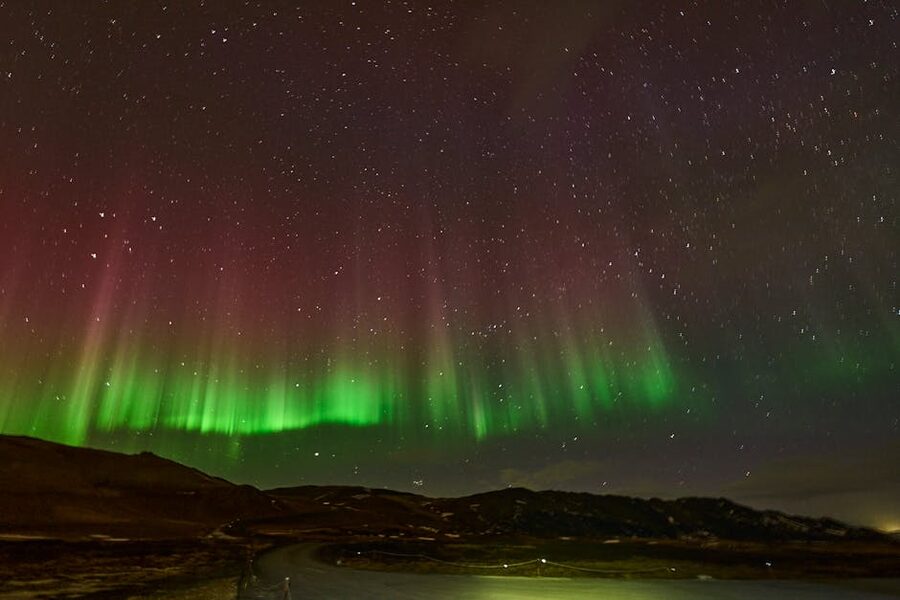
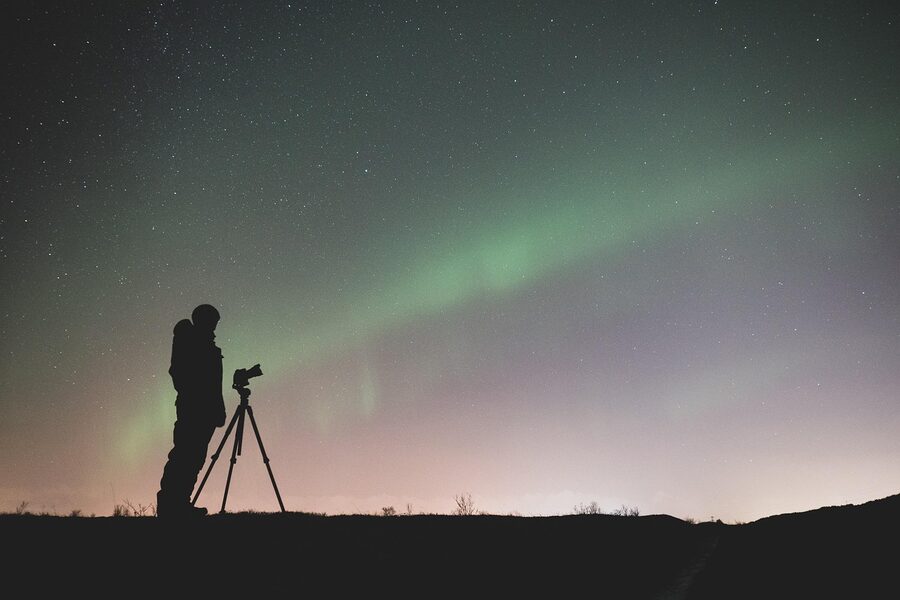
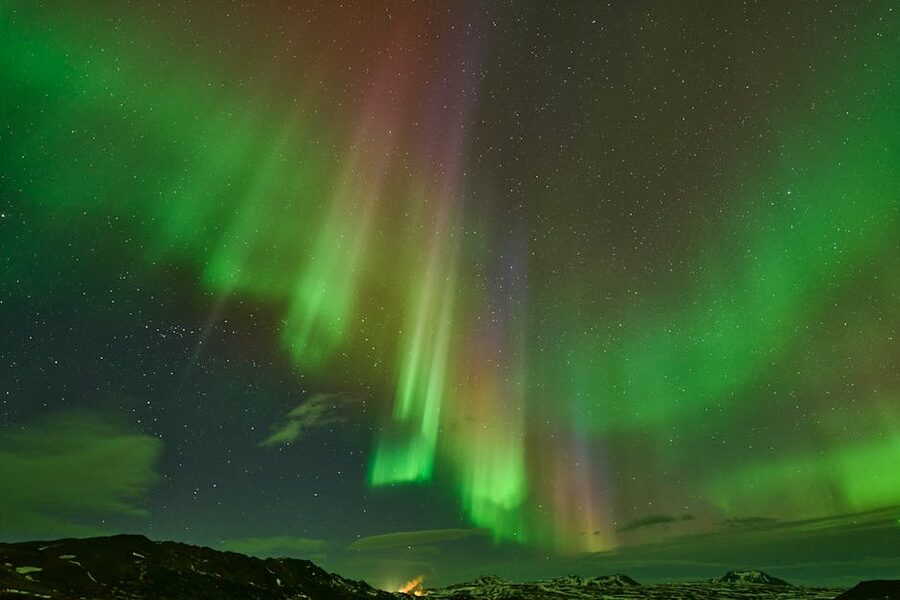
Northern lights need three things: dark sky, clear sky, and enough geomagnetic activity. The first one is solar physics, the second one is weather, the third one is timing. Iceland gives you nights dark enough for aurora roughly from late August through early April. The middle of that range, October through March, is what people call the season.
The best months inside the season are not what most people guess. December and January have the longest nights but also the worst weather and the highest cloud cover. October, February, and March are the sweet spots. Long enough nights to actually wait out a forecast, milder weather than midwinter, and around the equinoxes (late March, late September) the geomagnetic activity goes up because of how the solar wind hits the magnetosphere. The Icelandic Met Office aurora forecast at en.vedur.is shows both the activity number (KP) and the cloud cover map. You want KP3 or higher and white patches on the cloud map. If you’re new to it, the photography tour overview goes into what camera settings to actually use.
One thing to set expectations on. The aurora is never guaranteed. A friend of mine spent five nights in northern Iceland one February and saw nothing. Another saw the sky go full green in their first hour out of Reykjavík airport. Plan a trip you’d enjoy without aurora and treat the lights as a bonus.
Ice caves: November to March
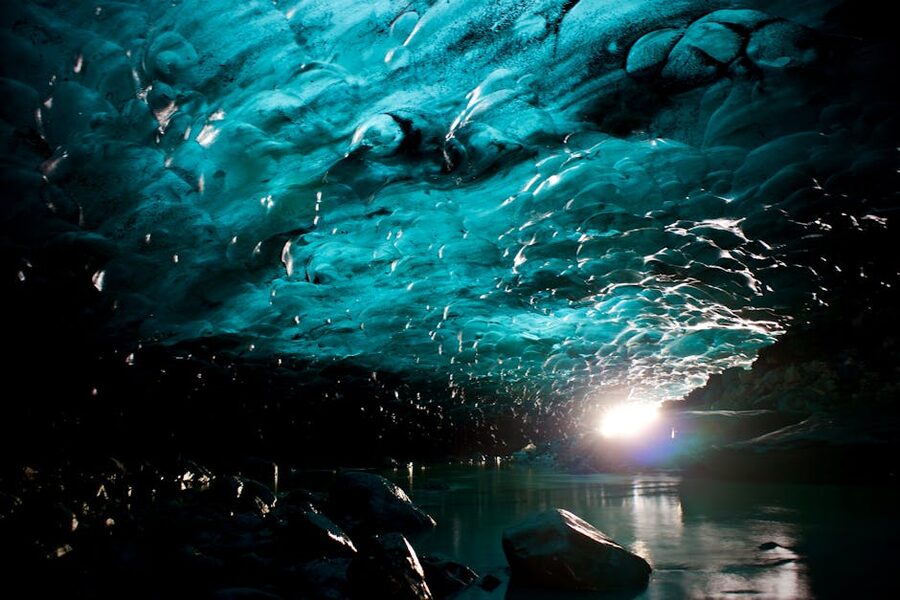
The blue ice caves under Vatnajökull glacier are a true winter-only thing. They don’t exist in July. The caves form in late autumn when meltwater stops flowing through them and the temperature drops enough to stabilise the structure. They reach their best clarity around January and February, then start melting and becoming unsafe by mid-April. Tour operators won’t take you in past mid-March most years.
You go with a guide, no exceptions. The roof can collapse without warning, and a few people have died over the years going in alone. The main natural caves are reached by glacier truck from Jökulsárlón. Tours run from November through late March and book up weeks ahead in February. There’s also the artificial ice tunnel at Langjökull (intotheglacier.is), which runs year-round because it’s machine-cut, but most people who’ve done both will tell you the natural Vatnajökull cave is the one to do if your dates allow it.
Midnight sun: late May to late July
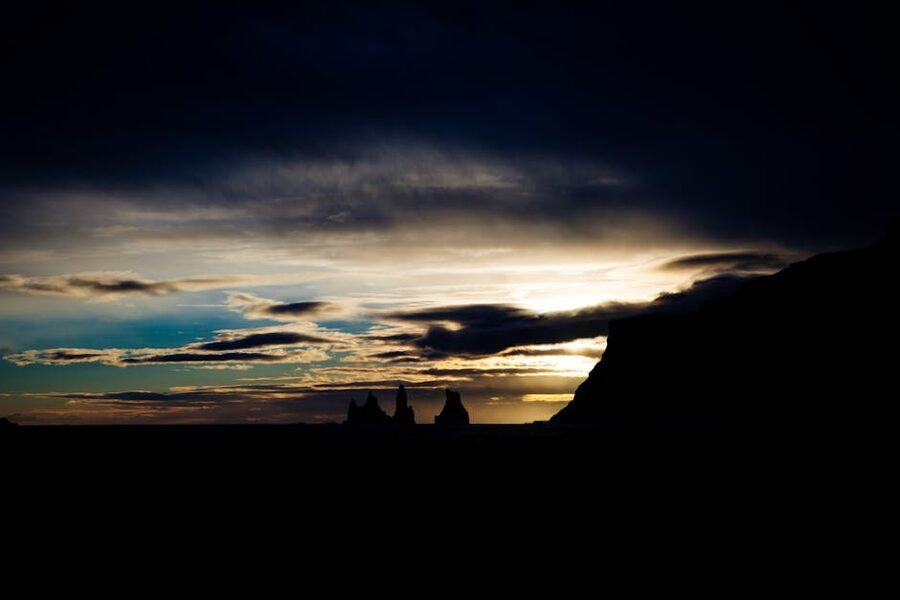
Around the summer solstice on June 21st, Reykjavík gets about 21 hours of actual sunlight, and what little “night” there is reads more like dusk that never closes. Up north on Grímsey island, the sun stops setting altogether. The midnight sun period that feels really pronounced runs from roughly the third week of May through the end of July. By August you can already see proper night again at the end of the month, and the difference happens fast.
The practical effect is that you can do almost anything at almost any hour. Hike at 10pm. Drive a remote stretch at 1am because the light is good. Photograph waterfalls at midnight when the day-trip crowds have gone home. The downside is that you will not sleep well unless you bring a sleep mask or stay somewhere with proper blackout curtains. Most rural guesthouses don’t have them. The light comes through your eyelids. I’m not exaggerating. Even locals use eye masks in summer.
Puffins: late April to early August
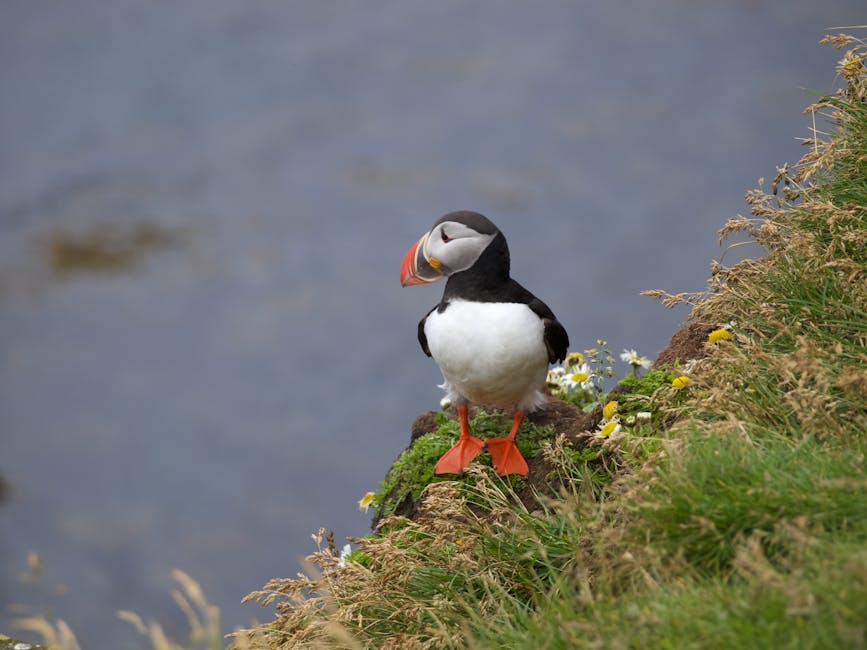
Atlantic puffins arrive at their breeding colonies in mid to late April and leave for the open ocean in early August. Those are the dates. Outside that window, you’ll see one in a museum or maybe accidentally on a fishing trip, but you won’t have the experience that’s worth flying for. The peak is mid-June through mid-July when the chicks are in the burrows and both parents are flying in food constantly. Activity is highest, the colonies are loudest, and the puffins are most willing to sit close.
The biggest colony is Látrabjarg in the Westfjords. The most accessible from Reykjavík is the Vestmannaeyjar (Westman Islands), reached by ferry from Landeyjahöfn. Borgarfjörður Eystri in the East Fjords has wooden walkways that put you maybe two metres from the birds without disturbing them, which is the most ethical setup you’ll find anywhere. The bird watching tour overview goes into which colonies suit which schedule.
Whales: April to September peak
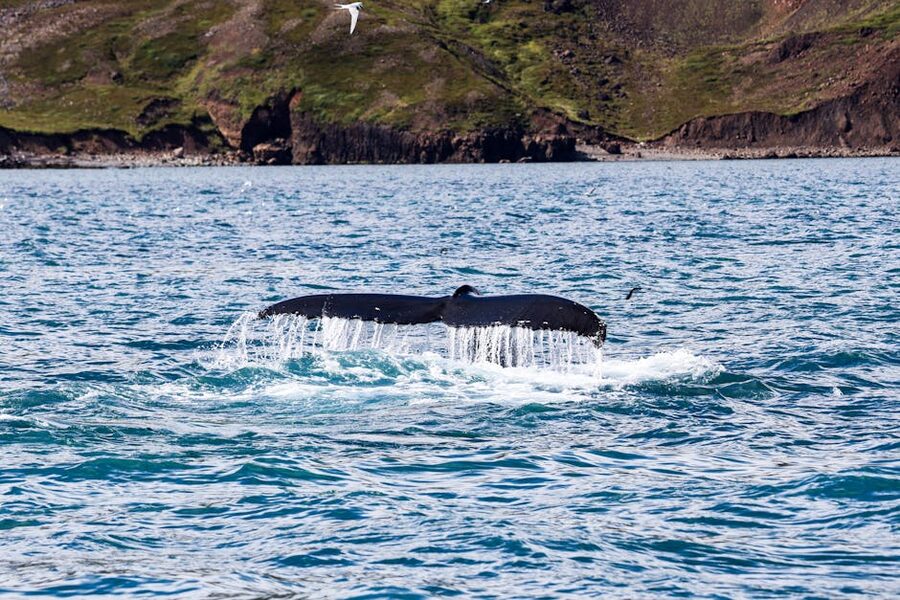
Whale watching runs year-round from Reykjavík harbour, but the season that actually delivers is April through September. Humpbacks and minke whales feed close to shore through summer. White-beaked dolphins are around all year. Orcas come through in February and March chasing herring, and that overlap of orcas plus aurora plus snow makes February in north Iceland an underrated combination if you can handle the weather.
The best base for whale watching is Húsavík in the north, on Skjálfandi Bay. Sighting success is in the high 90s for the season. North Sailing runs traditional oak schooners as well as the standard rib boats, and the schooner trips are quieter and let you actually hear the blow. From Reykjavík, Elding is the established operator. Snæfellsnes works too, with Láki Tours running orca trips out of Grundarfjörður in the late winter.
The highlands: July, with a window into early September
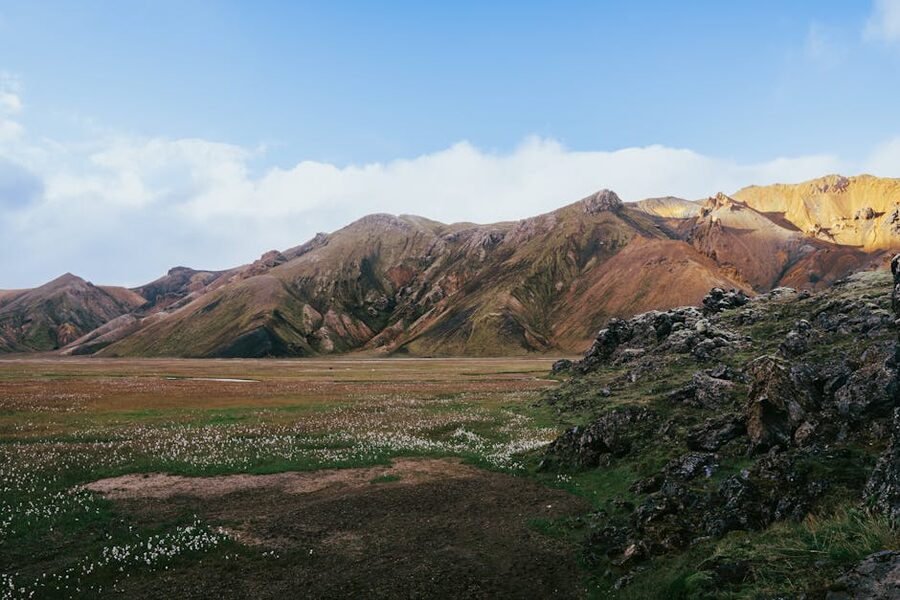
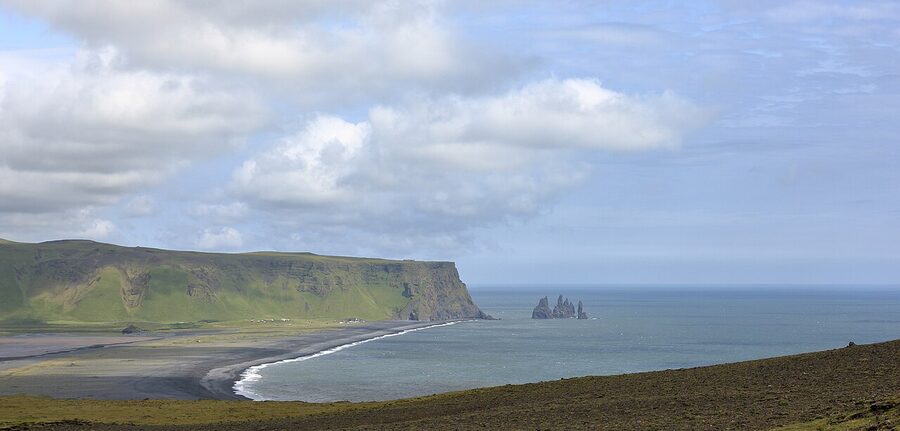
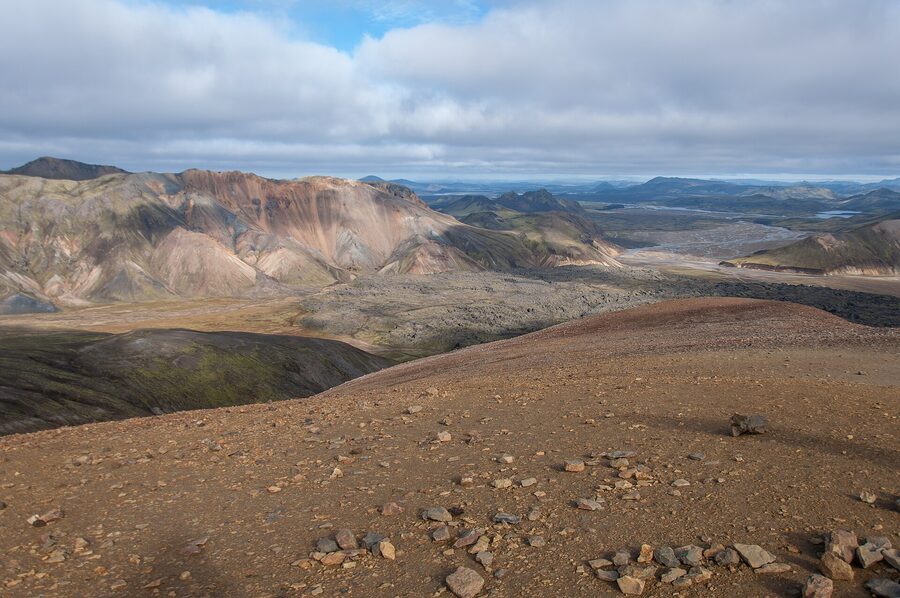
If your trip depends on the highlands, you have one month. The F-roads (the gravel mountain roads) open between mid-June and early July depending on the year, and start closing again from mid-September. July is the only month with all of them reliably open. Landmannalaugar, Þórsmörk, the Laugavegur trail, the Askja crater route, the road across Sprengisandur, the Kjölur traverse: these are summer-only places.
The roads themselves require a 4×4 with proper clearance, not a “soft-roader.” Many F-roads have unbridged river crossings, and your insurance won’t cover damage to the underside of the car. Northbound filters cars by F-road permission, which saves time. The road conditions live at road.is; check it the morning of any highland drive.
Even in July, the highlands can get freak weather. I’ve seen snow at Kerlingarfjöll in the third week of July. Bring a real shell, not a windbreaker, and don’t trust a forecast more than 36 hours ahead.
Lupines and green: late May through June
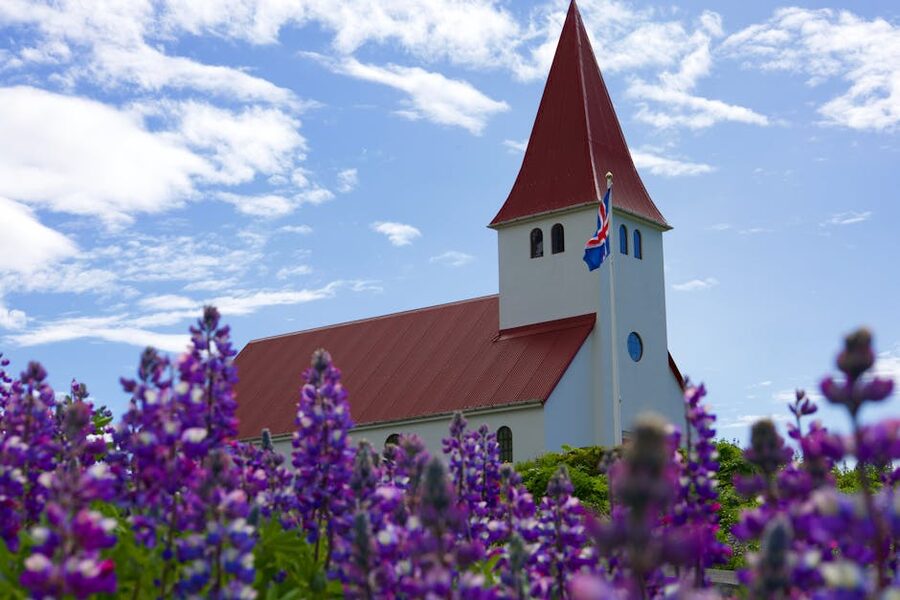
The famous purple lupine fields peak from late May through late June across most of the south coast. By mid-July they’re already past peak and starting to brown out. By August you’d barely notice them. They’re not native, and there’s a low-grade national debate about whether they should be controlled, but as a visitor they’re spectacular and they make a lot of the south-coast church-on-a-hill photos work.
Christmas and New Year: mid-December to early January
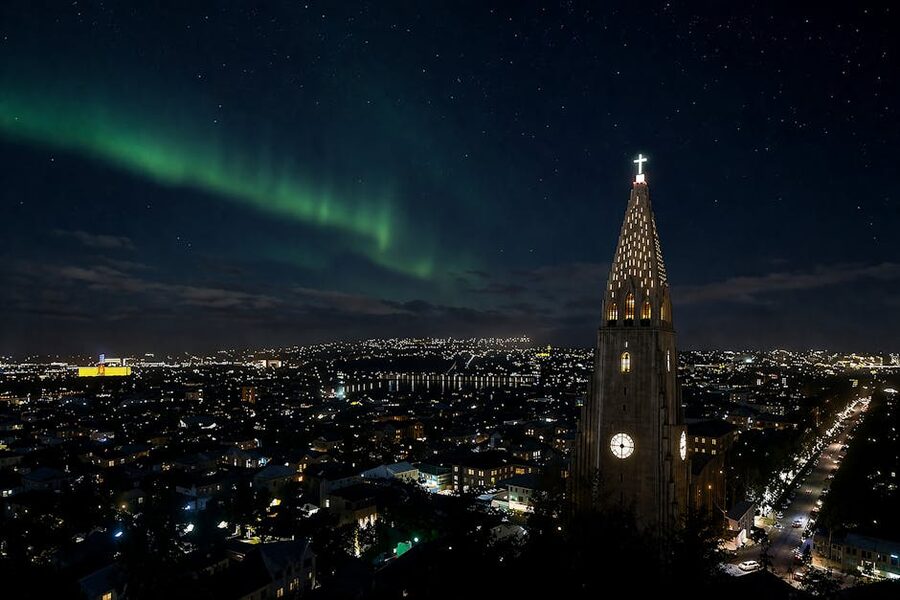
December in Reykjavík is its own thing. The 13 Yule Lads start their nightly visits on December 12th, the city is lit up from early November, and on New Year’s Eve the entire population sets off so many fireworks that the air over the city goes opaque for an hour. The shortest day, around December 21st, gives you about 4 hours and 7 minutes of actual sun and a couple more hours of soft pink twilight. It’s beautiful and it’s strange and it’s not for everyone. Read more in Christmas in Iceland if this is the trip you’re considering.
Pick your month by what kind of traveller you are
If you’re not coming for one specific thing, the question shifts. Now it’s about how the country fits the kind of trip you want. These are the matches I see work best.
First-timer wanting the iconic Iceland experience
Late May, June, or late September. You want everything to be open, the roads passable, the light long enough that you don’t feel rushed, and access to the South Coast classics: Seljalandsfoss, Skógafoss, Reynisfjara, Jökulsárlón. All three windows give you that. June has the longest light and the most reliable weather but also the most crowds and the highest prices. Late May undercuts the crowds and prices but the highlands aren’t open yet. Late September is my personal pick: most things still open, prices have dropped, the autumn colour starts coming in, and the first aurora returns. More on the South Coast routing in day tours from Reykjavík.
Aurora hunter
Late October or late February. Long enough nights to actually wait out a window, weather not as savage as midwinter, prices below summer, and around the equinoxes the geomagnetic activity tends up. Three to five nights minimum. One night is a coin flip. Five gives you good odds.
Photographer
Late September for autumn-plus-aurora, or late February for winter-plus-ice-caves-plus-aurora. September gives you the warmest gold-and-rust autumn palette in Borgarfjörður and the East Fjords, plus the first real aurora of the season, plus enough remaining daylight to actually see and shoot the country. February is winter at its most graphic. Snow on the lava, blue ice caves, low golden midday light, and aurora most clear nights. The full breakdown is in the photography tour overview.
Hiker or highlands traveller
July, with a window into early September for the lower routes. The Laugavegur trail (Landmannalaugar to Þórsmörk) is open roughly mid-June through mid-September. Most people walk it in July or early August. The Fimmvörðuháls extension over the volcanic ridge is more weather-dependent and only really sensible from mid-July onwards. Booking the mountain huts (Volcano Huts in Þórsmörk, Ferðafélag huts on the Laugavegur) opens months ahead and they fill fast.
Family with young kids
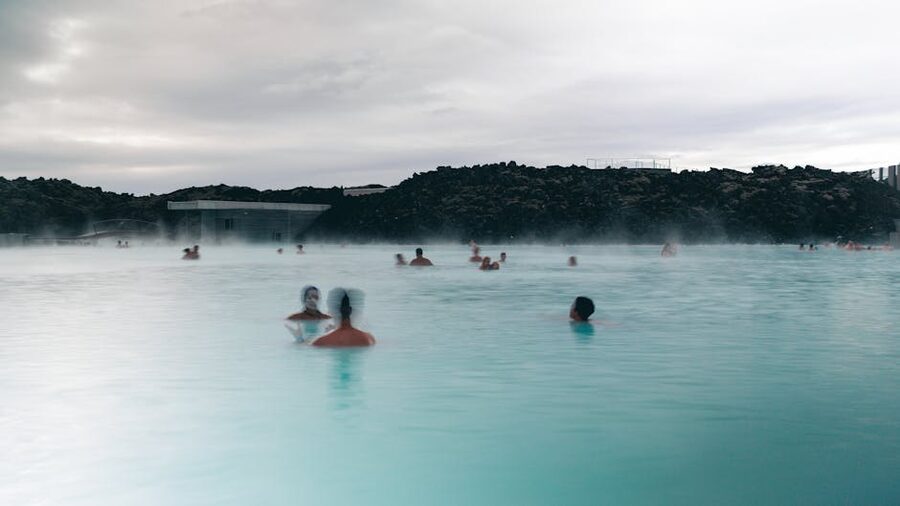
June through August. Not because Iceland is suddenly child-friendly in summer, but because the cold is manageable, the daylight means you’re not putting tired kids in cars at dusk, and the swimming pools and farms and tame ponies are at their best. Kids do really well at the Blue Lagoon, the Reykjavík Zoo and Family Park, and the Whales of Iceland exhibition. There’s more on family routing in the Reykjavík city break itineraries.
Romantic or honeymoon trip
September. Smaller crowds than summer, autumn colours, the first aurora returning, hot springs that feel less crowded, and dinner reservations actually possible at the best Reykjavík restaurants. October works too, with the trade-off that the weather is more unpredictable and you’ll lose more time to grey days.
Bird watcher
Mid-June. Puffins are at peak feeding-the-chicks activity, the larger seabirds (gannets, kittiwakes, fulmars) are all on the cliffs, and the inland waders and wildfowl are visible in the marshes around Mývatn. The shoulder months work but mid-June is the only time you get all of them at once.
Whale watcher
June through August for the highest sighting rates from Húsavík (humpbacks, minkes, the occasional blue), or February for orcas off Snæfellsnes. The summer trips are calmer and warmer. The winter orca trips are colder, choppier, and harder to book around weather, but if you want orcas in Iceland that’s when they’re here.
Budget traveller
Mid-January through mid-March, or mid-September through mid-October. Accommodation prices in winter run roughly half of high summer. Rental cars about the same discount. The trade-off is shorter days and weather that closes plans. The shoulder windows in spring and autumn split the difference: about 30% off summer pricing, weather still mostly cooperative, and the country still mostly open. Comparing platforms, Booking.com tends to have the most options for guesthouses outside Reykjavík.
Northern lights skeptic or sun-seeker
Late June. The midnight sun is the photo negative of the aurora. No darkness, no chance of the lights, but the country is at its most lush and accessible. If you’ve already done a winter aurora trip somewhere else and want to see Iceland in its other form, this is the version to come for.
The month-by-month breakdown
This is where you sanity-check your dates against what’s actually happening that week. Numbers are the typical Reykjavík averages from the Icelandic Met Office. Real conditions vary. Always check en.vedur.is the day before you fly.
January
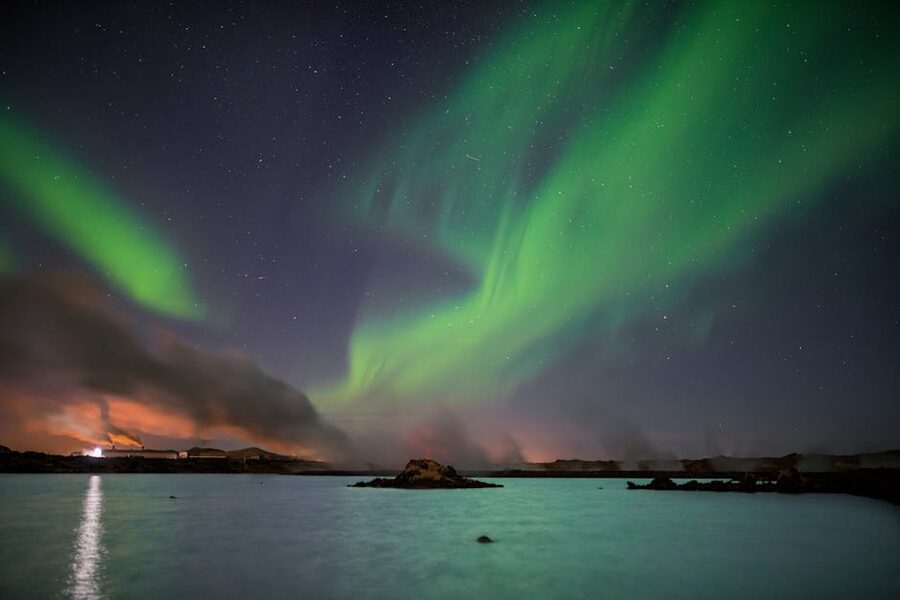
Average daily mean around -1°C in Reykjavík, colder up north, with the sun barely above the horizon for four hours. Sunrise about 11:00, sunset about 16:00. Aurora season is in full swing, ice caves are at their best, and the south coast roads are usually open. This is the cheapest month to visit. Hotels and rental cars run around half what they cost in July. The trade-off is weather. January is when the storms close Route 1 most often, and your trip needs slack built in.
Reykjavík’s mid-January Þorrablót festivals start, traditional winter food (much of it cured fermented lamb and dried fish that visitors find acquired-taste). The lights festival, Vetrarhátíð, lights up the city for about a week in late January or early February.
February
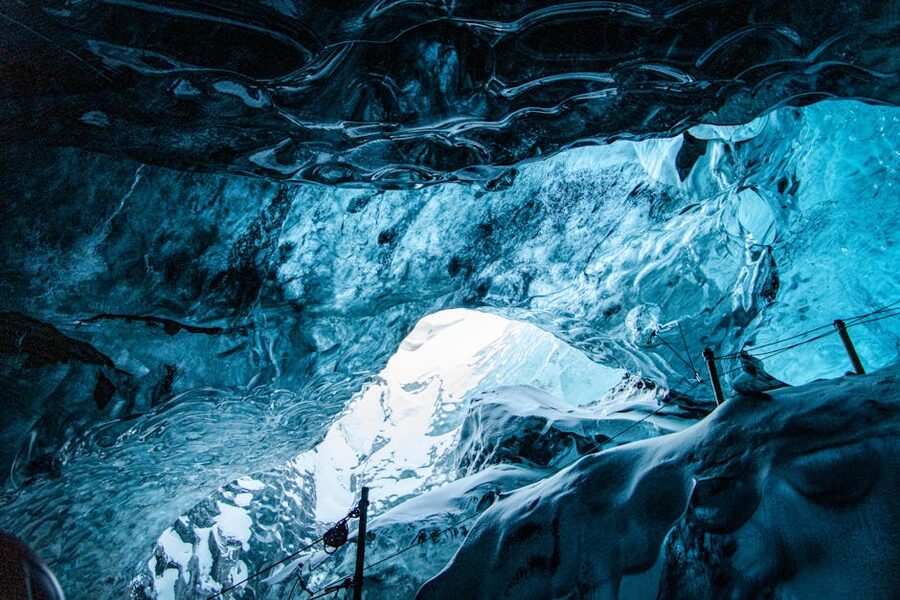
Almost the same temperature as January but with noticeably more daylight by the end of the month. Sunrise creeps to 09:30 by month end, sunset back to 18:00. February is the peak month for ice caves, often the best month for aurora because cloud cover is slightly lower than December and January, and a strong contender for the most photogenic month overall. Orcas are off Snæfellsnes. Vetrarhátíð (Winter Lights Festival) usually falls in the first week. Many people book Iceland for short three- or four-night winter breaks in February and they get a lot for the time.
March
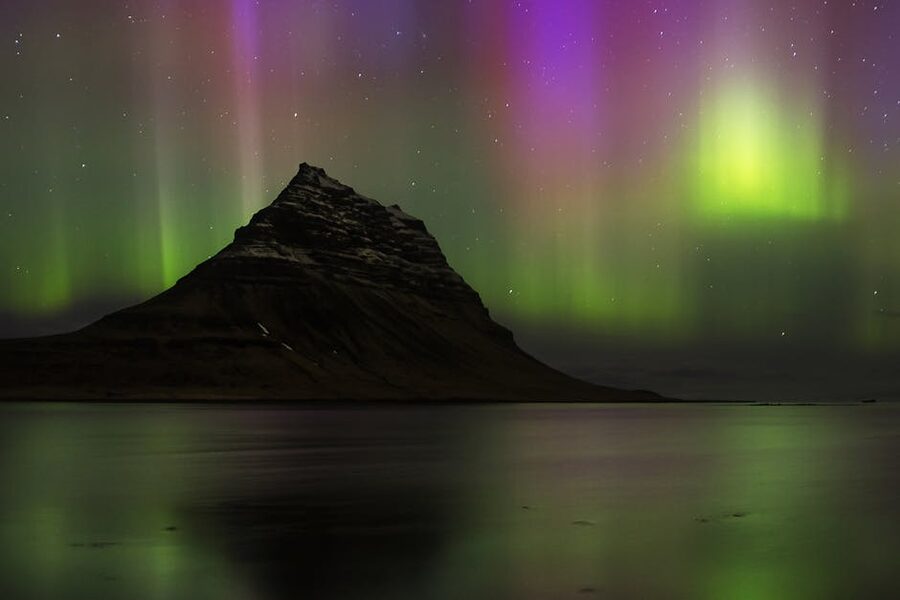
Daily mean around 0.5°C and the days lengthen by something like seven minutes per day, faster than any other month. By the end of March you have nearly 13 hours of daylight, which feels like a different country compared to January. Aurora season is still active until the equinox around the 21st. Ice caves are still running but starting to wind down by the last week. Snowshoeing and glacier hiking are at their best. Crowds remain low. The end of March brings the start of small group tours running again. A good month for travellers who want a proper winter feel without the depths of the dark season.
April
Daily mean around 3°C, days now around 14 hours, the puffins start arriving back to the colonies in the second half of the month. Easter often falls in April; if it does, expect Reykjavík hotels to spike for the long weekend. The aurora season effectively ends in mid-April because the nights aren’t dark enough any more. The first lupines start showing in the south coast. F-roads are still firmly closed. Cars get cheaper through April compared to summer pricing. Weather is genuinely unpredictable; you can get a 12°C sunny day and then sleet two hours later.
May
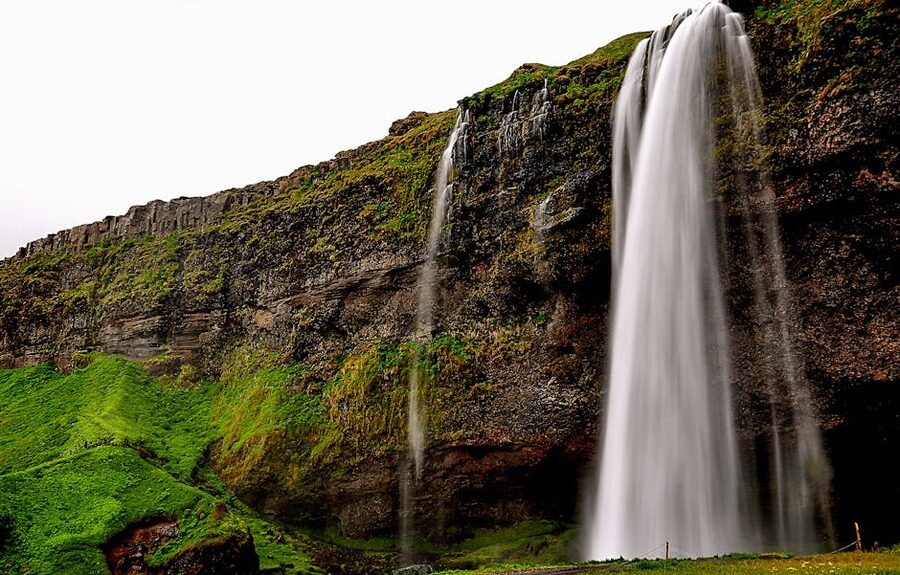
Daily mean around 6°C, daylight pushing 18 hours by month end, lupines blooming hard from the third week. May is the most underrated month. Accommodation is still on shoulder pricing, the country is fully waking up, the South Coast is fully drivable, the puffins are back in full strength, and the days are nearly long enough to feel like proper summer. The catch: highland F-roads still closed (most don’t open until mid-June at earliest), some of the more remote north coast routes still patchy, and weather still chilly enough that swimming in the sea is for the locally-trained only. If you want long light without summer prices, this is the month I’d quietly recommend.
June
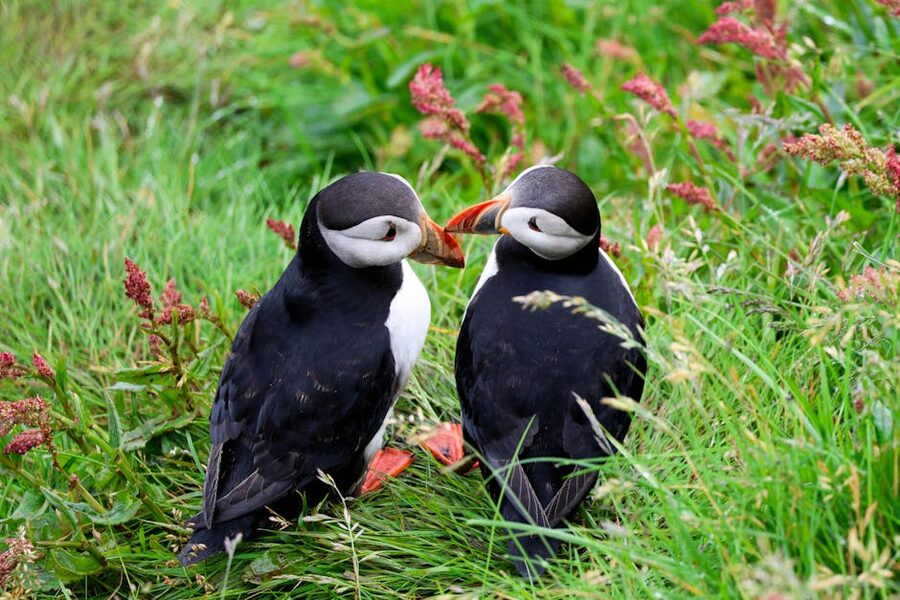
Daily mean around 9°C, summer solstice on the 21st with about 21 hours of actual sunlight (and the rest soft dusk). F-roads start opening, most by mid-month. Puffin colonies at peak. All whale-watching boats running. Iceland’s National Day is the 17th, with parades in Reykjavík and small towns. The shoulder of high season starts here; book accommodation a couple of months out for the popular spots. June has the longest days and the country at its greenest. The only downside compared to July is the highland roads aren’t all open yet at the start of the month.
July
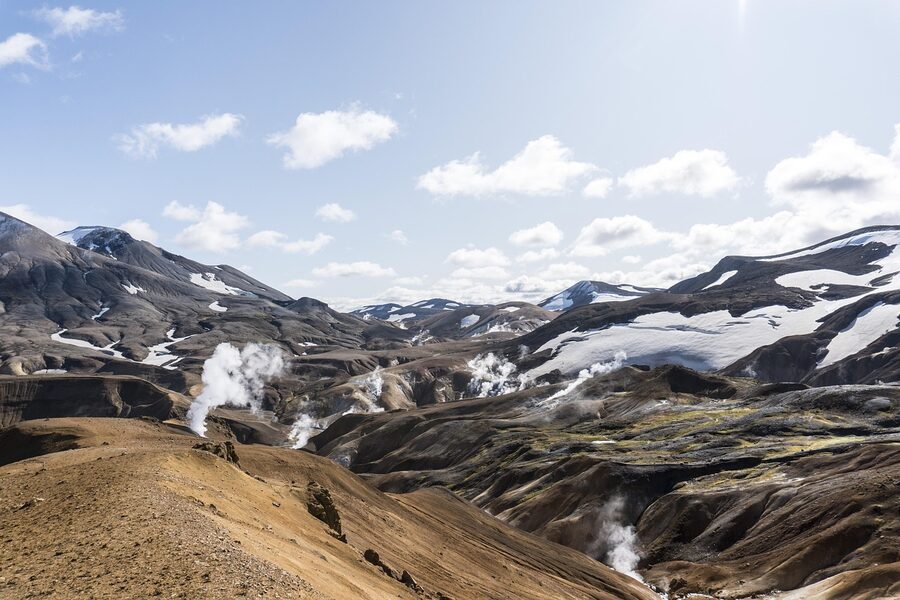
Daily mean around 11°C, the warmest and driest month, all roads open including the F-roads. The Laugavegur trail is at its busiest. Festivals all month: Bræðslan in July (Borgarfjörður Eystri, indie music in a converted herring factory), Skálholt music festival, Folk Iceland in Siglufjörður. This is peak season in every sense. Prices peak. Crowds peak. Restaurant reservations need to be made well ahead. Rental cars run out at popular pickup times. Ring Road accommodation outside the bigger towns is essentially full from mid-month onwards. None of this is a reason to skip July, especially if you want the highlands. But it’s not a month for spontaneity.
August
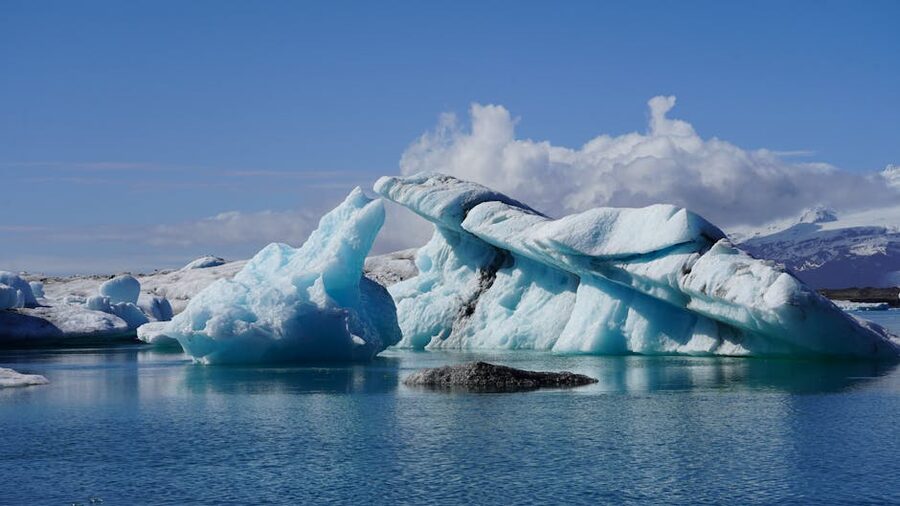
Daily mean around 10°C, days still long but the dark returns surprisingly fast. By the last week of August you can see proper night for the first time in months, which means the first aurora is technically possible. Puffins leave in early August (count it as the last week of July if you want guaranteed sightings). Cultural Night in Reykjavík (Menningarnótt) on a Saturday in late August is one of the city’s best evenings. August stays popular but the very peak crowds start easing in the last week as European school holidays end. A solid month if you want most of summer but a slightly thinner crowd.
September
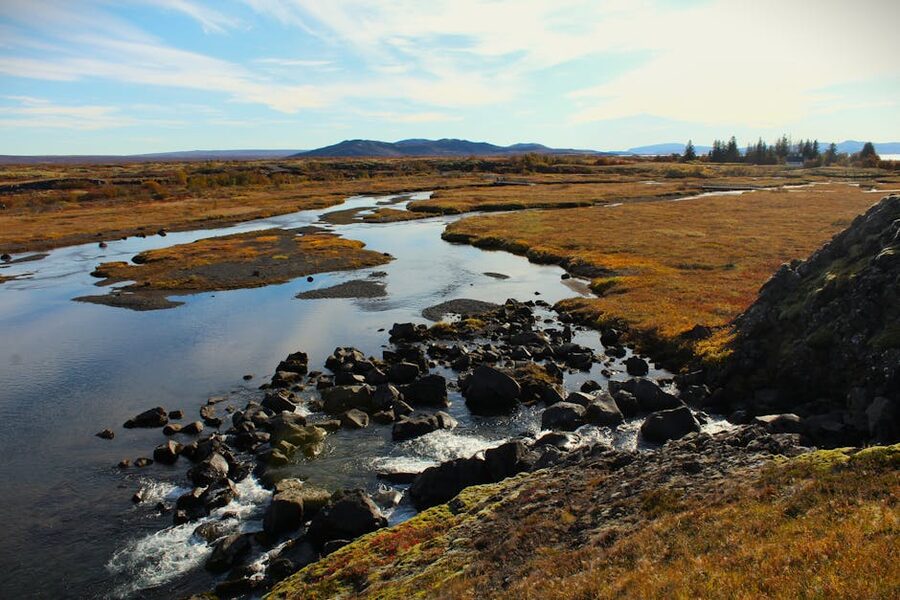
Daily mean around 7°C, days still 12 to 13 hours at the start of the month and around 10 by the end, and the F-roads stay open until mid-September. This is my personal recommendation for first-time visitors with flexible dates. The crowds drop noticeably after the first week. Hotel prices come back to earth. Aurora season returns from roughly the 10th onwards because the nights are dark enough again. The autumn colour comes in across Borgarfjörður and the East Fjords by mid-month. The catch: the storms start picking up again, and by the last week the weather is getting unpredictable. But for two or three weeks in mid-September, you genuinely can have the best of summer plus the first real aurora plus realistic prices.
October
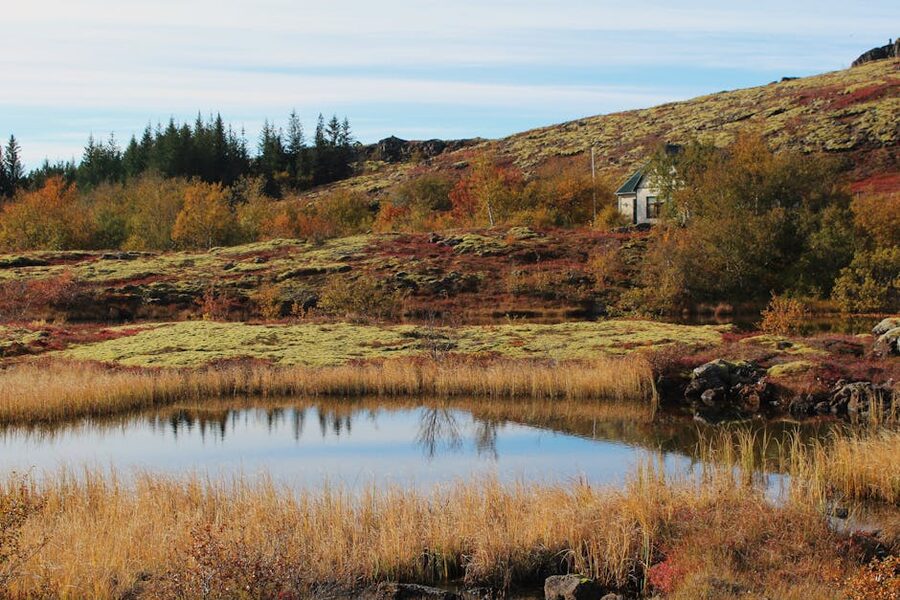
Daily mean around 3°C, daylight down from 11 hours at the start to 8 by the end, full aurora season, and ice cave tours starting to spin up by mid-month. October is the wettest month in many regions. Most highland F-roads close. Whale-watching season ends. October is a coin flip on weather: clear cold nights with vivid aurora and dry roads, or strings of grey wet days that force trip changes. Build flexibility in. Don’t book a tight South-to-East loop expecting it to stay open. Prices are at shoulder-low. If you want a winter-feeling trip without the cold of January, mid-October is a very good window.
November
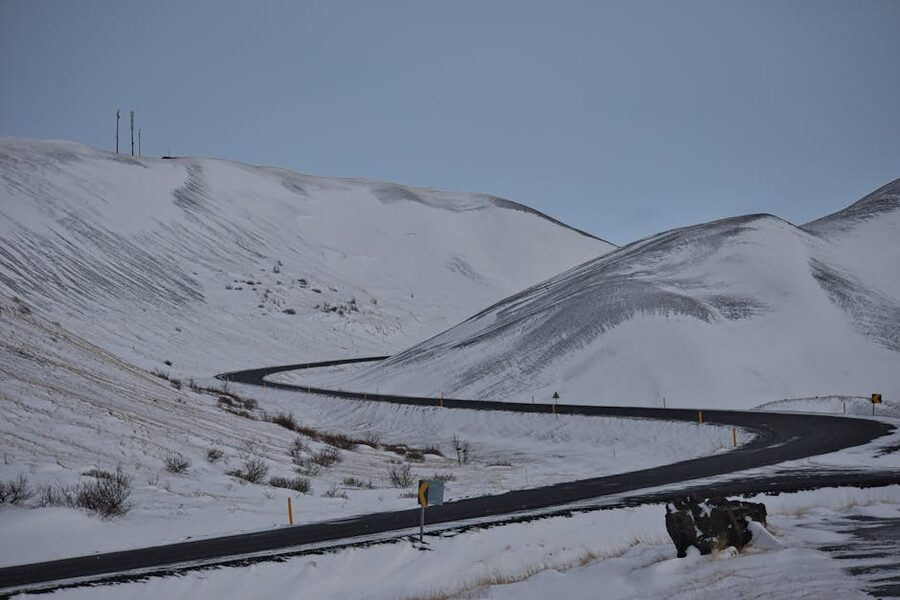
Daily mean around 0°C, daylight shrinking fast (from 8 hours at the start of the month to 5 at the end), aurora season strong, and ice caves open by mid-month. November is when Iceland really transitions into proper winter. Reykjavík gets its first reliable snow. The Christmas lights start going up in the first week and stay up until January. Most non-Ring-Road routes get patchy. A good month for aurora-focused trips that don’t try to do too much driving. Studded tyres are required by law from November 1st through April 14th, so any rental will have them.
December
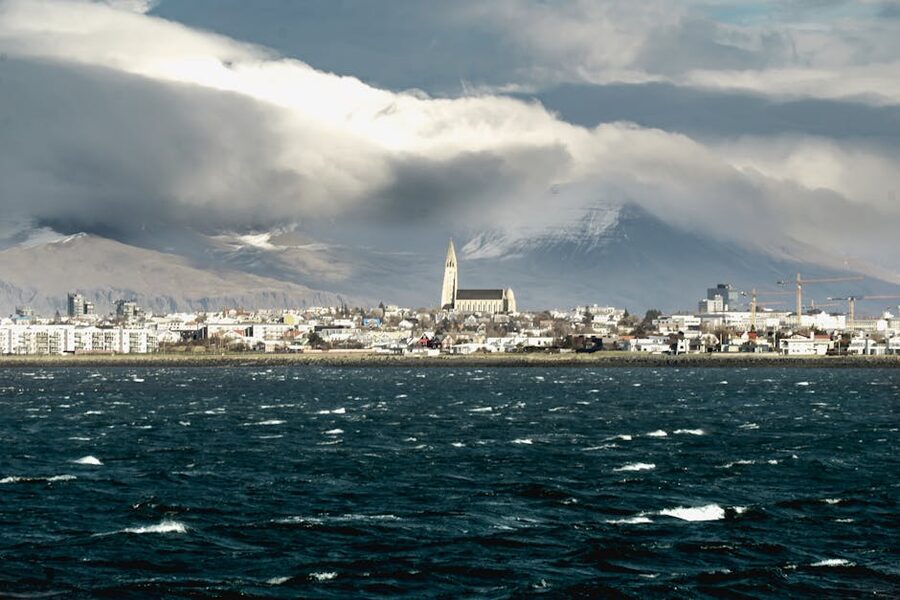
Daily mean around -1°C, the shortest days of the year (about 4 hours of sun on the 21st), full aurora and ice cave season, the Yule Lads, the Christmas markets, and the New Year fireworks. December is the most polarising month. Some people love it for the festive atmosphere and the moody half-light. Others find the dark genuinely hard. If you go, base in Reykjavík, take day tours rather than driving long distances yourself, and budget two extra days as buffer for weather. The full guide to the festive side is in Christmas in Iceland.
How long should you actually come for?
The trip length depends on what you want to do, not just on what feels reasonable. Here’s how I think about it.
Four to five days. Reykjavík as your base, with day trips. You’ll do the Golden Circle (Þingvellir, Geysir, Gullfoss), the South Coast as far as Vík (Seljalandsfoss, Skógafoss, Reynisfjara), the Blue Lagoon, and have a couple of evenings in the city. This is the right length for a winter trip, where weather and short daylight make long drives risky. Reykjavík city break ideas at this length live in the city break itineraries.
Seven to ten days. The Ring Road. Around 1,300 km of driving total, plus detours, with stops at Jökulsárlón, the East Fjords, Mývatn, Akureyri, and back through Snæfellsnes. Ten days makes it relaxed, seven is doable but tight. This is a summer-only trip in practical terms; in winter the same itinerary needs two extra days minimum for weather slack.
Two weeks plus. Ring Road plus the Westfjords or the Highlands. The Westfjords add four to five days if you want to do them properly. The Highlands need a 4×4 and at least three extra days if you’re going to Landmannalaugar and back through Þórsmörk. Anyone planning a fortnight should look at the full tour overview for which packaged options make sense.
How far ahead to book
Lead times for Iceland have stretched in recent years. Here’s what I’d plan around now.
Summer (mid-June to mid-August): Book accommodation four to six months ahead, especially the smaller guesthouses on the South Coast and Snæfellsnes. Rental cars three to four months. Popular tours (Inside the Volcano, the harder-to-access ice caves, Westfjords boat tours) two to three months. Restaurants in Reykjavík for groups: a couple of weeks ahead.
Christmas and New Year (December 20 to January 3): Book accommodation four to six months ahead. The Reykjavík rooms vanish fast for New Year’s Eve specifically. Rental cars two to three months. Tours one to two months.
Aurora season outside the festive window (October to March): Two to three months for accommodation in popular spots. Rental cars one to two months. Ice cave tours one to two months. Day-tour aurora hunts a week or two; they don’t usually fill.
Shoulder months (May, September): One to two months for accommodation in popular spots, often less. Cars one to two months. Tours can be done within a couple of weeks for most things.
Weather expectations, plainly
Iceland’s weather changes hourly. That isn’t tourist-board exaggeration. A clear morning in Vík can turn into horizontal sleet by 2pm. The wind in particular has more variability than visitors expect. The Met Office records sustained winds of 18 m/s (about 65 km/h) on roughly 10 to 20 days per year in the lowlands and around 50 days in the highlands. That’s a wind that will rip a car door out of your hand if you’re not bracing.
The two websites you check daily on a winter trip:
- en.vedur.is for weather, wind, precipitation, the aurora forecast, cloud cover, and storm warnings
- road.is for road conditions, closures, snowfall, and webcams of the major routes
If a road is shown red on road.is, it’s impassable. Orange is difficult. Locals don’t push through these and you shouldn’t either. Storm closures of Route 1 happen every few weeks in winter and they aren’t dramatic events; they’re an organised national pause. Your trip needs to expect them. Don’t book a non-refundable activity for the morning of your flight out, because if Route 1 closes between you and Keflavík, you’ll lose the activity AND the flight.
Also worth knowing: safetravel.is lets you file a travel plan if you’re going somewhere remote, and SafeTravel has rescued plenty of people who didn’t bother. It takes five minutes to file. If you’re doing anything off the main routes, do it.
The shoulder season pitch nobody makes loudly enough
I want to stand on a chair for this one. The two best windows for visiting Iceland are the last two weeks of May and the second half of September. Almost no other guide says this loudly because the booking platforms make more money pushing summer. But these are the months when the country is most enjoyable and the prices are most reasonable.
Late May: long bright days, lupines starting to bloom, puffins back, South Coast roads fully open, Ring Road drivable, accommodation 30 to 40% cheaper than July, and you’ll have Seljalandsfoss to yourself before the noon coaches arrive. The catch is the highlands aren’t open yet and the swimming-pool weather isn’t quite there.
Late September: still long enough days for serious driving, autumn colours coming in, the first aurora returning, fewer tourists, the highlands still open until mid-month, and prices that have come back to earth. The catch is that by the last week of September the weather is getting more unpredictable and you’ll lose more time to grey days.
Either window gives you a country that looks and feels close to its July version, at half the cost and a tenth of the crowd noise. If your dates can flex either way, flex into one of these.
The crowd reality
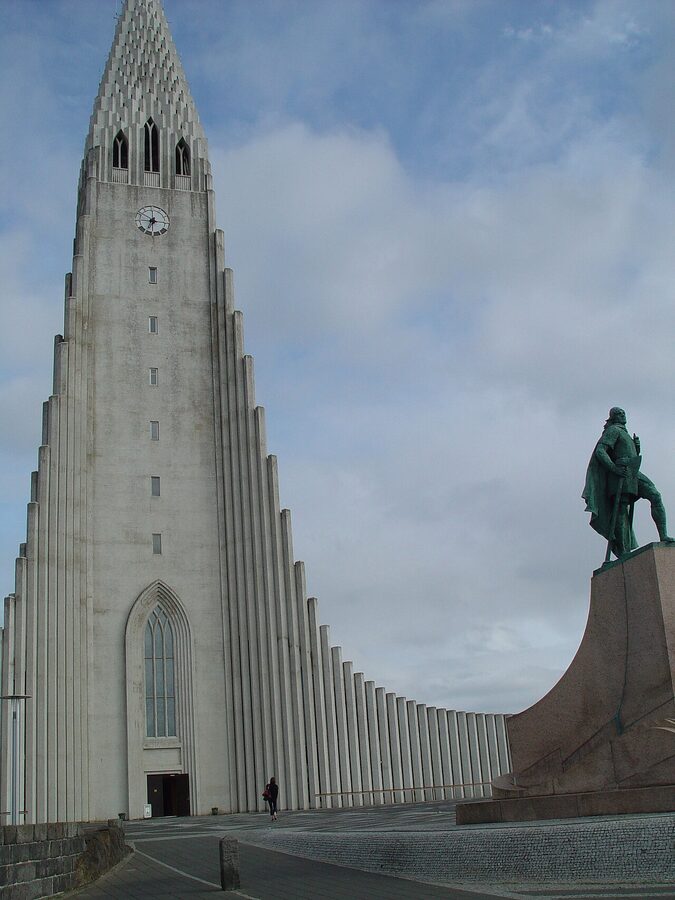
July is peak. If avoiding crowds matters at all to you, avoid July. Reykjavík handles tourism well; you can have a good time in the city even at peak season. The South Coast laybys are where the crowds hit hardest. The car park at Seljalandsfoss is rammed from 10am to 4pm in summer and the path behind the waterfall has a queue. Skógafoss the same. Reynisfjara has a constant flow of vehicles. Jökulsárlón has cruise-ship volumes some afternoons.
The fix is timing within the day, not just the year. Summer days are 20 hours long. Drive the popular South Coast stops at 6am or 9pm and you’ll have them to yourself even in July. The crowds are a midday phenomenon. If you’re in a campervan or staying in Vík, this is easy. If you’re day-tripping from Reykjavík with a tour group, you’re locked into the midday window. That’s why the day-tour quality of a good operator matters: the early-departure ones reach the photogenic stops before the rest of the queue forms.
The whale-watching reality
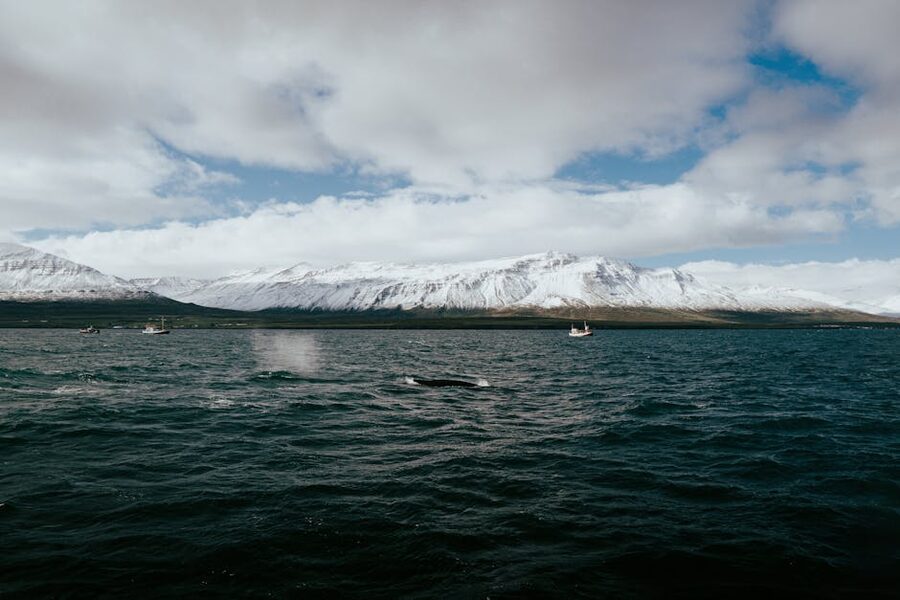
Worth a quick aside because people ask. Reykjavík harbour whale tours run year-round but the success rate in winter is lower. You’ll see something most trips, but the long-distance feeding routes that humpbacks follow in summer mean Húsavík has the best peak-season odds. If your trip is Reykjavík-only and your dates are November through March, manage expectations. If you’re going to Húsavík in June or July, the trips are essentially a sure thing.
What I’d actually pick
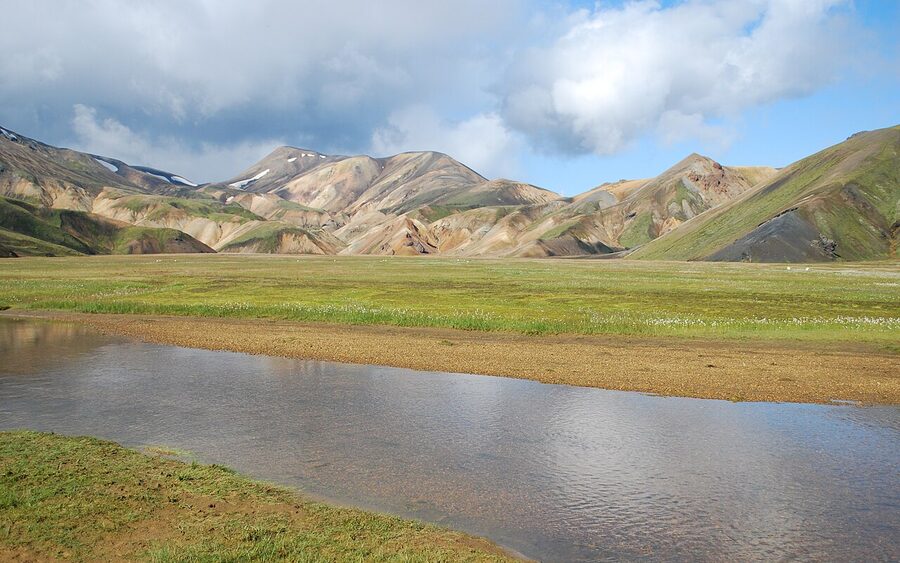
If someone with no constraints asked me to pick one week in the year for a first Iceland trip, I’d pick the second-to-last week of September. Days still 11 hours. F-roads still open if you want to push into Landmannalaugar. South Coast warm enough to drive comfortably. Aurora returning from about the 10th onwards. Hotel prices well off summer peaks. Crowds gone. The last of the autumn colour just coming in. It’s not the version of Iceland that wins the postcards, but it’s the version that gives you the most country for the money.
If they wanted winter Iceland specifically, I’d pick the last week of February. Long enough days to see things, ice caves at their best, aurora season at its peak, orcas off Snæfellsnes, and just enough light to drive the South Coast comfortably without feeling rushed by 4pm darkness.
Neither of those is a “perfect” choice. There isn’t a perfect one. There’s the right one for what you want, and you’ve got eleven other months that offer something different. The thing is to know what you want and then come for it. Iceland will meet you wherever you land.
Whichever month you pick, build in a buffer day. The wind has opinions, the road has moods, and the country has a saying we use a lot. Þetta reddast. It’ll work out.


.jpg)